














BCC+ Looks
Category: BCC Film Style
Effect Name: BCC+ Looks
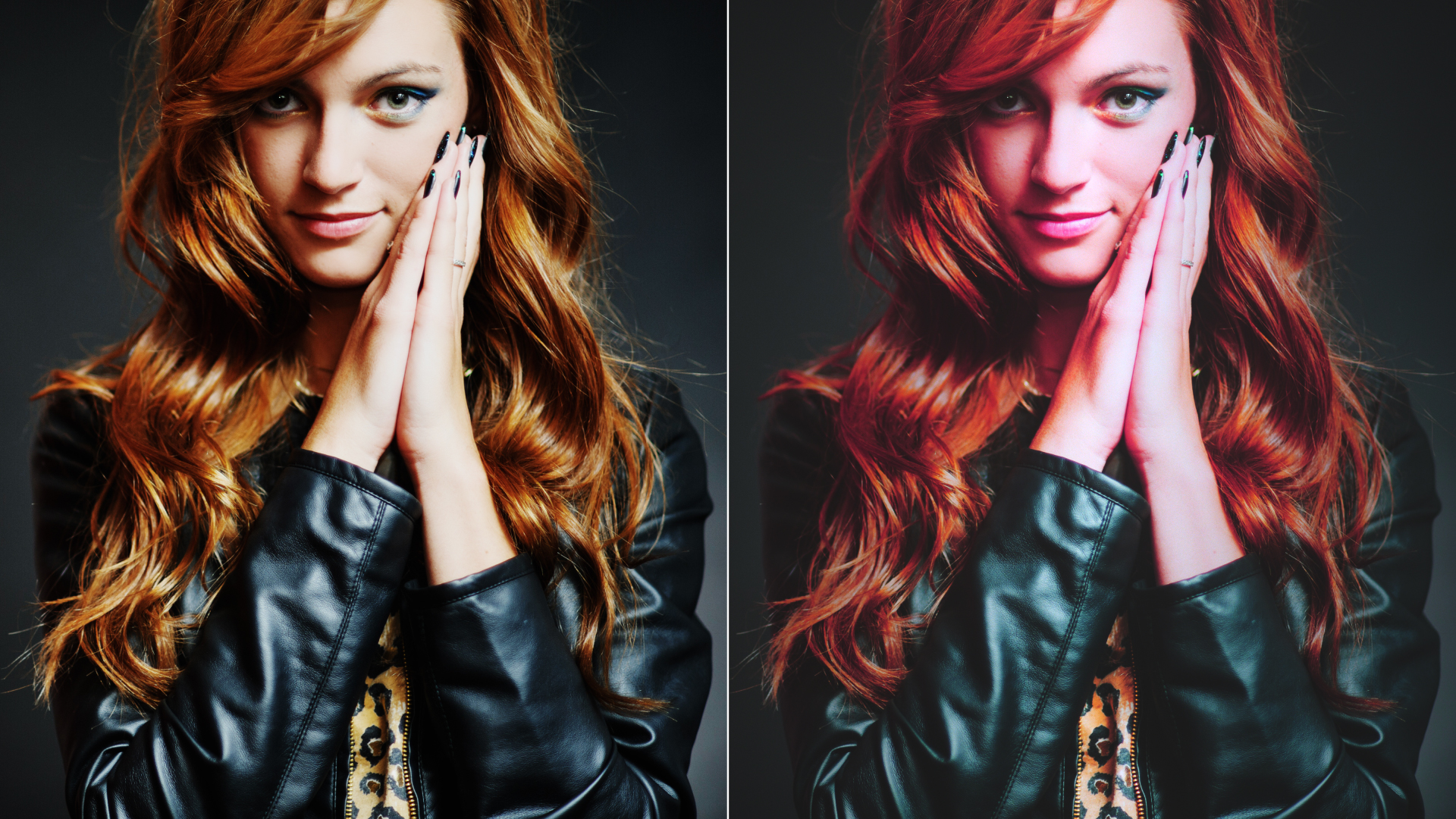
The BCC+ Looks filter, part of the BCC Film Style category, simulates a variety of color and black and white photographic/film looks, diffusion and color grad camera filters, lighting gels, film stocks and optical lab processes.
Working with the Filter
FX Editor and Presets
- Use the FX Editor to load or save presets for reuse.
- To load a preset: Open the FX Editor, select a preset from the Presets panel, and click Apply to return to the host application.
- To save a custom preset: While in the FX Editor, click the Create Custom Preset icon in the parameter list, enter a preset name, and click Done. Additionally, a custom preset can be saved from the main menu bar by selecting File->Save Preset.
- To import custom presets from another drive: While in the FX Editor, select File->Import Preset from the main menu bar.
Effect Controls
Mocha Mask and Track
Continuum effects include integrated masking and matte tools that allow you to restrict the effect to specific regions of the image.
- Mocha masks: used to create custom spline masks. Mocha also includes Matte Assist ML and Matte Refine ML, which use machine learning to generate and track masks.
- Pixel Chooser: used to generate geometric shapes, gradients, or mattes based on channel, luma, or color-based selections. Additionally, an AI depth map generator, and an AI-powered face detection model allow for precise control of masks and mattes.
Note: Mocha can also be used to drive geometric parameters. See the Mocha Motion Tracker documentation for details.
For more information, see Mocha and Pixel Chooser.
Compare Mode
The Compare Mode is used to view the filtered result alongside the original source layer. Several split-screen and side-by-side display options are available.
For more information, see Compare Mode.
- View Sets the viewer to display different aspects of the filter.
- Output: Displays the final result of the effect.
- Diffusion Matte: Displays the diffusion matte view.
- Grad: Displays the gradient.
Color Correct Group
- Black and White: Selects the type of black and white filter to be applied to your color image.
- Off: No black and white filter is applied.
- Normal: Converts the color image to a monochrome image.
- Red: Simulates a red filter in black and white photography.
- Green: Simulates a green filter in black and white photography.
- Blue: Simulates a blue filter in black and white photography.
- Yellow: Simulates a yellow filter in black and white photography.
- Orange: Simulates a orange filter in black and white photography.
- Hue: Rotates the hue of the image.
- Saturation: Sets the saturation of the image.
- Brightness: Sets the brightness of the image.
- Contrast: Sets the contrast of the image.
- Gamma: Sets the gamma of the image.
- Temperature: Sets the color of the image to be either warmer or cooler. Dragging the slider to the right makes the image cooler (bluer) and dragging the slider to the left makes the image warmer (redder).
- Cyan/Magenta: Adds either Cyan or Magenta to the image.
- Red: Adds or subtracts red from the image.
- Green: Adds or subtracts green from the image.
- Blue: Adds or subtracts blue from the image.
Diffusion Group
- Blend: Determines the blend mode to be used to create the diffusion effect.
- Add: Adds diffusion to the image.
- Screen: The diffusion is combined with the image using a Screen blend mode.
- Normal: The diffusion is mixed with the original image.
- Amount: Sets the amount of diffusion.
- Color: Sets the color of the diffusion.
- Blur X: Sets the blur along the x-axis.
- Blur Y: Sets the blur along the y-axis.
- Blur Gang: Links the Blur Y and Blur Y parameters together.
- Position: When using the Add and Screen blend modes, Position selects the values used to create the glow effect. A higher Position value uses the brightest image values to create the glow. A lower Position value uses the darkest image values to create the glow.
- Range: When using the Add and Screen blend modes, Range controls the range of values to be used for the glow. Once you’ve selected the “Position”, you can then add or subtract the “Range” of values to be used in the glow source. A higher Range value includes more values in the glow source while a lower Range value includes less values.
Color Gradient Group
Color Gradient colors and or darkens only a portion of the image giving you the ability to simulate any Color Gradient filter. Presets for your favorite color gradient filters are provided as well as the ability to create custom colors. There is a graduated transition for a smooth color blend between the colored/darkened portion and the original image. Color Gradient is especially useful for changing and enhancing the color of the sky.
- Presets: Selects a color preset.
- Color: Sets the color of the grad through the use of a standard color picker.
- OpacitySets the opacity of the color filter.
- Preserve HighlightsPreserves the white areas of the image.
- Exposure CompensationAdds back the brightness loss as a result of the filter application.
- ND:Darkens the colored portion of the grad.
- Type:Controls the direction of the gradient.
- Top-to-bottom: The direction of the gradient is from top to bottom.
- Bottom-to-top: The direction of the gradient is from bottom to top.
- Left-to-right: The direction of the gradient is from left to right.
- Right-to-left: The direction of the gradient is from right to left.
- Horizontal Strip: Horizontal strip gradient gradient.
- Vertical Strip: Vertical stripgradient grad.
- Size:Adjusts the overall size of the gradient.
- Angle:Adjusts the angle of the gradient.
- Corner Pin:The grad can also be corner pinned by adjusting the Corner Pin sliders as well as dragging the four points on the corners of the screen.Note: You may need to zoom the image out a bit to see the corner points. In addition, to see and adjust the corner points in After Effects, make sure that the effect title in the Effect Controls window is highlighted. For Final Cut Pro, you must activate the cross hair icon next to the corner position parameters to see and adjust the corner points on the screen.
- Upper-Left: Controls the X and Y position of the Upper Left Point.
- Upper-Right: Controls the X and Y position of the Upper Right Point.
- Lower-Right: Controls the X and Y position of the Lower Right Point.
- Lower-Left: Controls the X and Y position of the Lower Left Point.
- Presets: Selects a gel preset.
- Color:Sets the gel color through the use of a standard color picker.
- Opacity:Sets the opacity of the color filter.
- Preserve Highlights:Preserves the white areas of the image.
- Exposure Compensation:Adds back the brightness loss as a result of the gel application.
- Bleach Amount: Adjusts the intensity of the effect. Positive values result in a more intence bleaching effect, negative values are more subtle.
- Bleach Saturation: Adjusts the saturation of the image. Positive values saturate, negative values desaturate.
- Bleach Contrast: Adjusts the contrast of the image. Positive values increase contrast, negative values decrease contrast.
- Cross Process Amount: Controls the strength of the Cross Processing filter.
- Cross Process Type: selects the type of cross processing
- Print to Slide: Simulates the effect of print film (C41) being processed in slide (E6) chemicals.
- Slide to Print: Simulates the effect of slide film (E6) being processed in print (C41) chemicals.
- Flash Amount: Controls the amount of flashing effect.
- Flash Blend: Determines the blend mode to be used to create the flashing effect.
- Add: The flash is added to your image.
- Screen: The flash is combined with the image using a Screen blend mode. This looks kind of like the Add blend mode, but highlights are retained.
- Flash Color: The Color parameter sets the color of the flashing through the use of a standard color picker.
- Overexpose Amount: Controls the amount of overexposure.
- Overexpose Intensity: Sets the intensity of the overexposure.
- Overexpose Blur: Sets the softness of the overexposure.
- Enable: Toggles the grain effect on and off.
- Monochrome: When checked, the grain is monochrome. In this mode, only the Red Size, Red Amount and Red Softness sliders are active. Since the grain is monochrome, only one slider is needed.
- Size: Controls the size of the grain. The larger the Size setting, the larger the grain will be.
- Red Amount: Controls the intensity of the red grain.
- Green Amount: Controls the intensity of the green grain.
- Blue Amount: Controls the intensity of the blue grain.
- Softness: Determines the softness of the grain. Normally, only minor softness adjustments are necessary, usually between a value of 0-1.
- Response Position: Defines the portions of the image where grain will be added. A low Position value places grain in the darkest image values, while a high Position value places grain in the brightest areas.
- Response Range: Increases or decreases the area where grain is added to the image based on the value of the Position slider. A low Range value indicates a narrow range of values, while a high Range value indicates a large range of values.
- Response Minimum: Sets the minimum level of grain that is always added to the image. A Position value of 0 and a Range of 80 is typical of standard film, with grain applied to the entire range except the brightest whites with black being the most affected.
- Animate: Enable/disable animation in the grain. When enabled the grain will randomly animate to create a noise effect.
- Random Seed: Adjusts the randomness of the animation.
- Hue: Rotates the hue of the image.
- Saturation: Sets the saturation of the image.
- Brightness: Sets the brightness of the image.
- Contrast: Sets the contrast of the image.
- Gamma: Sets the gamma of the image.
- Temperature: Sets the color of the image to be either warmer or cooler. Dragging the slider to the right makes the image cooler (bluer) and dragging the slider to the left makes the image warmer (redder).
- Cyan/Magenta: Adds either Cyan or Magenta to the image.
- Red: Adds or subtracts red from the image.
- Green: Adds or subtracts green from the image.
- Blue: Adds or subtracts blue from the image.
Gels Group
Photographers, cinematographers and lighting designers use colored filters or gels in front of lights. Whatever mood you wish to create, we have the colors needed to achieve the effect.
Lab Group
The Lab group simulates a variety of different optical lab processes including Bleach Bypass, Cross Processing, Flashing and Overexposure.
Grain Group
Grain simulates film grain with individual control of red, green, and blue grain size, softness and intensity. In addition, a Film Response parameter controls where you will see grain in the image.
Note: The Amount parameters set the red, green and blue intensities of the grain. Film stocks generally have varying amounts of red, green and blue intensities with the blue intensity generally higher than the rest. If you turn the red, green and blue amount sliders to a value of 0, the grain will disappear.
Note: You may not see an accurate representation of the grain in the viewer unless your timeline/composition is set to high quality and the viewer is set to a 1:1 pixel ratio.
Post Color Correct Group
Post Color Correct gives you further color correction after all other operations have been processed. This is often helpful as some of the operations affect the brightness, contrast and color of the image. In addition, Temperature controls allow you to make the scene warmer or cooler, and cyan or magenta.