













Sean Combs: The Reckoning
A discussion of how the structure of the series evolved, the dangers of editing a show that was destined to be sued, and the editorial strategies used to clarify a complex story.


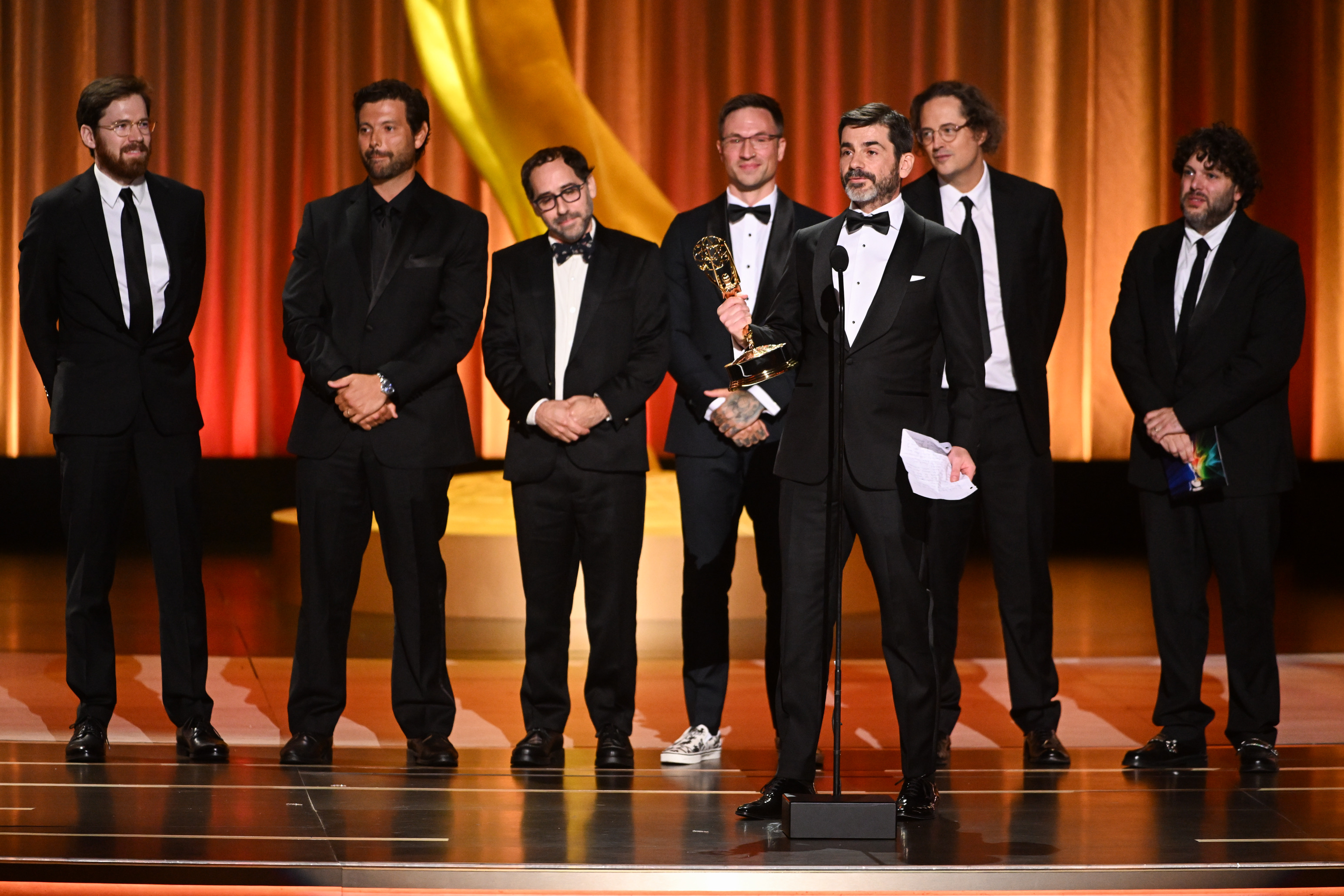
Today on Art of the Cut, the Emmy-winning editors for Best Picture Editing for a Nonfiction Program: Sean Combs: The Reckoning, a four part doc-series from Netflix. Interviewed for the project were Charles Divak, ACE, Jeremy Siefer, ACE, Evan Wise, ACE, and Benjamin Kast, ACE. Unable to join in the call were editors Adam Goldstein, ACE, Jack Gravina, ACE, and Jonathan Miller.
Charles Divak has been on Art of the Cut in the past for Chimp Crazy, for which he was nominated for an Emmy and won an ACE Eddie. His other work includes Full Frontal with Samantha Bee for which he was nominated for an Emmy, and The Circus: Inside the Greatest Political Show on Earth, for which he was nominated for an ACE Eddie.
Jeremy Siefer’s previous work includes HBO’s Storm Over Brooklyn, Netflix’s Blood Brothers: Malcolm X & Muhammad Ali, and Showtime’s Bronx Obama.
Evan Wise has been on Art of the Cut in the past for Chimp Crazy for which he was nominated for an Emmy and won an ACE Eddie. His other work includes Q: Into the Storm, for which he was nominated for an Emmy, and The Circus: Inside the Greatest Political Show on Earth for which he was nominated for an ACE Eddie.
Benjamin Kast is a previous ACE Eddie nominee for The Circus: Inside the Greatest Political Show on Earth. His other work includes the HBO docu-series, Monsters of God, and The Britney Griner Story.
Welcome. Congratulations on your Emmy win.
Wise: Thank you.
Let’s have everybody introduce themselves.
Wise: I’m Evan Wise, A.C.E., supervising editor on Sean Combs: The Reckoning.
Divak: I’m Charles Divak, A.C.E., also supervising editor.
Siefer: Jeremy Siefer, I was the lead editor on episode one.
Wise: And recently A.C.E.!
Siefer: Yes, I am officially ACE as of a week ago.
Congratulations. That’s a huge deal. Well-deserved!
Kast: Hi, I’m Benji Kast, also ACE. I worked quite a bit on the end of the series, episode three.
Wise: …and a big shout-out to Jack Gravina, ACE, Jonathan Miller, ACE, and Adam Goldstein, three of our coworkers who couldn’t be here with us today but were integral to the editing of the series.
Tell me about your assistant editors. Did each one of you have a separate assistant, or was it a group thing?
Divak: Our lead was Orlando Perez, who did an amazing job organizing everything across the board. We also had Michael Juarez and Brandon Brown, who were fantastic as well.
Were you all in the same place or was this all remote?
Divak: It was all remote. It didn’t start out as this big a group of people. Jeremy was the first editor on, I think, back in January, and he was working on episode one. I was the second on. I worked on episode two.
Evan was third, working on episode three, and Jack Gravina was on episode four. We were all kind of working individually on our own episodes, then when the verdict came down in July everything changed.
We were kind of all expecting the verdict to be guilty and that he would be in jail for a very long time. When he was not guilty on all the main counts except for the Mann Act - which holds a lighter sentence - it changed the trajectory of the entire show.
We got more people suddenly that wanted to speak, and we also got less people that wanted to speak. Different people wanted to speak than before. We got something like 12 hours of interview with the jurors that had to be cut immediately, then Netflix thought, “We should probably get the show out while we’re talking about it.
If we wait on it for another year, we won’t get the viewership that we got.” And they were right. It ended up being one of the most viewed documentary series of all time. So that compressed schedule led us to bring on three more editors to try to help.
Then the siloed episodes changed from that point on, because we had to rework several of the episodes with a new thought process. Benji came on during that time when it got compressed. We had worked together on The Circus, then John Miller and Adam Goldstein as well.
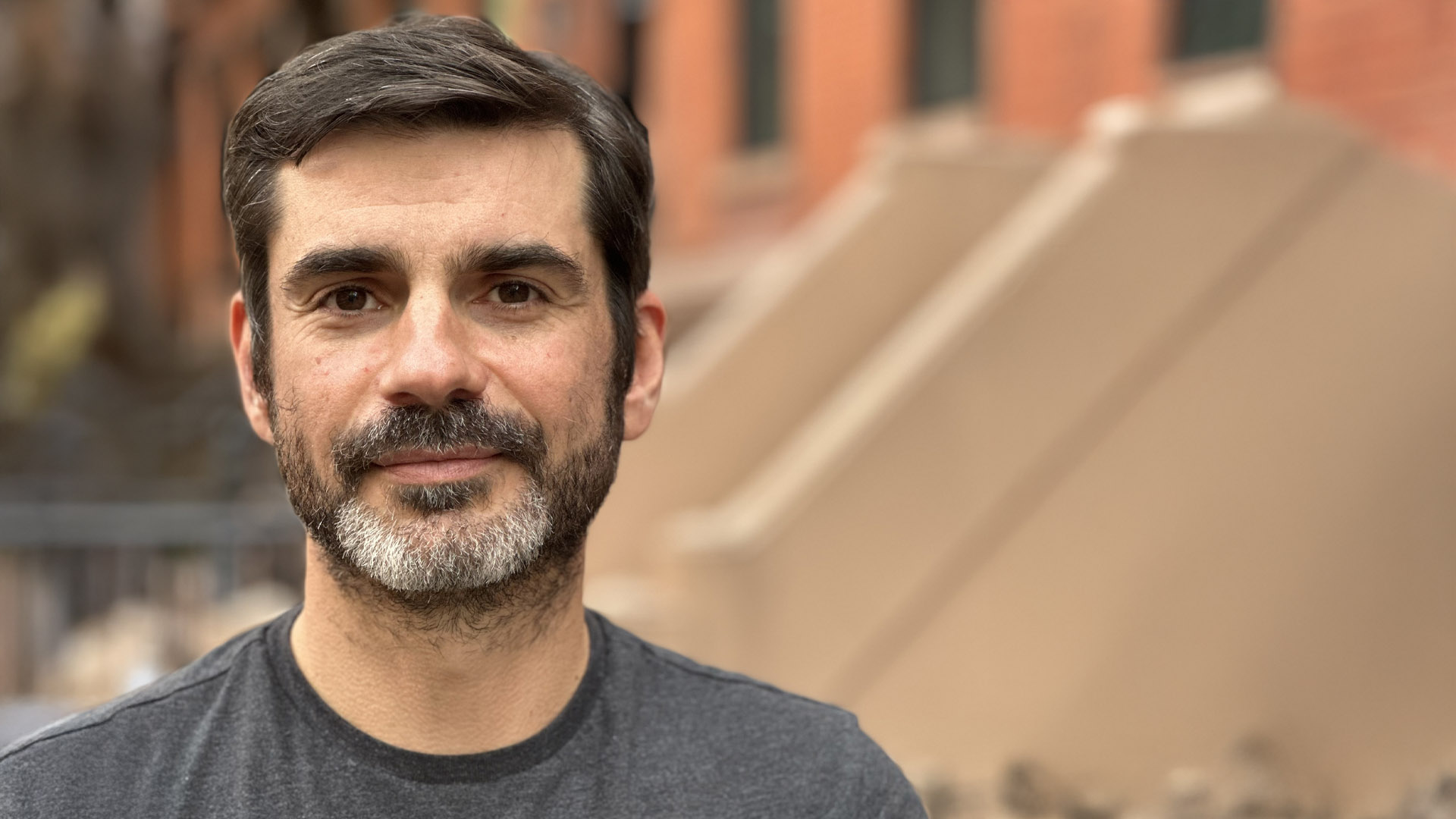
Editor Charles Divak, ACE
I was really interested in the way episode one starts. Like any documentary or documentary series, the idea of how you start the whole thing is crucial. It starts with Sean in his hotel room, talking to his lawyer.
Divak: We originally had that later in the series, and we moved it up to be the cold open. I think we moved it up right after the verdict came in. He looks like he’s on the ropes. You think everything’s going against him, but he’s really laying the groundwork and the plan for what got him the not guilty verdict.
He’s kind of laying out the playbook for what he’s going to do. That cold open comes to fruition during episode four, and Benji really did a great job making that all come full circle.
Benji, let’s talk about that a little bit. The fact that it got moved to a different location and how you felt about that whole scene, I’m assuming you cut it as a scene at one point.
Kast: I didn’t cut the original version. I took that and made it sort of like the twist reveal in episode four. One of the reasons - from my perspective, since I came in a little later - so I was able to see the whole series fresh.
People were talking about how everything he was saying there was relevant to some of the material that we were seeing from the trial, so it just kind of all clicked, “Ooh, let’s reprise this!” There’s that moment when a web blogger was in the trial and was describing how the PR team was trying to get them to put this message on social media.
I don’t know if everyone had this in mind the whole time, but when I put all that together and was working on it, it was like, “Ooh, this is really like a kind of an interesting inversion of what it feels like at the very start of the series!”
If you’re watching the series and just absorbing one piece after another, after another, and if you didn’t know what was going to happen at trial especially, it would have that effect because at the beginning, he seems desperate.
And suddenly you realize it’s actually somewhat the opposite. He was desperate, but all of the techniques, also reflect back on other points in time throughout the series that are touched upon when Sean Combs comes in contact with being in trouble for something and finding a way to get out of it.
Wise: I think literally my first or second week I started working on something that began on September 16th, the day Sean Combs was arrested and indicted.
That was the original beginning: when Sean Combs basically met at the hotel in Manhattan and was arrested, and was taken into federal custody. For a while, that was the opening scene. That was the cold open.
Siefer: Chuck may be right. It may have been after the verdict. I remember it maybe being a little earlier when we started to think about having Sean Combs in that hotel room, talking legal strategy and a scene that now opens the series and so effectively is reprised at the end of the series, when you sort of see and hear everything he’s saying on the phone in a very different light, really.
What it came down to was that there was such a magnetic quality to the verité footage of knowing what is awaiting Sean: that he’s about to get arrested.
So in these last days and hours of freedom, you get a glimpse of a person - a little bit like 25th Hour where Edward Norton’s character is right before he gets locked up. I think that became something so psychologically revealing that there was almost no other place to begin the series.
I don’t remember exactly when it happened, but I think Chuck did the first pass of that phone call, then it ended up in what was - at the time - my episode, the first episode. So I did another version of that, but it was one of those eureka moments where we thought, “It all begins here.” Whether his story begins here, this is where our series begins.
When you had the original first cut of the first episode, how did that start?
Siefer: Originally, the first cut of the cold open of the first episode was Sean Combs arrest. There’s surveillance footage from the hotel when the federal agents arrest him. For a long time that’s where we thought the series should begin, but obviously that arrest, led to a trial.
While we were editing the series, the trial was unfolding, and the most important moment is the verdict, not the arrest. But when we started cutting at the beginning of 2025, obviously there hadn’t been a verdict. So it’s just the way that actual events have a huge impact on how you structure the story.
It sounds like you always knew how many episodes there were going to be from the beginning. Is that true?
Wise: Yeah, I think so. There was a rough outline in the beginning from our director, Alex Stapleton, and it was broken out into four episodes. They were separated pretty tightly by chronology, and I think the first two episodes stayed true to that for the most part. Then episodes three and four had a permeable barrier between them.
There were a lot of things that moved back and forth between three and four. There was a lot of instability between 3 and 4 for a very long time until after the trial, when we kind of had a eureka moment to figure out what needed to go where.
And to start the whole process, you were mostly cutting scenes? Was that the idea? Build individual pieces that would move around?
Wise: Our episodes were divided by time periods. Jeremy had the beginning, from when Sean is a young kid up until he starts his beef with Tupac. Chuck picked it up from there, through Biggie’s murder. Then I had the early 2000s.
Initially I had up until he got arrested. The arrest was in episode three at one point, then episode four was going to be the trial and the aftermath. We sort of stayed in our little pens and were cutting scenes within that, then three and four changed a whole lot.
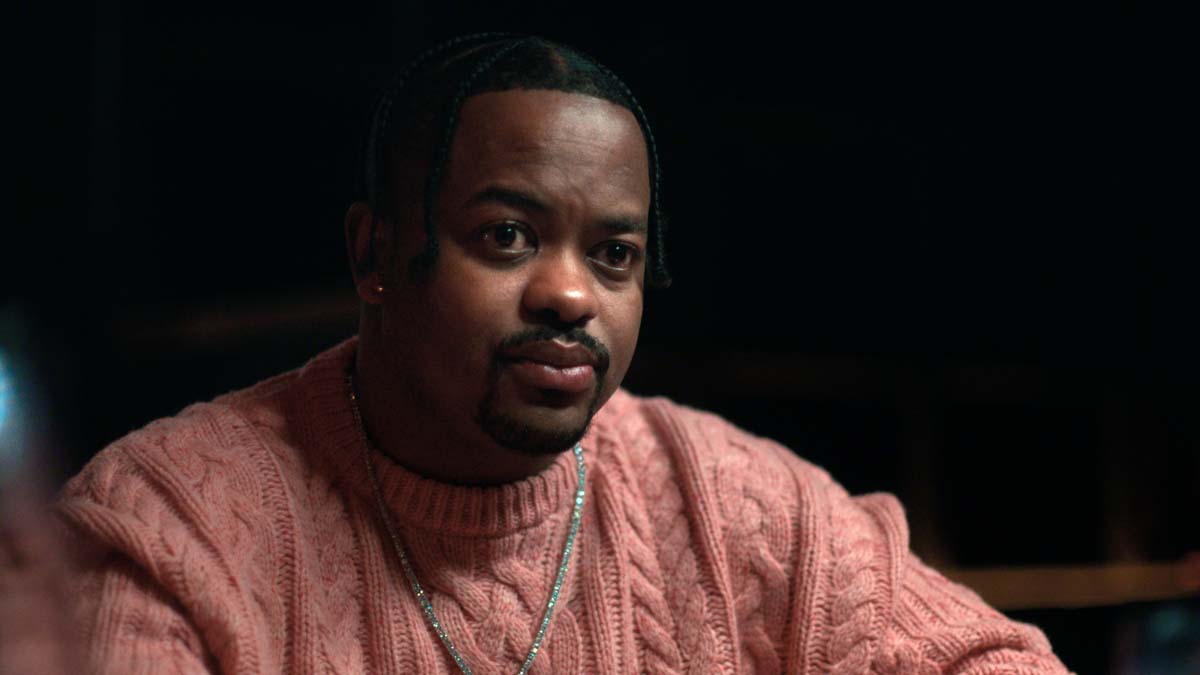
Lil Rod
Watching episode one, it felt much more like a documentary about Sean, then in later episodes the trial and “the reckoning” became more of the focus. Was there a feeling -either with the editors or with the director - of “when do we need to introduce these women?”
Wise: We have at least one in every episode. The guiding light from Alex, our director, was we want to tell the whole story of Sean, and we don’t wanna leave anything out - good, bad, ugly, everything - and he was kind of doing these things almost his whole life - so if you’re referring to “The Reckoning” it was a slow drip across his whole life, really.
One of his earliest victims was revealed in the first episode. What was the idea of when to switch from Sean’s “biography” to finally reveal a first victim of his abuse?
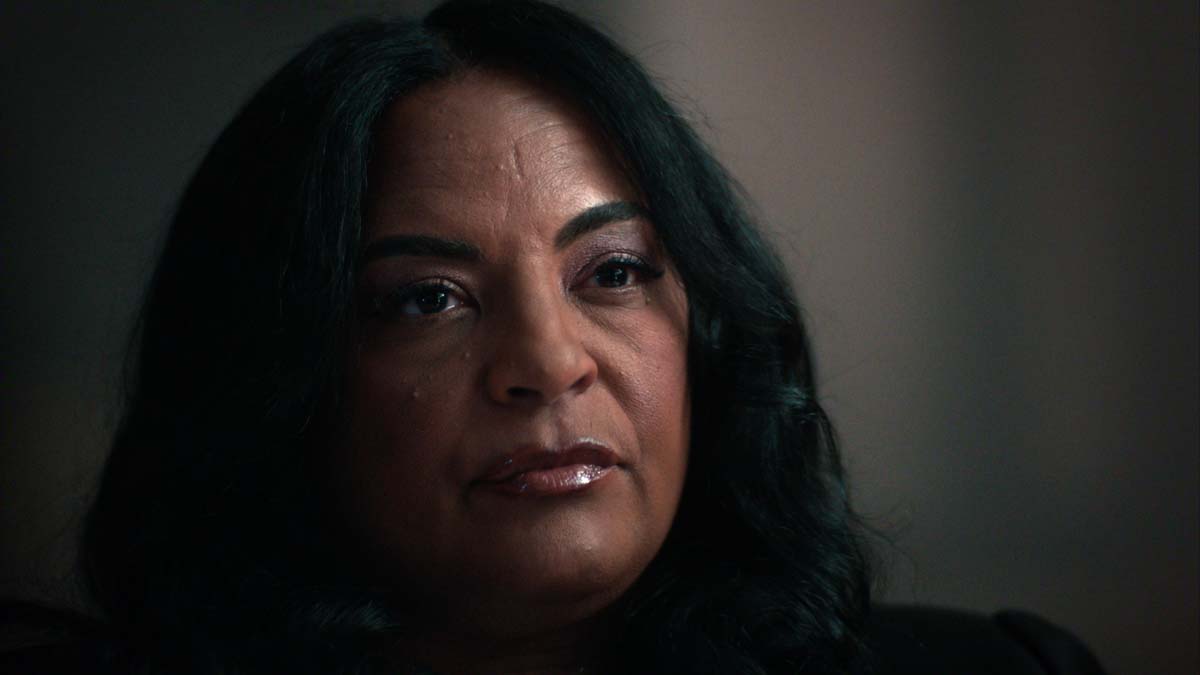
Joi Dickerson Neal
Siefer: Her name is Joi Dickerson Neal. She met Sean when he was still working in A&R for Uptown Records. He was producing a music video, and he tried to cast her. It was very clear early on that this is the intersection.
This is the intersection of Sean and what would become, I think, a pattern of predation and abuse. But it’s completely intertwined with his ambition as a music producer.
One enabled the other. Sean cast himself in the video as a sort of pimp. It completely lines up with not how Sean saw himself, but how he wanted to be seen.
He was basically a sort of hustler, a player. I think he was a million miles away from actually being that, but saw a path where he could project a certain image, and from the beginning, the sexual abuse allegations - it’s impossible to separate the abuse from the attempt to make a trophy or a display or spectacle, because that’s what Sean actually did.
Allegedly he filmed this assault and showed it at a club, so if you want to understand Sean Combs’ trajectory, you have to understand where it started. And to me, this feels like as close as you’re going to get to a Rosetta Stone for understanding the way Sean operates.
And as you point out, because this is so tied to his producing, in order to tell the story of the woman, you have to tell the story of him as a producer and his ascension in that world first.
Siefer: Exactly: as a producer, as a party promoter. That’s what he was doing at the time.
You mentioned the City College Stampede. He was the promoter of that event. A lot of people were responsible, but arguably Sean was the most responsible, so it was a very early case of Sean Combs not being really held to account and not taking responsibility.
That’s what we really wanted to do in the first episode. That’s what Alex Stapleton, the director, really wanted to do, was that by the end of the first episode, even though it only takes us up to roughly 1993, 1994.
Bad Boys is just forming. Sean Combs is known, but this is right around the time that Biggie’s first record comes out. That’s what really puts Sean on the map as a producer, and that’s what really launches Bad Boy Records.
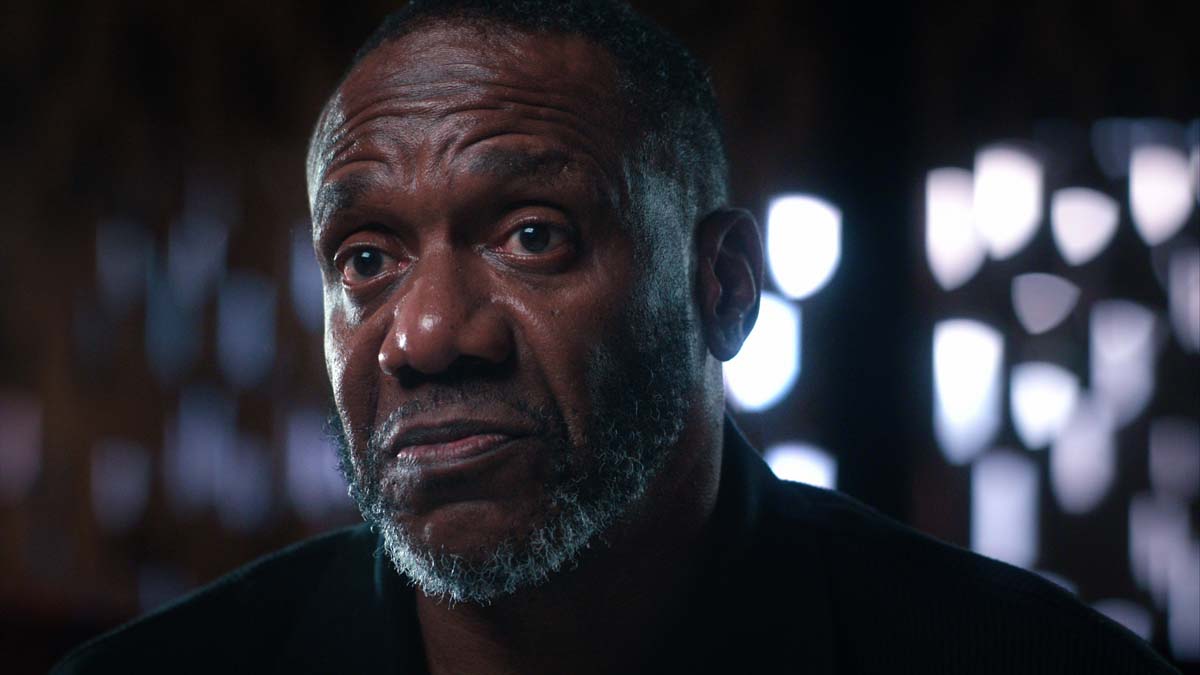
William Lesane
By the time you get to this moment where Sean Combs, for most people, I think his story begins there. We’ve just told the entire back story leading up to that moment with the idea that that “past is prologue.” Tupac’s cousin, William Lesane, breaks it all down.
We’ve already seen how Sean operates, now he’s about to operate with Clive Davis money and with a sort of impunity, and there’s going to be a body count by the time we’re through with this. So that sets up the rest of the series.
I’ve worked on features as well as doc series. There’s something so important about the ending of the first episode of any doc series as a springboard that makes you want to keep watching. I think that’s one of the reasons the series was successful.
I recognized that the title card about the trial got used twice, the one that’s at the end explaining the legal situation. It was used earlier, then also ends the episode.
Divak: It’s the first series that I’ve ever worked on, where there is an absolute certainty that we were going to get sued, o every episode had to go through legal, more so than any other series I’ve ever worked on. So we were constantly talking with lawyers.
Everything was under a microscope, so the slate at the front and the back was a recommendation by legal, but it also reminds you of what happened and what are the stakes and what he got out of. It’s a challenge because you’re forced to do some of these slates, but at the same time, you want to do it in a way that propels the story and I think we were able to achieve that.
At first you think, “I don’t want to do that. I don’t want to put a slate here,” but some of them worked so well because they really parse out the information for you and lay the foundation and the gravitas and the context for what he’s actually accused of, and what he got away with. Legal was definitely a big part of that.
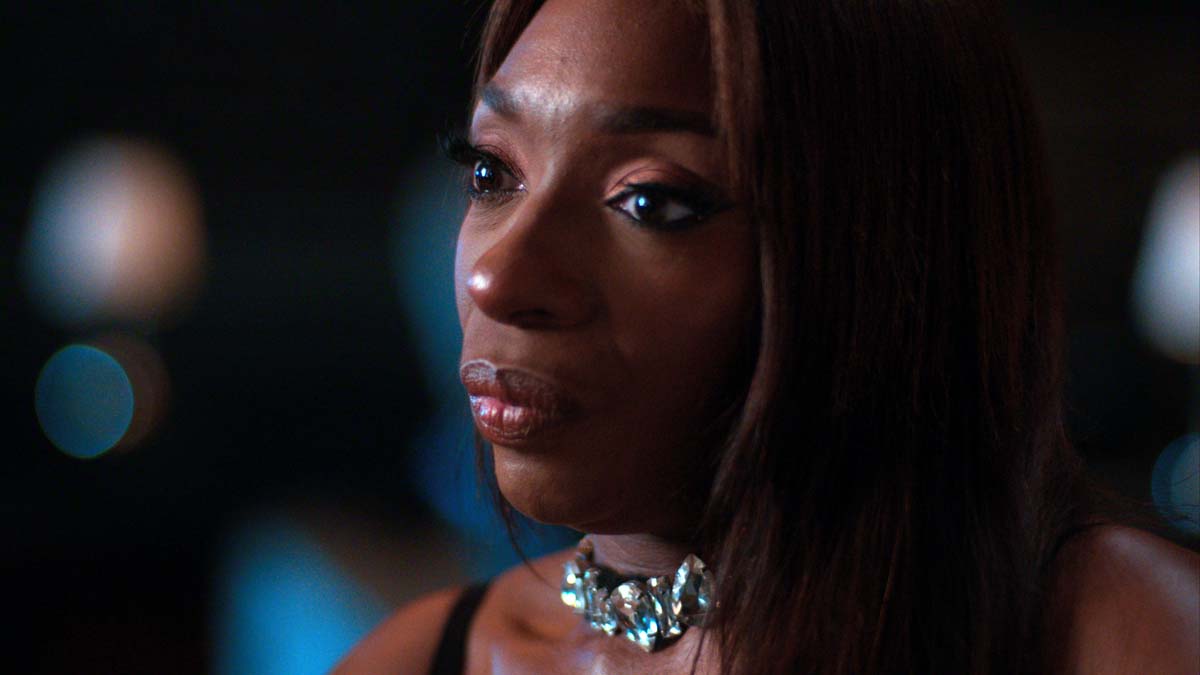
Kellena Harper
The springboard going into the rest of the episodes… Everything is through the lens of control and power. He’s trying to attain more and more power, and with that power, he’s using it to control. The first episode is him trying to go after people above him and trying to rise up.
The second episode is now Tupac. He’s going after somebody his own kind of level now. So he goes after Tupac. He betrays Biggie and goes after him. And as he attains more power and all this control, then in the third episode, he has so much power that he’s taking down people below him, and he’s controlling them and using the same playbook that he used in the first episode.
In the second episode - and then the fourth episode – he has supreme power and he can just take it from anyone he wants. If you look at all these victims, they’re all through the lens of control. Everything is kind of building one after the other.
The perfect form of control is making people take drugs and making them do whatever you want them to do. Contolling their bodies and their minds. It all came from that desire for complete control over everything around him.
Wise: I put together the final five minute sequence of episode one. One of the things that I was really trying to to get across was the jealousy that Sean felt of Tupac in a way that I’m really proud of.
I don’t know if anyone noticed this, but in the beginning of the episode, Sean is looking up to people like Heavy D, and we had a clip of Heavy D on The Arsenio Hall Show. Heavy D was one of his idols, back then.
Then I found a clip of Tupac on The Arsenio Hall Show in the same exact position, getting the same exact introduction as Heavy D did. So I put that in there to try to call back to what Sean views as the pinnacle of success so that he could see his rival getting what he’s wanted since he was 19 years old. That was one of the one of the things that really drove me when I was cutting the end of episode one.
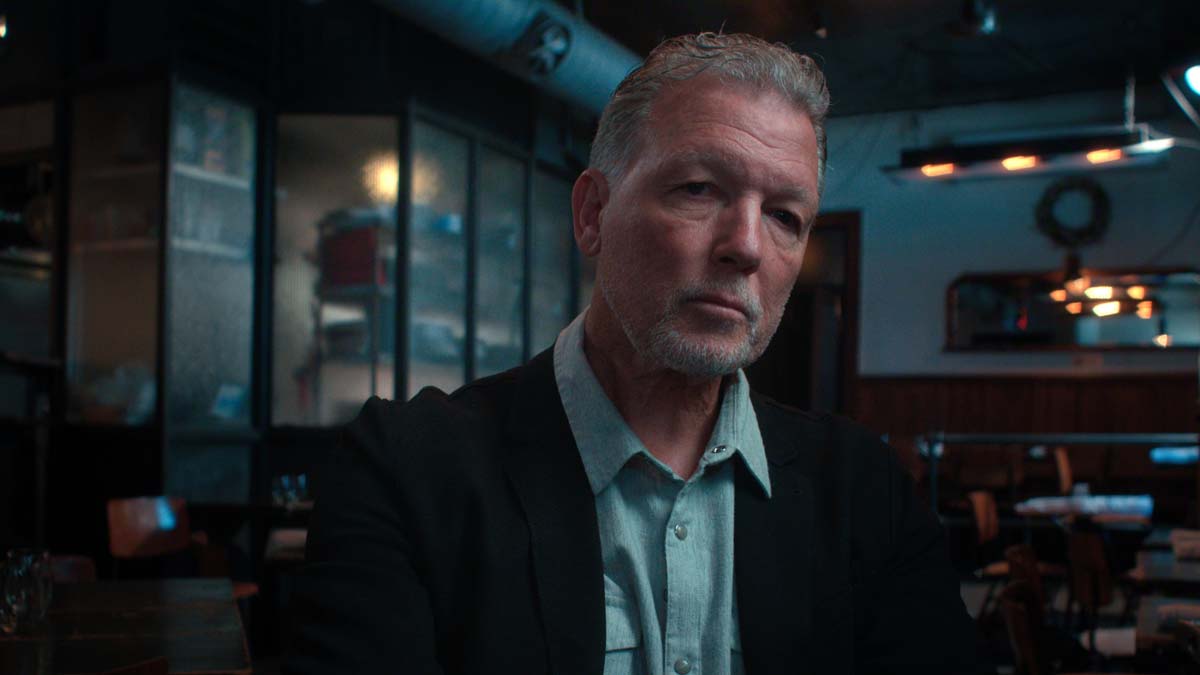
Greg Kading
What was the post-production equipment and remote situation that allowed you guys to all work on the same material? How was that working technically?
Wise: We were using Avid Media Composer with Nexis shared storage, and we were all remoting into computers that I think were in Texas.
We use Miro a lot for digital note cards. You can zoom really far out in Miro, so it’s like this vast universe, and you can just say, “Okay, episode one is going to be in this part of the Miro world, and two is here in three’s here” so at any point you can just scroll to the side and check out what the episode before you is up to and how it would inform what you’re doing in yours, so that was big in our collaboration.
Were you dialing in with Jump Desktop?
Wise: Yes. Jump Desktop
Kast: For the composer - for Pierre [Charles] - there was a remote interface you can playback live what’s on the Avid, then Alex and the director can give music notes.
Divak: That tech was called Looper. I had a bunch of live screenings with lawyers on Looper. I would play a sequence down and we would talk about it, then figure out “what do we need to do to to make this a little tighter legally?” Sometimes I would live-cut stuff with them to try to get it past.
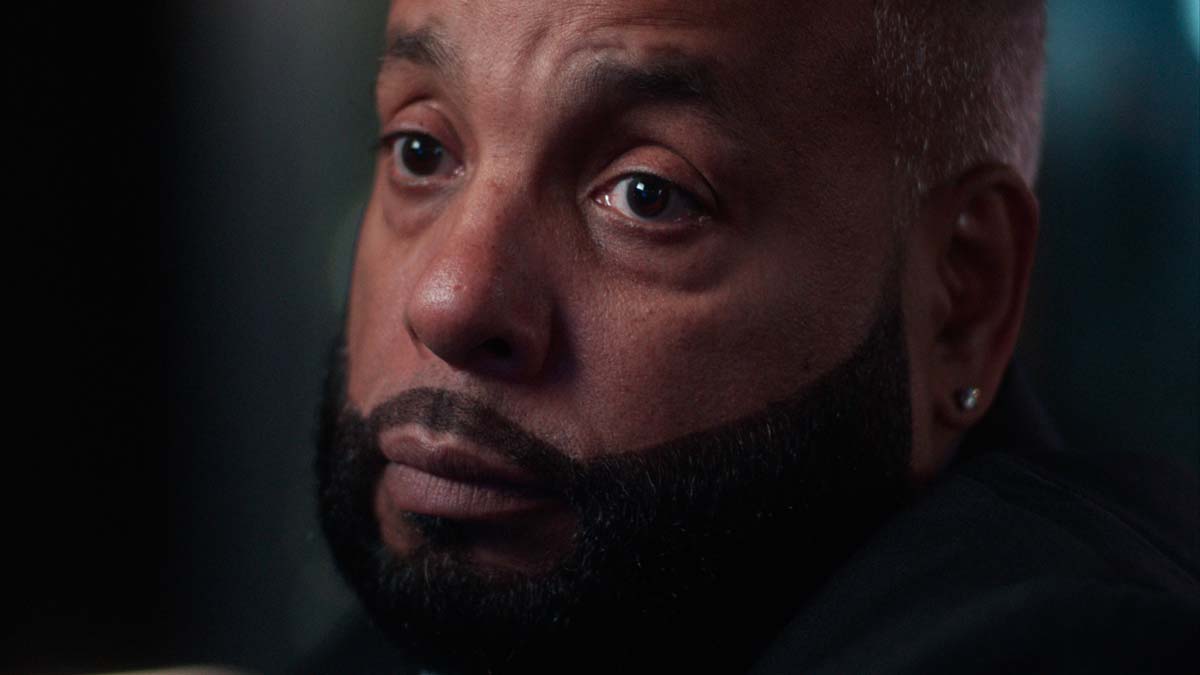
Derrick Parker
The Looper marketing people will be happy because I just did an interview with your fellow Emmy winners - DTF Saint Louis - and they used Looper as well.
Wise: I love DTF St. Louis!
There were so many different types of footage. You had verité, you had 10,000 archival clips. You had interviews from different people. How did you organize all this stuff?
Wise: We had a great archival team, Laura Lee Byrd, Emily Baker, and Rachel Morrison. We had them organize things by decade because a lot of the way we were thinking about it was by decade.
You’d say, “I need a shot of Sean doing X, Y, and Z, but it has to be from the right time period” ‘cause that’s what we’re talking about. So you go to that decade’s folder and look.
We had a couple different levels of organization. So there was the big decade thing, then we also had them break it down by themes, so we’d be have music videos, photos from recording studios, TV appearances, interviews with news, stuff like that. It was organized, but not too much, because I do feel like sometimes you need a little bit of chaos to kind of help you make a happy accident occur.
I love to have big long string outs – b-roll string outs - so that I can just scrub through, then maybe I’ll see a frame of something and it might not be what I’m looking for, but it could work for what I need, or it could spark an idea for something else.
So I love being not hyper-organized because I like going on little “walks through the woods” of the footage, and you find a little berry here or there thinking, “Oh, this is great! I can use this!”
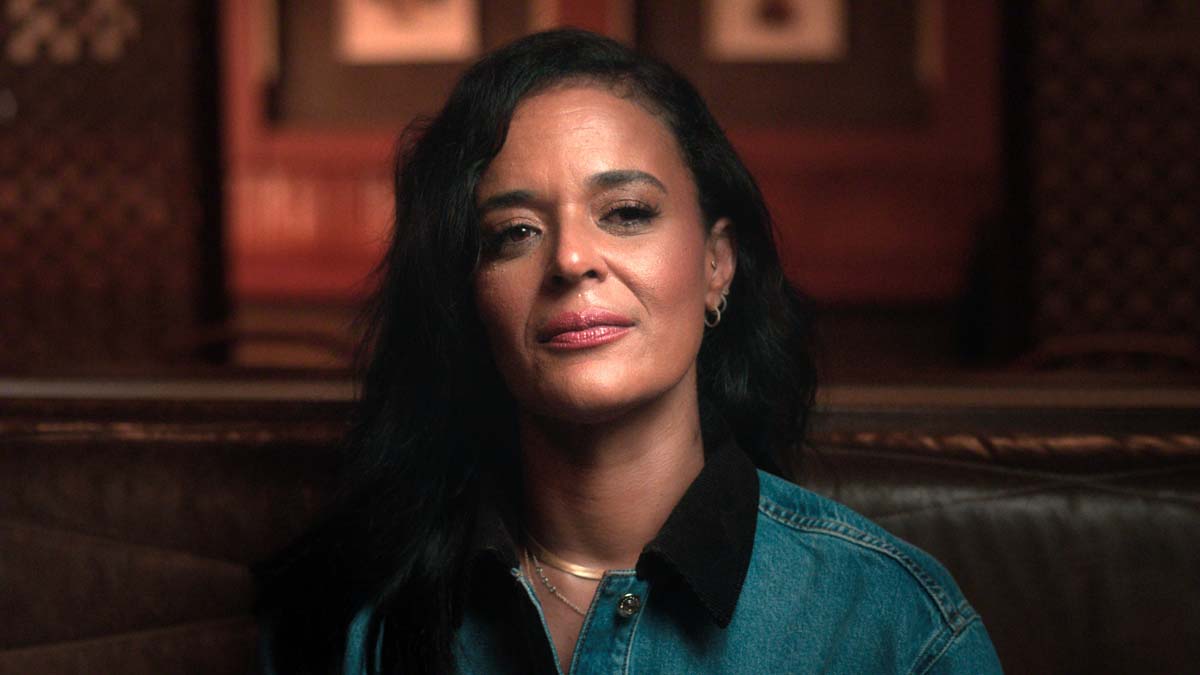
Capricorn Clark
I’ve heard many people mention the same thing: that string outs are great because you’re looking for something specific, but you’re able to find something that you aren’t expecting.
Wise: Also, when you when you work that way and you’re just kind of all over the place, sometimes you can help out your colleagues too. I can’t tell you how many times I saw a good shot and I thought, “Benji, you’re going to love this!” or “Jeremy, if you ever need Sean doing XYZ, it’s this” or “Sean skydiving into his own backyard for his birthday? I know that’s the time period that Jack is working on,” so I’ll just make sure that he knows that that’s there. It’s a good way to help your friends.
Siefer: You mentioned, Steve, that there’s a lot of archival, there’s a lot of verité. The other element is interviews, of course, and I think the interviews are the thing that maybe more than anything else distinguished this series and Alex Stapleton’s unique approach as a director.
They’re not really interviews the way we understand interviews. I mean, they are very long. A short interview with Alex and a subject is maybe four hours. They can easily be eight hours. They are that deep and in-depth. In some ways, they’re not an interview as much as an exploration of someone’s experience. The first question you ask is never going to get you to the heart of what she’s looking for.
Each of us, in our own way, with our own process, approach that volume of material in our own way. Several of us have worked on other things. I know we have different methods. Chuck, for example, does a lot of sub-clipping.
I don’t like a lot of sub clips. I like to work basically on it on a transcript, especially early on, listening and reading at the same time. Then my go-to is: I love to string stuff out. I love to basically turn an idea that’s in an interview that’s explored into one string out, and that becomes - in many ways – the backbone.
But it’s actually more like “the central nervous system.” It’s more connected to the brain in terms of what the character is seeking or needing. I think that’s the thing that really has resonated with a lot of viewers is that it’s an intensely psychological story - and that includes Sean Combs psychology - because it’s really easy - maybe too easy - to just say, “He’s just a monster and he did all these horrible things.”
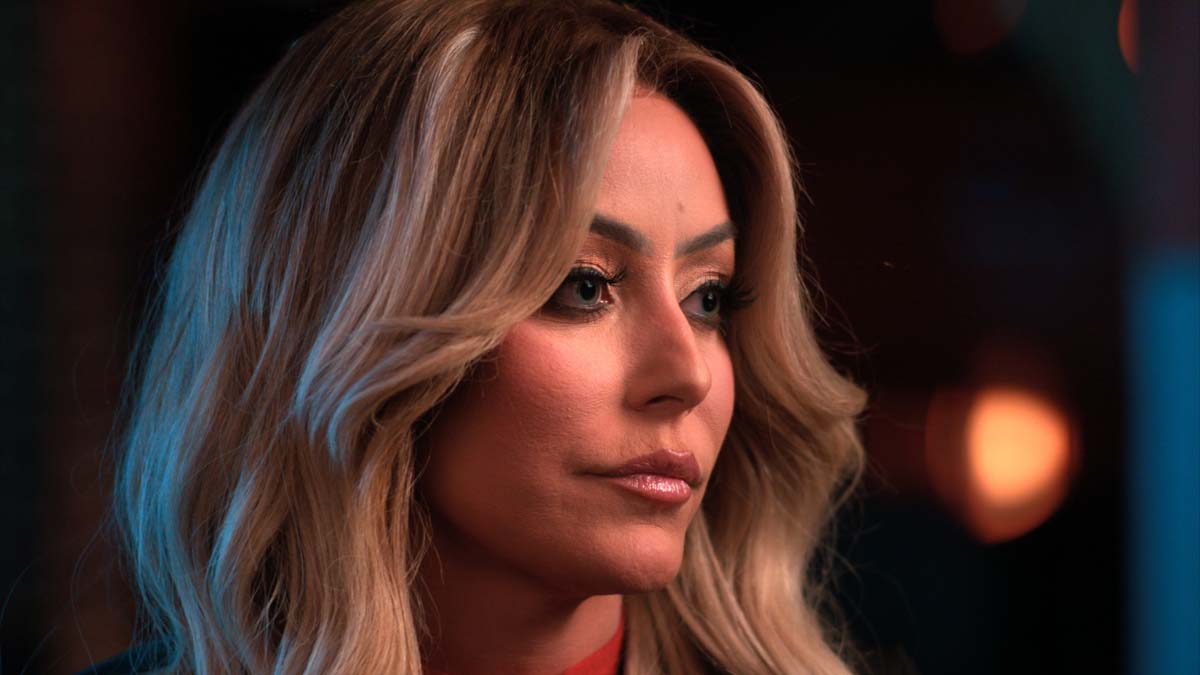
Aubrey O’Day
We don’t want to create a thing where you’re being entertained by all this: the horrible things he did to people. But at the same time, you want to understand what made Sean tick.
That was a huge part of organization: taking these interviews and finding ways to break them down into dramatic components that could be fashioned into scenes that eventually would be put together into episodes.
The idea of using transcripts is a question. I interviewed Werner Herzog’s editor and he says they never use transcripts.
Kast: In an ideal world I like to sit and watch the whole thing and put markers, string it out chronologically, string out selects, then go through and organize that based on theme or topic.
Or if there’s an outline, the transcripts obviously are a shorthand, and a lot of times you don’t have time to watch everything. But in a perfect world, that’s what I like to do is take time to watch, then organized.
Divak: I kind of do a hybrid. I always have the script. It’s impossible for me to get through an interview without the script next to it. I’ll read the transcript and if anything’s confusing to me, or even slightly interesting, I click on it and watch it.
Then I’ll watch the stuff around it, then I’ll pull a million sub-clips of it and write detailed stuff in the sub clips. Then I’ll put an asterisk or two asterisks or if something’s like amazing, five asterisks. You look at this giant bin eventually, and there are all these sub-clips, then I take the themes and lay them into the scene that I’m working on.
So I’ll make a pod of selects of something that could be a scene or an anecdote or something and build from there. I’ll go back to that pod sequence and they’ll be 15 or 16 different sequences in there from all the selects that I pulled.
Wise: I’m also a big asterisks guy. I like to use locators. I’ll put one, and if I like it a little more, then two, then sometimes I just keep hitting the button like crazy.
Then I go into the markers window and word search for “*” then everything goes away that you didn’t put a star on, which shows you that this is everything that I think is great.
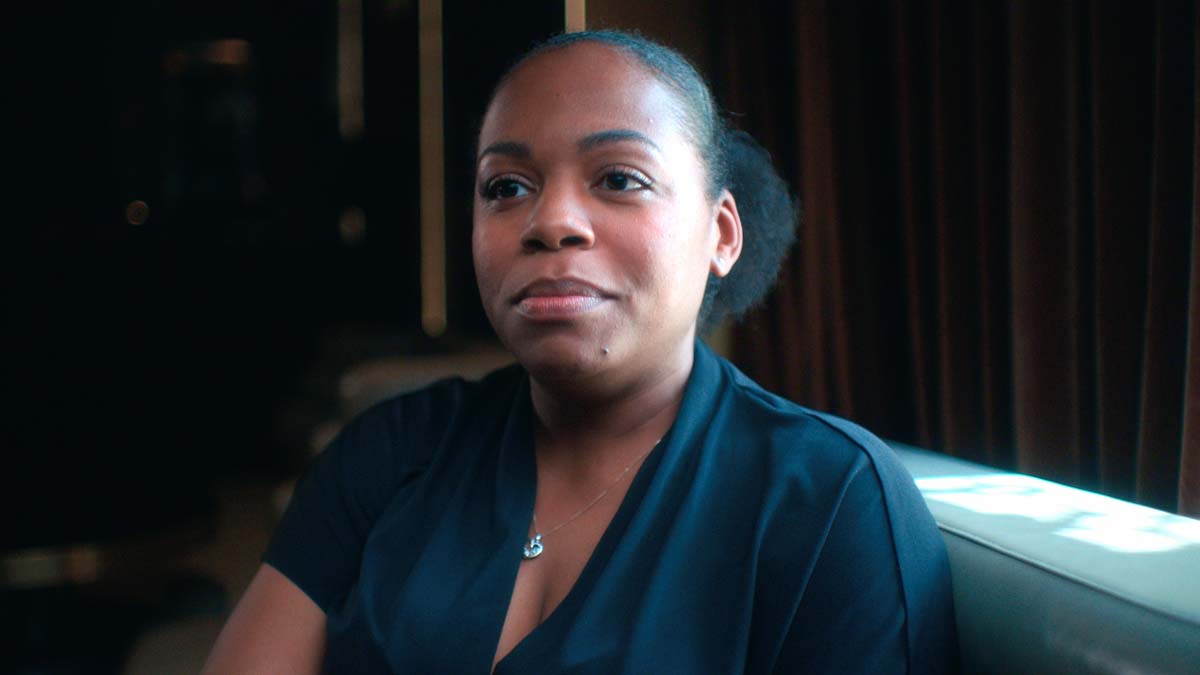
Juror 160
Kast: Oooh, that’s an interesting thing.
There are so many different ways people organize stuff: by layers, by colors, by letters. I love hearing all the different ways people try to organize stuff. Do you have any idea how much material was on that?
Wise: No. Sean recorded everything for his whole life. Like he was his own best archivist, whether he was on TV or in a music video, or he hired someone to shoot it himself, or he was filming himself, he’s just been on camera for 40 years, and we had most of it.
It’s way more of a blessing than a curse, but we just had so much. It was great because if you were ever imagining a scene and think, “I wish I had Sean riding in a convertible through Manhattan at night,” we had it. You could almost just think up a scenario and it already would exist somewhere. You’d just have to find it.
Divak: He did all these public interviews, but they’re so coded. He always has this public-facing mask. He’s the master manipulator and an amazing marketer. He’s constantly just marketing himself, so all of these interviews that he’s giving are very polished and he’s giving exactly what he wants to show, but there are little things about the way he says stuff that you can kind of use different ways.
I think the way that we ended episode two he was talking about “sometimes there are good people and bad people and some, and you just have to decide which one you’re going to be.”
Obviously he was saying you’ve got to be a good person, right? But you could tell by the way he was saying it, he wasn’t really saying that. It’s just amazing.All these little coded hints and messages all throughout his history that he was kind of laying out for everybody.
So that, to me, was super interesting. I was just going through all his interviews and I would just watch his interactions - what he did. They were just little pieces of gold scattered throughout his history.
Wise: That was a really fun part: watching those things, then thinking about “What’s the context that I can put this in that actually reveals what he was really trying to say?”
In episode three, Jack Gravina made this amazing sequence. There was a perfume commercial that Sean made with Cassie Ventura, his girlfriend. It was this rough, sexy chasing scene. It was very sexual and very steamy.
Jack paired that with an interview with Andy Cohen from Bravo, where they’re kind of talking about it, and Sean said, “Oh, yeah, this is my fantasy. This is what I love. This is what I want.”
You might think that he’s joking at the time, but when you put it in the right context, you’re see, “Oh no. That’s what he’s talking about. He likes controlling people and hurting them.”
Kast: And they paired it with that with the sex worker describing Sean being violent in reality.
Wise: Yes. Right.
Getting back to what Charles was talking about with the coded messages, I appreciated that you believed in your audience enough that they would see that subtext.
Wise: Part of that is repetition, because all humans act in patterns. But Sean particularly would keep doing these same things over and over again. And if you just keep showing it then you can trust that the audience will absorb this. You just give them the evidence and they’ll come to the conclusion based on the stuff that you deliver.
What is something that you were either really proud of - that you were able to solve editorially - or that was a big challenge.
Wise: In episode three, Adam Goldstein and I were batting around the cold open together, and the theme of that episode is Sean’s relationship with the women that he’s dated in his life. There was a piece of archival footage of Sean on vacation singing Nat King Cole’s “Nature Boy.”
It was really, really important to our director, Alex Stapleton, to get that in somewhere, because she really felt that Sean viewed himself as Nature Boy, and he even says so in the in the clip.
I remember her telling us, “We gotta get this in somewhere. Please find a place to put this.” Adam and I were trying to work it into the cold open, and it was kind of working but not really.
Then we were in a meeting and I just said, “What if we just got the “Nature Boy” song licensed as a needle drop?” Everyone kind of looked at each other like, “Well, it’s going to be expensive, but let’s try it.”
We made this version of the cold open using Nat King Cole’s “Nature Boy,” which was haunting and beautiful. It plays into this archival moment with Sean singing the song and calling himself Nature Boy.
One of the reasons why we were able to do that is because every other time we tried to license music for the show, we got denied by the rights holders. They didn’t want us to use their stuff, so we didn’t spend any of our music budget.
We were just fortunate enough that we had enough money in the budget to get this one song. I’m glad we were able to use the money, but it really made an interesting and beautiful opening, and I’m very proud of the way that episode three opens with that song.
Divak: What I’m most proud of is the Tupac and Biggie story - laying that out. It can be really confusing and people can kind of get lost in it, so I tried to make it as clear as I possibly could: how each domino led to the next domino and how it was this natural building thing.
Then to try to carve out the emotion of these personalities - building within it - so each event builds to the next and builds to the next. And the way he portrayed Biggie: putting the funeral, then him like cutting Biggie out of the contract and like lying about paying for the funeral and doing all this stuff to him, then boom, he comes out with, “I’ll Be Missing You.” Putting his grief on stage for everyone and saying, “Look at my best friend. Look how much I miss him” when you now know the context of all of it.
I love the idea of how much clarity concerned you, because I think that’s a big thing that young editors might miss: when you tell a story how important it is that the audience gets it clearly. If you’ve got a complicated story, how much can you simplify it?
Divak: If you don’t know what’s going on, then you’re just going to be like, “What’s happening? I don’t get it, I don’t understand.” You have to know enough to not question it. If you give too much information, it’s boring, but if you give too little, you don’t understand.
So there’s a fine line of: what’s the least amount of information I can give where you’re still invested, you can still feel, and you can still understand.
Kast: That’s actually like really hard sometimes - or a lot of times. We take for granted when we watch something that’s finished that it’s so simple and you get it and everything’s so clean and you’re absorbing it. But to get there, it sometimes takes forever and you do so many iterations.
Sometimes you hit it right out of the park, but it’s just interesting how the simplicity of something that’s clear and also has an emotional note is such a challenge.
Siefer: In the first episode, I sort of faced a different problem than what Evan was describing. Because Sean began filming videotaping so much of his life, it is true that at a certain point you can almost dial up anything, but that didn’t start from the beginning, and a lot of the story that I was trying to tell in the first episode - at least the first act of the first episode - is before that.
There’s precious little footage of Sean in the early days, him dancing in a couple music videos. There are some photographs of him being, in a way, kind of a hanger on at a lot of hip hop parties. So there’s a scarcity of footage from those days, and there’s even less of his childhood.
Yet we’re trying to tell the story of his childhood, of how he came up, and there are some very, very important episodes that Sean himself is just not a reliable narrator of his childhood because he’s so fixated with his own myth and the myth-making.
He talks about his past in interviews, but he mythologized so many things, so the goal was to basically understand - when we go back to Sean’s childhood, his adolescence - there are certain things that his childhood friends - a couple of whom appear in the film - in order to understand the story they’re telling, which is really a story of someone who was in many ways not popular, outcast to some degree, was bullied, but had a desire - even a sort of desperation - to sort of break through that and become something.
He was just very, very tenacious and very, very ambitious. That’s the fact of Sean. Sean doesn’t get to from where he started to where he got to without those qualities, so I think the challenge was to go back to Sean’s childhood and not just rely on kind of the lore.
If you sort of Google Sean, you know he grew up in Mount Vernon, just north of the Bronx in New York. There are certain touchstones. He loved Heavy D, who was also from Mount Vernon. But the most important thing to understand about Sean’s childhood is his relationship to his mom.
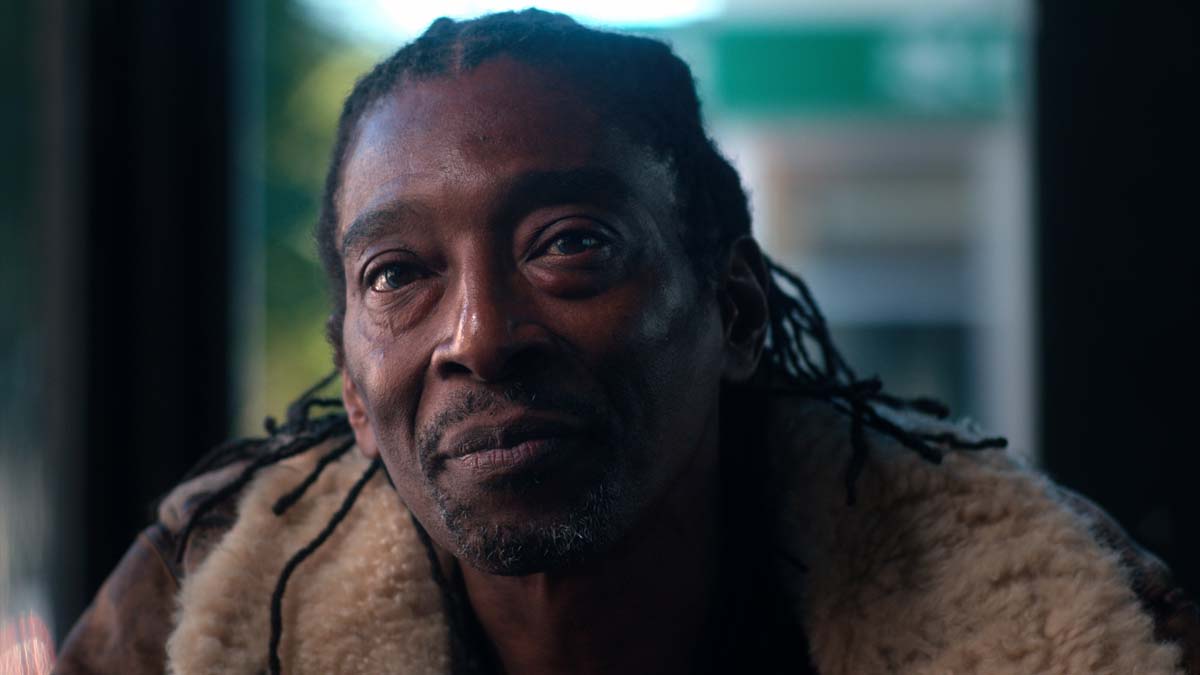
Kirk Burrows
The episode is called “Pain versus Love.” Kirk Burrows, who knew Sean very well from the beginning of his career. That’s the duality of Sean.
And so the same person - his mom - who gave him so much love, so much adoration, such a sense of sort of purpose – but also I’m going to say “allegedly” - clearly there was a level of abuse happening as well.
I think that in order to tell that story, we have to dig very, very, very deep into archival. We found things from an obscure interview that Sean did with James Lipton on Inside the Actor’s Studio, where his mom suddenly appears in the audience, and you had to basically fill in a lot of blanks to understand this really rich, complicated personal history.
So I’m proud of that because it uses found footage, available material, for which we had to dig very deep in order to construct a story that - by the time you come out the other side - at the very least, you understand that Sean, as Kirk Burrows describes it, started hurting people because he was trying in some ways to cut the pain out that was inside of him.
I think it’s just an example of what only docs can do, that you can sort of find a deeper truth by showing the sort of multiplicity of perspectives on an event.
Kast: I’ll talk about a challenge that we had, which was in episode four: how to tell the trial. I had started when I came on, the first attempt because though all the material wasn’t quite in yet, was just to intercut some backstory with some flashes of trial news. I started trying to just figure out how to tell the trial chronologically with what we had.
And of course, it was way too long and it didn’t really work because we didn’t have the material. It was going way too off of what the whole series was supposed to be, which was a lot more intimate with first-hand people that were connected to Sean Combs.
At some point I think Netflix came and said, “Maybe we just start with the verdict, then just look at specific things.” From my perspective that opened up the opportunity to only focus on the “Sean Combs” of it all, which is really kind of what the whole series was.
Going into what the prosecution wasn’t doing right was way too far astray. So that really just pointed it toward where it needed to go: like what the efforts were that Sean Combs did.
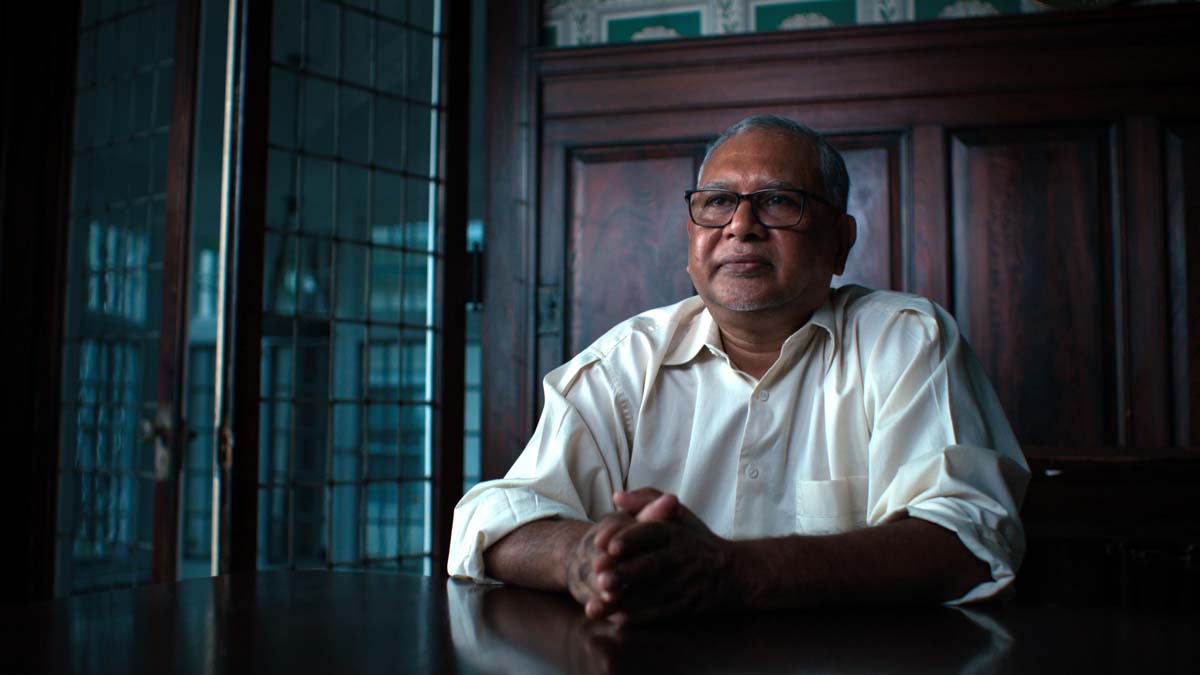
Juror 75
I think it dawned on Alex that we could use Kirk for this, which was something that it was also lacking. I think it was too far afield from people that knew him and it was too many third-party people. Then Kirk became the center of that whole telling. That’s how it all came together.
It was kind of a group experience of figuring out that problem and the proportion of what was necessary to be told in that episode. It didn’t need to be a half hour long thing of this whole trial. Jack made the comment, “You could make a whole episode about the trial,” which isn’t what we did.
We weren’t doing that and didn’t have the bandwidth for it and wasn’t really that the point of the series either.
The tone needs to continue from the rest of the episodes.
Wise: Whenever we strayed from Sean, it felt like… I think we all had our own moments in this where the story strayed a little bit away from Sean and we could feel it kind of sag. Then we either cut that where we redirect it back towards him, then everything made much more sense and became more clear.
Gentlemen, I appreciate all the time you spent talking about this documentary. Congratulations on a well-deserved Emmy.
Wise: Thank you very much.
 August 6, 2026
The Upshaws and Wanda Sykes Legacy
Today on Art of the Cut we speak with Angel Gamboa Bryant, ACE, who is nominated this year for both The Upshaws – for Outstanding ...
Read more April 23, 2026
The AI Doc: Or How I Became an Apocaloptimist
Today on Art of the Cut we discuss the documentary, The AI Doc: Or How I Became an Apocaloptimist with the editors of the film, ...
Read more March 8, 2024
Walter Murch, ACE, "Suddenly Something Clicked"
Today on Art of the Cut, we’re talking with multi-Oscar winner, Walter Murch, ACE. I interviewed Walter in person just before his appearance at the ...
Read more
Subscribe to our newsletter
Get all the latest news, blog posts and product updates from Boris FX, delivered directly to your inbox.
Welcome!
Thanks for opting-in to our newsletter. You'll receive an email momentarily with your confirmation.