













The Furious
Why the biggest job in this action movie wasn’t cutting the action, how the film’s most memorable moment came from trying out a left-field idea, and how fight scenes are like pop songs.


Today on Art of the Cut we speak with editor Chris Tonick about the feature-film, “The Furious.”
Chris has edited films like Kung Fu Games, Trigger Warning, and Black Friday. He was a producer on the Walter Murch documentary, “Her Name Was Moviola.” He’s also been part of the post teams of The Suicide Squad, Once Upon a Time in Hollywood, and John Wick 2.
Chris, welcome to Art of the Cut. It’s so nice to have you on. Thanks for being here.
Thank you so much. Excited to be here.
Let’s start out with your background. You’ve worked on some really interesting projects. You came up as an assistant editor under some pretty great people.
When I graduated college, I did about five years in corporate and doc work in Dallas, where I grew up. At about the five year mark I had that moment of thinking, “I went to school to try and make movies. So if I’m ever going to take a swing at this, that’s what I need to do.” So I moved out to Los Angeles.
This is around 2010, 2011, and went back to assisting because I knew that if I wanted to get in scripted, I was going to have to take a step back from the cutting chair. I did a couple years in reality in LA where I worked on American Ninja Warrior, an MTV show called Caged, which was about, amateur cage fighters in Louisiana and eventually found my way into a low-on-the-totem-pole assistant job for what was supposed to be a two week stint at Bad Robot that turned into a one year stint at Bad Robot. From there, it just kind of like chained job to job.
I was lucky enough to get to work under some great editors like Evan Schiff and Fred Raskin. So it’s been a slow journey working my way back up the ranks of bigger and bigger features in the system, then right around 2019, 2020, trying to make that leap over to cutting full time.
What do you think in your background led you to get this gig?
Kenji [Tanigaki], the director of The Furious is a stunt man. He moved to Hong Kong from Tokyo right after he graduated school. This is in the 80s or 90s, I believe, and thought, “I want to work in the Chinese film industry and I want to be a stunt man.”
So he came up through the ranks of the Hong Kong film industry, first as a stunt man, then as a stunt coordinator, then as an action director. And in that world, they all know each other, all the stunt guys.
So he knew Chad Stahelski, who is the director of John Wick 2, 3 and 4 and the co-director of John Wick 1, and I had worked with Chad on John Wick 2, where I was the first assistant editor for Evan Schiff.
So Kenji came to Chad and said, “I need an American editor.” Chad gave him some names and mine was one of the names. We had a Zoom, then we were off to the races.
The decision to bring on an American editor was definitely one that was reached after they had shot everything. In the Hong Kong film industry, there are two separate editors for a project.
There is an onsite editor who is normally part of the stunt team, and they make a very long assembly, then they go away. That is all they do.
They are on set for the movie, then they are not on for finishing or any of the refining. So when I started this project, I already had a very, very fat assembly and about 300 hours of dailies to sift through and pick what I was going to make my changes on.
How fat was your fat assembly?
3:20-ish? It was up there.
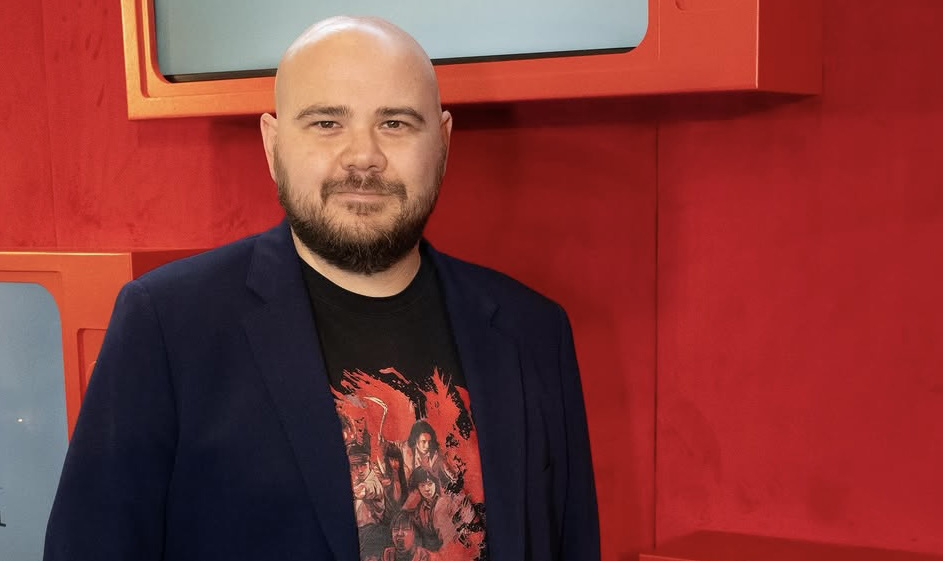
Editor Chris Tonick
Did you cut the film linearly? Did you start it on the first scene or how do you do it?
My normal experience would be that they shoot their day’s coverage. I watch everything and I assemble whatever they shot that day. In this case there’s already a version of the movie.
I came onto the project in October and the goal was to be picture locked sometime in January. So it was tight. I knew I didn’t have time to go back to basics on everything.
So I watched the assembly a couple of times and I took my notes, then I sort of made notes of where I thought the scenes needed the most work and started there. Kenji has been doing action a long time. I was never worried about the action of the movie.
It was everything else was where I felt like I needed to put my effort first, then when we got to a good place with that stuff, we could spend time putting up the action, just going and sifting through takes. That was the sweet spot that that was an embarrassment of riches.
We had this pan-Asian cast performing primarily in English, so the drama was the thing where I thought, “I’ve got to be the native English speaker’s representation here and consider, “Is this playing for an English-speaking audience?”
That was a reason they wanted an American editor on the film, because it was always intended for an international audience, so I think it was important because you had crew members from Hong Kong, Tokyo, Indonesia, Thailand - all across Asia - and they thought, “If we’re really aiming this at an international English-speaking market, we should have somebody that’s going to be that surrogate for the audience involved in this process.”
Kenji still works as an action director, so he’s still very involved in that world. The project that he was on right after The Furious, he went back to Hong Kong to action-direct movies. So I felt like I had the advantage of a director who still had a foot in both worlds.
He worked so intimately with the fight coordinator, and he knew the choreography because they had worked on it for months, that when we were doing fight trims or looking at: “Do we take some choreography out here? Is I going to hurt it?” it was so in his bones that between the two of us, I felt like I had all the answers I needed.
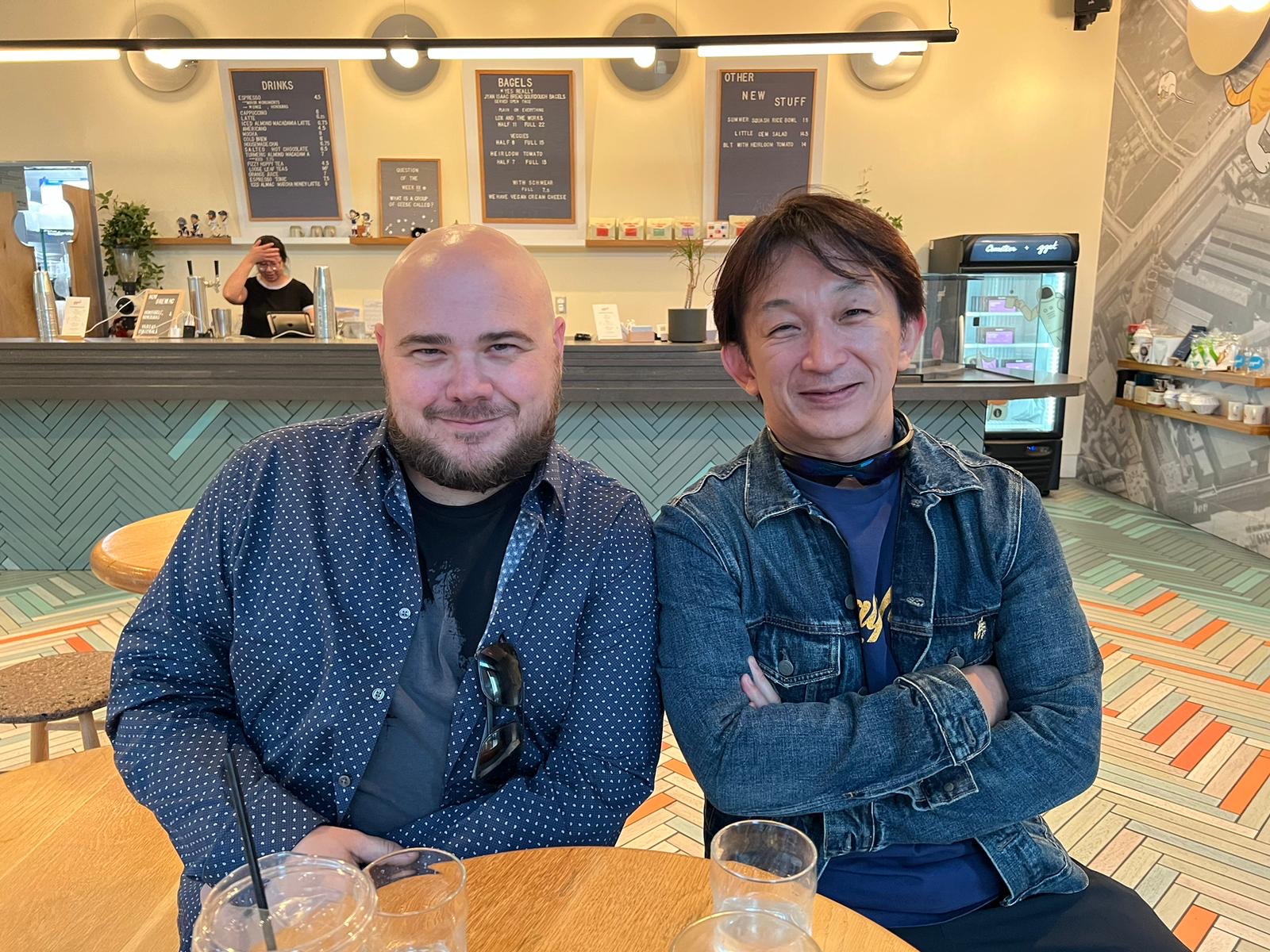
Editor Chris Tonick and Director Kenji Tanigaki
I’m assuming you were cutting at home, or at least in LA.
I cut most of it from my home office. Kenji was still working on other projects, so he was sometimes in Hong Kong, sometimes in Tokyo.
So we spent a lot of time on Zoom because of the timezone difference. It was a lot of me posting cuts than him watching cuts and giving notes, me addressing the notes. It was sort of editing via like that Telegraph game.
We took so much time out of this movie that once we compressed it down to the final structure, then he flew out to LA for a few weeks and we worked in person at a cutting room. We did that a few times as we brought it home.
Then again - after the movie got picked up for distribution - we did a new mix in LA for about a month that he came out for.
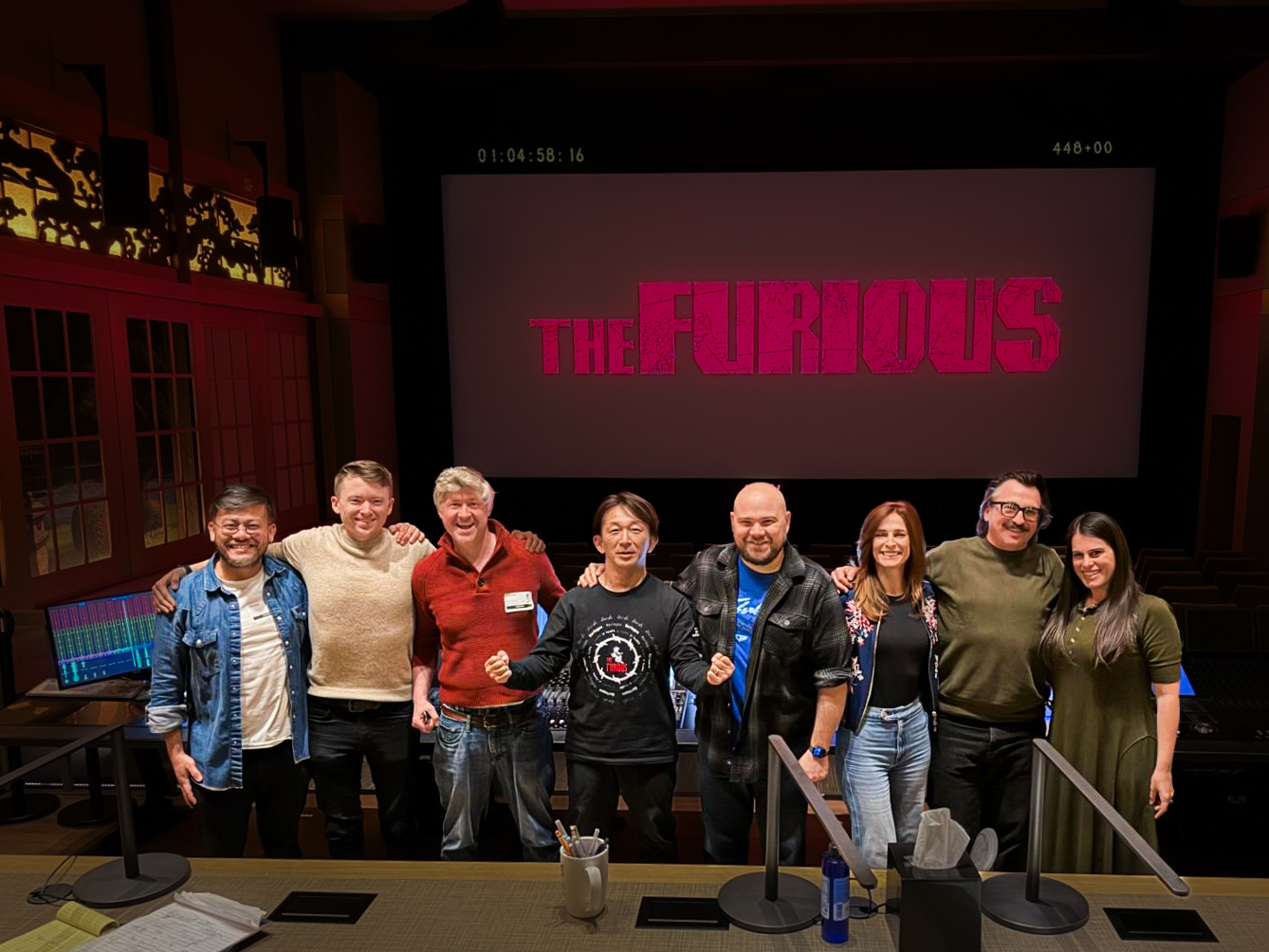
Crew on the Mix Stage
You mentioned tightening up a fight scene. That Hong Kong style is so tightly choreographed. I can imagine that it’s really difficult to cut stuff out of a fight or choreography in the middle.
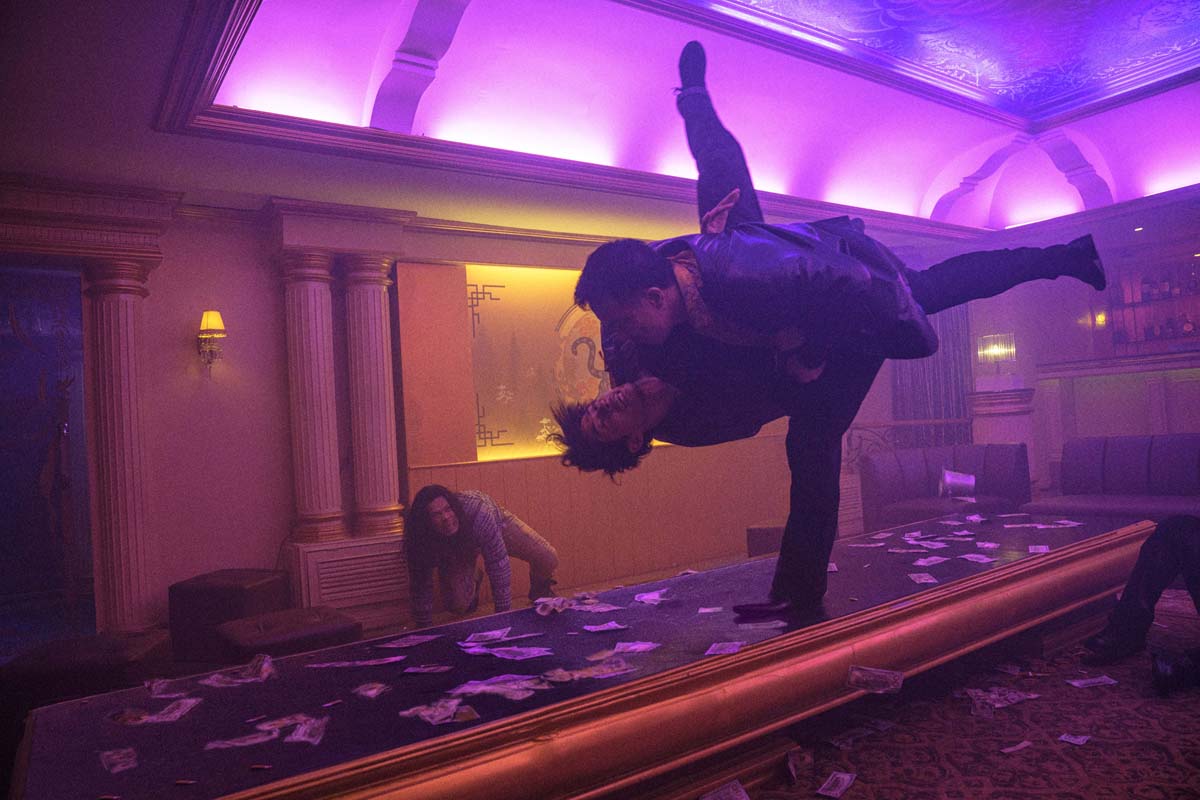
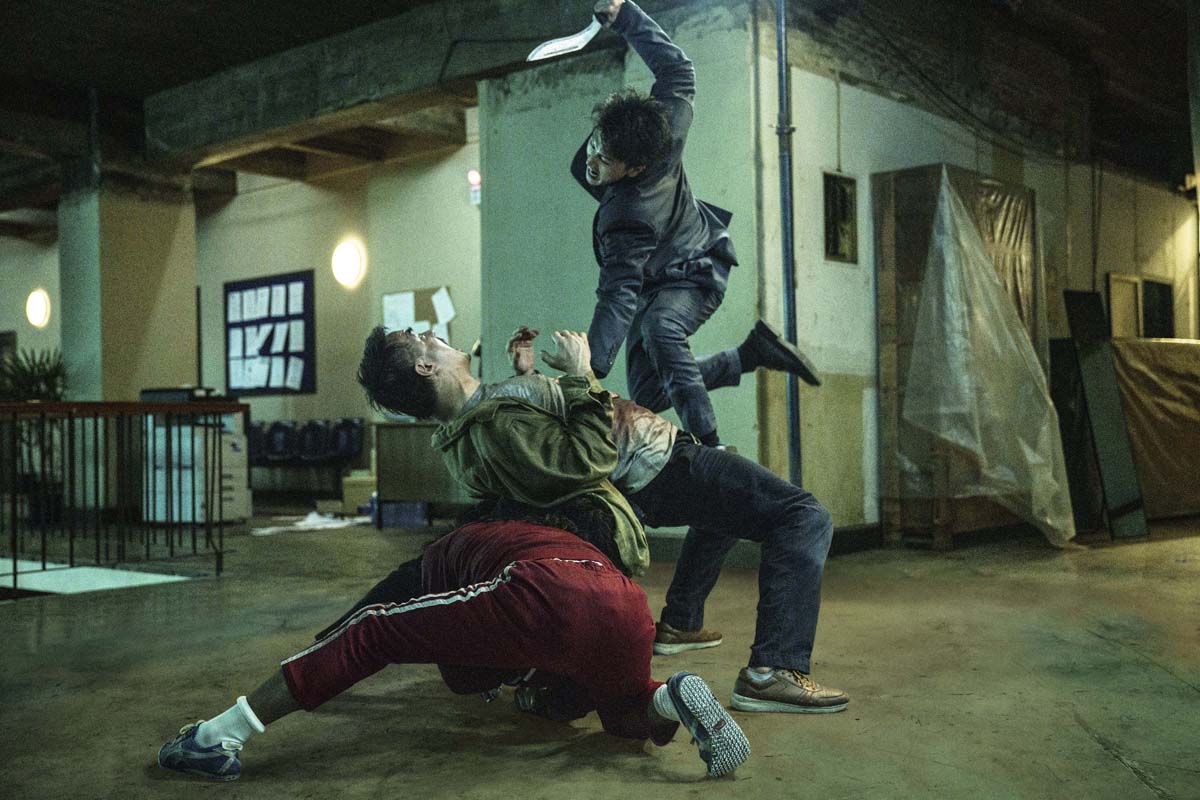
It can be. I describe it like when you’re trying to music edit a song that everybody knows and you can immediately hear the missing phrase. There are places where it’s possible and there are places where it is not. I showed the film to my wife, of course, at some point in the process, and there’s a fight scene between our two protagonists before they team up.
The note that she gave me was, “I know these guys are going to team up because I know how this kind of movie works. So this fight scene is great, but it just goes on and on. We get it. They’re going to be come to an understanding.”
So Kenji and I realized that there was this whole “phrase” of the fight - for lack of a better word - that we could snip out it because the choreography ends in the same place it started, that you just never know that it’s gone, so it became a matter of like finding those moments where - through planning or just fortuitous luck - that we could make these lifts and the audience would be unaware, because the one thing you don’t want is to have a big geography jump where suddenly somebody is in an entirely different place, or we clearly have missed a freeze of the fight because it is way more akin to dance than the sort of more cutting Hollywood style of action editing.
It’s very smart of your wife to realize the audience is in front of you. That’s a classic note.
She gives good notes. That’s obviously one of the big things for any editors: you can’t let the audience get in front of you.
That became a big part of what I felt like I could bring to this movie, as it was a big responsibility and kind of an odd feeling to be the audience’s surrogate for an entire international audience.
But I sort of had to be the one to voice: “The more these people function as archetypes, and the more they function as a mystery, the better. If we know the answers, that’s fine, but we don’t have to tell the audience everything all the time.
Some of the big mystery and the sort of machinations of the gangsters, that’s all there and shot. It just became apparent as we went on that the movie needs to function more as mythmaking, because that’s its sweet spot, as opposed to being plot-heavy and into the nitty gritty of these details.
I always go back to the first Star Wars where Obi-Wan Kenobi is describing The Clone Wars and you don’t know what any of that stuff is, but you feel like the character does, so you just roll with it.
And in the same way, as long as we know the answers exist, then we should be fine with the audience just gathering that that information exists. They’re not going to get to learn about it right now.
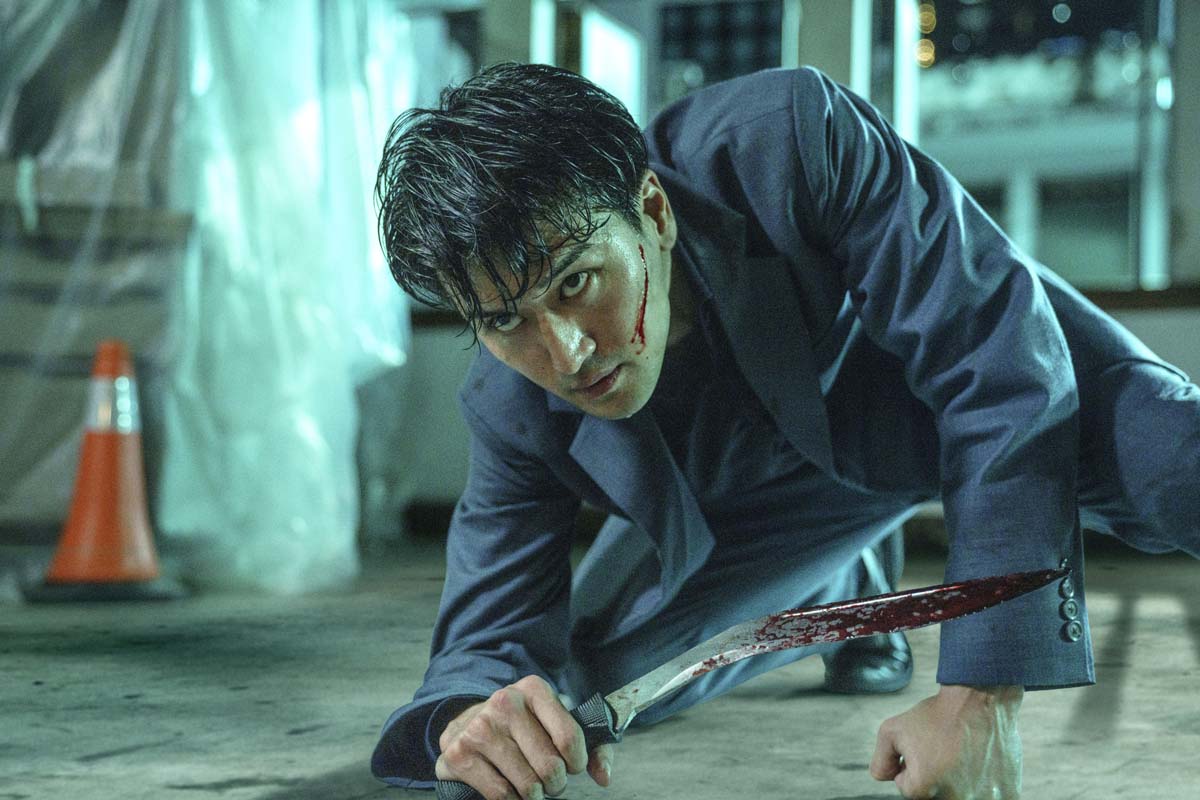
tWith that style of fighting, how much coverage is there for specific moments of a fight, or is each camera angle much more or less designed for a moment of the fight?
Some of the fights we have true multicam, but for a lot of it, especially for the finale, it’s a dance between the camera ops and the martial artists.
We may have two cameras rolling, but it’s really one hero camera and one backup. With the hero camera, maybe there’s 12 or 13 takes, but it’s very obvious which is the one where everybody nailed it.
Another thing that was very useful was they they shot in 8k - and after a conversation with Kenji - we decided that there was no fear in punching in, so we’re doing a lot of dynamic repos to really make every beat of the fight feel like you’re watching it from the most engaging, coolest angle at any given moment by massively punching in on footage and stabilizing and snapping around digitally after the fact. But for the most part, they came together in the best way.
When you looked at the footage you could see that this is clearly shot for this purpose. We are meant to be on this camera in this moment. Sometimes we would have to adjust. But for the most part, this action beat was planned to play out from this angle.
What were you cutting in?
We were in Avid.
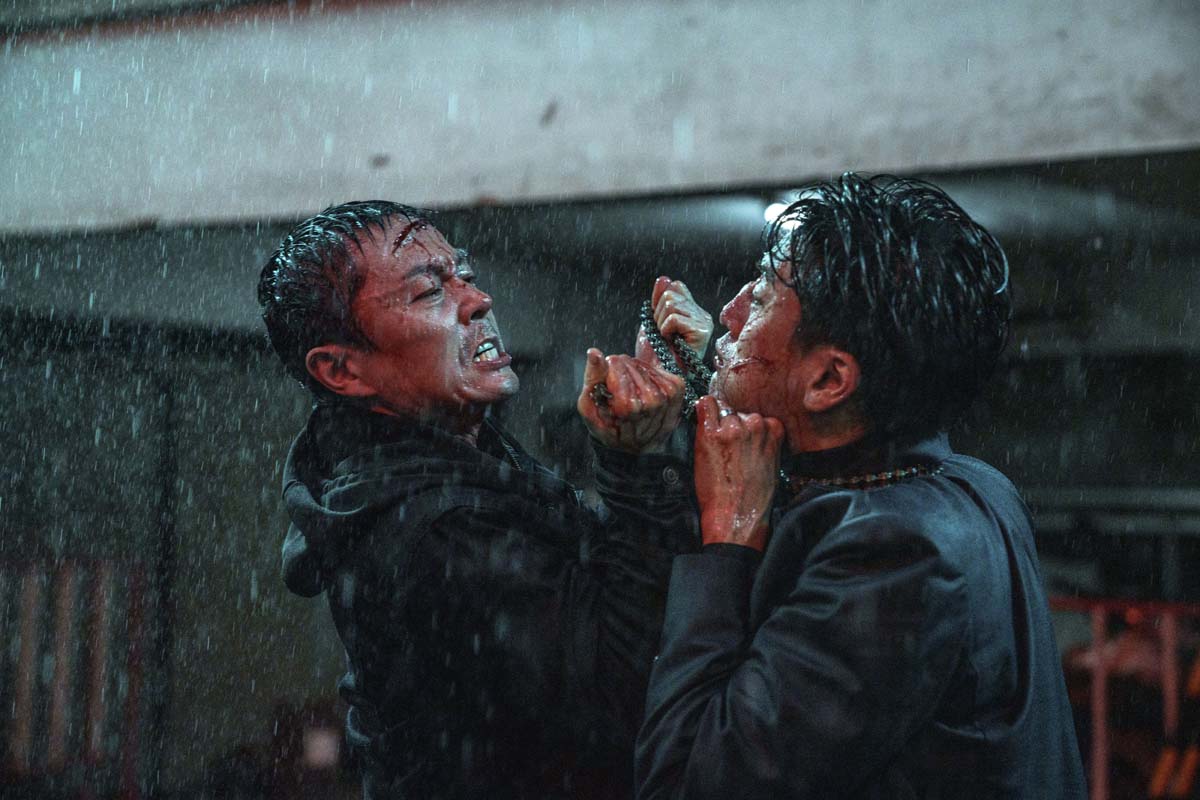
And by “dynamic” you mean that they’re moving, right? That you’re literally making camera moves with the 8k?
Precisely. I’m dealing with 1080p proxies, so there was certainly a resolution hit when I was doing it in the Avid, but because I knew that the sensor would take it, I knew we had the latitude to punch in.
And I would just punch in to the shot - set my repositions and use bezier keyframes. So it felt more naturalistic than just like that linear mechanical movement.
Then when we got to online, we needed to make sure it held up, and we’re not giving away the trick by a lens not holding up to as much of a push in as we’re doing. For the most part - with that large of an acquisition sensor - we were fine.
So you really needed to be there during that online process.
The online took place in Hong Kong, so it was me watching it after the fact and giving notes. I had volunteered to go to Hong Kong, but cost-saving came into play. I was watching it, then giving feedback, then it was getting adjusted.
There was a team of assistant editors in Hong Kong that handled the tech side on their end. Myself and my first assistant, Brooks Larson, were in LA at our own houses, corresponding with the in-house assistants at Edko, based out of Hong Kong.
They just have a staff of post-production people that work at their company and go film to film. So I would call out specific things and say, “I need you to be my eyes.” That wasn’t the ideal way to do it, but we got through it.
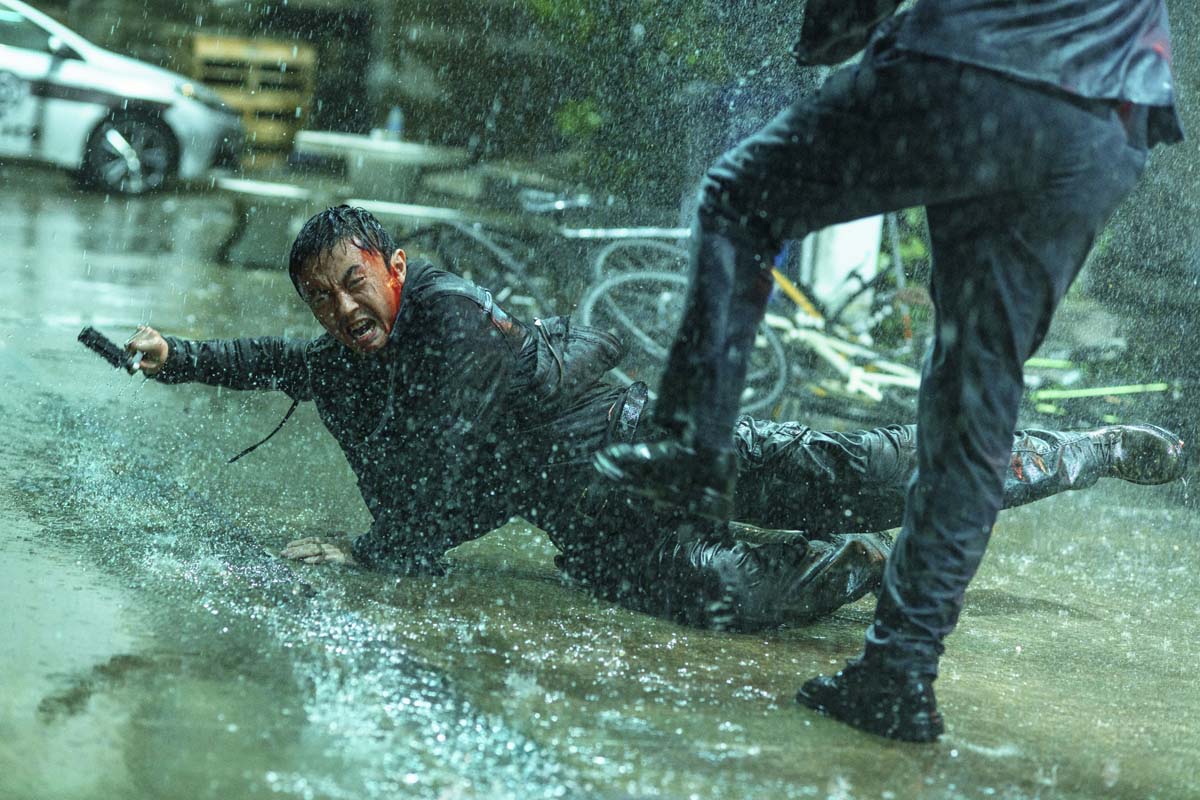
You mentioned having an assistant in Los Angeles. What did they do?
Because everything in the assembly that I got was completely dry and completely without music it was a lot of temp VFX, turning over to departments… We were outputting a lot of cuts.
There wasn’t a familiarity with using a system like Pix or FrameIO on the part of the Hong Kong production company.
For their purposes, they preferred everything to be on FTP. I had to redownload CyberDuck and refresh my memory on that workflow.
Also, the film was not in reels when I started. So the first thing I did was break it into manageable chunks - six reels - and fed that a reel at a time. So I would do my pass on reel one, kick it to my assistant to patch up the sound and the music, then get an output going while I address their notes.
Then on to reel two. It was just to keep the constant flow of reels going to Hong Kong, because the problem we were running into was that when we were going to bed around 10 or 11pm, that was the start of their day in Hong Kong, so we wanted to have everything to them so they could watch it. Then I’d wake up to pages of notes based on those cuts.
That’s kind of a good use of the world clock.
It was handy, though sometimes when you woke up, you’d think, “Oh! That’s a lot of notes!”
Let’s talk about some of the craft of structural things. One of the things I was thinking about was the intercutting of the dad recovering from the attempted rescue of his daughter with the flashbacks and the woman at the police station. So a dad is trying to rescue his daughter, he goes to a police station, deals with them, and then he goes home to kind of clean up. Was it meant to be intercut? And how did you find those moments to go back and forth?
It is intercut in the script, but it was compressed as we went on. There was originally more of him patching himself up, more of the cops at the police station.
Then it was just refining it down to: “What are the essential bits we need to tell the story and to keep it moving without the audience feeling like they’ve been shortchanged, but at the same time, telling that emotional story?” Of course, there are a lot of dailies of him prepping the ice bath and gathering his tools before he sets off into the night.
It was finding just the right amount of: “How much do we need before it becomes too much?”
I felt like I had this huge toolbox of parts that could be this movie, and it was sort of “What are the essential elements to tell this story, where it feels larger than life and feels like you got just enough?”
There’s another intercut section that was maybe also scripted: the two simultaneous fights in the Fight Club venue and in the business office.
That was shot with the intention of intercutting. Each of those fights was cut in their entirety, then it was about ensuring that we found the coolest choreography for each beat and taking out anything that didn’t play.
The upstairs room with Navin definitely had more lifts. Whereas downstairs in the club, there’s definitely times where you cut back and we’re in the same place where you left him because that style of fighting … with wuxia kung fu style you notice when blows are missing, whereas Navin is fighting mostly judo, which is a lot more forgiving because it’s grappling, so we could compress time in a lot of places and it didn’t feel like a big jump.
But both of those fights existed in their entirety. Then it was finding the sweet spot to bounce back and forth.
The other thing I found myself doing in the Avid timeline, I added a bunch of layers just for the purposes of that fight scene for the snake pit where the children’s rescue happens. I placed the geographic positions of the scenes on different video tracks.
So I could very quickly see: “How often am I popping back to each of these locations to make sure I didn’t spend too much time in one spot before it felt like we should check in on the other timeline?” It gave me a quick graphical representation of where I was spending my time.
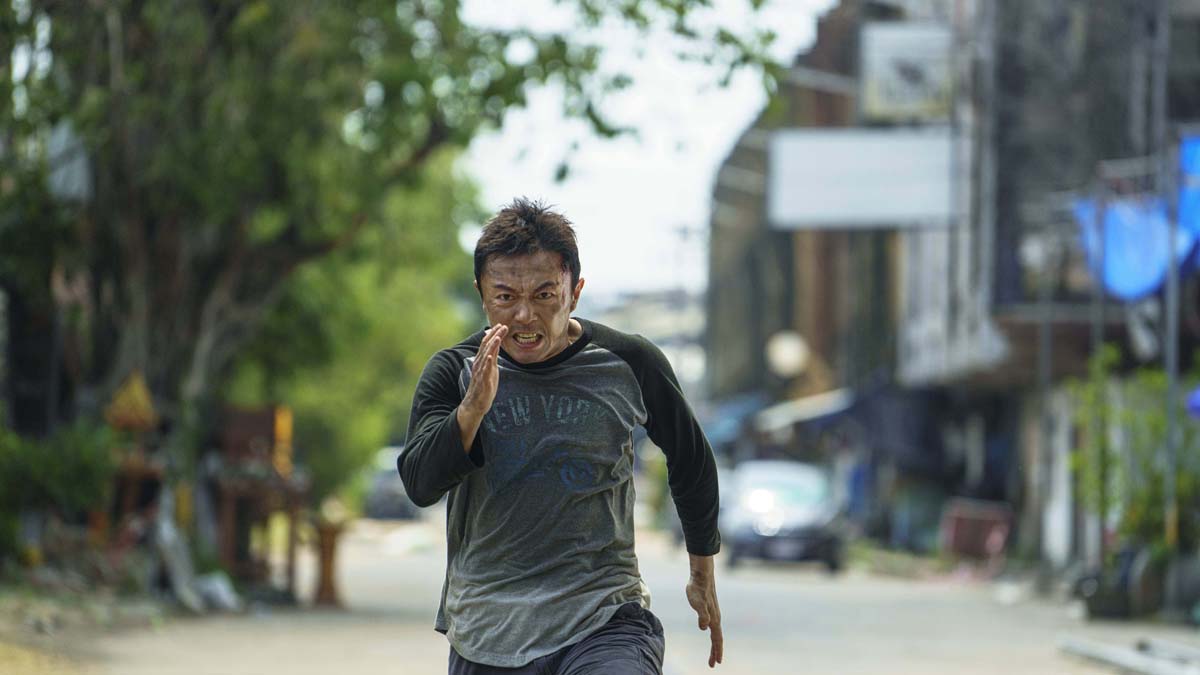
And did you color code that or was it just because it was on a different layer?
We were pushing our timelines to Hong Kong every day, and I found that color coding tended to get lost between the two projects - just the nature of bouncing bins back and forth - so I ended up just doing it on layers because I know if I put something on V5, it’s not going to move.
Then once I landed on the structure of the intercut, I dropped everything back down to its normal track because I normally try and keep a pretty tidy timeline. It’s too many years of being an assistant where I’ve had to deal with lot of tracks.
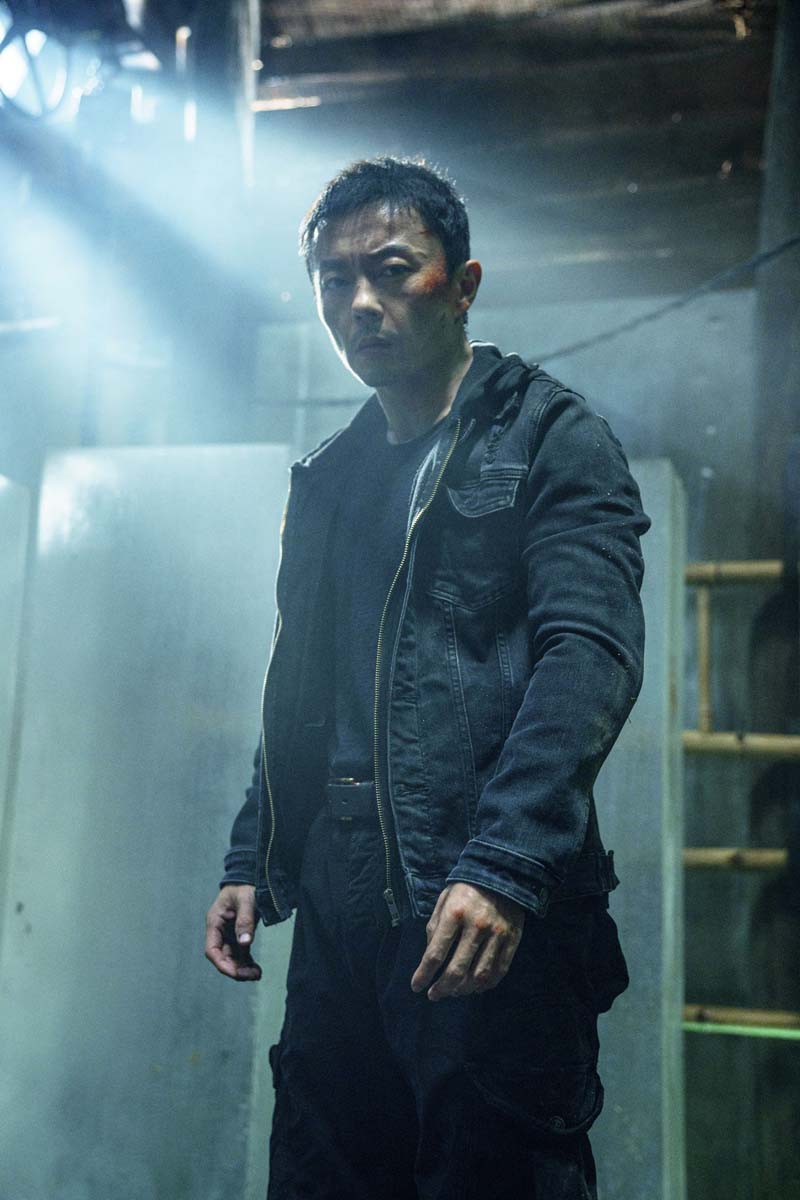
Totally understand. You mentioned handing off a reel to your assistant to do sound effects. When you have sound effects in, you’re trying to build the rhythm of cut. I’m assuming you’re cutting the picture, adding sound effects. Does that affect your opinion of your picture cut when you have the sound effects added? Does it change the rhythm?
I have found, especially for like a fight scene, a blow that feels unconvincing can suddenly feel like a real hit when there’s sound on it, so that tends to make me think, “Okay, maybe I can stay in this coverage as opposed to cutting around it.”
I also tend to cut my first pass dry, or turn the sound off entirely, just see if it’s visually working, then it it becomes more of an iterative process where - if I cut a scene visually first, and then we add the sound design on top of it - I’ll go back and reevaluate and think, “Okay, that’s still working.” Or “Maybe this needs a tweak” - either rolling out a shot or speed ramping or slowing down for a moment.
I’m a big fan of dropping a frame or two or really, really short time warps just to get through a moment more quickly. I find that that helps the cadence of the sound effects to feel more pleasing.
I also really try and avoid temping with music until I have to. Of course I put it in before I present a cut, but I find that oftentimes if I put music on a scene, I think, “It’s working great” and maybe it’s not working great. It can hide problems that maybe you should address before you add it.
Since you were working with this Hong Kong production company that has done numerous of these types of films, did they give you some kind of a sound effects tool kit?
The temp sound was all from Brooks’ and my libraries. They get passed around by asssistants. Like, of course, I have the sound effects from the Gore Verbinski Ring, because that somehow ended up in my Avid.
That stuff just gets traded, so the first pass was those sound effects. The co-producer of this film was XYZ Films.
Eventually we had to show them a cut, and before we did that, they did a temp dub just for the purposes of that screening in Hong Kong at Shaw Brothers.
So suddenly I had these stems that had all the Shaw Brothers sound effects in it, and I pillaged them so much! Like when I was recalibrating after that screening I had these great punches, so these are now going on everything.
I loved the sound of it, but it felt like a Shaw Brothers movie. So when we did the final mix we used totally different stuff.
I feel like I should tell this story just because it’s weird. Our first presentation of the screening was literally the week of the fires in L.A., so all of the XYZ people flew in from Canada, and all of the Edko people flew in from Hong Kong and the city was on fire.
We were supposed to have a screening at a screening room in Hollywood, and they called us, saying, “We had to evacuate last night. We left your DCP in the theater, so assuming that the building doesn’t burn down, it’ll still be there.”
So instead, we went to a hotel downtown, and our first presentation of this movie was off of my Avid in a hotel conference room. It was apocalyptic outside! They all had landed thinking, “What is happening?” I said, “You guys picked a very weird time to come and visit.” But the movie went over great, so that was a plus. It was just a very strange time to be getting into the minutiae of notes when your city is on fire outside.
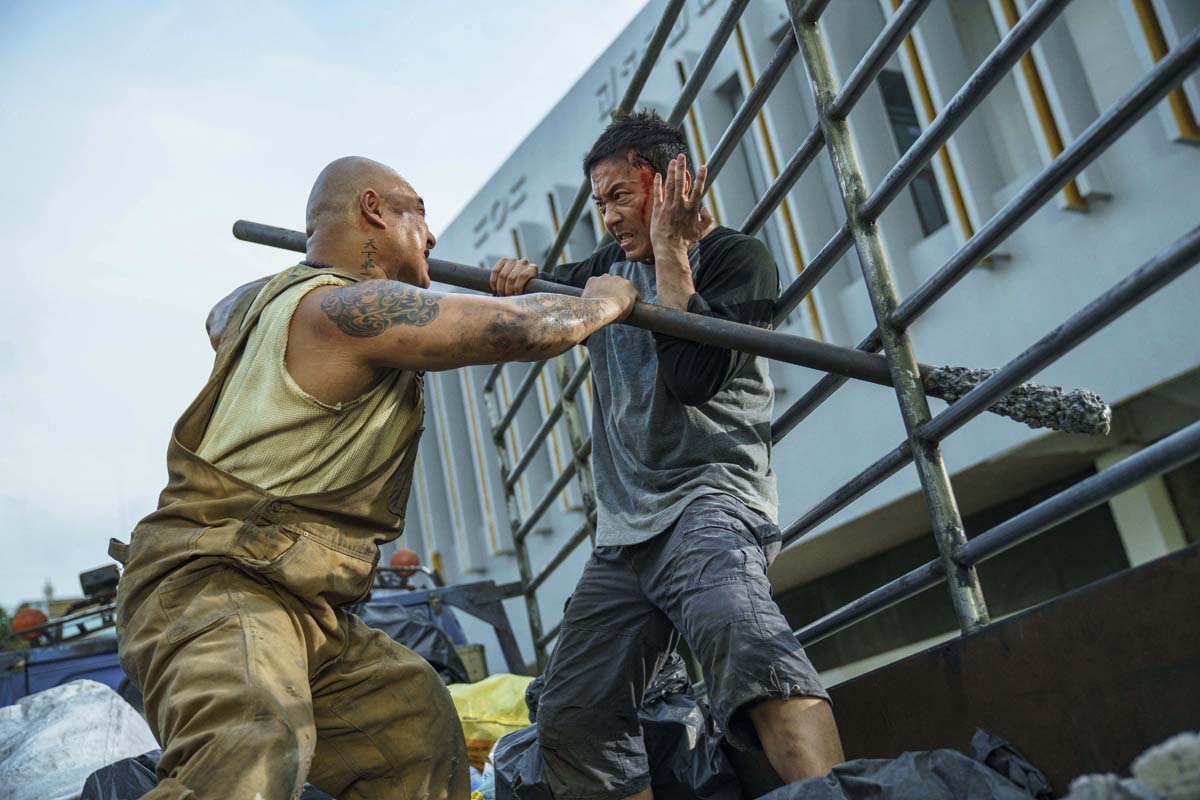
The movie has – obviously - a lot of fighting. Did you need to structure the non-fighting moments to build some space for the audience to kind of recuperate?
I did, and it sort of became a question of how much, because I will say a lot of what is on the cutting room floor is not fighting. We landed on: “We’re not going to cut any scenes that are fight scenes out of this film until we find a distributor, and then we’ll have that conversation because that’s what you’re coming to this kind of film for, so we said, “Let’s put all the wares on the table and say, this is the film in its biggest version,” and it turns out that that’s how they wanted it.
So yes, you’ve got some choreography missing, but those are the fight scenes that were shot. The rest of it became a question of how much was enough to give the audience time to recuperate and to care about the characters and understand the story without overstaying its welcome, because you certainly don’t need a 20 minute plot break in the middle of your “all gas, no brakes” action movie, but you need enough that you’re invested in these people, because otherwise it’s just sound and fury and it doesn’t mean anything.
So that was probably the most intricate calculus that we did. The amount of time between those fight scenes and how long those scenes were and which really varied a lot over the course of the cut and was really something we explored a lot of, “How much do you need to wrap up the story? How much do you need of this backstory?”
More than feeling like we had to rework fight scene after fight scene, where I feel like I spent the bulk of my time on the drama. It was more of a conversation with the filmmakers in Hong Kong and with Kenji, because admittedly they didn’t know the taste of an international market.
So they said, “We’re relying on you to tell us, “What is enough? What is too much? When do we not have enough?”
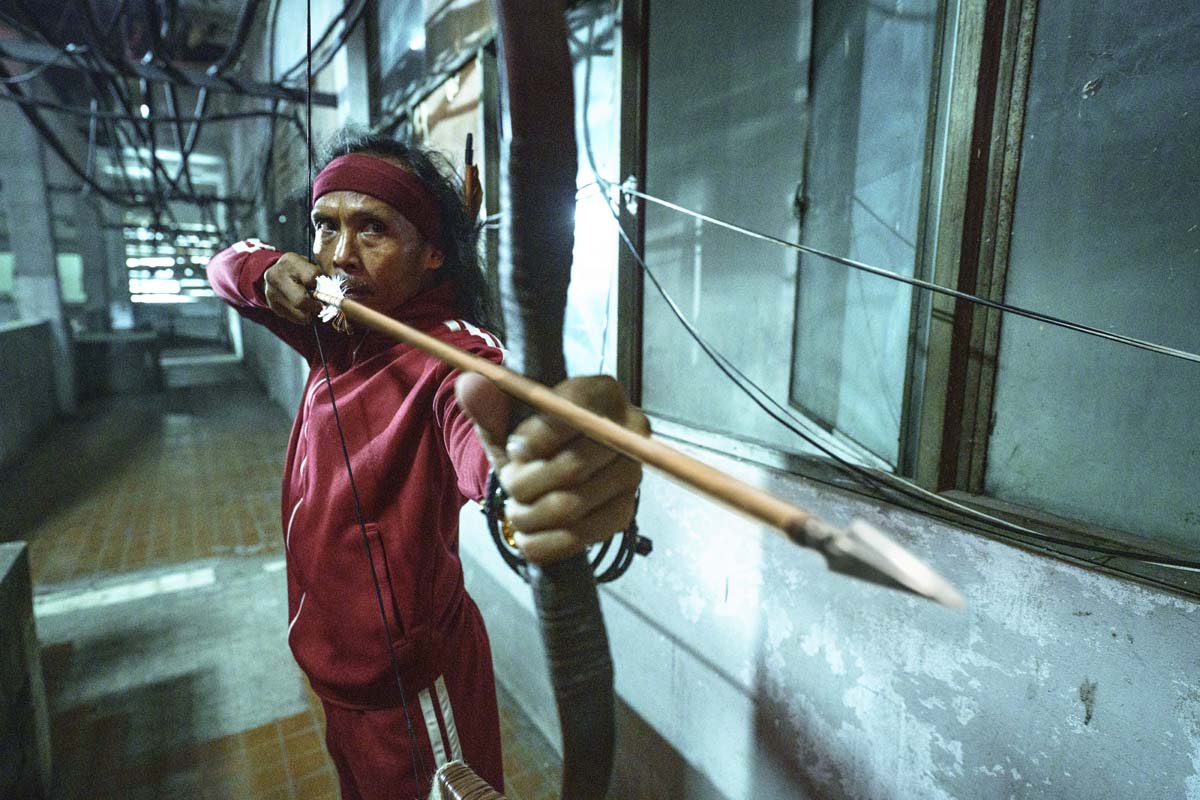
You’ve worked on a bunch of big projects as an assistant. What did you learn coming up through those projects, working with those editors?
One of the big lessons I took from the John Wick films is that when you’re dealing with this kind of film, you should only cut when it’s a more interesting angle to see the fight from.
That, however, relies upon stunt people and actors who can execute the choreography. Luckily, in this case, I was dealing with an entire cast of martial artists, so that was no problem.
The other sort of big lesson I took from that, and from a lot of the bigger projects I’ve worked on, is that the audience wants to feel smart and they don’t want to get ahead of the movie, so leave them the breadcrumbs so they can make the connections, but don’t feel like you have to handhold them so much.
You can feed them crumbs of mystery, and people will pick up on it, and you will get that world building that you want without just outright explaining.
I would also say - this was a weird one - because we felt like we were an island under ourselves here in L.A. and we were passing cuts, all of that technical skill that I had from dealing with these bigger films really came into play because, it was just my assistant and me here in LA, and we really had to be our own tech support and deal with the trickiness of sending a cut literally across the world. We’re bouncing bins back and forth.
If I hadn’t had all that experience working on these bigger projects, I wouldn’t have felt super comfortable with that, because this is a big film to wrangle in a very strange environment - to be completely divorced from producers and director and everybody both from a storytelling perspective and from a technical perspective, that my skills that I gained assisting on all these other projects were invaluable on this film for the ability to sell into multiple markets.
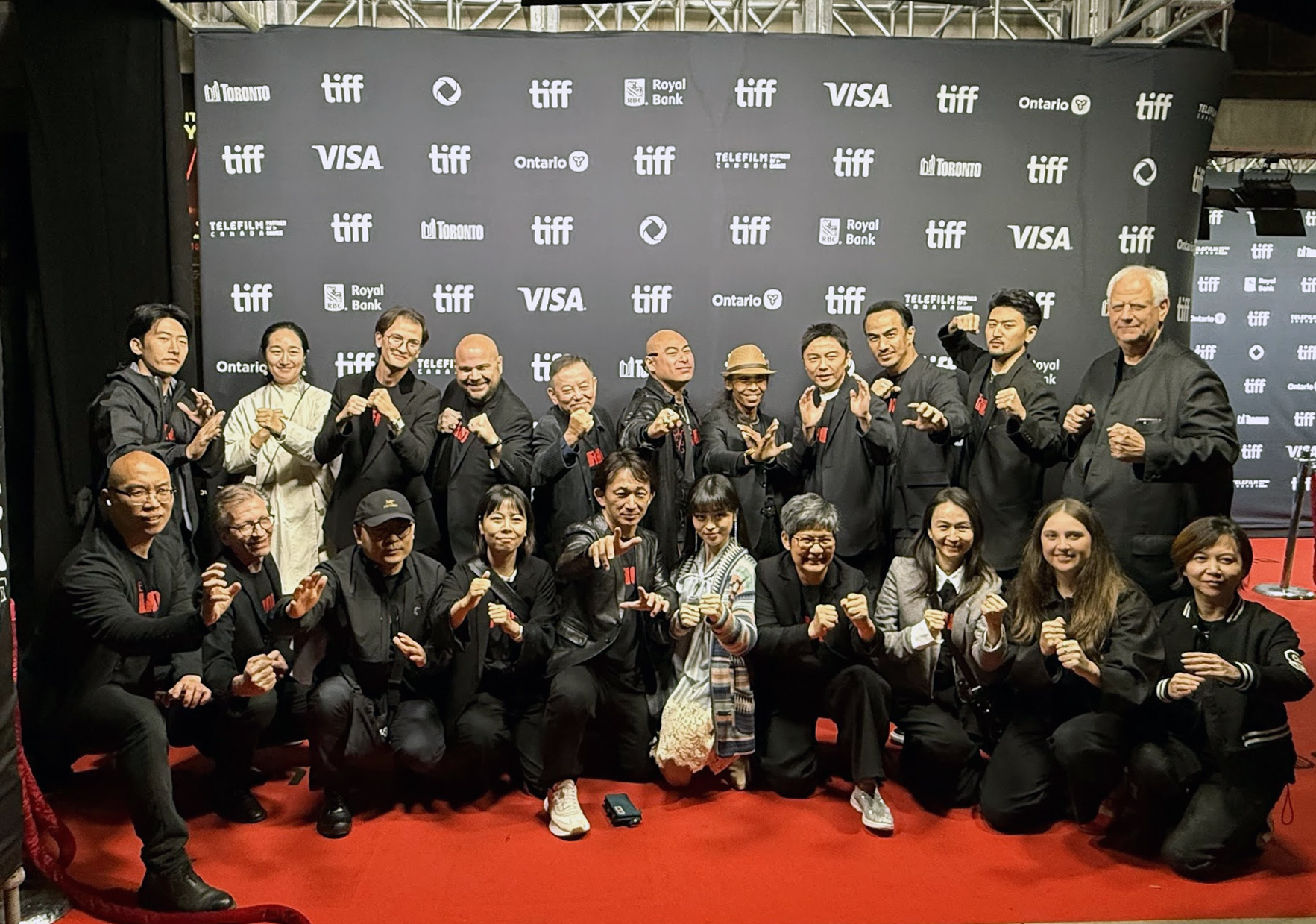
Crew at the Toronto International Film Festival
Did you try to find coverage that would be easy to overdub, or did you not worry about that?
The film was entirely performed in English. There were a few actors who are overdubbed because they were local hires, and it became apparent that they were given large amounts of exposition - that for an English speaking audience, they just struggled with it - delivering those lines in a way that felt natural.
The trick is that in Hong Kong and in China, every film is dubbed, so we were dealing with filmmakers who have no allergy to loose sync.
So that became an ongoing conversation. For the most part, it was our actors dubbing themselves. When you take 90 minutes out of a film, some ADR is going to get added.
It was one of the notes we got out of TIFF [Toronto International Film Festival] - which is why we ended up remixing the film after it was acquired - was that people were said, “This feels like ADR.” And it did.
But there was no sensitivity to that from the filmmakers because every film sounds like that because everything is overdubbed, so it was sort of having that conversation of: “For a Western audience, they’re not used to watching a dubbed film.”
So we mitigated what we could. A lot of it is directly a result of entire plot lines that got snipped and sort of covering them as best we could. But sometimes we were locked in the coverage that we had, and additional photography was not on the table.
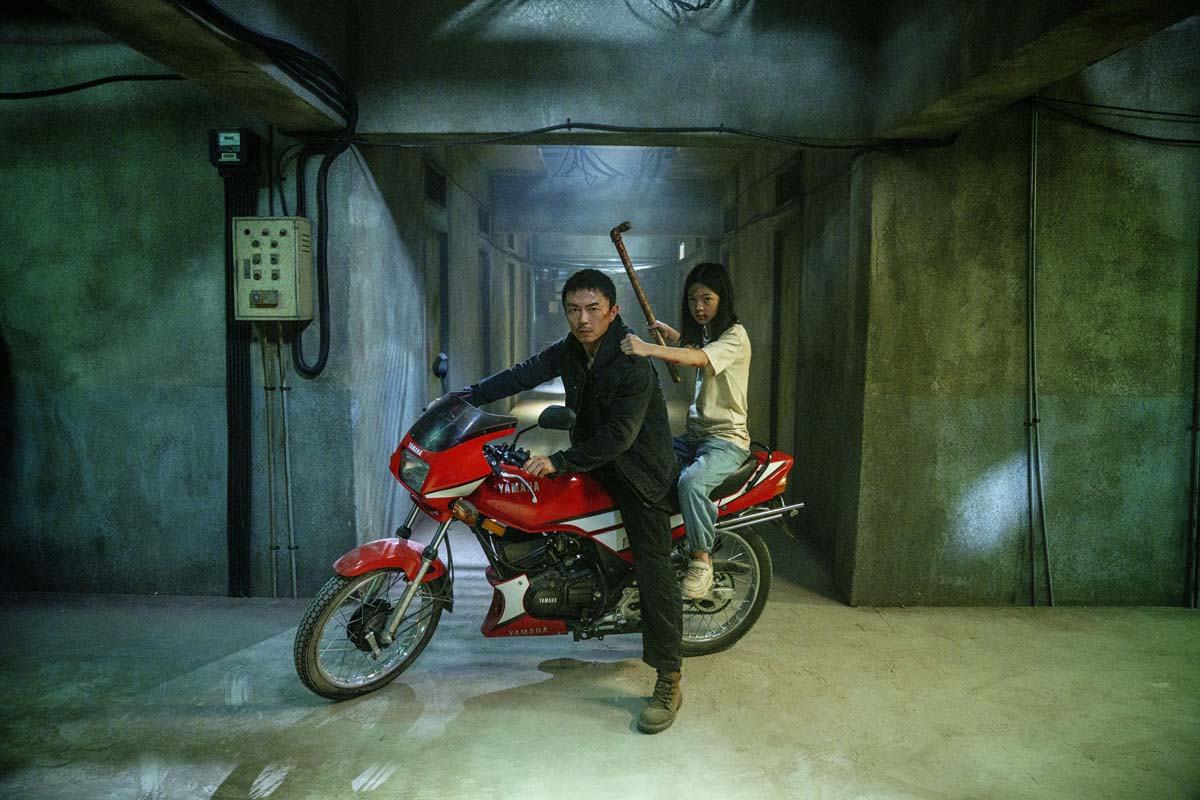
I wasn’t trying to call out that I was noticing problems, but I was just thinking, “When this is in Korean and Japanese and Chinese, you probably don’t want to see the people’s mouths move because it’ll be easier to replace them.
Hilariously, it was with the intention of it covering the English version. I know it’s getting international release and I assume that 30% of the film is already in Chinese, so I don’t know if - for the ultimate release in China - if it will be fully dubbed or they’ll do subtitles for the English bits because we have most people speaking English, but the gangsters are speaking like Tagalog, our Chinese characters are speaking Chinese, so it’s already kind of this miasma within the film.
In the universe of the film, English is the lingua franca, so I don’t know when it hits other countries, if they’ll just dub everything or not, but I feel like most of the coverage we selected was trying to cover it for an English language audience.
It’s something where - every time I see it – I think, “Yeah, it’s not a Hollywood movie. It’d be a little different.” But, you do what you can.
What about intercutting in the final fight scene between the two individual fights? Talk to me about that.
It was scripted again. I knew it was going to be intercut. So it was always intended to be somewhat intercut. But when I got to that scene, I thought, “Okay, this is really a dual story with these two characters, so we need to make sure that we are servicing them both equally.
We’re not lifting any choreo from any of it. The fights are for the most part continuous, but where we are checking in with each of those fights is something we’re changing all the way to the last minute.
That was the last fight scene that really locked up in its entirety: when we’re with Navin, when we’re with Wang Wei, and when we’re checking in with the kids? The kids had more hiding around the police station, and the discussion was, “I don’t know if we want to be away from the fight that long.
Let’s just keep the kids in enough that that storyline stays in the air so that when they pop up, it isn’t out of nowhere. But you could play both those fights if you wanted to continuously from both angles. It just really became: “When do we check in?” And “When is a natural break in the rhythm of this choreography to check in with the people on the different floor?”
One of my favorite moments in the film is cutting to this giant five way split of eyes staring at you. Was that scripted something? It is classic.
I had this conversation with Kenji about the assembly cut that came from set. There was a different split screen and I said, “Let’s talk about this split screen. Is this a thing that we want to do? And if so, is this the way we want to do it?” Kenji said, “I want it to be The Good, the Bad and the Ugly.
This is in my like Sergio Leone moment.” I said, “Okay, but in that movie, it’s not split screens. It’s just tight ECUs on their eyes, so let’s try a version like that.”
So we edited the more traditional Good, Bad and Ugly version, and we lived with that for a while, then I think it was in our last two weeks of sort of zeroing in on the cut and we were working in person in LA, and he’s said, “I think I want to bring the split screen back.” I said, “Yeah?” And he said, “Yeah.”
So I told him to go get a coffee and leave me alone for like 30 minutes to build it. So I dug through the dailies - because it wasn’t shot with the intention of being split five ways - so I found moments where I could crop and stabilize and hold those characters. Then I thought, “If we’re going to do this, we’ve got to do this all the way.”
So I found a taiko drum and built my five way split, then turned layers on and off, so we’re just going full anime at that point. Let’s just lean into this. So I built it where it was the five drums hits and we hold it. He got back from his coffee and I played it for him. He said, “Yes! That’s what it is.” I said, “Okay, cool. We’re going to leave it.”
Part of me thought, “We’ll see…” because I feel like we’re going to show this to the producers and they’re going to say, “You can’t do that.” But everybody was really into it. Then every screening I’ve been to, it gets an applause break. So he was dead on.
I’m so glad that we did that. The audience is so on board by that point. If they’re going to get on board they’ll totally follow you into that stylistic conceit, because I’m always of the opinion that if you’re going to do something that breaks the fourth wall like that, you’ve got to make it worth it. And in that case, I think we earned it.
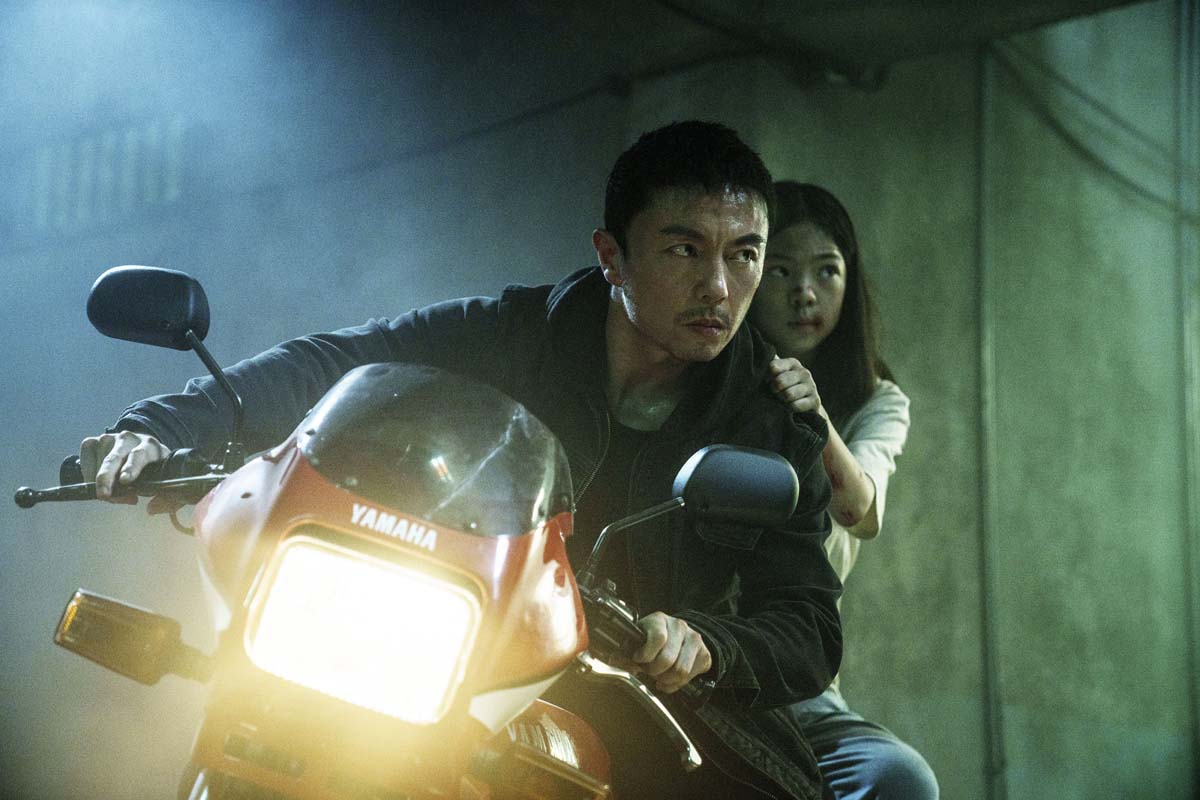
I loved it. I thought that was a fantastic moment. So, power to the director for knowing what he wanted.
When I saw it, I thought, “This is totally viable. It’s outside of the language of the movie before that, but that five way fight is so over-the-top and so insane, you’re clearly not existing in reality at that point. Characters shrug off hammer blows to the head with seemingly no problem. You’re in full Wuxia mode, so you just go for it.
It’s an interesting lesson. It sounds like you were almost fighting the director a little bit. You felt like the split screen thing wasn’t really going to work, but you want to please the director, but you also don’t know whether it’ll work untol you try it, right?
Absolutely. I will always attempt a note, even if I disagree with it, because there’s plenty of times where I’m wrong. Case in point, this one where I thought, “We should stay in traditional coverage.” Then when I saw it, I thought, “No, he’s right.”
I have found that the best way to find out if a note is worth doing is to do it. Sometimes you do it and it’s very obvious that it’s not working and everybody can see that, then sometimes you do it and you don’t like it, but somebody does, whether it’s a producer or director, and you live with it for a bit, and then maybe you put it in front of an audience and you are either proved wrong or right, and you can adjust accordingly, but it’s always worth trying any idea because you never know. You can end up with something like that where he was dead on.
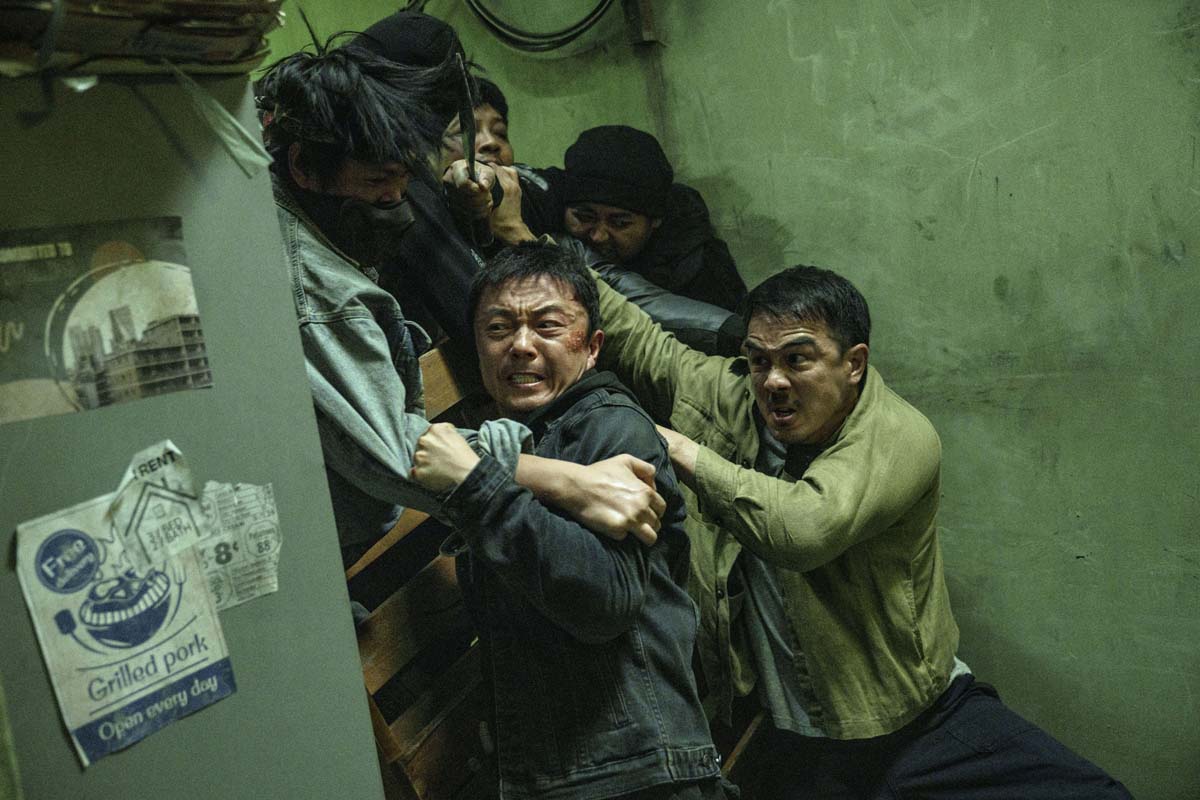
Absolutely. And I always think that the director’s never going to buy in. If you just talk him out of it, he’s always going to wish he saw it.
Absolutely. And there’s no way to talk somebody out of an idea without showing them - I have found - because inevitably it will come back up where you’ve got to at least demo the idea most of the time.
I’ve found that if you think an idea is bad and you want to prove it: execute it. Then just let them see it because it’ll prove itself.
…even if not immediately, it’ll prove itself.
Even if not immediately. Yeah, absolutely. Because there’s plenty of times where you get that answer in a test screening a month later where you put it in front of a crowd and they either accept or reject it or it gets brought up in notes or you show it to trusted friends who say, “What was that?”
That chorus of voices can sometimes give you ammunition for an opinion. These things are always a matter of taste. So sometimes you’re literally arguing taste and different people are gonna respond to different things.
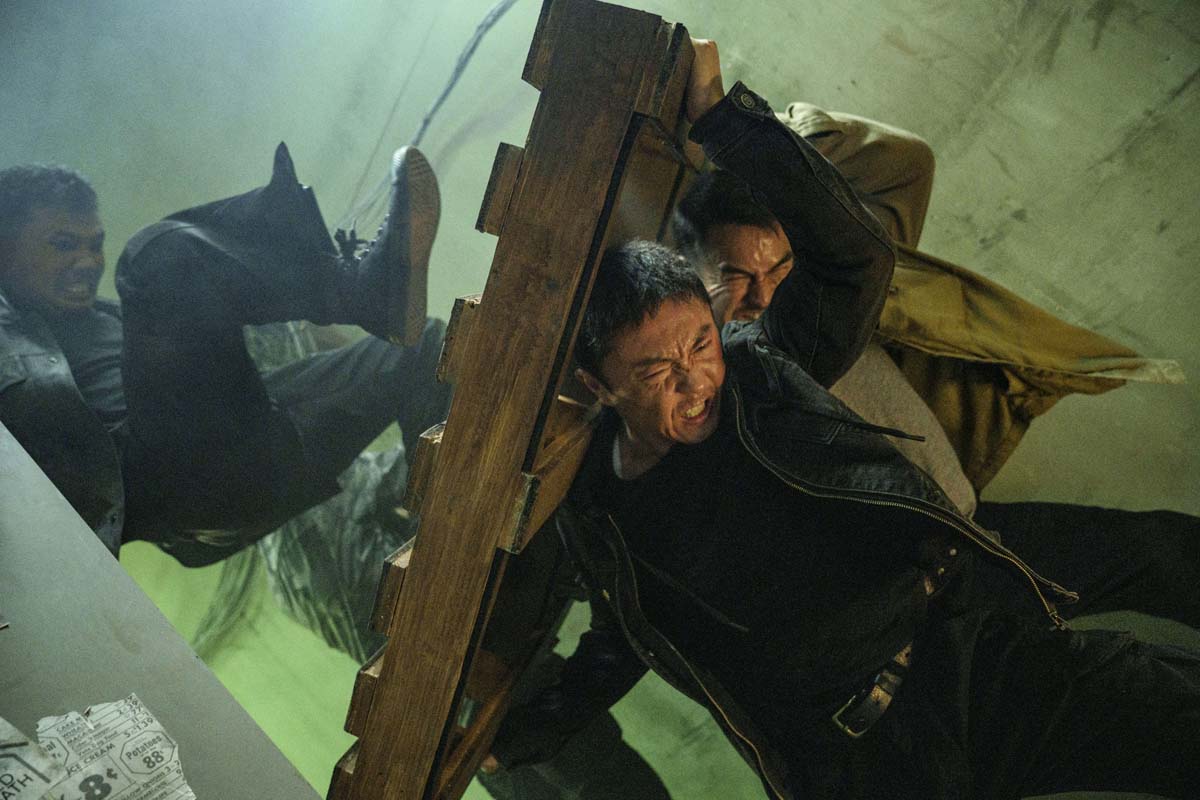
100%. Tell me about the five way fight scene, because that is a highlight of the film for sure.
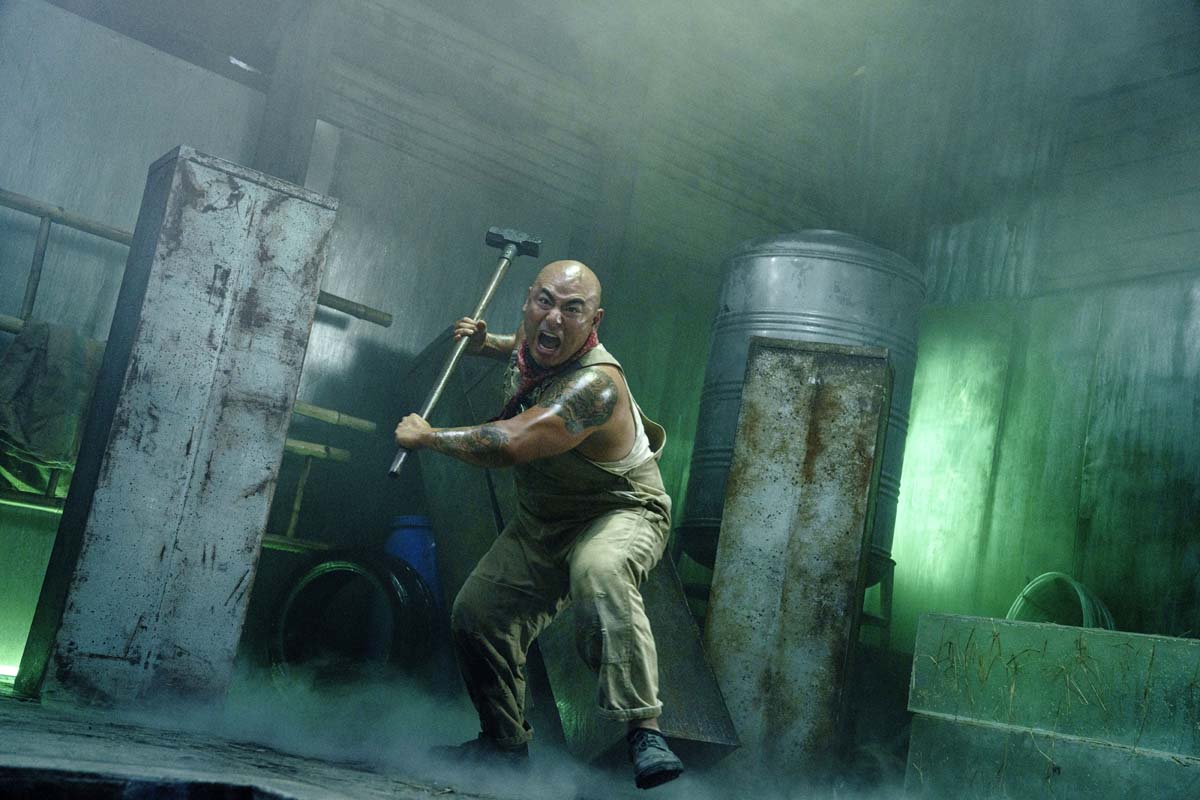
So the five man fight was something that Kenji really wanted to realize because he didn’t think it had been attempted in a martial arts film before. You’ve got 2v2 fights, you’ve got 1v3 fights, but having two parties of two, then one chaos guy fighting everybody has just not been a thing that’s been choreographed. So he told me, “This is a little bit of me trying to show off for the other stunt guys.” So he was really passionate about it.
I think we’d spent 18 days shooting the five man fight. It was so long the first time I watched it, but I thought, it’s all good. It became a question of, “Is this sustainable for an audience?” We had versions where we took out time, but we found that it was so unlike anything that we or an audience had seen before - as far as the level of choreography on display in the way that the camera is dancing with the combatants and they’re able to maintain that choreography for very long periods of time, that it was engaging.
We went back and forth on “how much of this do we keep in” before we decided we would let an audience tell us. So the version that is in the film is the five man fight in its entirety. When we did a test screening, people loved it.
I guess this is sustained because the film has this structure where it just ramps and ramps and ramps and ramps to the level of both how elevated the world is and how elevated the choreography is that you are hopefully there with the film by the time that that hits and the idea of, “We’re going to spend nearly 20 minutes in this fight scene.” You’re tired by the end of it, but it doesn’t feel like the audience ever checks out.
I think that is both a testament to Kenji as a filmmaker and to our actors and their ability to execute it. I think where we landed on the cut, it manages to hold an audience’s attention in a way that - when I read it on paper - I thought, “I don’t know…” then when you see it, you think, “We somehow pulled this off and he got to have his show-off moment for his colleagues in the stunt world of upping the bar and saying, “There’s the next level, so somebody now do it with six guys.”
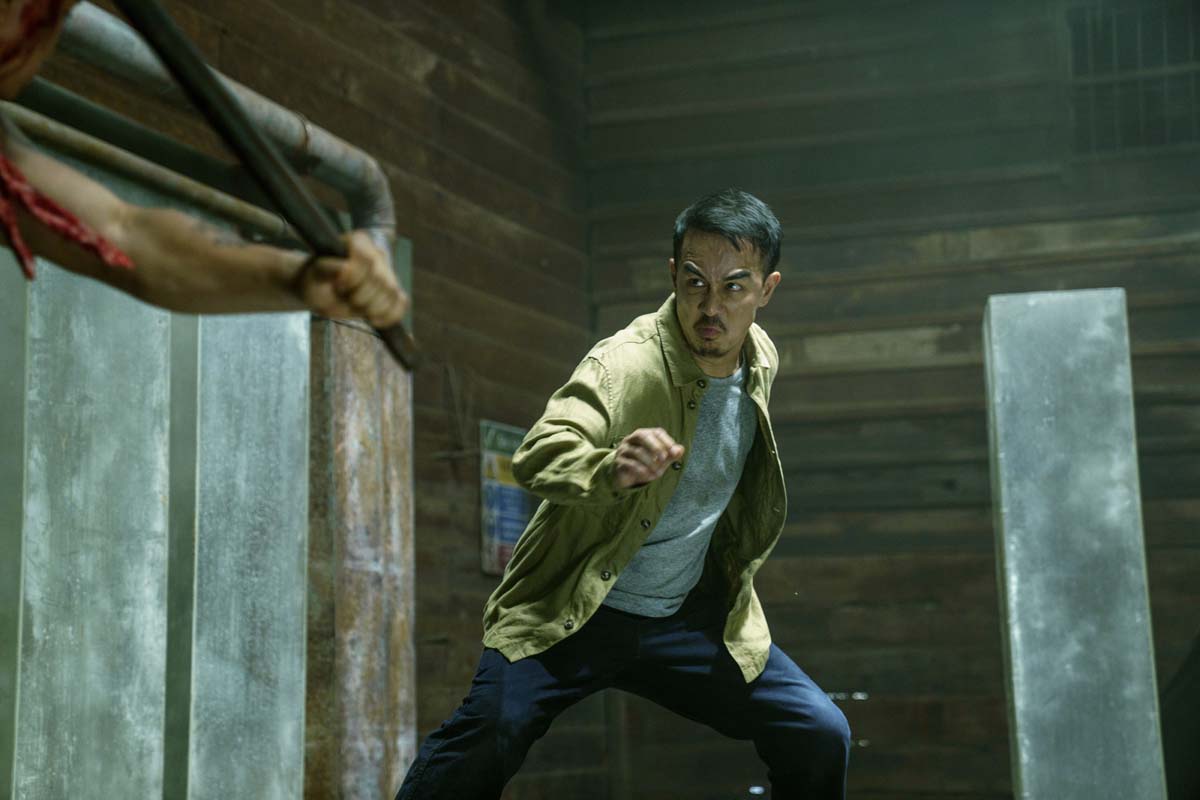
You just mentioned that when you read it, you didn’t think it could be pulled off. Was there actually a scripted version of this fight with text?
There sure is. I read it before I watched it. Was it 20 pages long? It is not. It doesn’t describe the fight beat for beat, but it was obvious that this is a very long fight and it enumerates the beats.
It was a very long fight scene on the page. It’s one of those things that until you see it, it is all in the execution.
I was also reading a script that had been translated from Chinese into English, so maybe not the best version of to judge from until I saw it realized in its rough assembly form that I got which was not reflective of where we ended up. I thought, “This could hold up if we really polish this up.
I especially I loved the fact it happened during a rainstorm and I thought, “If we really sound design this with thunder and lightning and it feels larger than life - like when they’re outside in the rain and everything - just about the time you think you found all the tricks of that fight scene, it changes.
They go out a window. They get thrown downstairs. It is constantly trying to get ahead of the audience, and it really is all in and how they manage to execute it on set that I had the material there to sustain it that long.
Chris, it’s so interesting talking to you. Congratulations on a great film.
Thank you so much. I’m so glad to have done it. Really, really proud of the reception that the film has received.
 October 5, 2026
The Whisper Man
Chris has been on Art of the Cut before for The Menu, The Many Saints of Newark, A Quiet Place, and Assassin’s Creed. He has ...
Read more September 23, 2026
Sean Combs: The Reckoning
Charles Divak has been on Art of the Cut in the past for Chimp Crazy, for which he was nominated for an Emmy and won ...
Read more August 6, 2026
The Upshaws and Wanda Sykes Legacy
Today on Art of the Cut we speak with Angel Gamboa Bryant, ACE, who is nominated this year for both The Upshaws – for Outstanding ...
Read more
Subscribe to our newsletter
Get all the latest news, blog posts and product updates from Boris FX, delivered directly to your inbox.
Welcome!
Thanks for opting-in to our newsletter. You'll receive an email momentarily with your confirmation.