













The Devil Wears Prada 2
Andrew Marcus discusses the freedom he has in the editor’s cut, the importance of calibrating the amount of set-up of a joke, and building montages that were not in the script.


Today on Art of the Cut we speak with Andrew Marcus, the editor of The Devil Wears Prada 2.
Andrew has edited Howard’s End, for which he was nominated for a BAFTA, Much Ado About Nothing, the 1994 Frankenstein movie, Hedwig and the Angry Inch, Remains of the Day, American Psycho, and Under the Tuscan Sun, among many others.
You’ve edited with David Frankel at least twice before that I could see. Tell me how that relationship started and what it’s like now that you’ve done a couple of projects with them.
This is the third film I’ve done with David. We did Collateral Beauty and Jerry & Marge Go Large, then Prada 2. We’re also friendly. David’s great because he likes to build a team. So it’s not just me who’s done a number of films with him.
Teddy Shapiro, the composer; Julia Michels, the music supervisor; and Nancy Allen, the music editor. We’ve all worked with him a number of times, so there’s a shorthand develops for all of these things.
David’s a really trusting director. He always says, “For your first cut, I don’t need to see everything I shot. Just pretend I got hit by a bus on the way to the editing room, and this is what you have to show the studio.”
Wow! That’s very different from a lot of editors and directors.
He’ll ask to put things back, but he really wants to see something polished, like a movie, not a rough cut.
So often, editors worry about using the phrase “editors cut” because it’s not the way we would edit the movie, right? It’s like a “script cut,” if anything.
Yeah, I’ve been fortunate. I’ve worked with directors who breathe on your neck and look at every little cut you make, and directors who give you free rein and make gentle corrections if you go in the wrong direction.
I noticed that you’ve cut some documentaries. Is editing docs a different muscle or skill set, and how does that play into your narrative work?
Both are storytelling. You start in one place and have to keep your audience engaged, then end up in another place.
I think the docs that I’ve edited they’ve all been more theatrical than a lot of documentaries. Also, it really hones your editing skills to do a documentary because you’re both the editor and a quasi-director. I do a lot of documentary polishes.
What do you find that you need to polish in those docs?
Usually I’m brought in because people have been working on things for a long time, and they’re stuck in a vision of a movie that might not be the most interesting movie. Or I come in and give a lot of perspective. It’s when people can’t get out a rut of storytelling.
There are a lot of comedies in your filmography. Is there a key to cutting comedy?
I’ve been really lucky because the comedies I’ve cut have had great actors, so I haven’t had to do a lot of the heavy lifting. I just rely on great performances. With comedies, you have to test and play for an audience and see how they respond to a joke and have a lot of faith in the material.
A lot of the times, if a joke isn’t playing, it’s not that the joke isn’t funny. It’s either the stuff around it or you haven’t led it off well, or the audience sees the joke coming and it’s teed up too well. So it’s finding out how to land those moments.
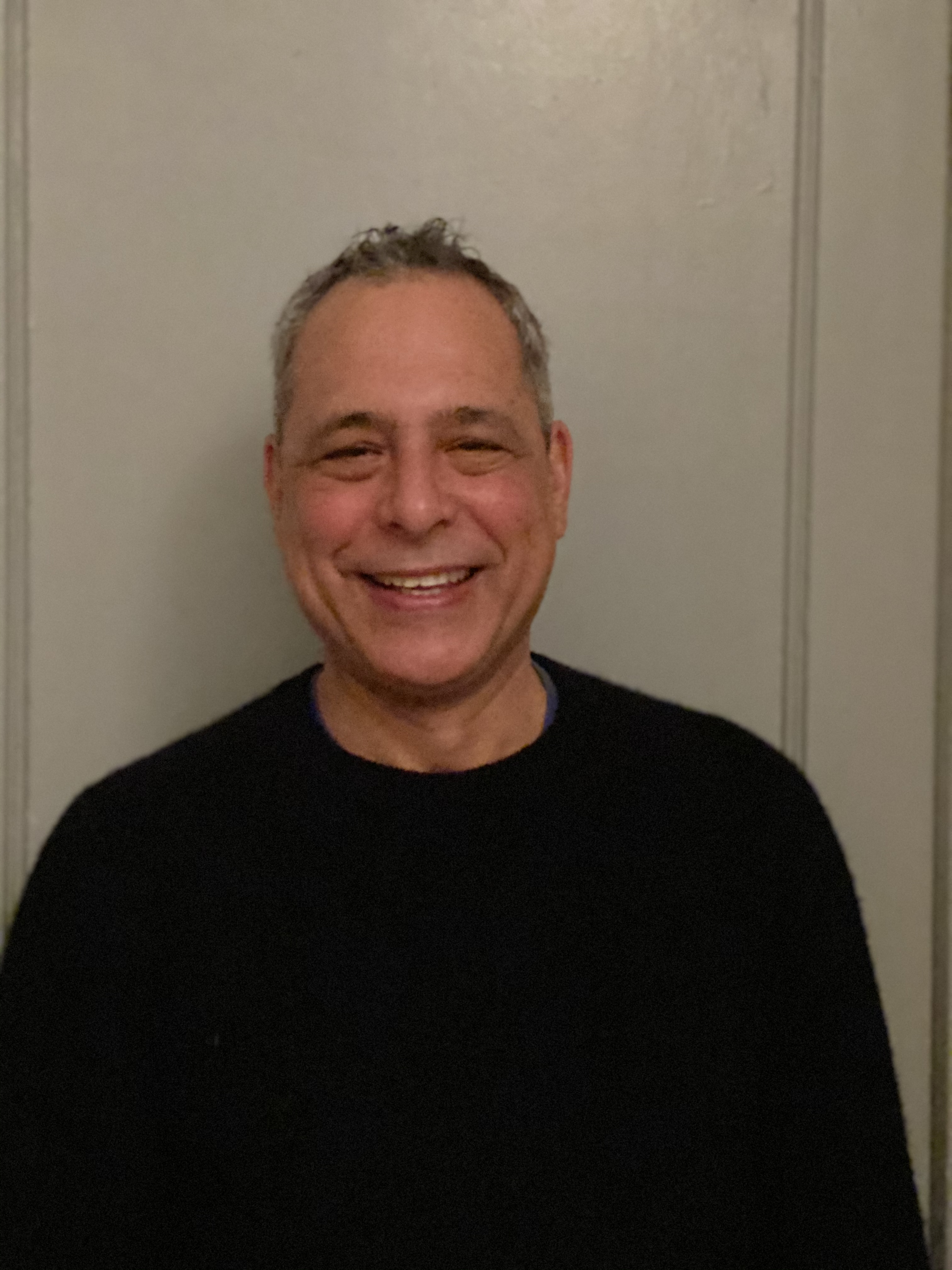
Editor Andrew Marcus
When you come in early in the film, during dailies, what is the process that you go through? How do your assistants prepare your bins? What is your approach to a fresh set of dailies and turning that into a scene?
Because I work with a lot of the same directors over and over, we have a shorthand. We generally talk at the end of every day or on the way to the set. I’ll ask them what they’re worried about in the scene, what they liked about the scene, what they want to get out of the scene, so I have a road map that they give me before I tackle it.
Because I started in film when it was still film, you would go into a screening room and watch dailies. I can cut a scene in my head before I’ve even sat down at the Avid, which is something you had to do when you cut on a Moviola because you couldn’t undo it and piece it together and undo it and piece it together.
So the cutting is easy for me. It’s realizing what the director wanted that is a little more challenging sometimes.
Do you edit on set? You said you talk with the director on the way to set sometimes.
No, they’re in their car on the way to set. I used to actually edit in a Winnebago on set for a lot of things: American Psycho was one where I was editing on set, but nowadays with Zoom and remote ediitng it’s much easier not to be on set.
Did you find any value to being on set? I’ve cut a bunch of movies on set.
Yeah. On those movies where I was on set it was also because I was the second unit director. With a first time director there’s a great shorthand of being on set. You can run over and show the director the previous scene or clarify things. You can show them the upcoming scene.
Being around the actors, being around what’s happening gives people a lot more confidence, I think. On Collateral Beauty I came to the set almost every day.
I want to get back to the idea of your approach to editing a scene. So you’ve spoken to the director. But what do you do when you sit down at the Avid? What do your bins look like? How do you watch dailies? Some people say I watch in reverse shooting order. Some people watch it in shooting order. Do you make selects, reels or do you just start cutting?
I make selects. That’s what I go back to for recutting. I find it really useful to join up all the readings… It depends on the scene. If it’s a big scene, I’ll make selects reels, and I’ll take every reading that the actor does in the angle I think I need to be in at that point.
And I string them all together, then weed out the bad ones. So I’ll have a complete selects reel, then I’ll have a highlight selects. I also use ScriptSync a lot when I’m recording, so I go back to readings.
Once you put a scene together, you can think it’s perfect, but then in the context of what the actors have done around that, you have to rethink it.
It’s interesting that you say that you recut your scenes with ScriptSync, because so many people I’ve talked to that say they use ScriptSync, don’t use it for the initial cut.
We don’t use it for the initial cut because our assistants are so under-the-gun getting the work done that the ScriptSync comes in 4 or 5 days later. If I’m doing a really fast TV show, I will use ScriptSync for everything, but on a feature where you have a much more luxurious schedule I watch the entire take, then I build the scene from the magical moments I find.
I want to talk a little bit about the process that a scene goes through. Maybe you can think of a specific scene and how it changed, expanded, contracted, different performances were tried. How does the scene evolve?
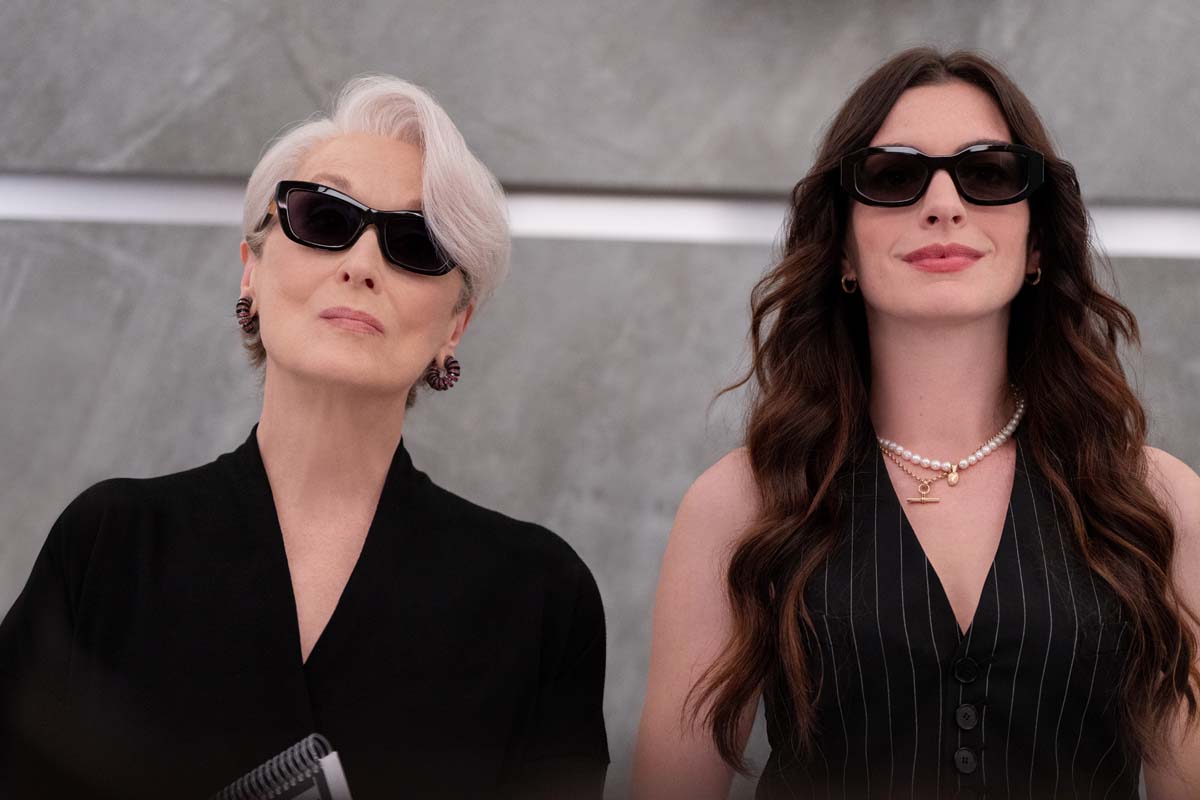
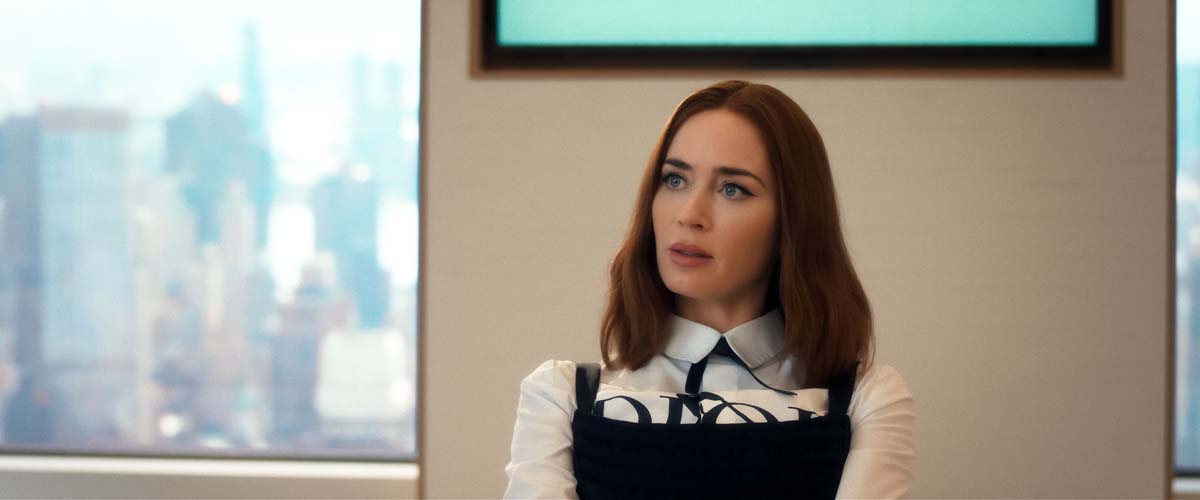
There were two scenes that changed the most. I’ll preface it by saying, in my experience, films either have “beginning problems” or “ending problems.” We had a great ending and a problematic beginning. When we shot the script, we knew that the movie doesn’t begin until you get Anne Hathaway into Meryl Streep’s office, and then the ball starts rolling, but you need a lot of setup for that.
So finding the right amount of storytelling and reintroducing these characters to the audience after 20 years was a real challenge.
What’s your approach to building montages like the one that introduces Miranda or the writing montage with Andy?
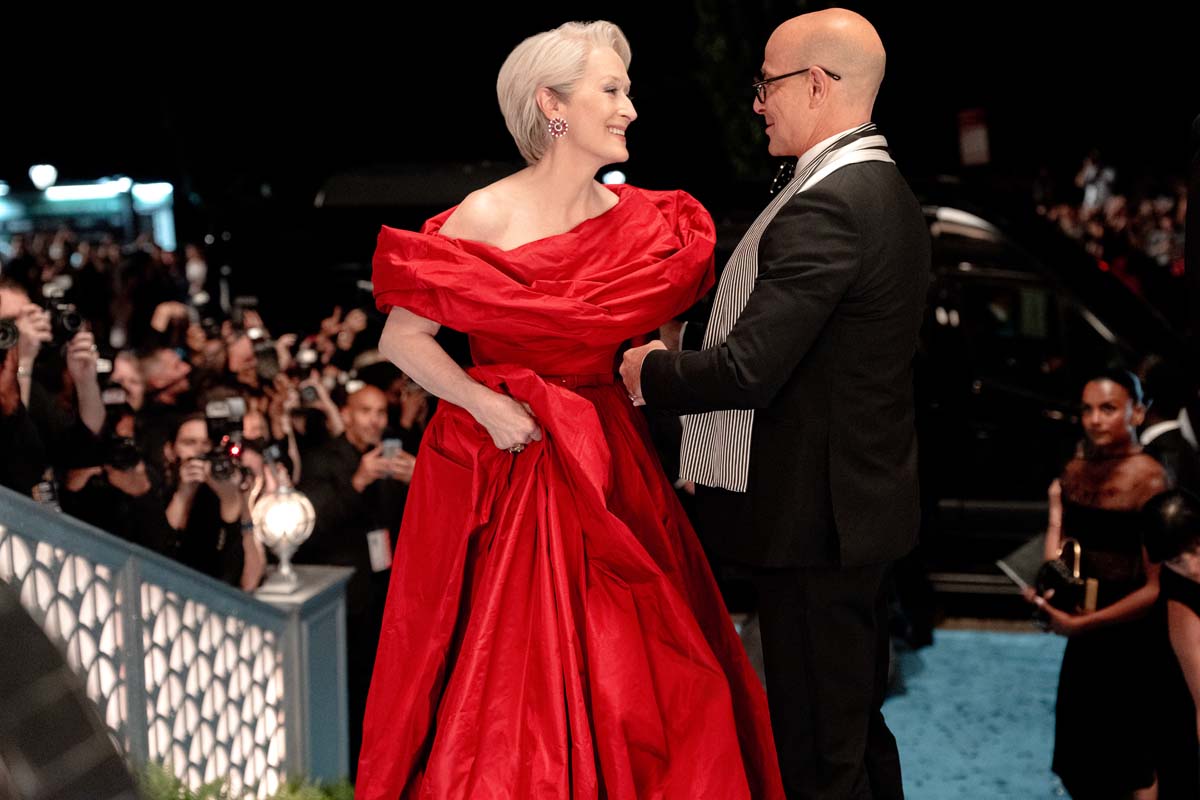
Those are two different kinds of montages, so I’ll explain each one. The montage where we introduce Miranda was not scripted as a montage.
We got this great, Miley Cyrus song called “Walk of Fame” and because we knew we had to dip the music really quickly when they’re on the stairway and we need to hear them, in order to play the song, I had to find a lot of footage and make a montage, and cut it to the song.
I knew we needed the crescendo of the song to be the tilt up Miranda’s dress. It’s her introduction to the film. We really set out to give each character a great introduction and that was hers.
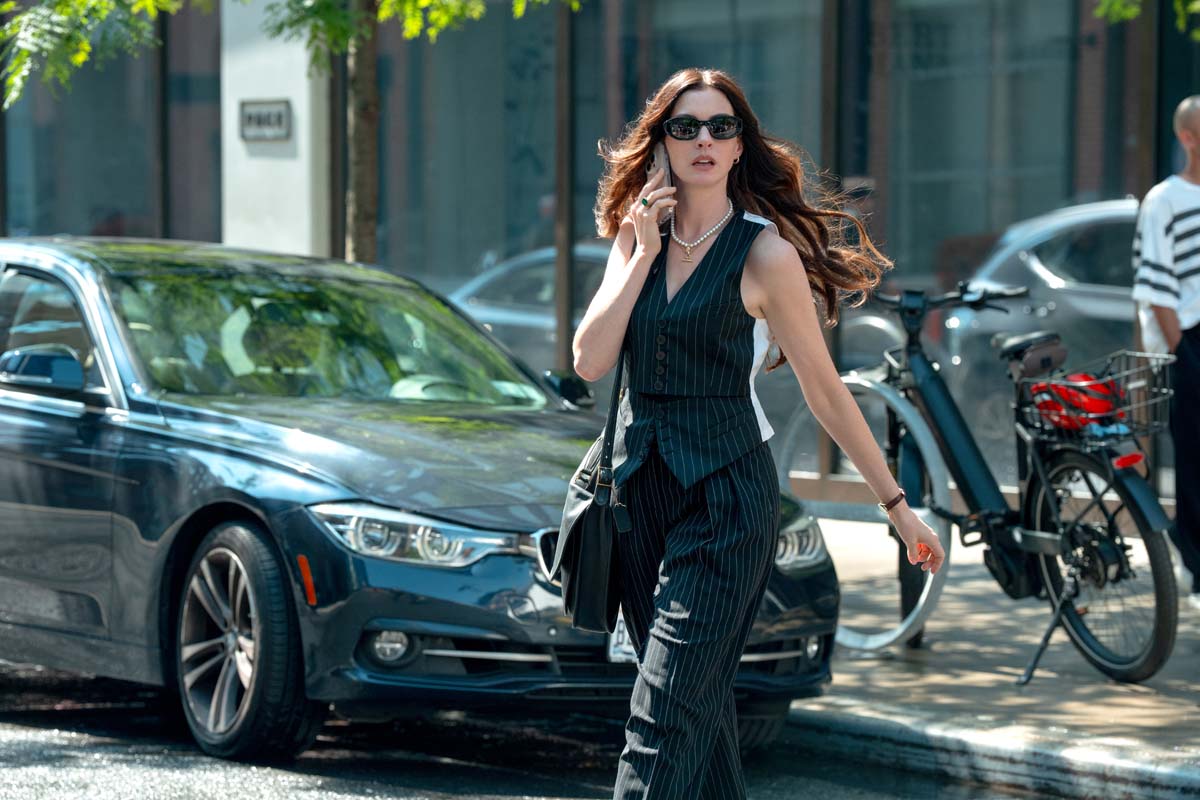
Hold on! Andy’s introduction is her brushing her teeth!
Yeah, that’s a callback to the original.
So interesting!
Yeah. So the writing montages were scripted. David and I - when we were doing these - there are a few montages that are callbacks to the original.
They’re scripted and they’re all whip pans and made to go together. Same with the montage to the Madonna song, “Vogue”, when they first arrived in Milan that’s a callback to all the wipes in the first film.
On the Doechii montage - the montage with Anne Hathaway on the phone and Miranda going to fashion shows? That’s another song.
Julia Michels called and said, we’re getting a Doechii/Gaga song that’s unreleased, so we have to create a montage. That was created just for the song.

When Andy goes on a date, talk about your coverage and determining when to be on various shot sizes. As a fellow editor, I was conscious of when you were going in for close ups and using these beautiful wide shots that would show these luxurious places they visit.
The movie is sort of a love letter to New York and the romance of New York and “Jack’s Wife Freda” is kind of an iconic New York restaurant, so we wanted to show the restaurant.
It’s beautifully lit and the romance of all of that. But at a certain point, you want the source music and the crowds to fade away, and you get into these big, gorgeous close ups and score takes over.
So it’s kind of where I switched from the naturalistic environment of the restaurant to the heightened romance of the giant close ups and the score. I worked with the composer, and we all did that together.
Talk to me about that collaboration.
Teddy Shapiro has done all of David’s movies. He said early on that he didn’t want us to use any temp score.
So as I was cutting and I would send him scenes and he would give me temp music and we would rejig it. So I was working really closely with him from the very beginning.
And the movie is pretty wall-to-wall music. It was more a question of finding places not to use music than where we were going to use music.
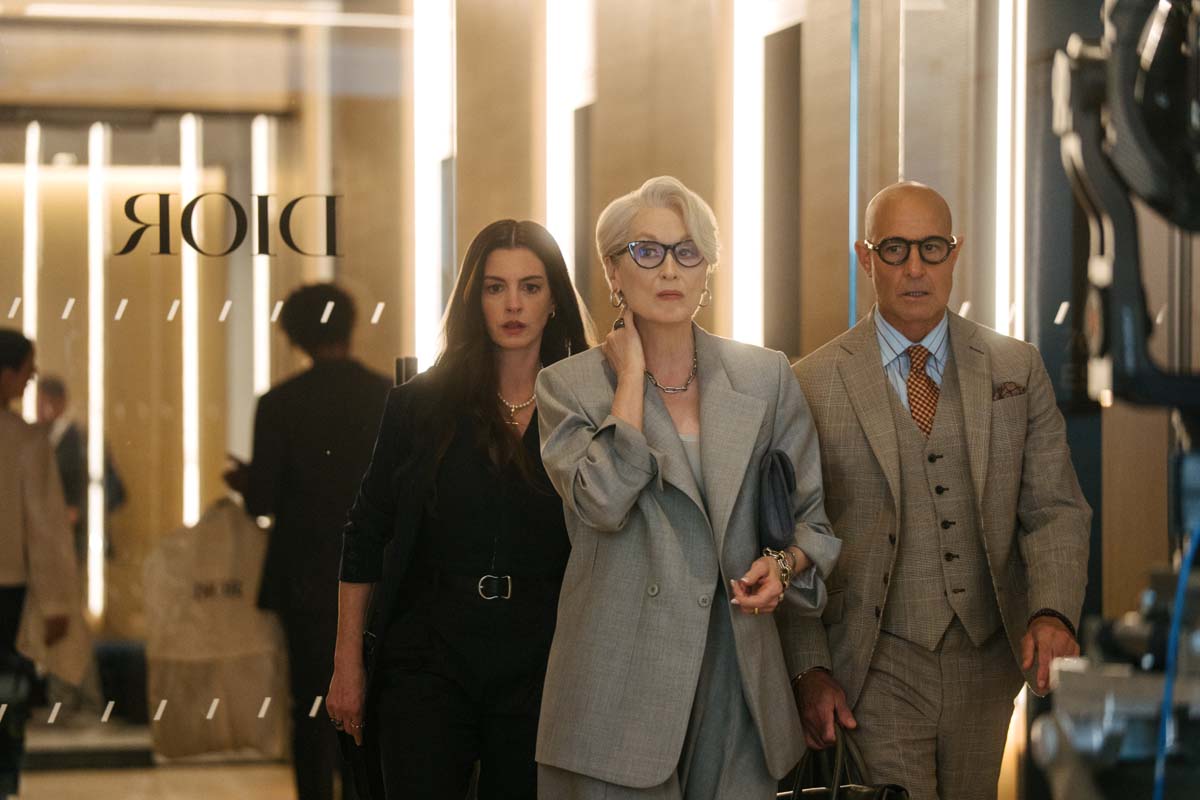
Where were some of those places where you decided not to use music?
The scene where Miranda comes back from The Last Supper dinner and asks her husband, “When is it over for me? Will you be here for me?”
We had score there, but because there was such a big, beautiful piece of music right before it, when she leaves the Last Supper, then you get into the Doechii song, and then you get into the Gaga song, that’s wall-to-wall music till the end of the movie. We felt like it would be more dramatic if we had no music there.
And their performances are so good. They didn’t need music, but we actually took out a lot of score in areas where we thought it would help to be quiet and gentle and silent and not overblown.
One of the fulfilling things I thought about the movie was this kind of roller coaster of emotion. The dynamics of the big sexy Lady Gaga type Madonna moments with the emotional moments and quieter moments. Talk to me about building that and finding that roller coaster shape to the overall film.
I would love to take credit for it. A lot of it is David and our writer, Aline Brosh McKenna. One of the easiest things about this movie - and one of the joys of making it - was that often you have to find a movie at the beginning. Who are these characters and what is their struggle?
But because the first one was so iconic and so beloved, we knew who these characters were and we knew what their struggle was, and we didn’t really have to create that. So really, all we had to do is give the audience a great ride.
When you have amazing actors like these, they’re the emotional core of the movie. Put Meryl Streep and Kenneth Branagh in the room and it’s really hard not to have a great scene. Or Meryl Streep and Anne Hathaway in the scene in the Hamptons.
They’re so good together, and they’re just so watchable that I didn’t really have to shape that at all. Every line they said is in that scene.
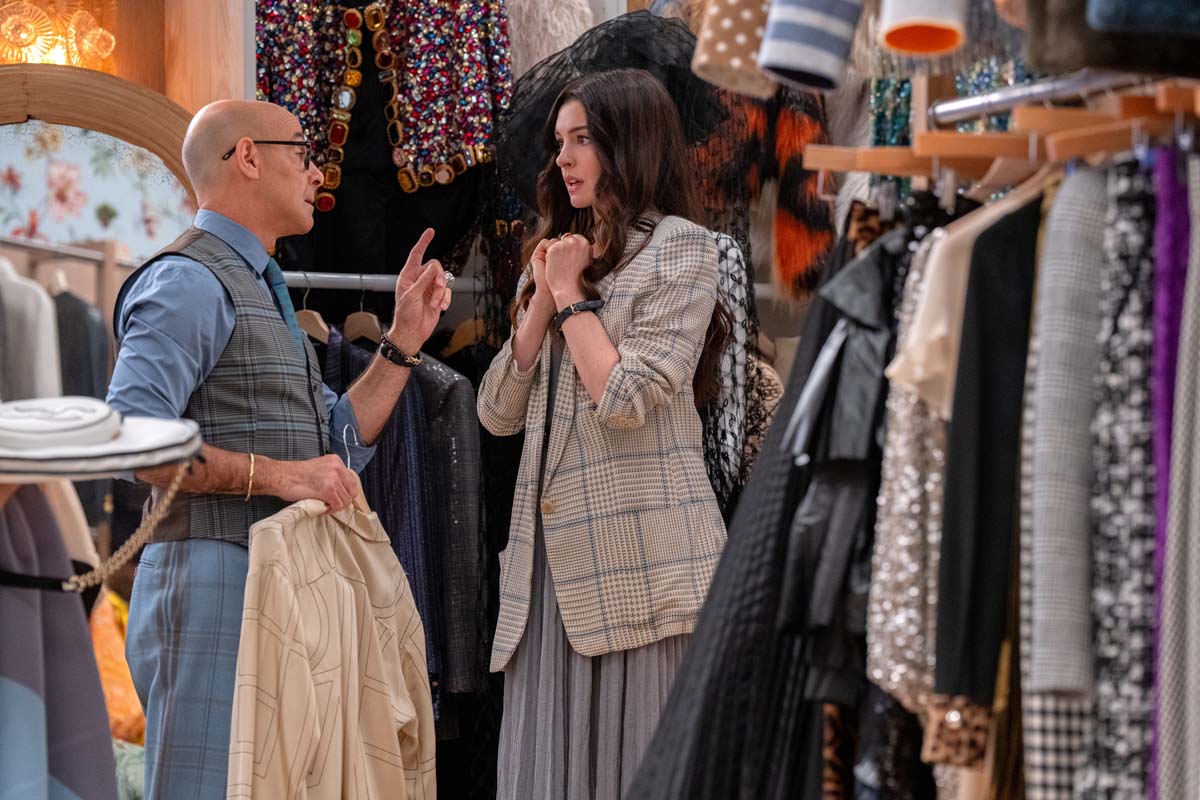
What about the Lady Gaga performance? There’s some intercutting in there. Was that planned? Did you find that you needed to choose exact moments when you were going to come in and out of the song and what’s going on that’s being intercut with it?
One day David called me from Milan and said, “A big pop star – who we can’t say her name – is going to be in the movie. I don’t know how we’re going to do this, because we can’t just have a music video in the middle of the movie.
She’s only coming for a day, and in her scene, she’s going to walk around a stage, so if you cut out the middle lyrics and just play the beginning and the end, she’s going to jump from one side of the stage to the other.
So we came up with the plan to intercut it with the models walking, then to also have them driving to the airplane. There was never a question of not intercutting it, otherwise we’d have to play a three-and-a-half minute song all the way through.
I saw that Harbor got a credit. Did you edit this in London?
No. There’s a Harbor in New York.
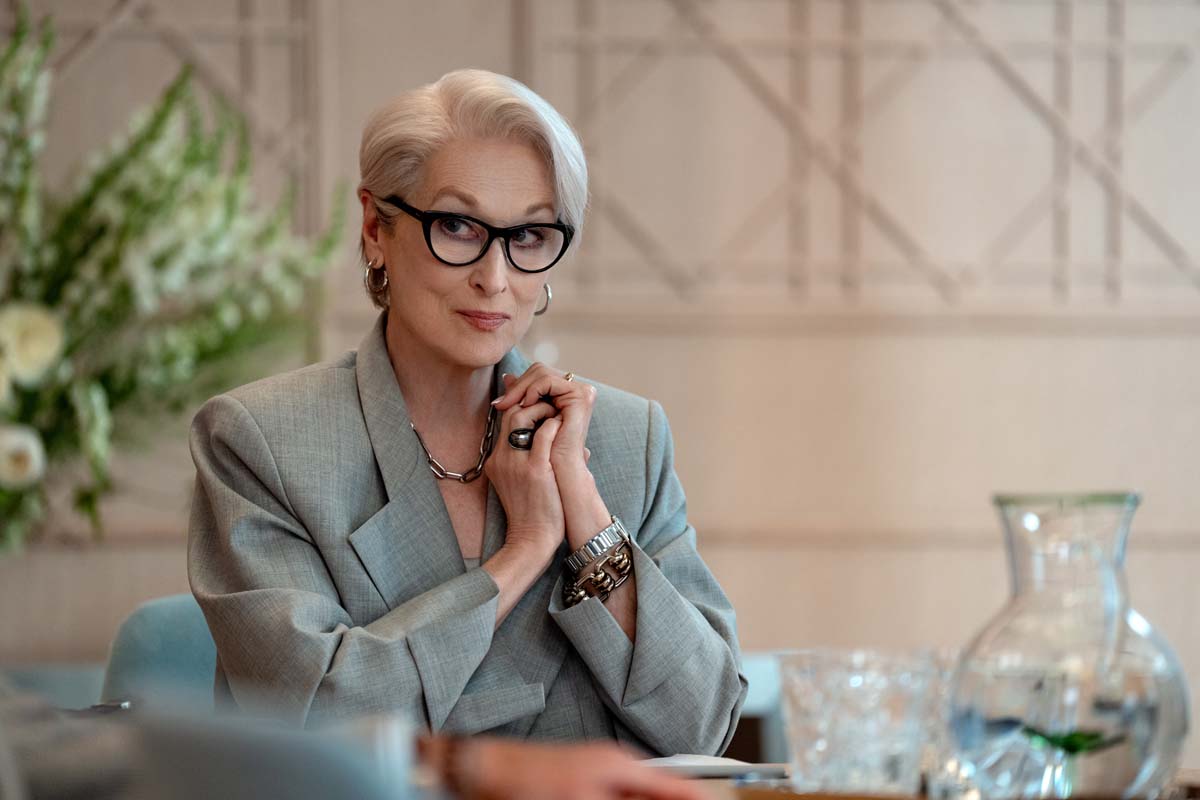
Oh, I didn’t know that.
Yeah, and Joe Gawler, the head colorist - and one of the founders of Harbor - did the color timing of the first movie.
Did you also cut the off-line at their offices?
Yes.
When you are cutting a scene that has that much green screen in it, do you have your assistant do a rough VFX comp so that you’re not looking at green screen the whole time?
Yeah. When I showed the film to David a week after shooting, there was no green screen.
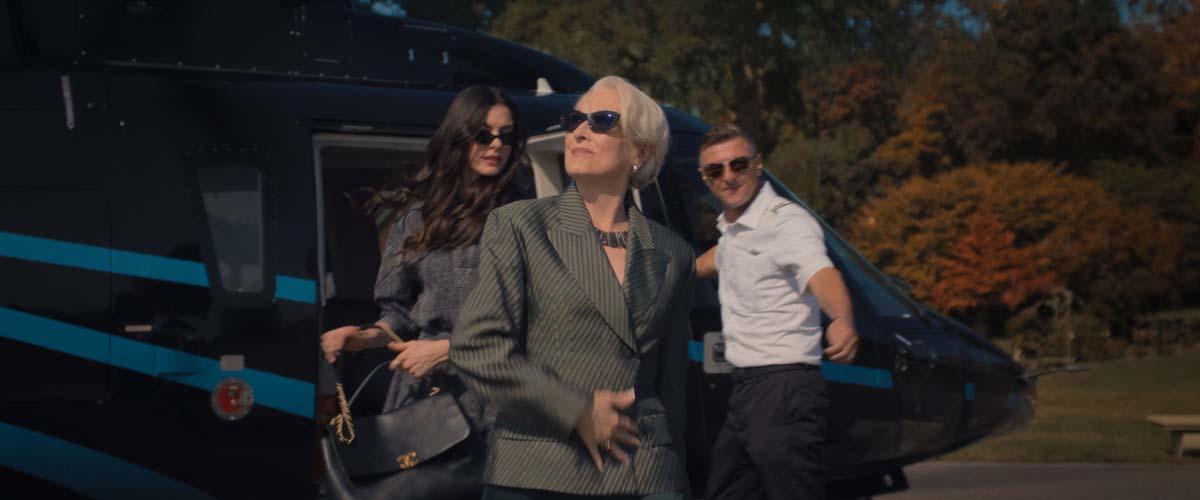
Was this shot on film?
No.
So when you say that they reprinted it…
They would re-grade it. There was a grain on it and there was a little bit of softening. The formula for getting it just right about a week to do. But then everybody was really happy with it.
Is there an advantage to looking at dailies that look better than a one-light type daily?
Well, you can go right into a preview and you don’t have to do anything. We had a friends-and-family screening, and you have to show the studio, and you have to show the producers, and you have to show the writer, and you have to show the actors.
So when you’re showing everybody the film, you don’t want anybody to be rattled by anything. You don’t want to ever say, “Don’t worry, it’s going to look better. We’ll fix it later.”
Tell me a little bit about your relationship with the director, which you mentioned is a lovely relationship. How does he like to provide notes to you? Does he sit with you? Do you get notes that are more like acting notes? Like “the scene needs to feel more romantic or punchier”? Or does he give more specifics?
It depends on the scene. But for performance stuff, he’ll just say, “This needs to be this. I don’t like that reading. I remember a better reading.” He remembers everything from the set, so he’ll say, “Meryl did it better in the third take.
There was a different thing she did later in the evening. Let’s try that.” Then we try it. Sometimes it’s better, sometimes it’s not. Sometimes it leads you down a road so something completely new comes out of it. We’re both not at all precious about trying anything.
Earlier in the interview, you mentioned that you didn’t do temp score, but you had a music editor that was providing you stuff. Was that early “temp” from the composer?
Yeah, he would give us a score. The hard thing that’s sort of soul-destroying for a composer is if he scored the very first editor’s cut - which was almost three hours long - then he’d have to remake every piece of music, so we had this amazing music editor named Nancy Allen - who’s worked with Teddy and me a number of times - and she really shaped the score as the picture evolved.
As the as the film changed, she would say, “We need the score to be a little more shamelessly comedic or a little more romantic or we’re not hitting that at the right moment, or let’s take the score out completely and see how it played.”
So by the time we got to the recording session, the score was complete and we knew exactly what it was supposed to be.
Do you want to talk about your assistant editor and maybe give them a shout out?
I had the dream team of assistants on this movie: Adam Schaefer, Hillary Carrigan, and Reid Zarker. Adam basically had my back on everything. Because the schedule was so tight he anticipated everything I needed and had it done even before I asked for it.
Hillary was the soul of the movie. Her voice is throughout the movie. She’s that airplane announcement. So if ever we needed a temp line, Hillary could do that.
But she also kept us on track. If we ever cut something wrong, she was the one who said, “I don’t think that’s as good as the other thing.”
Reid was our VFX superstar. He made every FluidMorph and comp and little speed-up trick that you could do to help me with all of those things, and it’s just the best group of people I’ve ever had.
What do you think someone could learn from your first assistant editor about excelling as an assistant editor?
Anticipating all of the editors needs before they even arise. He would say, “We have to have a VFX review now.” And I’d say, “I can’t do VFX today!” He’d say, “You have to do it now because we need to get 20 shots done by Friday.”
Just keeping the whole ship on track so that David and I could focus on cutting. He also cut a lot, and I ended up giving him an additional editor credit.
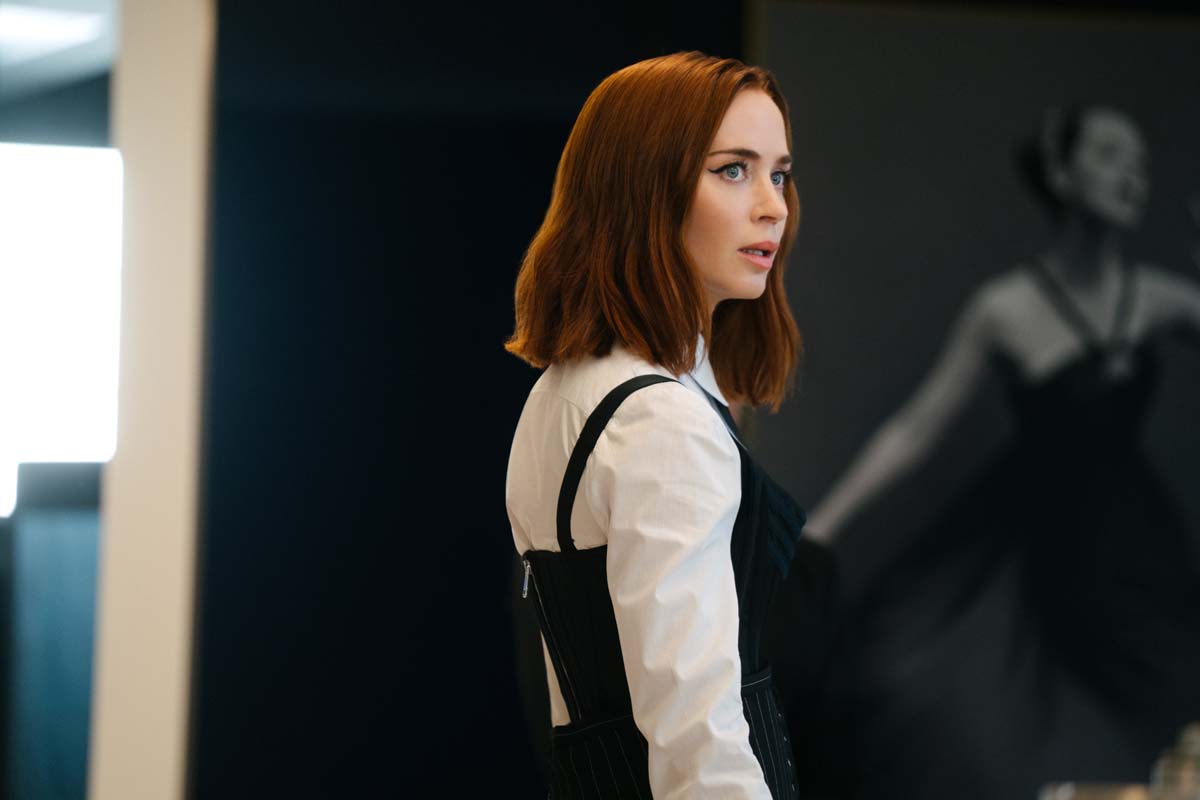
When you give scenes like that to an assistant editor, do you find that the real value in having them learn from that is not necessarily the first cut, but the notes process?
Yeah. And watching the scene evolve. When you first give a scene to an assistant to cut - in my experience - they’re so concerned with matching and using all the angles.
What I try to show them is to be a little more fearless about trying things and breaking rules and not just making it about matching, but really making a scene that is the best scene possible.
That’s great advice, Andrew. Devil Wears Prada is doing great, right?
Yeah. $233 million for its first weekend.
You get most of that, right?
Yeah. It all comes to me. 😊
Thank you so much for joining us, and congratulations on all the success of the movie.
Thank you.

 October 5, 2026
The Whisper Man
Chris has been on Art of the Cut before for The Menu, The Many Saints of Newark, A Quiet Place, and Assassin’s Creed. He has ...
Read more September 23, 2026
Sean Combs: The Reckoning
Charles Divak has been on Art of the Cut in the past for Chimp Crazy, for which he was nominated for an Emmy and won ...
Read more September 3, 2026
The Dog Stars
There's nothing like The Dog Stars in his filmography. That's a testament to him - that he is constantly interested in different stories and different ...
Read more
Subscribe to our newsletter
Get all the latest news, blog posts and product updates from Boris FX, delivered directly to your inbox.
Welcome!
Thanks for opting-in to our newsletter. You'll receive an email momentarily with your confirmation.