













Task
A discussion of pacing a show up without losing important character moments, regulating the emotion of a scene by choosing performance, and how a resolving chord in music offers a lesson in editing.


Today on Art of the Cut, Amy Duddleston, ACE and Keiko Deguchi, ACE, the Emmy-nominated editors of HBO’s Task.
Amy’s been on Art of the Cut in the past to discuss Mare of Easttown for which she received two Emmy nominations and won an ACE Eddie. Her other work includes the feature film, High Art, and TV series including The Umbrella Academy, American Gods, and Dexter.
Keiko’s work includes Love and War, We the Animals, and Hustle.
Amy and Keiko, thank you so much for being on the show today. It’s so nice to have you on Art of the Cut.
Duddleston: Thank you.
Deguchi: Thank you for having us.
Amy, you and I talked about your editing on Mare of Easttown on Art of the Cut before. This is the same production team. Tell me about the genesis of this project and how you got on it with Keiko?
Duddleston: Brad Inglesby, who did Mare of Easttown - I’ve stayed in contact with him over the years, and he approached me with Task in 2023. They were going to start in September, but then the writers strike happened, so it didn’t start until the winter of 2024.
He brought back a lot of the original people who worked on Mare of Easttown, and it’s shot in the same place. And he brought on this new director, Jeremiah Zagar, who then wanted to bring on Keiko, so that’s how Keiko came on to the project. That was really fantastic and fortuitous for all of us.
Keiko, I noticed that you’ve done some documentary work. Can you talk to me about whether that exercises a different muscle, and the value of documentary and how documentary plays into working on narrative?
Deguchi: It’s definitely different muscle, although the goal is the same. You just get there in a different way. Having the experience of documentary is helpful for a show like this has more to do with when you run into an issue.
You can be so creative in deciding, “We can use this shot in this way.” I think it’s a little more flexible in documentaries - how to use the footage.
One thing that you have to do in documentary is - often from hundreds of hours of footage - you have to find the scene.
Sometimes you’re only in one scene or setting where you have to create the scene. Sometimes you have to take from all different kinds of places to make a scene.
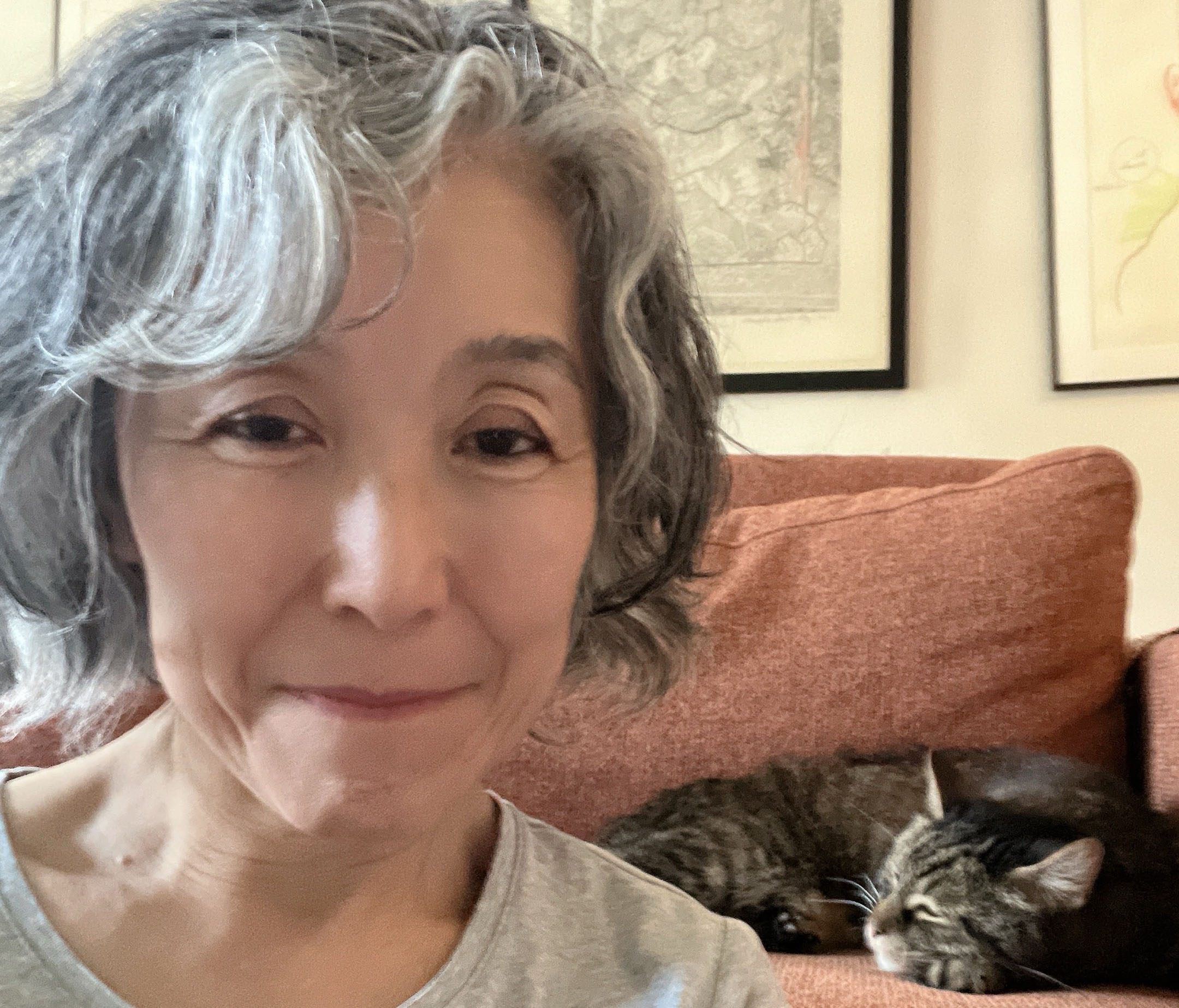
Editor Keiko Deguchi, ACE
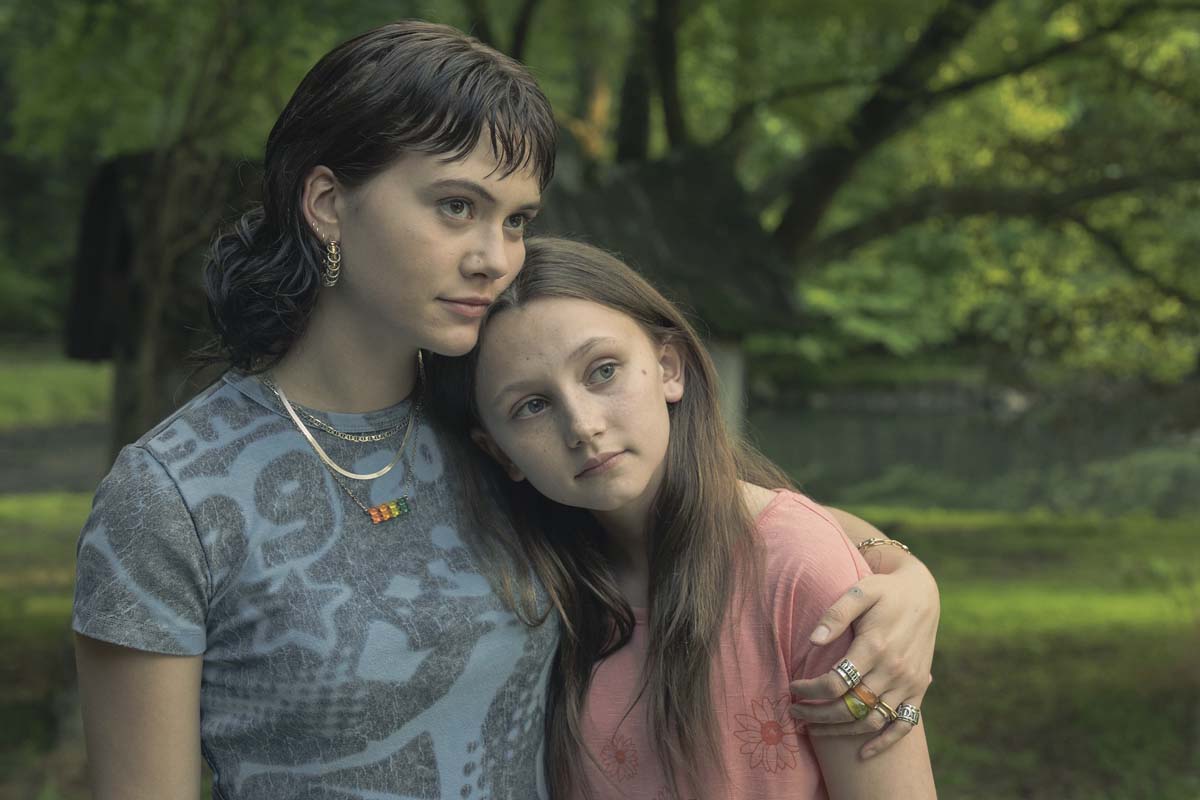
In the script, you seldom have to do that, but there was one time in Task that I remember, a scene in episode two where Uncle Robbie brought this kid home who was involved in this murder case. Maeve – his niece - gets scared, so she decided to drop the kid off at the mall and make an anonymous phone call from the arcade where she works.
She makes the phone call, and the FBI and police come to the mall. When I put the scene together, I sent it to Jeremiah Zager, the director. He called me up from the set and say, “Keiko, it’s just too fast. She makes the phone call and the police are there too quickly.
We have to do something. What can we do?” So, when she makes the phone call, she’s in a closet, and I remembered when they were setting up this shot of her waiting in the closet the D.P. asked the actress, “Can you just stick your heads out so I can frame the shot?” And she does. She sticks her head out and then goes right back into where she has to be.
I remember that shot that actually happened after they rolled but before they called “action.” So I thought, I can use that shot. I don’t have a POV of what she’s seeing, but for that I was able to use just her coworker sitting down.
Maeve doesn’t want her to be seen by her co-worker, but then once she’s back in the closet, I had to find a way to for her to just wait, but making the phone call in the closet was just a oner, so there were no other angles or material. This was pretty early in the shoot, so I didn’t have many other scenes.
But there was a scene where Maeve is kind is a dark location and she had a good expression that would work for the scene, so I dropped that shot in sent it to Jeremiah. He thought it worked, so we showed it to Brother and Kato, so that stuck.
Also some of the scenes are shot a little handheld verité style, even though it’s not quite verité. I’m used to cutting that kind of footage as well.
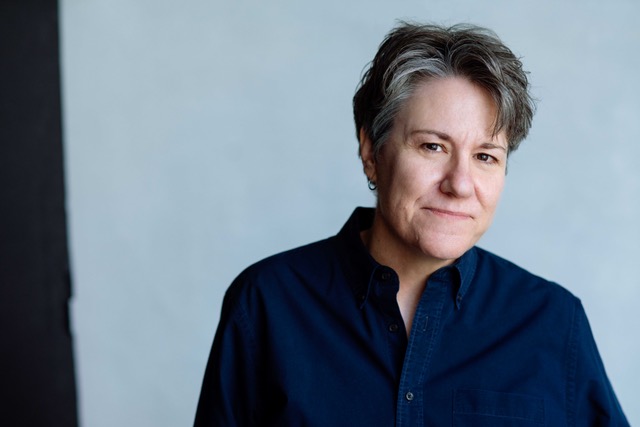
Editor Amy Duddleston, ACE
I’m really interested in that idea of a kind of a verité style. When you’re looking at dailies, are you also feeling like not only do you have to worry about the performance of the actor, but the performance almost of the camera operator?
Duddleston: Oh, yeah, it’s all of the truth that’s being told.
Jeremiah shot a lot of it handheld. That was just the way he wanted to tell the story. And, I think it really helped with just like the truth of the characters, just their inner turmoil - the way you perceive it in your brain is just chaos, just the emotion of it. I’m trying to find the word for it. Maybe Keiko has it.
Deguchi: The word that comes up to me is immediacy. It’s very real in many ways. When you use the camera that way, you’re almost there. So that I think that’s what it does. [Director Salli Richardson-Whitfield] used it in Winning Time: The Rise of the Laker’s Dynasty. She says she likes things “dirty.” What she means is it’s not a clean camera move. It gives that momentum in the scene.
Amy and Keiko enjoying some time off at the Storm King Art Center in New Windsor, NY
There’s intercutting throughout the series. There’s intercutting between Tom - Mark Ruffalo’s character - and Robbie at the beginning of the first episode. How are you choosing to intercut that? Was it exactly as scripted?
Duddleston: That was scripted in that: Tom wakes up. Tom does this. Tom does that. Then you meet Robby. Robby goes to work.
Jeremiah Zagar came up with the idea of trying to intercut all of it. As Jeremiah and I worked, slowly we started taking the dialogue out of things and just using little bits of future scenes, so he came up with this whole idea of trying to take little bits of their days and juxtaposing them against each other. We started to take things out and put things in. It was not written that way.
It was really interesting how that came about. It took a few months. We kept checking in with Brad to make sure that he was okay with it because they were his words and it was the way he wrote it, but it did really open the show because it is the classic two-hander.
It showed you, “These people are going to come together at some point and these are their stories.” One guy is a little fishy, and the other guy is very sad and a law enforcement official, so you knew that they were going to collide.
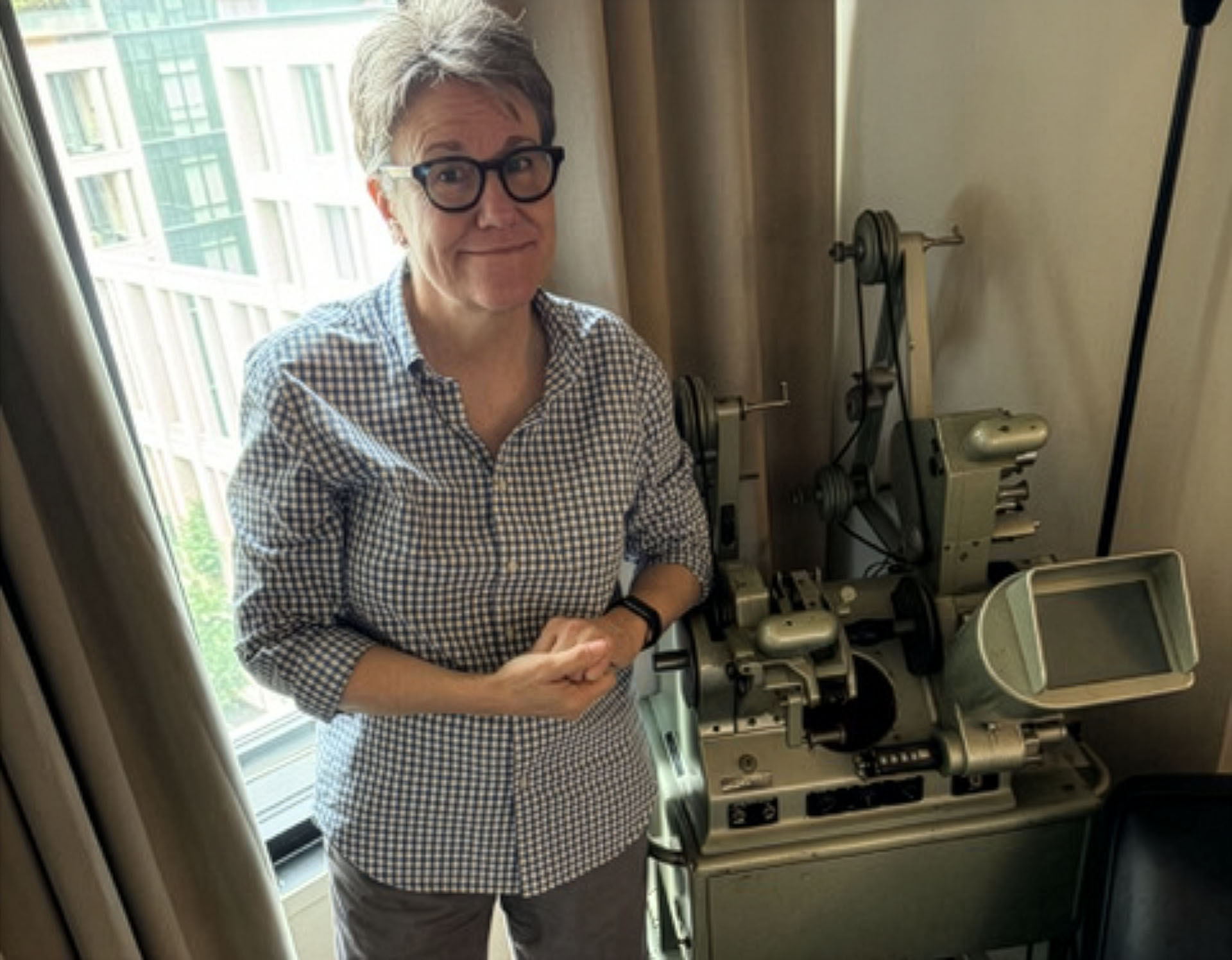
Task was NOT edited on a Moviola, but there was one at the post house.
Why do you think the dialogue needed to come out when the intercutting happened?
Duddleston: It just kind of slowed down the whole thing. You just didn’t need it at some point. When we started taking little bits here and there and cutting it to Tom, you just didn’t need words anymore. A lot of it was just silent. You can see his humdrum life of what he’s doing right now.
Then Tom goes home and drinks a lot of vodka, and Robbie goes home and stakes out a possible crime. You just didn’t need any words at that point.
What was the evolution of that? Did you have to cut it the way it was scripted originally?
Duddleston: I did. It worked. Jeremiah is really good at intercutting. It’s his thing. He likes montages. Brad likes montages too, and he just is very good at it. I did have a regular editor’s cut of it. We thought, “It’s good, but it could be better, which is editing.”
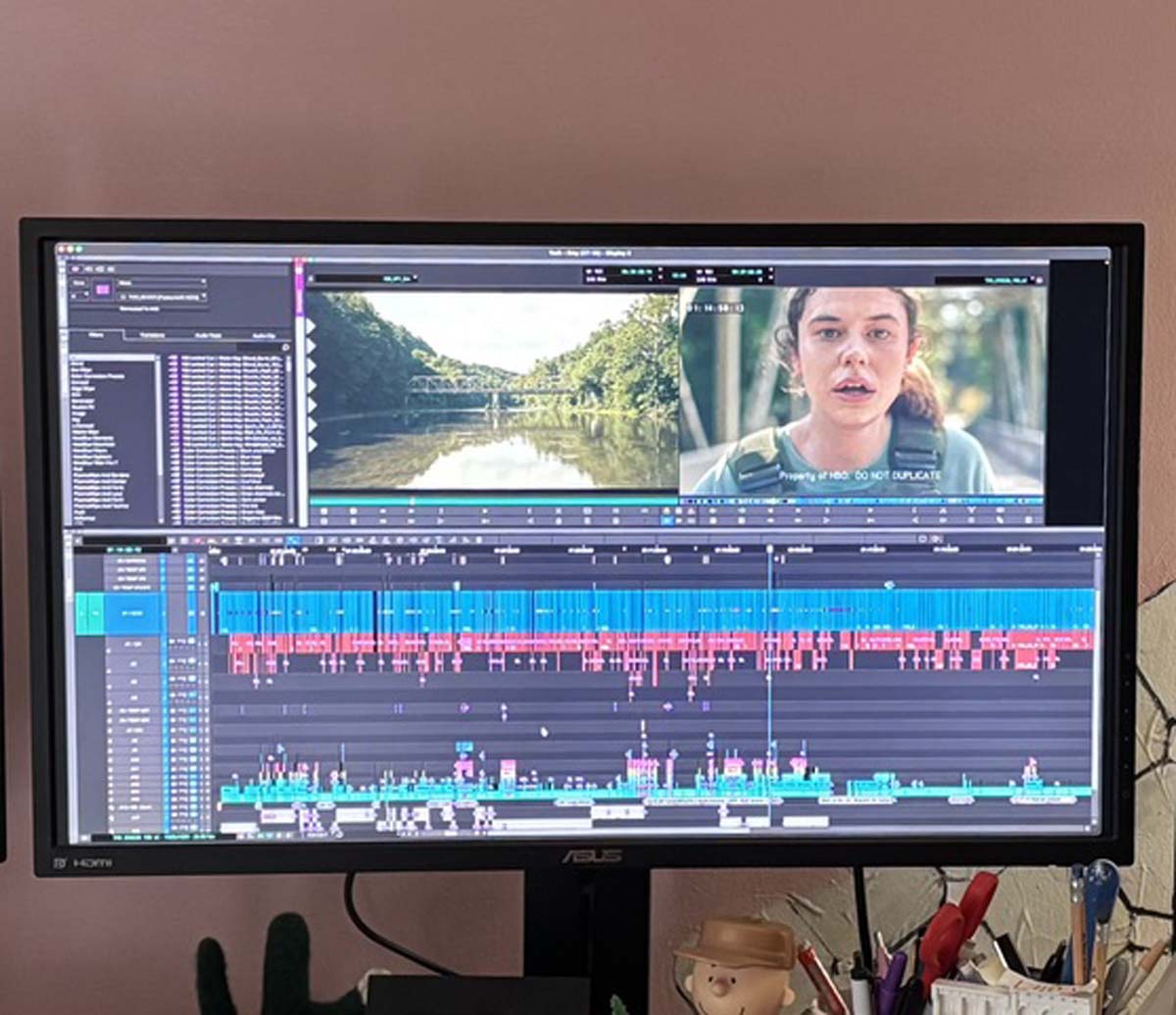
Avid timeline for Episode 106
What do you think, Keiko, about the intercutting situation and how that changed from the way it was scripted?
Deguchi: Some of it is just small intercutting, in a way. I think it’s more like we use it as a transition. The first one I did was episode two, going from Tom to The Dark Hearts.
At that point we had just met The Dark Hearts. Intercutting helped to connect the people this way. So when we introduce new people, the connections become easier to grasp than remembering who they are.
I think we did that a couple times. I think episode five, when Bobby and Tom finally meet and they have this very long conversation in the car… I was a little scared when I read the script about how many pages of dialog there were in the car.
I think we did intercut that scene with one of the scenes of Grasso going into the house and finding Tom is gone, and that was somewhat within the sequence that it was written, but we played the dialogue over Grasso to make it go faster and just make more tension.
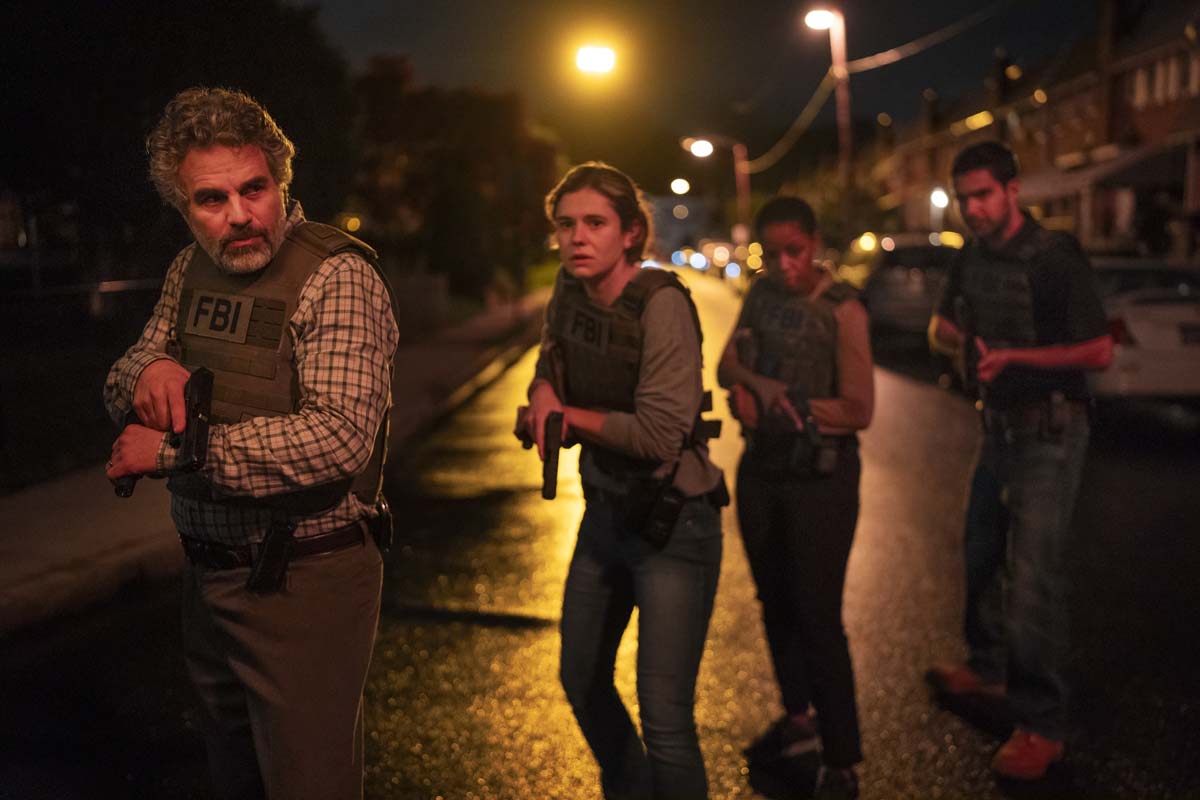
You needed to speed along the beginning of episode one, but there’s also a need to have development of character. Let’s talk about the struggle between needing to move things along versus the need to sit in things so that people connect with the characters.
Duddleston: Brad Inglesby is very good at wanting to develop all the characters so that you feel something for them when things eventually happen to them. Good or bad. It’s like the beginning was like little snippets of their lives and you just kind of see: this is Robbie.
He’s a trash man. This is Tom. He’s an FBI agent. But then when you start digging in, Tom’s talking to a lawyer about his son who’s in prison, and you meet his daughters, and you meet Robbie, who’s got kids, and his niece is helping take care of his kids. It all starts to boil up and turn into the story.
Then you meet the Task people. Tom gets assigned to this task force of misfits by his hilarious boss, played by Martha Plimpton. He doesn’t want to be doing this, but he’s kind of sucked in now to the mystery of who are these people and what is happening?
Then in episode two, you meet the Dark Hearts, and they have a whole story. Every little bit is building to this thing. Robbie’s connected to the Dark Hearts. Robbie has a vendetta against the Dark Hearts. You need all of these little scenes, like Grasso and Lizzy having a crush on each other. You need to see them chatting at a bar, because you’re building stakes.
Everything in the show has stakes. There is nothing that doesn’t have a meaning eventually. People talk about propulsion. Propulsion is how emotionally engaged you are in the story, so getting to that place where it all comes together - you need it to be emotionally there with all of those people.
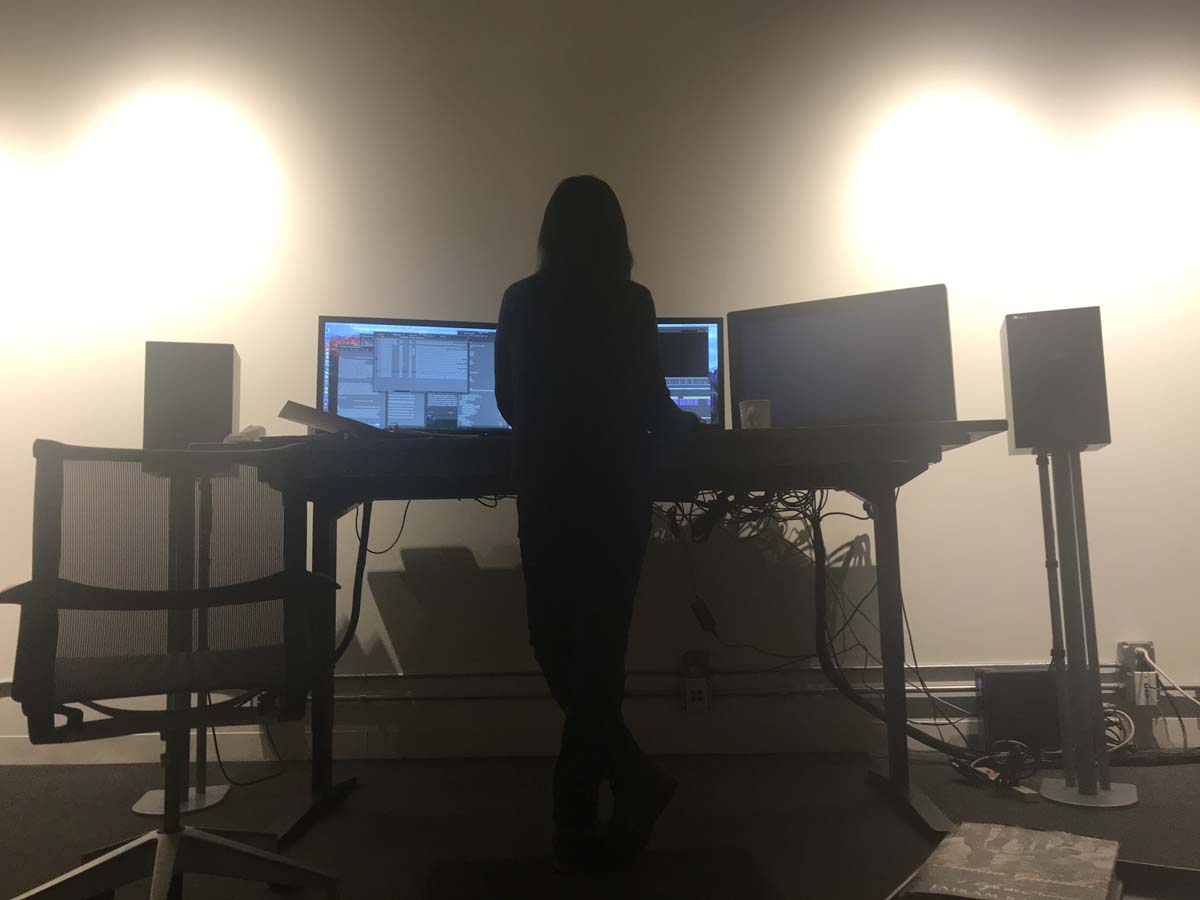
Keiko working on another project at her standing desk.
Deguchi: Amazing thing about the writing: he gave each character a moment where you really get engaged and fall in love with them.
Talk to me about the editorial purpose - or use as a tool - of some of the hard music cuts on scene transitions, like out of the car ride to the trap house and out of the trap house to the bird feeder.
Duddleston: Jeremiah came up with a lot of those hard cuts out of the music. He’s very musically inclined. So it was a director thing. I think it works because you’re going to a completely different place. You’re transitioning from Robby, then you cut to those birds. If you’re in a new place and it was kind of fun, that transition.
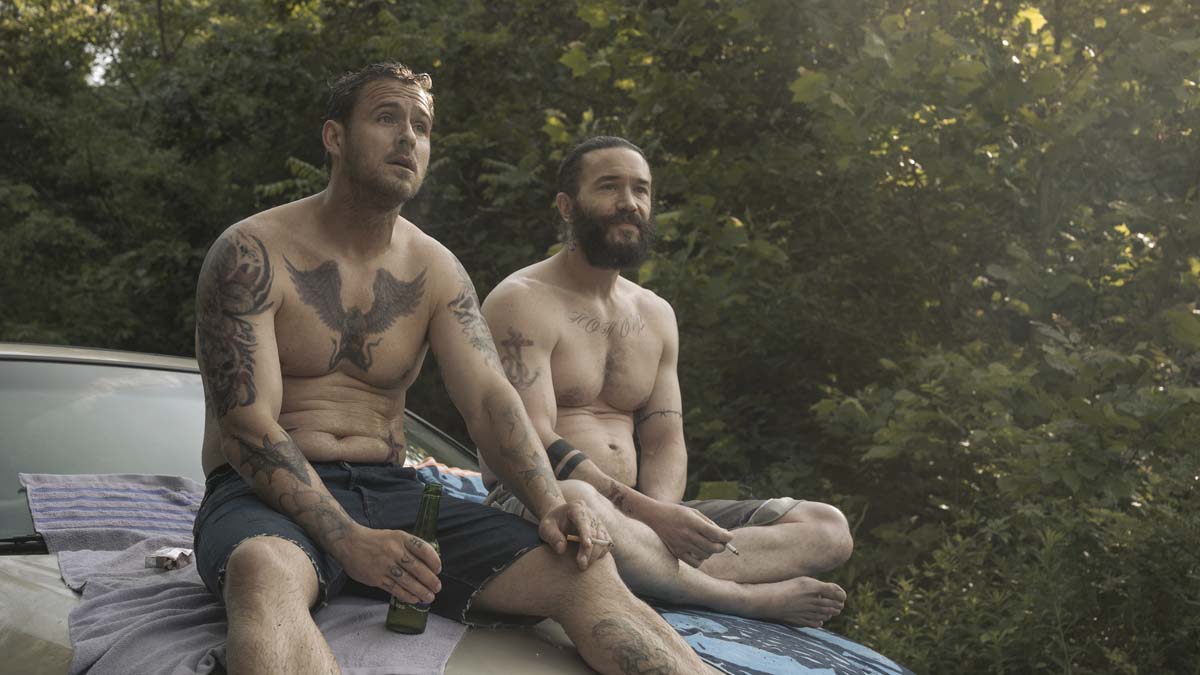
What about intercutting the guys at the quarry swimming with the Task house being cleaned out.
Duddleston: That was scripted like that. Jeremiah added some flourishes, for sure.
Let’s discuss your relationship with the director versus how it is with the showrunner. The director is your boss for a few days, then usually that boss goes away and you have a new boss, but you’re always preparing for the second boss.
Deguchi: This is the first time I’m doing TV. I have done feature films, documentary and dramatic indies. Always, it’s the director that you serve. You just work for the director, so this was really new to me. I think there were people worried about me getting this job. I was worried, too.
The cutting part was exactly the same as in everything else I do. Working with a director, then working with a showrunner afterwards took the most adjusting in my mentality. Brad really respected what we did in the director’s cut.
He was considerate and accepted it, or considered it and tried different things, but he was such a collaborator that I didn’t really feel like I’m betraying the director.
Duddleston: It’s true. Brad is a true collaborator. He is there on the set working with the director as everything’s being shot. He wants to see your work. He’ll throw out an idea and he’ll want to see it his way, but will look at it and say, “You know what? It was better the way it was before when Jeremiah showed us or when Sally showed us.”
Brad is different than a lot of showrunners, where they feel, “It’s my show and I’m going to do it the way I want.” Keiko did ask me at the beginning, “How do you deal with Brad?” I said, “He likes certain things, but “you do you” first, because he will go back to that version. He’s very collaborative.
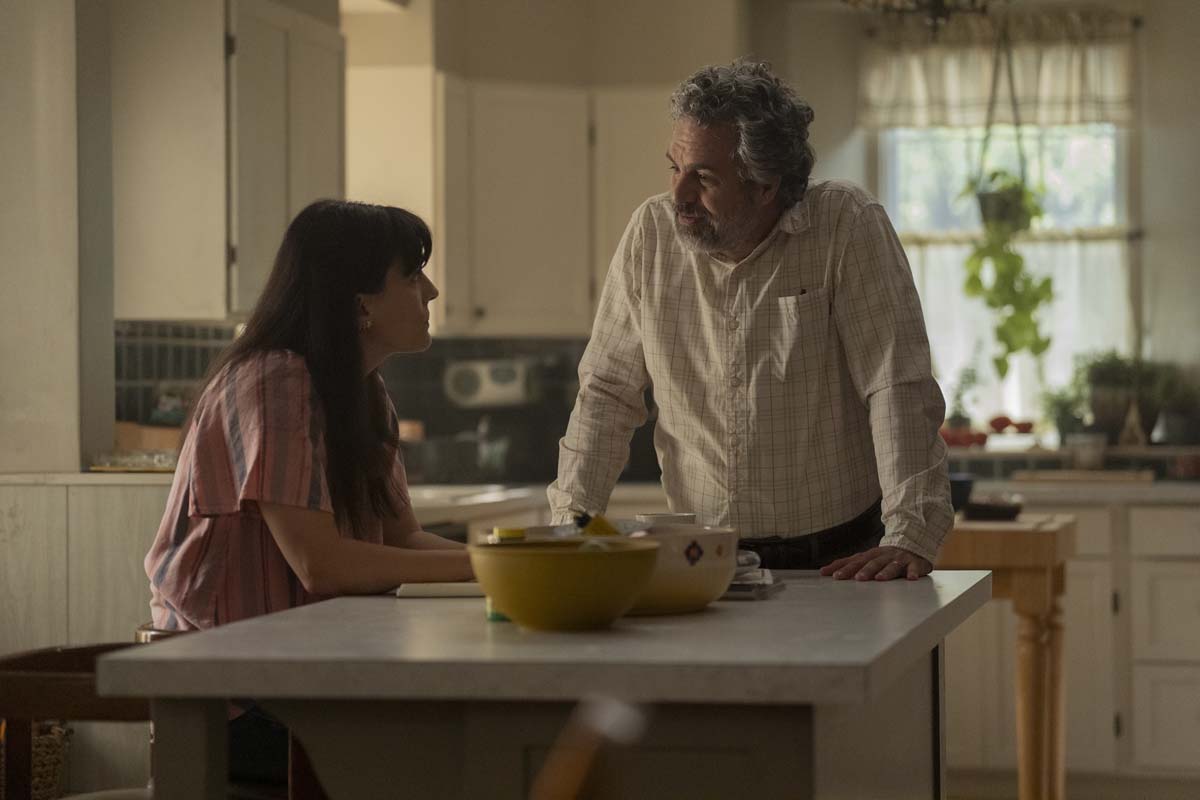
In episode two there is a very dramatic table conversation. Conversations around a table are tricky. Let’s talk about editing that.
Deguchi: That was a great scene. Actually, I like playing with the eye-lines and tensions and sizes of the shots and all of those things. It’s fun to play with. Besides, the acting was tremendous in the scene, so I really had choices.
It wasn’t like I was cutting around different things much. There’s a tension between the sisters, tension between Sarah, the older daughter, and Tom. It’s all in the script, so I don’t have to do much.
One thing we did play with was how mean Sarah is to her sister. In my initial cut, she was much nicer compared to what we ended up with. Obviously there’s such a huge, huge, emotional conflict between the sisters. That’s the thing we went back and forth on.
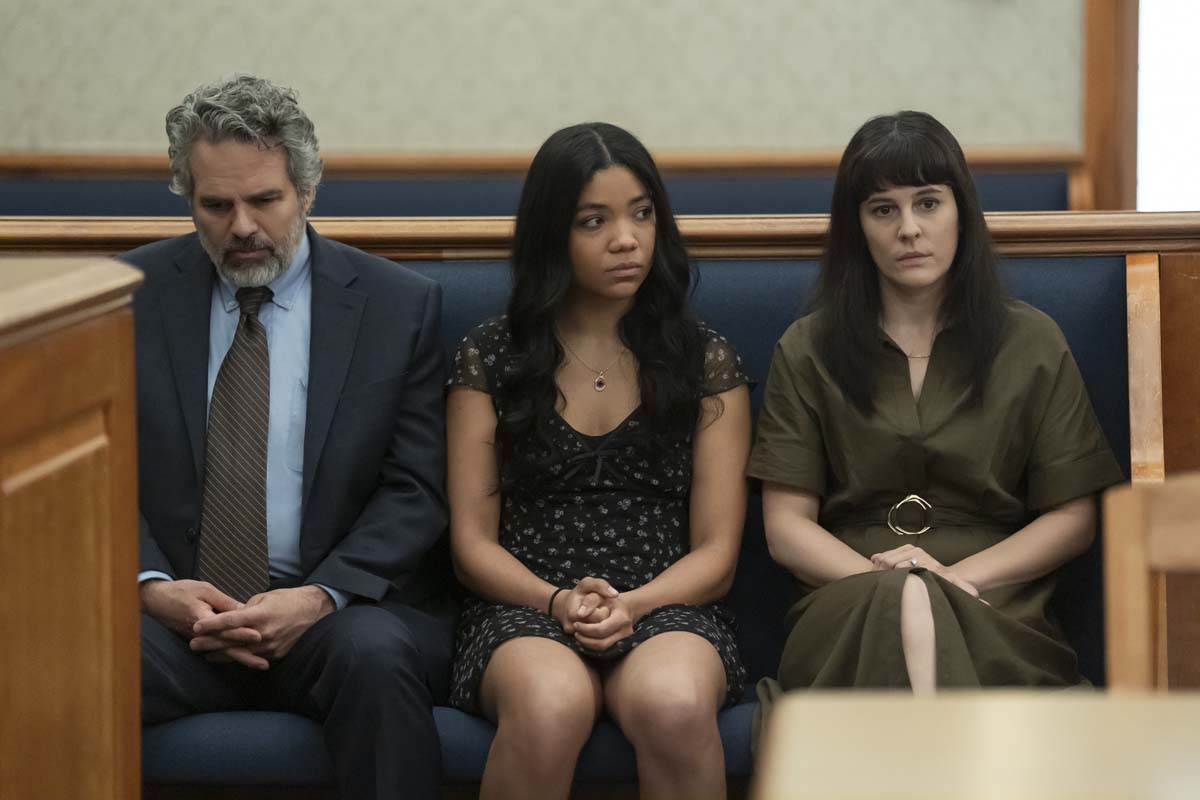
Regulated by using different temperatures of performance she gave you?
Deguchi: Right. Yeah. She did give us range.
Duddleston: It’s funny because I do the same thing. It’s like when you’re editing somebody playing drunk - which is always difficult for actors - you’re never sure how far to go. I’m always saying, “Let’s just dial this back. and the director’s saying, “No, no! Push him! Push it!”
In episode three, let’s discuss the flashbacks to the adoption and figuring out how to build this connection with the audience so it pays off later.
Duddleston: It was a big deal - those flashbacks - because HBO wasn’t sure that we needed them. We kept going back and forth. There was a much more elaborate version of it where you’re just kind of there’s, you know, a much longer conversation between Tom and his wife.
And, you know, you’re seeing Marie and she’s fabulous. And it got cut back a little bit because, you know, it’s like networks always want to like, you know, push the story forward. But Brad’s always: “Make the story more emotional.”
So we did kind of dial a lot of that back, but we did win the battle of like having some of it in. So we did our best. Some of it may have been reshot. I’m not sure, because we just wanted to have a little bit of it.
Tom’s looking at a picture and he’s drunk and he wakes up and he’s had this conversation with his daughter that leads him into this reverie. He wakes up and the doorbell is ringing.
Deguchi: It also pays off in episode seven in a big way, because when the boy get adopted, we see the camera set up is similar.
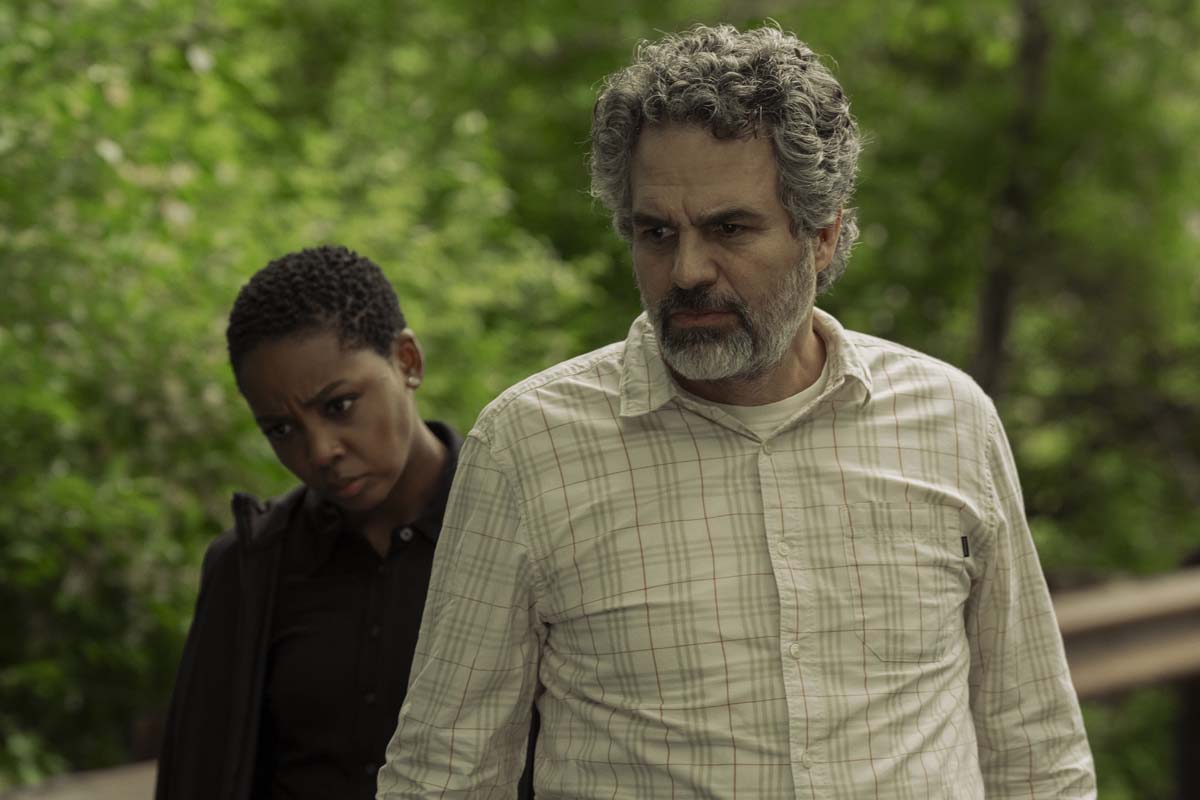
The end of episode three could have ended on Joe saying, “Suspect everyone,” but instead we see this little denouement of Ruffalo’s character going to the Task house and just opening the door. Tell me about that choice.
Duddleston: We had a little montage of seeing the characters. After he says, “Suspect everyone” you’d see Grasso, you see Lizzie, you see all of the Task people doing their thing.
We just decided that that was unnecessary. Just the action of Tom going to the house and opening the door was sufficient. We didn’t need to see everybody’s faces. We know who he’s talking about.
And instead of just buttoning it up with “Suspect everyone,” we tried that - ending on Tom’s face - but we just like that slow mo of Tom approaching the house. It felt more like our show.
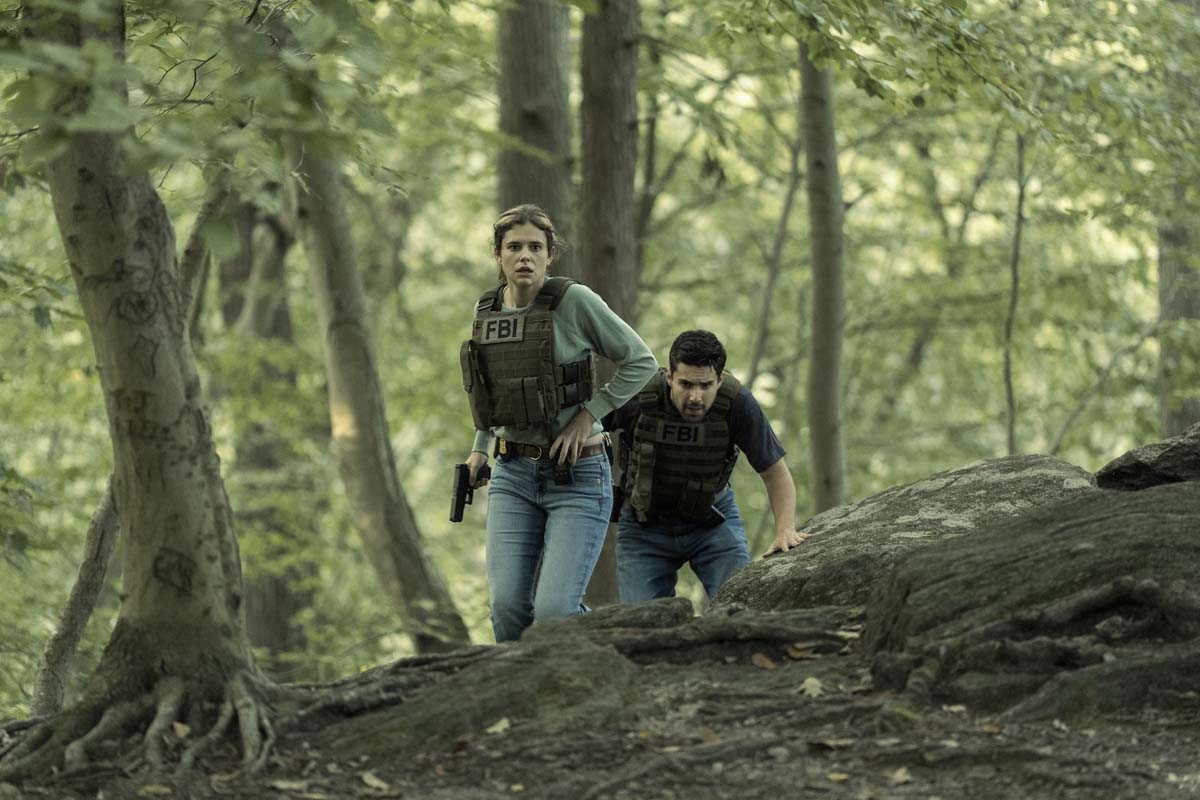
I do like the idea of not showing the little montage of the “suspected” team members. That would be a very typical idea. “Suspect everyone.” See this person, this person, this person.
Duddleston: And we had really cool shots of them. They were just kind of doing their jobs. It wasn’t like they were being suspicious. It was just like they were like hanging out together. But it just it was too much. “Suspect everybody.” And boom!
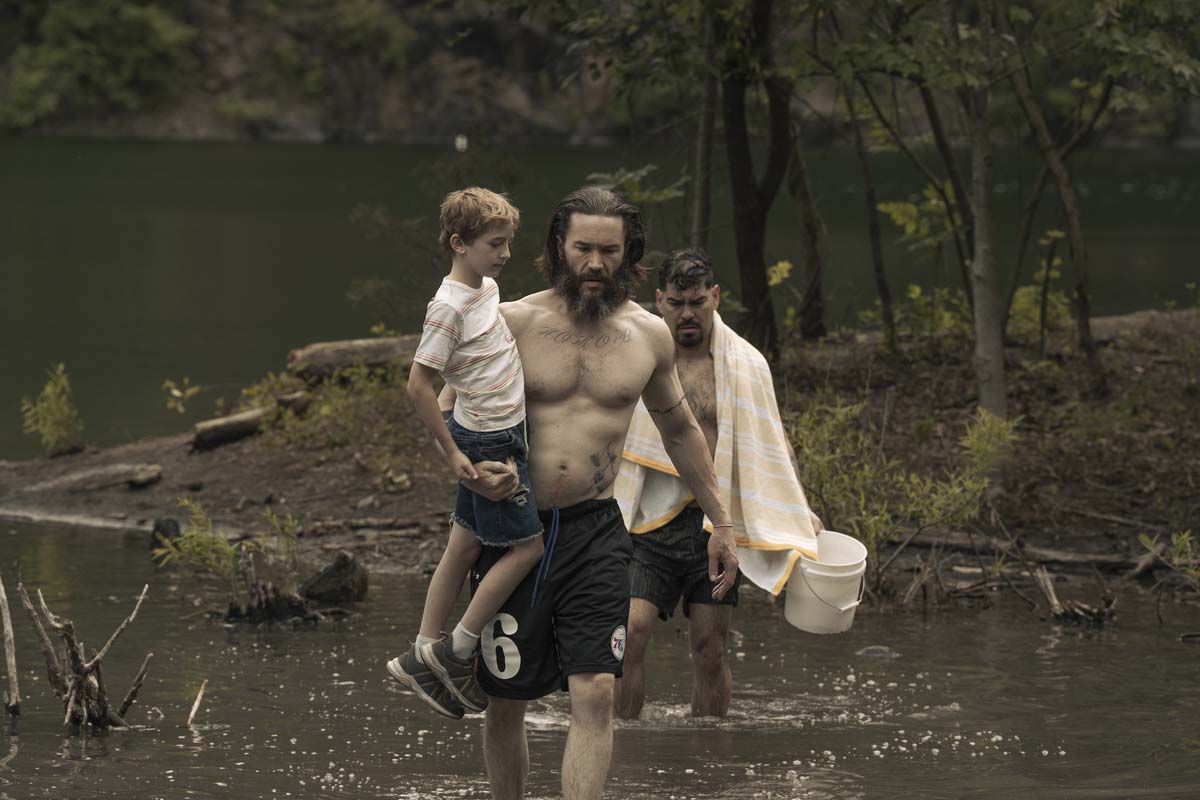
There are some longer flashbacks with the two brothers at the quarry, and that goes very close to the explanation about the brother’s death. Can you talk about building that or why that’s there or how the flashback leads into the revelation about the brother?
Deguchi: It was always there in the script. The quarry plays such a huge role in the film. That’s where they were all free and happy. Later on, when Jason’s wife get killed, she also looking at the youngsters at the quarry playing music, something she remembers as a good time.
So the contrast between the beautiful time they had together at the quarry, then when we cut to the present day - even the weather is dreary and it looks very depressing. She’s tasked with dealing with this little kid. Robby has to do something, and he’s in deep shit at this point.
So I think the contrast between the past and the present and the whole reason that he is in this situation is because of his brother. So I think it just a good point to remind us that there’s this incredible love for his brother, and that’s why this whole thing happened. We always are talking about the relationship between Billy and Robby.
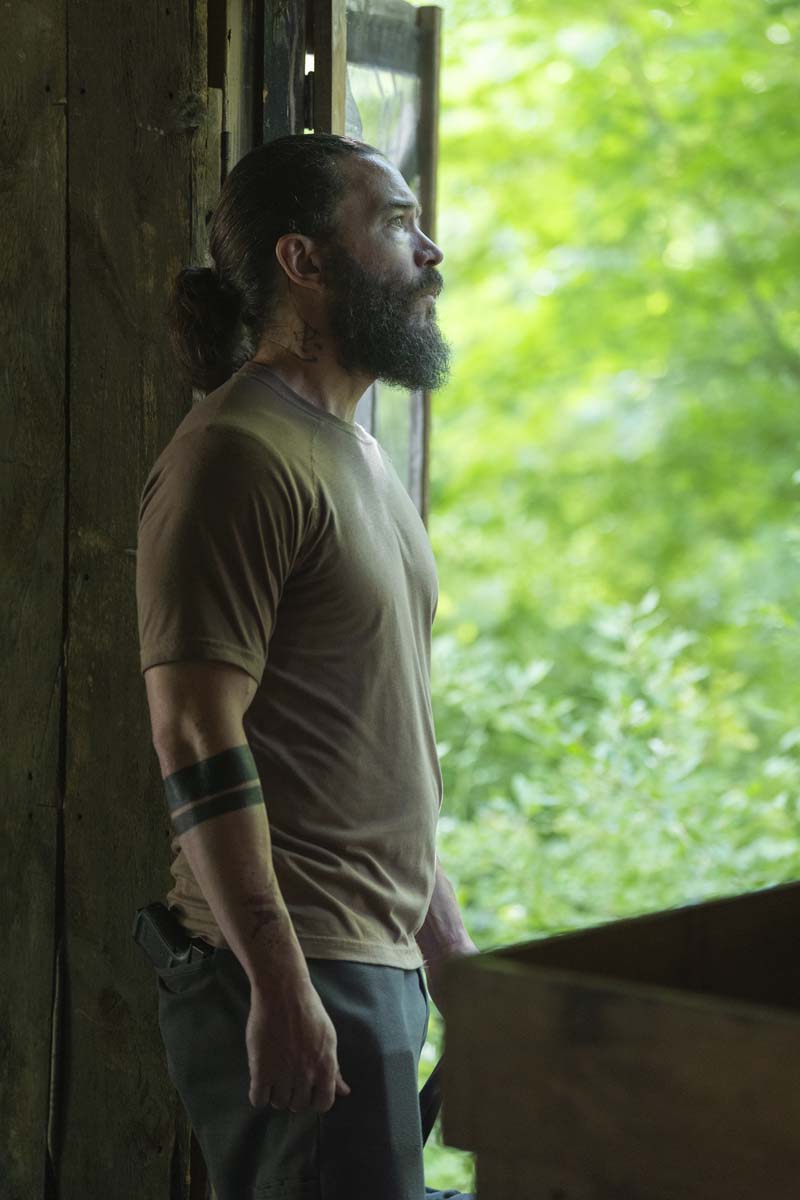
There are these lovely short little montages or shots of nature and birds and water. Were they scripted in those places, or did you find we just need to give the audience a moment to absorb things?
Duddleston: The theme of this season was nature. Tom lives in this suburban neighborhood, and Robbie lives in rural Delaware County. It’s about nature. They’re always driving to a place where they are not in a town. So we just kept building that up.
Tom’s brother Robby lives in the woods. Everything he does to take a break revolves around nature. Like going to the quarry. There’s a creek near their house. It’s about nature.
I was feeling like the times that those little montages were used were really where you need the audience to absorb something. Something big has just happened.
Duddleston: Yeah. A “freezer.” It’s like you’re either building it up or we just need a little respite between. It is quite an intense show. So just a moment to breathe. Yeah. It also gives them a moment to absorb what happened.
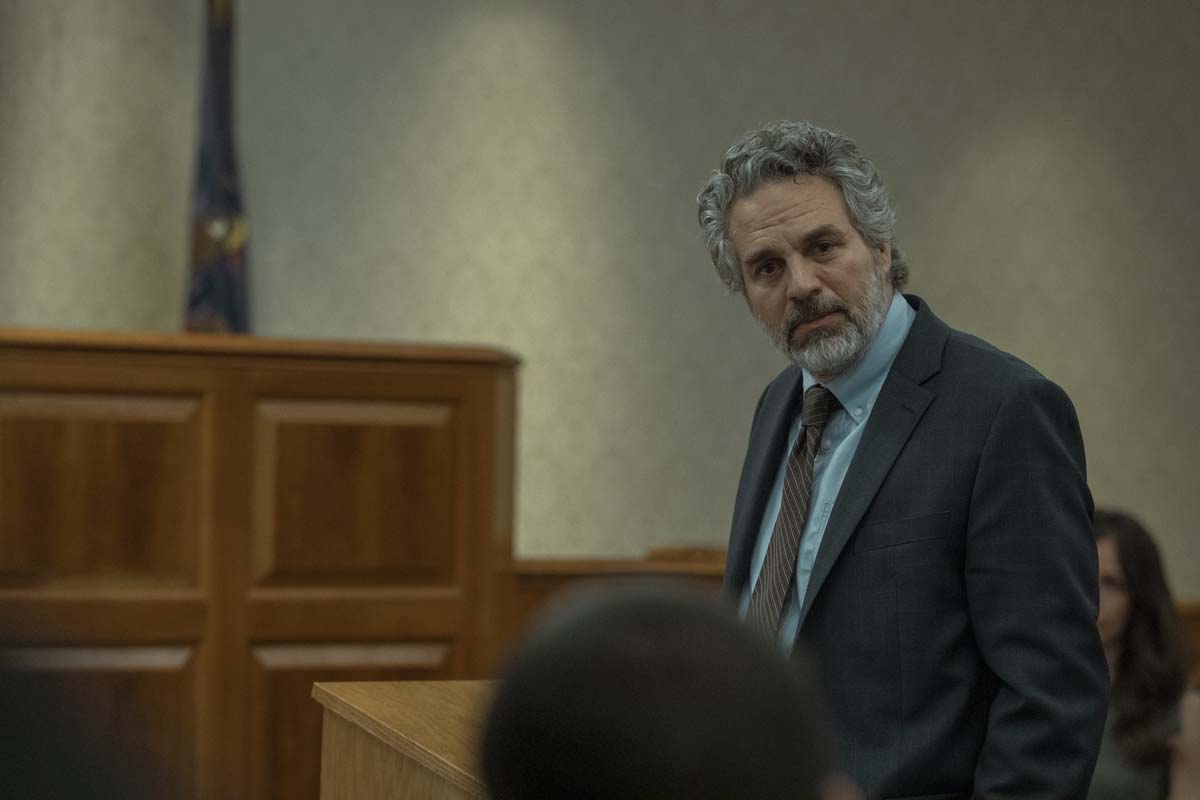
Let’s talk about the very tricky scene of Mark Ruffalo’s character giving the family statement in court. It’s a long scene of just Ruffalo reading pages at a podium. It’s emotionally powerful, but creating a visually interesting sequence from that would be tricky.
Duddleston: It arrived one day in the in the project bin and I thought, “I’ll get to that at some point.” I remember starting it. I had a version where it was just the best parts of him talking, then - because he’s so compelling - you just add things. In the end it got cut down and Keiko can talk about that.
Deguchi: It’s really just trusting the actor to do their thing and Mark delivered. Sometimes the impulse is to add shots to make it interesting visually, but I thought to just sit with his emotion and that is the most powerful thing.
One thing we did play with Jeremiah is the emotion from Ethan, because he was quite emotional during the whole speech, and Jeremiah didn’t want that. He really wanted to hold back. I think it’s because you’re getting two big emotions at the same time from Mark and Ethan…
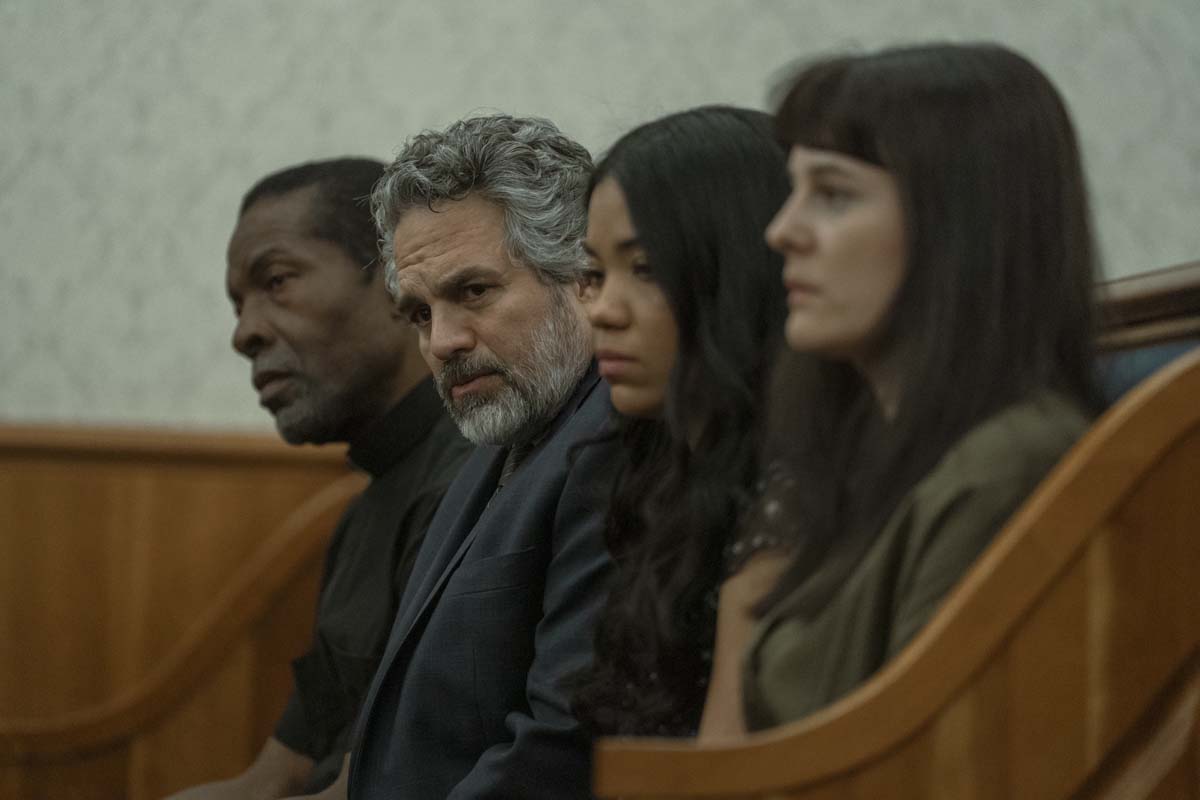
Duddleston: Then the rest of the family, too. Everybody in the courtroom was crying. People on the set were crying!
Deguchi: It’s more to do with living with Tom, and when you see finally Ethan’s emotion, you’re just like, “Oh, my God!” That was the thing that we played with the most in terms of trying to build up to it.
Duddleston: In the end, he’s speaking to Ethan and that’s really when you want to see him. Most of the time Tom’s talking to the judge and explaining their whole situation. When Tom turns and talks to Ethan, that’s when you’re like, “Yeah.”
Deguchi: But that’s the power of Mark Ruffalo’s acting. On the page it felt a bit like he was just explaining what happened, but when Mark acts it, it just felt more like he’s talking to you.
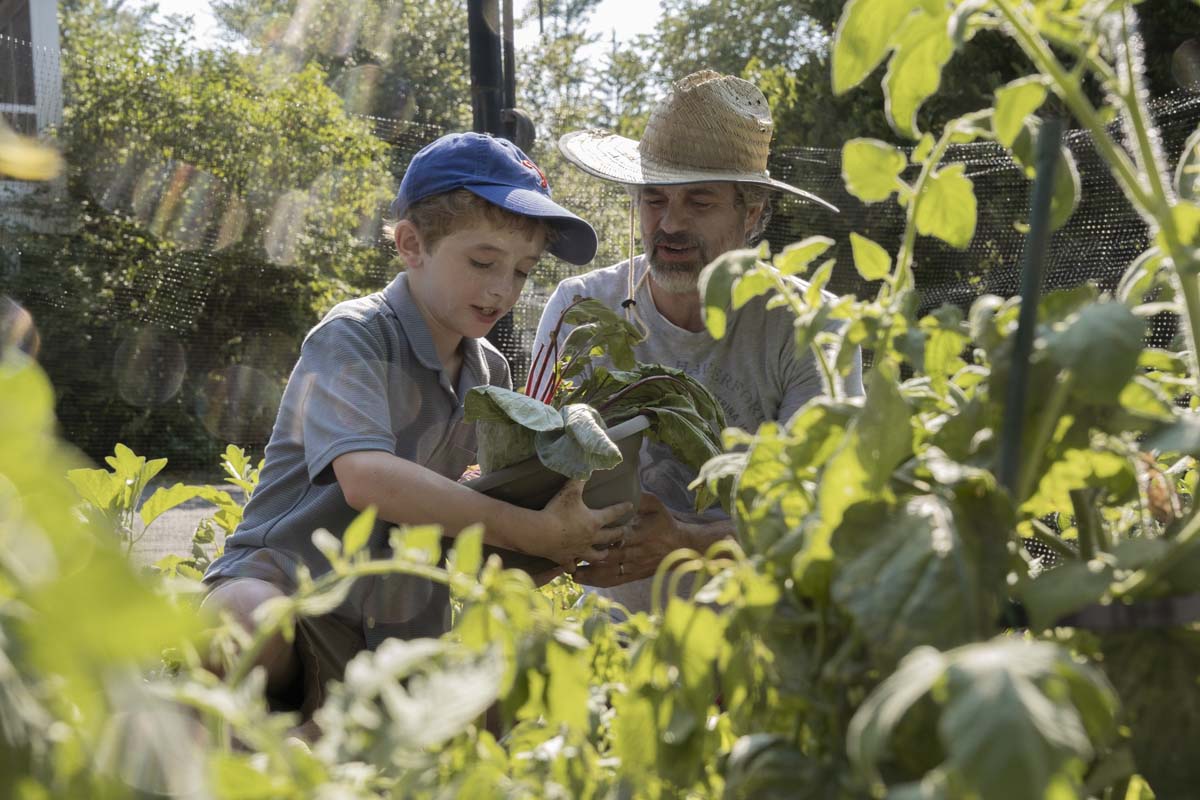
Let’s talk about the non-linear nature of the whole foster child resolution scene at the end of the episode that you’re nominated for – episode 7 - starting from when they’re gardening and Mark shows the kid that a beet is the size of your hand. From then on, it’s very non-linear.
Deguchi: Episode seven I think might be the most restructured episode because so much happened and there are so many characters that we care about that we have to wrap up. But by the time the courtroom scenes is over you kind of feel like you want to wrap up the show soon.
At one point there was talk about not having Sam’s adoption at all, but, we as a team - Brad and Amy and all of us - felt very strongly that it’s a very important part of the story in the script. Originally it played out with full scenes.
There’s a shot where Tom and Sam are in bed together which came from a whole scene where they talk about his new adopted parents are nice people, and Sam is saying, “Do I really have to go?” It’s incredibly poignant, but we end up just making it part of the montage in the end, because it has to move a little faster at this point in the story.
Duddleston: Jeremiah called that episode a tornado. The choice to make the adoption a little more montage was a good choice because those scenes kind of dragged out. You can’t have that many scenes of that. So, I feel like that was a great choice.
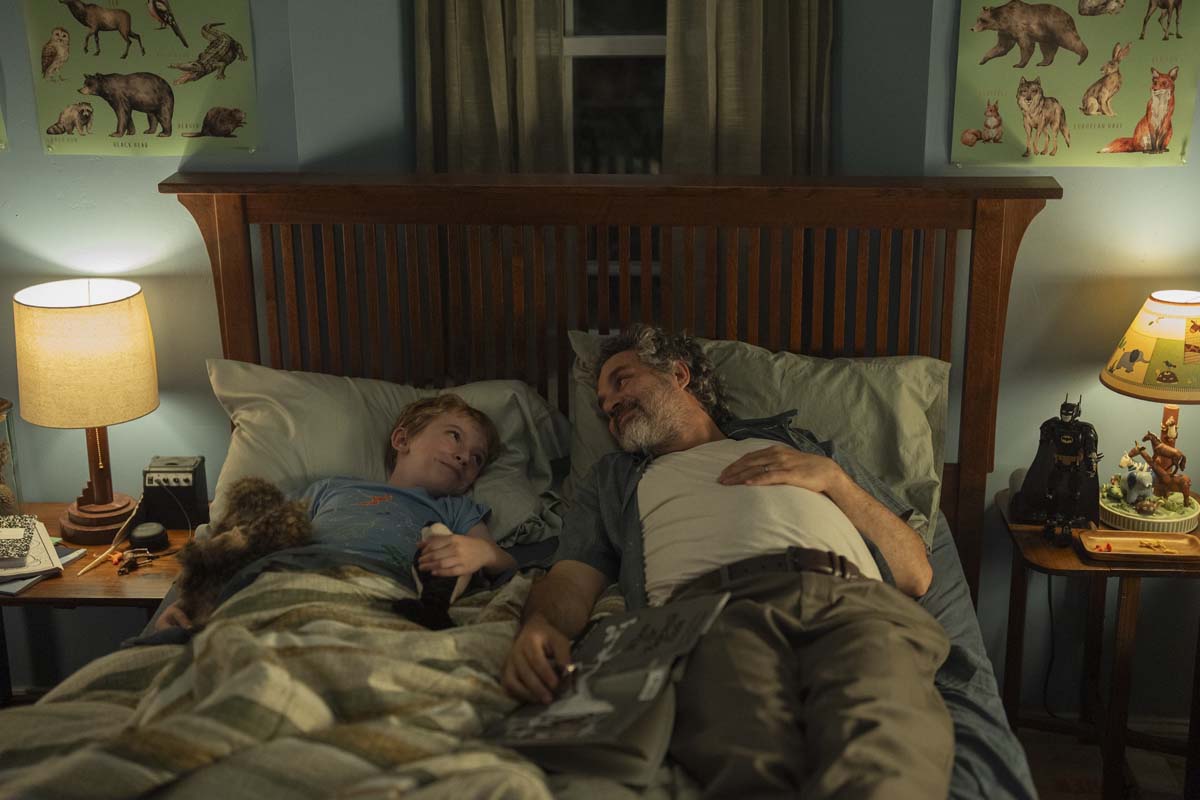
Keiko alluded to the fact that the scene with the two of them lying in bed next to each other was a fantastic scene. If that scene had been in episode six, maybe you could have kept it.
Deguchi: For sure. Yeah, it was a really nice scene.
Duddleston: Yeah, it was a beautiful scene.
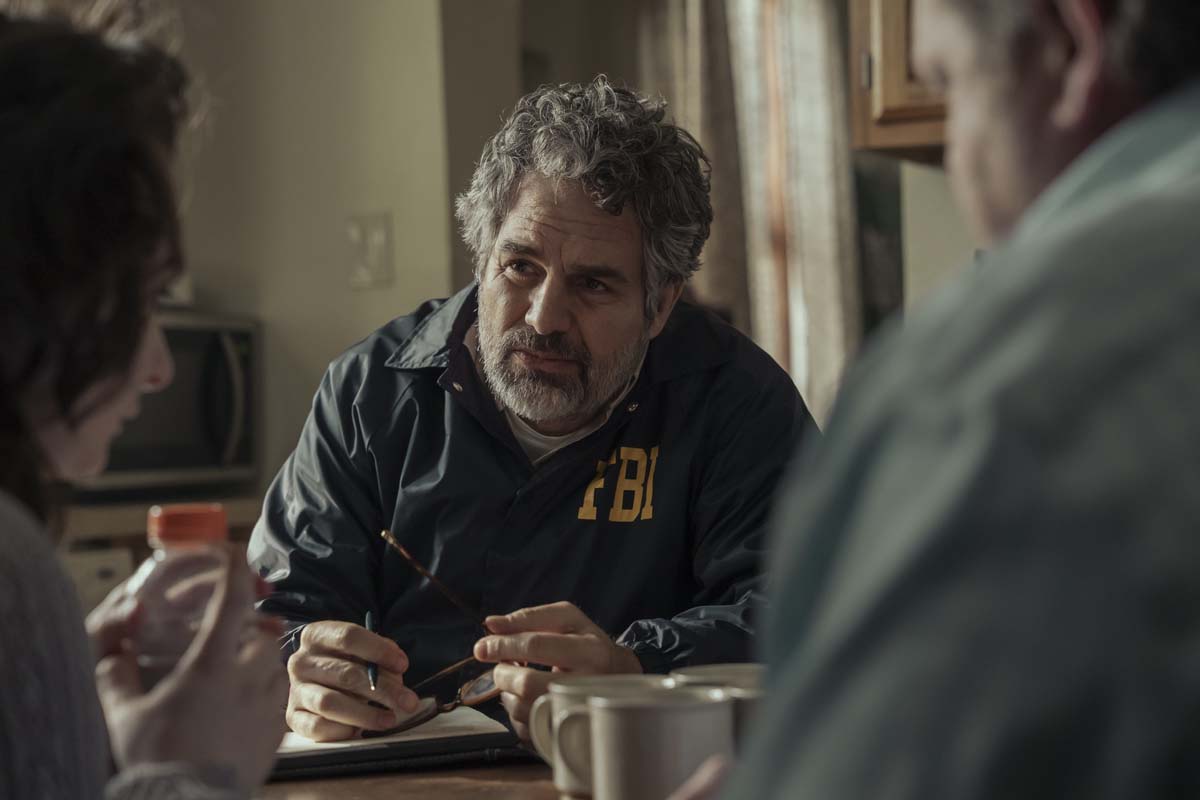
I’m always comparing music to editing. You probably know the idea of a chord that resolves. I just wanted to talk about how that is similar to editing. You’ve built up all this tension, and now you need to give the audience this resolving chord.
Duddleston: All of episode six - the first 19 minutes - is all the action and the words. The way we come out of that, I came up with the idea of having the title of the show come up at 20 minutes.
You could have put it on the first frame, but I felt like after everything happened and you have that shot of the patrol car going away with Tom and Robby in it, it needs to end on a chord.
And so the title coming up there was my way of kind of saying, “Okay, this part’s over. Now, the fallout from the first 19 minutes is going to play out.” I put it there and people were like, “WHOA!” It just felt like the right place to put it, because it was just the place that you needed to take a breath. That’s one of my favorite places like that.
Deguchi: There’s another one that you did I love which is also at the end of episode six. There’s this incredible build up of finding the money, and then you cut to the shot of Robby in the quarry. It took my breath away. When I first saw it. I got this building up in that one shot.
Duddleston: That was Brad, and that happened on Evercast. Brad said, “Try this shot” and I just gasped!
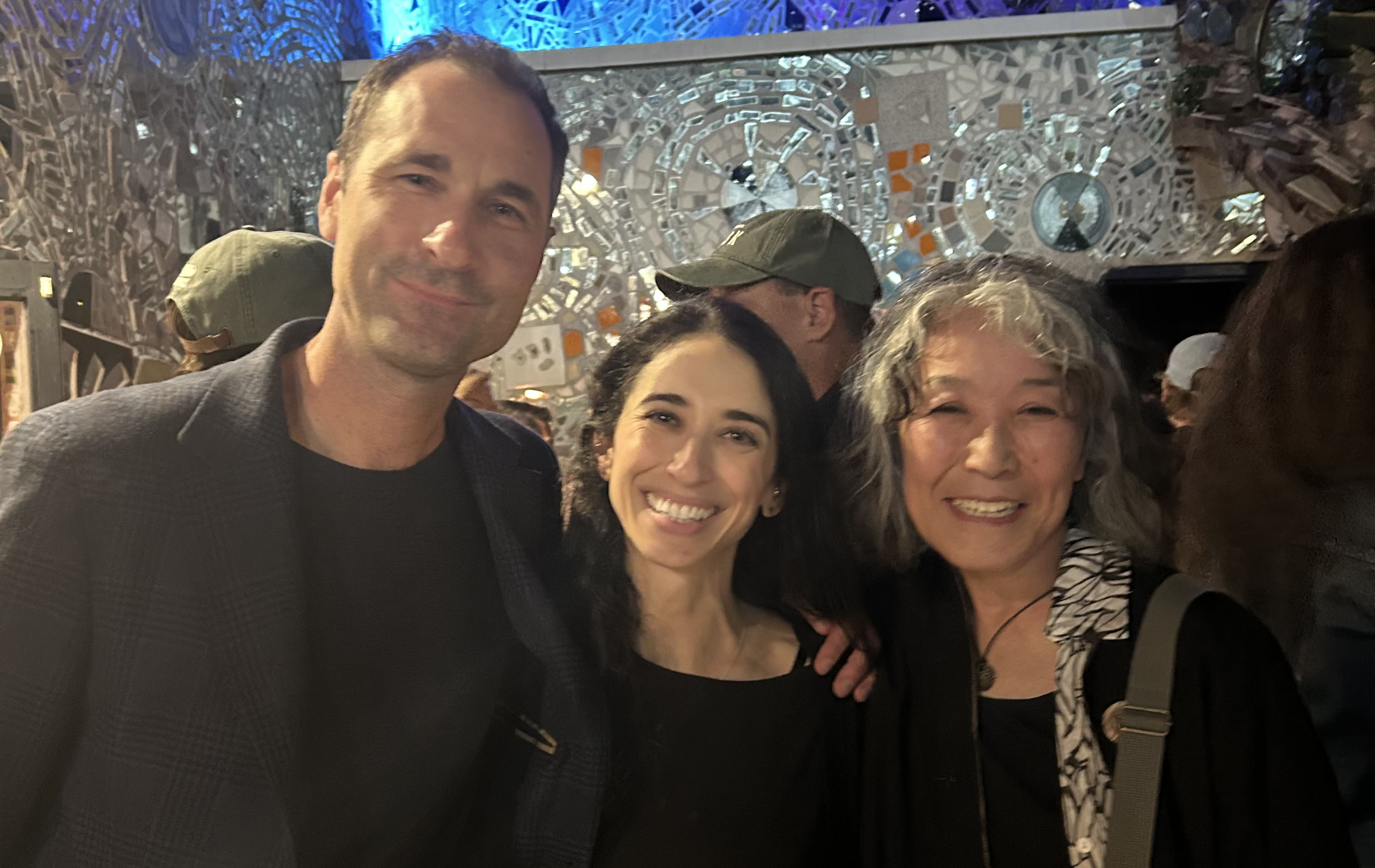
Creator/Showrunner Brad Ingelsby, Jacqui Kaplan, assistant editor, and Keiko Deguchi, ACE
Anything else you got the two of you would like to talk about?
Duddleston: You’re so lucky when you get to work on something like Task where so much love and care was put into making the show, from Brad to the production to the actors to me and Keiko working as a team and constantly asking each other questions.
And the directors and everybody just being collaborative, I count myself lucky and grateful for the opportunity to work on something like this, because it just doesn’t come along very often. Meeting Keiko and getting the whole thing going, it was just a tremendous experience. So to get an Emmy nomination for something that you love so much, it really means so much.
It was a surprise. And it was it was lovely. And it’s so meaningful, because we did put a lot of love into it. I spent six and a half months away from home, from my family working on this in New York. And it was all worth it because we just put a lot of ourselves into it.
Deguchi: Well, I completely second that. I was extremely lucky because this is the first time I worked on a TV show and meeting Amy. We kind of came up around the same time in New York. She was in New York when she first got her first feature around the same time with the same producer.
So we were fast friends, and it just made the whole process so much fun and easy. And our assistants were great. Assistants Jackie and Tara and Ryan and everybody was great. It just made going to work joyful.
Ladies, congratulations on the Emmy nomination. So well-deserved. It was lovely speaking with you.
Duddleston: Thank you so much, Steve. It was really great talking to you about this.
Deguchi: Thanks.
 October 5, 2026
The Whisper Man
Chris has been on Art of the Cut before for The Menu, The Many Saints of Newark, A Quiet Place, and Assassin’s Creed. He has ...
Read more September 23, 2026
Sean Combs: The Reckoning
Charles Divak has been on Art of the Cut in the past for Chimp Crazy, for which he was nominated for an Emmy and won ...
Read more September 3, 2026
The Dog Stars
There's nothing like The Dog Stars in his filmography. That's a testament to him - that he is constantly interested in different stories and different ...
Read more
Subscribe to our newsletter
Get all the latest news, blog posts and product updates from Boris FX, delivered directly to your inbox.
Welcome!
Thanks for opting-in to our newsletter. You'll receive an email momentarily with your confirmation.