Spider Noir
A discussion of the Emmy-winning sound of a different kind of Spider, the advantages of collaborating in person, and the importance of temping voices with the right cadence


Today on Art of the Cut, we speak with the editors of Amazon Prime’s Spider Noir. In two separate interviews we first spoke to Jennifer Barbot, ACE, then to Geraud Brisson, ACE, and Eric Kissack, ACE.
Jennifer Barbot cut the series finale of Amazon Prime’s Lucky. Her other work includes Dope Thief, Your Honor, Raised by Wolves, and Man in the High Castle.
Geraud has been on Art of the Cut before for Coda and for Lessons in Chemistry, for which he was nominated for an ACE Eddie. His other work includes the recently released film Being Heumann, the film Camp X-Ray, and the TV series, Shogun.
Eric has been on Art of the Cut before for his work on The Studio, on which he also worked as a producer. His other work includes Pam & Tommy, The Good Place, VEEP, and Horrible Bosses 2.
Jennifer, it’s so nice to have you on the show. I really enjoyed, Spider Noir, and, so glad you had a chance to work on it.
Barbot: Thank you so much for having me. I love talking about it. I had a really great, wonderful, positive experience.
I thought it was really interesting that you could choose to watch it in color or black and white. How did you watch it when you were editing it?
Barbot: When I was editing, I only edited in black and white. In fact, I never saw a color shot until probably six months in. I saw it when I went into visual effects. This is obviously Spider-Man, so it had a lot of visual effects.
We had a great visual effects department that won the Emmy for visual effects for this show. There were five Emmys wins. Sound was another Emmy winner. Cinematography won. Stunts won.
We had a great visual effects department. I would just go down the hall and they showed us shots in color because visual effects has to be done in color. I remember going into visual effects and I saw different sets and the orange and purple. I just thought, “It’s spectacular!” It was so beautiful.
We only edited in black and white. I took it pretty seriously to stay in black and white, and I’m pretty adamant that people should watch it in black and white. If you want to rewatch it, watch it in color, because there is a lot to be said for the color version. It’s beautiful and it really accentuates the costumes.
I think gives another layer to the costumes, like in episode two, Robbie’s orange ties. It’s like all colorful and stuff when the doors open. It’s visually interesting and striking to see. It’s Spider Noir, so it should be in black and white.
The performances, some of them were doing very creative choices. Did you get a range of temperatures?
Barbot: Are you asking about a particular actor?
Nicolas Cage, for sure.
Barbot: He’s incredible. He had a whole physicality to it. You hear actors talk about the quality that comes with their character. But until you really see it put into practice and see how it grew over the season and the adjustments he made, it was really fascinating to watch how he interpreted the character and how he would move.
He was an aging superhero, so he had to have that weight of how he moved with him, but yet he could still fight and be agile. It was very interesting to see as an editor that performance shaped and go over the arc of the series. It was great because he’s fearless. I think that’s all why we all love Nicolas Cage, because you just don’t know what you’re going to get.
But what you get is amazing. It just made me smile in dailies. I thought, “Okay, this is going to be great.” He’s so fearless, and that’s why it works. He just fully committed.
Did you - or you and the director - determine, “Let’s go all out on this scene” or “Let’s pull him back a little bit?” Was there that range that gave you the ability to determine how far you’re going to let him go?
Barbot: For sure, because he’s very good about modulating when he needs to and then going for gusto on a take. I thought the way he handled the emotionality was very real. He was able to go sort of “full on Nicolas Cage” in parts, then he could bring it down and bring it really emotional.
You felt a sadness for him and, a sort of depth to the loss in his life. I found that so remarkable. You could see that in the pilot early on. He must have done a lot of prep work, because he just came on set and it was it was just there, which is amazing.

Editor Jennifer Barbot, ACE
Did you study any noir films?
Barbot: I did. I personally love black and white photography, so I definitely looked at a lot of that when I came in for my meetings. The production office had a lot of black and white photography there, so it was really gorgeous to see.
We were on the same page of what type of black and white photography I like… very long shadows and people standing under lamp post, things like that.
I did watch several movies, and [showrunner Oren Uziel] always cited The Third Man as a touchstone. I definitely watched Casablanca and all those sort of like classic, black and white noir films. Maltese Falcon, that kind of stuff.
It was fun because we originally had temped score with score from those movies. It sounded very fresh. When you heard it, even though you’re hearing something from The Maltese Falcon you’d think, “This is a dated piece of score,” but it sounded remarkably fresh against those images.
When our composers came to do the final score, we ended up going with more modern score, but they definitely took a page from that and incorporated a nod to older sounding scores as well as keeping it modern.
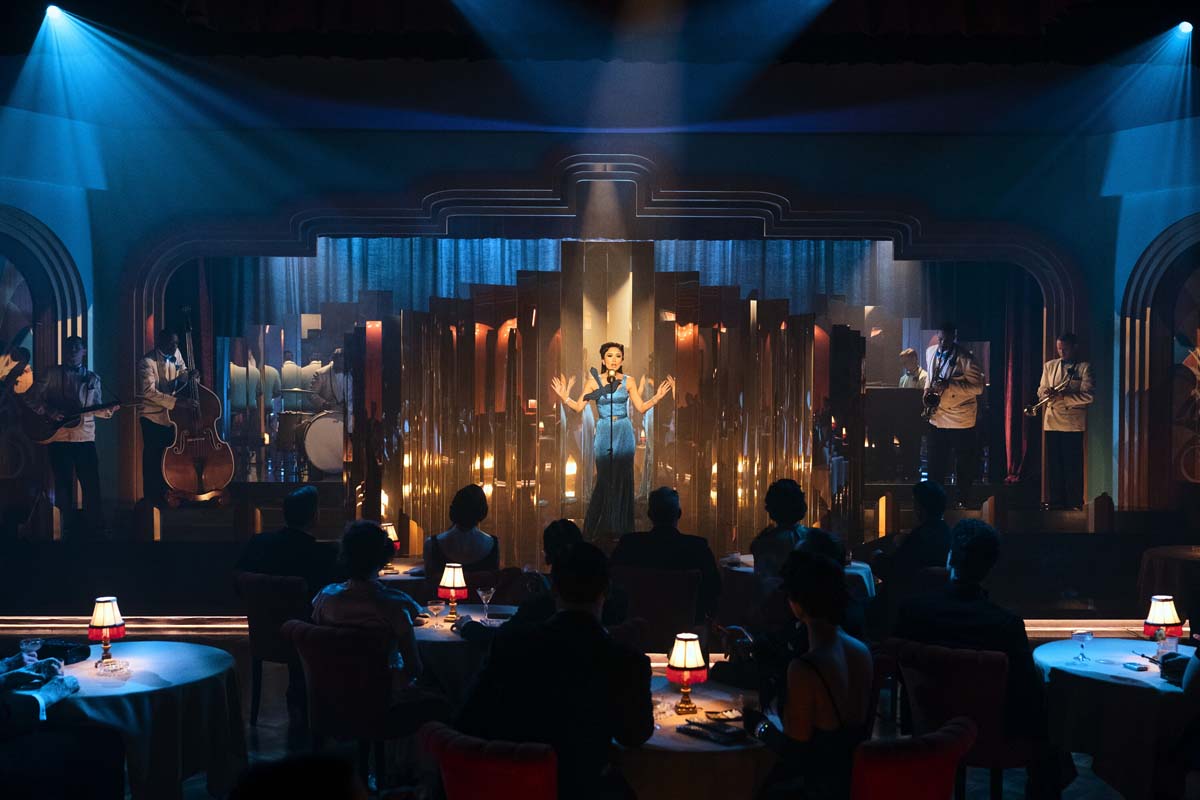
Sort of the same thing that they did with the original song with Kat Hardy: how they redid “Dream a Little Dream.” It was originally an older school version, then it morphed into something more modern. I think it was indicative of how we felt the show would be in general: noir with a modern sensibility.
Let’s talk sound.
Barbot: The sound was Emmy winning. They were incredible. They used the sound of 16mm film unspooling for the web shooting!
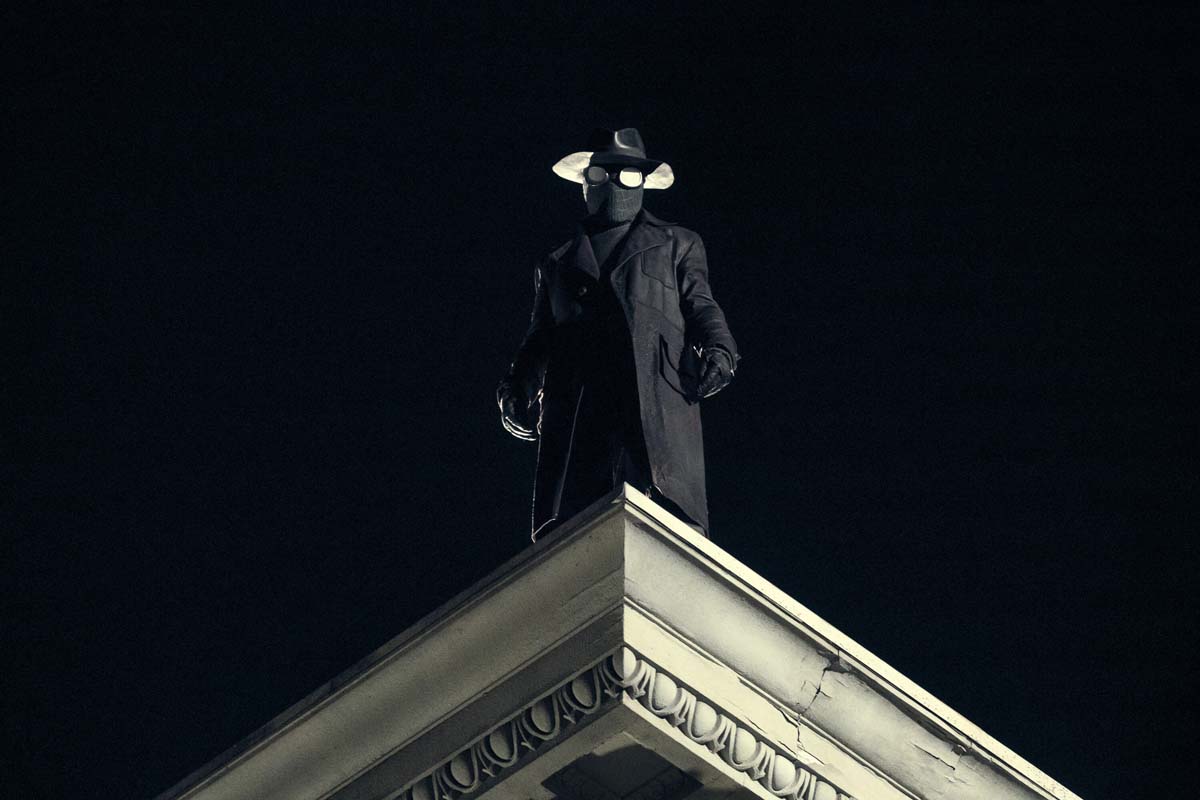
Obviously you and or your assistants were putting in sound as you were cutting picture. Talk to me about kind of the evolution of that and what you saw were the changes, or the storytelling that was happening in sound.
Barbot: That’s a really, really good point. I liked that they were incredibly creative with the sound they used. As originally recorded, the dialogue is flat and muddied, but when we go to the dub stage and it’s cleaned up, it’s wonderful. It sounds full.
It’s in the space it’s supposed to be in. I felt like they brought that world of the 1930s. They brought it alive in a way that felt modern to me. They still used old timey horns and such for cars that would go by and car sounds, but it sounded full and present and modern with a slight edge.
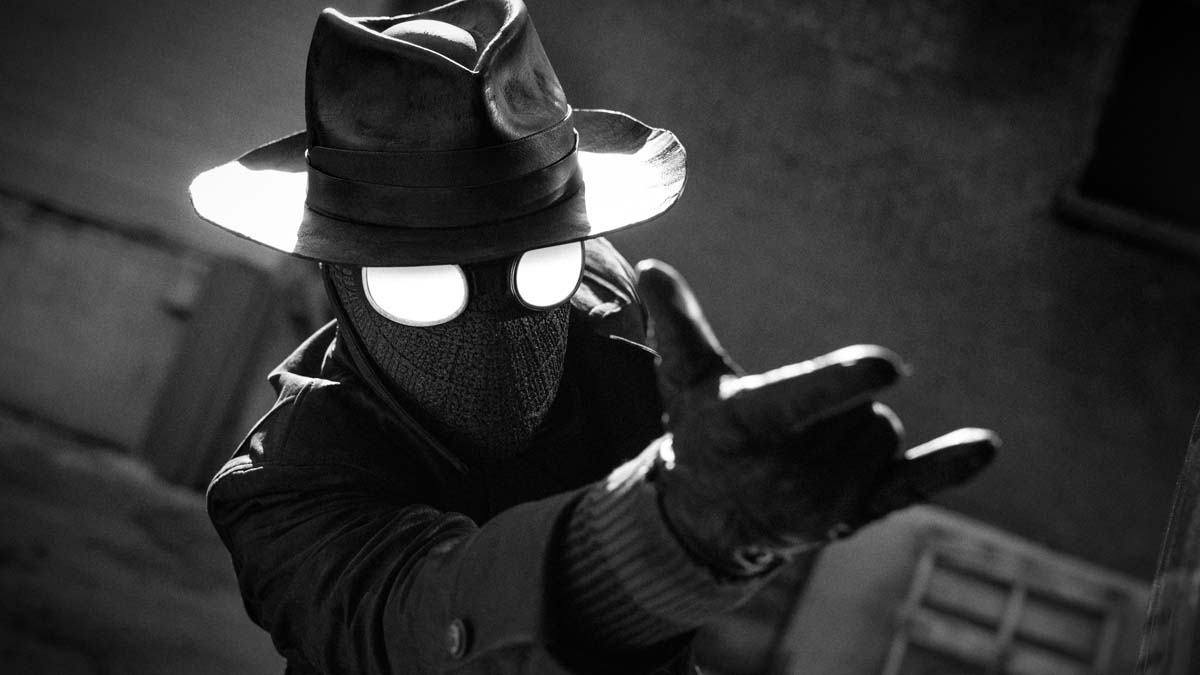
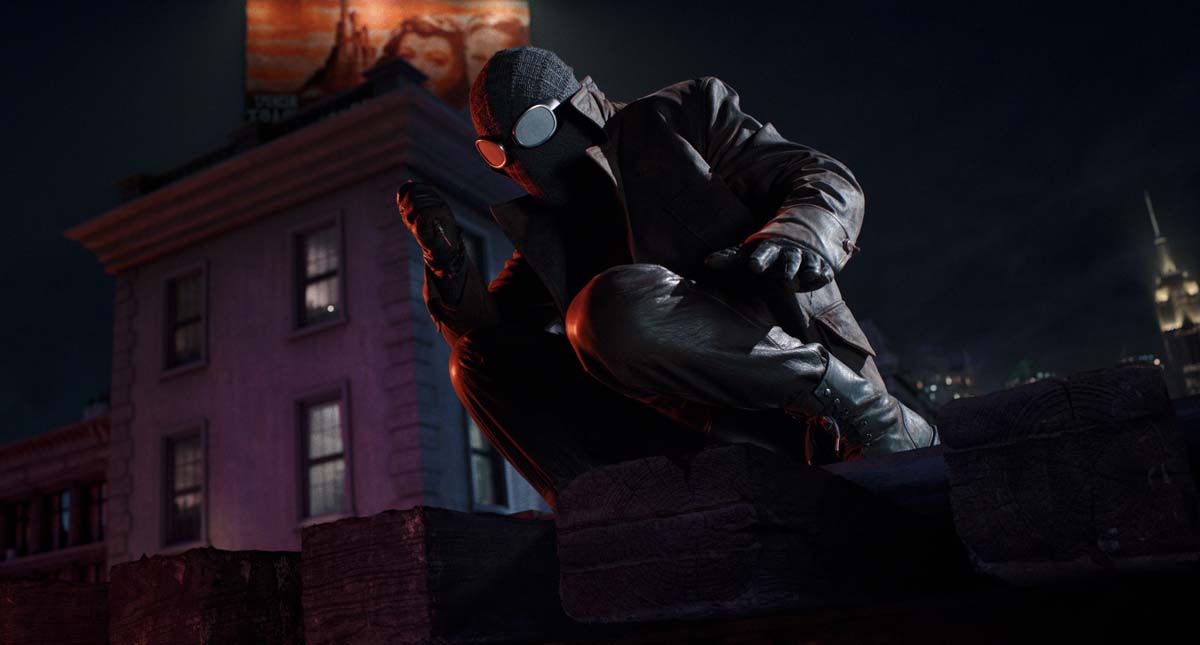
They also did an audio pass for his voice as The Spider, because there was a lot of discussion that it couldn’t just be Nicholas Cage’s regular voice, because then Silvermane and the bad guys would recognize him.
So we had to disguise that a little bit. They sent over several options. Some of them were full-on with arachnid sounds in it. They were fearless in experimenting, going the distance.
I think when you work with people like that who are secure enough in what they’re doing, that they can experiment you just get such great things. You just get things that are really original and fun.

And Emmy Award winning, right? So they give you options - like you said “full-on arachnid” then almost back to Ben Riley’s regular voice. So what what is the creative process between you and the director to say, “That’s too freaky” or “That’s too close?” Do you remember those discussions?
Barbot: Oren, who was the creator, and I worked on the sound of the voice. The sound guys gave us eight to ten different versions. That was particularly for episode two, but Eric put them in and he played them back to back.
That’s the only way that I think that you can truly decide: seeing it and hearing it in context. Picture editing, sound editing, visual effects, they’re all very time consuming, laborious, painstaking, detailed processes. It was very much a back and forth.
That’s the same thing with visual effects. We would screen the visual effects, we’d give notes. Usually the editors gave the first round of notes and got it a little bit closer to where it was going to be. Then Oren would come in and give notes as well, refining the process from there.
A lot was discussed about how Sandman would look, how his face would move, how it would interact, how it had to change over the course of the season. Those are fun discussions to have.
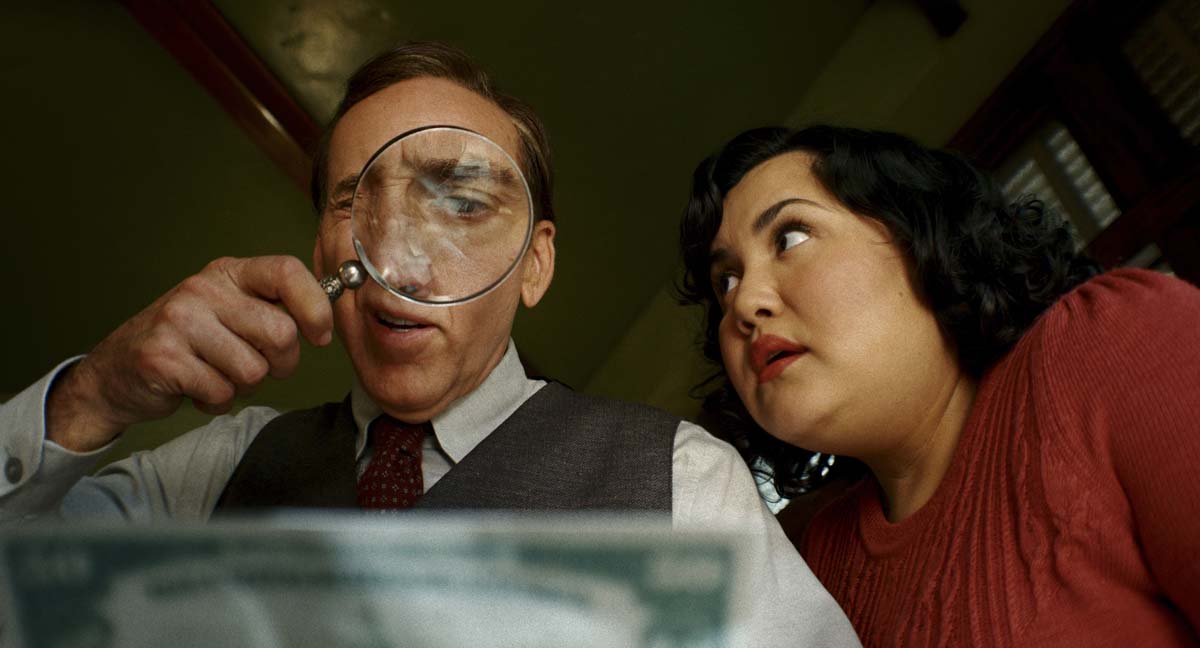
I want to talk about setting up the tone and the pace of the entire series before you even get to the credits in episode one. This is a show that it’s just so unusual, and I think you need to get the audience to buy into: “This is what you’re going to be watching. Here it is.”
Barbot: Absolutely. We did a lot of work on the opening because the opening is always tough. The pilot’s always tough. The pilot is always very picked-over in so many ways. But the opening in particular, we worked on a lot and the balance between having a 1930s, 1940s voiceover introducing it with animation, but having it be Spider-Man then adding score to it.
The animation was interesting. He was live-action swinging through, but there was also animation in the buildings and the window frame. So there was a lot happening at once.
We had to tell his back story in a fairly concise way, but that was dynamic and interesting, so we spent a long time working on that. We worked a lot with a great storyboard artist.
He would give us different tiles of storyboards, then we would cut those in and then you could see it. If you cut it in pretty fast, you could sort of see it changing, then eventually he gave us an animatic where it would change on its own.
He and I went back and forth on many iterations of what we thought he should be doing. Then once we got it kind of in a place, we put sound effects in, we put score in, then we had a temp voiceover for what Nicolas Cage was going to say. We showed it to Oren, then we would make adjustments from there. But it was it was definitely a long process for that opening.
So it sounds like you didn’t have Nicholas’s actual voice at that early stage.
Barbot: No. It was my assistant, Bart, who’s incredible. He doesn’t impersonate Nicolas Cage, but he did have the cadence of it, because timing is really important. We had to sort of imagine how we thought Cage would do it because we had to have the picture done kind of close to when Cage did his recording of the voiceover and the ADR.
The picture was far enough along that we couldn’t make massive changes to it. Like, it couldn’t be ten times faster than Nicolas Cage was actually going to read it. It was tough because we had anticipate how we thought he would read it and the speed. I mean, you can edit around it, but it can’t be much faster. It’s very hard to judge picture if you don’t have that with it.
So even though it wasn’t Nicolas Cage’s voice, you did have a great temp version of it. Can we shout out Bart’s full name?
Barbot: Yes. Bart Brevé. He’s incredible.
Everybody’s got a French name!
Barbot: I know! Everybody has a French name! And it makes him even cooler than he is, which is hard to imagine.
I’ve often said that I would make a lot more money if I just pronounce my name, Steh-FAWN.
Barbot: Stephane? Absolutely! It’s never too late to change! It’s never too late. I can start referring to as Stephane if you would like.
Ok. Let’s see if it does anything for us!
Barbot: To get back to pacing, we did experiment with pacing. Overall on the pilot, the first passes were paced a little bit slower, like a nod to traditional noir and older style 1930s films.
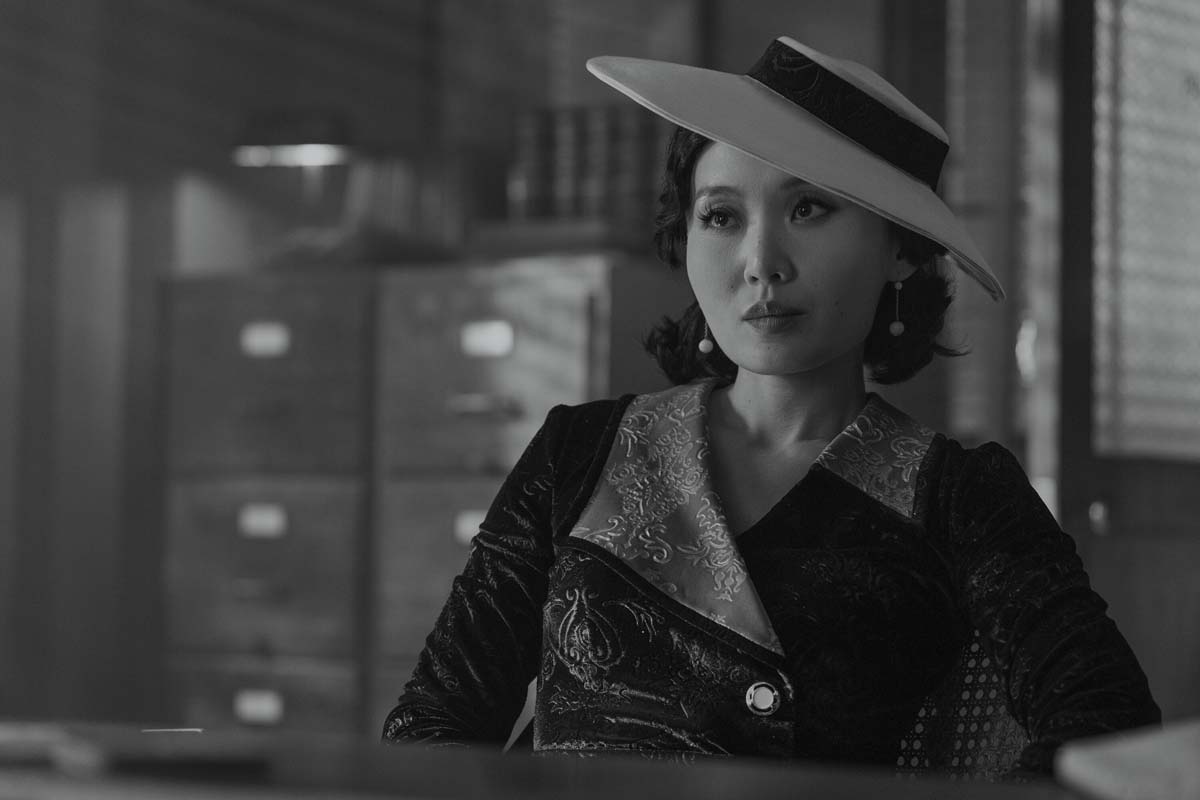
We found that it worked for some sections, but some sections were the rat-atat-tat of 1940s movies - particularly between Ben Riley and Janet, his secretary, who’s phenomenal.
That was really fun to make that dynamic feel as rat-atat-tat as possible. Then we discovered that the action needed to play like modern action - faster, right? Audiences today are used to what action is.
Kirk Baxter talked to me about that when he cut Mank, which was a black and white film kind of like Orson Welles. The cinematography worked as being from that era, but he said, that they tried editing it like the 1930s and it did not work.
Barbot: Cat Hardys song could have been like modern day music video editing, right? It could have been much faster, but we chose to do it slower as a nod to the era. It worked and it was beautiful and the lighting was beautiful and the shots were great. She looked incredible. Nick was great. It just all worked for that piece. But the action needed a modern day sensibility.
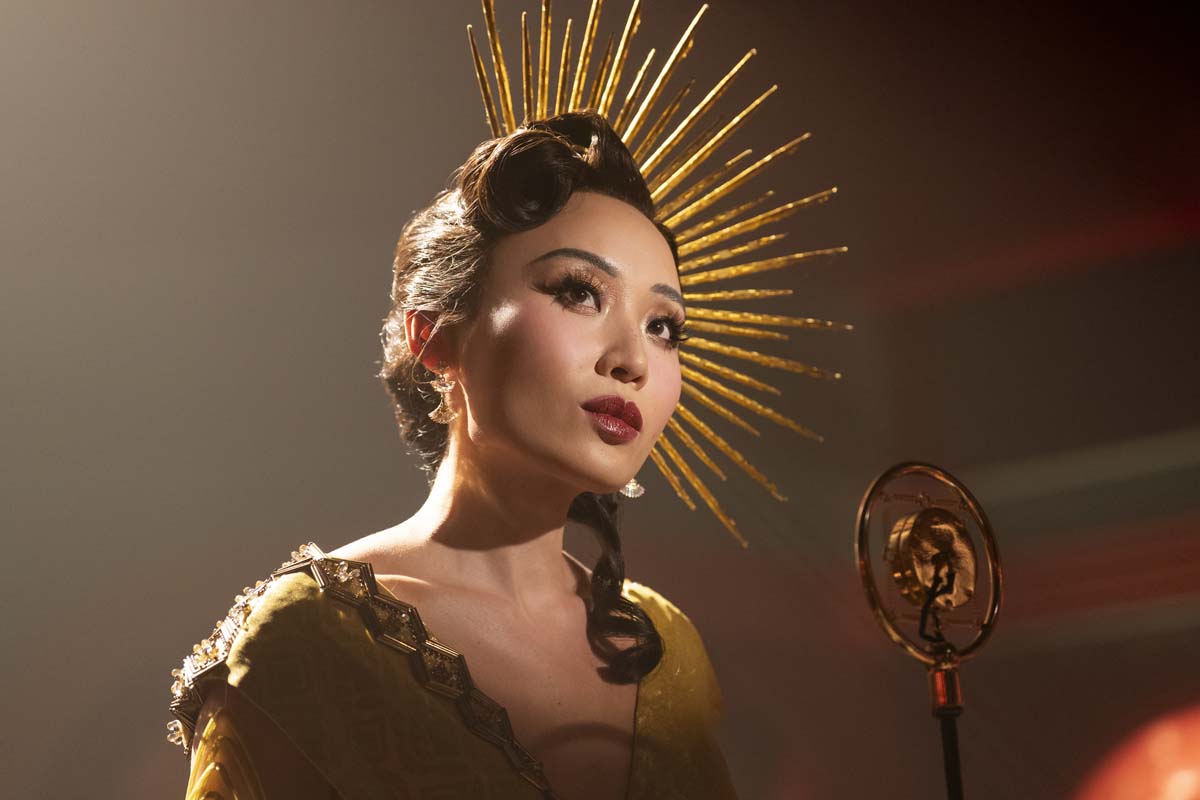
Talk to me about cutting that Cat Hardy song, “Dream a little Dream of Me.” You said that you you tried to intentionally slow down the editing to is a nod to the time period. Did you find you had to cut it down? Did they have a longer version of it that had more verses or choruses?
Barbot: We did make it slightly shorter, but not a lot. I think we took out maybe one refrain, but it wasn’t that much. I found myself very engaged watching the shots. If you don’t have to edit, then there’s no need to edit, right?
You should only edit when you feel like you have to edit, so it felt like it was engaging enough to just be able to watch it like that. We made tweaks and stuff in there, but it pretty much stayed the slower pace that it was, the longer shots.
It wasn’t a slower pace because the song had its cadence, but you just hung in shots for a little bit longer than maybe most modern day songs would.
You’ve cut other television. Were you locked into a specific timing of the episodes or did you have some ability to expand or contract?
Barbot: That’s a really good question. We didn’t have to hit a particular time. There was a window - like you don’t want to be an hour long - more around 50 minutes, something like that. There was no set time that I remember.
I was just thinking with cutting down the song - a lot of times, one of the reasons why you would have to cut out a verse or two of a song is because we have to hit 42 minutes and 20 seconds…
Barbot: No, not anymore. Most of the stuff I do is streaming, so that’s really gone away with streaming. I haven’t done something for a network for a long time. That’s more when we had to hit a commercial break or act things in a specific time.
What are some of the challenges in editing when you’ve got three or 4 or 5 actors in a scene? So often we’re just dealing with two, but when you expand it into more people, what are the challenges in editing those?
Barbot: Sometimes eye-lines are an issue. Sometimes we flop shots to make it look like they’re looking the right direction. But I find that if the pace is set on set, that’s very helpful… if we don’t have to manufacture it in editing.
The actors here were pretty tight. They definitely picked up on each other’s cues and their lines. We could stay in a wide or we could stay in shots a little bit longer. We didn’t have to manufacture so much a rat-atat-tat. We just honed a little bit and kept it tight.
Or example, I did episode five when they come in to Silvermane’s and it’s Silvermane and the three Supers, then Nicolas Cage and one other character. Maybe like 5 or 6 characters in there. It’s always challenging, but it was well covered.
I remember that I had Nicolas Cage from two different angles, so I could get him from Silvermane, looking over the shoulder, then also looking to the Supers on the other side. So it was nice to be covered with multiple cameras - the same performance. I was am appreciative when there’s thought placed into how we’re going to cover the actors.
What was your biggest challenge?
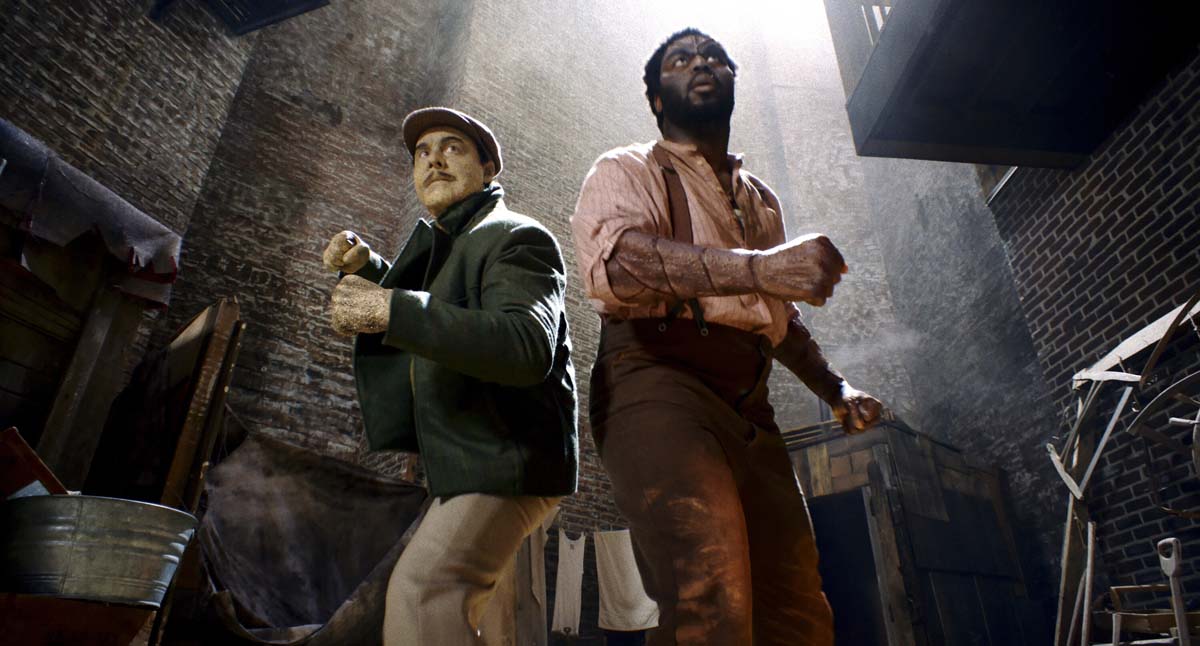
Barbot: The fight at the end with Sandman. The reason I say that is because it took a long time for visual effects to come in - just as it should - because they were complicated. So we were editing that without any of the backgrounds and without any of the feeling that he was so high up - that it was precarious where he was.
For so long we didn’t see any of that. We temp stuff in, but you sort of get the feel. I definitely made some adjustments once the visual effects came in. Then also just like how Sandman looked, how he would start to develop where we hang on the shots for too long based on what the visual effects would look like. It took a couple rounds for that to evolve.
Jennifer, thank you so much for chatting with us here on Art of the Cut.
Barbot: Stefane. It’s been a pleasure.
Eric and Geraud, very nice to have you on Art of the Cut.
Kissack: Thank you very much.
Brisson: Thank you very much for having us.
I thought it was so interesting that you could watch it in color or in black and white. What did you edit in and why?
Kissack: Jennifer and I started the show together. We were sort of told from day one that it was going be a black and white show, and we thought, “Oh, cool! Black and white, noir, awesome!” Then at some point, right before we started, they said, “…and we’re also doing a color version, but we’re all going to pretend that it doesn’t exist.” It was a funny exercise where we were editing in black and white.
We thought of it as a black and white show, then we had this VFX team that was actually in the offices that we were cutting in, and we would we would go down to their offices to review temp visual effects or something like that, and they were always doing visual effects in color, because for them it was important.
They had to understand all the information that was there. It was easier if a shot was going to work in color, it was probably going to work in black and white, but not vice versa. So they had to do all their work in color.
We would walk into the room and think, “Oh my God, what’s happening? Why is there color?” So it was a trippy experience internally. Oren and Jennifer and I and maybe Geraud all thought black and white was the the ideal version to watch it in, but then we would enter that VFX review and think, “Oh! This actually does look pretty good in color!” It was never like, “Ew! Gross! Color!” It was always like, “Wow. It’s rich and I never noticed that building there…”

Let’s talk about the noir aspect of it. Did you do any studying of noir films or were there any references that you watched?
Brisson: There are many reason why I felt lucky to be invited to do this show, to work on this show. One of them was the film noir. I remember being a student in Paris and you could see anything in the theater at that time in Paris. I’m old enough that there were so many movies that played in Paris, and there were regularly film noir festivals.
I went to see Maltese Falcon, John Huston… I grew up on those things, and when I read the script - and after talking to Oren, the showrunner - and Steve - during the interview they referred a lot to The Third Man.
They talked about Casablanca which is not typically quoted as a film noir. I was drawn to Howard Hawks. I did watch The Big Sleep, there were also those screwball comedies that he also had worked on, which had a rhythm to them.
I think the show plays on both levels. There’s a rhythm between Ben Riley and his friends, how they interact. There’s a very fast rhythm that we applied to those dialogues.
I thought about The Big Sleep a lot, and I was looking at the transitions - how they did transitions in those shows - how stylistically you could play with it - and you could you play with it and mix the genre, because we were already in somewhat of a hybrid genre with a Spider-Man in the world that was the 30s and then drawing from many influences.
I worked on the last episode, and I knew there was a sequence that was taking place in this hall of mirrors, and it was clearly The Lady from Shanghai. Clearly that was the inspiration, so I did watch this movie. I did study some of those sequences in that movie to be educated. Not necessarily to try to do them again, but just to be aware of how they did them.
Kissack: I watched a bunch of film noirs in college and always loved them. It’s one of my favorite genres. It was it’s so exciting to get to play in that world. In terms of editorial references and style, probably the main thing was what Geraud was talking about a second ago - the kind of rat-atat quick dialogue between, Janet and Ben.
I’m a huge His Girl Friday fan, so that kind of like quick, fast paced dialogue is always fun to cut and try to tighten and squeeze and make it as fun and rat-atat as possible. There were definitely episodes that just felt like, “Okay, now this episode’s referencing this. Now, it’s referencing this…”
I cut the episode where Ben Riley gets kidnapped and drugged, and it becomes a sort of a dreamy, crazy, drug-fueled nightmare montage. There were a number of films that that was referencing. Clearly referencing Hitchcock’s Spellbound, and a few others that used that kind of crazy, hyper-real design. Those are super fun to work with.
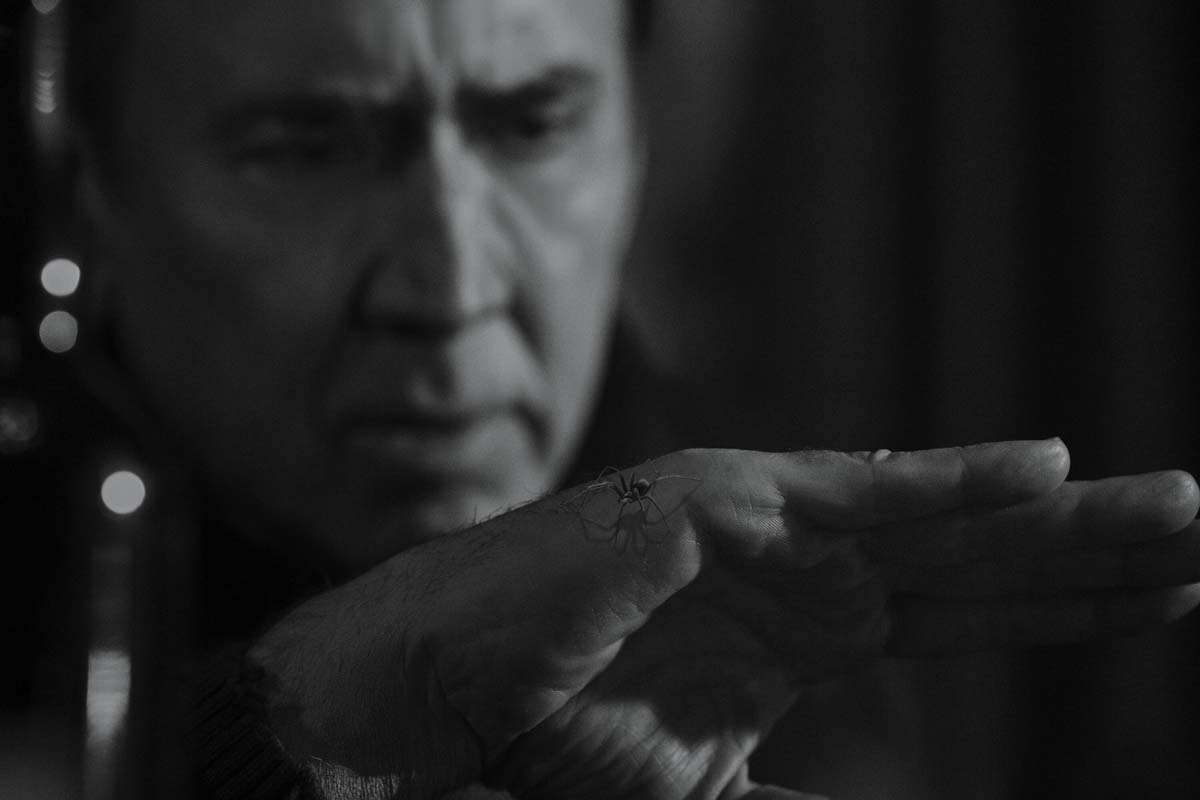
Talk to me a little bit about, Nicolas Cage. There are so many Nicolas Cage fans in the world that just love his performances. He can really go out on a limb and he can be very restrained. Talk to me about the range of temperatures that he was giving you and how you were determining how to use those, and how to either let him go or keep him restrained.
Kissack: I was actually honestly blown away by him. I found that for the most part he kept it pretty restrained. He was playing this sort of sad-sack version of a Humphrey Bogart, Sam Spade character. For the most part he wasn’t being Nicolas Cage, except for those moments where it actually made sense for the story.
Then he, turned on Nicolas Cage. I did not edit the episode, but there’s an episode where he gets really drunk and then he just becomes Nicolas Cage, but it makes sense because he’s having a kind of drunk breakdown.
In the episode that I edited where he gets drugged, there’s a moment where he’s freed from his captivity and he’s clearly still on drugs and kind of out of it, and he does this riff where he’s super hyper and worked up and being Nicolas Cage and it’s super fun and you just want to lean into it. You just think, “What’s the funniest, weirdest thing he can do?" because the character is drugged.
At the beginning of episode two, Jana and Ben and Cat at his desk, there’s the snappy patter that we kind of talked about a little bit already. Talk to me about the speed of reaction shots and the choice of coverage in a three way conversation like that.
Kissack: That scene started off, you know, probably at three minutes. It became a two minute 50 scene and a 2:30 scene. We just kept crunching it and trying to make it as fun and dynamic as possible because not much is happening.
It’s just three people sitting in their positions, talking. But there’s clearly so many dynamics going on - there’s sexual tension and there are power dynamics and Janet is observing and, and and like she’s so great at reactions, so you could always get something good from cutting to her. I just wanted to be as quick and fun and exciting as possible

In episode four there’s intercutting between the conversation during “The Devil You Know” song. Was that scripted as intercut? And if it was scripted as intercut, was it scripted exactly as you cut it?
Brisson: Most of it was scripted. On the other hand, what had to be adjusted was how and where we were going to cut to those moments. Part of it was that there was a lot going on at once, and there was a question of point of view.
Whose head are we in? Who’s thinking about what? And why Cat is thinking about what happened the night just before. We go from the end of episode three straight into the beginning of episode four, and what happened - I don’t want to ruin it in case some people haven’t seen the show yet - but what happened at the end of episode three is a question mark and we are trying to see the aftermath and the effect of what has happened on the character while they are forced to sit with the villain of the story.
So Cat is singing on stage and there are cutaways to memories of the night before. I was trying to place them in a way that they were triggered by what she was witnessing between the interaction of Ben Riley.
I was trying to place the the moment where the memory was triggered with Cat witnessing a conversation between Ben Riley and several of the men at the table while she was performing. I had the constraint of the musical performance, the moment where Cat was looking over and when she was signaling anxieties or something that could trigger the memory.
Then the same thing happened after that with Ben Riley. Then we flip the point of view and suddenly it’s Ben Riley remembering what happened the night before and the emotional effect of that.
What also was not scripted is how we did it.
I was the fourth editor coming into the show, but I arrived at a time when things were still in flux in terms of the style of the show. I think we were left a lot of freedom stylistically. I didn’t even know if other people were doing it or not, but I started using those vignettes for those memories and not try straight cut, which is the way it was scripted actually, as straight cuts.
But I thought, “Well, can we play with the style of this, and use the optical style that they were doing in the ‘40s and in the ‘30s?” Can we try to use them to suggest that memory is lingering and we’re inside the head of someone, and all those images are happening at the same time for the audience. I was trying to sell the point of view and the emotional impact of the night before.
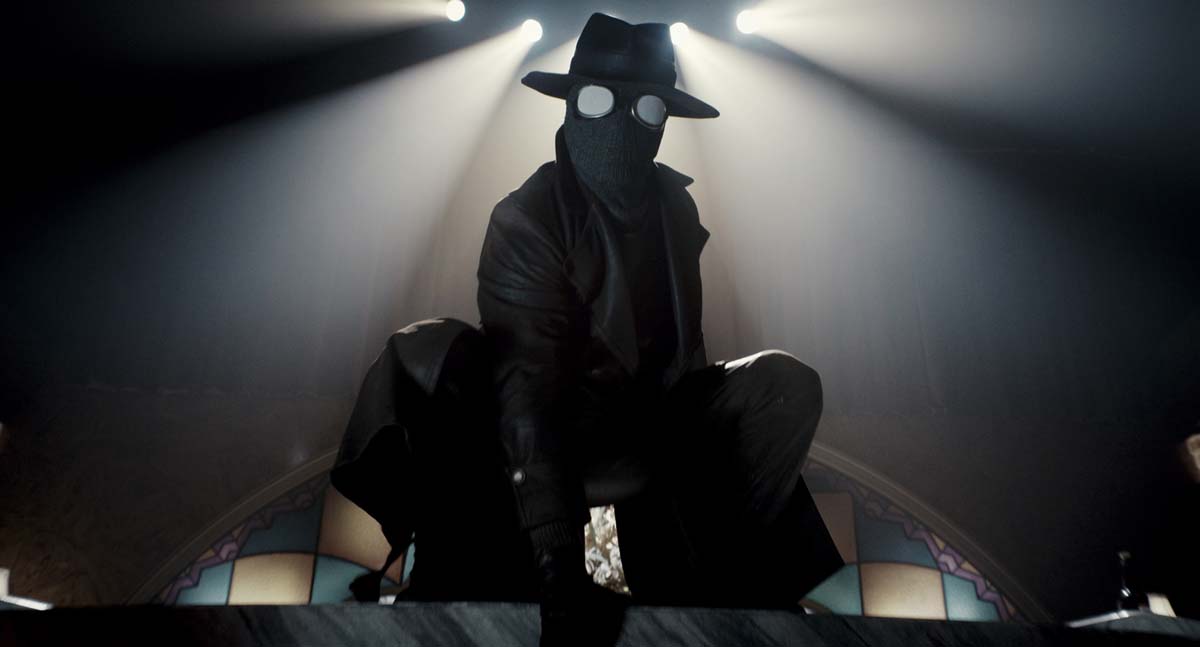
What about a similar scene - the card playing scene. Was that also scripted is intercut?
Brisson: I do believe it was. The reason why we ended up cutting where we cut it was to leave unanswered as much as possible from one scene to the next. They were different scenes, if I remember correctly. It was already intercut as scripted.
Do you remember a scene with some some huge close ups on Ben and Cat? Can you talk about was there a specific reference or what the creative thought was of using those big closeups on their eyes?
Brisson: That is a scene between Cat and Ben, and it’s the moment where - for the first time - they realize that they have feelings for one another. It was shot with two cameras. There was coverage of the whole scene in this extreme closeup - if I remember correctly - with the medium, they shot them at the same time.
They were so different. It felt so different because of the lens, I think, and it made it feel grainier for some reason. But I loved this effect, and for some reason that reminded me a little bit of Orson Welles’ noir, more than the noir that was like the Howard Hawks or Billy Wilder - those other directors that came before Orson Welles.
Orson Welles had this little bit more loose way of shooting things sometimes. Citizen Kane could be a film noir, but A Touch of Evil was definitely film noir. You felt like you could use it for a specific purpose.
And I just did it for that moment where it’s kind of - I thought it was an interesting moment to try to draw where they finally are at the point of “Are we having a moment?” It’s at the connection.
So I only use them once on each side, but I waited almost as long as possible to try to extend that moment of awkwardness. Yet you would understand that they felt something for one another in that one shot. Then it was interrupted right away.
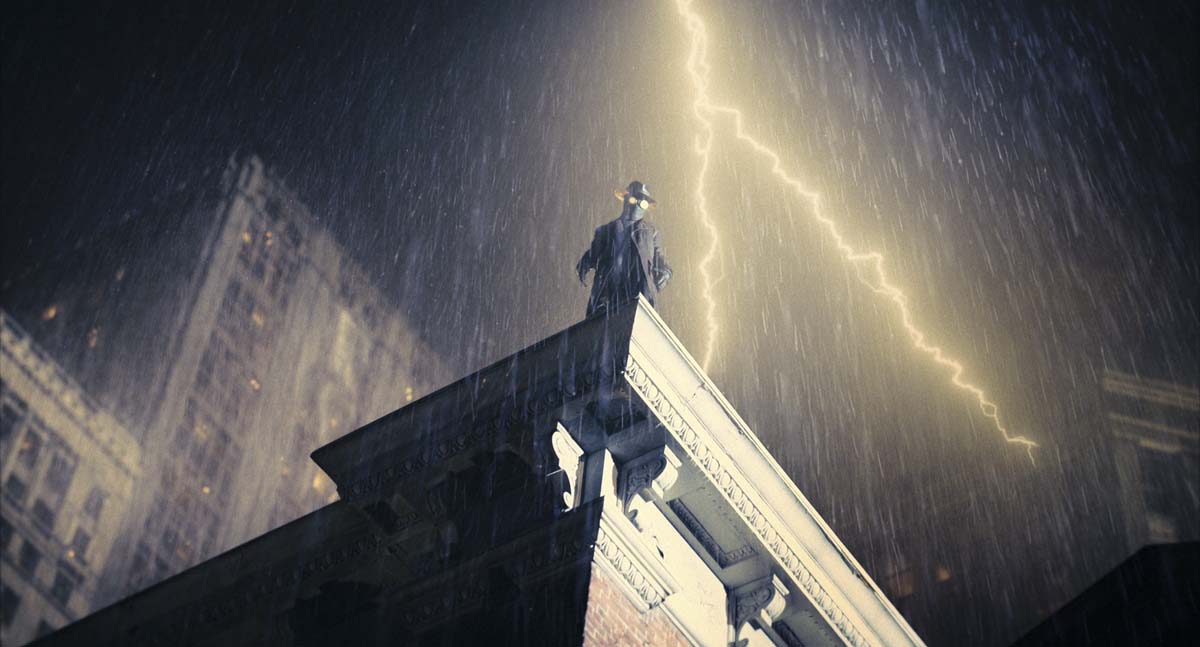
In episode six you used a couple of split screens that were really interesting as Ben is being prepared on the gurney. Was that a reference to a specific movie or did you just feel like the vibe worked, or was it actually scripted?
Kissack: It was scripted that way, but it wasn’t like exactly planned out where “This needs to be four boxes and this needs to have three…” so that actually there were moments when we didn’t have enough material to fill all the boxes, so I would frantically call the director and ask, “You need to get a close up of an IV bag so I can put that in the corner and you need to get one more closeup of a wrist….” so it was a fun back and forth.
It was always supposed to be a boxy split montage thing, which I don’t even know what that was referencing. It almost feels kind of modern.
Brisson: Episode seven also had a sequence like that where it almost makes you come back to that world of comic books. I always wonder if there was a discussion about it.
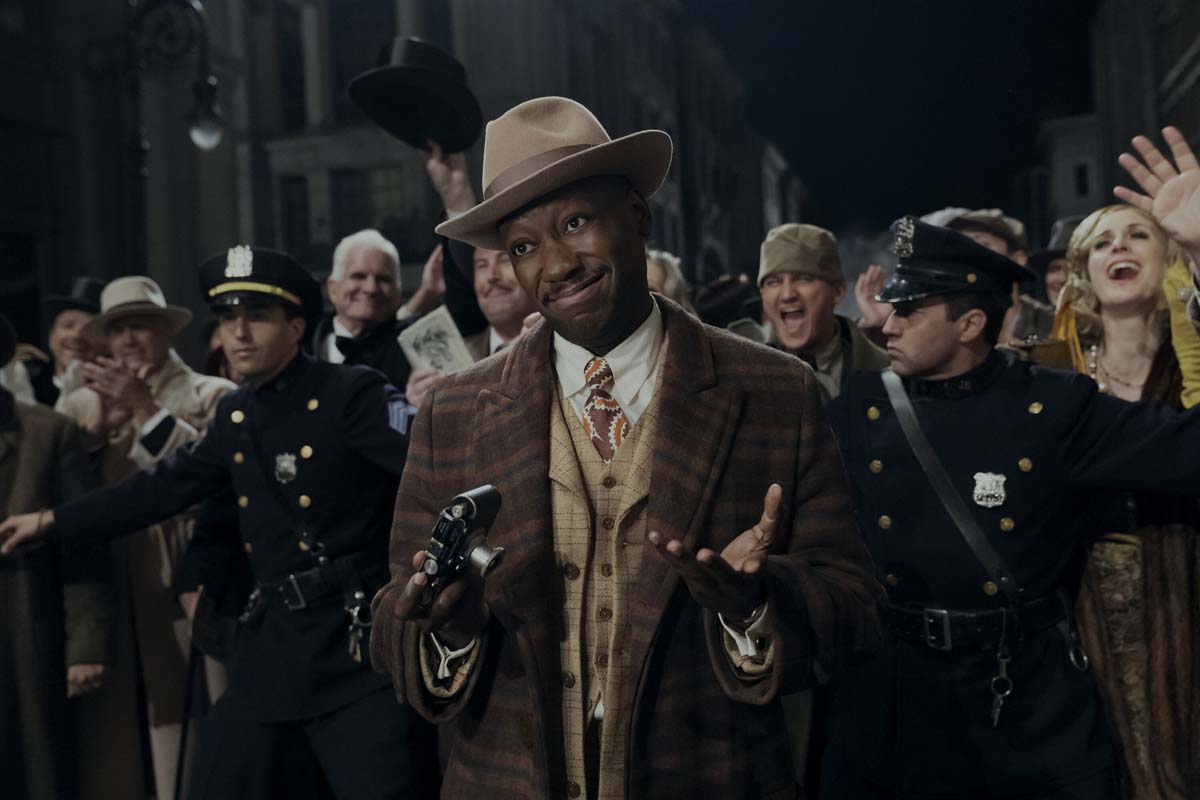
Also, episode six has that fantastic nightmare during the operation, and there’s a lot of VFX in there. What were you using to pace that while you’re waiting for VFX? Or was it enough to just edit with the plates?
Kissack: It’s a great question. I have worked on two animated films in my career and cutting animation for me is a brutal, long slog. I was only involved for like a fraction of it, so I don’t know if I would last a full three years on an animated film, but for coming in for a few months and helping with comedy - which is usually what I’m brought in to do - it’s awesome because you have so much freedom.
You can basically say, “I really want to use this joke, but the only way to make it work would be if we had a reaction shot, so can I get a reaction shot?” And there’s a guy sitting next to you and he just draws your reaction shot!
I knew we would want something similar for this sequence, so we brought in a storyboard artist who was just on standby and he had a little screen pad and he’d draw and screen-share with me. So I’d say, “I need I need something where Ben is looking up and he sees a giant newspaper coming at him” or something. And the artist would draw it and say, “Like this?” I’d say, “No, the hand should be farther up.”
He’d redraw it in real time and I’d say, “Yes! Perfect!” So we built the whole sequence using those drawings. We had some live action stuff of Nicolas Cage that we were sort of sprinkling in, but a lot of it was just these elements and getting the timing right, and then scoring it.
So the whole thing was sort of done like an animatic. Then our visual effects people started filling it in and making it work. It was a really, really fun process. It was like making an animated film.
I don’t remember the score in there. What were you using as temp in that montage?
Kissack: Our music editor just kind of put together something. I don’t even remember what it what it was for temp. It was very dramatic… like almost like Bernard Herrmann strings. Actually, that’s what it was. I think it was from Psycho or some version of something like that. Then our composer did his own version.

Is there a scene or something that you overcame in post that you want to talk about?
Kissack: Since the pandemic, I’ve been doing a lot of shows remote, and I really like working remote. I really like working from home, but our showrunner, Oren, insisted that we were in the office for for most of it.
At first it was kind of like, “grumble, grumble” but my office was right next to Geraud’s and just being able to walk over and peek my head in and ask, “What are you doing? Ooo, that’s a cool split screen!” And to be able to always be riffing on what the other editors were doing was really fun and special.
What do you think that remote/in-person work does for your assistant editors and their ability to further their careers?
Brisson: It’s been since the pandemic, but I feel like it’s been a great situation and I’ve more than often been in the office actually, personally and my assistant, usually, unless there’s a reason for them to be home because they may have personal reason where it is easier for them to be at home. They usually are close to me.
But I do think it’s important for them to be around and meet the people - like the showrunner and being able to interact with them, because you have to be able to do the editing part as well as possible, but also it’s important to communicate, the back and forth, the collaboration.
It’s true that when you do it remotely, it’s harder to develop those skills. I think hopefully it’s been good for them to be around the creative process, to be close to it.
I like showing things - to go back to what Erik was saying - in person, going around and saying, “Can you come watch this?” And I do this with the assistant editors who are working with me.
They are the first audience really often. I have opinions, but I need to kind of confront my opinion with what other people’s opinions are. To me, that’s important. Obviously we can do it in a remote situation, but I find that communication a little bit less direct.

Editor Geraud Brisson, ACE
So we’ve had a chance to talk to the three of you. Can somebody fill me in on the fourth person in the Spider Noir family?
Kissack: Yeah. Tirsa Hackshaw was delightful. It was very smooth. We all brought something to the project.
How did the four of you collaborate?
Kissack: Always having like like a really smart eye to show things to, then every now and then there’d be some sequence where you’re batting your head against the wall and I would offer to try a version or Jennifer would say, “What if you did this?” Just having someone to help you when you got stuck was really great.
Brisson: Tirsa and I started at about the same time, so I feel like she was my my first partner. But when we got to the end of the show, she was doing episode seven, I was doing episode eight and the beginning of episode eight moved to episode seven - the scene where The Spider wakes up and there’s a conversation.
That was the beginning of episode eight, and it went into her episode. So I cut it as the beginning of an episode, but it’s not the same as when the scene is at the end of an episode. So she had to do all this work to make it feel as though it was always intended for episode seven.
What do you think the changes are that have to happen if the same scene moves from the beginning of one episode to the end of the other, or vice versa?
Brisson: If I remember, there was a big fight at the end of episode seven and The Spider was injured in that fight. The beginning of episode eight is where The Spider was trying to recover. The beginning and ending of scenes you have to examine in this situation, because when you’re at the end of an episode, you don’t necessarily need the set up of the entrance of the scene.
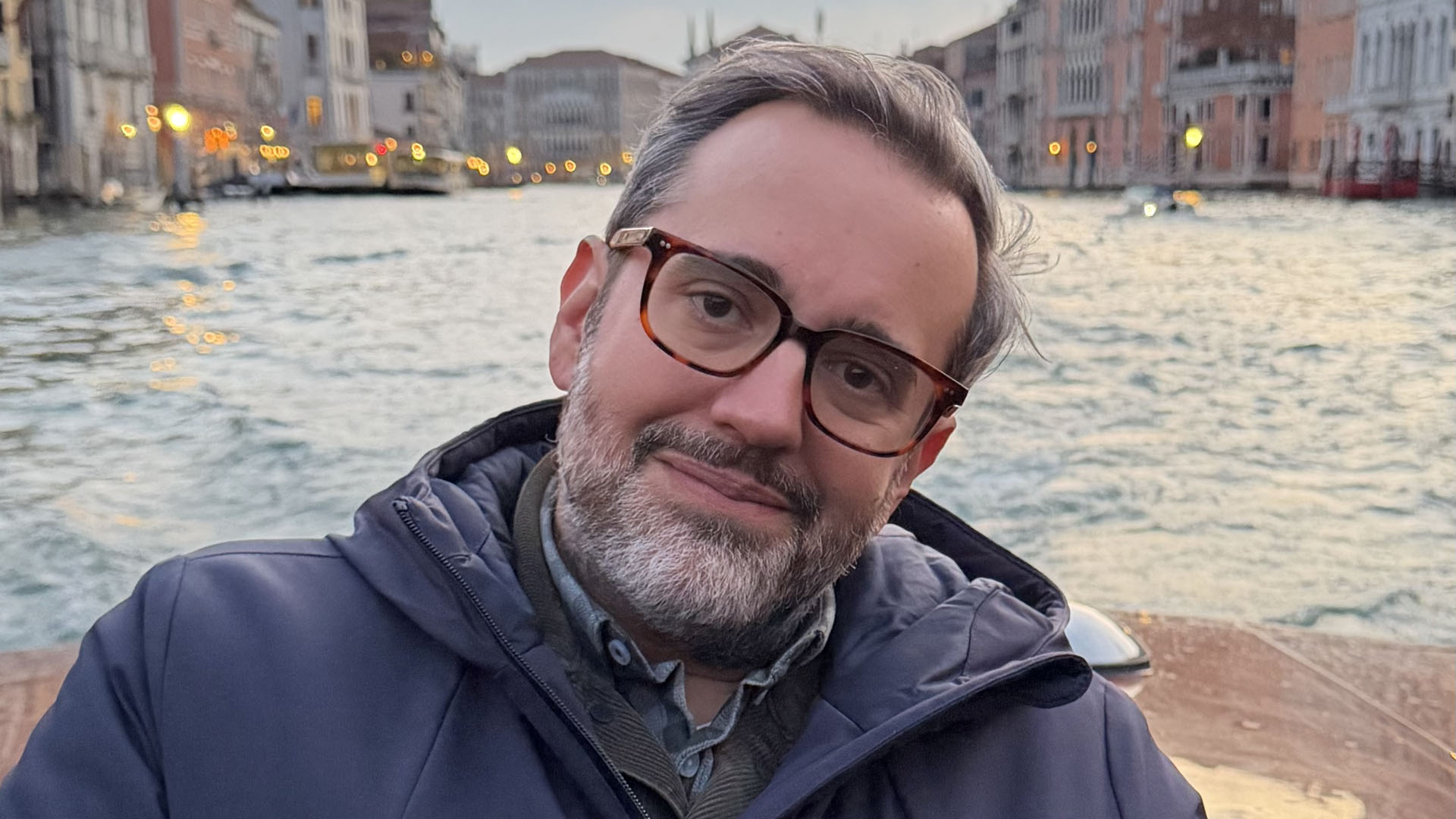
Editor Eric Kissack, ACE
Guys, thank you so much for being on Art of the Cut.
Brisson: Thank you so much for talking.
Kissack: Yeah, so good seeing you again, Steve.
 October 5, 2026
The Whisper Man
Chris has been on Art of the Cut before for The Menu, The Many Saints of Newark, A Quiet Place, and Assassin’s Creed. He has ...
Read more September 23, 2026
Sean Combs: The Reckoning
Charles Divak has been on Art of the Cut in the past for Chimp Crazy, for which he was nominated for an Emmy and won ...
Read more September 3, 2026
The Dog Stars
There's nothing like The Dog Stars in his filmography. That's a testament to him - that he is constantly interested in different stories and different ...
Read more
Subscribe to our newsletter
Get all the latest news, blog posts and product updates from Boris FX, delivered directly to your inbox.
Welcome!
Thanks for opting-in to our newsletter. You'll receive an email momentarily with your confirmation.