













Spider-Man: Brand New Day
The Spider-Man editing team explains how they collaborated to compress the opening montage, the value of audience screenings, and the workflow starting with previs, through postvis and final vendor VFX.


Today on Art of the Cut, the editors of Spider-Man: Brand New Day, Nat Sanders, ACE, Harry Yoon, ACE, and Gina Sansom.
Nat has been on Art of the Cut before Just Mercy, and for Shang-Chi and the Legend of the Ten Rings, He was nominated for an Oscar and an ACE Eddie for editing Moonlight. He’s also edited If Beale Street Could Talk and Short Term 12, among others.
Harry has been on Art of the Cut before for Detroit, Beef, The Best of Enemies, The Fire Inside, Minari, Shang-Chi and the Legend of the Ten Rings, and Thunderbolts. Harry has an ACE Eddie win for Beef, and an ACE Eddie nomination for Minari.
Gina is an Emmy nominee for the TV series Horace and Peter. Her other editing work includes Wonder Man, The Lowdown, and Our Flag Means Death, among others.
Harry and Nat and Gina. It’s so nice to have you on the show. Tell me about the opening montage. Was that scripted like that, or did you find you needed to compress scenes that had been there at one point?
Sanders: The opening montage was sort of a collaboration between Gina and myself. We both spent quite a bit of time working on it, and it was definitely one of the bigger challenges in the movie.
There was a lot of storytelling that we were trying to do, trying to keep it as tight as possible. There’s a lot of material to try to do very concisely.
Sansom: It was definitely storyboarded out. You took it over around the director’s cut. My version was definitely a fatter version. Something that I loved that you did that I wouldn’t have thought of was that there’s a bunch of shots at the cemetery putting the flowers down and the seasons changing.
Nat did a really beautiful job of cutting that back-to-back and really show time passing in an elegant way. I know we did go back and forth a bit on what kind of needle drop to put down, or if we were going to go with score.
Sanders: Yeah, it was a long, long evolution to get that montage and I’m really happy with where it ended up, but we had a lot of material that we had to try to cull down to make it move and still be fun and catch you up on what Peter’s been up to these four years.
Musically, we definitely were trying to score. The song felt like a needle in the haystack. It was something that needed to be able to play big when we were in fun action mode and kind of come down when we were trying to score more somber, emotional moments.
With Peter, the whole range of human emotion is happening in that opening montage, so the song felt like a needle in a haystack and was really hard.
At one point we tried scoring it and we tested it with the score underneath, but it felt like it set the movie back for the first 15 or 20 minutes. If we started with something that was Peter’s emotions, that made the movie feel sad.
We had previously temped with the song that ended up in there: “Wolf Like Me” by TV On the Radio. So we put that back and we kind of got the fun back into the movie. It was a long process, but we’re very happy with how it turned out.
Yoon: As somebody who came on late to the project, watching the evolution and what Gina and Nat were grappling with in that opening montage was a little bit of a microcosm of what we were grappling with in the whole movie.
It’s such a great first question because what they needed to do was to not only bring the audience up to speed of what Peter’s life was like, but also to say, “What is wrong with Peter in this moment?” It’s not just that he’s alone, but that loneliness is having an impact on him. And what is that impact? As the trailers hint at, he’s going through a change.
And what is the nature of that change? How is that loneliness impacting him? How are we setting that up? That change might be a little bit bad, but not so bad that when we reveal that he has to mature as a result of that change, so that the audience isn’t waiting and thinking, “I thought this was a terrible thing that was happening to him.”
So calibrating that and introducing that just enough without tipping our hat too much. Seeing how Gina and Nat we’re trying to navigate that and keep it fun without being it too expositional, without tipping our hat too much - it was just so challenging and introducing all these iconic covers from the history of Spider-Man - having all of those elements play together.
It was really one of the most challenging editing puzzles I’ve ever seen. The fact that they were able to accomplish all of those things in such a short amount of time was really one of the hardest things that we had to solve.
I think that thing went through like hundreds of versions, before they were able to crack it. It all finally came together, but I think that was one of the last things that we had to crack.
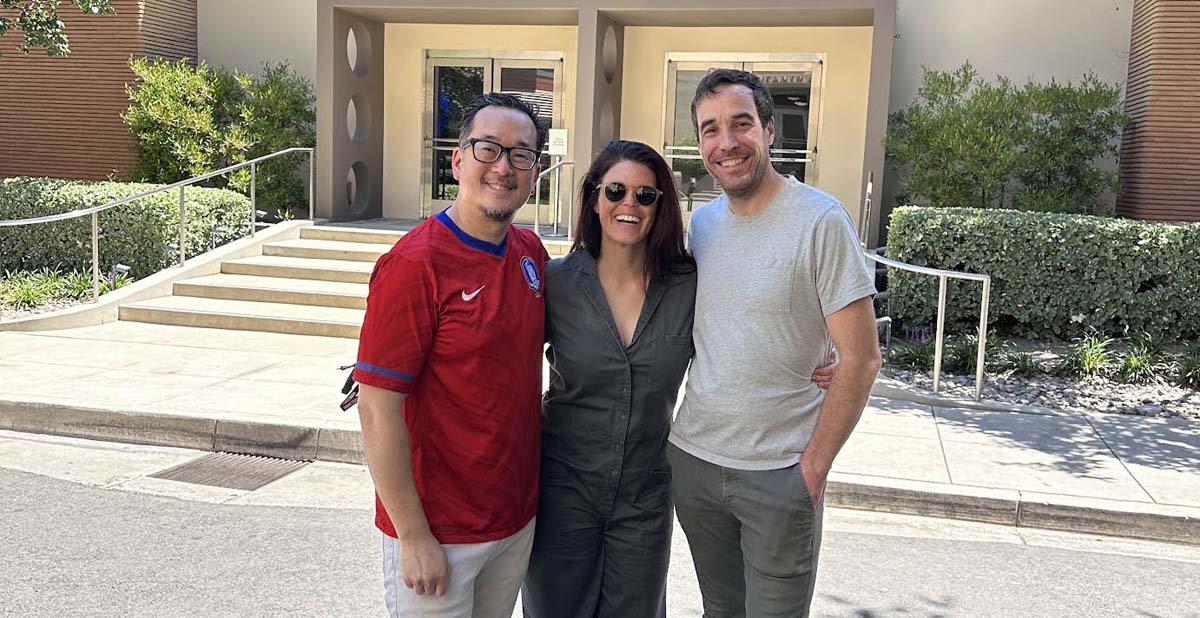
Editors Harry Yoon, ACE, Gina Sansom, and Nat Sanders, ACE
Sansom: To Harry and Nat’s point, we definitely wanted something that feels like, “I’m excited. The movie’s starting,” showing all of the challenge he’s going through while still making it feel fun and that the audience wants to watch the rest of this movie. It was a really fine line, I think, for Nat to walk ultimately.
Sanders: It was something we were weaving in that was part of our reshoots were these themes in the movie that in early versions, weren’t quite coming together in quite the way we wanted to: the themes of Peter living in isolation and these body changes that he goes through felt like separate things.
Our North Star was building into this moment that he’s both Peter Parker and Spider-Man. In early versions we weren’t quite there.
We had separate ideas that weren’t coalescing together. So, the three of us, along with Dustin, were brainstorming, “How do we do this?” Dustin had great ideas right off the bat.
I’ve seen that with him - on previous films - where sometimes I don’t know if those are right off the top of his head. He has these great ideas - especially in these films when you can afford to do reshoots - on what the reshoots should be on the first day, five minutes into the conversation.
Were those ideas that were kicking around during the writing process that maybe didn’t end up in the script, but he’d been percolating and he’d already sort of workshopped in his head or was he able to just solve the problem that quickly? I still don’t totally know.

Sansom: I definitely have observed a couple of those where I’m think, “Whoa, you are a genius! That is such a smart idea. I do think they might be a little spontaneous, Nat.
Sanders: As part of reshoots we added some of these moments - we had more that we didn’t end up using – but trying to tie in his isolation to these physical changes that he’s going through.
So you see him getting a headache and something’s going on with his wrist and Detective DeWolff - in the phone call right afterwards - asks him about these headaches that he’s getting.
Those were reshoot things that we’re doing to try to tie these things together. We had more, but we felt like this was enough, and we want to be more subtle with it.
How long was the first assembly of the movie?
Sansom: Wasn’t the aim to cut out 20 minutes? So it probably would have been about 2:45.
Sanders: Yeah, 2:47 sticks in my head. We actually didn’t have that much additional material on the cutting room floor.
Yoon: We were trying to scrounge for deleted scenes. What did we omit? It’s maybe 1 or 2 scenes.
Sanders: Yeah ,there were a couple, but not many.
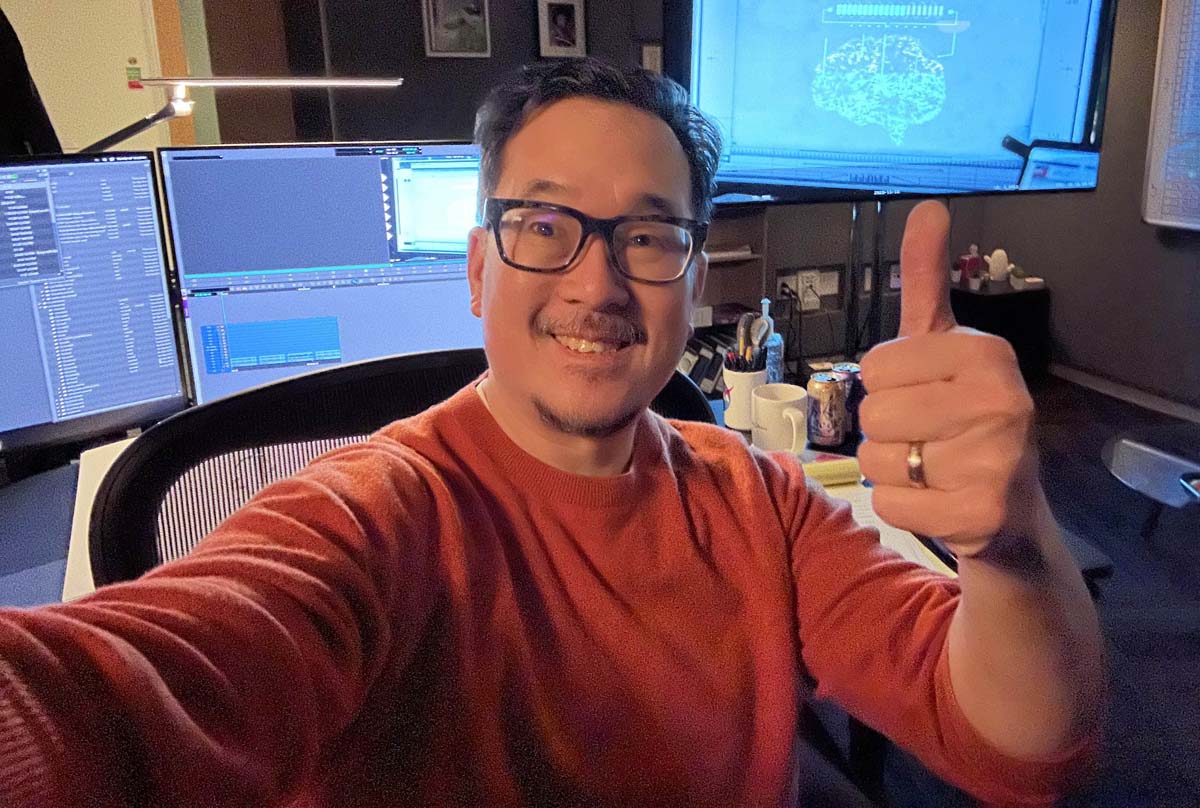
Editor Harry Yoon, ACE
And the rest of that time was just tightening things up it sounds like.
Yoon: Yeah, even some of our darling - things that were beautiful stunt choreography - even some of the action sequences that that we really, really loved, like additional hand fight sequences, outside fight sequences that were so good, but at a certain point, it doesn’t serve what needs to happen in the story at that point.
And as incredible as it was, we had to start trimming some of our darlings. That’s what we needed to end up to get to time.
Sanders: At least half of that time that we cut out probably was in action sequences. Harry was working in the back part of the film, so he was taking action beats out of the prison fight, making that more focused and tighter and more staying with our characters.
The Hulk Fight originally in our first preview was around 15 minutes. We got that down to about 11 and it felt much better in its tighter version.
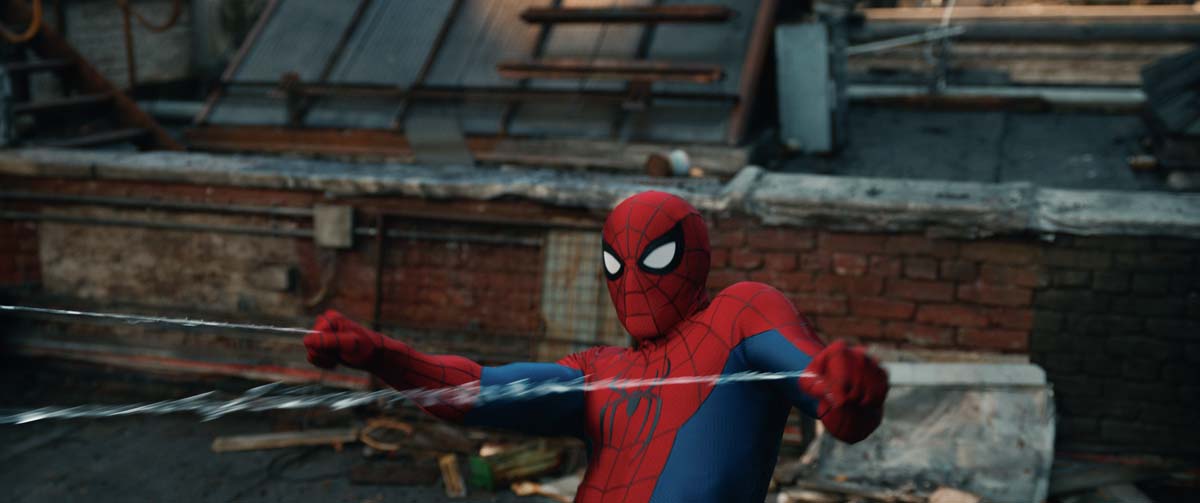
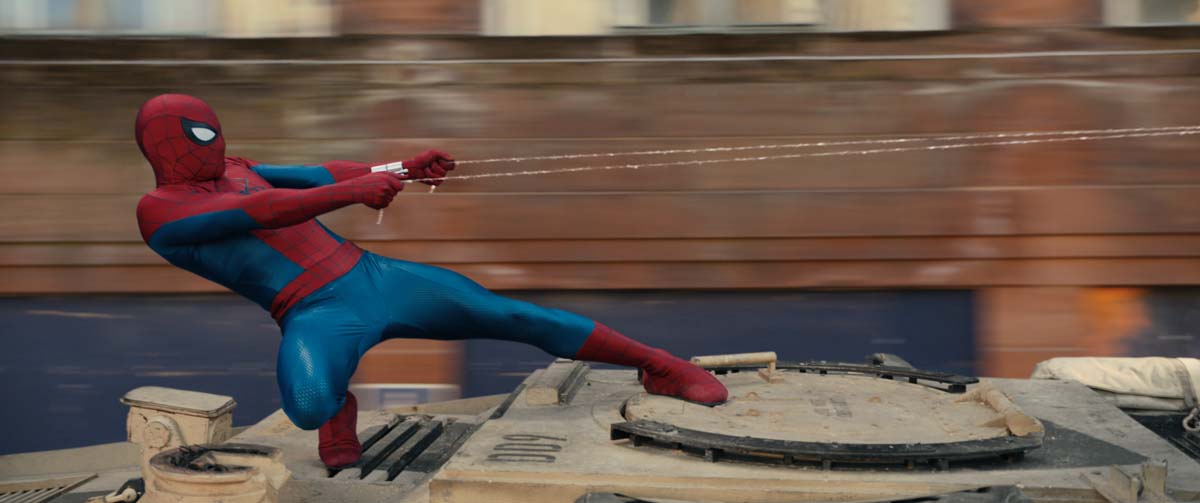
The tank chase in the opening, there were some centerpiece moments that we ended up cutting because it felt stronger. I think Gina had a note very early on - she did a great job on the tank chase - that it felt like this faceless opponent for the first couple of minutes of this sequence and the tank didn’t feel threatening, so we focused on really trying to stay with the danger and the violence of what’s happening, so we cut some of these really acrobatic things that Spider-Man was doing. Ultimately they were sort of a distraction and just kept it more tight and focused.
Sansom: Kind of an overall note we got on our first friends and family screening were people saying, “I loved all of it. I can’t tell you what felt long, but it felt long.” So we just had to try and go through and take stuff out.
Then what’s the creative discussion about where that time needs to come from?
Sanders: I’d say it’s a combination of what we feel in our guts and what we feel through being at those previews, even without them saying anything. You feel it. You feel the energy. Like, our first laugh doesn’t come until minute 20, and there were multiple moments that should’ve been working, so something’s wrong.
In that case, it might have been that sad score that we had up top affecting the mood for the first 20 minutes. So you’ll feel all those things, with pacing being a big part of that.
Destin - to his credit - enjoys the testing process and really likes the information that you get from it. Obviously you filter those notes. You’re filtering it through your own sensibility and what you think is right.
But something that he and I started in our early projects - that he’s carried on - is we will have the normal questionnaire that they give at every preview that’s very standard, but we had a second card that we call “extra credit.” We said, “You don’t have to fill us one out, but the filmmakers really appreciate it.”
The extra credit card is people giving ratings and comments about all of our major individual scenes in the movie. It’s something we we did are starting with Short Term 12 - the very first movie we did - and it really helped us focus on where the problem areas are, just what spots aren’t working for the audience, whether they’re giving us the exact reason or not.
We can usually start to infer there’s a problem spot here. Why is that? Between reading the cards and what we feel in our guts or feeling watching with the audience, we start to try solutions on what’s not working. How do we fix it?
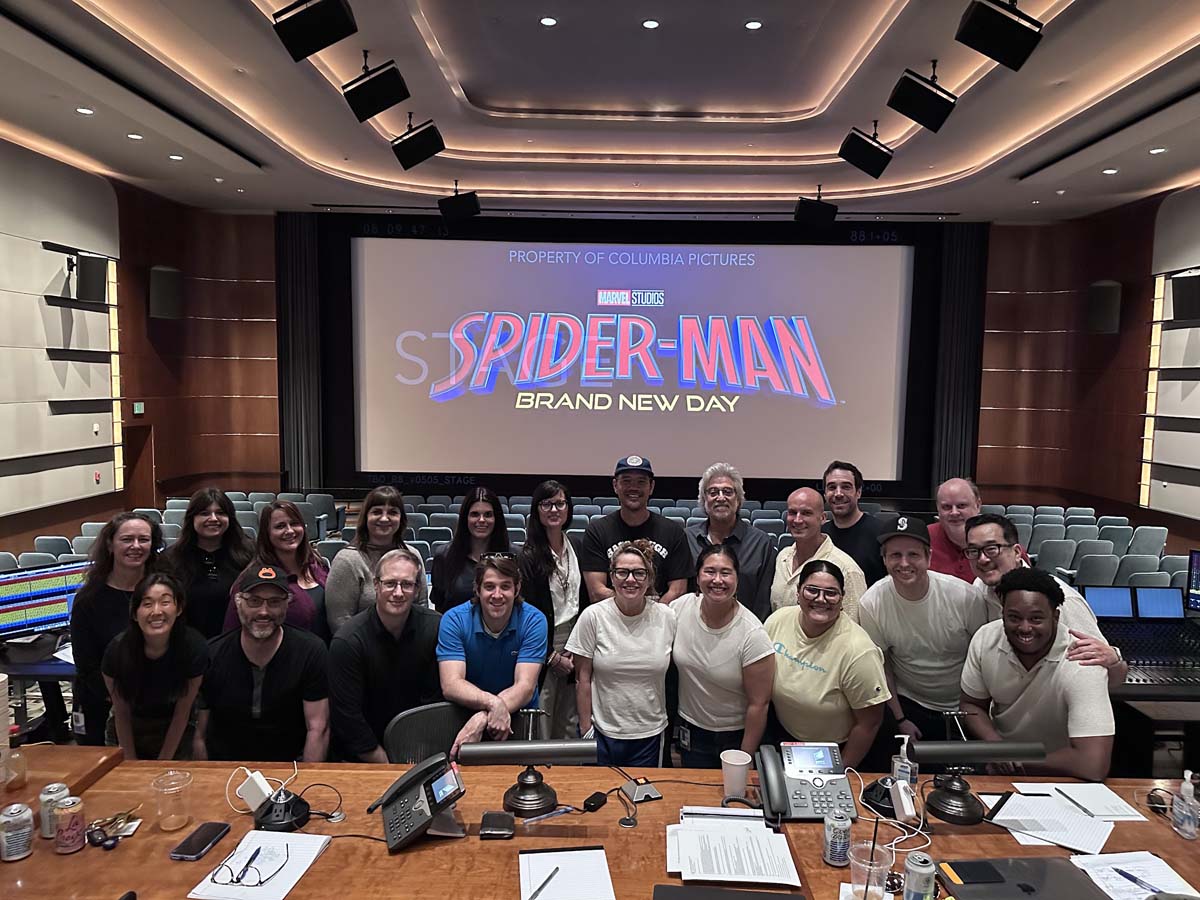
Testing has a negative connotation for some people, but I think - especially on these movies - it gets you to the most satisfying ending where the audience will just be the most thrilled and happiest by the end of the process. That really gets you the best, strongest version of the movie.
Sansom: The two examples that this conversation is making me think of is that early on we did an “adults” friends and family screening and the markings for the scene in the banya (bathhouse) was pretty highly marked and pretty beloved.
Everyone seems to really enjoy Florence Pugh, but we had a younger demographic come in and the ratings went really, really down for that scene. We would never have expected it to do that.
We figured out that a lot of the younger people felt uncomfortable because they thought she was naked, so we went through and tried to make the water lines seem less transparent, more opaque to prevent that stuff. We never internally would have thought of that on our own.
Yoon: They thought that it was a little exploitative.
Sansom: Also, a lot of those younger people were there with their parents and it’s uncomfortable when you see something a little taboo with your parents in the theater. So that was something we tried to correct for that we wouldn’t have come to without our test screenings, so it’s an extremely valuable process.
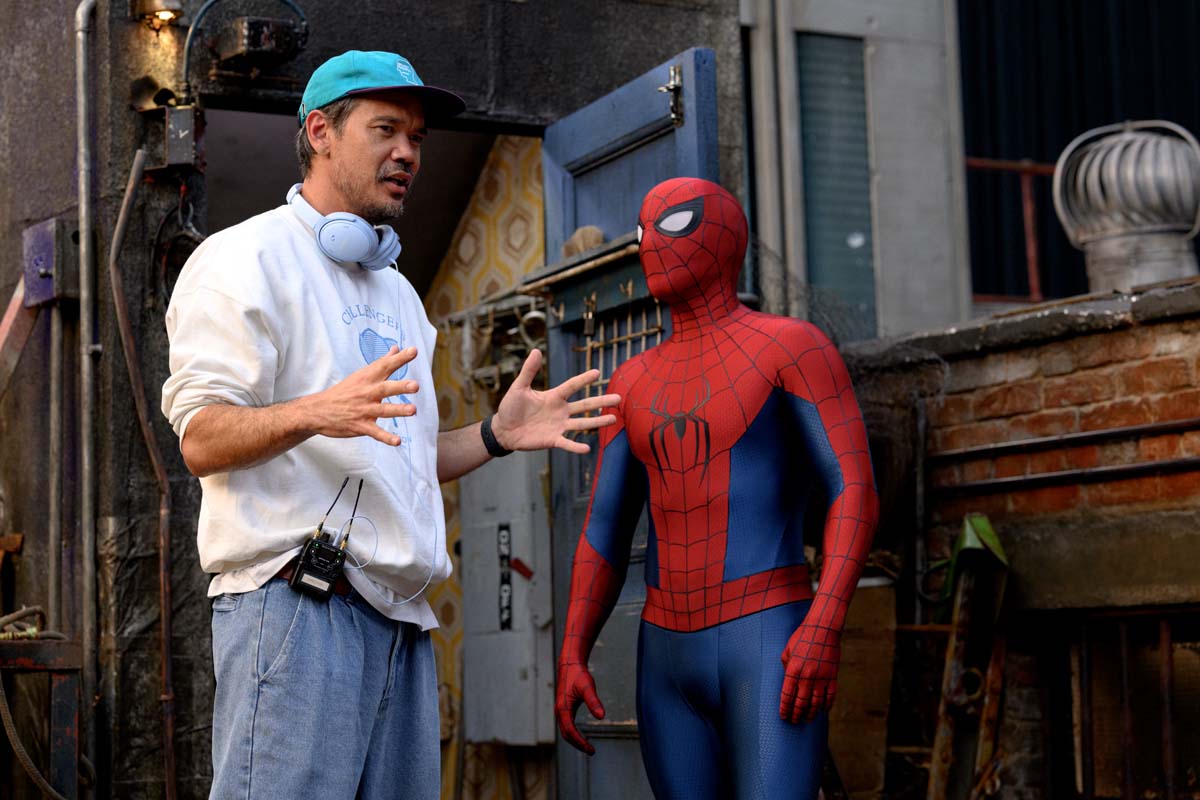
Then to go back to your question, Stephen, about how do you even start to tackle things to cut down? Harry and I were just discussing on a macro level of themes and plot of the whole feature, but also at times it gets down to really just micro ticky-tacky stuff.
An example of when I thought Dustin really showed off his genius was when I did the scene where Peter comes into the laundry room and he’s topless. He’s just fallen out of cocoon again. That scene originally had dialogue where he sees someone in the laundry room and said, “Excuse me, I really do live here.
I just locked myself out.” That line was funny enough, but Dustin asked if there were any takes where he mumbles a little bit.
That’ll also be just as funny, and it’ll take out eight to ten seconds. It worked amazing. I think it’s way funnier just having him not know what to say and stammer a bit. Those kind of little things really do add up over the course of the film’s duration.
You wouldn’t think like taking out that little of time would help, but it really does help trim things down and make things a lot tighter.
Sanders: There’s this editing controversy that I’ve been seeing on social media over the past week or so: that movie One Night Only, and the director said that they ended up cutting out a lot of the sex and the nudity. My first impression was, “I bet they I bet they tested it with young people, and they were uncomfortable with the sex.”
Sansom: I think that’s really commendable that younger people were more into keeping it clean. I like that.

Talk to me about previs and postvis. There’s a lot of visual effects in this movie. How are you editing before those visual effects get done?
Sanders: Digital Domain and Torchlight did the vast majority of our pre and postvis for us. And Framestore, I believe, also did some in the early stages.
For those that don’t know the previs processes, especially for action scenes and bigger set piece scenes, previs is a computer animated version of the scene. Destin is working closely with them, shot designing and getting a scene up on its feet. You are kind of really getting a pre-visualization of the scene.
During preproduction I came on for a couple of weeks and we were working on cutting down some of the scenes where Destin felt he wasn’t quite getting there with the pace on a few things, so we worked on a few things before shooting, trying out things.
On the sequence that we called “the sad swing” we did a lot of work before production started of how much swinging do we need and what story are we telling with the flashbacks. So a lot of that got hammered out before production started.
Then - during production - Gina and I worked closely with previs a month away from shooting. Destin had already been working with them a bit, saying, “This action sequence is too long, can you take a crack at it and cut it down and show it to me or show it to them?” We’d start having a back and forth, so that was going on during shooting.
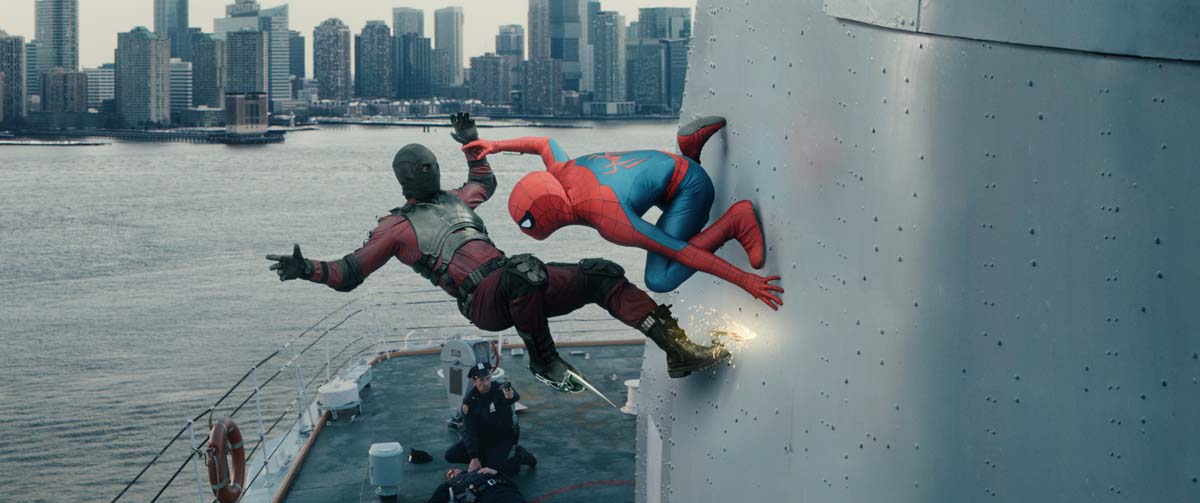
Yoon: I think one of the remarkable things about the process at Marvel is that - because it’s such a rigorous testing process and because there are such unique challenges for exposition and story shifts and things that happened during the editorial process and ideas that come up for solving those challenges - that postvis, which is additional work using 3D characters and temporary 3D shots before you then go back and do additional photography so you have 3D artists that are in-house to help you try out shots. Actually the editor is allowed to have a great deal of interaction.
For example, Gina was working on the Scorpion fight and could ask, “Can you give me a medium shot of Scorpion doing this?” Then they’ll render that shot out for Gina, and then she can cut it in temporarily to see how that works in the sequence.
Or I was working on the containment center with Jean Grey, and I could ask, “Can I have this kind of shot or this kind of scan in the monitor, or can I have this angle on Jean?” We can try that out to see how it works in the rhythm of the cut, or how that information works in the rhythm of the cut.
It’s an invaluable resource compared to just cutting in a title saying “this is what you will see here.” It’s such an invaluable resource to make sure that the idea that we’re trying to execute works because a picture says a thousand words and a title just doesn’t work the same way.
It becomes such an invaluable resource as you’re working through ideas and presenting ideas. Those things also become invaluable tools for reference for our crew during additional photography, so it’s a pretty critical part of the overall process.
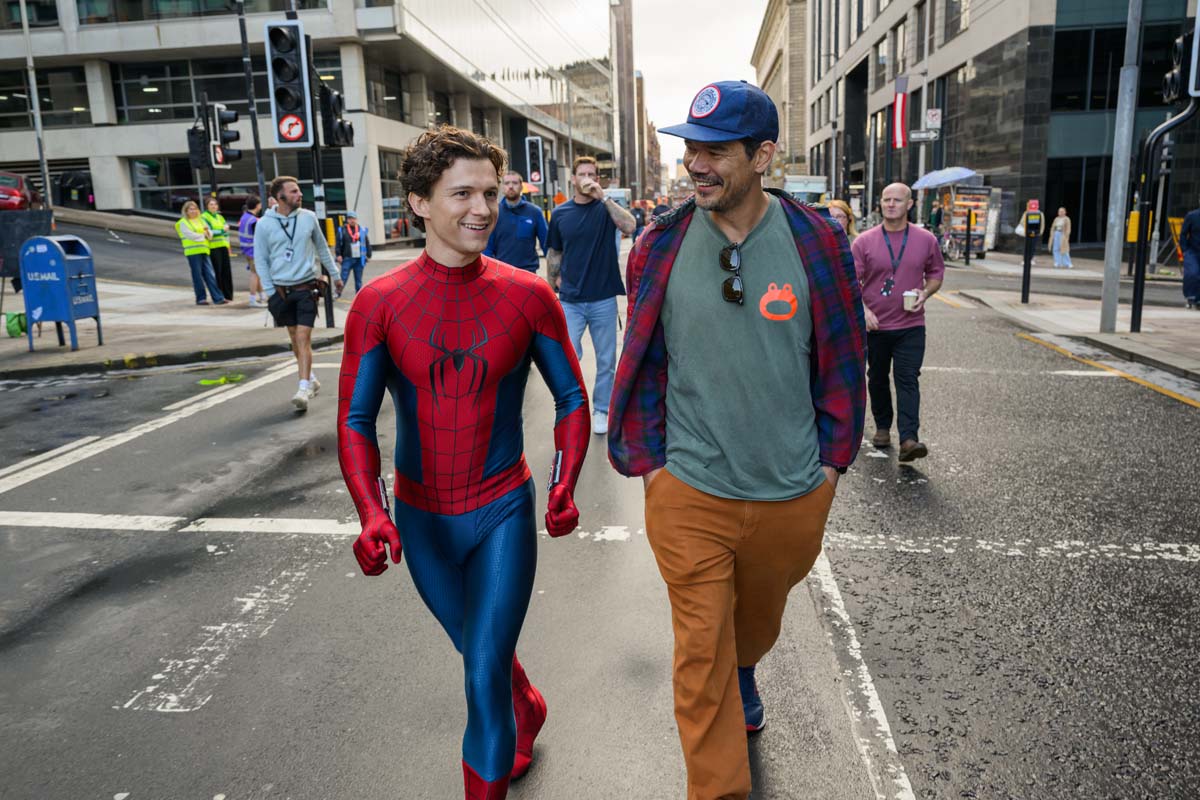
Sansom: Definitely helps us informs as to what our final shots will look like, because we’ve already been able to hammer out so many placement issues and things we do or don’t want to see. So it’s very helpful for the final VFX as well.
Sanders: We did our reshoots after our second preview. After our first preview, it was all of our own material. We saw what some of the issues were. We obviously fixed everything we could with what we had, but then we start to see, “Okay, this is clearly an issue: we don’t really have the footage to solve it ourselves,” so we started talking about reshoots after the first preview. Then we went to postvis and started mocking up what some of these things would be.
In the second preview, we put some of those things in the cut. We said to the audience beforehand, “Hey, there’s going to be a handful of shots where it’s a computer animated version of Tom. It’s not really him.”
You can sort of forgive those things as a viewer, so we were able to test out some of these things that we wanted to reshoot. Is this getting us what we need emotionally or storytelling wise? We’re able to put it up on its feeet before they shot it.
Yoon: We’re not used to being prescriptive. We’re used to thinking, “This is what we have, and therefore we have to make it work.” So it’s a weird switch to turn on as editors because, we’re not used to thinking, “Well, what do we want if we have a blank slate?” It’s a very weird mode to shift into, but it’s a very useful thing to try to do.
To try to go back and forth between “how do I cobble together something from what I have and cheat whatever I can” to being in the mode of “if I could have whatever I want”… to shift between those two modes really challenges you, but it’s kind of amazing to have that luxury.
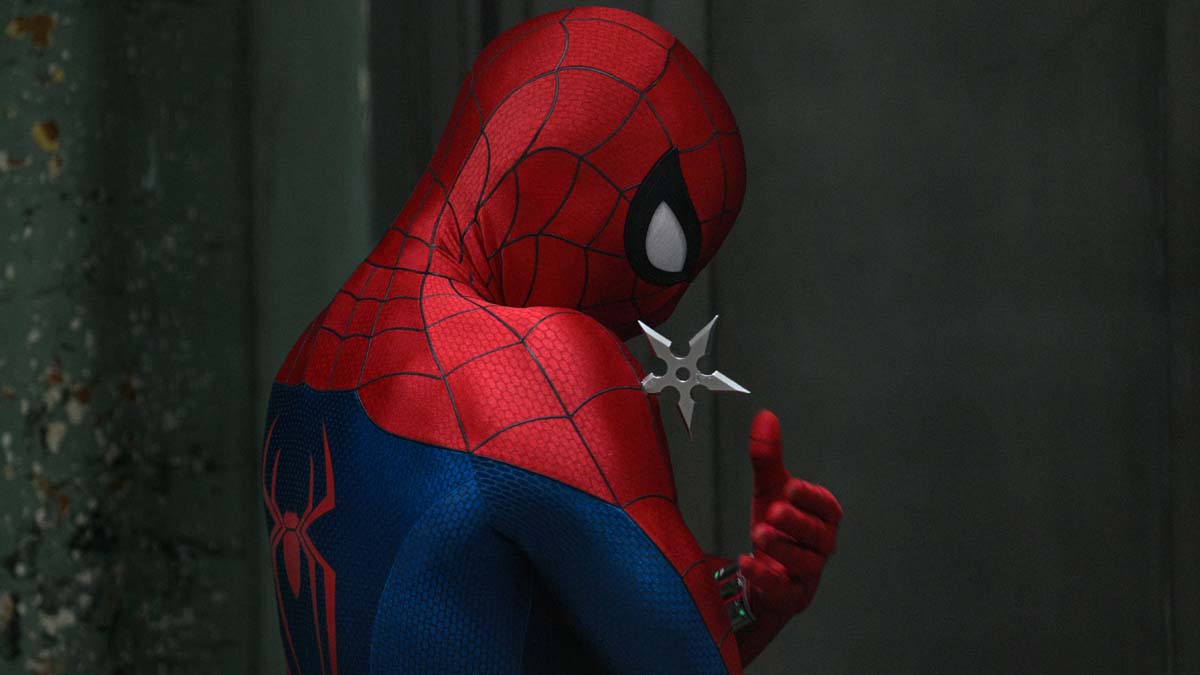
Sanders: And because of what Harry speaking to - especially as someone that came up in independent films and was not part of this world - there’s a sense of the editing on these Marvel films, that it’s somehow almost looked on as somewhat degraded or just not seen as an impressive editing job as other films.
Whereas I look at someone like what Jeff Ford does on the Marvel movies, and I know he’s doing so much more editing than on a small movie that might get a lot of prestige, but the editing actually wasn’t as complicated. You have to be a co-writer on these films, and you’re doing so much more storytelling work and problem-solving.
Sansom: I find it to be a very, very, very satisfying and exciting day at work every day because there’s so much more than just putting a scene together.
If your mindset is, “How do I fix this with what I have?” then you can get whatever you want, how do you switch between those two things?
Yoon: I think your mindset is still the same. Your mindset is, what should this scene do? The larger mindset is what does the director or what does the key creative or what does the movie want to do?
What does the director want the movie to do? What should the sequence do? What should this scene do within the course of that larger goal? How do we use the tools that we have to get the scene to do what we want it to do?
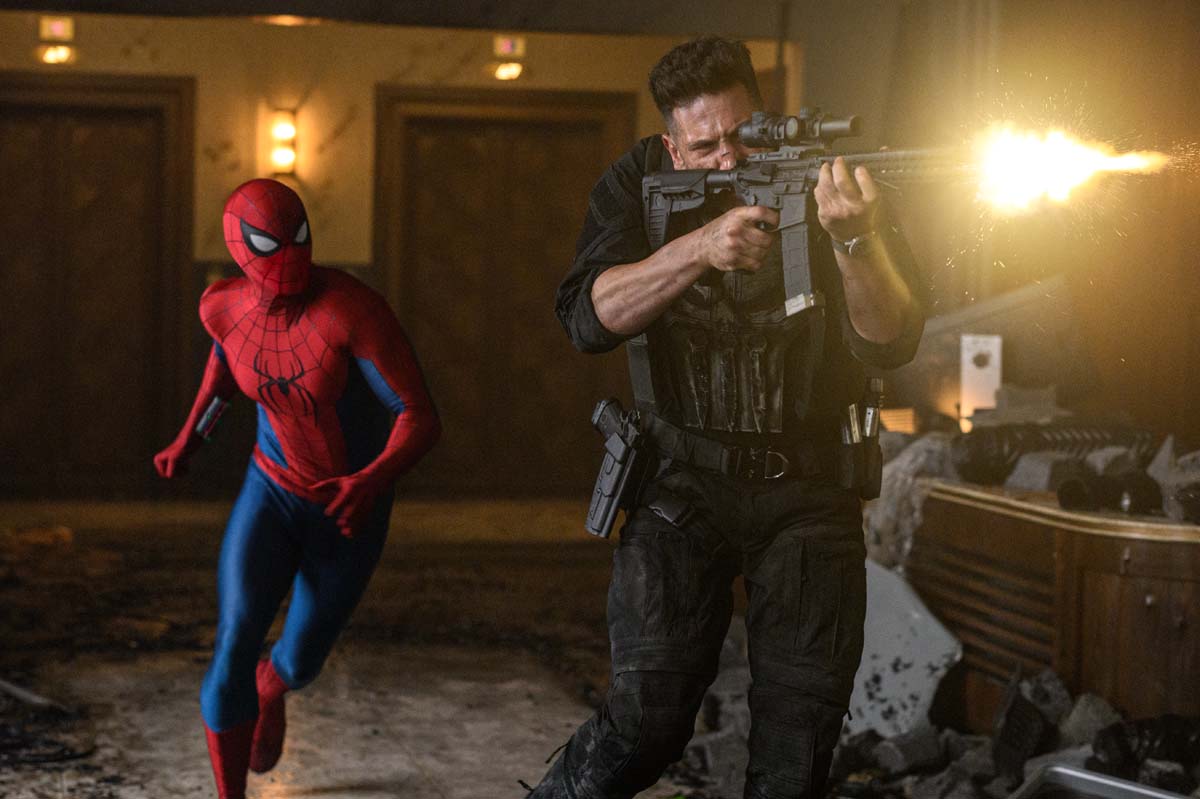
I think on an indie film and with a limited budget, you beg, borrow or steal, you have to sort of use the resources that you have, so you look for those really, creative or out-of-the-box solutions like a flashback that was never intended to be or a cutaway that was never intended to be used in that way, or an outtake or B-roll or whatever it is you scrounge, but here you now have more of a blank slate, but your intent is always the same.
You just have more resources. It’s not like your intent changes. You just now have more tools to get at that intent.
There’s got to be a huge amount of organization in the timeline for VFX and plates and all that stuff. Do the assistants hide that stuff from you somehow, or are you constantly having to carry all these layers?
Sansom: I think we ended up with 12 video tracks and 20 audio tracks. The first four for dialogue. When we started out, this was a question I had for Nat: if we wanted to have all of the respective elements and the plate - then stacked on top of that, if we wanted to have the postvis that was coming in.
We landed on that we would have our plates, then on top of that, we would have our versions of postvis, then as vendor shots started coming in we would have those shots as well.
So at any stage, if we were asked to see what it used to look like, we could just lower the tracks to reveal prior versions.
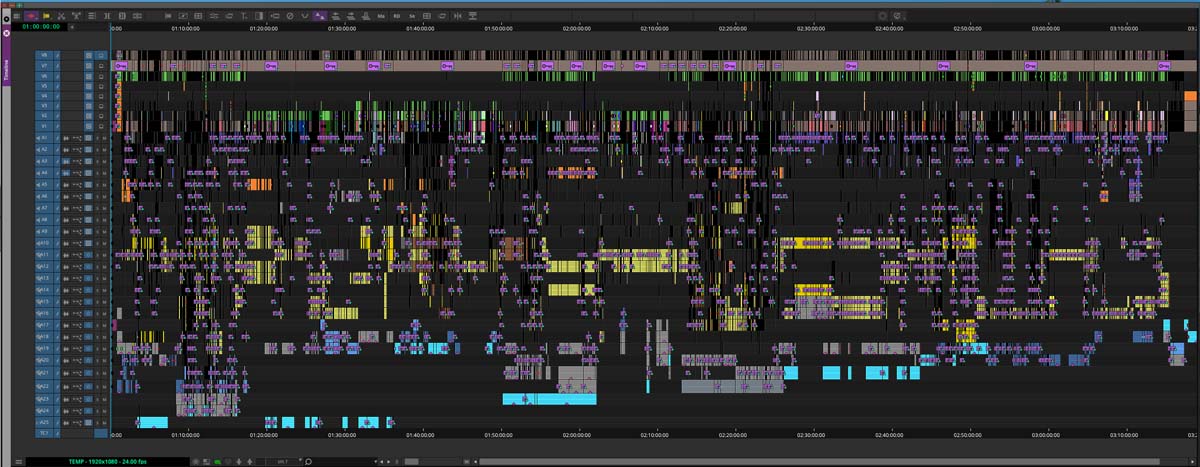
Yoon: I think each of us had slightly different flavors of how we stacked the management of the comps that were coming in video-wise. There were some larger rules as far as what some of the higher tracks were going to be, like where is the matte layer, where are the title layers and things like that.
But as far as how we started to manage comps and postvis below that, where the main hero plate layers were and stuff, because we were pretty consistent about which sequences and which reels, we were working on, that was very good because then we had consistent communication and consistent commentary with the vendors that we were commenting on those sequences with.
We tended to have slightly different flavors of what layers we were keeping. So: how many comps high, whether we were going to collapse those comps, things like that, how many variations of things that we were keeping and things like that.
We were actually very consistent with our audio tracks, what those audio tracks were across the board. It’s a testament to how relaxed we are in talking about this stuff, of how well managed all of the organization was for a project this complex with a deadline that was this and possible.
When these guys came back from the UK in December, we had a release date that was only six months away, which is insanity - a global release date! We were in Director’s cut, I think, in January, which is again, insane. It’s a testament to how incredible our team was.
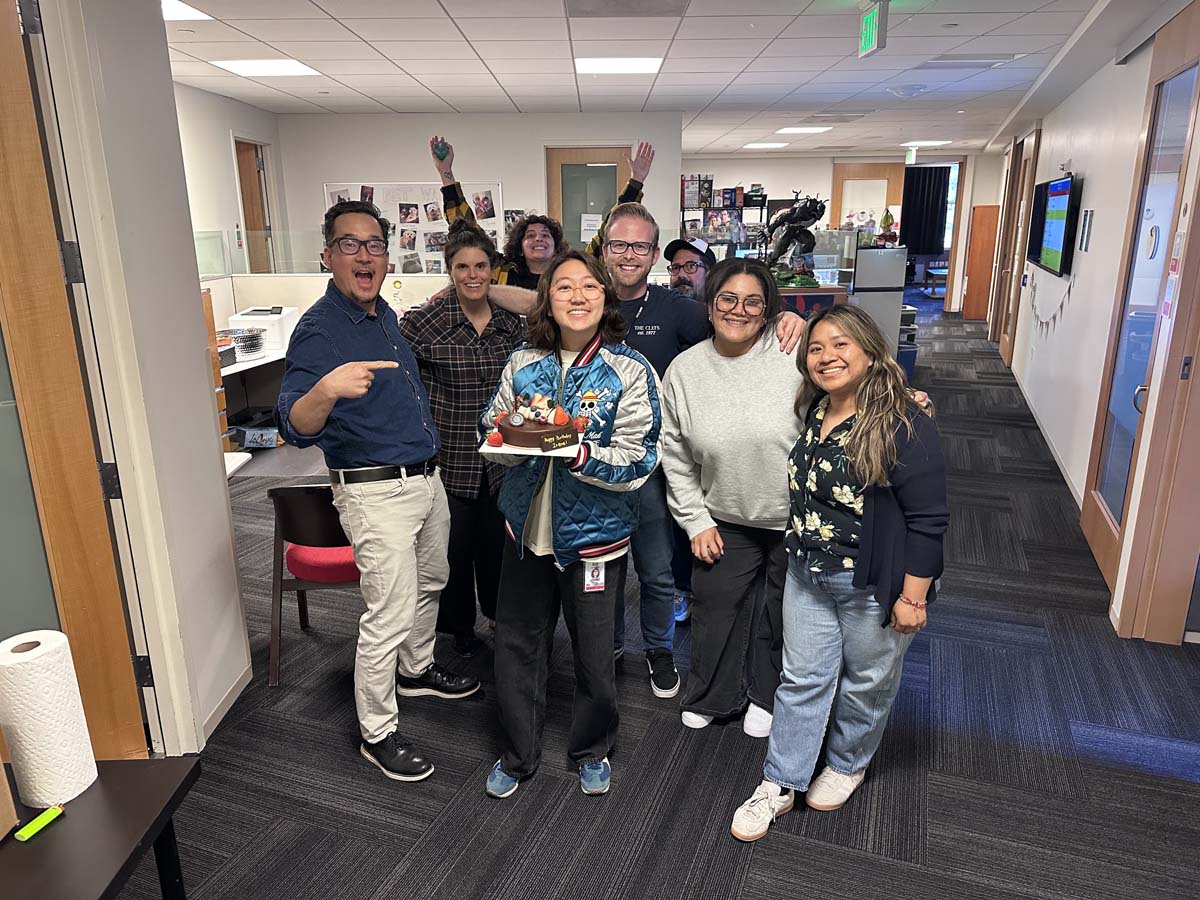
It was led by our first assistants, Leslie Webb and Irene Chun and Kevin Hickman, then Kevin Hickman went on to edit a feature himself. He was replaced by Rob Molina, then they were supported by our incredible seconds, Tiago Barros and Kristen Darrella and our amazing, apprentice, Jolie McCauley. Jolie, incidentally, was our PA on *Thunderbolts, so she made apprentice this year.
Sansom: She’s going to be running LA in about ten years.
Yoon: Guaranteed. We just had literally the Avengers of editorial on our team and everybody worked insanely hard and it was just such a well-oiled machine and everybody had so much fun. We would watch the World Cup together, and there was a ping pong tournament which, incidentally, Nat Sanders won.
It was so much fun, even though it was an impossible deadline. It’s just a testament to how good everybody was that we not only made that deadline, but we made it having a lot of fun together.
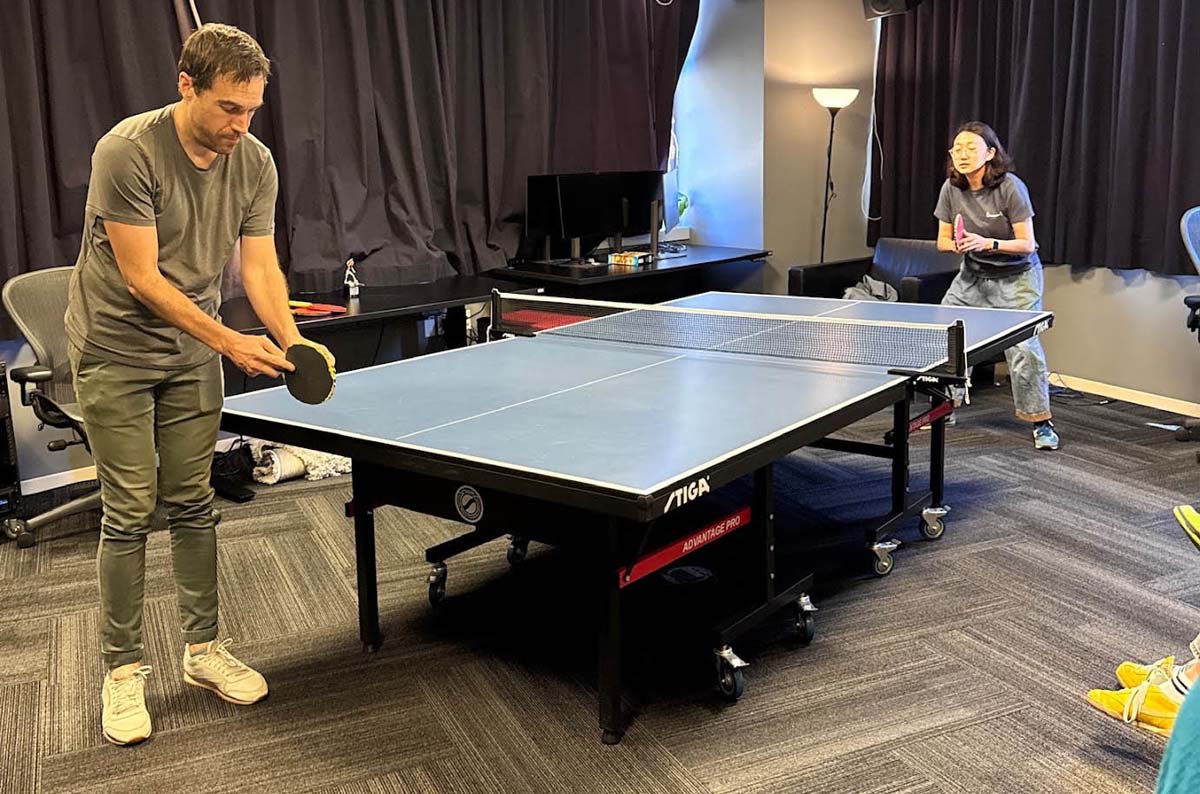
Nat Sanders, if Marty Supreme met Spider-Man
Sansom: If we’re discussing organization of our timeline, we had four VFX editors who, every morning, would cut in the new postvis and all the new shots of the day, make sure all of the organization of every shot - every shot that has any kind of effect work to be done has a name and ID, and making sure that nothing had slipped in any way, shape, or form.
Casto Saric, Bob Drwila, Michael Fendick and Tyler Whitman were instrumental and so crucial for us to be able to stay organized and get this film put together in a timely post schedule.
Sanders: The whole team was so instrumental in getting us there with our post supervisor, Andrew Ross, our post coordinator, McKenzie Mosley and our PAs, Fletcher Williams and Teresa Juarez.
We had many, many, many nights till midnight, 1 a.m. 2 a.m. Everyone really went to the limit but we tried to have a good time while we were in war together.
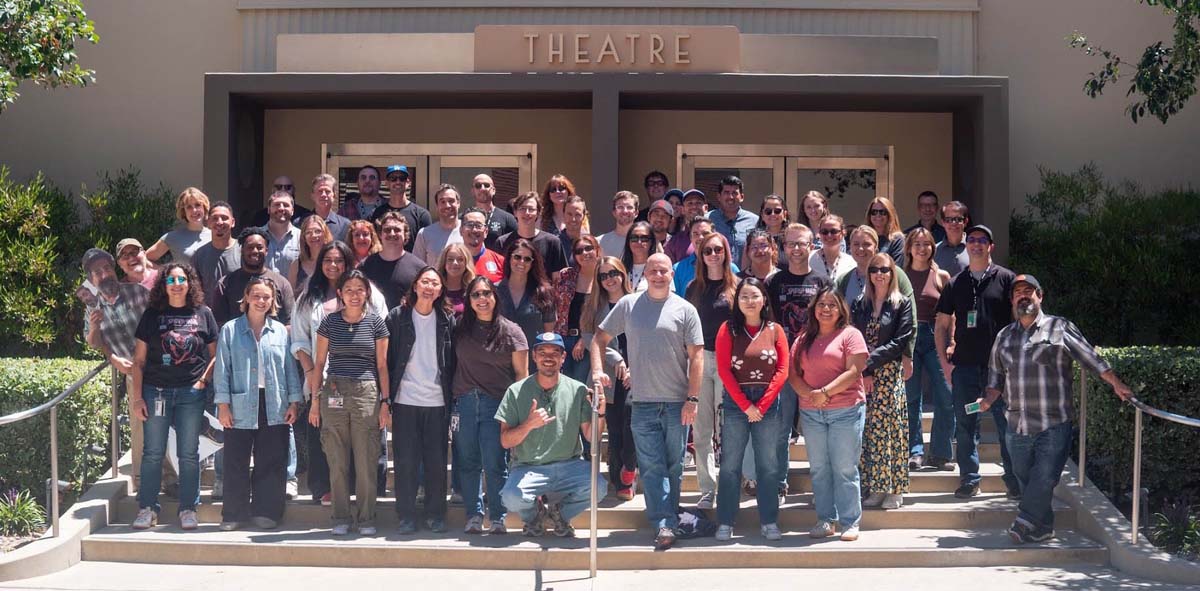
Circling back really quickly to our firsts - Leslie and Irene and Kevin and Rob - were so instrumental in our sound work on this film as well, because our sound team, our mixers and our sound designers are incredible, but we don’t get access to them until a little bit later in the process, and obviously we need to test the movie and even when we’re showing the director, you need to feel the way it’s supposed to feel, so we need so much sound work, especially on the action sequences, as you can imagine.
I personally enjoy doing sound work, but on these there’s so much else to do that there’s just no time to go searching through the sound effects libraries for individual sounds, especially when you have to layer five of them it to get the right sound for this moment.
So our firsts basically took the ball and did the entire preliminary sound design without a ton of input from us. We’d give some notes and have some back and forth, but for the most part, they took the ball and ran with it.
Kevin Hickman – Gina’s first for a lot of the process - layered multiple tracks to make up the sound for what the body hopping would sound like, and it was so effective. That became pretty clear to us early in the process.
We didn’t need to do anything else between what the actors were doing and his sound work. Because we were experimenting: do we need to see visually the spirit - her presence going from body to body?
There were some tests done, but between what happened on set and the temp sound work that Kevin did, it was very clear that we didn’t need to do anything else.
Sansom: There was so much creative work in sound design. Sound is my weakest department to try and work on, so for the scorpion fight, I asked him to kind of run with it.
With very little input he was able to put together: what does a scorpion’s mechanical tail sound like? It’s a huge amount of creative thinking that first assistant editors do when it comes to sound design, so I thank them for that.
Yoon: Before we give our assistants too much credit for the sound design, I definitely want to make sure that Jack Whitaker and Katie Wood, our sound supervisors get credit where credit is due for the final sound design.
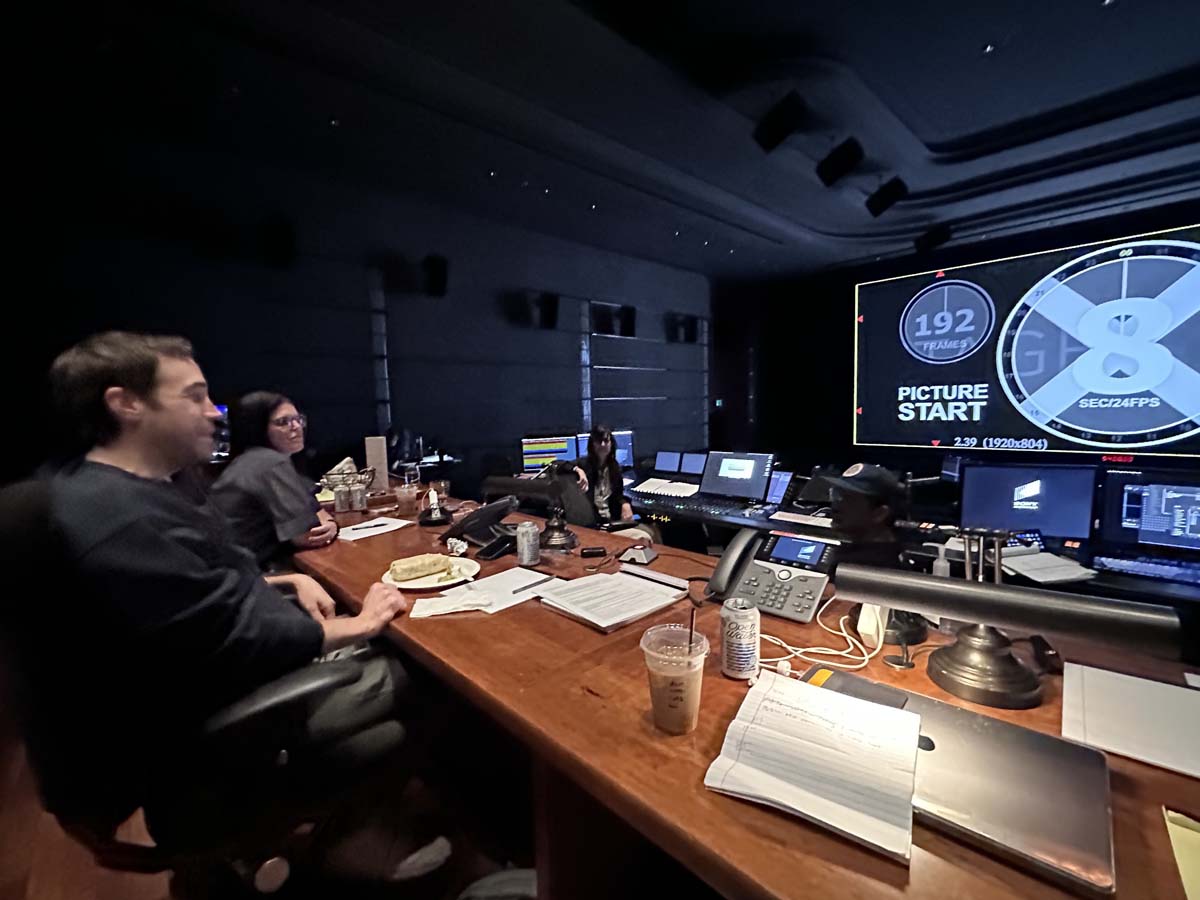
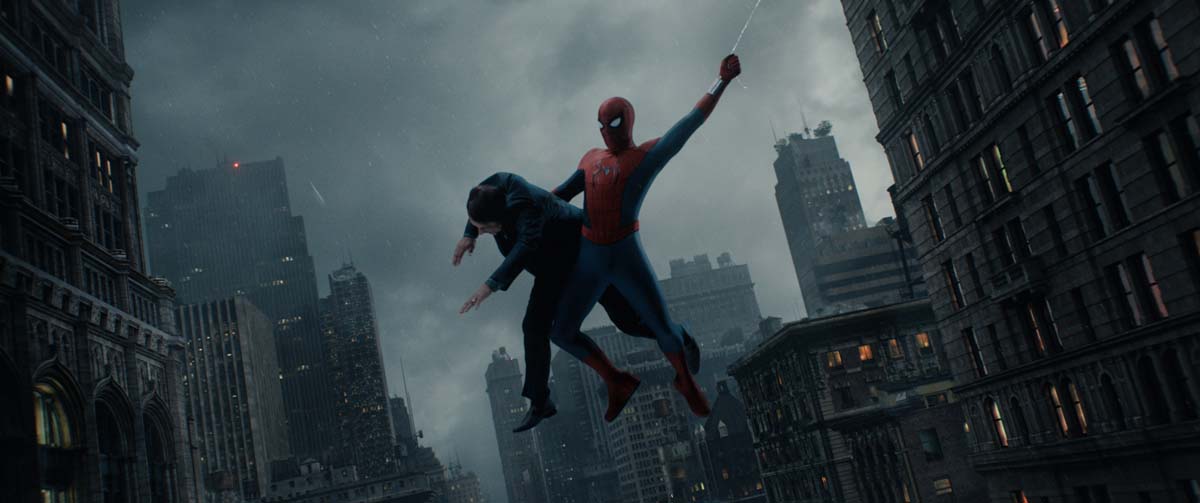
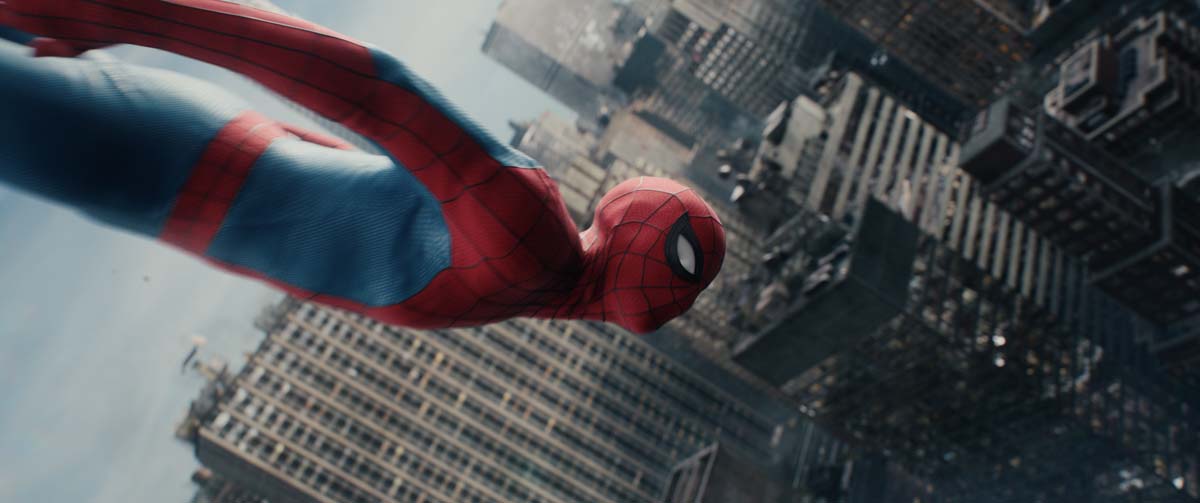
I want to relate like one awesome story of them playing the sound design of that first jump when Peter puts on his mask and he jumps down off of the building for the first time and he’s flying a hundred stories from the top of the building, and he’s swinging through Manhattan before he heads to the tank chase.
I still remember - the hairs are going up on my arm right now remembering what that was like for the three of us and Destin to be in the room hearing that for the first time. It felt like we were flying through Manhattan with him, and that was before any of Michael Giacchino’s amazing score was there.
It left such an impression on us that when we were in the final mix and everything was mixed together, we missed it so much that we said, “Can we go back to some of that and take out some of the music so that the audience could experience what we experienced?” That’s what we ended up doing.
That’s what’s in the final movie. That’s how impactful that sound design was for us, because we wanted the audience to feel what Peter was feeling in that moment, to hear the sound of the web as it’s stretching from the top of that building - to hear what it sounds like when his web is stretching over 30 stories, so that you hear all of those sounds the way that Spider-Man would as he’s swinging through the city.
They did such an incredible job of making it this feeling of subjectivity as he’s swinging through it. I think it’s a unique experience - where they landed, ultimately - that sound design ended up as the next evolution forward in creating something really subjective and really immersive. Kudos to our overall sound team and our incredible mixers too on this.
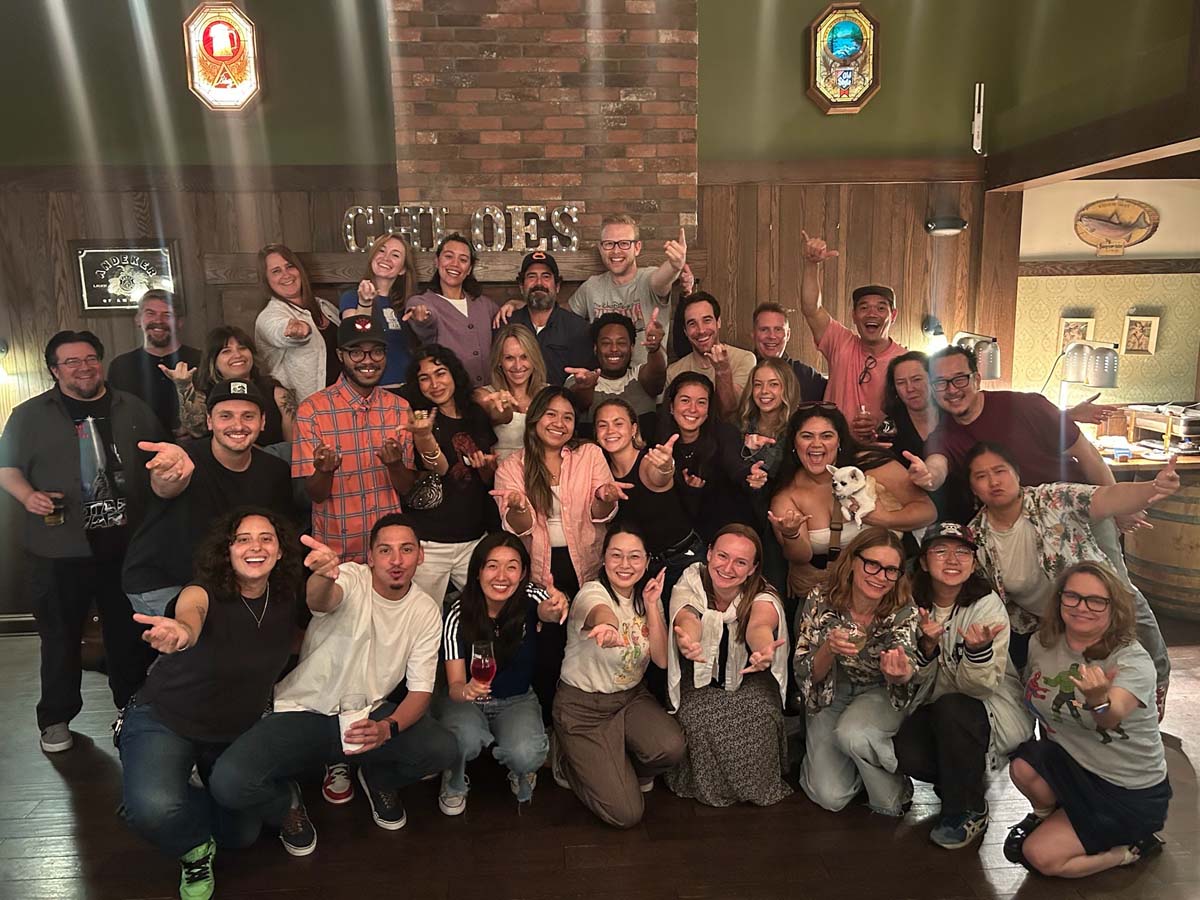
Finally - I wish we could name our whole crew - but Alex Levy and Paul Apelgren, our music editors shaped and guided the whole process and temped us through all those friends and family. We really could not have gone through our editorial process without our incredible music editors.
We could not have made it through without our all of those people in our incredible group.
Do we need to credit anyone on Nat Sanders’ ping pong coaching or training team?
Sansom: Just his mom and dad…
Sanders: If I wasn’t so self-taught, I would love to give credit to someone else, but I really have.
Yoon: Just pure talent and will.
Sanders: Harry’s right. The competitiveness and the will to win.
Yoon: It really was Marty Supreme meets Spider-Man.
Sansom: He only would play with orange balls.
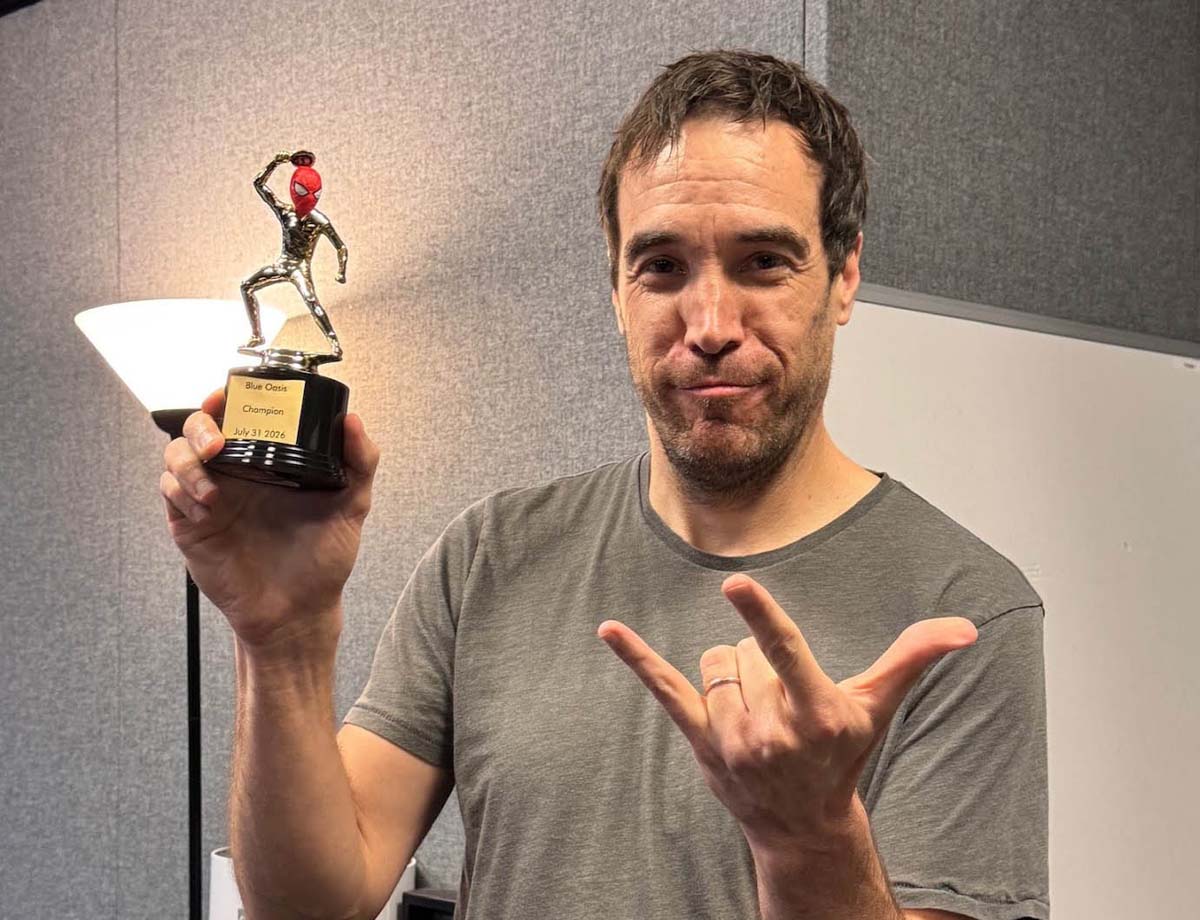
Is web-slinging in a ping-pong game even legal?
There’s a big MJ-Peter scene where they’re revealing some personal stuff. My recollection of it was that there was no music and - probably other than some ambiance - no sound effects until the very end. What kind of discussion is there around a scene like that that about whether it should play dry.
Sansom: You’re talking about “Below Deck” when Peter comes back after the Hulk fight? I think that’s trial and error. What do you think, Harry? That was your scene.
Yoon: I think so much of what makes this movie work so well is contrast both within a scene and between scenes. The principle of contrast is what I think the audience is experiencing.
There’s such a density of experience in something as amazing and with the sensory overload as the Hulk fight, then you have something so quiet and so intimate as that “Below Decks” scene. You keep experiencing those contrasts in the film and they magnify one another.
Destin, as somebody who is not only directing your eye but directing your experience, instinctually understood not to push too hard one way or the other, but also to juxtapose those contrasts so that you’re really leaning in, in that moment into the quiet of it, into the intimacy of it and realizing you don’t need anything else, and actually, the quiet is the thing that is allowing you to really lean into what Peter is experiencing in that moment.
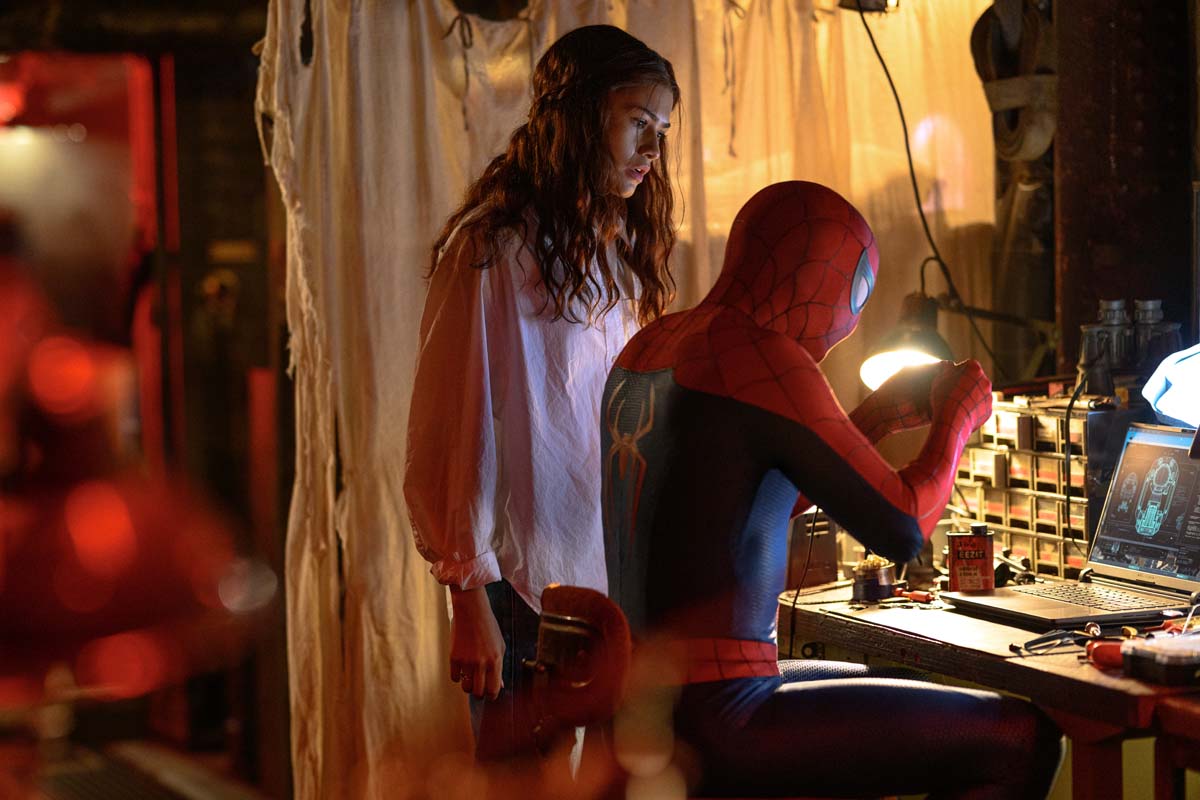
Even after that, the shot where they’re swinging through, how simple that next scene is, where it’s just two very simple shots, Peter’s processing what’s going on, and then MJ is processing what just happened as well. He’s extending that experience with how quiet that series of scenes is.
Until you’re ready to get back into the film. It’s those moments of contrast between movement, speed, sound and things like that that I think Destin was really good about calibrating for the audience.
Another good example is the loudness of everything that’s happening with Jean later, where there’s this huge explosion as she experiences anger and rage, and you see it happening at the level of a city.
Then we contrast that right away with this hush - a moment of pure quiet as she mourns for a moment, then we contrast that again when we get back into the action. It’s those sort of contrasts - almost like movements of a symphony. It’s a very directed experience.
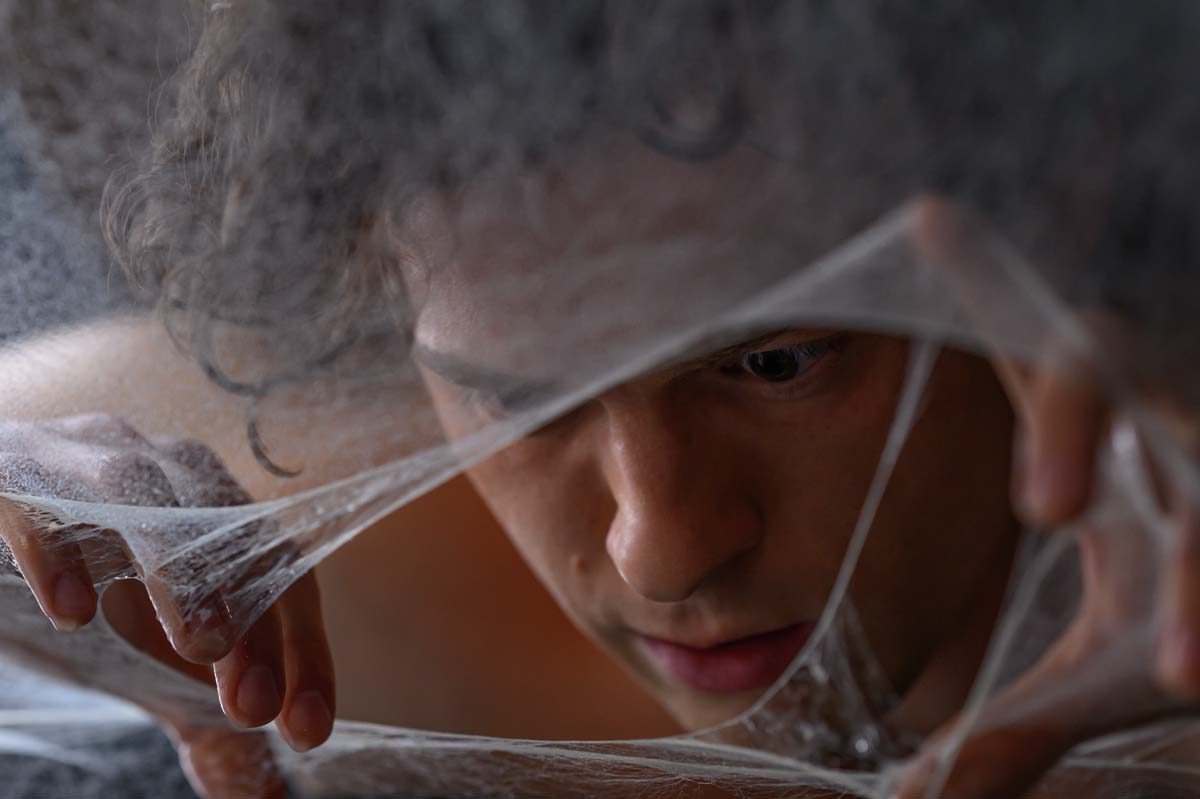
What about the denouement? You’ve got this big climax and you need to let the audience sit with it. You need that moment for the audience to kind of come down from that. What are the conversations about how long that denouement lasts? And how much did it accordion back and forth as you were either testing or trying to decide – with the director and the other editors - how long to go?
Yoon: That’s where the testing process really comes into play. A lot of it is really finding out from people: what do you want to know? How much do you want to know? And not giving people too much information.
You don’t want to give people so much information about what’s going to happen to everybody, but you also don’t want to leave people feeling completely dissatisfied as far as what’s going to happen to everybody.
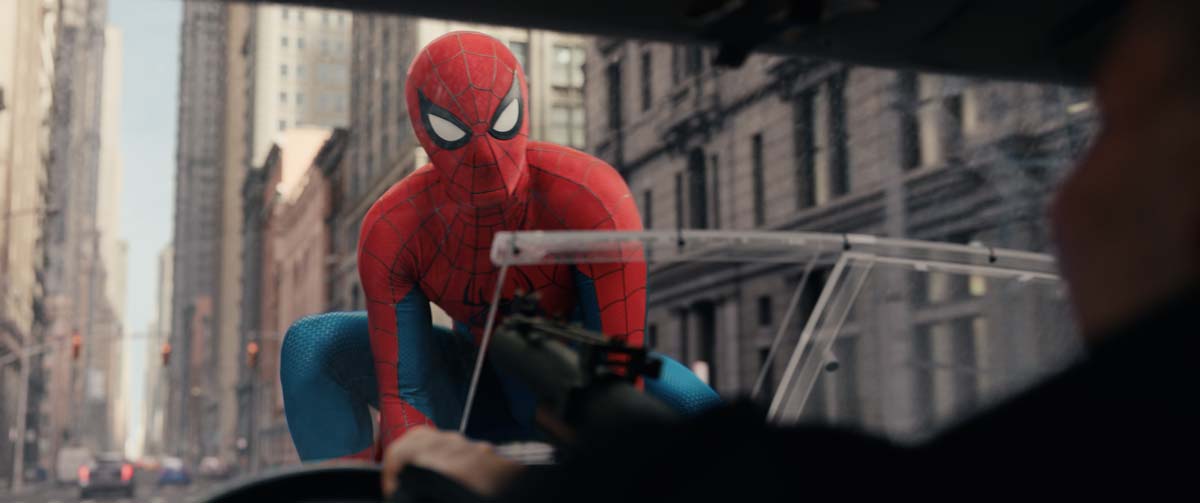
There was a moment where we didn’t necessarily see what was going to happen to MJ, but people were saying, “What do you mean, we don’t see her again!?” It was so frustrating for people. So we needed to see a beat with her and to see what she was thinking about.
That was part of a beat we covered with additional photography. I think a lot of that was calibrating, checking, calibrating, checking. I think that’s definitely something that you check over time.
Speaking of the end of the film, I think the thing that I’m so impressed with was Destin’s instinct for even something like what the main title looks like. It’s such an interesting choice to me, because so many main titles are things that almost wipe the slate clean to say, “Okay, there was the movie and here’s something fun, here’s something totally different.”
What we see in our main title is almost something that says, “We’ve gone through such an emotional experience that might raise interesting emotions within you about feeling seen, about have you been lonely, about should you reach out to somebody if you have been lonely the way Peter does.”
One of the key lines that Destin said defined the arc of the film was - I’m paraphrasing here – “that I’ve decided not to do this alone anymore.” Peter says that at his Aunt’s May’s grave. That’s one of the lines which was an amazing ad lib by Tom Holland as they were shooting that scene. Destin said that unlocked his understanding of what the film should be about.
The audience really understands instinctively that that’s a very impactful thing for all of us who’ve watched the film to kind of sit with. And instead of erasing that in some ways with a really fun and inventive main title that says, “Okay, well, we’re moving on to something else” Destin decided to go with a main title that says, “Okay, now I’m going to hold up a mirror to you, the audience, and show you a portrait of New York City - not of superheroes, but of everyday life, of the city, of people, of people that might be you. It’s such an interesting and unusual move.
Our audience is getting that assignment. What you’re seeing all over social media are people recreating that new title with their own city. They’re taking the Steve Lacy song - which is an amazing song - and they’re cutting that same main title with Chicago and Los Angeles - and not only cities within the US, but with Mumbai, with Taipei, with Seoul - with whatever cities and some sometimes smaller towns. They’re saying, “This is my city.
This is my experience. These are the people that live in my city.” I think there’s something about that Brand New Day experience that says, “This is my life, and these are the small things that make my life and my existence something that I’m looking at again with new eyes.
That’s one of the things that has been most rewarding to see: is that the film is having an emotional impact, not just that you can then think about as you leave the theater, but the audience is kind of carrying it with them into their lives. I think that’s really rare and something that’s very precious. It’s something to see as filmmakers.
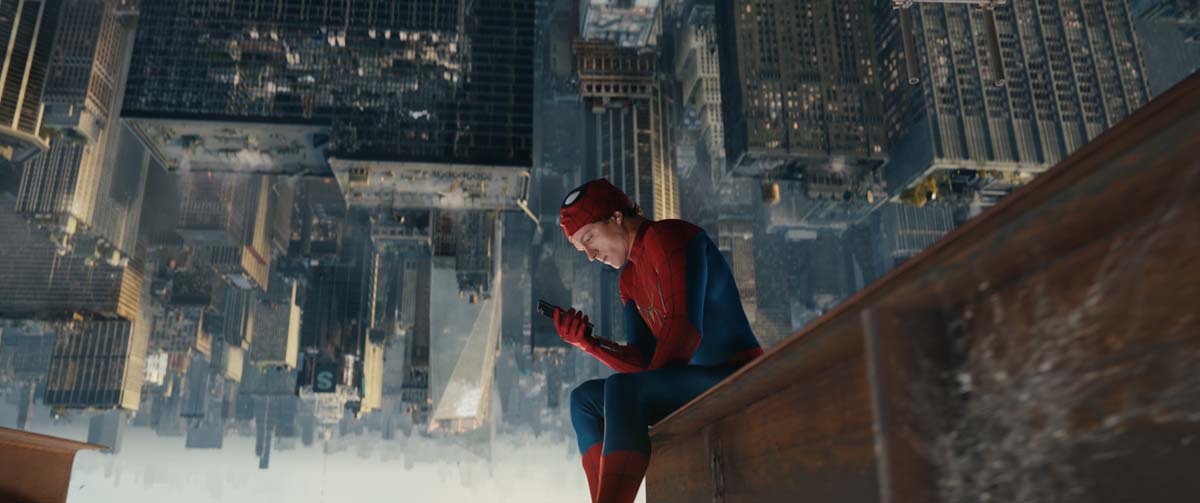
Sanders: I think the original idea was what would it feel like if you were a person in New York going about your day and Spider-Man swung by you. Then it was decided, “I don’t think we need the Spider-Man part.
And it sort of felt like it kind of turned into something even more beautiful, just a continuation of Peter choosing life and he’s choosing community, and we just show an embodiment of the community of New York and people going about their lives.
The combination of that and the song was really beautiful and so interesting to me having come from very small movies with Destin and that finding out on Shang-Chi just how well-suited he is to this world. I wouldn’t necessarily have thought for myself or for him that - coming from such small films - that his skill set would translate so well to this world.
There are many reasons for it, but one is that he just he never settles for pretty good or for decent. He’s always wanting to push it further and further and further, and it’s always coming from a place of what’s the best way to tell the story? What makes the most impact, storytelling wise, emotion wise?
Even with the opening Marvel card flip that happens in every Marvel movie, rather than just sticking with the standard version of what that would be, we were seeing, in some of our early previews, that some audience members that weren’t as well-versed on the homecoming trilogy of Tom Holland’s Spider-Man movies, they weren’t quite so clear on where we left off – that everyone’s memory was erased - and they didn’t know exactly where we were picking up from.
There are elements of that baked into the beginning with the love letter that he reads, but it still wasn’t enough for some viewers. Destin saw the opening Marvel card flip as an opportunity to tell that story a little bit, so he started working with the company that was doing that to tell the story.
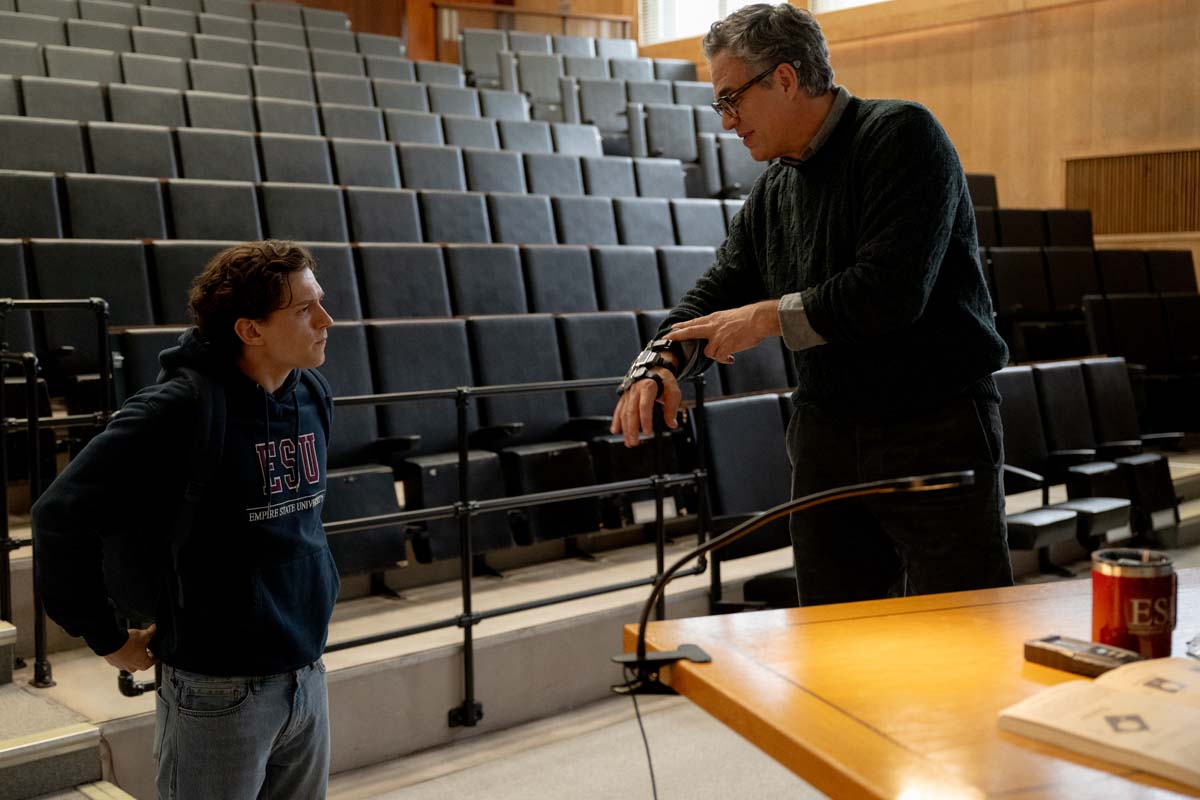
There are usually quotes at the beginning of Marvel movies. Destin changed those quotes to Peter saying, “Cast the spell” and Doctor Strange saying, “Everyone’s going to forget you.” And Peter said, “I know, just do it.”
Then we see the spell get cast, then as the Marvel logo comes up, there’s always images in those, and rather than just kind of having standard ones, he chose scenes from the past three Spider-Man films. Ind each one you see Peter disappearing.
Maybe it’s something you see more on the second viewing of the film, but it’s just another subtle way of Destin just saying, “How do we go further?” He’s always pushing and pushing and pushing for the best version.
Yoon: By the way, that main title is edited by longtime first assistant Irene Chun, as was the post-credits little bonus scene. So it’s kind of awesome to see her work being loved by millions of people around the world.

Thunderbolts post team photo
She was on *Thunderbolts**, right?
Yoon: Yeah, and actually started with me on Minari.
I want to ask you each of you to tell us about a scene - that either meant something to you, or was challenging or difficult - that you would like to tell us about the creative decisions and putting that scene together.
Sanders: The Hulk fight sequence was one of the things that I was on from start to finish, and it was really a fun challenge. That was one of those where - a month or more before shooting - I was starting to work with the previs team on cutting things down and working with Destin on shaping storytelling beats. I think our first version that we tested was around 15 minutes long and everything was there, but it was too much. It was too is bloated and it was overwhelming.

There were a lot of clarity questions about - spoiler alert - when Jean was inhabiting Hulk and being clear about what was happening. Destin and I really dove in and threw things out that we’d shot there a couple of scenes that we threw to the side and created new moments, simplified it, and just really tried to hammer in on making it clear what’s happening, running things through Jean. Does she have control of Hulk now?
Oh, he hit his head. She lost control. She’s getting him back. When you really hammer on clarity, it allows the audience to just enjoy it, not be thinking, “Wait, what was that?” And sort of having to take them out of it and then you have to get them back. Just really creating this smooth, seamless experience where they can just be in it and enjoy it.
Along with all that clarity, I think we also were tightening and tightening. We had whole other sequences that were very cool. Hulk at one point is drowning Peter, and he’s seems like he’s maybe going to succumb to it. Things were very cool, but it was it was too much.
So we just wanted to focus on streamlining everything, making it the most satisfying version. So we got down it to around 11 minutes.
I personally found on these movies that sometimes cutting down the action sequences is one of the biggest challenges on the movie, because all of it individually works, but how do you get a 15 minute sequence down to 11?
A lot of times, things were happening in one room, but you want to lose this whole sequence, but how do I get them over to this other area? There’s a lot of nuance and dance that goes along with that, so I feel proud of where we landed.
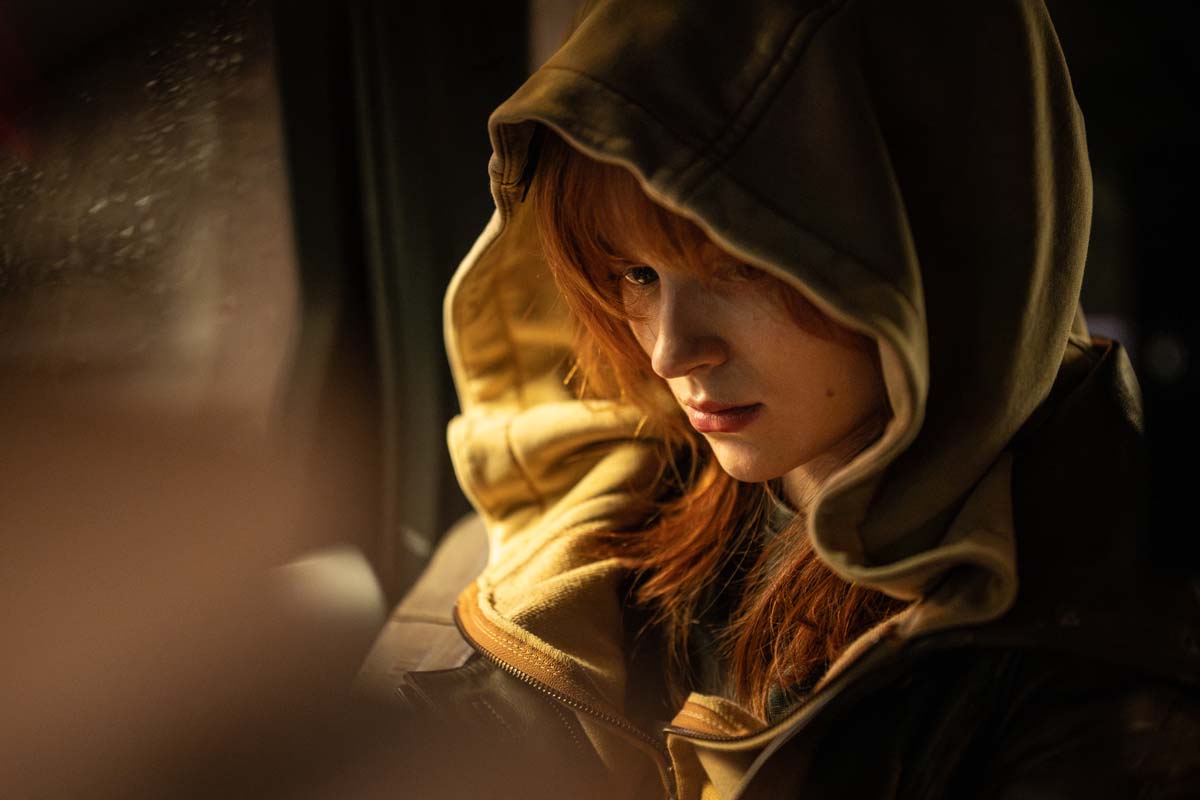
Yoon: I think for me, it’s probably when Jean Gray’s in the containment room all the way up to the Vmax reveal.
This is a big spoiler alert, but I think the challenge in working on that scene was who that character is. It’s such a big moment for the character, and because so much of what has to happen is an external representation of what’s going on for her - both emotionally and so internal for her - and that has to be made external.
We have to show that her powers are shifting, but we have to show that what she’s understanding is shifting as well.
As she comes to understand what happened to her sister and how it’s landing on her, so we have to lead up to the significance of that moment and how it really lands in a very significant way for her.
It has to feel dramatic enough and impactful enough where it really, really lands for her and the absurdity of it lands for her, because that’s what we’ve been leading up to.
To try to do that with sound and with a cutting pattern, and in a way that feels dramatically weighty was one of the biggest challenges, while also having that machine makes sense.
What is that machine doing? Is it triggering these things? What is it measuring? And coming up with the language of what that machine is doing without over explaining something that is pretty complex, and having it feel dynamic was one of the biggest challenges, and determining what the screen was doing, how much explanation to have, and also to make it not look like we’re torturing somebody too much. That was definitely one of the concerns, so balancing all of those considerations.
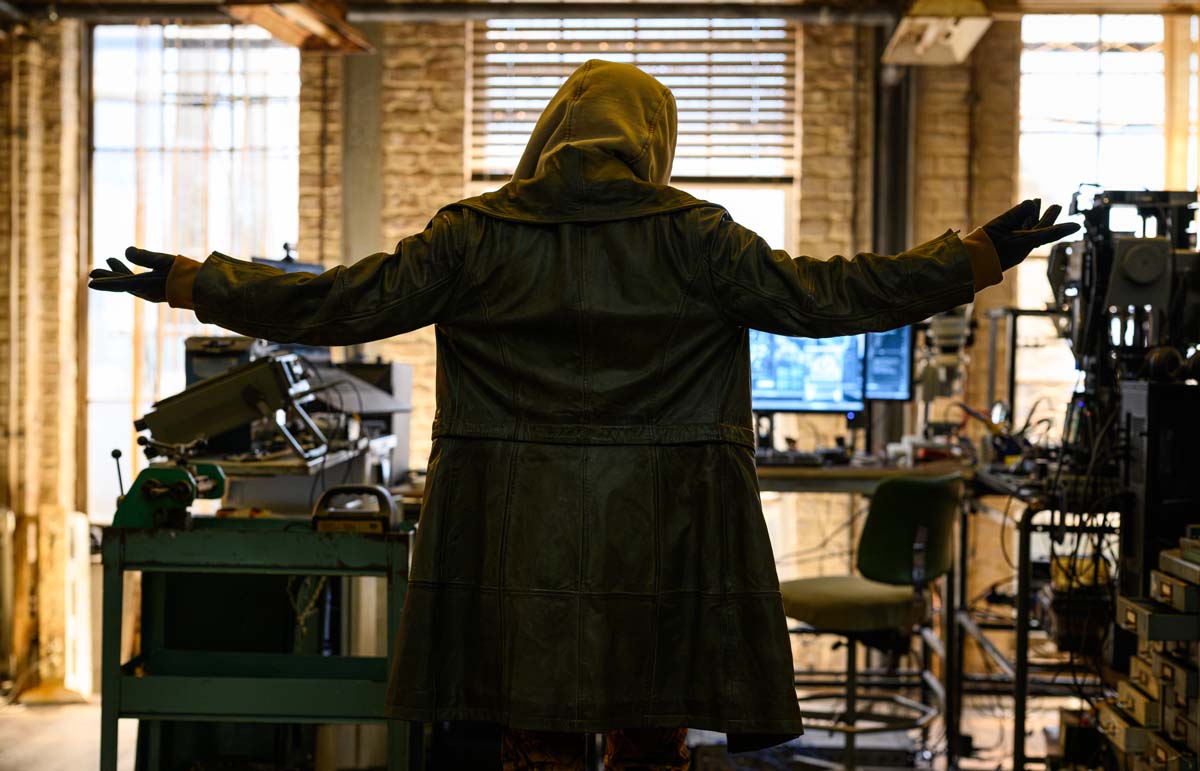
As with all editing, doing just enough and no more, was one of the big challenges. And I think we found the right balance of everything. Most importantly, to make it feel emotional and to really highlight what I think is a really, really beautiful performance by Sadie Sink in that moment.
Sansom: What’s most important to me and what I’m most proud of, actually, was when we were still in London and in production. This whole film was a marathon and a sprint, and I remember in production we were taking previs and Nat and I were trying to think through and help production and Destin think through the beats to shoot. It’s very satisfying to see the finished product and know what Nat and I were trying to come up with.
Anything that might - down the road - be a question for a viewer. Does this make sense? How can we make this more dynamic or entertaining? Any kind of pitches of ideas to suggest to Destin. The ones that made it in and were helpful, I find very satisfying.
For me, this was my first film, and that’s an aspect of filmmaking and production that I hadn’t been exposed to before. So it was really wonderful to learn from that about that phase of - when you’re on a feature versus television.
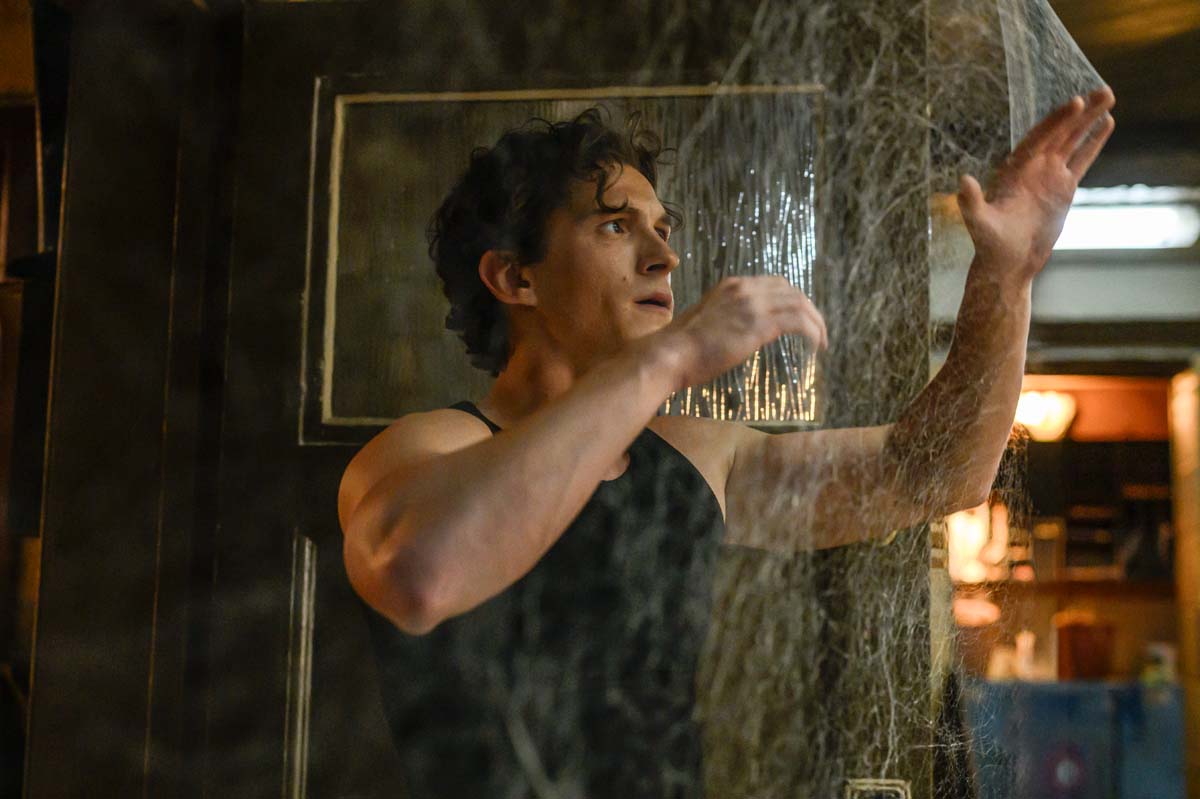
What actually made it into the final film that I think was a challenging moment that I worked on - though it probably doesn’t seem like it’d be that challenging when it’s all said and done – was trying to figure out the on-screen and imagery for what is going on with Peter after he falls out of the cocoon.
The next morning, he’s in his apartment putting on his web shooters, talking to EV - his AI. It goes by fairly quickly, and it doesn’t seem like it would be all that hard to articulate, but we really went through a lot of versions.
Destin and Harry and Nat and I tried to think through what sounds real without being too heady about hormones and getting too into the weeds, so it’s universally understandable about something that isn’t possible - which is a spider’s arachnid DNA in a human - and how do we make this sound real without being too complex? Something we can quickly digest.
What kind of visuals would we see on his computer? That was a lot of back and forth and trying to figure out, so I’m proud of that because it was hard.
Yoon: And you came up with such an elegant solution. And it’s funny. Always, the best solutions are simple. They’re elegant.
Sansom: It was a long walk to get to that simple of a scene.
I loved chatting with all three of you. Thank you so much. Congratulations on the success of this huge film. Thank you.
Yoon: Thanks, Steve.
Sansom: Thank you very much for having us.
Sanders: Yeah thank you Steve. I’ve told you before, as an editor yourself, you ask really wise and insightful questions about editing.
Yoon: It was awesome. Super fun, Steve. Thank you.
 October 5, 2026
The Whisper Man
Chris has been on Art of the Cut before for The Menu, The Many Saints of Newark, A Quiet Place, and Assassin’s Creed. He has ...
Read more September 23, 2026
Sean Combs: The Reckoning
Charles Divak has been on Art of the Cut in the past for Chimp Crazy, for which he was nominated for an Emmy and won ...
Read more September 3, 2026
The Dog Stars
There's nothing like The Dog Stars in his filmography. That's a testament to him - that he is constantly interested in different stories and different ...
Read more
Subscribe to our newsletter
Get all the latest news, blog posts and product updates from Boris FX, delivered directly to your inbox.
Welcome!
Thanks for opting-in to our newsletter. You'll receive an email momentarily with your confirmation.