













Shrinking
Two editors of Apple TV’s hit show, Shrinking, detail the keys to editing comedy, how to support character development through editing, and the importance of mentorship with assistant editors.


Today on Art of the Cut, we speak with two of the editors of Apple TV’s Shrinking – James Refroe, who is also an associate producer on the show, and Sarah Lucky.
Sarah has also edited Scrubs, I Love That for You, Senior Year, and Grace and Frankie.
James has also edited Abbott Elementary, Bad Monkey, Superstore, Uncle Buck, and The Muppets.
Sarah and James, welcome to Art of the Cut. It’s so nice to have you on the show and to talk about Shrinking.
I interviewed a soap opera editor who revealed that the tip to end a scene is to end on a look, like “Who farted?” Obviously, that’s not Shrinking. Shrinking doesn’t end scenes holding on looks. In this show the transitions are very crisp. Talk to me about the pace and how it relates to the feel of the show.
Lucky: Bill Lawrence is great at setting pace, keeping it moving and getting rid of stuff that is unnecessary, so I think that comes from his camp and his mindset on his shows. We usually end up on a joke instead of just a look.
Renfroe: He has like 500,000 hours between Scrubs and Spin City and all of the other shows that he’s done, so he’s got a really strong awareness of what used to be a network pace and and how important each frame is.
When we’re going through our edits - I’m not going to diagnose him with A.D.D. - but when it comes to the rhythm of the show, it’s: “What’s the information? What’s the information, what’s the information? What’s the information?”
We’re like a conveyor belt for information, whether that’s drama or comedy. When you get to the end of the scenes, if somebody’s sort of just hanging there, Bill’s impulse is: “Why are we just hanging here?” So if it’s a line, it’s probably a joke, to let us leave on lighter terms.
We try to bury some of the emotion deeper into the scenes - in the middle of the scene - so that you can sort of come in hot, go down, and then come back out, ready for the next scene. Sometimes we’ll end the scene on some drama or something, but even then we try to undercut it a little bit with comedy.
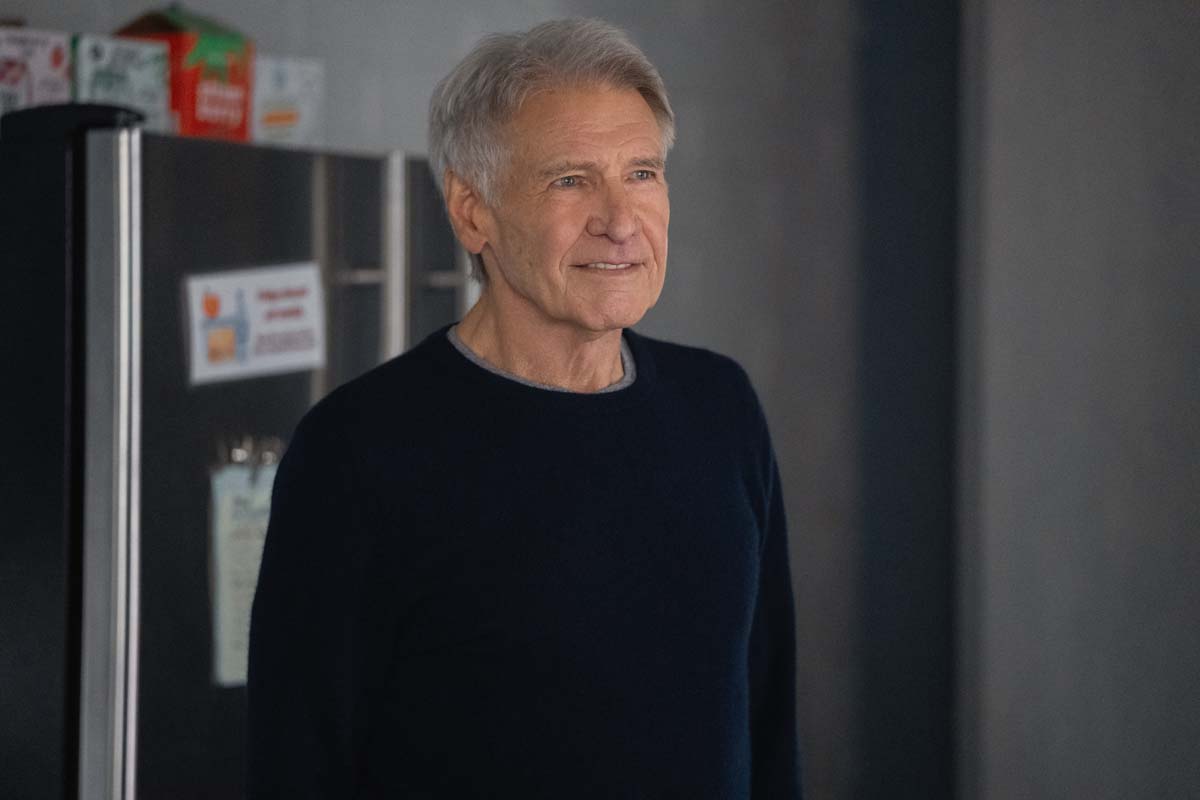
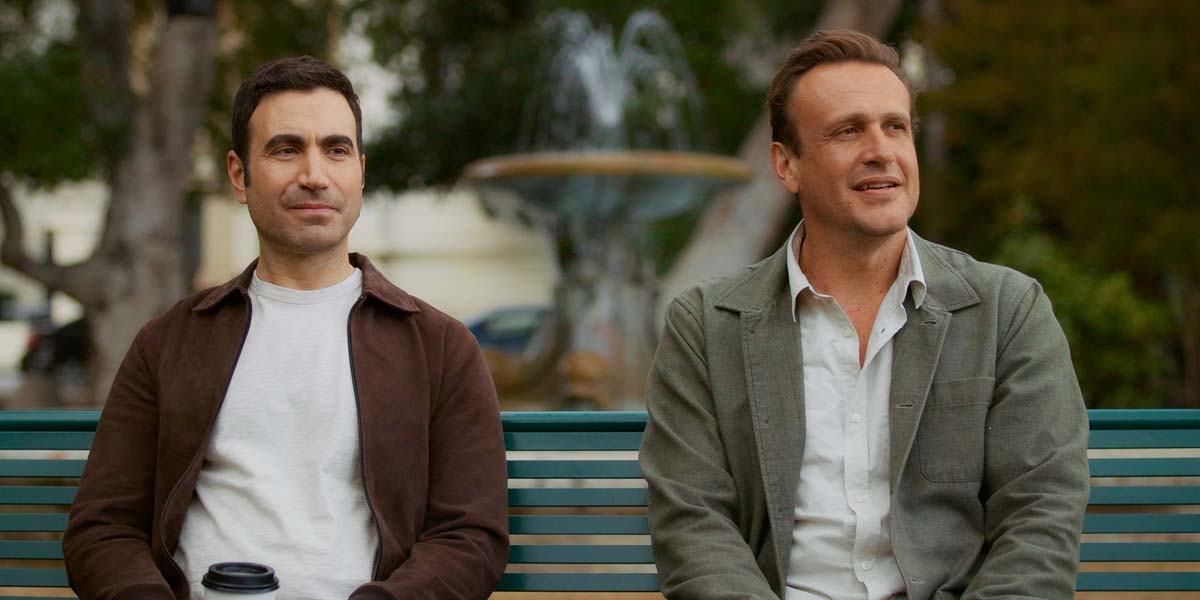
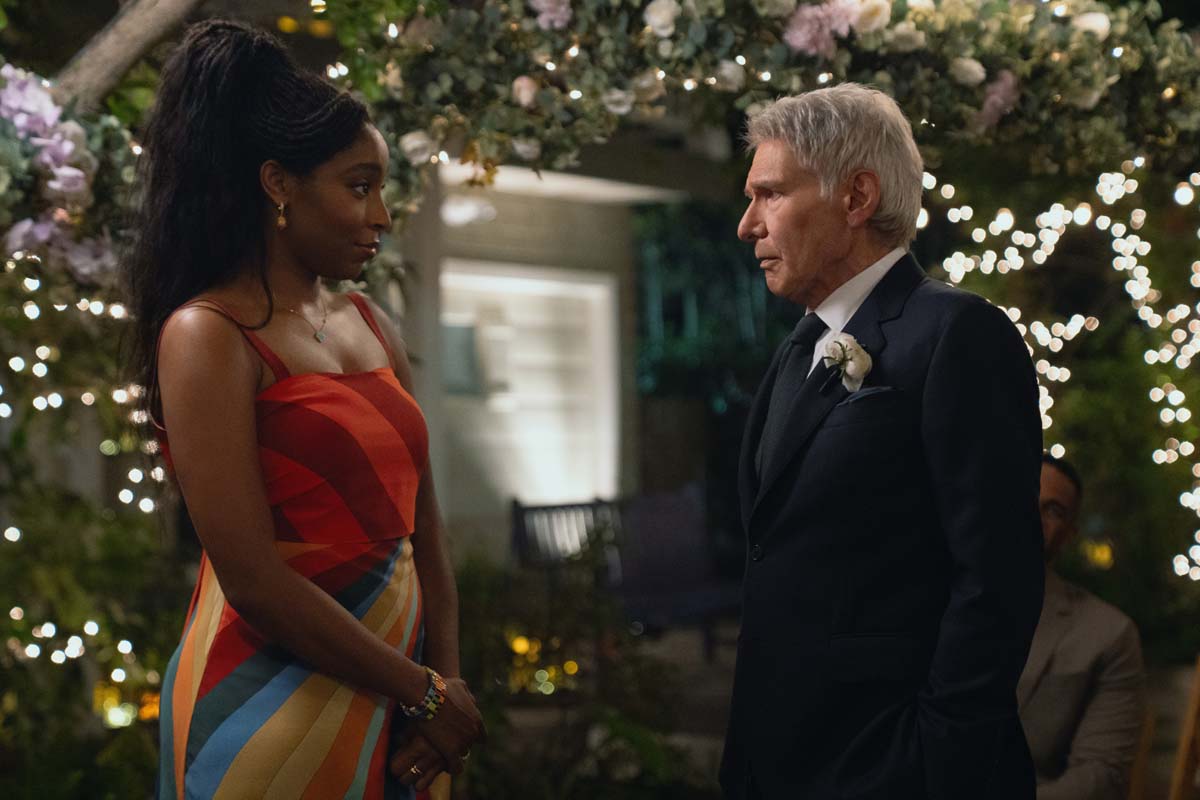
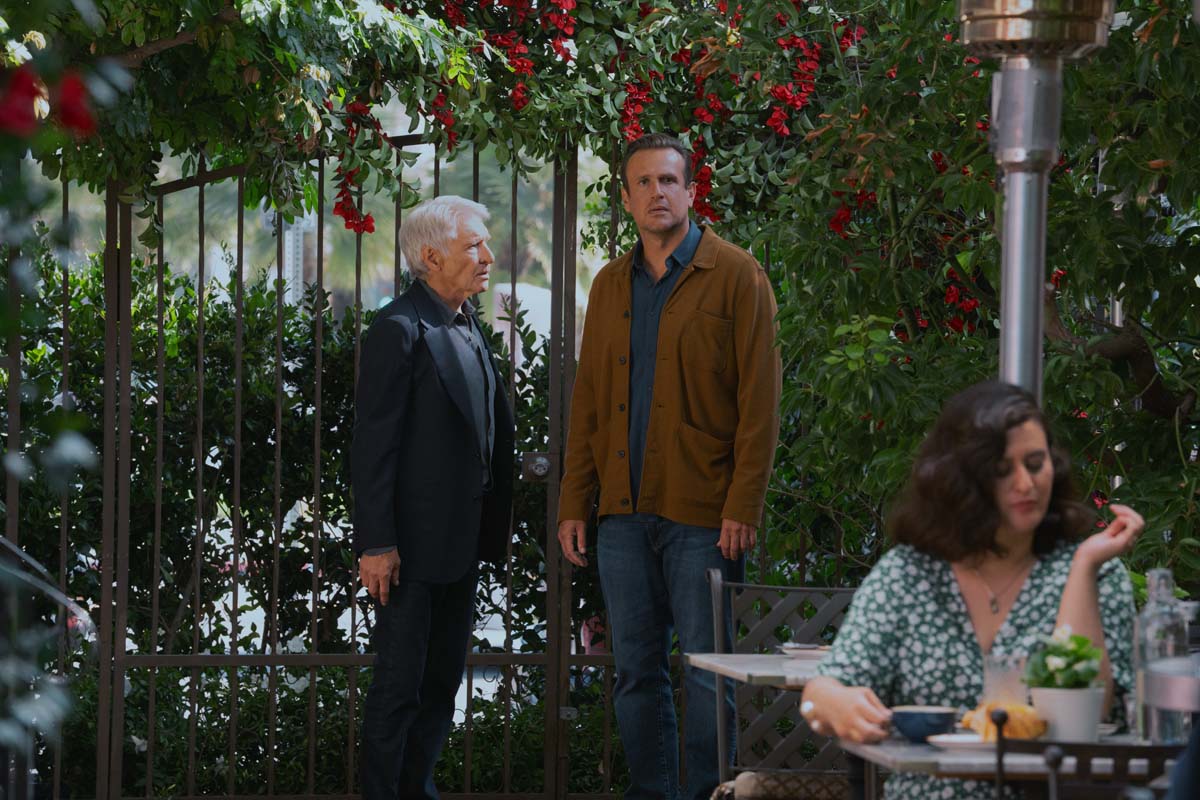
One of the places where I noticed that was in one of your episodes, James, which was 303. I think there’s a moment where Harrison Ford’s on a park bench, and his character gets up and leaves. That’s got one of those nice dramatic pauses. It feels like you need to sit on that for a bit, but you can’t sit too long, right? Because otherwise it it breaks up the rhythm of the whole show.
Renfroe: Yeah, exactly. Even in that spot, you give him his ability to have that sort of moment as he’s walking away and we’re on his face, then we go to Gabby’s reaction and we’re ignoring Alice there. But Alice is talking about some bizarre dream she had.
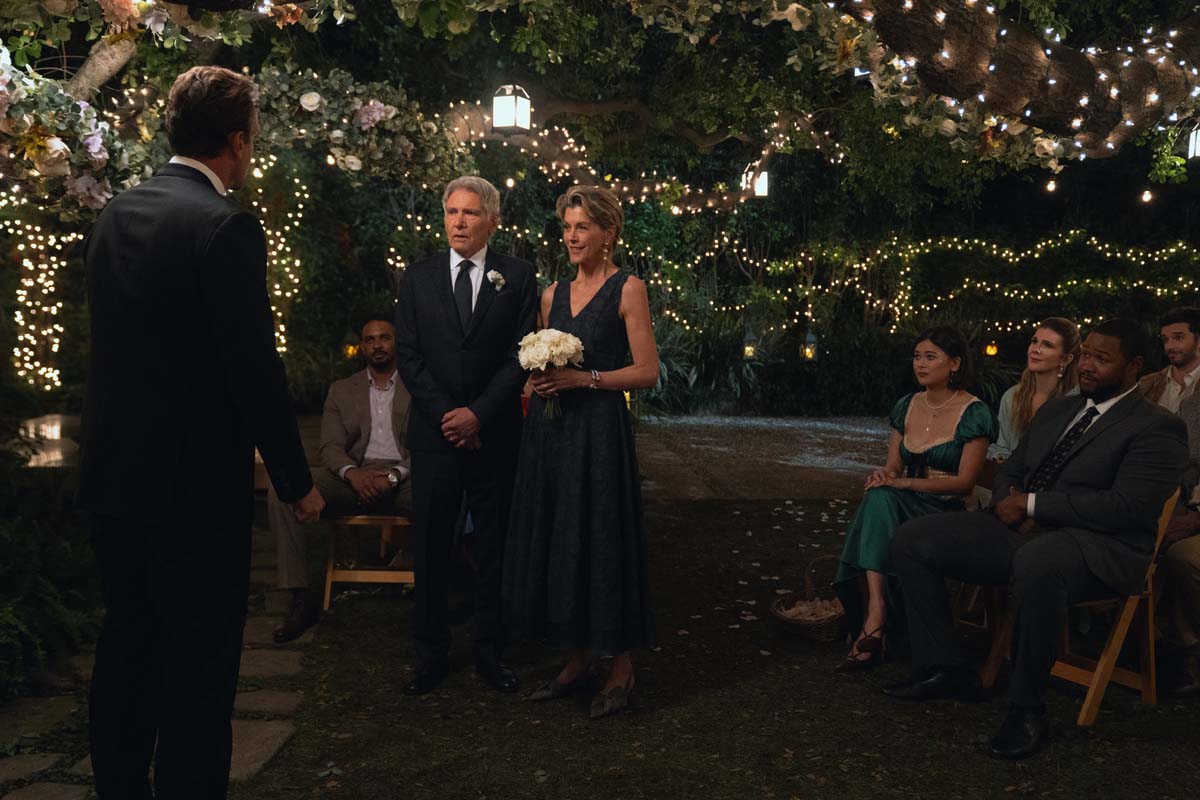
So even there, when we’re wrapped up in the emotion of it, Bill’s impulse is: “Let’s hear some of this audio. Let’s keep the scene going and pull us back into what the show will be about, which essentially at that point is Harrison letting Gabby take over for Alice in the therapy world. In this season, that’s one of his steps towards his process of moving forward, which is a big theme for us.
His next step of moving forward is being okay with not being a therapist. It’s actually in that next episode that Sarah cut where we’ve had some previous episode stylistic shots that Sarah was able to use, where he decides, “I think I’m done.” And that moves forward a lot of the rest of the season.
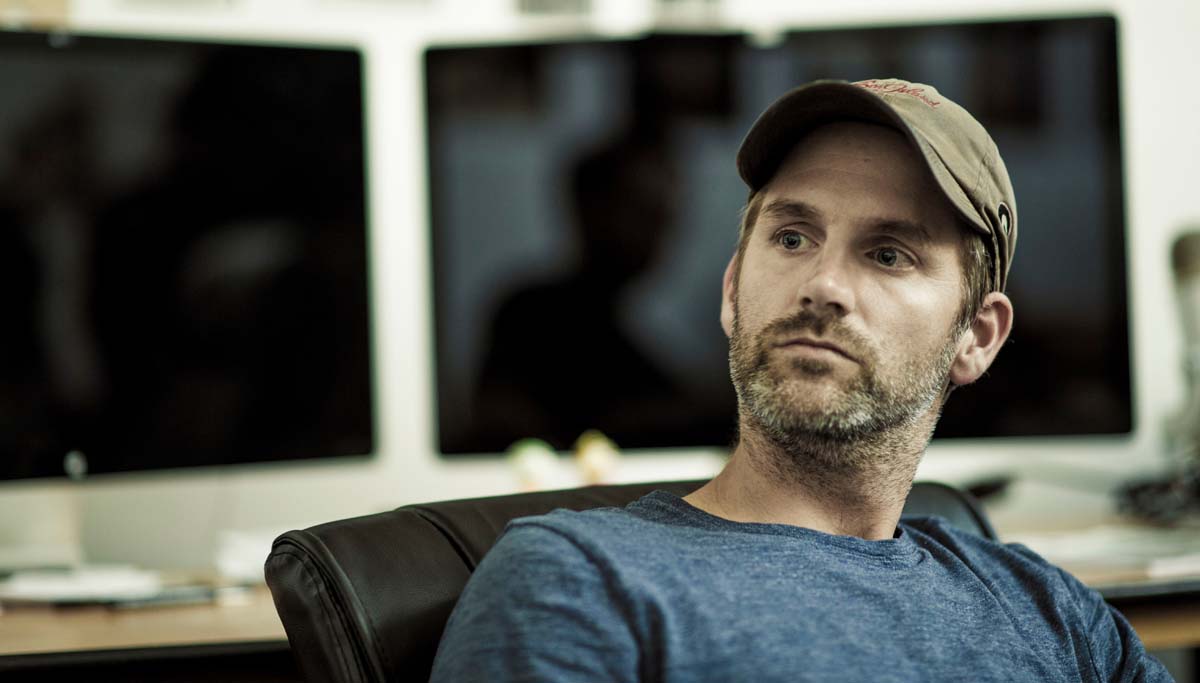
James Renfroe
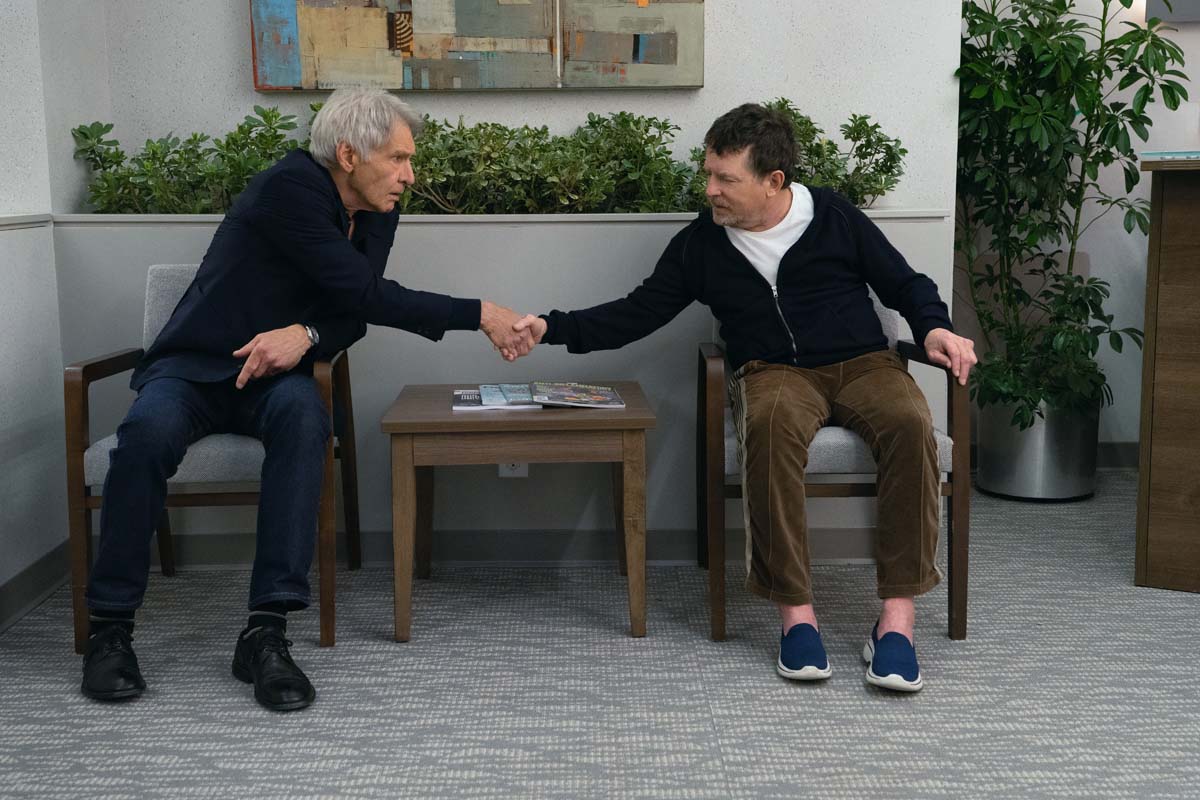
Lucky: Even in that moment - when it’s heavy with Harrison with Paul - It’s still kind of light. I thought it was going to be this big moment. So even with that, you get the comedy to ease it, but it feels like real life.
Do the two of you get to read all of the scripts before you start editing any of the scripts?
Lucky: No.
Renfroe: I wish we did.

Sarah Lucky
So let’s talk about that. When you’ve got a character’s arc, you need to think about that as you’re editing, so that when you see reactions or performances that help to develop that arc, how are you doing that if you don’t know the whole season’s scripts? Is that a discussion with the showrunner? Is it an understanding of the character’s personality?
Lucky: I think it’s a little of both. Now we really understand the characters and you’re used to them and you know them and what they’d be like. It’s partly obviously. I mean, we do get the scripts before it’s shot.
We will keep reading, so we’re up to date on what’s happening, but I think it’s more of a gut feeling of knowing the characters and knowing where it’s going. Then, usually we edit a lot on the back end, so we have the chance to go back and tweak anything.
We’re not done with the beginning episodes before we get to the last episode, so it gives us a chance to even it out if there is a problem. But from how many seasons we’ve been on this, we’re pretty used to each character and what works for them.

Renfroe: I think also there’s just a lot of trust in the writing, so when we have stuff that shows up, you hope that things connect. It’s definitely something that I’ve often complained about: I’m not in the writers room, so I don’t know the conversations that have happened, so we put our best guess forward because we know the characters, because we both have experience in television and understand story arcs throughout seasons.
I think it helps us in that initial build, then - like Sarah said - once we’re in production, we’re just going through our edits, and Bill doesn’t actually come into the edit until after production is done. At that point, we do a pass with, Kip, who’s an EP, then, Neil, the co-showrunner weighs.
Luckily, in this third season, we really have an understanding of Bill’s pace and style, and can present the edits in a way that feel closer to where we’re going to land.
I definitely had a sense of the typical rhythms of the show, but there were some episodes or scenes that were a little bit more emotional, and you could tell that the pace of the editing followed the pace of the scene. The one that I’m thinking about is I think it was in “Depression Diet,” where sat in a fighting ring talking about somebody that had recently passed. It was an emotional scene, and I felt like the editing slowed compared to the scenes around it. Can you talk about making that kind of decision?
Lucky: Yeah, definitely. Sometimes I tend to give a little too much space when it gets a little dramatic, then I have to dial back. Bill definitely wants you to sit in those moments, but not too long. “Slow it down. Let’s take a breath.
We’re taking a moment with someone, but know when to get out, so it’s not overly dramatic, but you still get the weight of the moment,” which I think he’s really good at, so you don’t miss the emotion. It’s not like we’re blowing past it and here’s another joke. Let’s keep moving.
Even between Gabby and Paul in that moment, it’s a really sweet moment when she’s talking about letting your friends be there for you. He allows you to feel without overstaying your welcome, which works really well, especially on Shrinking.
Renfroe: I think part of it is the difference between drama and melodrama. The way the pacing tends to work is that the rest of it’s moving quickly so that when we stop at all, even if it’s for the one beat instead of the six beats - while we’re letting them ponder that one beat - because we’ve paced everything else so quickly, when you land on that moment, that little bit of pause has a weight to it.
Lucky: Has a bigger weight than you would notice otherwise.
I’m also always interested about the process of picking a certain pace for a scene and cutting it like you think is correct, then being guided by the showrunner or the director saying “We’ve made this dramatic, but maybe a little bit too much.” Talk to me about that sense of editing as a process and your acceptance of that.
Renfroe: My process is pretty slow. When I’m pulling selects, I lay out all of the footage in a big ass sequence - essentially line-by-line - with various coverage for those lines, then I try to find a pattern that feels natural so that I can bounce between as many of the good things that I like as possible.
I just talked to the director on Bad Monkey - on which I cut the finale - and I told him, “When I approach an edit, I’m trying to get 100% on a test. I’m not trying to get anything wrong.” He said, “Well, it’s not wrong.”
And I said, “I hear you and my therapist hears you, but If it wasn’t right, it’s wrong.” I’ve experienced every single note feeling like a paper cut or like a razor blade cut in a lemon juice bath. It’s just not healthy to always live that way. It takes a little time to realize that it’s a collaborative process…
Lucky: …people have different opinions…
Renfroe: …People have different opinions. They’re often wrong.
Lucky: We’re always right.
Renfroe: Honestly though, the editor’s cut is too long, so stuff has to change. And when stuff changes you find new things, and new edits, and new ways around stuff. What was once “perfect” at 42 minutes starts to really feel awesome at 33 minutes, so you try to sort of tighten and as you redefine what the scene is - based on the shape of the dialogue - you start to find a new scene and sort of being adaptive in a way that is helpful and healthy… but I definitely am trying to get a hundred on the test.
Lucky: You get invested. It’s too hard to let go of certain things. Sometimes you have to just swallow it and keep moving.
Renfroe: I’ll bring up something three times after that I’m annoying. I’ll say, “Are you sure?” If the director changes it I’m not worried about it. We still have a couple more stages in the process.
I’ve heard that “three times is the limit” rule from many people. Bring it up three times. Beyond that, you’re a pain in the ass.
Renfroe: Yeah, exactly. I’ve got to really care. If there’s a performance, I tag it. I’ll leave a locator on it and say I prefer a different take. I’ll run it by Kip or Neil. If neither of them are into it, I’ll run it again.
For instance, in “D Day” I had a note to lose one of my favorite moments of the season: When Gabby and Harrison have just talked and she stands up and says, “Come on, stop ‘sad sacking’ We’re going to see this baby. I’ll let you say all the Khia lyrics.” He says, “All of them?” And she says, “Yeah, my neck, my back…” That song is a song I knew, so I thought, “This kills!” But not everybody knew it, so I said, “Trust me! It is funny!” I got two rounds of notes to lose it. I said, “I can’t!”
But it didn’t get lost because I saw it.
Renfroe: Exactly. So sometimes you pick a fight and you can win, but that took a little bit of fighting.
That’s an interesting question. How much do you fight for something and when do you let it go?
Lucky: I think you definitely have to read the room. I will bring something up, but if you’re getting the vibe of “This is not happening ” or they’re not interested, you just drop it. Especially with Bill.
He’s very open to listening and collaborating and all that, but he has a very short amount of time - especially with how busy he is - so if you know that this isn’t going to happen and he’s not into it or doesn’t like it, let’s just keep it moving.
But he’s always open to hear anything you have to say or any suggestion or things you like better. He always says - before we start – “If there’s anything that’s not in this cut that you really like, that you want me to see, let me know.” At least you get to show it. You always get to show it.
Are the two of you editing with assistant editors in the same location that you are working in?
Renfroe: Not usually.
What do you think the problem with that is? When you need to be trying to train someone to read the room - like Sarah is pointing out – how is an assistant editor able to understand how to read the room if they’re not in the room?
Lucky: My current assistant - which is not my normal assistant, but I’ve known her for a long time - she works with me on Scrubs and she really wants to move up.
It’s such a hard thing to do because for me, the biggest thing is my relationships with the people, and when you’re in the room with people, you have completely different relationships than when I’ve only been remote, through Zoom. You really build a connection in person.
When you’re sitting in the room, we’re not just working. Sometimes you have conversations. You get to know the person because no one’s in a rush to get off the computer or to move on to something else. You’re having lunch with them.
So it’s very hard to build that trust in those moments as an assistant with people that you really need to build it with. It makes it harder. James, I’m sure you know what I mean.
Renfroe: I have strong feelings on this one. I think that we should have apprentice editors on every show and that they should be doing the ScriptSync. Assistants should be with the editors.
My assistant that I’ve had for 15 years, it’s been hard getting her editing credits. It’s been hard getting her time in the room and in the chair. It’s a real challenge, and I work pretty hard to do it.
She cut episode seven this year, she’s got shared credits. On stuff I was able to direct when I was on Superstore she was able to edit those episodes. It’s a really complicated process, and the speed that’s required when you’re in the chair is also something that either you’re lucky because it’s innate, or you really have to put in the hours. We don’t have a system that allows for that kind of mentorship, I don’t think.
Of course the politics of it is just infinitely better if you’re around. In the case of Missy, my assistant, she has a child similar age as Sarah, and it’s considerably harder for women as a child care provider because she needed to be working from home instead of in the office, so that’s two years almost before she can be constantly in the room.
I know Sarah does a fair amount of work from home and probably a fair amount of work at night, juggling those same childcare duties, so I think the process is a little funky. I think what we ended up with post-Covid/pre-strike, was an abundance of work so a lot of assistants got to move up, but not all of them were ready to be there.
It’s great that they got those opportunities and I certainly wouldn’t want to take that away from any of them, but it does put them in a hard spot when you’re unprepared to be there and are getting judged by that metric.
Lucky: Yeah. I felt like got lucky because before I had my kid, I had already built a lot of relationships and been in the room for so many years that now I’m happy to be home. The people I’m working with already know me. I already put in the time with them. If I was just now trying to transition, I think it’d be very difficult.
Renfroe: Yeah, you get more flexibility when they care about you, right?
Lucky: Totally. They do.
Renfroe: If there’s a doctor’s visit… I didn’t go to a dentist for the first nine years I was in California, because I didn’t ever want to say, “No, I’m not available.” It’s hard to take care of ourselves physically. You never want to be the bad guy.
So then that makes it hard to sort of navigate those relationships with regards to assistants and their process. I think way too much of their time is spent ScriptSyncing. It’s a terrible job.
Lucky: An apprentice would be great for the whole show just to do that.
Renfroe: Yeah. Then, for the apprentice, they’re thrilled because then they’re in the room. The show still has to pay some money for that person. Every time I’m in contact with anybody from the union, I just start preaching. Even if you’re doing sound design - which I feel like kind of the limit for a lot of assistants.
When I was an apprentice editor on my first union movie, the editor, John Axelrod, allowed me to edit, so since then, if my assistant has ever expressed any interest, I allow them to cut scenes. But for the most part it’s ScriptSync and some sound design.
Sound design can help you with storytelling, and it can certainly help you learn to use the tracks and sort of how to edit, but it doesn’t tell you how to really shape and build a scene, which is ultimately the stuff that they need.

And is this show ScriptSynced?
Renfroe: Yes. I don’t edit with ScriptSync because I do my “pull everything” process, but I find with producers it’s a necessity.
Lucky: I don’t edit at the beginning with it, but I don’t really pull stuff like James does. I kind of cut as I go, but then I’ll do a rough cut and go back and think, “I don’t really like this read.” Or I want something else, so then I will look at the ScriptSync. But like James says, with the producers, you have to.
Renfroe: Because of the schedule we have, I can be flexible enough to let Missy cut some scenes, then she can catch up on the ScriptSync way later. Sometimes, if it’s the finale, she might have two months to catch up on the ScriptSync, so you try to find what works.

Editor John Axelrad, ACE
You assisted for John Axelrod. I’ve been around a bunch of his assistant editors, and he is one of the biggest proponents of advancing his assistants that I’ve ever met.
Renfroe: I didn’t get to work with him for long. He had an assistant at the time, and I was a 22 year old. I’ve run into a couple of people who have worked with him. I had an assistant briefly – Natalie - who had worked with him on Chevallier.
We are shaped by our experiences, right? That he allowed me - at 22 when I was really just brought on to do temp visual effects - to cut those scenes.
He said, “If there’s a scene that you feel like you could cut, but you didn’t and you want it for reel, which probably allowed me to get short films early on that I wouldn’t have otherwise been able to get. He was really kind and generous with his time, the edit systems, and sort of in general.

Editor Mark Livolsi, ACE
Did you have somebody like that, Sarah?
Lucky: I started with Mark Livolsi, who was an amazing editor and taught me a lot about film. We both loved old movies, so he’d always give me a list of movies to watch, and we would talk a lot about old movies. When I started, it was on film.
He had an Avid, but we had film assistants. And then I work with Michael Tronick, who I’ve known forever, and worked for a long time. He was very helpful. Then Roger Barton was awesome on Terminator because he knew I really wanted to move up and he would say, “Cut this.” He’d sit and he’d have me pull his selects and explain what he did.
He’s a little like James. He’ll pull selects. In my mind I always thought, “I don’t understand this!” To this day, I still don’t cut like that. But he did. He’d show me and explain why. I would cut a scene and he’d sit with me and say, “Okay, Sarah, this is why maybe you should go here or go here.”
So he was very helpful. He’d have me cut it and then talk it through with me. Shortly after that he got me the job and Grace and Frankie.
It’s very helpful when you can get that hands-on experience especially with an experienced editor to help you through editing a scene. Obviously it really is practice but it but it it’s very helpful.
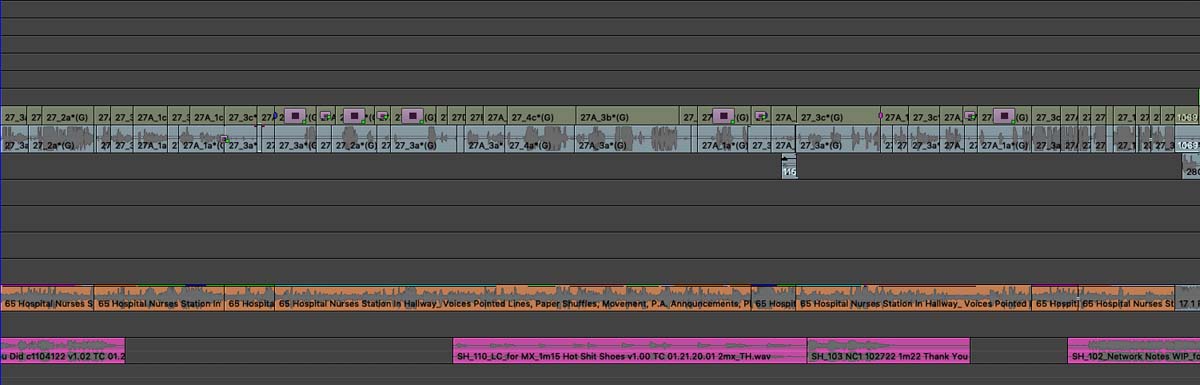
Avid timeline for the Brian and Ava scene mentioned below
Renfroe: Missy got that chance to edit. Because of that we had a couple of assistants cycling through and she ended up getting an assistant and I needed a new assistant, so I had assistants recut scenes from the “D-Day” episode.
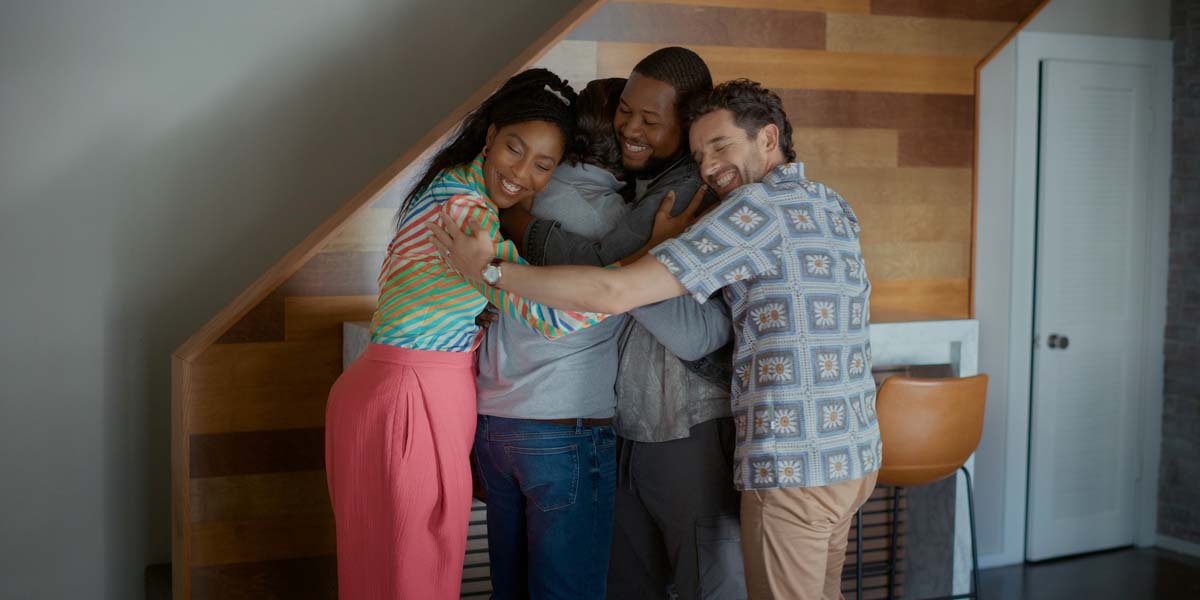
I had them cut the Brian and Ava scene, because there’s that mix of emotion and comedy where he finds the paperwork, then she goes into labor.
I also had them cut the Sean/Marisol scene, which seems pretty simple - the master was a tilt down, then it’s a 50/50, wider overs, then tighter overs.
But the energy of that scene and the ability to give direction and read what the scene needed, or to pick a path. Anyway, it was a great starting point for talking points.
I’d say, “Yes, this technically works. I know why you’re bailing on this medium over, but you have to sort of work your way into a scene.
You’ve got to naturally land there. Otherwise, if we’re just in singles all of a sudden it can be distracting. You may want that. It may be the purpose of the scene to be sort of put you off guard, but mostly no. Let’s start with it normal.”
Lucky: James will cut a scene and if I had the same exact scene, it would look totally different.
Renfroe: Totally. But there are things that are sort of universal. What side of the line you’re on for the rhythm of a joke.
I was a mentor last year for the union women’s program. One of the things I talked about was what does it take to cut comedy. I think it helps if you have a sense of humor.
Lucky: I would say that you have to find things funny.
Renfroe: You don’t have to be particularly funny yourself, but it does help if you can tell where a joke is. Otherwise it sort of depends if it’s a streamer or a network show. On a network show, you can think of your audio track as a vacuum.
There should be just no air, so if you can start there and learn about using your reaction shots and when to go to the punch line, then you start to find some things about rhythm. The six years I did on Superstore was incredibly instructive with regards to how to work with comedy.
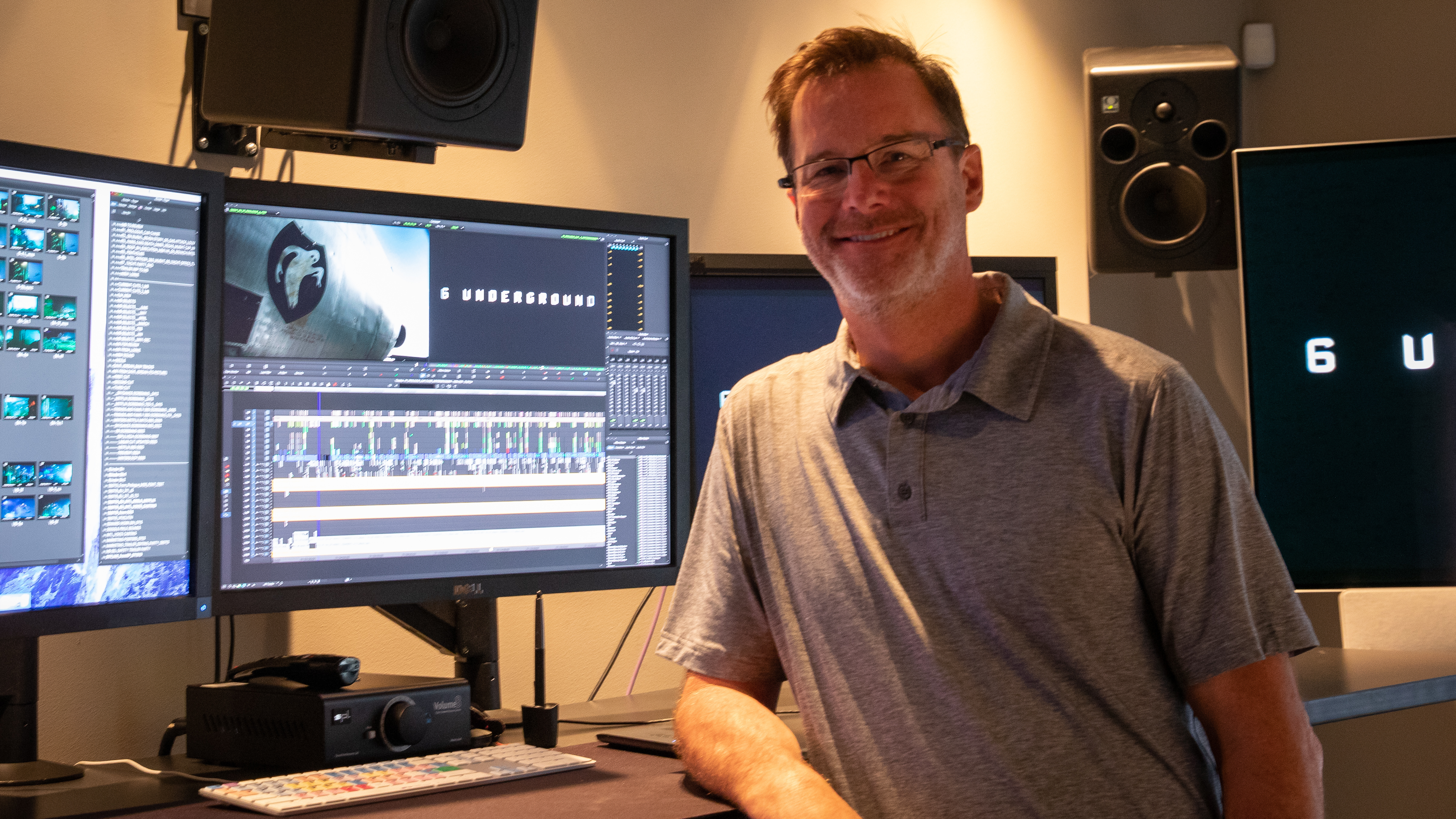
Editor Roger Barton, ACE
I want to talk a little bit about that process that both of you have started talking about, which is that James uses these selects reels and you don’t. What fascinates me is, Sarah, you had this, guy Roger Barton - who I’ve interviewed several times. Great editor. You respected him. You thought he was a great editor. He showed you his process and you didn’t adopt it. That’s just so interesting. Everybody has a different way of editing, and you couldn’t use his.
Lucky: I couldn’t see it the way he saw it. I tried because I would pull it for him and I knew what he wanted, but I just saw things so differently.
This is why it’s hard sometimes for me to explain to my assistants how to cut a scene, because for me, when I read it, I see it and I’m looking for the shots that I want to see in these moments. I don’t always have them.
Most of the time I do, but I’ve already pictured the scene, so I don’t understand the pulling of selects. When I’m watching dailies, I’ll pull, “Oh, this is really funny” or “This is a great read” or “Oh my God, I don’t want to forget this.”
I will pull those things and start building a scene. But for me, it’s weird. It’s like a visual thing in my head that I’m picturing, and I go looking for that, then I build off that.
Renfroe: But I can’t do it that way! I feel like if I picture it, I’m only going to get things that aren’t what I’m looking for, like, “Where is all this?” Then never be able to move on.
Lucky: That’s happened to me where I think, “I wish I had this.”
Renfroe: There were really only three editors that I end up working with, and the last of them was this guy, Alan Cody. He came from film, so we would do these big binders with a still image of what the shot was, then he would just take endless notes on it, and for me, that’s impossible.
I wouldn’t be able to process what I liked if I liked more than three things? Suddenly I’m broken. I like my process because it allows me to just carve and shape and when I am busy, I can get going on a scene, then walk away from it and not feel like I’ve lost anything… not feel like I’ve lost that creative flow. Then on accident I find edits that work, like, be in the wide for two words and I’ll think, “Oh, that’s this is exactly what I needed!”
Lucky: Or you’ve got one thing and you build your whole thing around it, and it just does not work and you want to die.
James mentioned that he directed at least one episode of a show. Have you ever thought about directing or have you done directing?
Lucky: I wanted to do it on Grace and Frankie, and it never quite worked out on that show. I’ve mentioned it to Bill, and I’ve talked about it with Zach - who I’m working with on Scrubs - and Shrinking, and I worked with him on his other show years ago, but it’s a hard transition. I think James is going to be directing Shrinking next season. Hopefully, one day it’ll it’ll work out.
There are many editors that, I think, turn into really good directors. What do you think the skill set is that translates between doing the one thing and doing the other?
Renfroe: I think understanding what coverage is needed to tell the information needed for the scene. Understanding what the line, you know, I’ve talked to directors who don’t understand “the 180 line.” I don’t know how that’s possible, but it is. Just sort of a general understanding of how to make a scene and build a scene and what’s required in that regard.
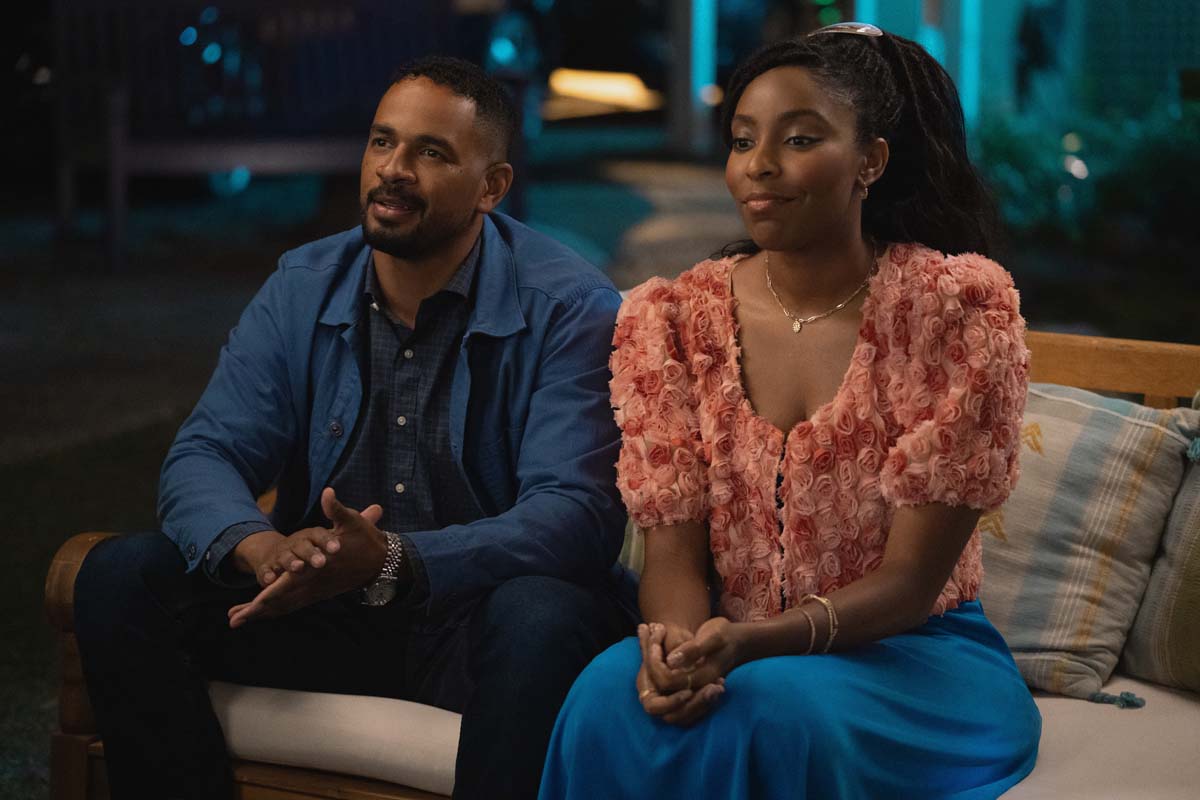
In the case of Superstore and in the case of this, and I think in the case most of the time when an editor gets a chance to bump up, there’s the assumption that you understand the characters.
If Jason shows up and gives me a Jimmy performance, I have an idea if it belongs on Shrinking, and if it doesn’t, then I can get another one, and if it does, then we can move on.
So then there’s the sort of the hope that once you know you have what you have, then you’re an efficient and faster editor. My personal experience is then you have to learn how to talk to people.
Lucky: You have to be able to talk to the actors.
Renfroe: You have to overcome being a person who’s used to never talking all day, to being “on.” I found - the first time I directed on Superstore – the hours were 7:30 to 4:30. The hours weren’t too bad, but I would come home and pass out. Just being around people that much exhausted me.
Then I’d wake up, prep for the next day, and do it over again. It was scary, but it was great. I think this time that will be my third big, directing opportunity. I was able to do two Superstores. I’ve done a bunch of shorts and stuff, but I don’t really count those.
This time I’ll have Harrison Ford to give direction to! I also know the show and know the people and having been an editor on a sitcom that went for so long, I had a lot of editor-turned-directors come through, also, so it was interesting to see what they succeeded at, or where some of their shortfalls were. Nobody’s perfect. It was interesting to see how they evolved.
I was able to talk to them about how they made that transition. It’s difficult. You need to be on a show for a length of time, or you need to be with a person for a length of time, having pre-established that relationship, because it ultimately is about trust. It’s a gamble for the producer to put you in that position because it’s not your normal job. For the studio to pay for you to direct, somebody needs to be able to stand by you and stand up for you.
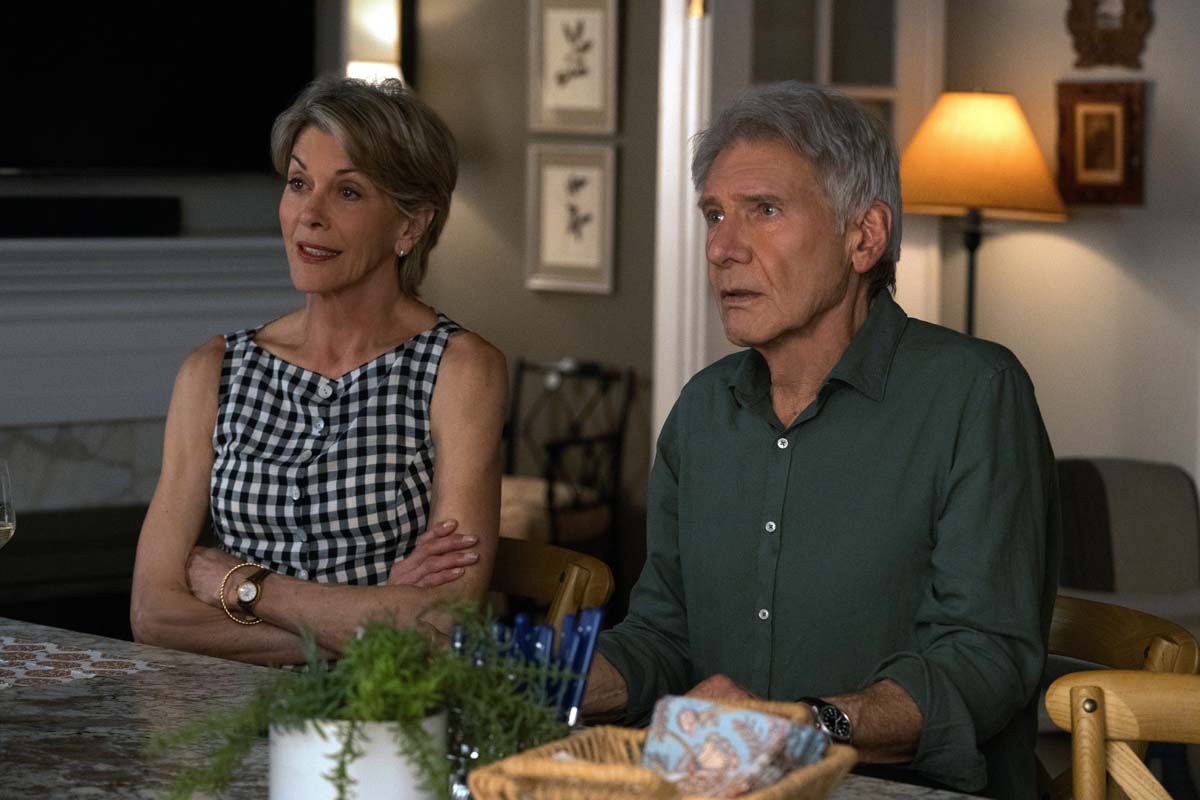
Lucky: Just like moving up from assistant to editor. You just need that one person to give you that chance.
Renfroe: Skill, luck, timing and a person to grab you by the shoulders and say, “Here you go.”
Lucky: And a great personality.
Renfroe: Yeah. And that’s all you need. “And maybe this lamp…”
Is that a Jerk reference.
Renfroe: It is.

That’s the other thing you have to have. You have to be able to make references that other people understand, whether it’s rap lyrics or stupid movie quote. Sarah, you mentioned that because you can visualize the scene when you’re reading it you’re worried that maybe you don’t have the shot that you need, but if you were directing the episode, you would have the shot!
Lucky: I always say that, but it’s like it’s my opinion of what it should be. There are things that everybody is just going to do, because you need to get these specific things in these specific shots and the close ups and the mediums or the overs. And, for us, like especially on shrinking, we like to have, solo shots so you can cut the other person out.
So there’s basic things that everybody will get. And then there’s, you know, directors have things they like to do or start a scene or and a scene or certain moves. It’s definitely an opinion.
And I think and it’s probably not just me, you know, I know James thinks this way too, but as an editor, and I think that’s why a lot of editors make great directors is you have to believe that your opinion is correct, whether it is or not.
You have to believe that your choice and what you’re doing, this is the best way could possibly be done. And I am correct. We think of that a lot.
Renfroe: The directing EP of Superstore - Ruben Fleischer - when I was prepping my first episode, I asked him, “What do you do?” He said, “Just be confident in your answers. They’ll tell you if it’s wrong – like if production can’t pull it off, you’re going to find out - but just say, “This is the thing I want and this is the thing it should be” and either they’ll make it happen or they’ll tell you how to wiggle.
Sarah, I wanted to ask you, in your “Depression Diet” episode there is a scene where they’re sitting around a table, discussing getting permission to marry. It’s a great scene, but table scenes are really difficult, right? Because it’s where the eyes are going and trying to juggle it. We probably don’t want to be on singles the whole time.

Lucky: Directing table scenes are hard, and scenes where there’s a lot of people around a table or a kitchen is very difficult because the angles are weird and you have to get over Jason to Damon from Jason to Harrison and back because everybody’s talking to each other and you need those angles and maybe a two shot, but they’re also kind of a little wide in that scene.
They were a little wide from each other. So you didn’t really have two shots. It is a little bit tricky to cut a table scene.
You’ve got to keep it moving. You’ve got to get the right angles, and sometimes the joke isn’t on the side that you particularly want. I think it’s more of a challenge directing than it is editing.
You need to make sure you’ve got those eyelines so that the eye lines are correct, and on the right side of everybody.
Renfroe: Eye lines and shoulders. I feel like if you have a really good understanding of eye lines and shoulders, then a table scene can end up being really great.
Lucky: And you can keep the rhythm going as an editor, which is nice.
Renfroe: Yeah. You can use a reaction to set up a different perspective, to get you that new eyeline in that angle.
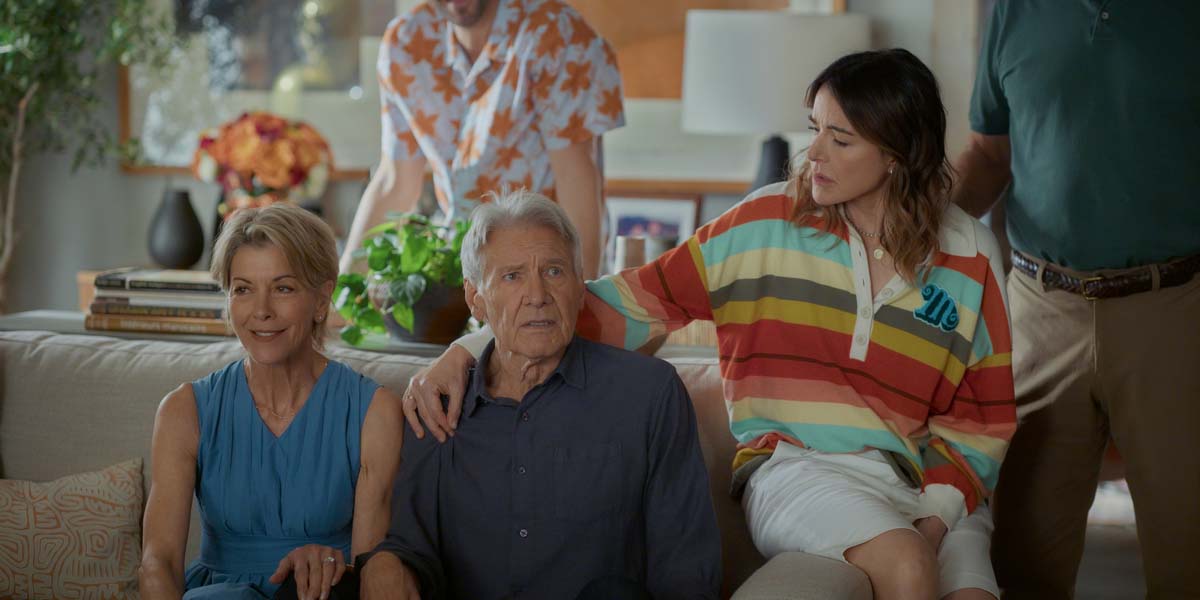
By “shoulders” you mean whether you’re over one shoulder or the other?
Renfroe: Yeah. So if I’m over your right shoulder on your side, then our eye lines are wrong. Usually the eyeline and the shoulder go together, but if we’re coming across shoulders we can sort of zig into this then we’re into this cross coverage and we can get back.
Lucky: Yeah, I think it’s definitely harder as a director to make sure you’ve covered everybody. And if directing: “Did I get that line? Are they looking at them?” I think for directing it’s a lot harder.
Renfroe: Yeah. Actors also, for the awareness of where the camera might be, do I lean towards selling the joke to this camera, or even in continuity from my first three takes to that camera? Sometimes the directors just get both.
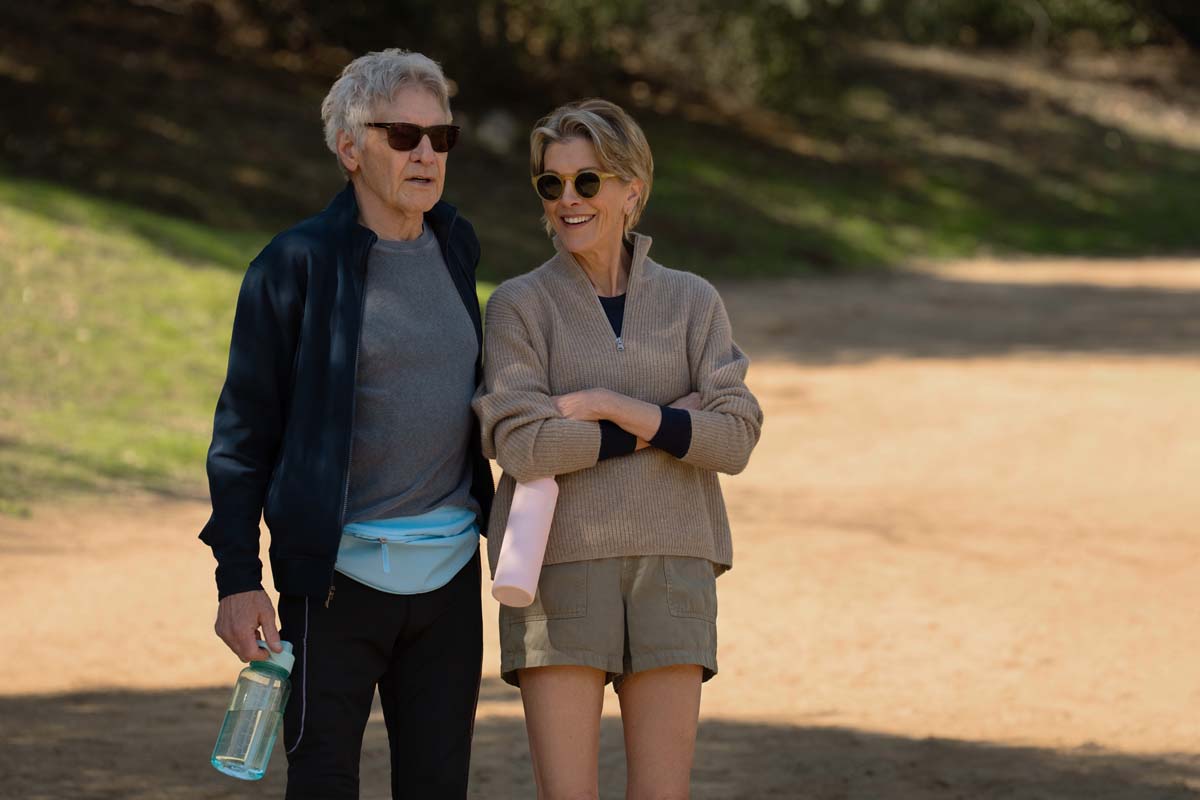
How is the editing different when you know your characters so well after three seasons and when you’re trying to help formulate the character?
Lucky: I think the actors are learning as they’re going. They’re building their character. I’m currently on a new show, and I think as you watch the dailies and as you get more involved, they’re learning and they get more comfortable. It’s a natural thing.
They’re getting into character. You see them get comfortable as dailies and days come with the shooting. I think you really hone the performance in who they want the characters to be with the producers and the director to form a new show or a feature.
Features are a little different, though, because you read the whole script and then you’ve talked to people and you know what they’re looking for, what they want to lean on. I worked on Senior Year with Rebel Wilson. That was a director I had worked with before on Grace and Frankie.
They were very specific about, “We want her to be like this” or “we want her funny jokes” or “if she adds stuff put it in and we can always delete it later.” It was very specific to her and her humor.
So on a feature it’s already there. For a show that’s going to continue for years or seasons, I think the first season is where you build everybody. That’s a definite collaborative effort.
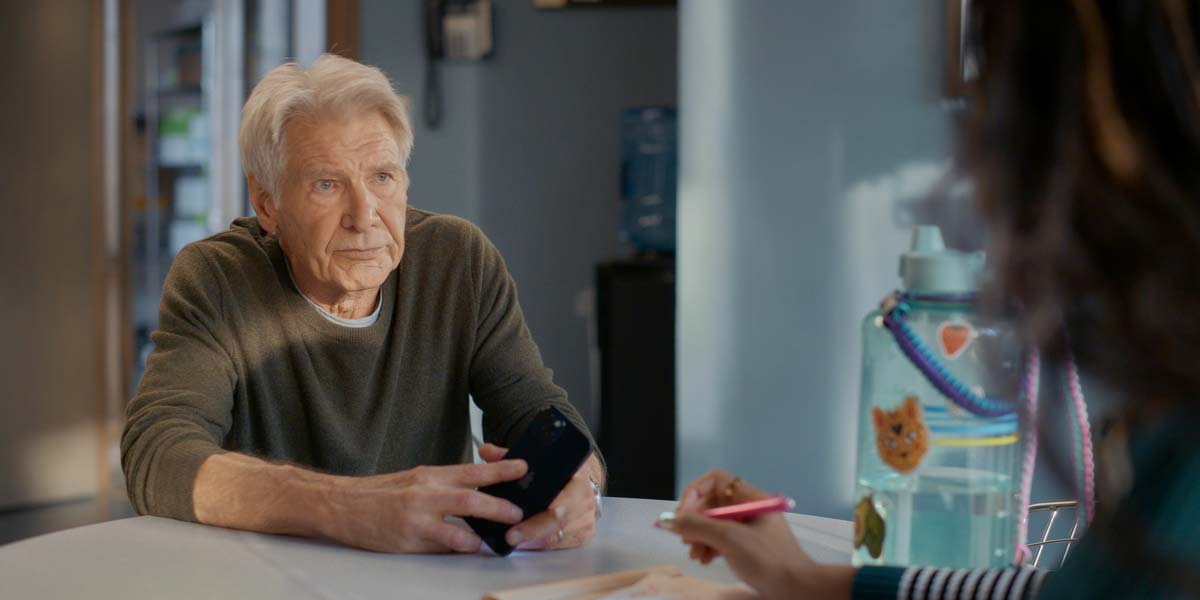
Renfroe: Baseline. Does it feel real? If I can believe? When I interviewed for Superstore and I had worked on a show, Zeke and Luther, which was a Disney XD show, and it meant for tweens, so it was hard for me. It was a great show. I met Missy, and met a post producer who I’ve worked with a bunch, since then.
So relationships wise, it was great. It was also my first nine-month project. So I was able to pay off credit cards and breathe for a second.
But it taught me to cut comedy that I didn’t necessarily always think was for me, so when I went to Superstore. Essentially, you have to know the world you’re in.
In Superstore the Glenn character - played by Mark McKinney, who killed it. He crushes it. He’s also the loveliest person on the planet, but and he kind of talks (with this high pitched voice) which is otherwise insane.
But because of the nature of the sitcom that we were in and because of the character that they were embodying, you sort of find a home for it. In our show, arguably, Jimmy is allowed to be the most “out there.” Maybe Brian has his moments, maybe Gabby has his moments, but each of them sort of have a floor and a ceiling for how we’re going to acknowledge their existence.
Taking me as an example, my assistant says I max out as a four, emotionally, so if I all of a sudden I’m like super goofy and silly, then it doesn’t feel real anymore. So when I’m starting on a pilot or first season show, the root of it is can I believe it?
Can I believe that this character exists and is saying those words? If that is true, then I can start to think about, “How do I shape this character?” Then any nuances that allow for me to give a little bit more care for this?
Or is there an improv that provides background information that is totally made up, but still sort of allows for me to get an extra curvature on the character so that we have - as an audience - a way to to care a little bit more?
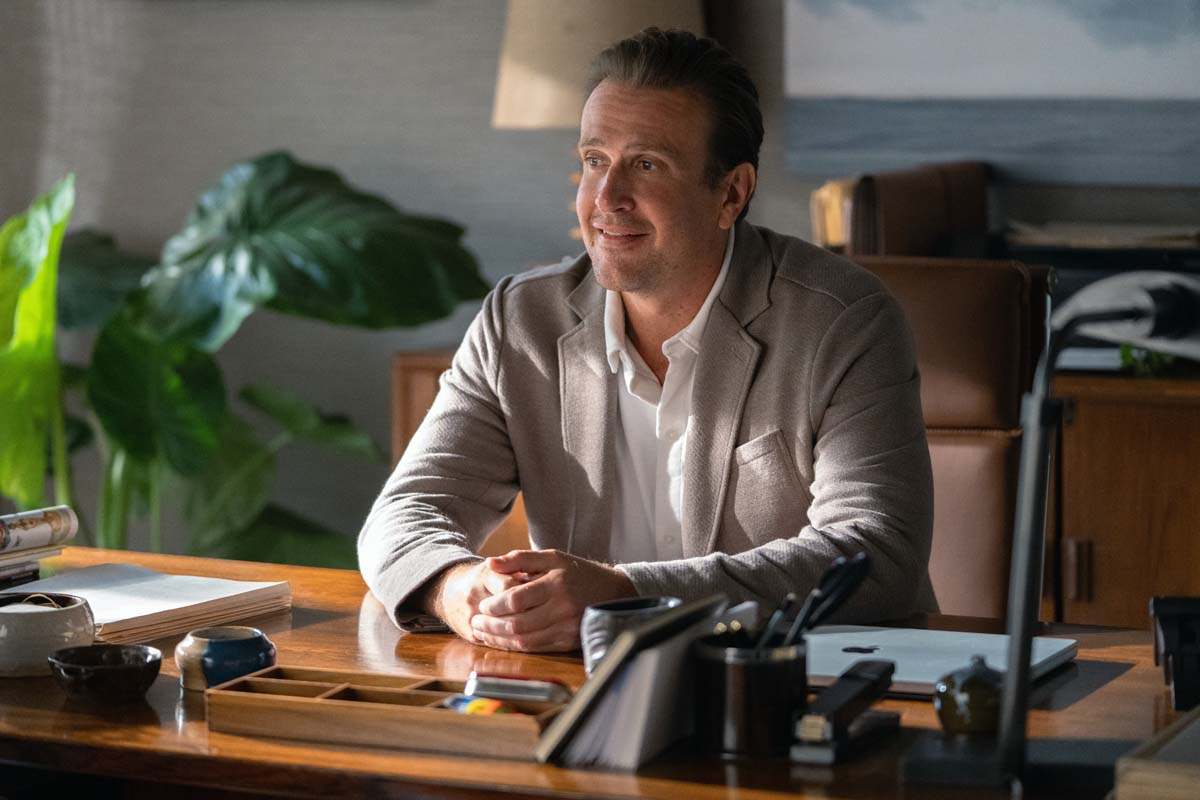
It’s what works. I think really well about, shrinking is we just care about the characters. It’s great that it’s funny. It’s great that there’s emotion, but the reason any of that stuff works is because the characters feel like Jimmy lives in Pasadena.
I’ve never met him, but he lives over there. Okay, I buy it. We’re not quite in the real world because he would be arrested, but if we acknowledge that that’s the reality, then we can sort of proceed and decide whether or not we like the characters, decide whether or not these characters are people that we can invest in and care about that relationship.
I sort of knew the Gabby/Jimmy relationship was doomed, but still found myself rooting for them because I still liked both of the characters. As this season progresses and you see Jimmy struggling with being able to really move past Tia, you care for him.
I think he said, “Initially, start him at the bottom. In season one, make him the worst, most grotesque character you can find, because Jason Siegel had a history of being liked, he thought the character could manage overcoming that initial hurdle.
And I think for the most part, that’s true, but it comes down to presenting a reality we can believe in. That’s what’s great about movies: it’s escapism. If we mess up the escape by putting in a take that is insane or overly melodramatic or we hang in the shot for too long, all of those things are pathways for us to gain or lose the trust of the audience.
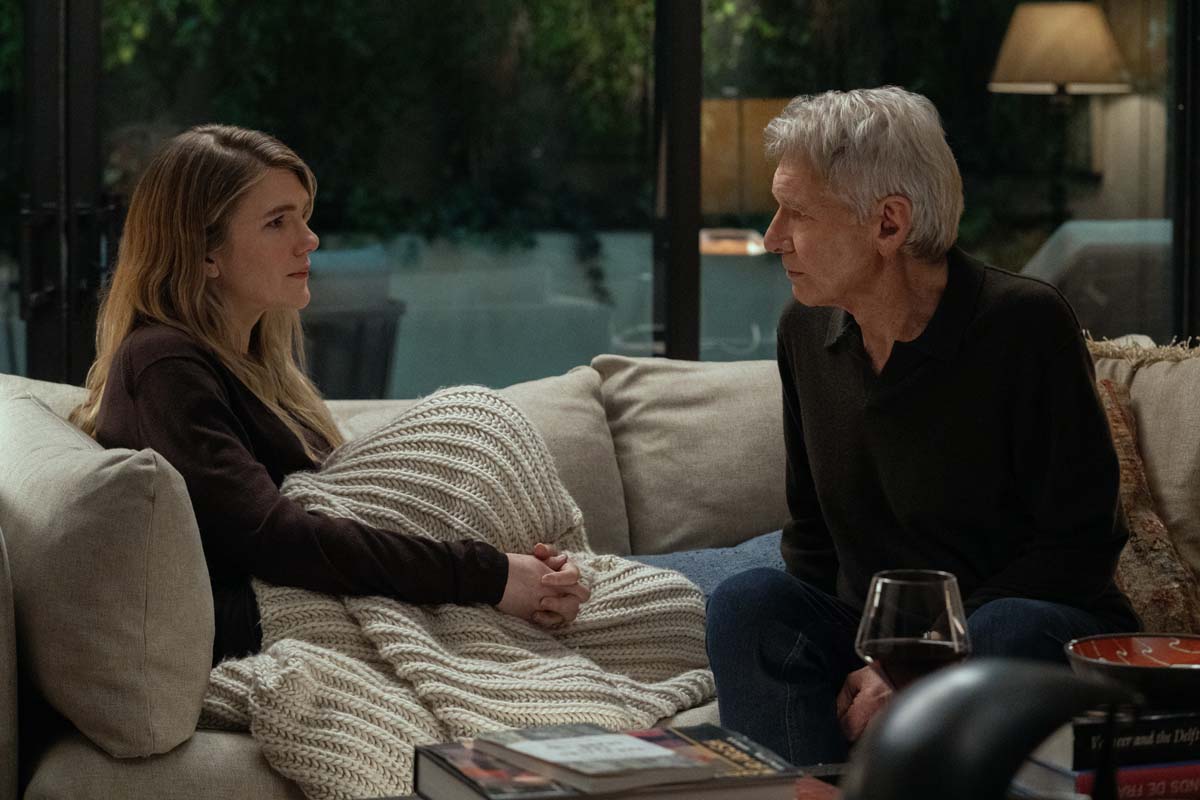
Sarah, do you think when you’re working with something new that you’ve got a different ceiling and floor - as James put it - than when you’re kind of on season three?
Lucky: You just know your ceiling and floor on season three. You know how far off the deep end you can go and how broad you can go. On a new show - depending on what kind of show you’re on - they don’t mind a little more drama, or it could be a little more broad, depending on what kind of comedy it is or depending what kind of show it is. You have to gauge on the style and genre that you’re working on.
But yes, when you’re on a season three - Shrinking especially - you know the show, you know the characters, you know what you want to get, what you want to see. You know the performances that you want.
You feel like they’re almost family - like you’re used to them and what everybody’s looking for. It’s a nice feeling. You love the characters, so it’s always nice to go back to. It’s comfortable because it’s not the same as a new show that you’re trying to figure out and work on and build.
It’s a different kind of excitement. But by season three, going into season four you start to really know it.
I want to ask each of you about a specific scene. The one I’d like James to talk about is the editing of the scene with Les Misérables.
Renfroe: It was the first musical I went to. That confrontation song I have sung with my twin brother, so when it popped up in the script I was excited! From an edit perspective, it was a pleasure to do it. Harrison sitting in the background.
I remember seeing Jason sing it with Neil Patrick Harris on The Kelly Clarkson Show or something, so I knew that he knew it, and I’m not surprised that Michael knew it. There’s this moment ripe for comedy.
I have the full version edited, obviously, but what felt like was necessary in the edit definitely changed. So I started with like a pretty small 20 second clip that I pulled from the overall scene.
And then, the director, Randall Winston said, “Maybe a little bit more” or “maybe a little bit less.” Neil was said, “I don’t know, this song. I could be done with it already.”
But Bill said, “I could sit in this song the whole time!” Then we had to decide, does it have score or not score? To get the actual music would have been incredibly expensive, and possibly not even clearable. So then Tom put the score in for it.
It’s a pleasure working on this show, partly just because you get to watch the dailies. So in that scene, as they’re on the process trailer with Harrison sitting in the back, Jason and Michael are sitting in the front seat and Michael says, “Well, Harrison, you didn’t really start acting until you were sort of in your 30s? Harrison says, “No.
I was always an actor. Nobody else realized it, but I was an actor, and I was just doing that stuff sort of to make ends meet.” Then Jason says, “W hat’s funny is I was driving in a car that my acting fees had purchased, and my buddies and my uncles and all of my relatives were still asking, “When are you going to go get a real job?”
To see two people I’ve grown up watching as actors most of my life discuss what it means to be an actor and the metrics for how you’ve made it, was a pleasure to watch and really fascinating to get to experience.
Before we move on to Sarah, what was the accordion-ing of that song? You said you started small instead of starting big, which surprised me. So how much did it get longer and shorter?
Renfroe: You’re in that previous scene where Harrison says, “I’ve got to go pick up Meg.” And Brian says, “I’ll go, too, if you let me pick the music.” In the actual performance of the scene they start at the beginning of the song, which is really slow. From a joke/punchy perspective that didn’t feel that funny.
So I thought, “Well, let’s get to them start at “I AM WARNING YOU, JAVERT!!!” Start them at the heightened part because that felt punchier.
At that point it was like a 20 seocnd bit. So then we wondered if we could find a way to get Harrison to have a line? “Did you guys just make that up?” was one version. I think he had two other improvs. Do we try to sort of work one of those things in? I think we tried a minute-long version and the director said, “no.” So then we circled around it again.
There are some scenes you know you’re just going to have to go through them a bunch of times.

Avid timeline for the *Les Mis* scene mentioned above.
The finale for Bad Monkey season two I know I’m going to cut that scene eight times…
Lucky: … because there’s so many ways to go…
Renfroe: “This works really well, but is it the best?” Probably somebody else is going to say no, so then it’s going to change.
In those cases you’re open to not being wrong and sort of allowing it to evolve, knowing that that’s the nature of that and in that process will almost assuredly find a better version. That’s where I feel like the extra cooks really help sometimes. I just don’t know. “This works, but is it the best?”
Lucky: Sometimes you love living in something and you don’t want to let go because it’s so good.

Avid timeline for the batting cage scene mentioned below
Sarah, what about you? Was there a scene, like that for you in the show that you want to talk about?
Lucky: In episode 11 - which aired as episode 10 - I really liked that episode a lot because there are two moments with Jimmy. One was with Jimmy and Jeff Daniels - his dad in the show - and they have a conversation where they went to a batting cage. I just loved it so much because the way Jason played it.
Jeff also obviously is always so great, but just this unspoken confrontation where his dad says, “I don’t like having these conversations, so if there’s something you need to tell me, just get it out.”
You just see Jason sitting there, stewing, but he says, “No, I’m good.” That whole scene with the two of them, I just loved the emotion in that and cutting the performance with them was just great.
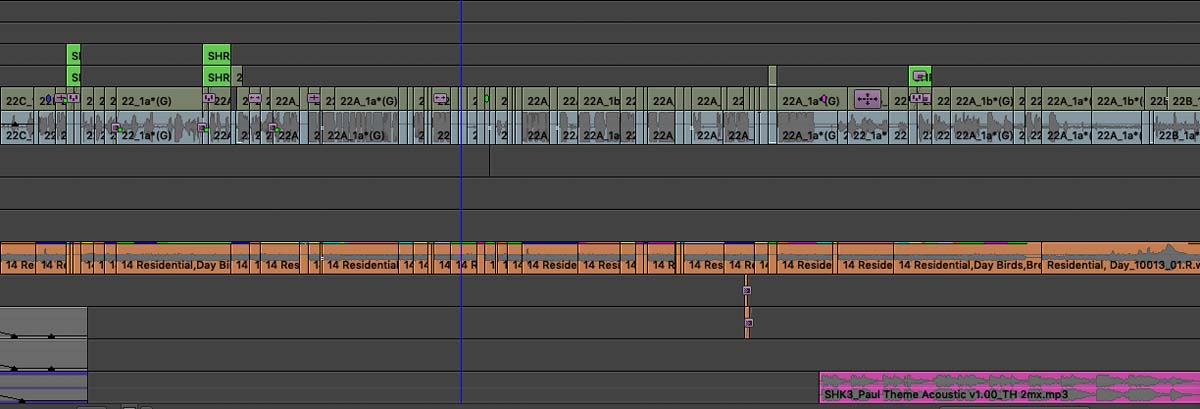
Avid timeline for the Paul and Jimmy scene mentioned below
Then Jimmy and Paul at the end, when Jimmy loses it on the balcony. They’re two great moments that I really just enjoyed cutting and the performances and getting it just right with the timing and again, not making it too over the top. You believe that Jimmy would lose it.
You believe that he would take it out on Paul, and maybe it stems a little from his father, but also from Paul, and how the emotion of Jimmy really feeling like Paul is kind of like another father figure for him, and he feels slighted again by the same kind of figure that he felt slighted by: his actual dad. And there are a lot of little moments in the episode that I just loved. It was really enjoyable to cut.
Final question for you, Sarah. You mentioned the batting cage scene and the performances and how you will build something and then go back and examine performances. Is that something that you had to do with that, where you put it together in a shape that felt good, then figured out the nuance of the performances later?
Lucky: Strangely, it didn’t change really too much. There were some moments we might have changed performance, but, it was just kind of the way they fed off each other.
You just really believed it. I believe Jimmy right away. You could feel it immediately, and Jeff Daniels was that character.
You felt who he was. That didn’t take a lot of revisiting. Sometimes when it’s flowing perfectly you think, “Yep, that just works so well.”
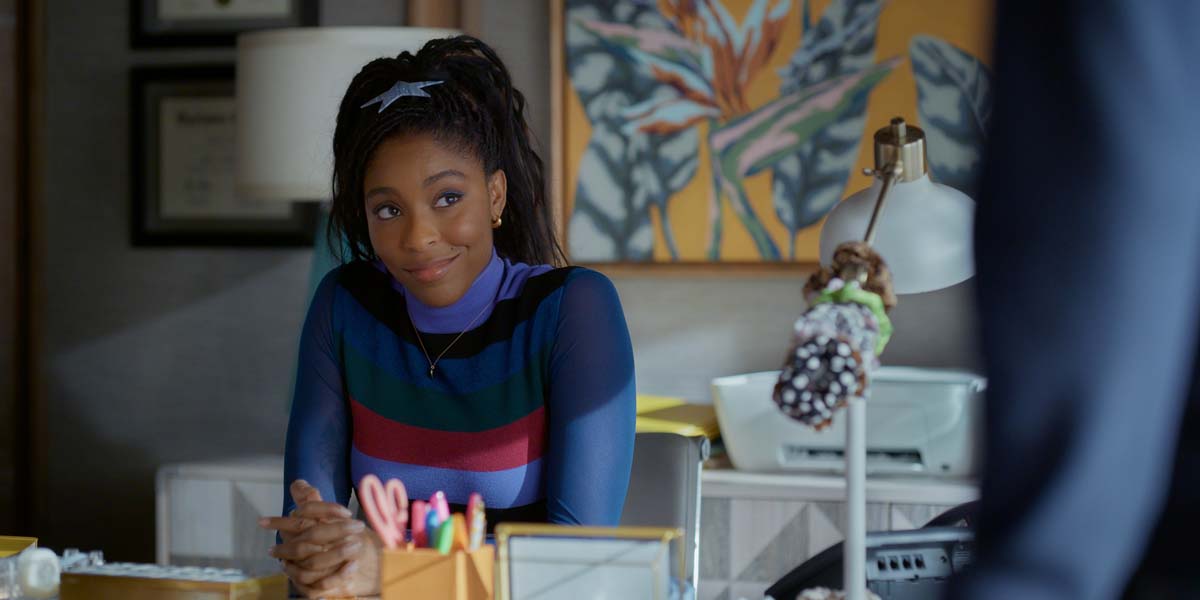
I love any discussion that talks about honesty and truth in performances and the cutting so I want to thank you both, James and Sarah, for a great discussion on Art of the Cut about Shrinking. I hope everybody gets a chance to watch the season three.
Lucky: Thank you. Thanks for having us.
Renfroe: Appreciate it.
 October 5, 2026
The Whisper Man
Chris has been on Art of the Cut before for The Menu, The Many Saints of Newark, A Quiet Place, and Assassin’s Creed. He has ...
Read more September 23, 2026
Sean Combs: The Reckoning
Charles Divak has been on Art of the Cut in the past for Chimp Crazy, for which he was nominated for an Emmy and won ...
Read more September 3, 2026
The Dog Stars
There's nothing like The Dog Stars in his filmography. That's a testament to him - that he is constantly interested in different stories and different ...
Read more
Subscribe to our newsletter
Get all the latest news, blog posts and product updates from Boris FX, delivered directly to your inbox.
Welcome!
Thanks for opting-in to our newsletter. You'll receive an email momentarily with your confirmation.