


Rocky’s 50th Anniversary
On the 50th anniversary of the classic film Rocky, a discussion with the editor about cutting the famous training montages, the shocking revelation that one of the most famous shots is in reverse, and swapping out the original ending in post.


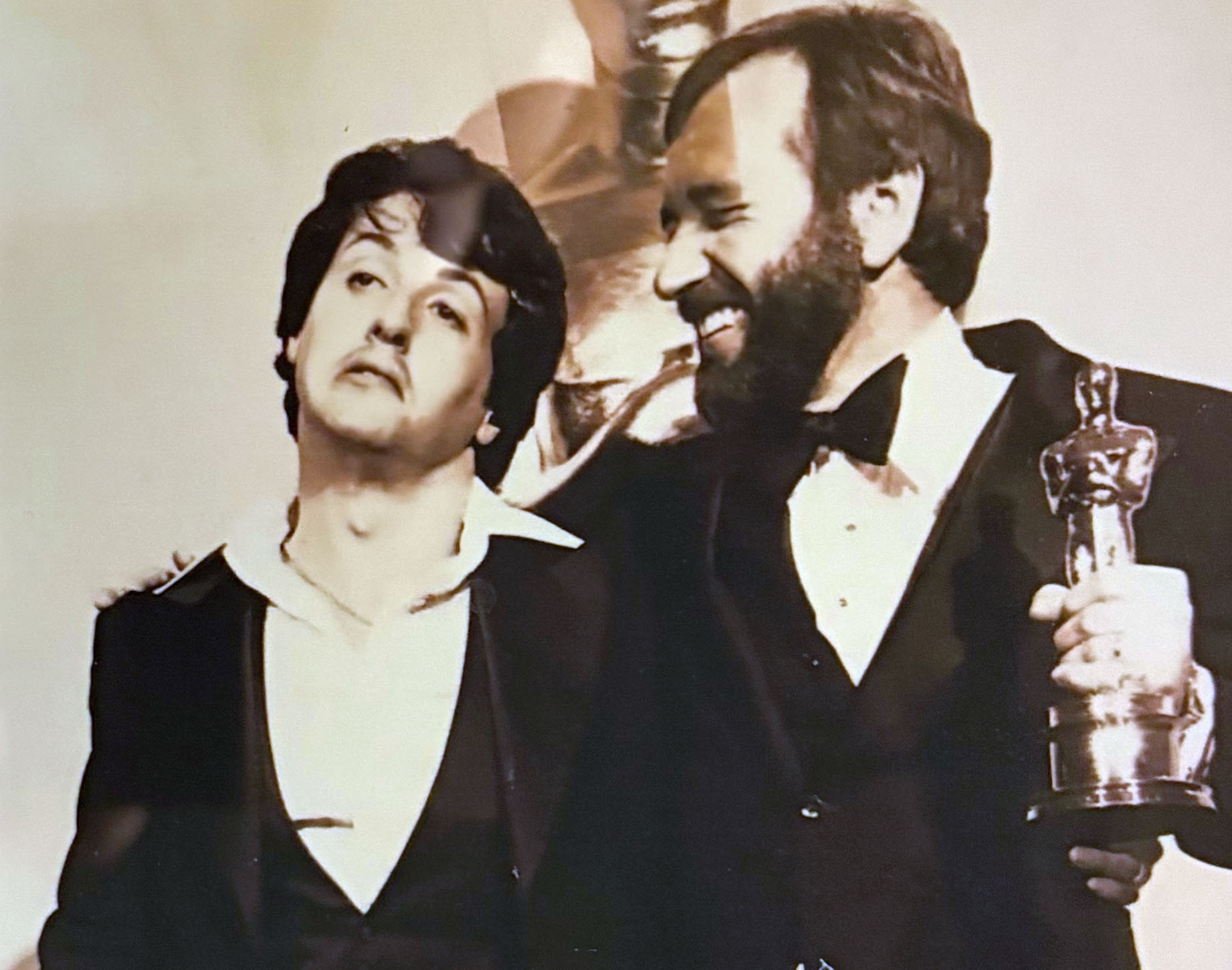
Today on Art of the Cut we are celebrating the 50th anniversary of the Best Picture Oscar-winning classic from 1976, Rocky. The film also won an Oscar for its director, John Avildsen. And for Best Editing for its editors, Richard Halsey, ACE and Scott Conrad, ACE.
This interview is with Richard Halsey – and you’ll occasionally hear from Richard’s wife, Colleen, who is also an A.C.E. film editor. Richard was nominated for an Emmy and an ACE Eddie for editing Pirates of Silicon Valley and an ACE Eddie for the film Coast to Coast.
In 2014 ACE gave him the Career Achievement Award in Editing for a career that included such classics as American Gigolo, Moscow on the Hudson, Down and Out in Beverly Hills, Beaches, and Edward Scissorhands – which he edited with his wife, Colleen.
Tell me how you came to edit this classic?
Halsey: In the early 70s, I get a phone call from the head of production at 20th Century Fox, Leonard Kroll. I had done a couple of successful movies at 20th Century Fox. One of them being Harry and Tonto, for which Art Carney won the Academy Award for Best Actor. So they loved me at the studio.
Kroll calls me to say, “Hey, Richard, we have issues with a movie here. We need some help. Could you come in and take a meeting? I say, “Absolutely! Sure.”
The picture is called W.W. and the Dixie Dancekings with Burt Reynolds, a country western. I saw half the movie, then the editing stopped, but I saw some merit in the film. I liked it.
I thought it could definitely be improved. They put me on the phone with the director, John Avildsen. So that’s my connection to Rocky. I met John Avildsen. So Avildsen comes to the studio the next day. He’s living in Malibu. I told him I liked what I saw.
He and his previous editor had taken ten weeks and they only had half the picture cut. We start talking and he says, “I’d like to look at the last scene in the movie.” I said, “Okay.” We start looking at that, start making decisions on the editing.
I didn’t like the way this was going. This is no good. This is a waste of time. So I said, “You know what, John? You’ve got a beautiful place in Malibu. You stay there and enjoy yourself.
Give me two weeks and I will recut some of the stuff in the first half of the film that you have assembled and all the new footage that has not been edited.” He took a beat and said, “OK.”
Pretty impressive to cut it in two weeks!
Halsey: I was the boss. Nobody told me anything. I did it, I made all the decisions. I recut it in two weeks. I ended up supervising the mix, doing the ADR. I did two versions. I did the studio version, and I did the version I did with John.
There were certain things that the studio really didn’t like, but we made it all work. We had a preview on Friday night where we showed the studio version, then Saturday night we had the director/editor version. I write a letter to Alan Ladd stipulating why we should go with the director version.
7 o’clock on Monday, I get a phone call here: “Hey Richard. It’s Laddie. Can you come over for ten minutes?” I said, “Absolutely.” I go to his office, he says, “You want a drink?” I said, “Absolutely.”
Never turn down a drink.
Halsey: He’s got my note on his desk, and he picks up the sheet of notes. He says, “I agree with this, this, this, but no to this and no to this.” And that’s it. After that, dissolve, four months later, I get a phone call from John Avildsen, “I’m sending you a script: 52 Pick Up.” I read the script. It’s horrible.
So I tell I him, “If we do this picture, it’s the end of my career, the end of your career.” So that went bye bye. Two weeks later, I get a phone call, it’s Avildsen, “I’m sending you another script,” and it’s Rocky.
I read the script right where I am right now in my kitchen. I said to myself, “I could be nominated for an Academy Award for editing for this movie.”
Wow!
Halsey: I made the prediction right there. Never stopped believing that, and that’s exactly what happened. It is a delicate situation when you had Sylvester. I mean, a lot of people involved.
The dailies: 7,000 or 8,000 feet of dailies a day. I would take the dailies from MGM studio. Rocky was low budget, so we had free screening of the dailies.
So I packed up my car with dailies, left MGM studio, drove to Universal Studios where the old Technicolor was and who whose looking at the dailies? Me! Only me! I was the only one looking at the dailies.
For those younger editors out there, that’s pretty unusual, right? Back then, the director, even the cinematographer, the editor, there would be quite a crowd for dailies, right?
Halsey: Exactly. Definitely. But this was not the case. First of all, they were short on time. They were hustling. I didn’t actually start on the movie until after they shot all the stuff in Philadelphia, which was quite a bit of material.

They shot in Philadelphia and LA?
Halsey: Oh yeah, the interior scenes. But all of those walking shots and all that stuff, that was all Philadelphia.
What was in LA?
Halsey: We had some interiors and we had…
The boxing?
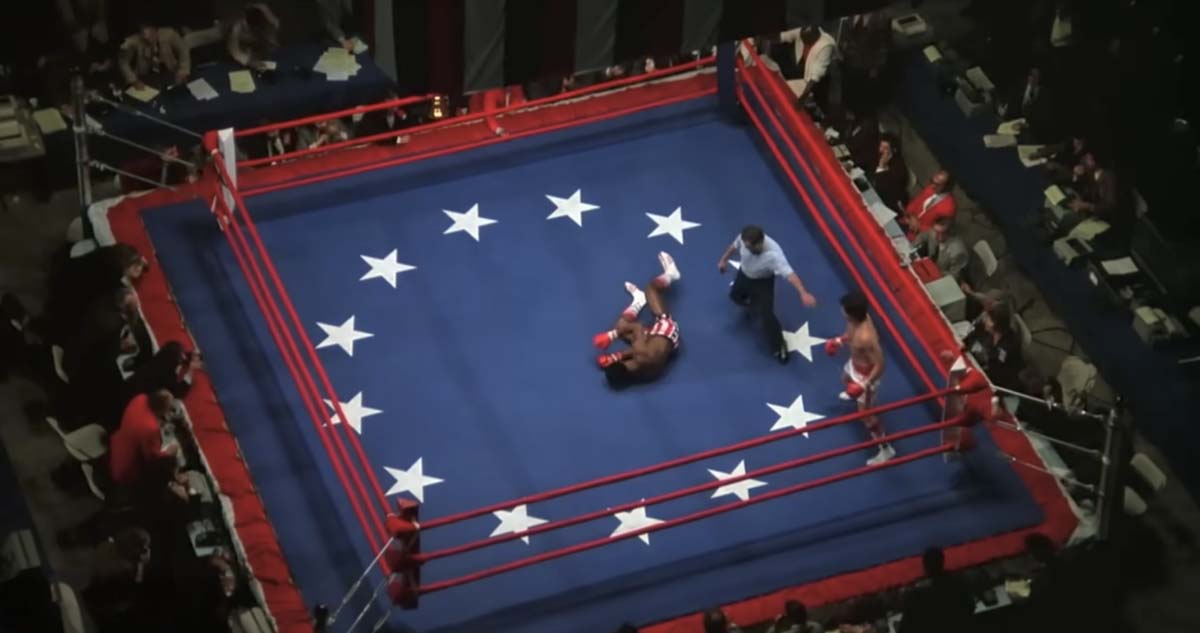
Halsey: Yeah, all the boxing.
You mentioned that you were getting about 7,000 - 8,000ft of dailies a day. How many days of dailies?
Halsey: Less than 30. My assistant was someone I had when I was an editor at Fox Studios on Peyton Place. I became an editor on that TV series. I took my assistant from that show and was doing the dailies and editing and working quickly.
I’d say two weeks into my working on the film, my assistant comes up to me and he says, “Richard, I’ve got another job.” I say, “WHAT!” You’ve got another job? We’re up against it here with all this stuff!” And he says, “Yeah, but do you know who the editor is?” I said, “Jeff, do you know how good this film was going to be?” He says, “Yeah, but I’m going to work with Michael Kahn.” I say, “Well, he is a great editor.” So my assistant goes off to edit with Michael on Close Encounters and it was nominated for the Academy Award for Best Editing
Amazing that a single assistant editor gets to assist on two Academy Award-nominated films of the same year?
Halsey: Yeah, yeah, yeah.. So basically now we’re behind on the cutting, but I cut fast. By this point, I think I had 2 or 3 more assistants and an editor, John Farrell. We break down the dailies and I make my selects and then boom, it goes onto the reel. Then that material gets built back into KEM rolls again.
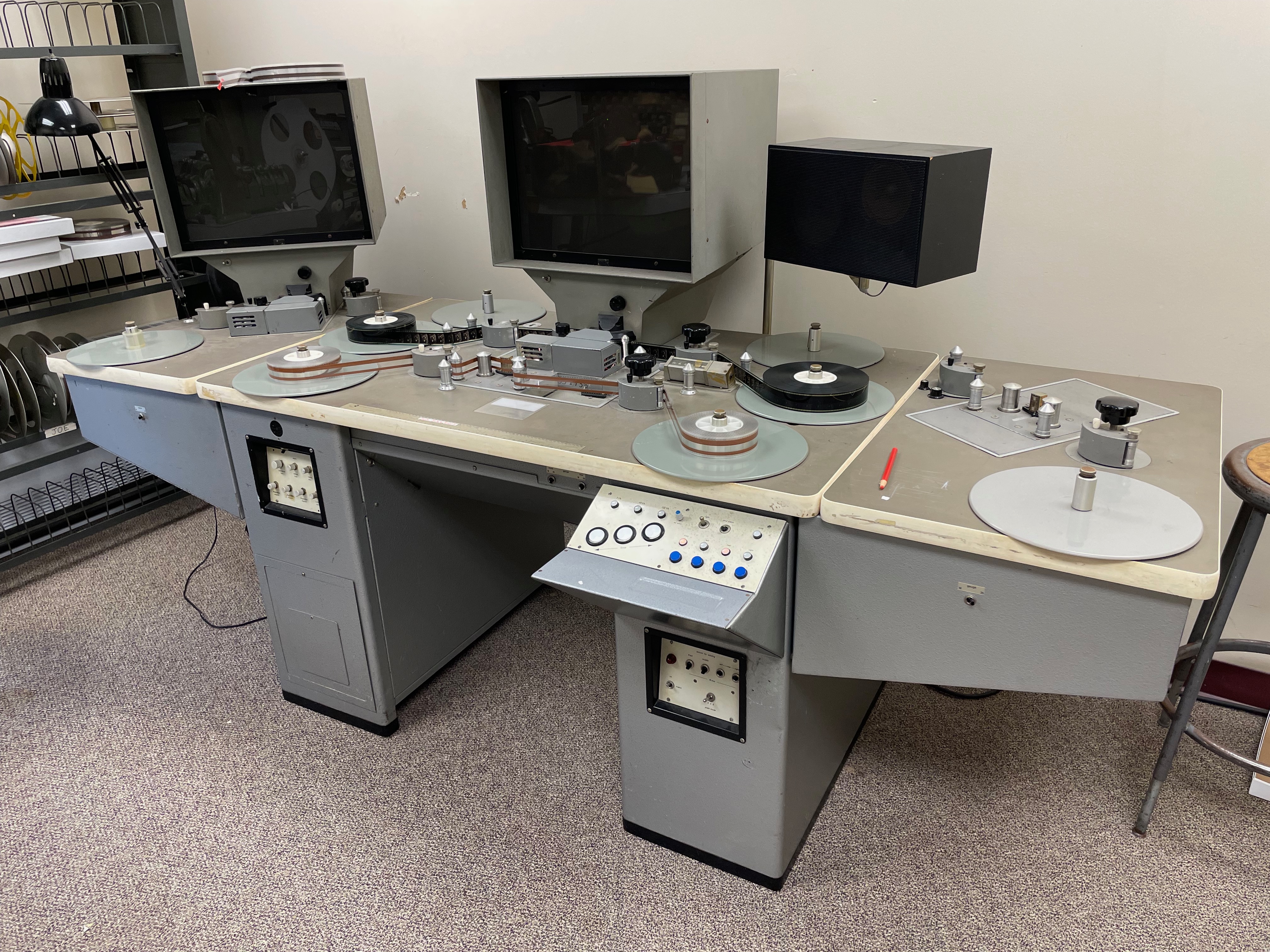
KEM flatbed (photo by Steve Hullfish, courtesy of Columbia Film School, Chicago)
Were you cutting on a KEM?
Halsey: Yes. We were fine tuning on the KEM. It was more of a screening machine, but we were cutting on it at the same time. We had three Moviolas.
I tried to hire my friend Bill Conti on the picture that I’d cut at Fox – WW and the Dixie Dancekings…
…and Bill Conti, for those who don’t know, is a composer, correct?
Halsey: Yes. But I couldn’t get that to go through at Fox Studios because they already previously had a really brilliant composer, Dave Grusin, but on Rocky - low budget film - so I started showing Bill Conti the dailies, and we had a relationship because he and I did Harry and Tonto.
I was the music editor, the film editor, training Bill on how to spot a movie, musically. He made handmade flutes on Harry and Tonto. He was such a wonderful, brilliant talent.
How many audio tracks were you able to edit with when you were editing on the KEM?
Halsey: I developed the system - and I used it because I saved us a lot of money - and that was one picture track and three sound tracks. Disney, MGM, The Thalberg Building - I knew where all the screening rooms were where you could mix live on three tracks.
The sound was phenomenal and sound is so important. What a money saver! You didn’t have to get a temp mix.
So you’re cutting dailies, but you’re behind because you had all the Philly material. Are you trying to cut that in linear story order? Or are you keeping up with the current LA dailies?
Halsey: I was behind because of the Philly material, so I was jumping on that and then trying to do the stuff that has not been edited and that keep up with new material. I was up to camera, using Bill’s temp score which would change.
He’d give us a new temp score. But this is when I said, “I need help on this fight material.” So I brought in my assistant – another one if my assistants - Scott Conrad, who was my assistant on my first feature film called Payday, which got incredible reviews and did no box office.
Pauline Kael mentioned me. Avildsen was the “over shoulder.” He was working with Scott. I never worked with Avildsen. I would always look at the end of the day what they were doing and give notes.
So how were you collaborating with Avildsen? How what kind of direction was he giving you? What kind of discussions were you having about what was being cut with Avildsen?
Halsey: I would be cutting my stuff. Avildsen would rough stuff out, and I would go over and look at it with him. I brought Bill in, and that’s when things really started to happen.
Before we started shooting, we had a session at Avildsen ’s house up and we smoked marijuana and we looked at stuff that John had shot on his 8mm camera with classical music. So we discussed, “Yes! That’s it. It’s a ballet. It’s a dance. We’re not going to cut this like a boxing film.”
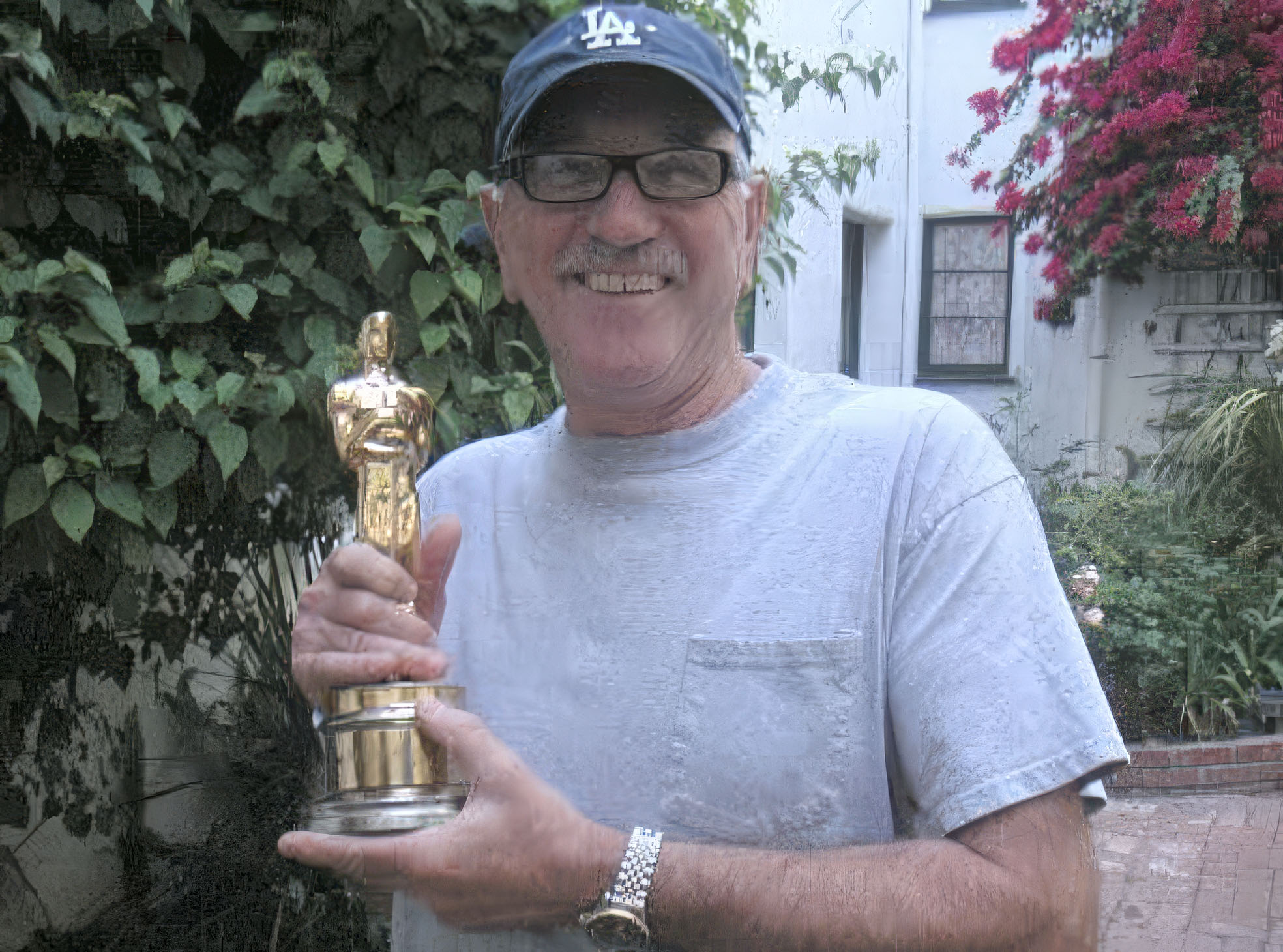
The 8mm stuff. Was that boxing stuff?
Halsey: Yeah.
But that stuff is not in the film…
Halsey: No. He was shooting the rehearsals.
Wow.
Halsey: That has been done before.
At one point, the producers came in and said, “Richard, we’ve got to have some promo stuff. The guys are going to Europe, and they want to take some of the film with them.
I said, “Okay, how about I cut a little 15 minute promo film.” They say, “No, no, no! You have to give us at least 40 minutes!”
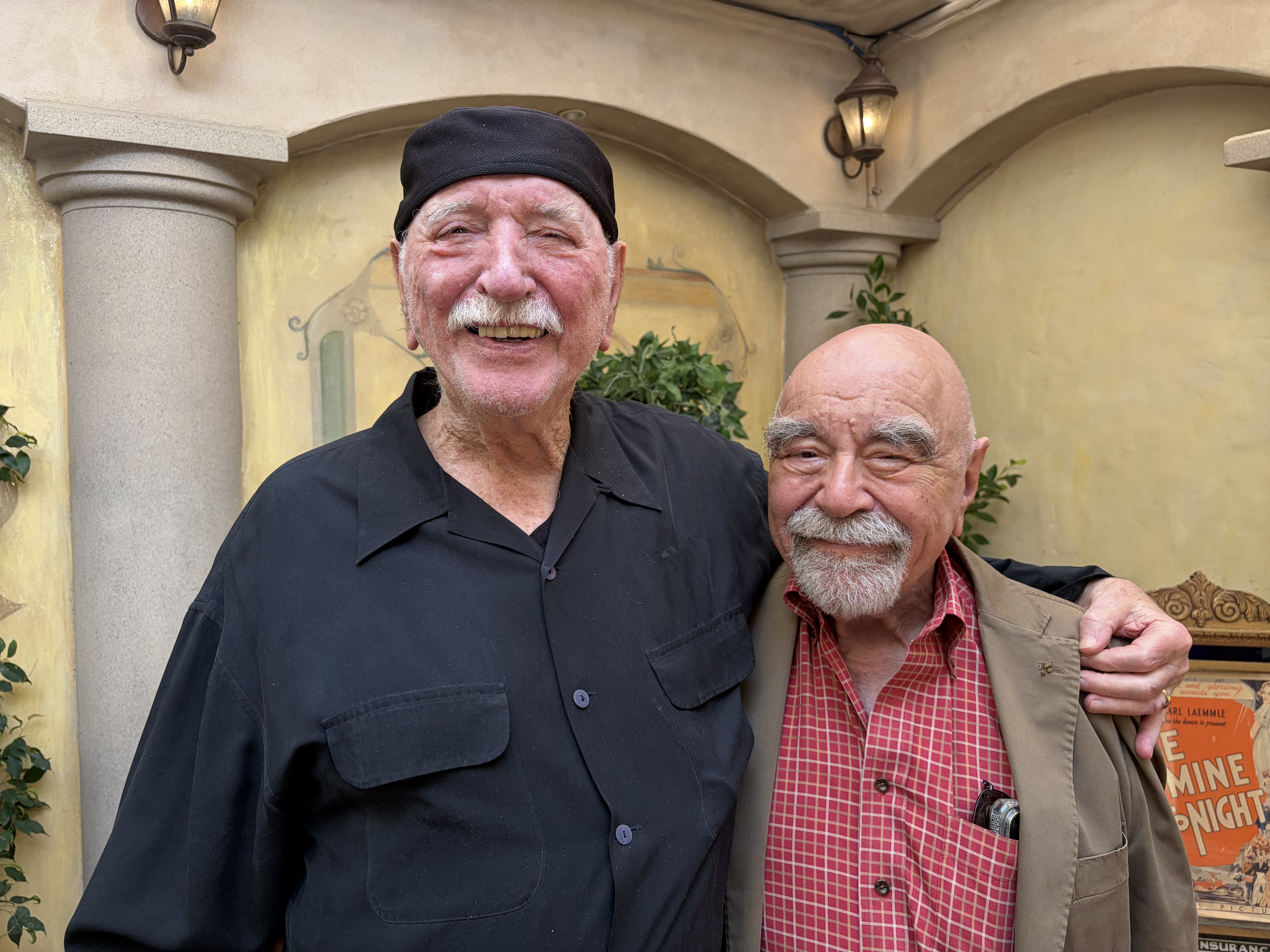
Richard Halsey, ACE, and Alan Heim, ACE
What?! I thought they were going to say five minutes!
Halsey: Yeah! I go to the producer, Irwin Winkler - God bless him - so I get that together. I had three days to get it together. They’re in the limousine, they say, “How much have we got here?” I said, “I gave you exactly what the producers requested. 40 minutes.” They say, “No, no! We can’t have 40 minutes.
That’s too much!” I said, “Okay, give me a half hour.” I previously had already figured out exactly what I was going to send in the 15 minute reel, so they go off to Europe. When they came back all everybody could talk about at Cannes was this film with Sylvester Stallone. It had heat right off the bat.
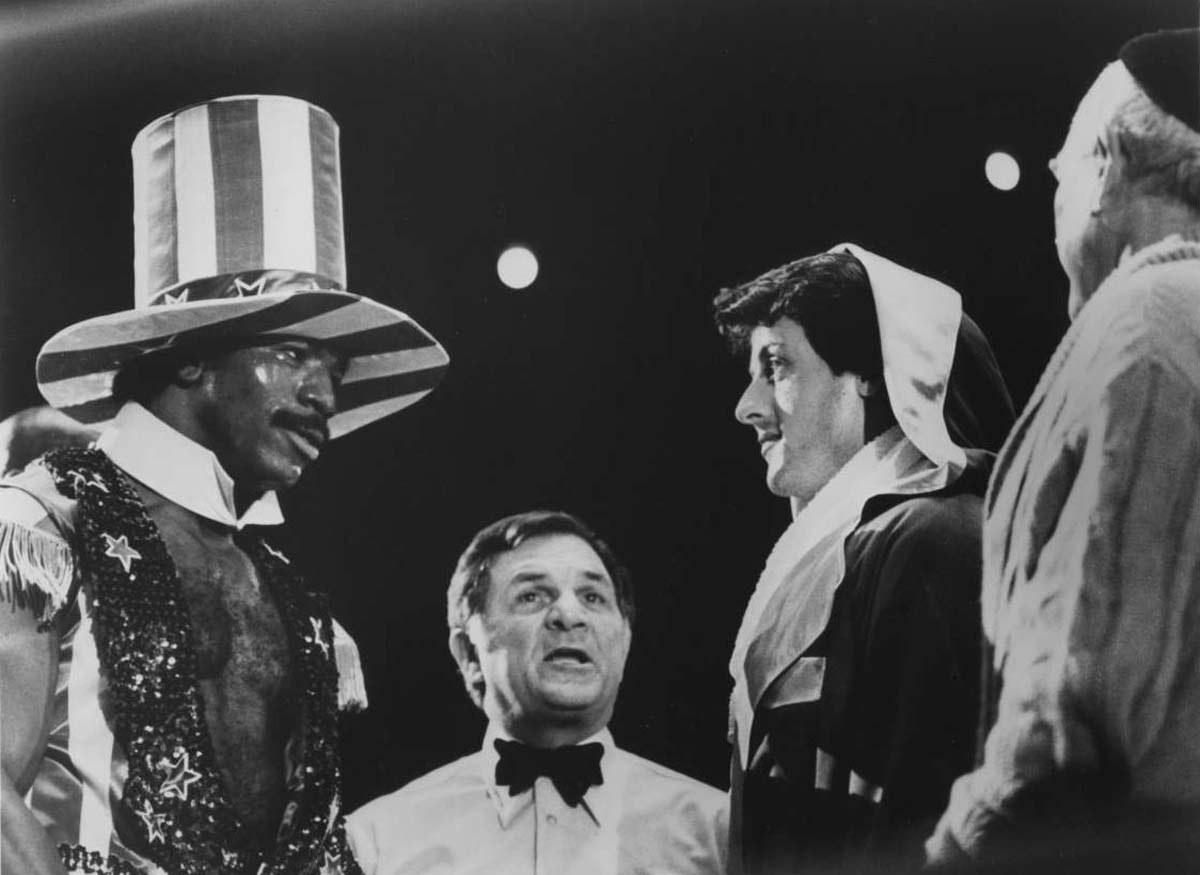
There was this fight right before Apollo Creed. He hits Rocky. There’s supposed to be this shot of the mouthpiece flying through the air and landing on the floor of the boxing ring. I say to Avildsen, “I saw all the dailies. I never saw this shot.
You’re going to have to do a pick-up.” He says, “No way! I shot that shot!” When you have four cameras - 4 or 5 cameras - he promised to shoot the fight sequences in four days, he shot it in five days. so they gave him the extra cameras, and of course, he didn’t shoot it in four days five days.
So this was a running gag: whenever somebody was looking for a shot, Avildsen would say, “Where’s the mouthpiece? Find the mouthpiece!” He’s still looking for the mouthpiece. And I said, “Maybe we should that on the pick-up list.
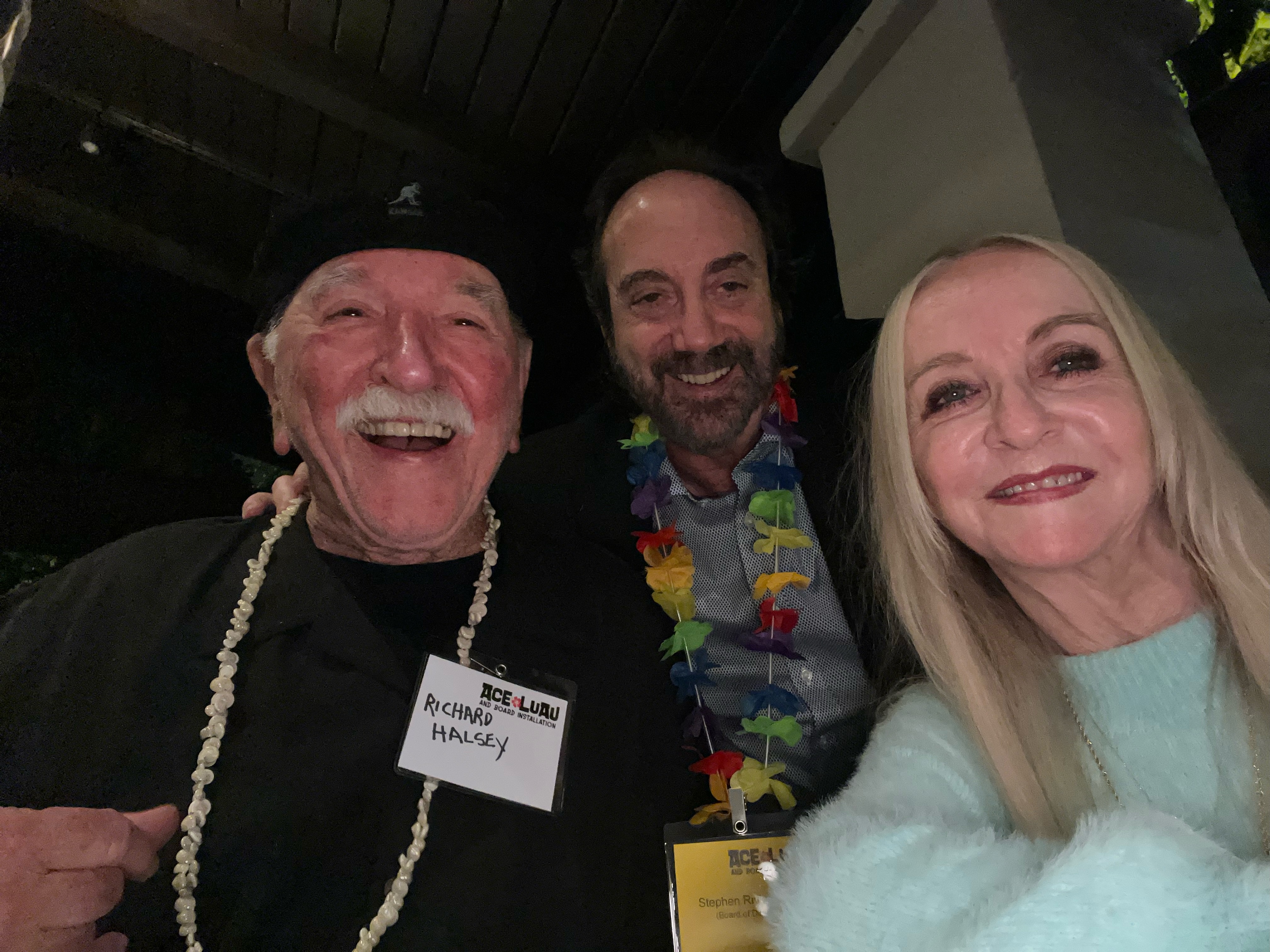
Richard Halsey, ACE, Steven Rivkin, ACE, and Colleen Halsey, ACE at ACE Luaua Party
Did you ever find it?
Halsey: No, never. Never found the mouthpiece.
Then they’re saying that UA wants to see some of this. I said, “Okay, let’s have a screening and I’ll mix it live. Before we showed it to the UA executives I suggested we screen the movie - because I’ve done this before - for the USC film class.
Irwin Winkler said, “Are you out of your mind, Richard? You can’t show this to the film students! They’ll rip us apart!” I said, “Irwin, trust me. It costs you nothing. We’ll put fliers up. Open it up not just to the film school but the whole campus.”
So they agreed to it. We hadn’t finished editing the film! We had no ending! So we ended the film in the fight arena where Apollo Creed smacks Rocky and Rocky falls to the mat, and we cut to black and the crowd went crazy! They went crazy! So we knew right then and there!
You had something. But you knew it from reading the script!
Halsey: Oh, yeah, I knew it. So we go back to the editing room and we wrap up the movie, and we really didn’t have a great ending to the movie. We had this stupid ending where Rocky and his girlfriend walk off down the turnstile of the arena, and we had this folklore song. It was so hokey. And we had been really good about that because Avildsen and I didn’t like lyrics in the songs.
We recorded Carole Bayer Sager. I think they brought her in at that point and she wrote lyrics. It was Rocky “…getting stronger…” Much more sophisticated, the lyrics. Now it’s time to run the film for the UA people, but we had this ending where they walk off into the sunset, down the turnstile.
We had this screening, there was applause. It was a positive reaction, but you could tell the ending was a problem. So we’re walking out of the theater and Ray Bradbury, the author, comes up to me and he says, “Richard, you cut that ending with that song and you’ve got a hell of a picture.”
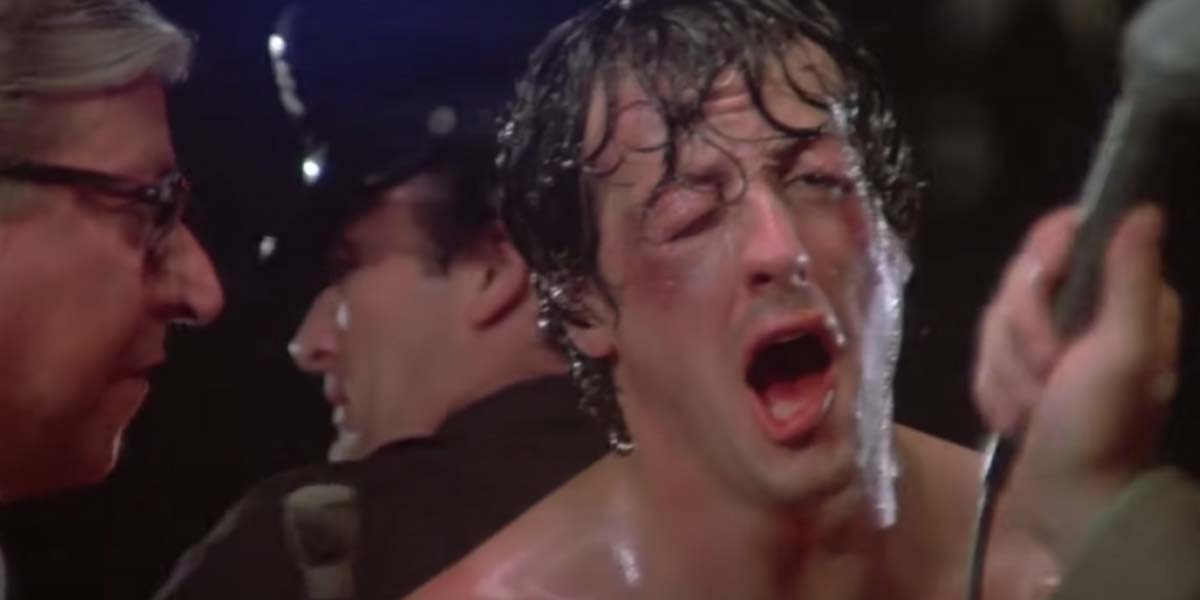
Wow! Ray Bradbury said that?
Halsey: Yeah, yeah, but everybody knew that. So we went back to the editing room. It was obvious. I’m sure we got notes and we orchestrated and used whatever pieces we had to create this ending where she’s backstage and then you shoot the scene where Paulie comes down… “The winner and still champion!”… and you can barely hear anything.
We were trying to cover that up, and then to have the big romantic kiss at the end with Conti’s music. Pretty amazing, pretty amazing.
But the big save with the with the new ending!
Halsey: Yeah. And we never had another screen of the movie until it was finished.
Anything else tricky?
Halsey: The boxing was difficult to cut together because they had no extras. So during the long run shots with the actors you could see on the whip pans, empty seats. So Scott and I – and I give credit to Scott - we stole some shots from the Muhammad Ali film – I forget the name of the boxing film - but they had Madison Square Garden with these whip pan shots of the audience, and we put 3 or 4 of those shots in.
Then Bill Conti, with the score, said, “Richard, I can help you out with that…” and we get all the extras from the Scorsese film that was shooting there at the same time, and Bill’s conducting all these extras, “Rocky! Rocky! Rocky!” and staggering them on the recording. So it’s sound like great, incredible sound.
I have my own sound crew that I’ve used on several pictures. Sylvester would do ADR. He’d do the whole reel! He was the good guy. He lost his temper once with the director - as I did - and he picked him up and left him up in the air right by the doorway where you go out for lunch.
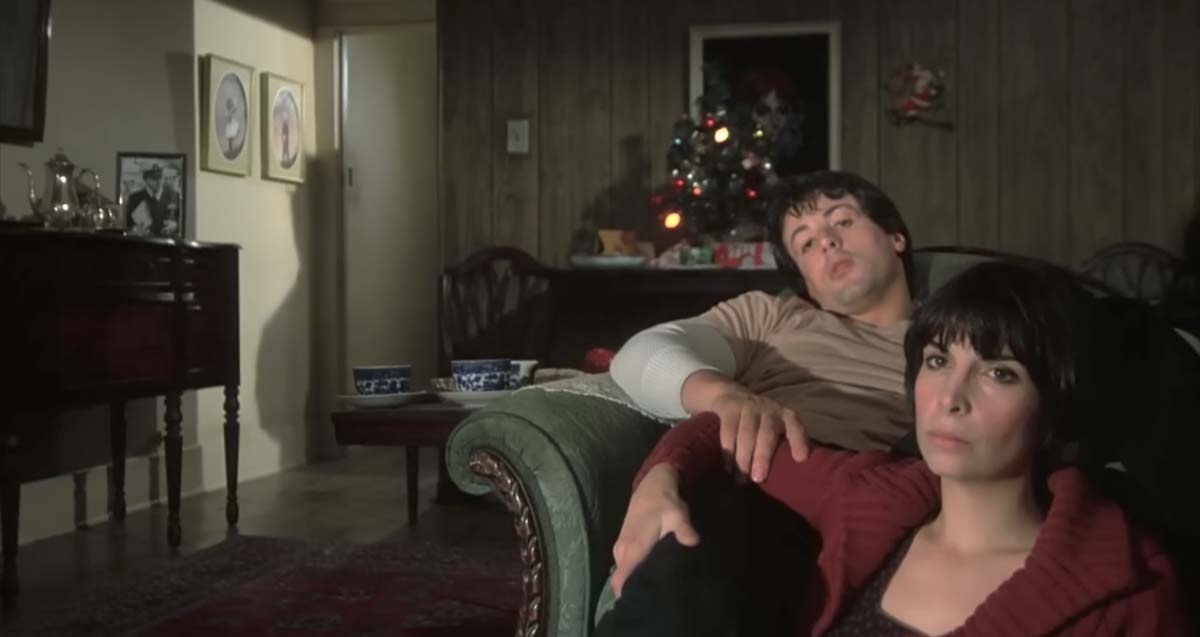
50 years ago, what was the mix situation like?
Halsey: We did a mono mix, not a stereo mix for this. I don’t know if it was the money. Some people believed at that time that you could get a bolder with sound with mono than stereo.
What do you think you’re shooting ratio was on that film? You had a two hours runtime? What do you think the total number of hours were of dailies that you had to work with?
Halsey: It wasn’t that much, except for the five days of boxing. We were always looking through the material for the mysterious missing mouthpiece! That was always the call, whenever something was wrong, Avildsen would say, “Get somebody on that mouthpiece!”
We had hardly any extras to cut to during a fight. And we had what’s-his-name – the famous boxer – Frazier or one of those guys, who was there the whole five days.
We even shot a little scene with him. I said, “Why didn’t they shoot ten minutes of him reacting to the fight?” Avildsen was mad at himself for not figuring that one out.
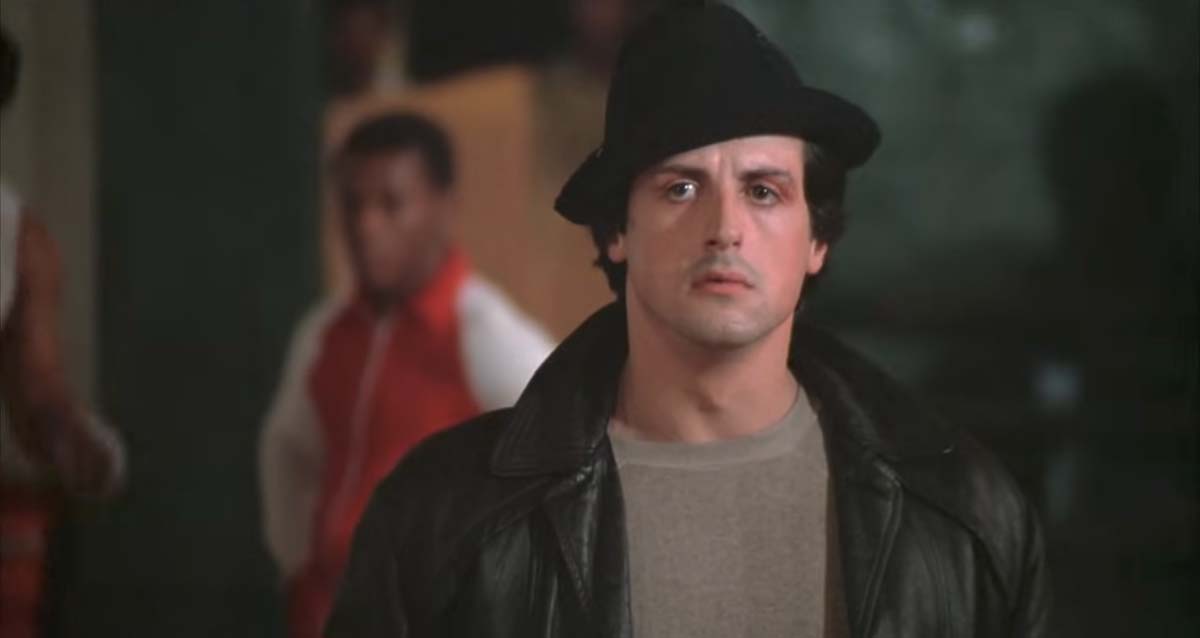
Many of the early scenes are essentially oners, like one-take scenes. Was there coverage of those? Or did you just feel like they played best in the oner?
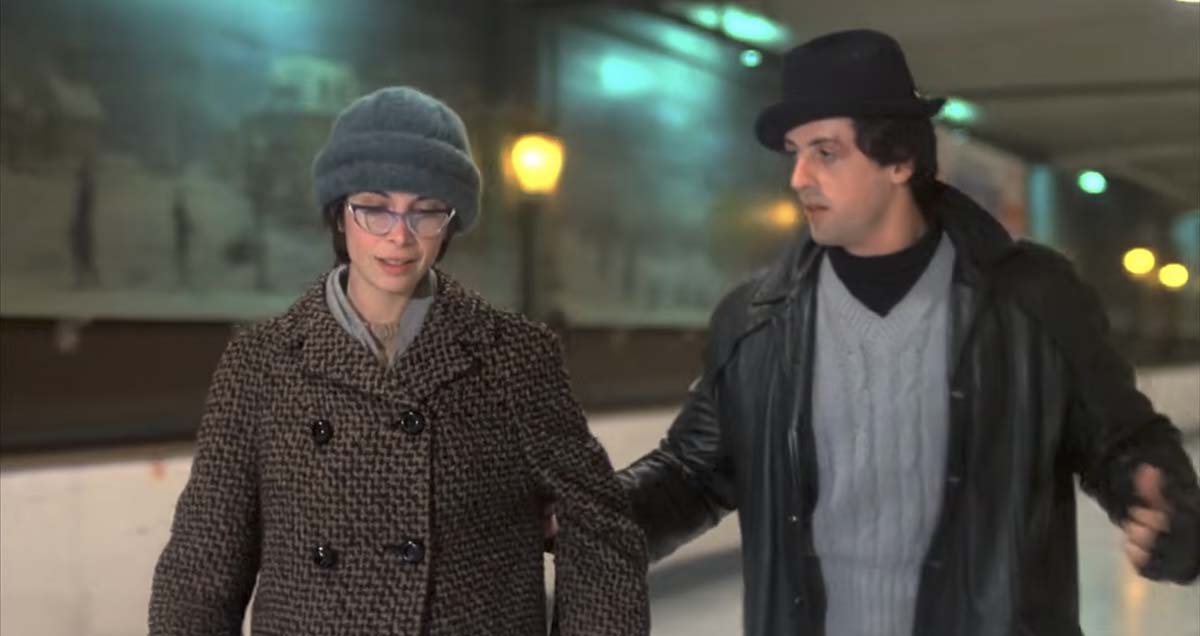
Halsey: We had coverage. The big thing was Rocky walking around for the first 40 minutes, nothing happens. I said, “Yes, Irwin, but we’re setting up the character of Rocky, and when that girl says, “Up yours, Rocky!” You really feel for the guy.
They wanted to cut that girl out! I said, “Never change one frame!” I never changed one frame. Even though on one of the walking shots you see the 5K light right in the frame!? But it was so dramatic, you never noticed it.
You cut Rocky on film - as we’ve been talking about. You also cut American Gigolo in 1980. I would assume that was on film. What about something like The Net in 1995? When did you make that transition to NLE.
Halsey: We were cutting on KEMs.
Colleen Halsey: You ended up working on an Avid, didn’t you? You definitely cut that on an Avid. Irwin and Richard were interviewed for the Arts and Leisure section of The New York Times in 1995, and you can see they’re sitting and there are two computer monitors.
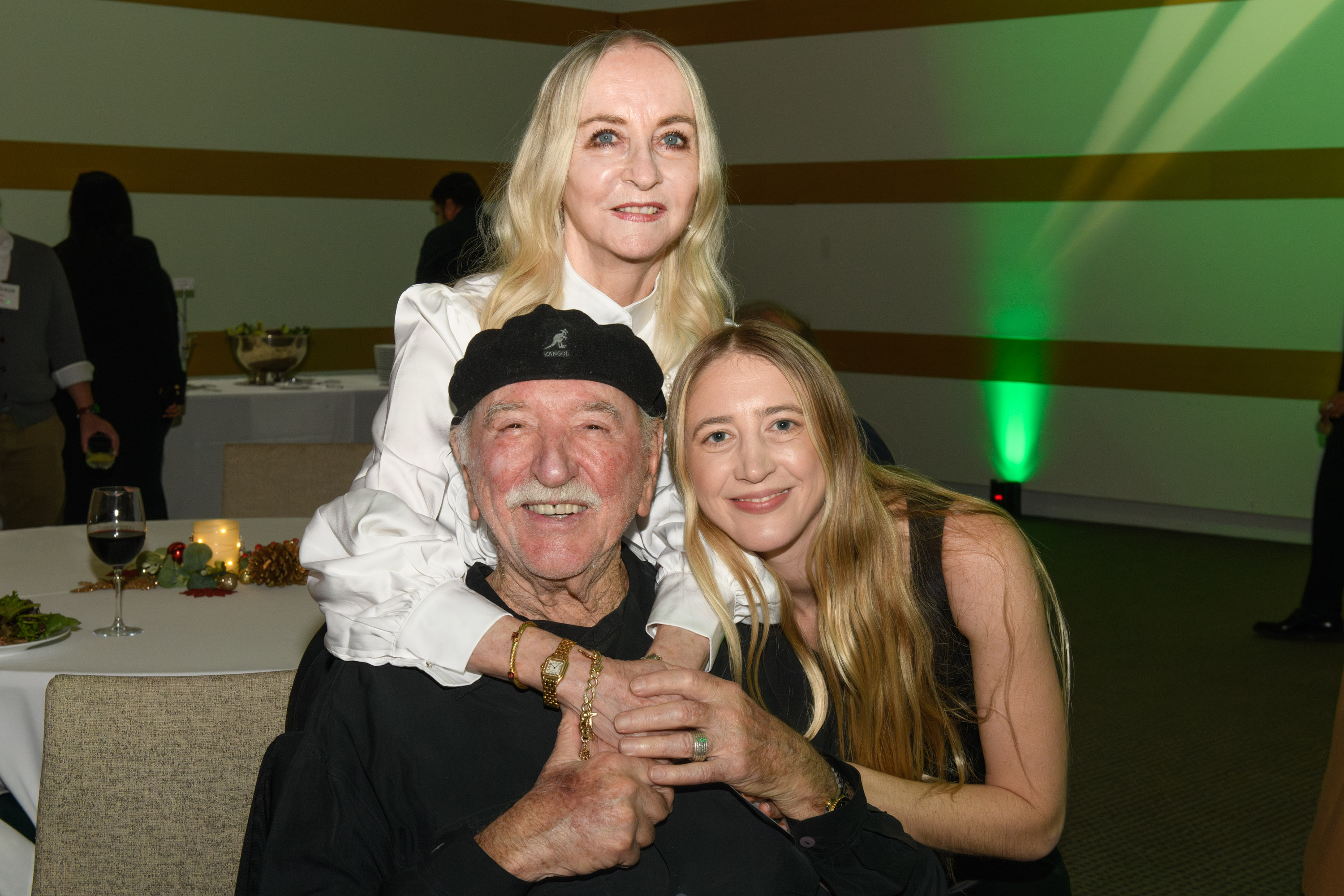
A family of editors: The Halseys, Richard, Colleen and Morgan
Thanks for looking that up, Colleen. Your wife is also an editor. The two of you have cut some films together, like Edward Scissorhands and So I Married an Ax Murderer. What kind of discussions have you had around the supper table about that switch to Avid?
Halsey: One of the biggest filmmaking changes that happened on Rocky was the Steadicam! The Steadicam changed filmmaking. It’s so obvious today. Everything is Steadicam.
Garrett Brown [the inventor of the Steadicam] was a big guy, like 6’6” and that Steadicam was really heavy.
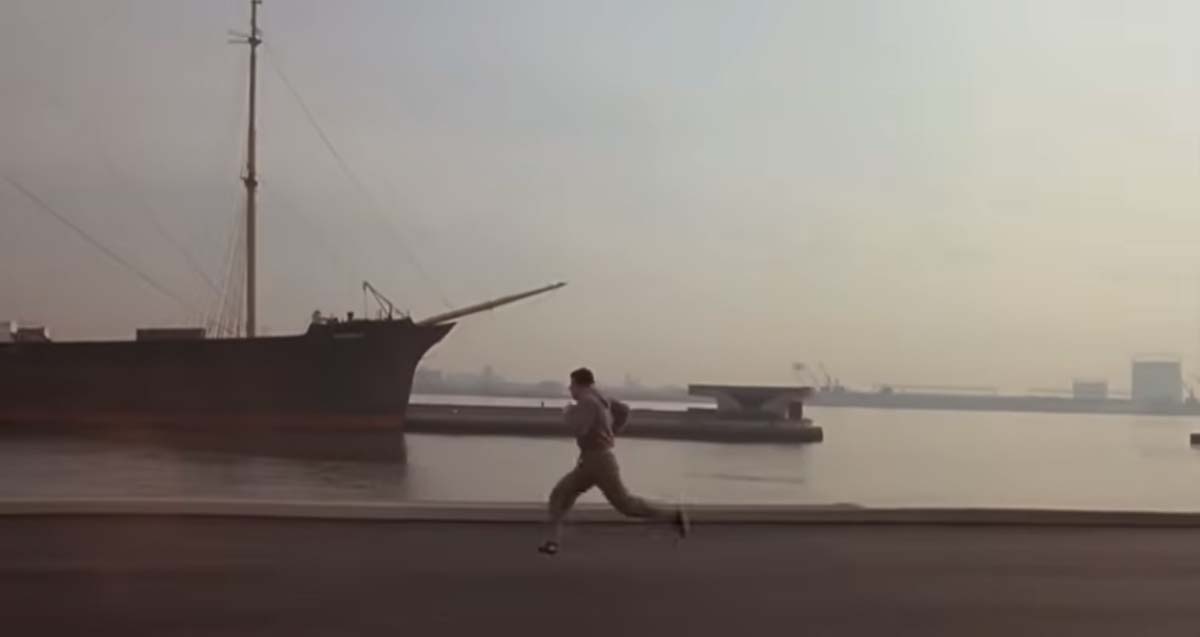
But those shots, the one montage where he was running along the river, and then past the train, through the marketplace, up the stairs and the camera follows him up the stairs…
And here’s where I did something which I love. I wanted a shot where it zooms down to Sylvester, then cut. We didn’t have that shot. We had a shot with Rocky where it pulls back and up, way up. I reversed it so it looks like the camera comes down to him and nobody ever caught that it is going backwards! Nobody ever caught that the actor’s going backwards! I couldn’t believe it.
I did it talk one time about “What is greatest cut.” I call the jump cut the most important cut. It’s invisible. You don’t see it. You don’t see the jump cut.
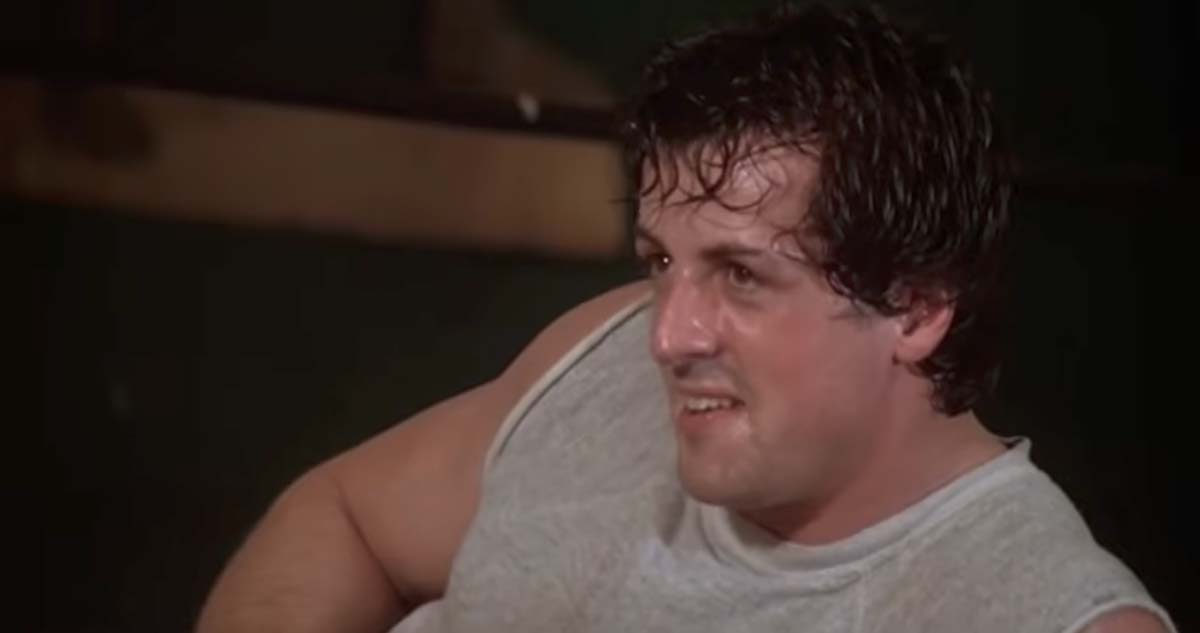
We’re going to the Oscars in a limousine. It picked me up at my house in Hollywood Hills. It picked up Scott previously. The whole way there, Scott kept asking, “Are we going to win? Are we going to win?” I said, “We’re going to win.
When they call our names, make sure we both walk the same way so we don’t look stupid.” We’re walking up to the stage, they hand us the Oscar. We go backstage. We’re dying of thirst. I said, “We gotta find someplace to get a drink,” so we get in this elevator and guess who’s in the elevator? Muhammad Ali.
He gives us a fist bump. He was so nice to us. Such a cool guy. We’re at the Music Center. We open the door and it’s like a hundred yards down to the bar. We’re there drinking a beer, being obnoxious, being ridiculous, being silly.
Down at the far end I see this woman and we’re still acting goofy and …long walk down to us… she comes up to me. She’s really beautiful. She asked if she can hold the Oscar. We say, “Sure! Take it! We’ve got another one downstairs!” Then he leaves. Then we figured out, “Oh my God! That was Natalie Wood!”
Wow! What do you think changed between when you were cutting on film? Have you felt it change your own editing when you went from film to digital?
Halsey: I was always all for it. When we switched to digital, some of my sound people wanted to stay analog. I said, “Digital is the way to go.”
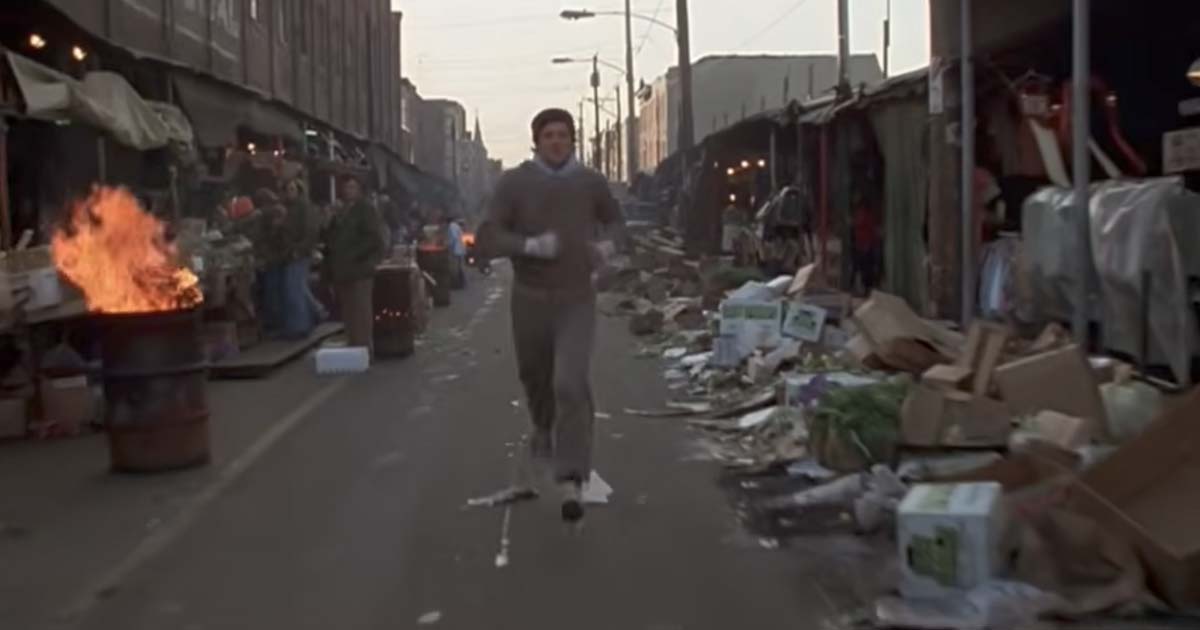
The Rocky montage - the training montage - has been ripped off by every sports movie in the world since you cut that thing. Can you talk about cutting that?
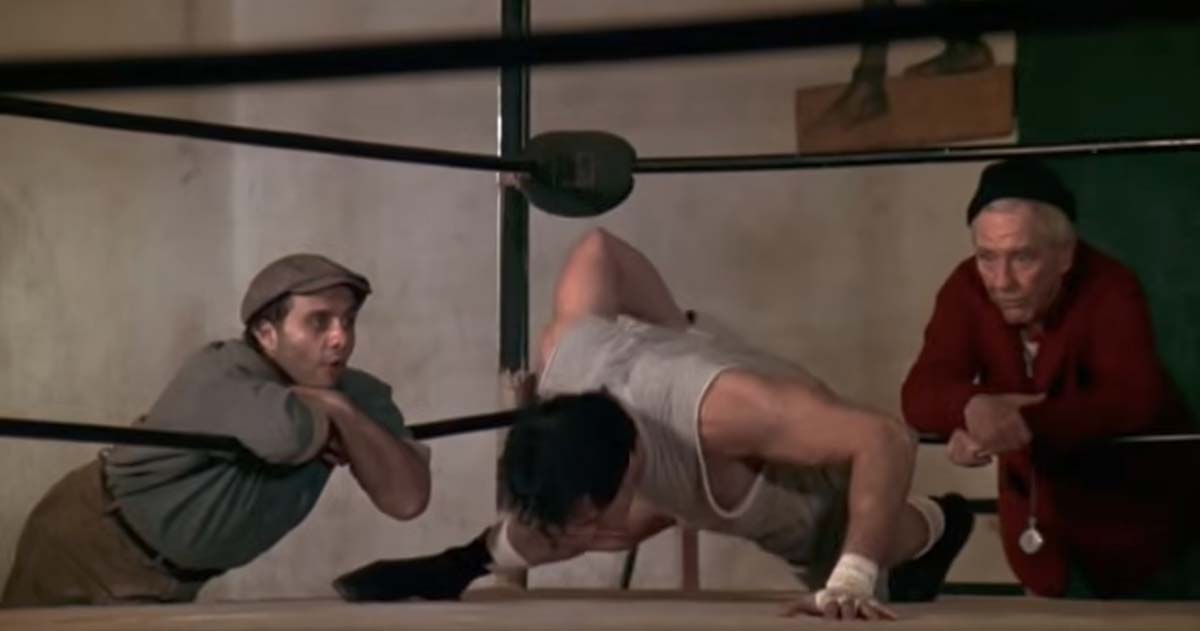
Halsey: I cut it once and that was it.
Wow!
Halsey: There are not that many shots.
You even go back to shots, right? You go back to him doing pushs up or doing pull ups or something.
Halsey: Yeah, yeah. Of course Bill, with that score… They ran that thing back and forth and back thousands of times.
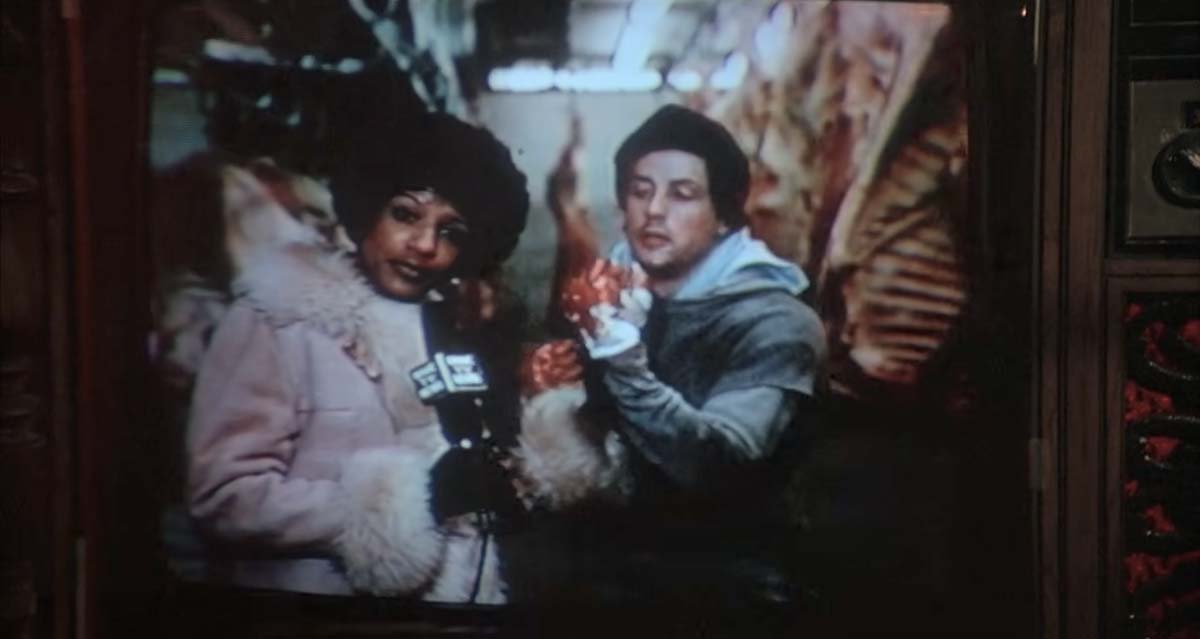
Conti did a great score with that, but you didn’t have that when you were cutting that training montage… Did you have some kind of temp?
Halsey: Oh no. He went home and wrote it. It might have been not been the film final version.
Can you think of any scenes that were deleted?
Halsey: There weren’t many deleted, but one that was deleted was, they had a press conference in the movie with Rocky. He didn’t like what was asked, and he sucker punched the guy in the stomach. Sylvester said, “That’s a cheap shot. Let’s cut that out of the movie.”
What about restructuring? Was there any restructuring from the script, like swapping or moving scenes out of order?
Halsey: No, no.
What about intercutting? Like the prep for the fight between Rocky and Apollo? Was that scripted as being intercut?
Halsey: That was always cross-cut.
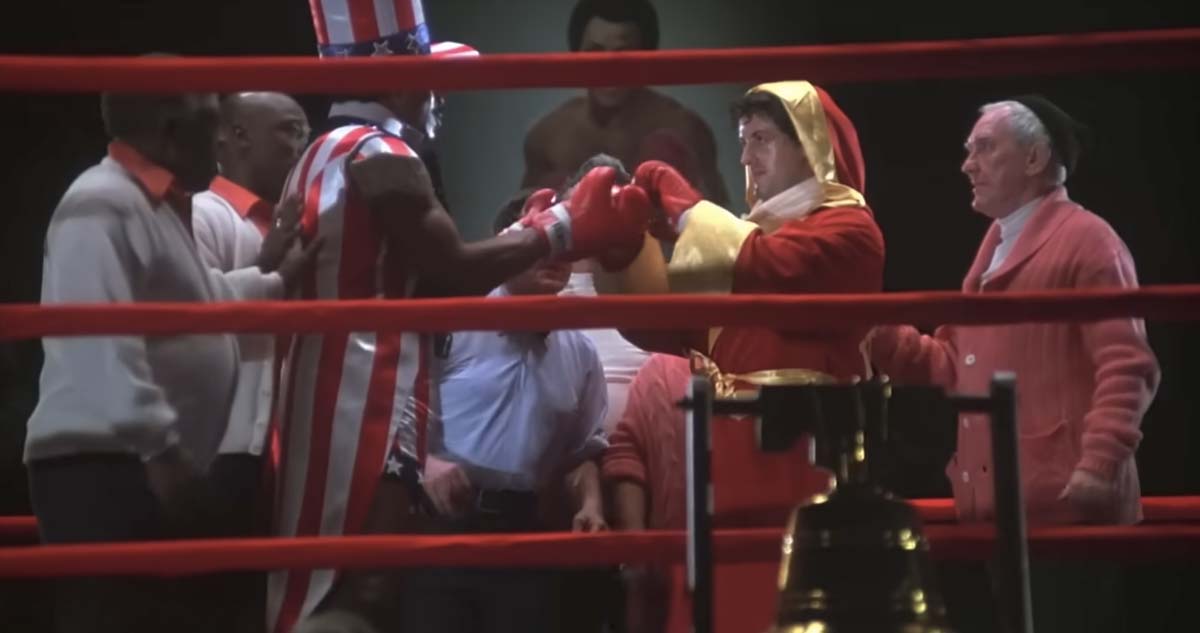
When you were cutting the fight footage, what kind of sounds could you use? Did they have fight sound effects? Did you have a reel that you could actually hear the punches?
Halsey: Yeah, we had a reel we could put up [“efforts”, the sound of Sylvestor grunting like he was getting hit.] We had the standard sounds for the punches. They went over the punches 30 times. “That’s not real enough.”
Do you remember the section of the fight where you cut to Adrian during the fight and you dropped out the audio? She’s watching the fight and Rocky’s kind of on the ropes, and you dropped out the production sound?
Halsey: Vaguely, I remember that. They wore the poor mixer out there. That was Harry Tetrick, our mixer. I felt so bad for the mixer on that. I think we ed it in one week.
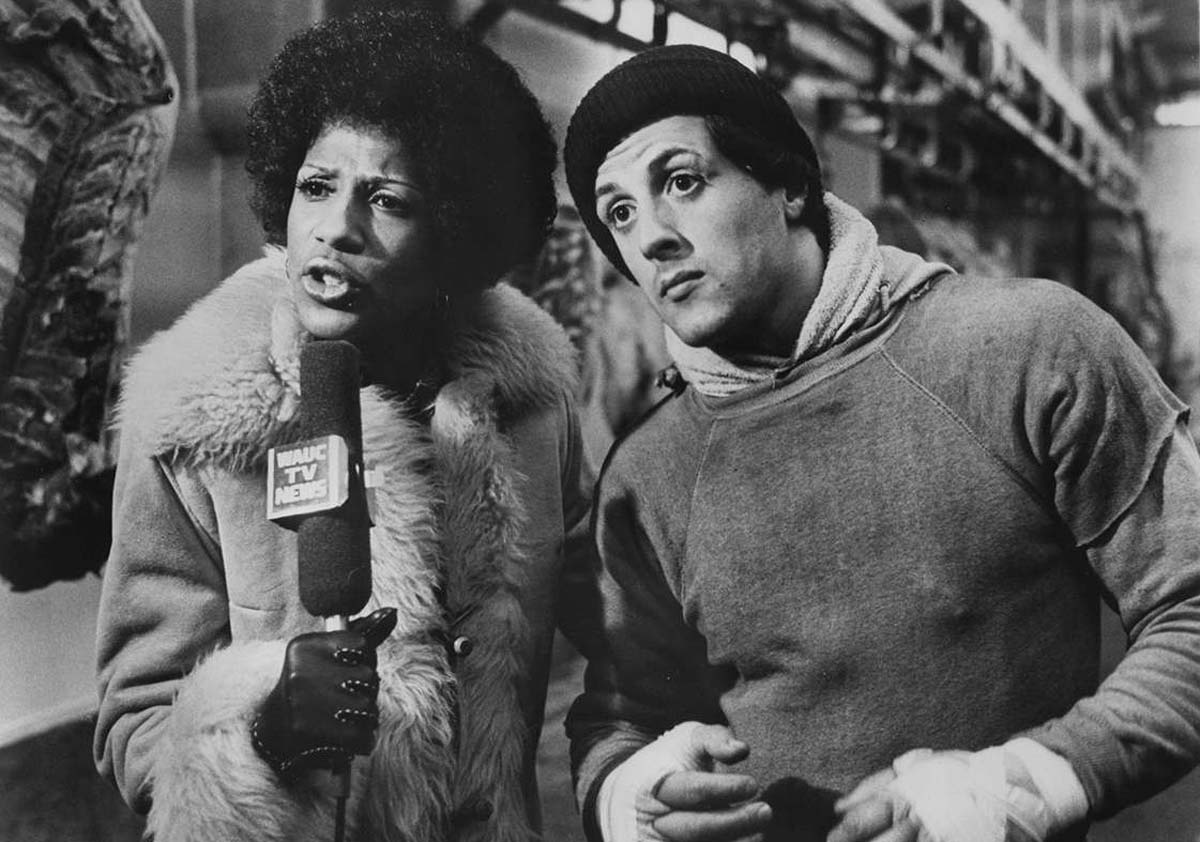
And were you part of that process? Did you help?
Halsey: Oh yeah. I hired the sound guys. We didn’t even have a music editor until the very end. Near the end I handled the credits. So I go to the attorney who’s handling all the credits, and he was asking me about who we had for an art director. We had Spencer, but he just spent four or five days at the sports arena.
But all the dressing and everything, that was done by a guy called Bill Cassidy, who is a commercial director who had worked with Avildsen. Then there was another guy. David Nichols who did a lot of great stuff, but he left to go work with Marty Scorsese.
We only had one guy that was a union art director and that was James Spencer. He got the credit. Two days after the film was released, I got a call from Spencer, and he says, “ Richard, what the heck did you do? My phone hasn’t stopped ringing off the hook!”
The producers didn’t want me to give credit to Scott. He was my assistant on my first film. He did a good job assembling the fight, and Avildsen hated him because of his politics.
I’ve seen too many pictures where there are six editors on the movie, and one gets credit? I could never do that.
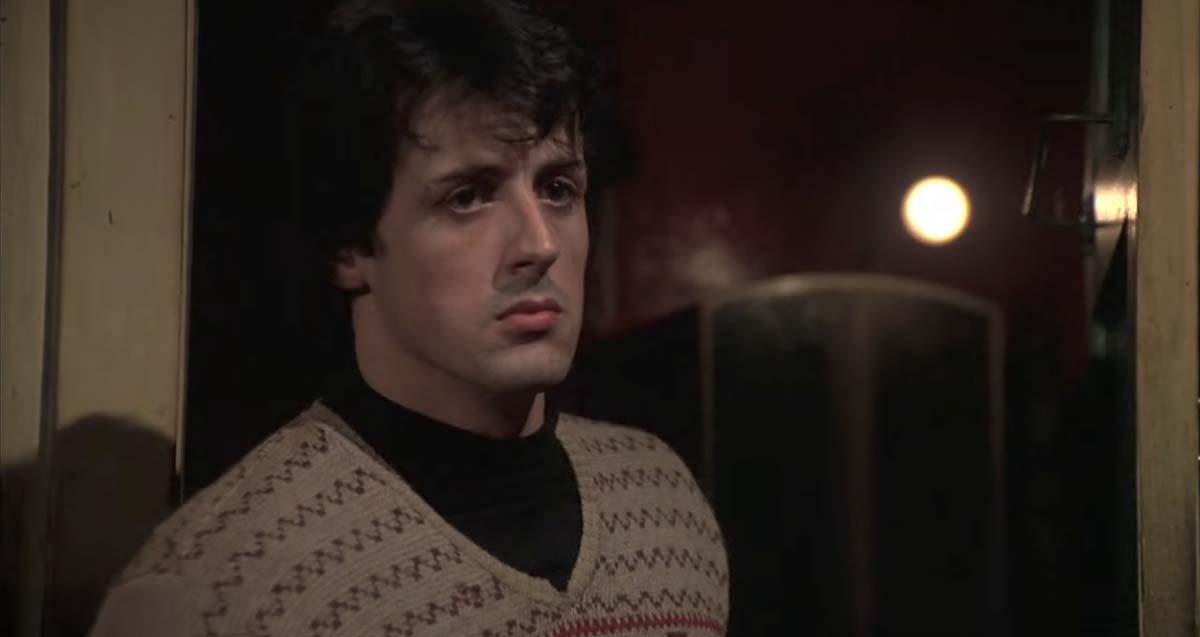
Do you remember what the editing schedule was like? From when you first joined the picture - your first dailies - to when you were done with screenings?
Halsey: The movie started shooting before Christmas. They had wanted some Christmas scenes. I started in December, and I think we were finished around July.
Six months. Seven months.
Halsey: The sound man, Bud Alper, he didn’t like Avildsen. He said, “Richard, I don’t want credit on this film.” I said, “Are you sure? This is going to be a very good film.” Of course, after it came out now he wants credit, and I was able to able to get him credit.
Do you want to talk about any specific scenes or do you have any other stories you want to talk about?
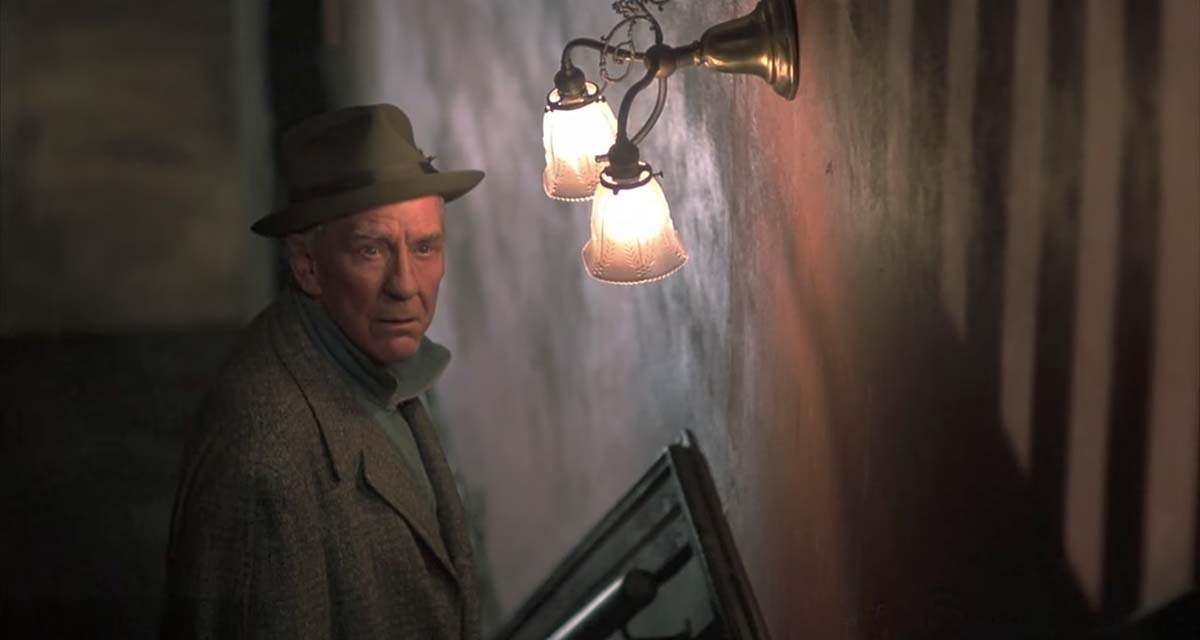
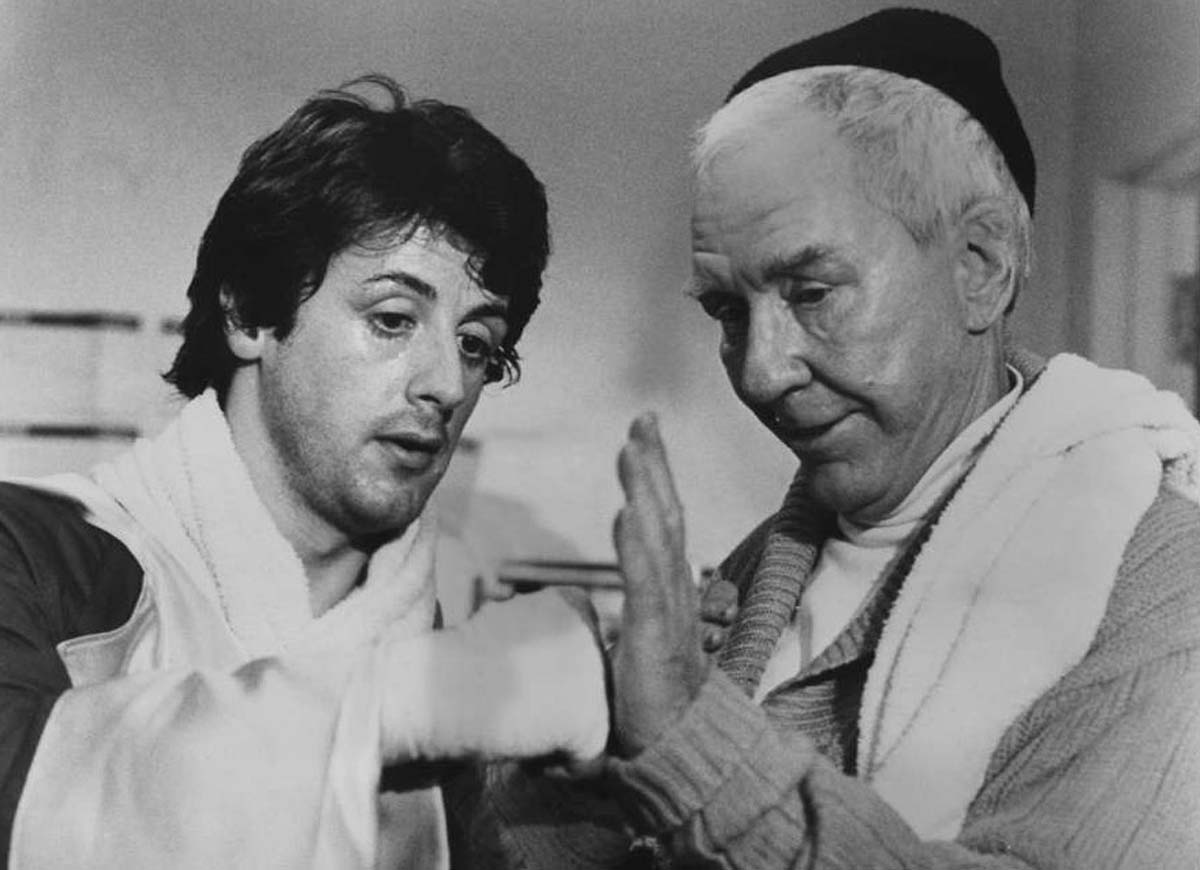
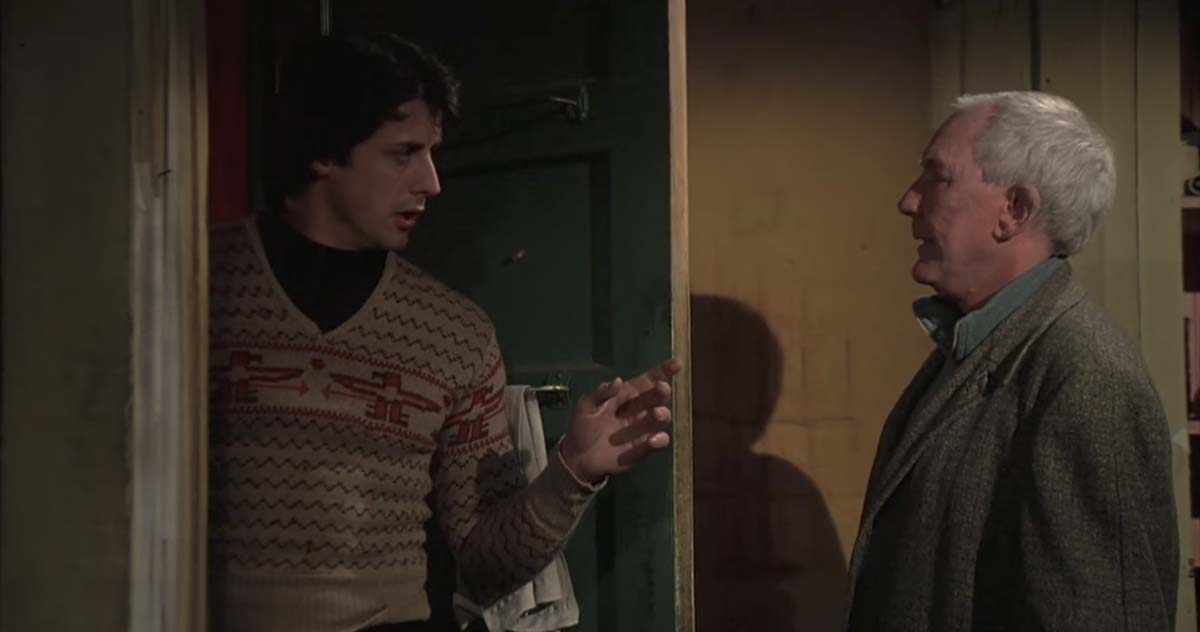
Halsey: Midway during the shooting of the film, I get a phone call from the AD or someone, “Richard, we’re sending Burgess Meredith down to the editing room.” I said, “Why?” He said, “Sylvester wants you to show him some of his scenes. He thinks his acting is way over the top.” I said, “Oh great! So I have to be the one…”
Nice. This is going to be on me! Oh, great!
Halsey: Burgess was a good friend of the producer, Bob Chartoff. And, you know, in his day he was a huge star. So he comes down the editing room and I show him a few scenes. Burgess turns me and says, “What do you think of my performance?” I said, “Don’t change anything!” He says, “Yeah.” And by the way, I think he got nominated for an Academy Award.
You and your wife have both cut film and non-linear. What do you think the change has been in your own art? Do you see that you’ve changed your own style of editing as you switched to digital?
Colleen Halsey: Yeah, I did, because when you cut on film, you had splices. So you really were very, very thoughtful because you didn’t want it all cut up, like you couldn’t make a decision, because you could hear it in the projector where the splices were going.
When the splice went through the projector gate, you could hear how many changes you’d made.
Colleen Halsey: Yeah, yeah, yeah. But when you work digitally, you can try anything.
Halsey: You can start anywhere.
Colleen Halsey: Yeah, and you can do it in so many different ways. It really improved things.
Halsey: I love digital.
How do you two collaborate as husband and wife? You’ve cut a bunch of films together.
Colleen Halsey: My first credit as an editor with Richard was Edward Scissorhands. That was a great experience. Tim Burton was just a doll. He really was old school. We cut that on film. I would sit right next to him, and we’d look at the dailies and he shot a lot of takes.
Because I sat with him, he was really specific: “I like the beginning of this one. I like the middle of that one, the end of this one.” I took very thorough notes, so when I went back to the editing room, I had the whole map there. I knew exactly what was going on in his head.
People don’t do that now. You don’t sit and look at dailies together like the old days. That was a really good experience because you really got to know what his thinking was.
On Edward it was supposed to be a March release. Because we had that great time with the dailies with Tim, we had that thing cut 4 or 5 days after shooting. It was really quick. We showed it to the studio in November or December.
Halsey: It was like two weeks after we finished shooting, we showed it to the producers.
Colleen Halsey: The studio said, “This film’s too good to be a March release. We want it to be a Christmas release, which meant it was moved up by three months.
Wow!
Colleen Halsey: They asked Richard and I, “Can you do this?” We said, “Yeah, no problem. We’ll have it ready for you.” And we did.
Digital editing just gave you so much more freedom. You can really try stuff. You didn’t have to worry about splicing. You just put it together and say, “Oh, maybe I’ll try it this way… then, I’ll try it another way.” It happens right in front of you. I feel it really improved editing.
Do you remember learning Avid?
Colleen Halsey: Yes.
Feeling apprehensive about it? I mean, that’s a huge change.
Colleen Halsey: Yes. Oh, it wasn’t a huge change. I was doing Mighty Ducks III on location in Minnesota. They were using a lab there that had never transferred film. They shot on film and then it was transferred to tape.
They kept screwing it up. It was out of sync and they couldn’t get it right. So I was sitting there for two weeks not being able to work because they kept messing it up at the lab.
I want people to have a vision of how you edited Rocky. I think that a lot of young editors now have never been in a cutting room with film. I want you to describe the offices, the gear, the equipment, the people that you would have been working with on Rocky.
Halsey: Well, basically they shoot the film, then the film was delivered to us. Along with the film is the audio track. Generally, it’s a single track. On occasion you could do triple track, but mostly single track.
The assistant editor has a daily log sheet and he syncs up the sound track with the picture based on the camera slate - the slates that everybody’s familiar with.
They slate the scene and take number. Then the dailies are put together, sunk up, then they have to put a code number. They have a machine that they developed in Canada that I brought down to the United States. It’s called an Acmade coding machine.
It stamps this code number on the film and the audio, and that’s how you keep track of the materials, cataloging them and filing them away according to the code numbers in boxes.
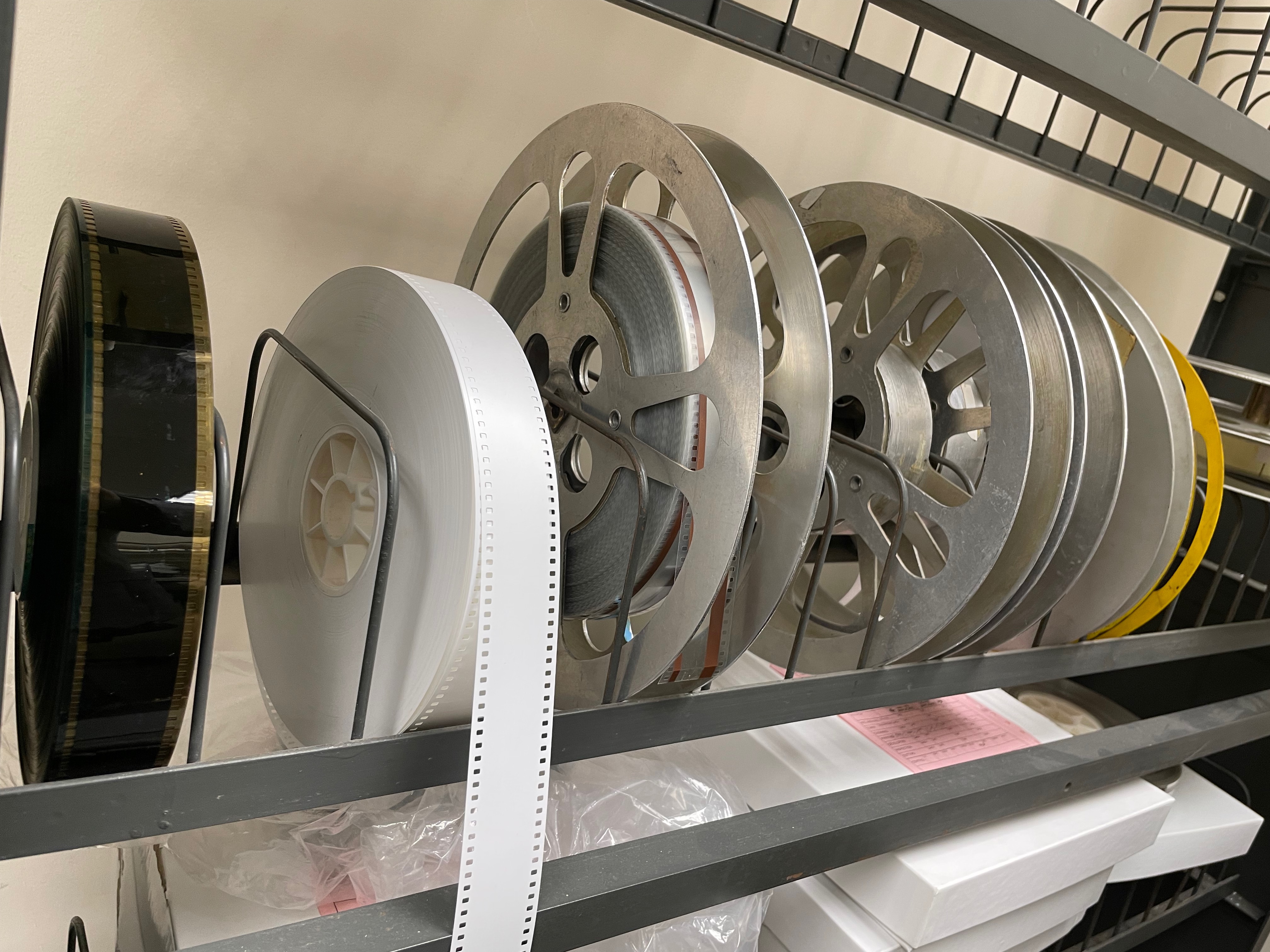
So you’ve got boxes and reels of film on racks on the wall.
Halsey: Yes. And then the way we would work on Rocky is we would break down the camera rolls and then do a rough edit on the scene, and then take all the trims and outs and build those back into what we called KEM rolls. So we could then look at the film on the Moviola and then look at the outs on the KEM and compare and cut as necessary.
So were you cutting on the Moviola or the KEM?
Halsey: Sometimes we wouldn’t break down - after we got the assembly – we wouldn’t necessarily break down the KEM rolls. We would just pull the pieces out of the KEM rolls and insert them into the new edit, then eventually it would go back into the KEM rolls.
By having the KEM rolls, it was very easy to compare. In other words, you could have the edited film on the center module, and then the outtakes on the other module on the KEM – there were two and sometimes three heads on the KEM so basically it was used as reference material, and to compare it with what you have in the actual edit.
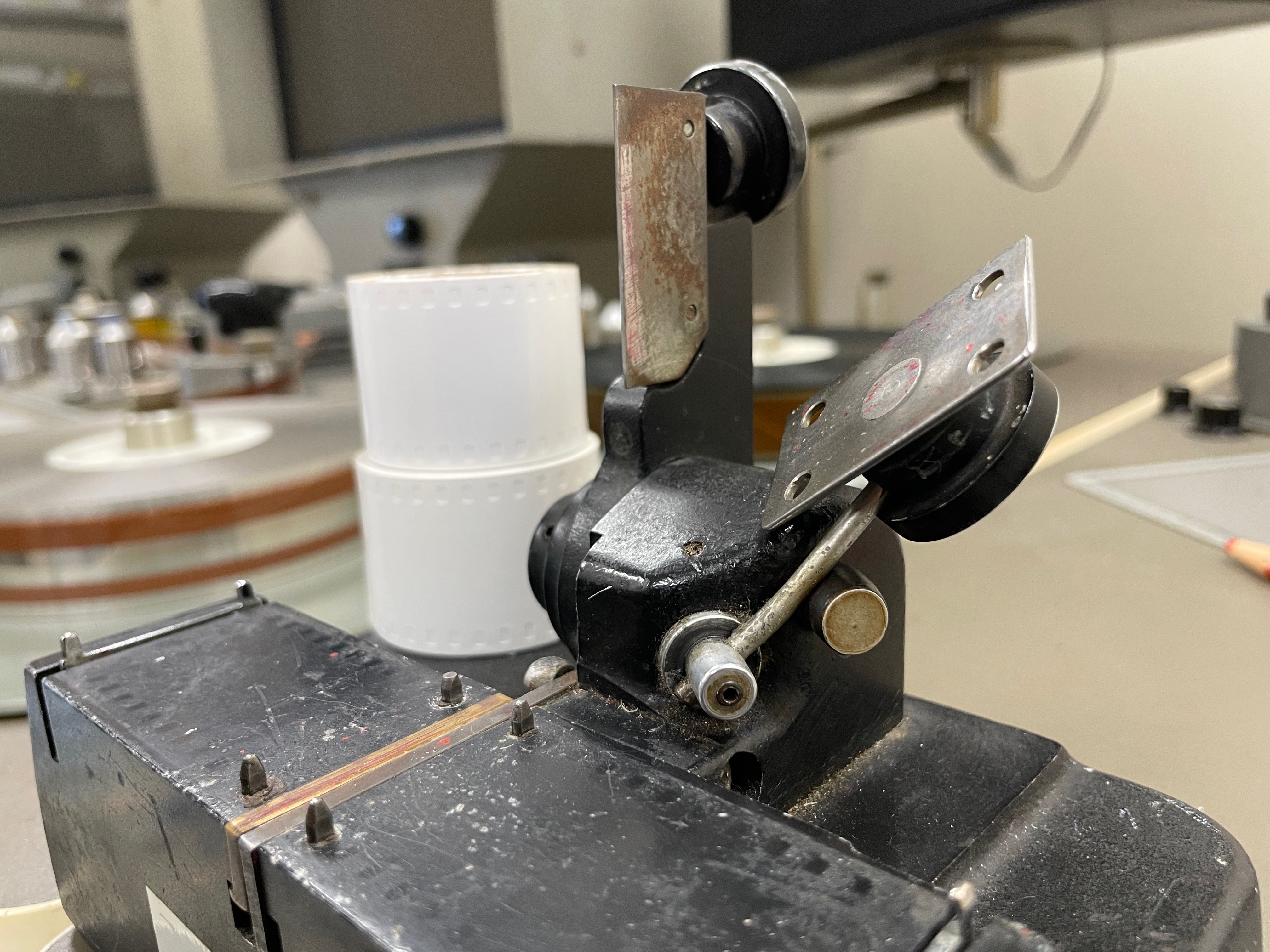
You were working on work print, right? How were you actually making the joins on the film?
Halsey: It was called a butt splicer. You would physically cut the film on the frame line, then you had a Scotch tape machine that would hold that film together.
Earlier you described that, to save them money, you would mix the screenings live. Can you describe how you would do that? Like what the mixer was like? Was it dials or faders?
Halsey: You want faders - sliders up and down - much smoother. All the major studios had these screening rooms. Or you could run composite films and then films that you’re in the process of editing and you wanted to check certain scenes with multiple tracks. You could do that.
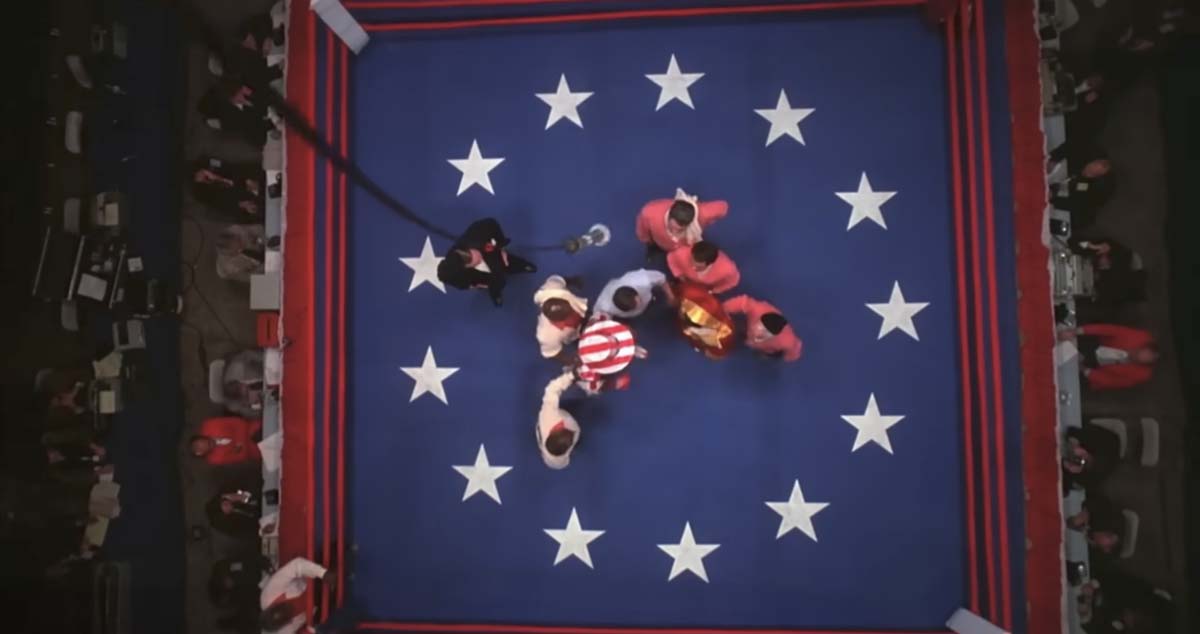
Did you ever screen for the director in a screening room, or were you usually screening for the director in your cutting room, like on the KEM screen?
Halsey: That’s exactly right. We would screen in the editing room with the KEM. You could run one picture track, two tracks and mix it so we could do the montages with music or put music in as the underscore.
Generally we would use that process, then occasionally we would just take everything over to the Thalberg Building at MGM, which was downstairs.
They had a special screening room, and the projectionist could run one picture, and 2 or 3 tracks of audio – depending on what you needed. Usually, it was music, dialogue and sound effects.
How did you come up with the idea of ending Rocky on the freeze frame?
Halsey: We just wanted to freeze that action - that moment as it was reaching an emotional peak, then freeze that moment, hold it as long as you could, then fade out.
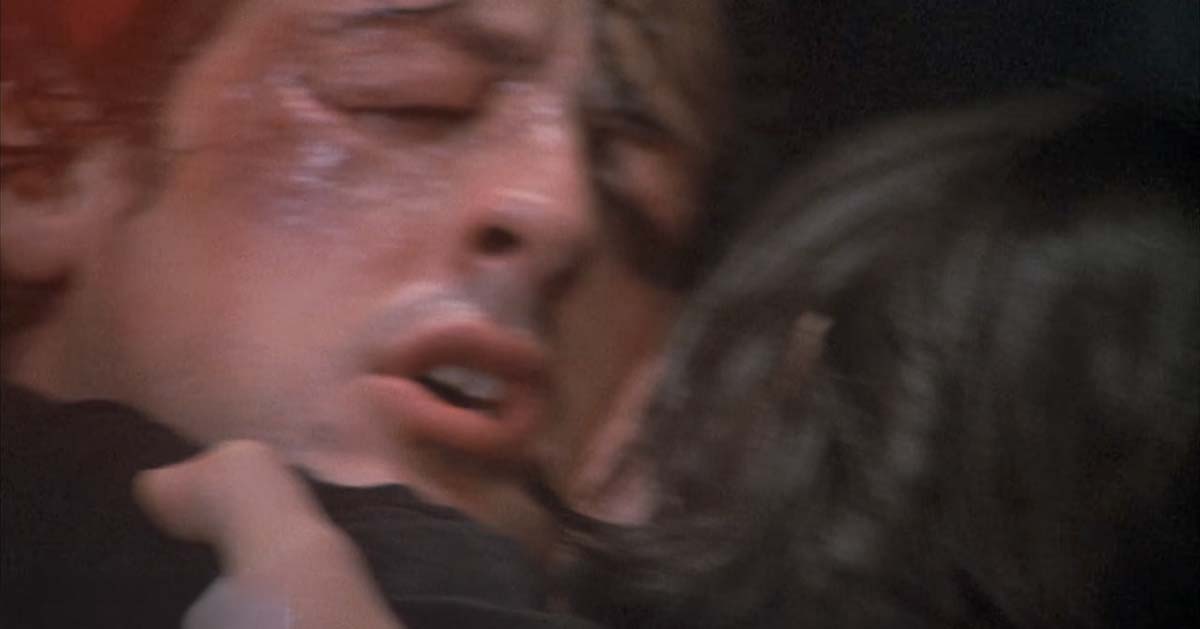
You tried an ending with Rocky and Adrian walking off into the distance.
Halsey: Right. We knew right away that they were walking off into the sunset - down the long turnstile of the arena - which was a nice shot – but it didn’t really give us the emotion that we wanted. And that’s how we came up with doing a one day reshoot and picked up some new shots that would enable us to finish the fight in the ring.
Then Adrian and Paulie would come down the aisle, go into the ring, as they’re announcing the winner of the fight. This is all happening simultaneously. Then the emotional moment of Rocky and Adrian coming together and holding that kiss for a long moment.
The beginning of the fight is a little bit more documentary style or like a filmed boxing match, but as you moved into round three, the music comes in and it becomes much more montage-like. Was that always the plan?
Halsey: Always. That was always the plan. Getting to that montage moment and doing the countdown. We skipped rounds.
Do you remember if there were any rounds that were filmed that you didn’t show - that you decided nobody needed to see them?
Halsey: No, not really.
Many of the early scenes in the movie are essentially oners - a single shot or angle covering the whole scene. Was there coverage for some of those scenes, and you just decided that the oner was, the best way to get the emotion out of it?
Halsey: Yeah. There were shots of Rocky walking that the teenage girl home. There was coverage when he stopped in front of the house with her. There was coverage back and forth. She says, “Screw you, Rocky!” He’s like, “Whoa! That’s what I get for walking you home?” Silently, of course.
That was the moment where you felt emotion for Rocky. He was just trying to be a good guy. And it doesn’t work out.
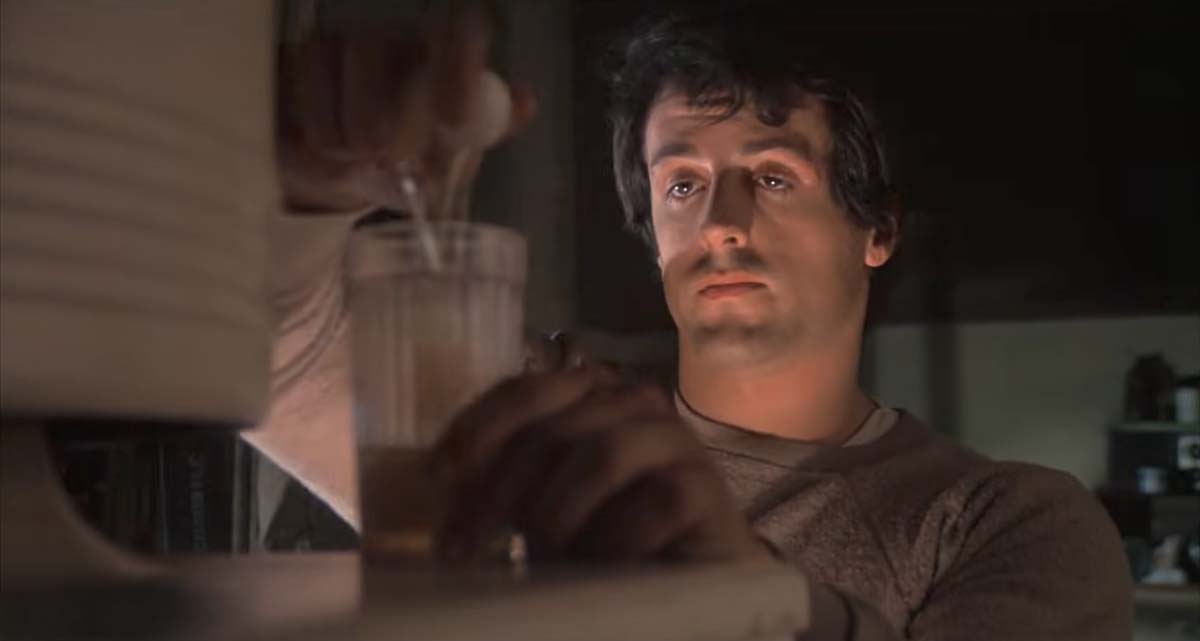
Do you remember in the scene where he’s cracking the eggs into the blender, there’s a radio playing in the background? Is that something that you added in your picture cut that was actually part of the production sound, or that got added by the sound team later on?
Halsey: We used that in the actual shooting and then improved upon it later.
Do you remember how many KEMs or how many Moviolas you had in that room?
Halsey: Probably two Moviolas in the actual editing room and one KEM, then down the hall there were other Moviolas that the sound people were using.
The sound team was right there with you?
Halsey: At one point, yes. Not in rooms with us, but down the hall. And of course, each sound editor had their own Moviola.
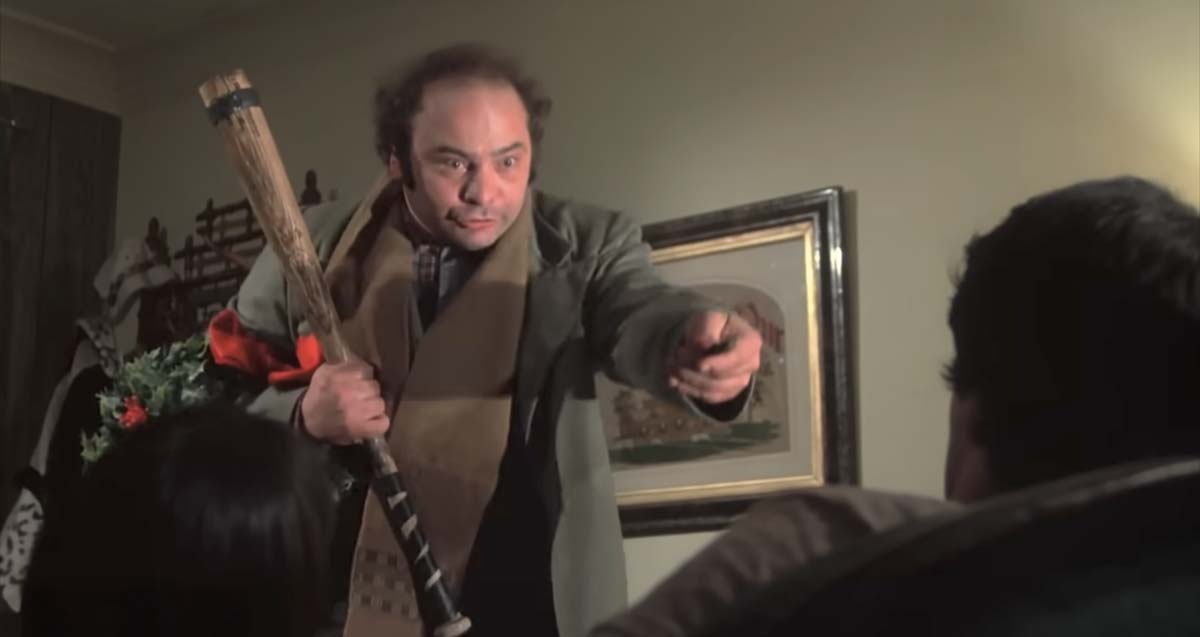
And where were you cutting? Where was the location?
Halsey: MGM Studios. It was called the David Lean Editing Rooms.
I thank you so much for giving me so much time and telling me so many great stories.
Halsey: It’s been a pleasure, Steve.
 October 29, 2026
Spider Noir
Today on Art of the Cut, we speak with the editors of Amazon Prime’s Spider Noir. In two separate interviews we first spoke to Jennifer ...
Read more October 5, 2026
The Whisper Man
Chris has been on Art of the Cut before for The Menu, The Many Saints of Newark, A Quiet Place, and Assassin’s Creed. He has ...
Read more September 23, 2026
Sean Combs: The Reckoning
Charles Divak has been on Art of the Cut in the past for Chimp Crazy, for which he was nominated for an Emmy and won ...
Read more
Subscribe to our newsletter
Get all the latest news, blog posts and product updates from Boris FX, delivered directly to your inbox.
Welcome!
Thanks for opting-in to our newsletter. You'll receive an email momentarily with your confirmation.
