













Pluribus
The editors of Pluribus discuss the tightrope walk of editing without temp score, how long can you be away from the main protagonist, and the value of sleeping on a new cut.


Today on Art of the Cut, the three editors of Vince Gilligan’s Pluribus, Skip Macdonald, ACE, Chris McCaleb, ACE, and Joey Liew, discuss editing the series.
Skip’s been on Art of the Cut before for El Camino. He’s an Emmy winner and ACE Eddie winner for Breaking Bad, and a multiple Emmy nominee for Breaking Bad, Fargo, and Better Call Saul. And has ACE Eddie nominations for Pluribus, Breaking Bad, and Better Call Saul.
Chris has multiple Emmy nominations and ACE Eddie nominations for Breaking Bad and Better Call Saul, and an ACE Eddie win for Better Call Saul.
Joey is an ACE Eddie winner for Better Call Saul, and has also been an editor on Rabbit Hole.
Gentlemen, welcome to the show. I noticed that Chris and Joey, started out as assistant editors in the Vince Gilligan production universe. Can you talk to me about what you think led you to be able to make that jump and be noticed enough and be respected enough to be moved up to the edit chair?
McCaleb: I can definitely credit my mentors, in particular Kelly Dixon, who alongside Skip, was one of the editors on Breaking Bad. She really taught me the importance of making sure that the producers know what your aspirations are - that you want to edit - and she gave me the opportunity. She would say, “Here, cut this scene.
Try this scene.” She would give me notes. Through her influence, steer me into being a better editor, and I think the only way you can do that when you’re an assistant is to just work harder than anybody expects you to. I know that that’s not a sexy answer, but it’s the truth.
I really believe that being willing to put in the extra effort and the extra mile, particularly when people are generous with their opportunities.
I’ve never regretted putting in lots of extra time to advance myself or better myself at any point in my career. I think it’s always been the secret sauce, to work harder than anybody would expect of you.
Liew: I would say the same thing for me. Chris, you were looking for an assistant editor for season five of Better Call Saul and I had received my union days from cutting promos and whatnot.
Because we’ve known each other for a while I think you gave me a shot at being an assistant editor for you. I think one of the first scenes you gave me to cut was on “Perpetual Grace Limited.” You passed me a scene and I cut it. I think maybe that’s where you saw something?
McCaleb: Indeed. Yeah.
Liew: With experience from short form, music editing, and whatnot, I think that was the gateway. I think you saw something there, maybe.
Skip, when you’re looking at assistants that come up under you, what’s the indicator - the hallmark - of somebody that’s ready to move up to the edit chair?
MacDonald: Like Chris said, the people that are willing to put the extra mile in and are interested and make it known that they’re interested. I give the assistants scenes to cut. I review them, give them notes and changes to do.
I like to have them sit with the director and make the changes in those scenes, along with the producers when I feel they’re ready for that. They put in the extra time, the extra effort, and you can just see the drive that they have and the interest that they take.
When they take an interest, it’s so much easier to allow them and want them to cut and succeed. You do get some assistants who they want to assist.
They don’t necessarily want to cut, so you notice that right away what their ambitions are. When you get an assistant who really wants to cut, it’s great because you get to teach somebody, but they also help us out.
It’s also a matter of discussions that you’re having, right? Not just what they’re cutting, but their notes to you maybe, or story thoughts.
MacDonald: Yes. I have them look at my stuff and I get input from them because they’ve got fresh eyes from what I’ve cut, and it’s a great collaboration and they’ve got great ideas and great thoughts. You notice that right away.
Some of the shooting and editing style is reminiscent of Breaking Bad and Better Call Saul. Not that they’re the same show, but the use of wide shots and that kind of thing. How much of that is due to conversations and how much of it is just responding to the material which comes from a lot of the same team of collaborators?
MacDonald: Yeah, I think a lot of it comes from just having collaborated with Vince for so many years and knowing what the look is that they’re looking for.
We’ve become accustomed to using the wide shots a lot because they’re beautiful, they play out, and also just you kinda do get a feel for it, even though the tone of this was different than the other shows that we’ve worked on with Vince.
McCaleb: I echo that. I also think we’re really lucky to work with television creators who are also filmmakers. Vince Gilligan, at this point is, a master filmmaker in addition to a storyteller.
He has such a strong, dynamic, visual sensibility and he’s always looking for how can something be more striking, more cinematic.
He, along with Peter Gould, they pushed that even further on Better Call Saul. To me this is a natural extension of the direction that Vince and company have been moving. You do develop that shorthand when you work with somebody for so long, which is really nice.
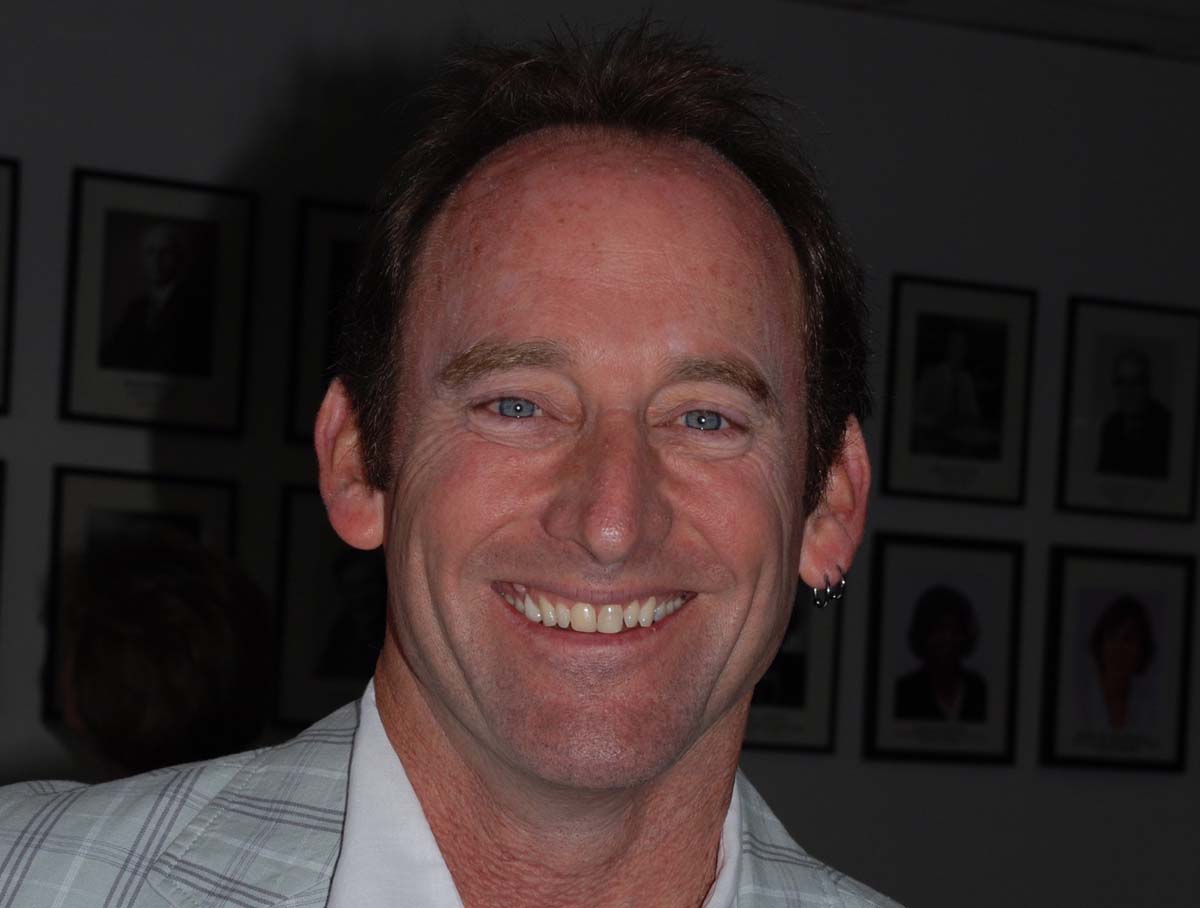
Editor Skip Macdonald, ACE
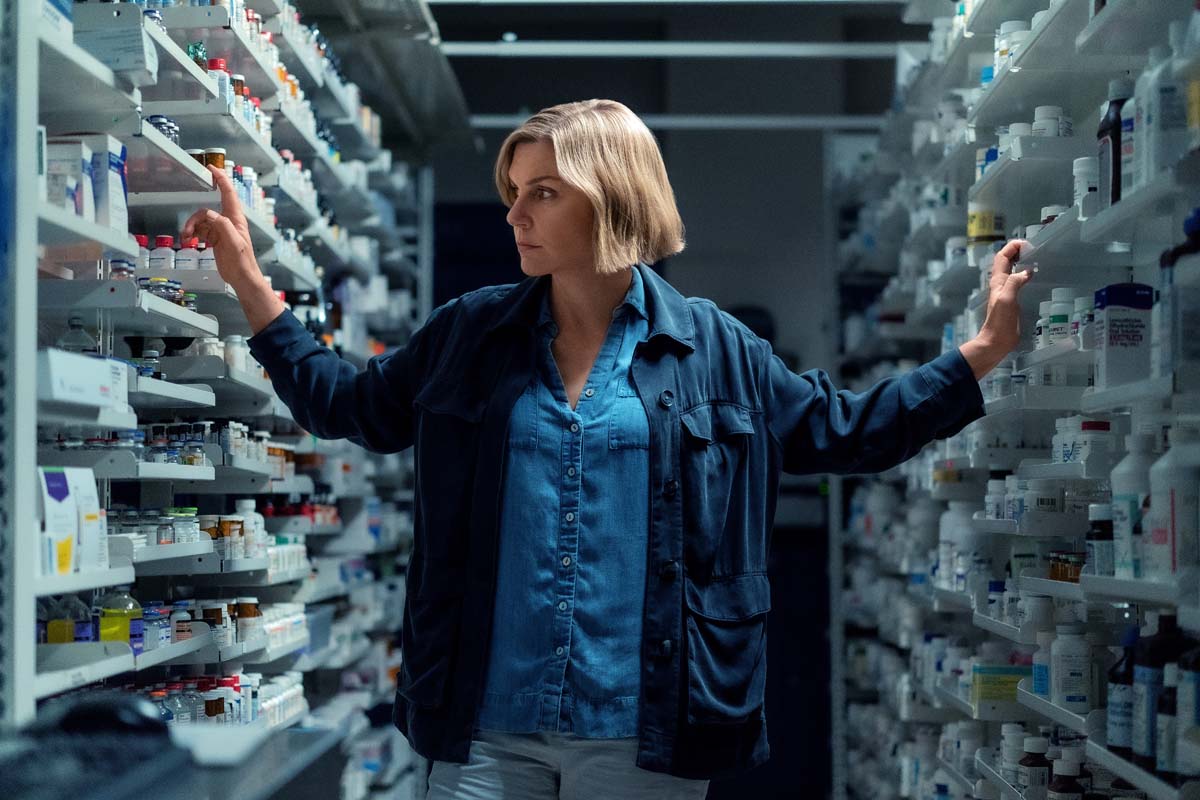
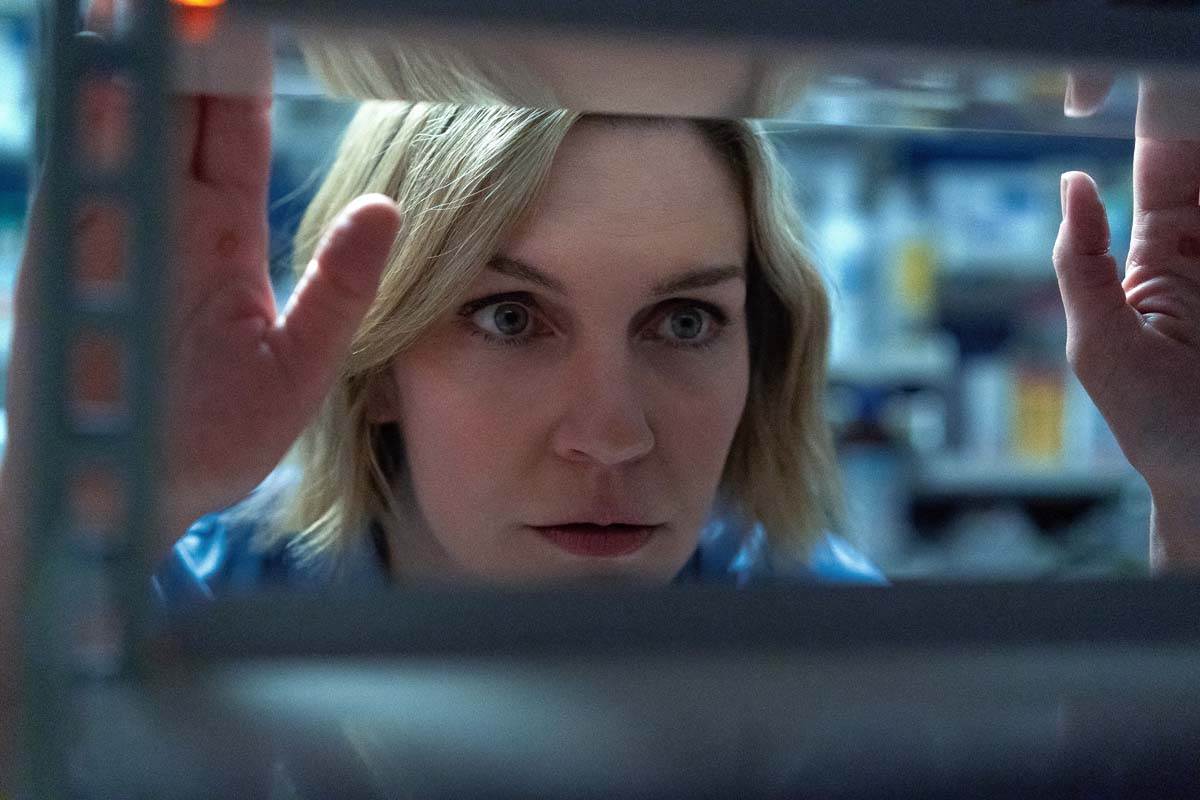
What’s the emotional value or story value of setting something up that an audience might not necessarily understand when they’re watching it? Like Carol going through the pharmacy at the hospital, or like Manousos listening to the shortwave radio and crossing frequencies off the list? The audience has no idea what that means, but it’s got value, right?
MacDonald: It’s got value. As everybody notices, if you don’t get it right away, you find out about it shortly thereafter. It all comes together. It’s never left hanging. So you always find out. If you don’t catch it right away, you will catch it soon.
McCaleb: Yeah, it’s all intentional. My favorite kind of stories are when I’m intrigued enough to want to know more, so I keep watching. That’s my favorite kind of television, my favorite kind of movies. Nothing is confusing or mysterious just for the sake of being mysterious. Everything has a payoff. Everything has a reason.
A lot of the same people have been working with Vince for close to two decades in some cases. Everything is so carefully thought out and so scrutinized, and there’s just no detail is left unanalyzed. All that stuff is part of the storytelling.
Liew: It’s like peeling an onion and using every single piece of the onion.
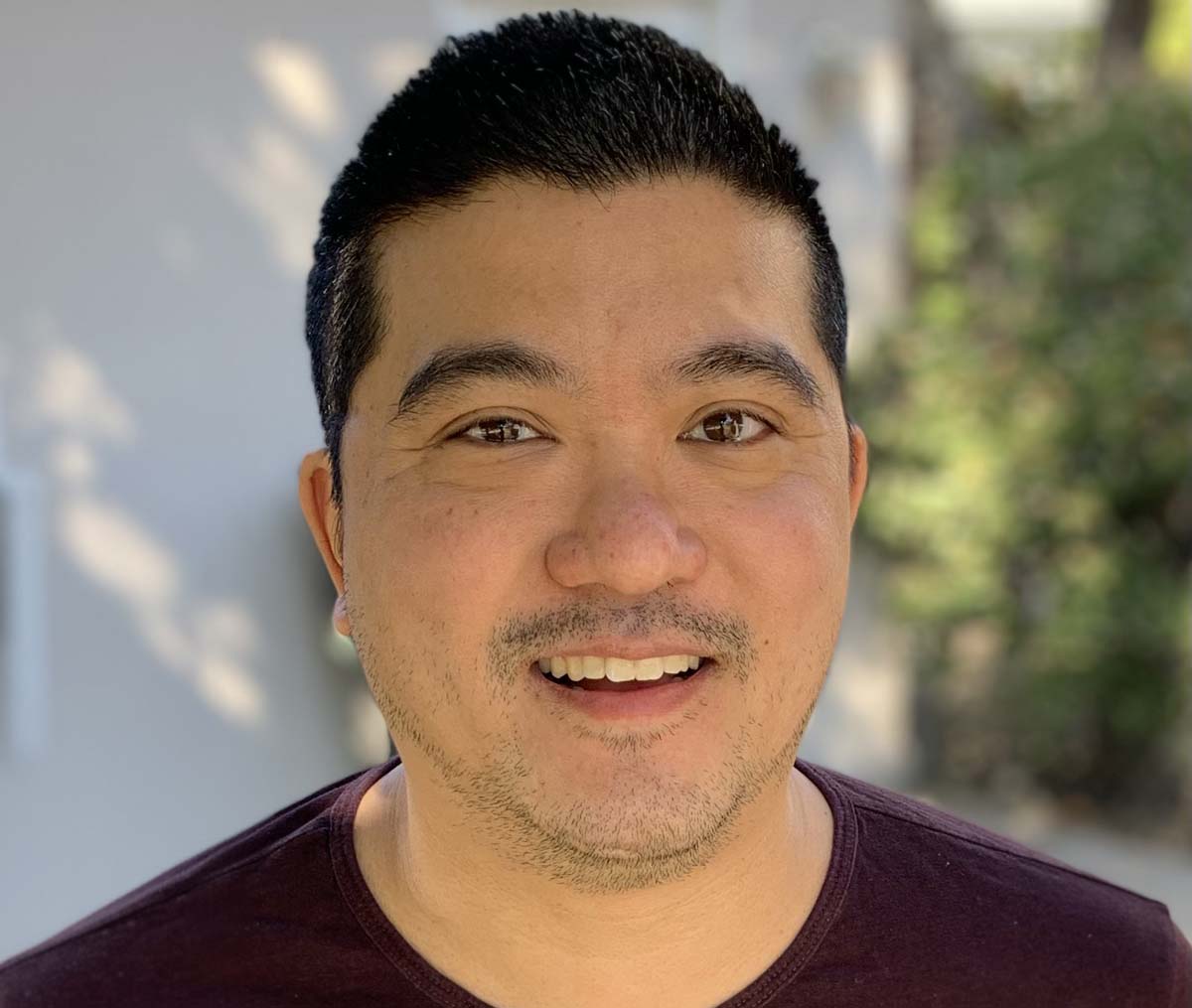
Editor Joey Liew
I noticed some jump cuts. What’s the value of jump cuts? Why use them?
MacDonald: For me, we continue to tell the story, but we’re able to shorten the amount of time that we need to tell it. But it’s very calculated. It’s not just random. We need to make them work and make sure that those jump cuts are continuing to tell our story.
McCaleb: It’s a great tool, like Skip said, for compressing. Stylistically, it can give a little shot of energy. So much of what we’re doing, even if we’re doing it subconsciously, is creating a tempo of the story. We learned that from our composer, Dave Porter.
He said the first thing he does with episodes is figures out what beats per minute the editor cuts at, which is fascinating.
Also alarming to think that it can be figured out! Like, I have a beats per minute? But, we’re doing it instinctively.
And sometimes when we’re creating that tempo - when we’re finding that rhythm - having a jump cut just gives it that little staccato energy. It’s just the beat that needs to happen when you’re creating that rhythm.
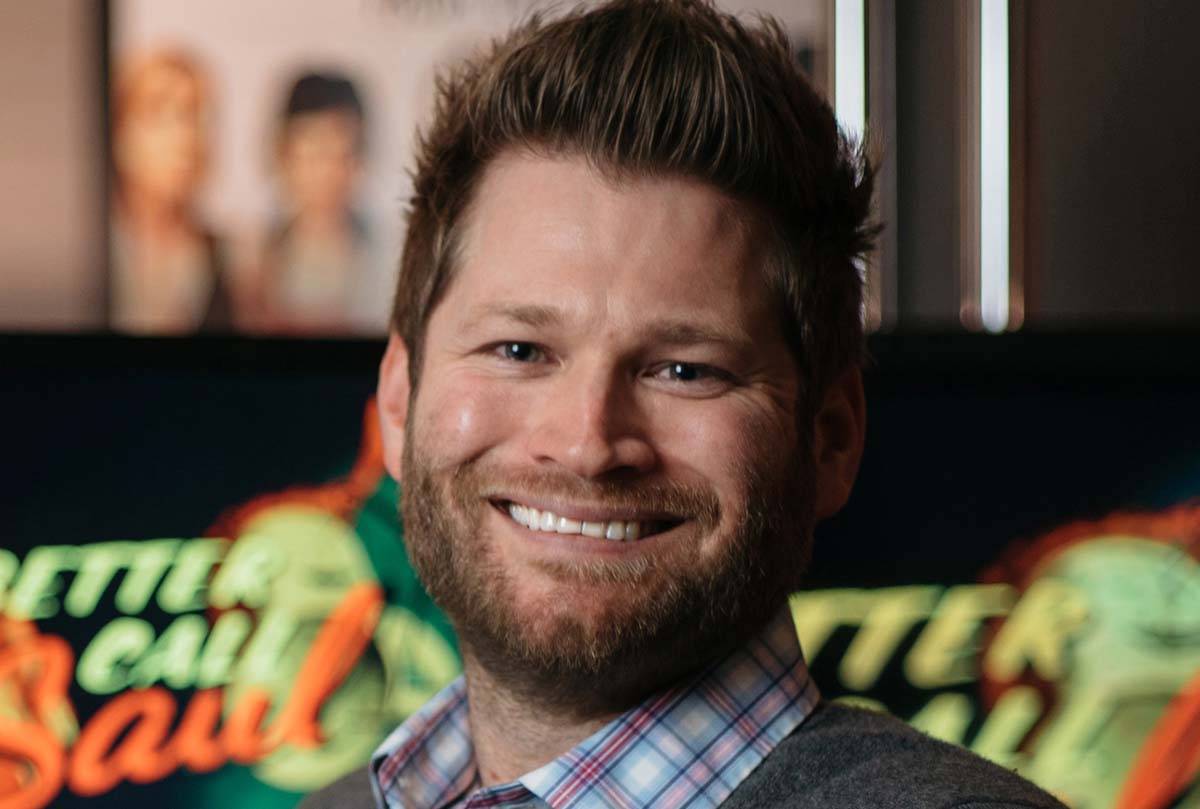
Editor Chris McCaleb, ACE
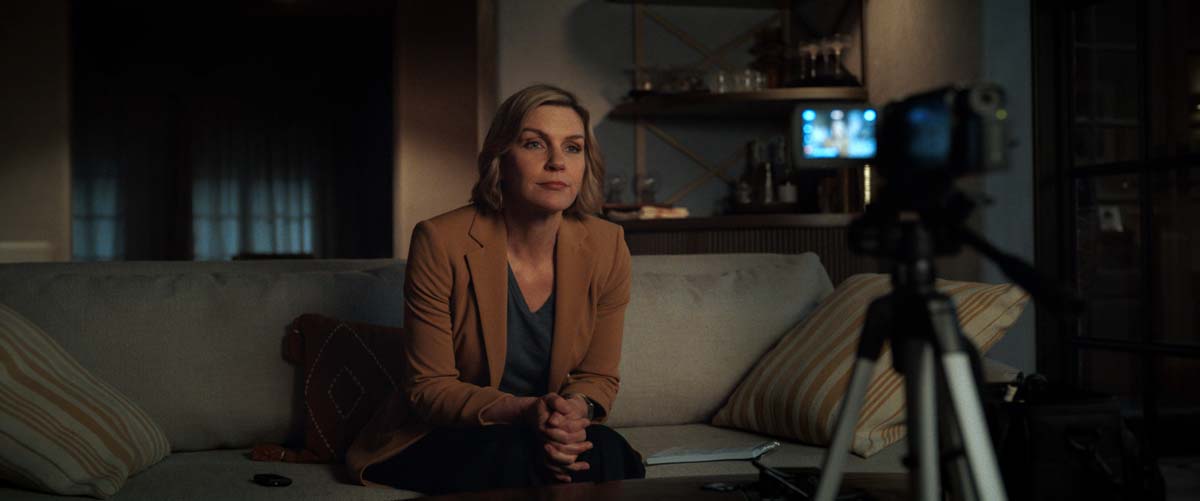
One of the places that had jump cuts in it - and I really loved this scene editorially - was the scene where Carol reviews videotaping herself drugged. There had to be a huge amount of material. And it’s supposed to take place over a long period of time.
MacDonald: We sped up the video a lot and we did jump cuts in it because there was a lot of footage there and it had to be compressed. But it still gives you the feeling of how long she was probably talking to the camera.
Tell me about score and temp score. What were you temping with?
McCaleb: We don’t temp at all. It’s one of the great gifts of working with Vince. It was the same on Better Call Saul as well with Peter and Vince.
With the exception of montages - where we’ll usually either have a piece of music that somebody has in mind or maybe we have something in mind or we get something from our great music supervisor, Thomas Golubic.
Other than that, we don’t really temp score. They’re dry when the composer first hears it so he can kind of imagine to his heart’s content.
You can hide a lot with a good temp score, that must be scary.
MacDonald: We work really hard to make the cuts work before adding music. We’re used to that, so the terror kind of subsides after a little while because we really work the picture, and that’s what we should be. We don’t want to hide things with the music.
Once we get the cuts done, the only thing the music does is step the level of the episodes up. It really enhances it. On Pluribus, we did put some temp score into the first episode when we presented it to the studio the first time. We wanted to put our best foot forward from the very beginning.
Let’s talk about editing Carol videotaping a message to the 12 survivors. Early on Carol comes to a conclusion of what’s going on, and she wants to talk to the other unaffected people. The editing of that was really interesting and unique.
Liew: That was in episode 105. I’m trying to think how many takes that was. There were a few runs with only a few angles for that. I think three angles maybe. When she’s talking to the camera, you have to cut to the cadence of how she talks and make everything flow that way. Choose the close-ups when they are important, but also make it seem like it’s still a video recording.
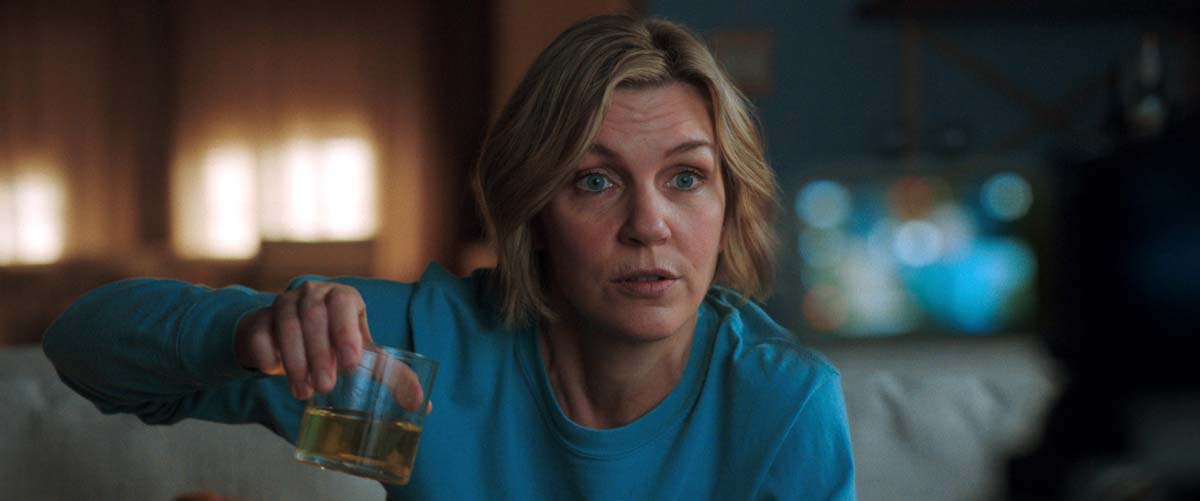
You mentioned that sometimes with a scene like that you’re using the pacing of the dialogue to help you pace the scene as an editor. I watched a bonus feature where Rhea discusses an episode that she almost doesn’t say anything. The script is just stage direction. How hard is that to deal with as an editor when you don’t have a lot of dialogue?
Liew: Well, it’s a good thing that Rhea is so great as a physical actress. With all of her movement and expression, I think she fine-tunes everything, and she’s pretty consistent with the way that she expresses how Carol is.
So in that respect – like with the micro-expressions on her face - she’s pretty consistent with those and she paces out her performance accordingly.
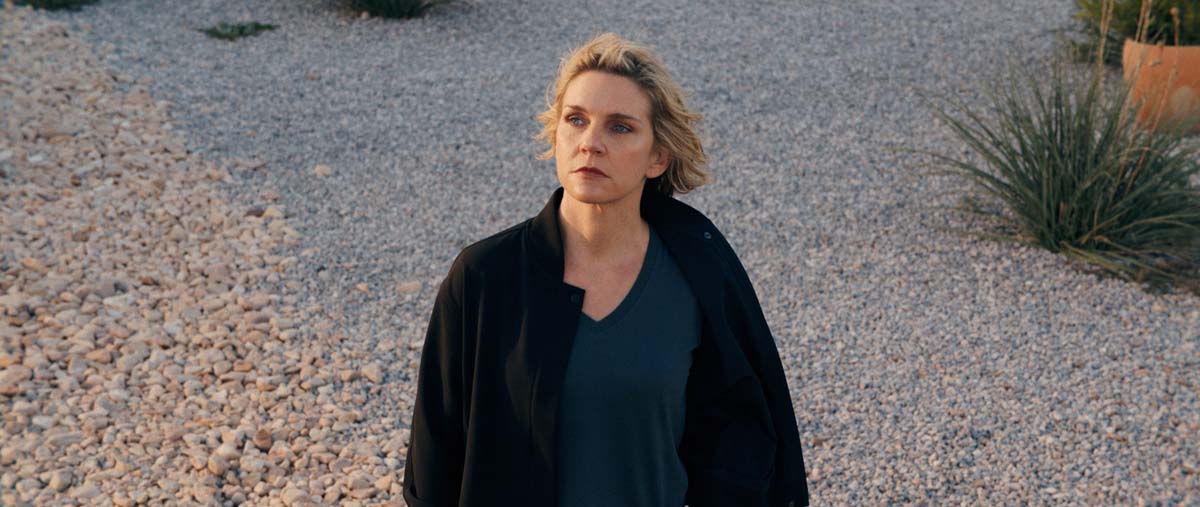
McCaleb: It really takes an actor that’s as good as Rhea Seehorn to hold the frame when nothing else is going on - nothing else is being said. I could be with her all day. She’s so magnetic in her performances.
Even when it’s a person who’s fairly unpleasant at times - like Carol can be - you’re just with her and you want her to succeed and you want her to be okay.
That’s just such a testament to Rhea and making us care about her, even when she’s not saying anything. We don’t need her to say things sometimes because of those micro-expressions.
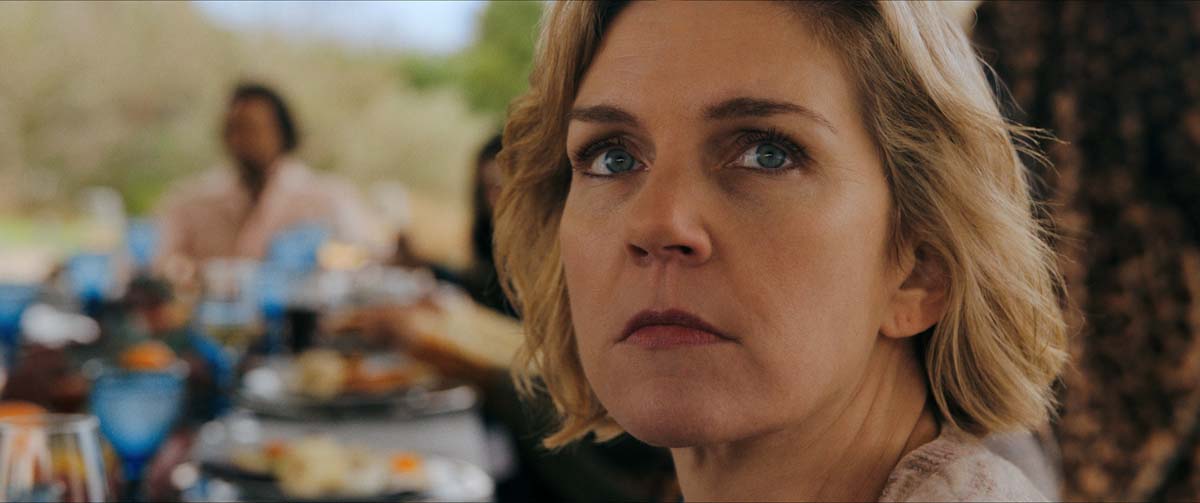
The thing that I was a little worried about was just the silence in general because this would be a very, very quiet world because with the exception of the survivors - the unjoined -nobody’s really speaking.
When they’re speaking out loud, they’re speaking for the benefit of the unjoined. It would be very, very quiet. There’s not excessive automobile noise.
There’s no walla. So, the tricks that you normally have when you’re doing your temp sound design or your actual sound design, you don’t have those.
It’s all about removing civilization noise because we’re not shooting in a world like that. We’re shooting in a very noisy, human populated world, so we were able to get some of those iZotope filters to be able to minimize some of the sound - at least for temp.
Because it wasn’t about having something sound technically clearer or better. It was actually a story point that she’s alone, so you don’t want to hear a whole bunch of freeway noise even in the temp sound mix.
I’m assuming it’s where it was scripted, but was there a discussion about when to introduce Manousos - the guy’s from Paraguay? He’s introduced fairly late.
MacDonald: That was as scripted. I think we hear him in episode three before we see him.
Let’s talk about editing the poker tournament in episode six. It was very Bond-like. Did you study Bond films, or was the style of editing simply from the footage? It felt very Bond-like to me.
MacDonald: It was designed to be very Bond-like. The style came from cutting it from the footage that we received. Everybody did such a great job.
That was a scene where we could kind of stretch it out a little bit - to make those beats a little bit longer for, like, the stare down between the two guys and the reactions from the people. It was a lot of fun cutting that scene. There was a lot of footage for it.
It’s got a big twist at the end. Talk about building that up: taking the audience a little bit in the wrong direction before you reveal.
MacDonald: We were trying to build it like it was that Bond standoff - the evil guy versus Bond - and it was trying to build that moment up and stuff.
Everybody is acting to fulfill Diabaté’s dream. We tried not to reveal it right away, but then when the guy breaks character… I thought it worked really well.
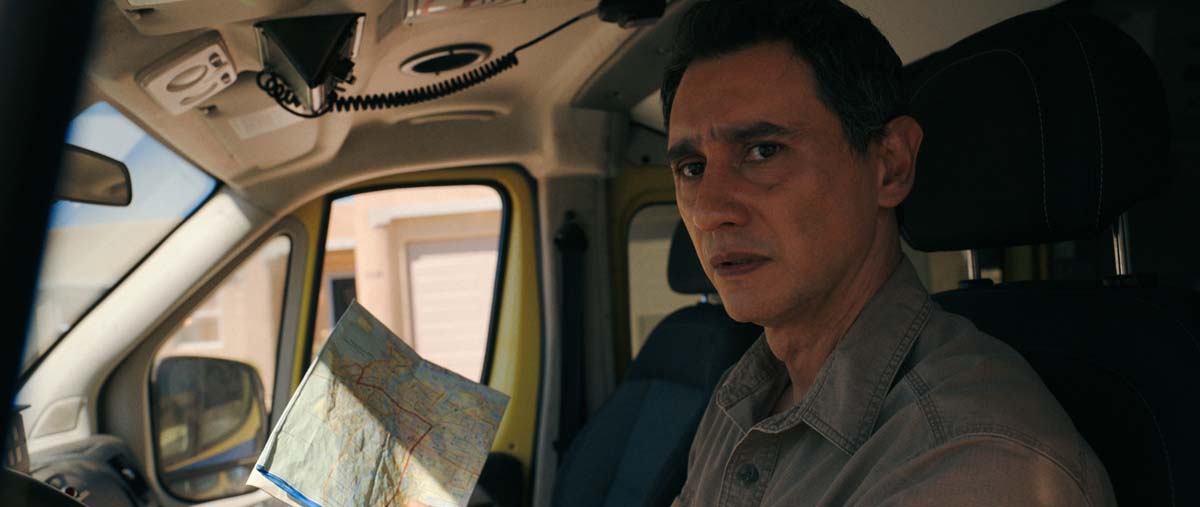
Another place where I thought some of the editing decisions would be difficult would be in episode seven - determining how long to make the driving journey, and how long to make each section of the driving journey. Each of those could probably have expanded or contracted massively.
McCaleb: That sequence was extremely challenging to put together. Adam Bernstein directed it. He’s worked with Vince quite a bit over the years. He’s an incredibly accomplished television director. It’s a huge sequence.
How long do we spend here? How long do we spend in that? We had a different piece of music originally that I cut it to. I had to loop parts of the song three and four and five times.
We were living with it and loving it, but Vince really started to hear the looping of it, and it started to feel repetitive, so - fairly late in the game – we replaced the music with a different cue by the same artist.
It is presented essentially as it was scripted, but there was some discussion about “Are we gone from Carol too long?” The episode is structured differently than some of the others, where we’re with Carol, then we’re away from Carol for weeks and weeks as he takes this trek.
One thought was “Do we go back to Carol for a little bit and then come back?” But in the end it felt very balanced, and it felt like kind of a complete statement once we went with Manousos, that we stayed with him until he had a nearly tragic ending.
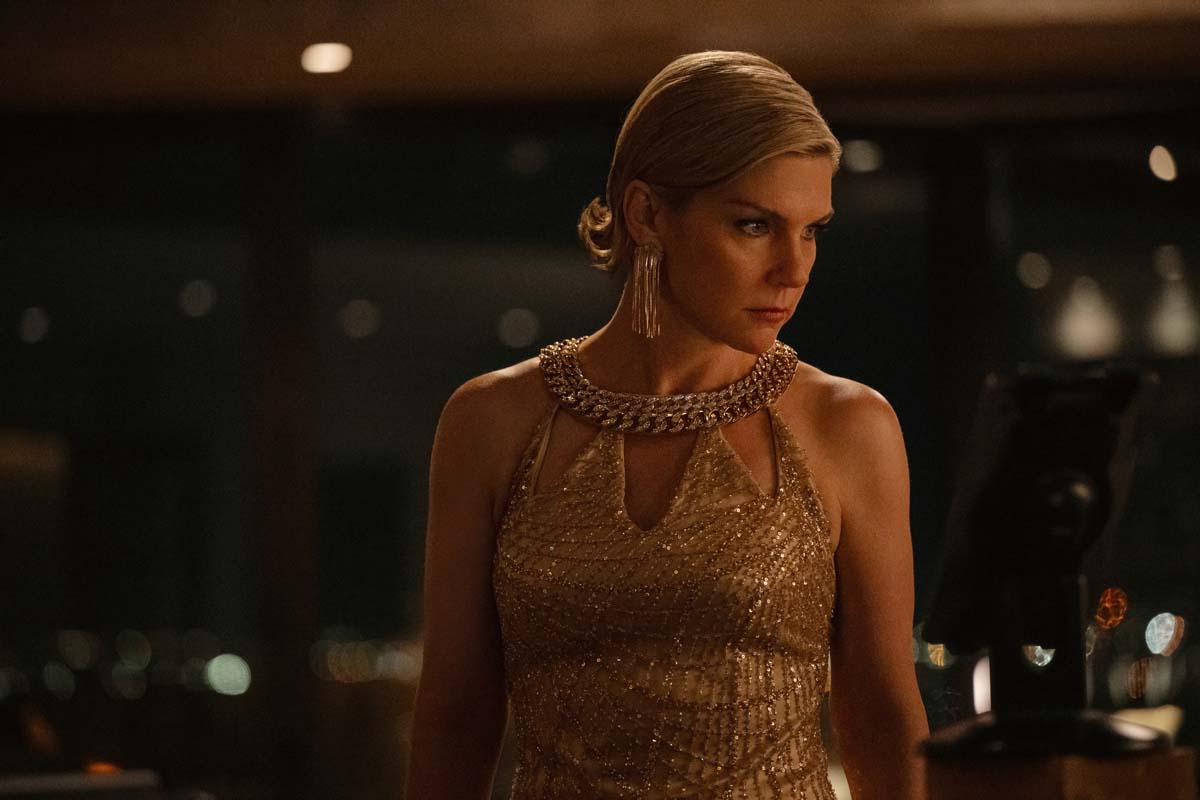
When you were discussing possibly trying to get Carol into it or intercutting it in some way, were those just discussions, or did you actually experiment with breaking it up somehow?
McCaleb: I did try it. I don’t think we had long discussions about it. We definitely did consider it, but it was pretty clear these things are so heavily scrutinized at the script stage, in the writer’s room.
They lay these stories out very carefully, and they beat them on all sides to make it as strong as it possibly can. So when it came down to it, that was the strongest way to present it, which was as scripted.
But that was another timing thing. How many times do we show the map? It wasn’t scripted each time we would show the map. It was action lines giving the idea of where we’re going. Then there was the second part of that, which is when he’s on foot, which is like a whole other kind of montage.
The rhythm and the tempo of that is created by his mantra-esque, Princess Bride-esque repetition of the same thing over and over and over again: “My name is Manousos Silviero.
I’m not one of them. I wish to save the world.” Once we got into the producer’s cut, I wanna say Vince made it longer because he was fascinated with him just saying it over and over and over again. I think he says it 14 or 15 times throughout that long walk.
Figuring out which pieces would go where was also a bit of a puzzle. Ultimately, it was really fun to put together because no matter what you did it was beautiful. They found places in New Mexico that could play for South America, although most of those pieces were shot in the Canary Islands of Spain.
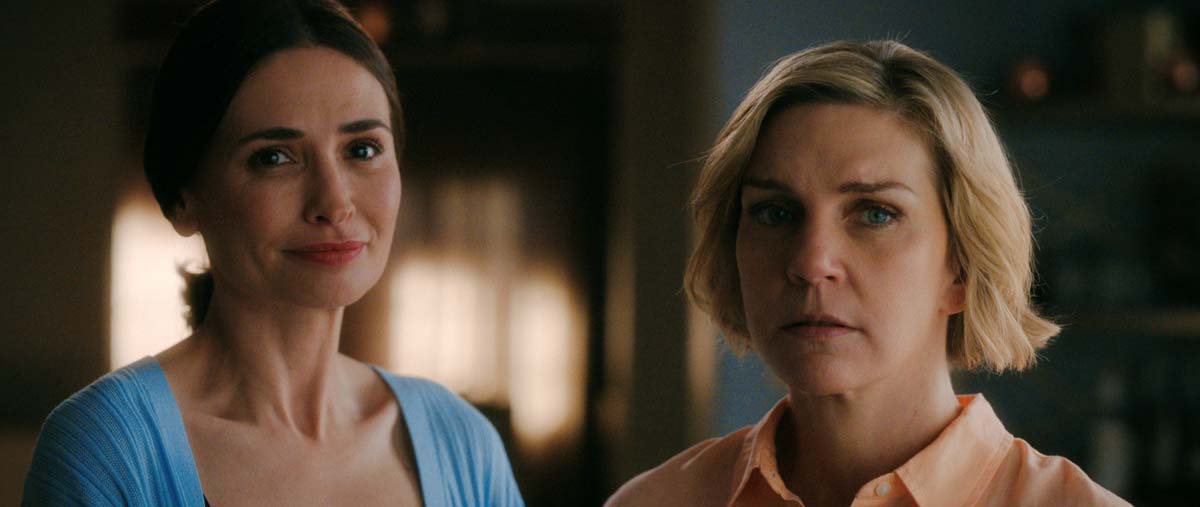
In episode nine there’s a vacation montage visiting Vietnam and the Alps and other places. Those locales could have gone anywhere. They could have been any length. What was the guiding principle when determining, “We don’t want to skate over this. We want the audience to get something out of it, but we also don’t want them to be bored. This is the right amount of time”?
McCaleb: With any film production, as you get closer to the end, your time gets shorter and shorter. So with that, Gordon, the director, had to figure out, in many cases, very specifically the pieces that he would want to tell that story.
Some of that stuff was really figured out kind of late in the game of production as they determined exactly what they wanted. Then in the editing of it - to your point - you want to get the idea that they’re having this globe-trotting adventure, but obviously from a financial standpoint, we can’t go everywhere in the world, so some of that shooting has to be one place standing in for another.
The scene in the bathtub that takes place in a Shanghai-type city was longer. They did some more ad-libbing, and there were several versions of it that were more linear - where we used the scripted dialogue and we used more of the ad-libbed dialogue.
It became clear that we didn’t need all of that stuff, so we started using those jump cuts to give us the feeling of people falling in love, having a honeymoon, without having to go into it or do anything that was ever boring.
Liew: What I found interesting was when Gordon and you chose to cross the line at the end in Montana. That choice really drove the tone home, I think.
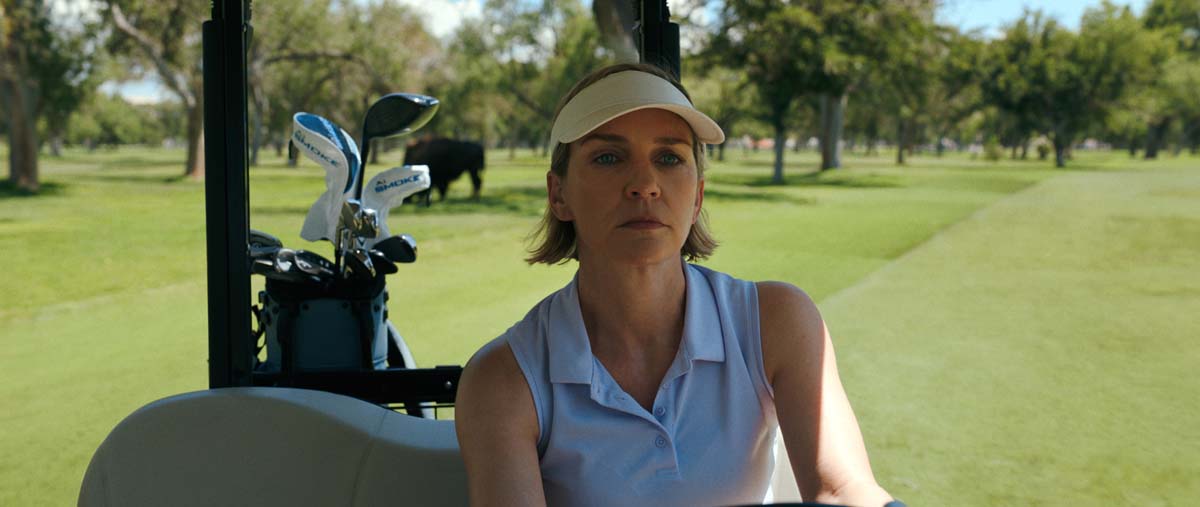
You crossed the 180?
McCaleb: I think the intention was always at some point to cross the line, but there were a few different ideas as to where that would actually happen. What I chose to do was use the moment of Carol’s realization of the betrayal that she’s feeling - from Zosia, but really from herself - that she’s allowed herself to fall into this fantasy and forget everything that’s going on around her.
So we went into that kind of straight down the barrel – the staring into the camera shot that we have with Carol - and we used that to cross the line.
So as a viewer, instinctively everything feels different right after that point. I was glad that we did it that way because it really felt effective to do it at that point, and it felt emotionally effective to do that.
It’s like an editorial gut punch when we cross that line. Your brain and your body experiences a 180 line cross. You feel it even sometimes more than you know it.
Anybody who has ever edited knows it immediately because we see it, and we assume either it was done intentionally or somebody made them do it. Kelly Dixon always said, “I bet somebody forced them to do that.”
Sometimes you have limited footage and you’re desperate, and that’s just the best performance. But in the case of Pluribus, that was never the case. The case was usually we have too much good stuff and we have to choose the best of the best.
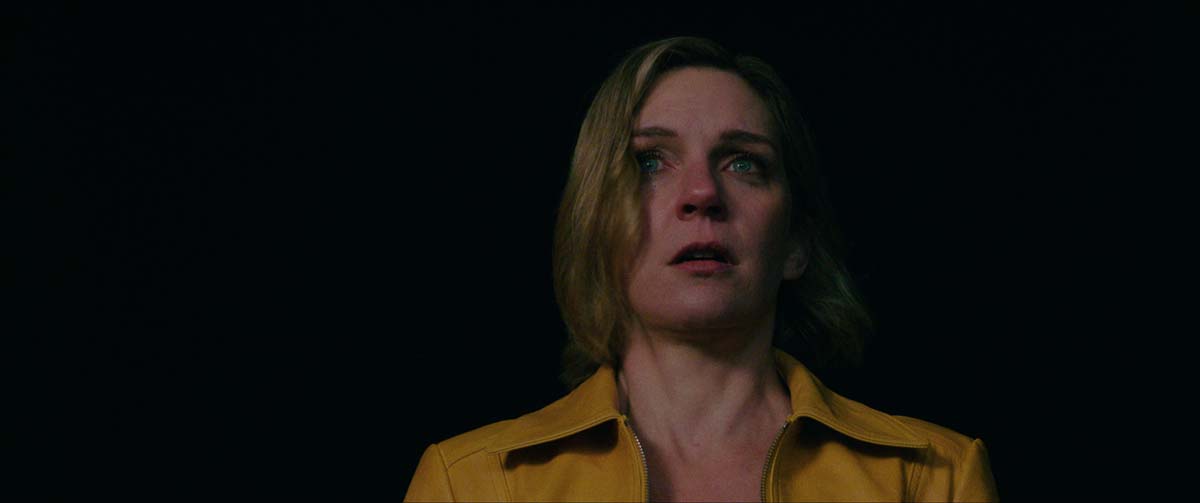
I think that “down the barrel” shot was after she learns about the stem cells?
McCaleb: Correct.
You were talking about how long you could sit on a shot of Rhea. Tthat was a long shot, wasn’t it?
McCaleb: Yeah, and it was longer. For the most part, you could play the entire scene in any given angle. In general, they’re trying to do the entire scene in each angle, and you never know where you’re going to want to be or where that great performance is going to be.
One thing I’ve heard people say about Pluribus, is that it’s slow or that – for example - episode seven, nothing happened. I just couldn’t disagree more.
If you wrote down: “here’s what happened” it would be easy to summarize, but the emotional journey that two different characters are on and the physical journey that one of those characters is on, to me is just so captivating and so riveting and emotionally complex.
I feel very grateful that with Vince we have the opportunity to luxuriate in that kind of character-building and that kind of drama and that kind of personal journey. I just feel so grateful that we get to do that.
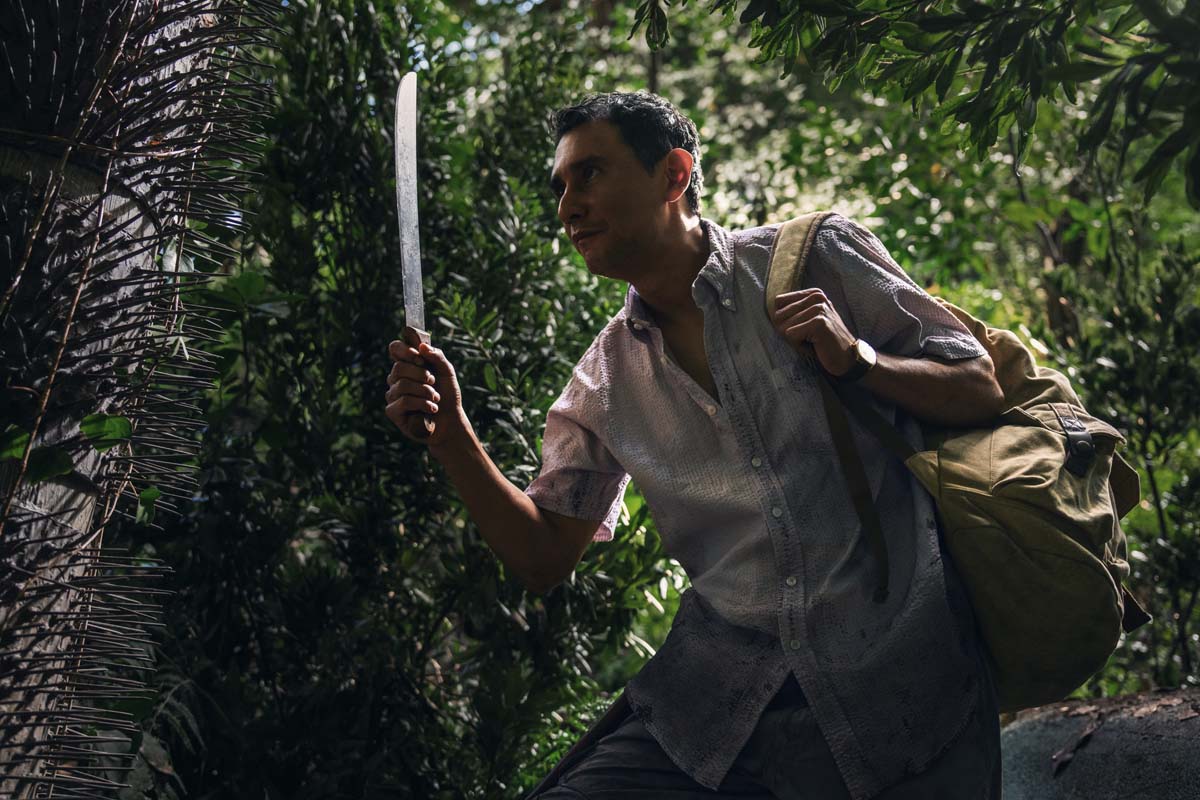
The series is shot - as we’ve talked about already - all over the world, multiple locations. Even if they’re not the actual locations, you had to go someplace. Stuff had to be coming in at very different times.
MacDonald: Most of the episodes were shot in the States, but when they went out of the country, then we would get stuff for the other episodes, bits and pieces. I think it was episode nine that was the biggest one that had footage from outside the country.
McCaleb: Seven had giant holes.
MacDonald: Seven was the traveling one. It was at the end when all the episodes came together finally - getting the final bits and pieces. Episode one was the only episode that was really complete early. That was the whole setup for everything in Albuquerque.
Skip, were you working on the first episode before any of the other episodes were worked on and you were able to develop a mood or a style for the show?
MacDonald: They were shooting one and two at the same time, so I was working on both of them. But we did spend some time - once they finished shooting - getting episode one in the tone that worked for Vince and worked for the show and refining it.
That one took a little while to get through. It’s hard to say that’s the one that set the tone, because that episode is so different from the rest of them. Then episode two wasn’t fully complete, but it was about 80% complete. That was the new tone. To keep the tone of the new world.
Let’s discuss changes and transitions in tone. Talk to me about regulating that, calibrating it, and making it feel of a piece to the rest of the series.
MacDonald: We took each scene as an individual piece first and worked that to get the tone od feel of what the scene would be. When she’s going through the warehouse and discovering the body parts, that was one tone.
Then as we go on, each scene was slightly different, so you’d work each scene individually, then put it together as a whole to see how all the scenes tied together and the pacing and the humor. There’s always humor in these things.
And it’s always a nice break from the heaviness of the world being taken over by this virus. So it was always nice to have those little moments break through, and it’s just how much can we get away with or how far do we want to push them?

McCaleb: For me, the sort of the Rosetta Stone tonally is that last scene of the pilot. There’s been some humor, but in general it’s this global disaster and this personal tragedy.
Then you get to this last scene, which continues to be quite scary, but then it’s laugh-out-loud funny, and you think, “Wait, what is this show exactly?” And knowing that we have the freedom to move from tears to laughter on a dime, it really helps me calibrate the swings that you can take as far as shifting those tones.
Maybe one of the more difficult things probably was episode seven, because there’s so little dialogue. So with Carol, it’s mostly her alone singing. On the surface, it’s maybe a little whimsical and maybe it could be funny and silly.
Then it’s contrasted by the human horror of traveling across the Darian Gap and nearly dying. So having a show that affords us the ability to just swing wildly between those tones is such a blessing
I would really like to hear how you each approach a scene. When you sit down in the morning to a new set of dailies, what is your process?
Liew: We don’t use ScriptSync at all. We review every piece of footage that we get. I learned that from Chris and Skip. We purposefully watch everything. So in the morning we come in, just watch the dailies, and get through those as much as you can.
What order do you watch dailies in? Shooting order or reverse shooting order? Or something else?
Liew: Reverse shooting order for me.
McCaleb: Interesting! That’s interesting!
So you watch them in reverse order, then what do you? Do you create selects reels or do you just start cutting?
Liew: I just mark the interesting stuff… what I see… if this is a good look,.. this line was delivered really well. Then I go back and start right away - like maybe after lunch - just getting something on a timeline. It’s like sketching out a painting with pencil. It’s that for me.
Before getting into the timing of everything. So the selects that I put markers on, I then place them on a timeline. From there, fine-tuning them the next day, letting it rest overnight, which I learned from Chris and Skip.
In terms of process, taking a break when needed and coming in with as fresh of eyes as you can to review a scene. But I normally try to get something down before the end of the day, just on a timeline, a sort of rough skeleton.
Do you usually get the opportunity to just cut one scene in a day?
Liew: Depending on the amount of dailies, yeah.
Chris, what about you?
McCaleb:I like to come in, pour myself a cocktail, take a nap, and just really let the dailies kinda happen in the background.
No, I think the key, thought it sounds simple, is just watching all of your dailies. The way I generally do it is in set up order. But I’ll start with maybe a last take, and I’ll kinda do a survey of kind of all the footage. “Okay, I see what this shot is, I see what this shot is.” Then - once I have just kind of a snapshot in my head of what I’m working with - I will then watch all of it. I guess I do watch it in reverse order from last take to first take, but I’ll start with the master then work my way forward. Backward to go forward.
Skip?
MacDonald: I usually start first knowing what scene I’m going to have to cut, then I read the script, and try to figure out whose POV we’re supposed to be and what’s the main part of the scene, who’s the main character in this scene?
Then I start watching dailies. I watch them in shooting order. I go from take one through the last take because I like to see what the director’s looking for. I see the changes that they make in the performances. I also like to hear when the director talks to the actors.
But they always whisper or they cut the volume down on it. It’s nice to know what they’re looking for, so it gives me a little perspective on the performance they might be looking for.
I just go through and watch - like Chris and Joey - from action to cut, and even sometimes handles on either end. You never know what magic you’re going to pull from before the slates or afterwards. So we watch everything. If you don’t, then you’re doing a disservice to yourself and the edit.
And the crew!
MacDonald: Yeah, that’s true. Then I start assembling it, and I’ll go back and forth and make my adjustments. Like Joey said, I put it to the side, and the next morning I’ll come in and watch that scene to make sure it still plays for me the way I was expecting it to or make my little adjustments, then move on to the new scenes.
So it seems like none of you make selects reels.
McCaleb: I make marks, then sometimes when I start assembling that pencil sketch version, I will start going through the selects that I’ve made within the dailies,which I find also helps you know where things are within the dailies, so that when you’re working with producers or directors, you’re able to very quickly go to things, without the assistance of ScriptSync. I’ve seen people make sequences by line…
Line outs?
McCaleb: Yeah, exactly. In my effort to make a hilarious joke about having a cocktail, the first thing I actually do before I tackle a scene is I re-read the script. I just get my head back into “what is this scene about?” Obviously, we have the line script and the notes that are there as a tool for us. But, I do like to refresh myself in that.
Skip, you mentioned that sometimes you couldn’t hear the director because they’re whispering to the actor. I talked to a production where they mic’d the director so that you could literally hear everything the director was saying as they were shooting and talking to the actors. The editors used that all the time.
McCaleb: I love that! I think that would be so beneficial. That’s like having a direct line to the director.
As we wrap up, I wanted to give you guys a chance to give a shout-out to any of the other people on the post team - your assistant editors or anyone else.
MacDonald: Diane Mercer’s the one who keeps this train running. She’s got her hands full, and she really keeps us going and she’s got us covered.
What’s Diane’s job?
MacDonald: She’s the post producer. She’s also was involved in production a lot more on this show, too.
Skip, who’s your assistant editor?
MacDonald: I had Sterling Robertson on Pluribus.
And Joey?
Liew: Nicholas Sy, who also did a lot of the effects editing duties.
McCaleb: Shout out to Nicholas! In addition to the work he did on the show, we also do the Pluribus official podcast that I host. Nicholas, recorded and edited that.
There wouldn’t be a podcast if Nicholas was not involved because on Better Call Saul, I did most or all of the editing of the podcast and I just did not have the time. And so a huge shout-out to Nicholas. Andrew and Sam and Lucas and Justin.
Nicholas was our PA on season five of Better Call Saul, and he’s now an assistant editor in the union working with us. Our editorial PA on season one of Better Call Saul is now a writer on the show since Better Call Saul. She worked her way up. Then Justin, our editing PA is now in the writer’s room as their PA. So, it’s tough to hang onto these great PAs. They’re just moving up.
Liew: A shout-out to Thien Nguyen as well. Thien helped us out towards the end.
McCaleb: Joey has worked as my assistant for many years, and is now off being an editor in his own right. We were just working on a project side-by-side on another show. Skip, I’m sure, has had this experience so many times.
Mentorship has meant so much to me in my life, and I’ve been the beneficiary of incredible mentors like Kelley Dixon, like Bryan Carroll. As I guess Jack Lemmon used to say, “Send the elevator back down.” Everybody needs a little help in their career.
And the people who have what it takes… Joey Reinisch has been an assistant, and he’s now editing on The Pitt. And Phil MacLachlan was my assistant on Fear the Walking Dead. He went on to edit and direct on that show. You feel so proud.
MacDonald: Yeah, it’s great to see your assistants move up and do well. You feel like you have a part in their career - that you’ve helped them start out, give them scenes to cut, mentor them. So it’s really a great… It’s good for your pride that you see people succeed that you’ve helped out.
Curtis Thurber was one of my assistants who has gone on to do some really good stuff, and Joey Reinisch too, so we’ve had some good people come out of the Breaking Bad/Better Call Saul/Pluribus world to move on to better things.
McCaleb: To the mentorship question, Kelley was Linn Willingham’s assistant on the pilot of Breaking Bad. She cut that extremely electrifying, memorable, drug-making sequence in the pilot. And Linn always said, “Make sure they see you editing.” So Kelley always says, “Make sure that they see you editing.” That’s what we keep trying to do.

Amen. Gentlemen, thank you so much for your time. It has been great to have you on Art of the Cut, and good luck come Emmy season.
McCaleb: Thank you very much. This was fun.
MacDonald: Thank you.
Liew: Thank you.
 October 5, 2026
The Whisper Man
Chris has been on Art of the Cut before for The Menu, The Many Saints of Newark, A Quiet Place, and Assassin’s Creed. He has ...
Read more September 23, 2026
Sean Combs: The Reckoning
Charles Divak has been on Art of the Cut in the past for Chimp Crazy, for which he was nominated for an Emmy and won ...
Read more September 3, 2026
The Dog Stars
There's nothing like The Dog Stars in his filmography. That's a testament to him - that he is constantly interested in different stories and different ...
Read more
Subscribe to our newsletter
Get all the latest news, blog posts and product updates from Boris FX, delivered directly to your inbox.
Welcome!
Thanks for opting-in to our newsletter. You'll receive an email momentarily with your confirmation.