


Paper Tiger
A discussion of how the first image of James Gray’s films often are discovered in post, how sometimes sound design is the first thing Morris edits for a scene, and determining the balance of the critical element of the film.


Today on Art of the Cut we speak with editor Scott Morris about editing James Gray’s Paper Tiger.
Scott Morris has been on Art of the Cut previously to discuss James Mangold’s A Complete Unknown. He also edited on The Creator and Ad Astra. In various capacities he also worked on several other movies covered by Art of the Cut including Don’t Look up, and The Lost City of Z.
We talked on The Creator and A Complete Unknown. Were you on Ad Astra?
Ad Astra was the first time I met you. You came to our cutting room back then with John Axelrod and Lee Haugen.
John has launched the careers of so many great editors.
Yeah, we call it the school of Axelrad.
Let’s talk about that bucolic opening shot. Was it scripted that way? Was that something you found in post that you wanted to start the film that way instead of some other way?
On the past few films I’ve done with James, we found the opening shot in the edit. James is open to discovery in the editing room. He’s the screenwriter. He’s the director. In the editing room that screenwriting process continues in every way: in writing ADR lines, but also in in visual storytelling.
The opening image and the final image are very important to James -especially the final image. They’re usually scripted.
But for the opening image in the last four films I did with him, we usually found them in the edit. It’s just mining footage, and sometimes it happens pretty serendipitous. We’ll just be working through dailies and cutting another scene. In this case, that footage came from this great B-roll that we had from a scene that happens towards the end of the film in that location.
We had nature and this opportunity to put the Manhattan skyline - circa 1986 - in the background. Then he had this great idea of putting pollution.
Obviously, there’s a lot of symbolism. James is a big fan - as I am - of fine art, painting. There’s a lot of symbolism in that first image. It holds a lot of information in there that you can unpack.
There’s a quote at the beginning of the film that says a lot. But that first image has a lot in there. It sets the mood, but there’s also a lot of symbolism…
… and there’s geography in there, right? It lets you know where the city is compared to this place where you really don’t know where you are. Later on you figure it out… So that shot was meant to be used in the location far deeper - almost the final shot of the film.
Yeah. There is a lot of material shot in that tall grass location. That’s meant to be near-ish to JFK Airport. I think it was shot in new Jersey. A lot of movie’s shot in Jersey. We did go to certain real New York locations.
It was repurposed for the opening because it was a powerful image and it was a great way to pull us in. It had that great pan. If you look closely, there’s a little bit of film damage in that first shot, which James purposely left in, which I like.
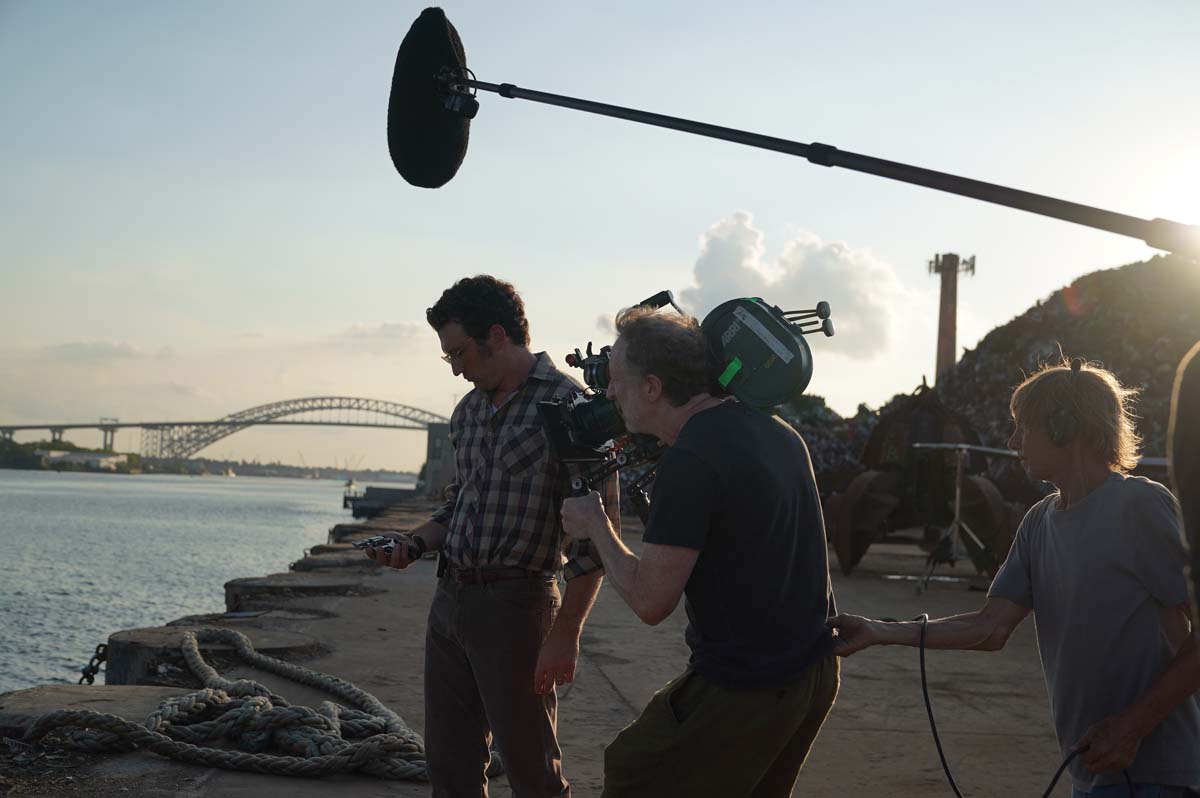
Interesting. Was it shot on film?
We shot in 35mm two perf. James and [D.P. Joaquín Baca-Asay] stopped down. If you stop down a few stops you get more grain out of the material, and I think it adds a little bit more contrast.
You get this old school look that is more of that era. The idea was that the film has this quality that you sort of found it - as if the film was made in the early 80s and we kind of discovered it.
Did you edit near the shooting locations?
We were in New York for the production at Company 3.
Do you like to be close to the location, or does it not matter to you during the shoot?
I like to be close to the location for an interesting reason. It’s actually to get closer to the experience of what the characters might be feeling. It’s less of that it’s about production because I don’t need to physically be close to the production or the director, though being in the same time zone helps. It’s nice to be able to get on the phone, but nowadays you have Zoom or you have or Evercast or something virtual.
You can edit anywhere in the world. It’s quite romantic, but I like smelling the air, hearing the sounds. Wherever it is that the location of the characters would be. So, in this case, I would go to Brighton Beach. I would go to the locations where the characters would be to get a feel for the environment.
Obviously the locations have changed since 1986, but it matters. You do get a sense for the people. Some of it hasn’t changed that much, so you do get some of the culture of the community. You do notice the behavior of the people. It’s all research.
Part of my research is actually going to the locations, not necessarily when the production is filming. Like I said, smelling the smells and hearing the sounds and observing the people and looking at the architecture and things like that.
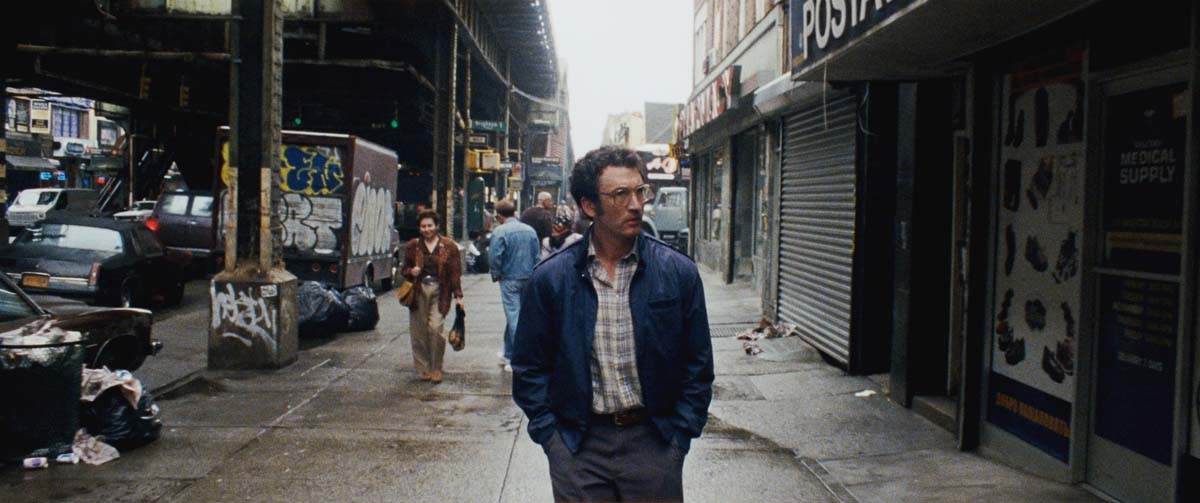
Obviously I do a lot of, prep – reading. This is a period piece, so there’s a lot of history. Then, watching movies, of course. In this case, I’m watching a lot of things about the era. Also going back and watching some of James’s, films, especially Little Odessa, which I’d seen 5 or 6 times. But it was nice to rewatch it in the context of this script and think about the film we were going to make.
Is this the first film that you’d worked on where you had to deal with a true film transfer workflow?
Actually, no. I thought I would be working a lot in the digital space coming out of film school. I was very, very lucky because I love film. I love it so much. I’m so grateful that most of the films I’ve done in my life were shot on film.
Everything I’ve done with James is shot on film except for Armageddon Time, which was shot digitally. But everything else that James has shot was 35mm.
I was thinking of The Creator, which is pretty famously digital.
We had a very, very unique process on that one where we shot on the consumer digital camera, but then we did a very unique DI process.
I noticed a couple of prelaps. There’s one going from the phone call by the pool to the van arriving at night. That’s the first one I noticed. What does a prelap do for you?
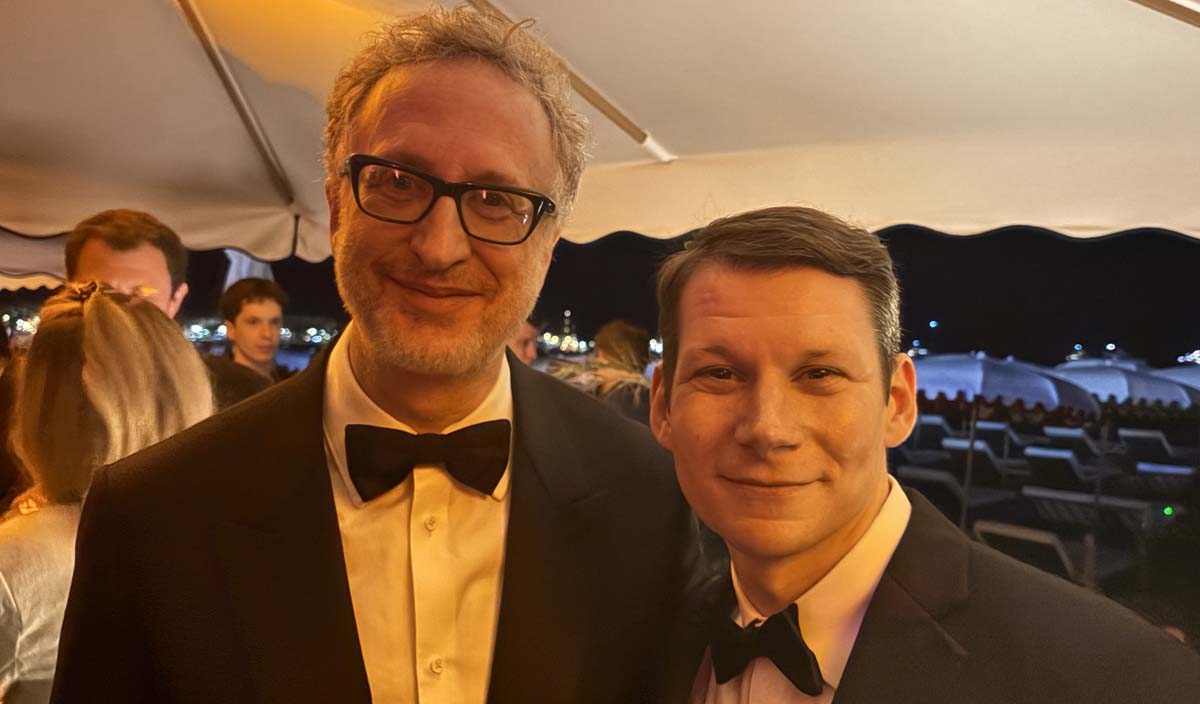
Director James Gray and editor Scott Morris
I absolutely love prelaps and postlaps. I’ve gotten really into it more and more as I’ve gone on in my career. It’s a great way to fold in time, so you can move the story along and emphasize things. How you enter a scene is so important for story emphasis. But also how you move a story along.
So in the case of the pool scene, for teasing the excitement of Gary Pearl and the relationship between those brothers, we go from there to a shot of these mysterious cars driving to the house. It’s such a great way to move the story along. You’re always trying to do that. You’re always trying to find ways to transition from one scene to another.
Prelaps are such a great way to do that, so scenes never feel like they’re starting and stopping, they’re always flowing. You never feel like you’re starting something, so it has a dreamlike quality. Scenes are just happening.
You’re just from one thing to the next. You don’t know how you got there. That’s the dreamlike quality of cinema. I feel like cinema is at its best when it’s behaving like a dream.
When they show up at Sheepshead Oil, I noticed the great sound design. It gives you a sense of the location. Is that something you had in your picture cut? How you use sound? How do you direct your assistant editor, maybe, to help you use sound when you’re doing the picture cut?
Sound is a huge part of my process. Sound is half the experience of making a film. The soundtrack is a huge part of it, so I cut extensively with sound. Sometimes I’ll cut sound before the picture, just to build the vibe.
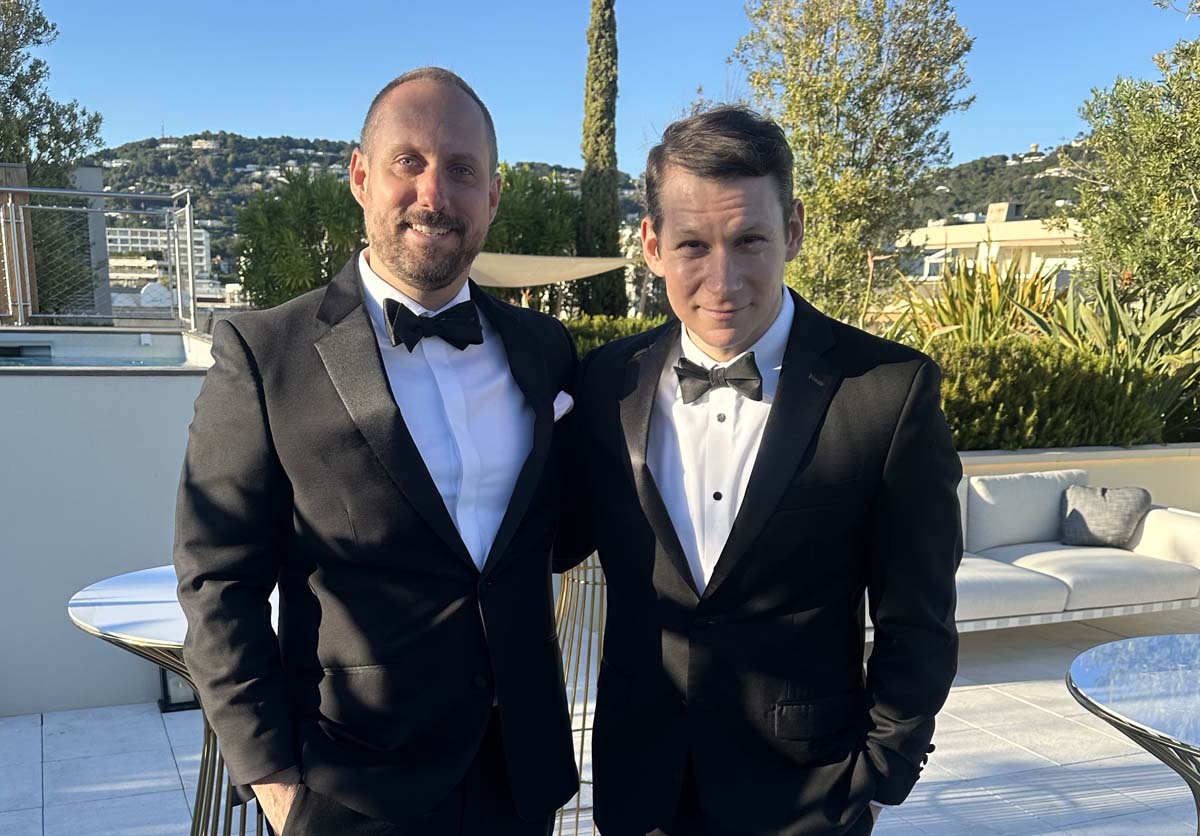
Andrew Kovacic, assistant editor and Scott Morris, editor
Sometimes I’ll screen dailies, but before I cut the scene, I’ll build the soundscape of the environment. In the case of that scene, I think I did that.
I build out what that place sounded like. I worked with Andrew Kovacic, as my assistant editor on this project. He’s also done a lot of editing himself. He worked with me on the sound for that environment.
But in that scene, the result was all about kind of the quirkiness, and feeling like they were non-threatening in that scene.
What about the soundscape when Irwin comes back to the same location with his sons at night?
James described things in the screenplay, as far as what he wanted it to feel like. We talked a lot about that environment as sort of a hellscape… that he was entering hell in a way.
James has his technique, which I love where they put a heat bar – fire - underneath the lens of the camera. I believe Scorsese did it in Raging Bull. The heat bar gives the effect of the heat wave coming off the fire in front of the lens. That was creating this ominous sense.
We had dogs bark in the background and things like that, but we didn’t want to set it up as scary. That’s when we met Alexei for the first time. The women are drinking, doing shots and there’s the music playing. Music is a big part of that soundscape, too.
We played with Russian radio or television playing in the background. We had the voices of the secretaries working and the old computers and the smoking. That’s inside, but outside was the water. It was just about creating the sense of realism.
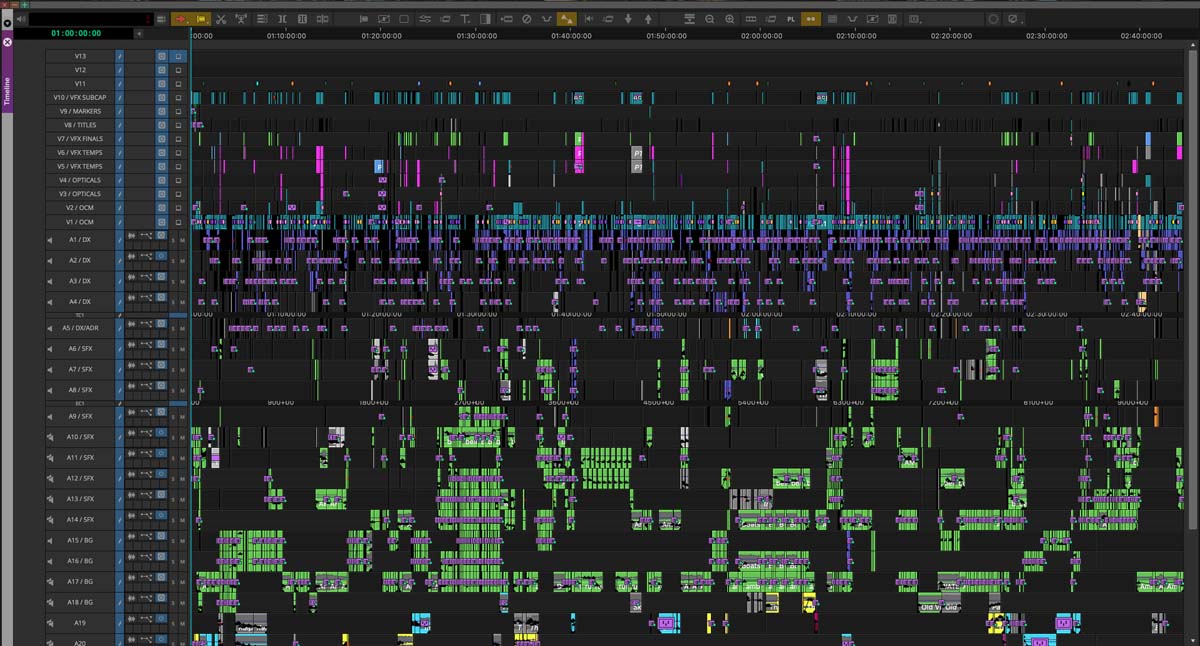
Avid Media Composer timeline
That was very extensive. That took a long time to build sonically. When he returns, because that’s when we get into design that’s more abstract. Sound is a huge part of the process for both me and James. I learned a lot of it from James.
I met him young, and he taught me a lot of the filmmaking techniques and editing techniques and sound design techniques. Being on mix stages with him and the team - Robert Hein and Kevin Peters - doing the sound design were such an integral part of this.
The editing pace throughout much of the film, I think, is very considered and deliberate. There’s no over-cutting. Talk to me about the decisions of when do you cut? How much do you need to cut in a scene?
I actually did a count for how many edits are on this one. It’s 934 splice points in the film, which is a very low amount for a feature. I think the film’s an hour and 45 minutes without credits.
But there are a lot of invisible edits. Nowadays you do a lot of things like split screens and timewarps and things like that. There’s a lot of editing that’s not a single splice point, but it’s hidden within the edit.
So there are other things happening so you can keep this classical approach where there aren’t a lot of edits happening, but there are other things you’re doing to affect the timing because film editing is about affecting the timing of the experience.
You’re watching the film, not necessarily about the splice points themselves. As far as the picture edits, it’s very deliberate.
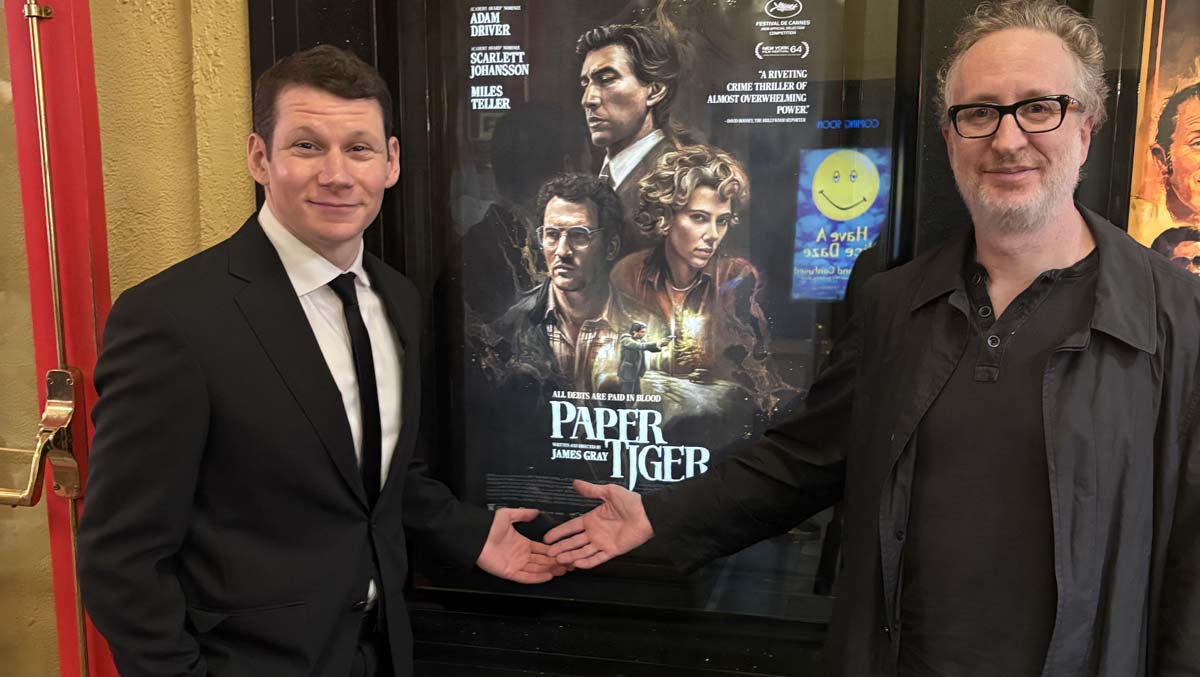
Scott and Gray
When you’re doing a James Gray film, he has a specific style. I’ve worked him a while and you learn that style, but each film is also its own thing. In Armageddon Time, we had more edits. For instance, we had a dinner party and that scene was chaotic. It had a lot of edits.
Whereas in this film, everything is a little bit more deliberate in the pace. It’s tension because it’s a thriller. In a lot of cases we were elongating things and drawing out the tension, so a lot of the edits in this film, were about letting shots go as long as possible and not about quick cuts. It was about slow, deliberate cuts to draw attention.
We were actually trying to extend the duration of the lengths of the actual pieces of film on screen as long as possible. But when you’re doing that, there are things you need to do for pace, so you’re putting in these time warps, to speed things up or splitting things to get the timings of certain actions.
So there’s other things happening in order to do what - in another film - you might do an edit.
Many editors know what you’re talking about, but why would you do a split. Can you give us an example or two from the film of why you had to do those?
A great example, would be the scene in the Italian restaurant when Gary and Irwin are discussing the plan. They have dinner and they get the olives and the cheese, and Irwin’s, starting to have some concerns about the pollution. In that scene we had some “overs” and - it’s a little thing - but the split is for the hands and things like that.
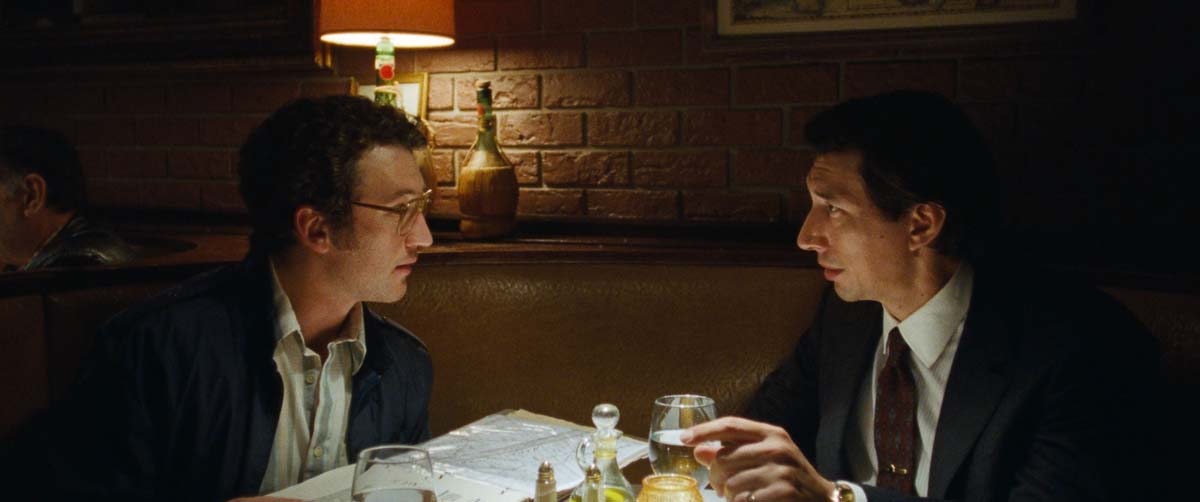
Or in the basement right after that scene when Gary first introduces his plan. The first half of the scene we haven’t gone into the tight coverage yet, so it’s these “overs” where the brothers are in the foreground. So almost all those shots, we’re re-timing with split-screens.
It’s one of those scenes that could be seen as an expositional scene where we’re setting up the plot of the movie, but for us, it’s all about the brothers and their relationship.
For me, it’s a very moving scene. I get very emotional in that scene. They’re adult brothers who are close but maybe not that close, and the idea of getting into partnership together… you see this kind of glint in Miles’ eyes when he realizes that Gary is saying that he’s the guy who knows these things.
Gary’s flattering Irwin, but there’s also this moment where I think he realizes that this, thing that they’re doing together could be about love and about them forming a bond. It could be a really beautiful experience that they could have together.
There is this moment of love in the music where the score kicks in and there’s a close up of Miles, and it’s really nice to hold on that moment maybe a little extra. That for me is kind of my favorite thing about this film. I was always looking for moments to hold a little longer.
I’m a big fan of slow cinema. This film is by no means a slow cinema movie, but it’s nice to - in a genre film like this where it’s a tense thriller and it’s trucking and we’re constantly “intensity, intensity, intensity” to have these moments where we hold a little longer.
One of my favorite ones is when they first meet Semion Bogoyavich – the big, bad boss - for the first time. They go into that creepy room. They’re escorted in and sit in the chairs. They’re looking around. It’s very ominous.
They’re just waiting, and there’s this great tight single on Miles, and he’s looking around and we just hold on that shot forever. We just don’t cut. I ended up doing a little speed manipulation in that shot. I hold on it for 10 seconds or something.
The more obvious cut point would be five seconds or something, but we keep holding and holding and holding and holding and the audience thinks, “Where’s this movie going?” The scene is so tense. You’re at the highest level.
We’re doing so much work with the sound. It’s so ominous. Robert Hein and his team had created this really creepy sound design. The lighting and the ominousness of that location, it’s built up and hyped up so much at that point that you can just afford to hold in that shot.
And by holding on a shot. Miles doesn’t have as much dialogue in that scene, and he gets kicked out halfway through the scene, but he’s the lead. We want to feel it through his point of view.
Great acting is great reacting, so you don’t need a lot of lines. It’s not about the lines, it’s about the reaction. When he’s in the first half of that scene, it’s a lot of reaction shots on Miles, even though there’s not a lot of dialogue, because he was the one who brought his boys to the canal.
He was responsible for all this. He’s getting reprimanded and he doesn’t know what’s going to happen. He’s playing the fear.
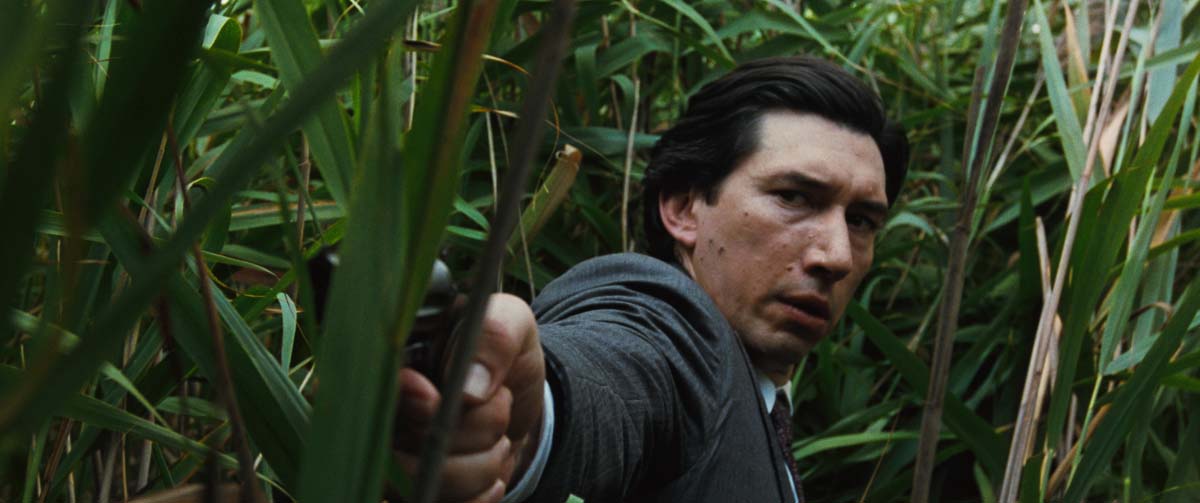
Adam is brilliant because he’s charismatic and he’s playing the tough guy, but he’s also afraid. You can feel it. He’s driving the scene. He’s very active and he’s trying to negotiate. It’s great because Miles is so out of his element in that scene, and it’s just so great to hold on for so long.
Then there’s a little speed ramp to get him to turn around. Let’s say it’s a 30 second shot… I’m speed-ramping at about double time to hold on it long enough to get him to turn around.
But sometimes you do a morph so you have a ten second shot, you do a cut and a morph to get him to turn around.
In that case, I wasn’t doing a morph, but that’s another scene where most shots in that scene -the negotiation - has a split screen for the timing of the background actors or because we have the cops in the background or we have his guys next to him.
There’s always something going on where we want to get the timing very specific. It’s always in the details. We want to control every little thing we can.
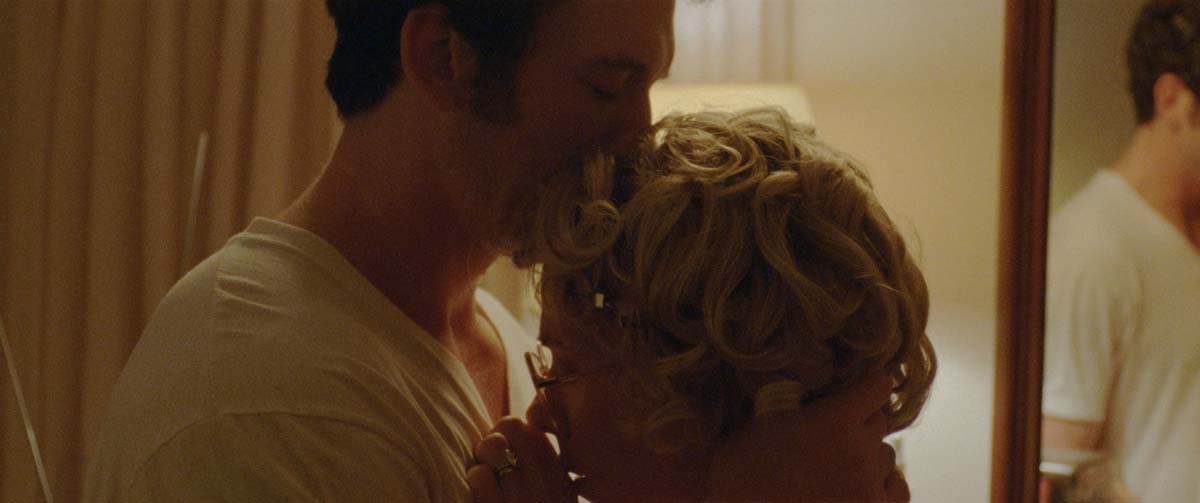
There’s a night time home invasion that happens. Talk to me about building that tension. What were you doing? Shot selection wise, shot length wise, and audio music to create that tension.
That was an incredible scene. I read the script and thought, “I’m going to love editing this movie, but there are three scenes in particular that stood out as “editor scenes.” The scene with the boys in the canal, the scene of the home invasion, and the scene at the end in the tall grass.
These are three tension sequences that I knew were going to be incredible, and I was very excited to cut them. When I was doing my research, I was looking at similar scenes in other films, as to how they handled them.
I was so excited about what I had to work with when the dailies arrived. Even from the script I think there were some mentions of sound, but it was it so obvious that sound was going to be a huge part of this. Knowing what Bob and his team would bring to the table…
But, on a film like this, we don’t have Bob coming in during dailies to help me. So I knew that Andrew and I were going to be working on the sound and building a soundtrack to tell the story from the beginning. This is a case where I did kind of a combo technique where I build a lot of soundtrack before I even start cutting picture.
So I’m watching the dailies, imagining the sound. Then we build the soundscape, then I start cutting the picture, and in this case, it was a lot of extending these long takes, as much as we could. I used to joke and call it “method editing,” where you kind of get into the character’s head.
The idea is that I would kind of act out the scene, and live the scene. I would really experience it, so much so that I’m doing my own breathing and recording it for Miles, because we didn’t have him in the ADR booth until later in the process.
His soundtrack of his breath is such a huge part of that scene because you want to get connected to the character - his footsteps, his breathing. We wanted to build the soundscape of what he would imagine. The scene is a nightmare, literally, figuratively. We talk about the dreamscape this movie really wanted to harness.
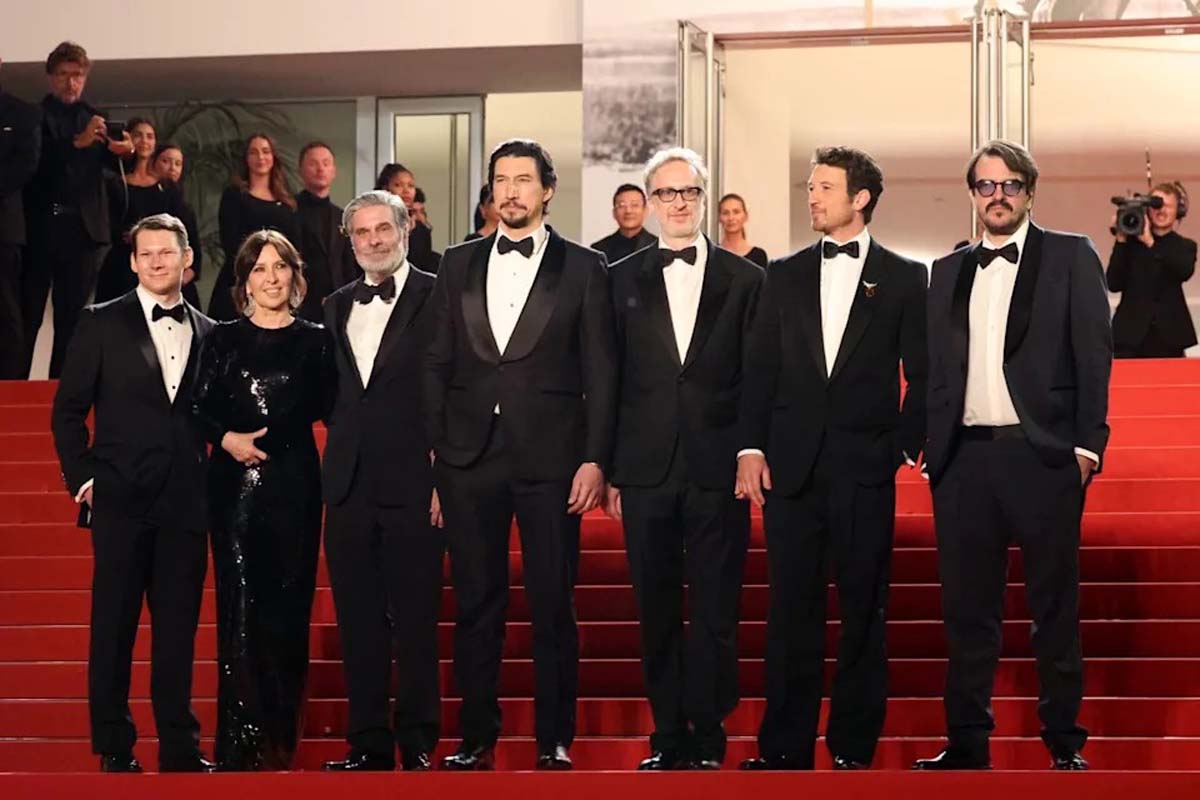
Paper Tiger team at Cannes
Most of James’ films function like this, but this one, we really wanted to make sure it was functioning like a dream or a nightmare. That scene was a perfect example of that. We were always - soundtrack-wise - thinking about the nightmare. We play the clock. We play the train. We play dogs, and the voices.
Through the theater of the mind we created an entire soundtrack of these Russian invaders coming into the home. It was off-camera.
As an editor that’s become one of my favorite tools in my process: “What’s happening off camera?” What’s happening just off camera? What’s also happening off camera in the entire film, like broad strokes.
It really affects the work. In that scene we create an entire scene that’s happening that you don’t see. We’re shooting another movie sonically in that scene. So it’s like a pickup shoot with sound.
We’re building a story of: Where’s the car? How many men are there? What are they doing? They’re hopping the fence here. We’re building all that sonically. How would they coordinate? Who are these guys? We knew some of them based on the extras.
We wanted the audience to imagine the extras from the previous scene, but also characters that you see throughout the film. I wanted to conjure the men that threaten them in the previous scene. I wanted the audience to feel it. Even though you don’t see their faces, that you would know.
We ended up getting them in our booth to record certain lines specifically, so that even if the audience doesn’t consciously recognize their voices, you subconsciously feel that it’s the same man tormenting him.
It’s the idea that that guy would be the guy to come back to his house, tormenting him with mind games inside of his head. That’s the whole idea of the scene. It is a mind game that they’re getting into his head, even though it’s a physical violation.
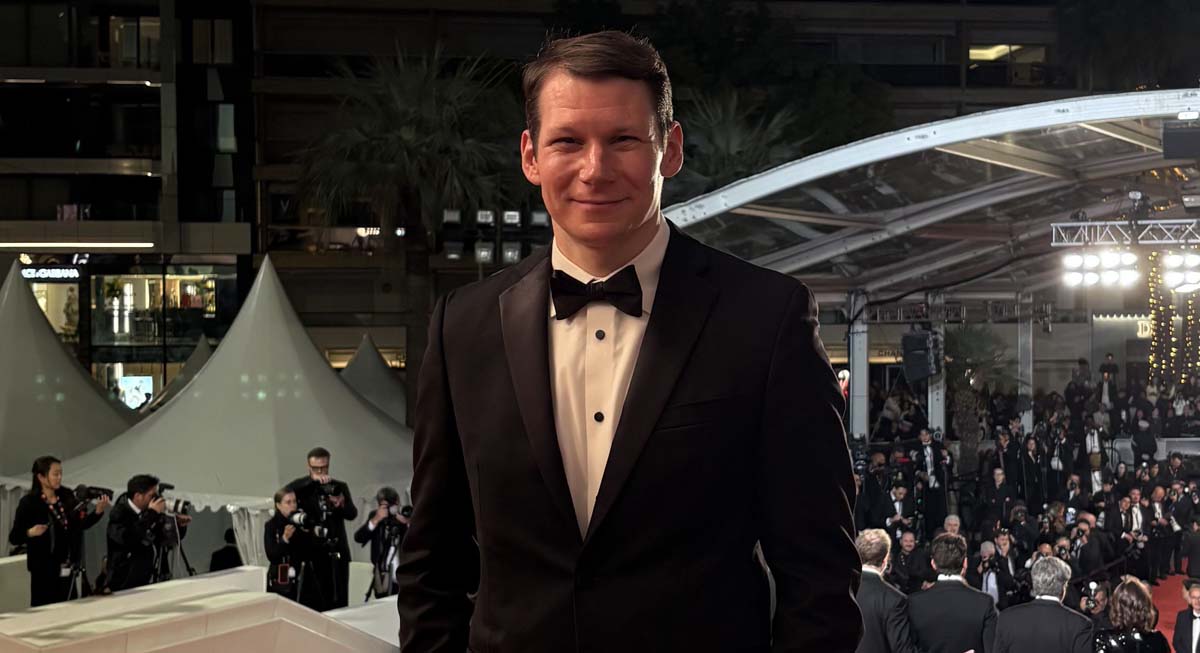
Scott Morris
So in the edit it was about getting in his head and trying to have POV shots over the shoulders, as much as possible, getting into his breath with the sound and the creaks. It was always about the little thing. So I was always analyzing his performance in the dailies.
Miles is so great about playing the scene, any little looks he had and he would react to things, and he was creating all of this terror. Every time he played something, I was doing a sound.
The voices became a huge part of it, then the moving of the furniture. Once he gets to the staircase, it became about creating the space of them moving the furniture and Miles reacting to that.
Then it was reusing the same shots. It wasn’t the exact same footage, but it kept cutting back and forth. And what happens when you do that? You create a trance. I’m obsessed with this idea, especially for a thriller scene.
We do it especially in this scene and then later on in the grass, creating this trance where when you keep cutting back and forth, it’s almost like experimental filmmaking, but especially I think it’s most effective in this scene.
We keep going back to similar angles, and the audience sort of gets lost in time. You lose your sense of geography, and spatial geography and more importantly, time geography. And you don’t know how long this is.
If you’ve ever been in a situation like this, you lose sense of time very quickly. There’s so much adrenaline running. Adrenaline slows things down. So this scene and the home invasion could be in actuality, for him, ten minutes.
It could be five minutes, but it could feel like two hours, because your adrenaline is running so fast that everything slows down. It’s just so tense. There’s so much anxiety.
So when he’s standing in the staircase, I want the audience to feel like this could be a half an hour. That’s the beauty of film editing: it’s about how it feels, not about how long it actually is. He’s on the staircase and we keep coming back to the same angles, which you might think is not a great editing technique.
Your audience might get bored, but there’s so much tension, they won’t get bored because they’re on the edge of their seat asking, “What’s going to happen?”
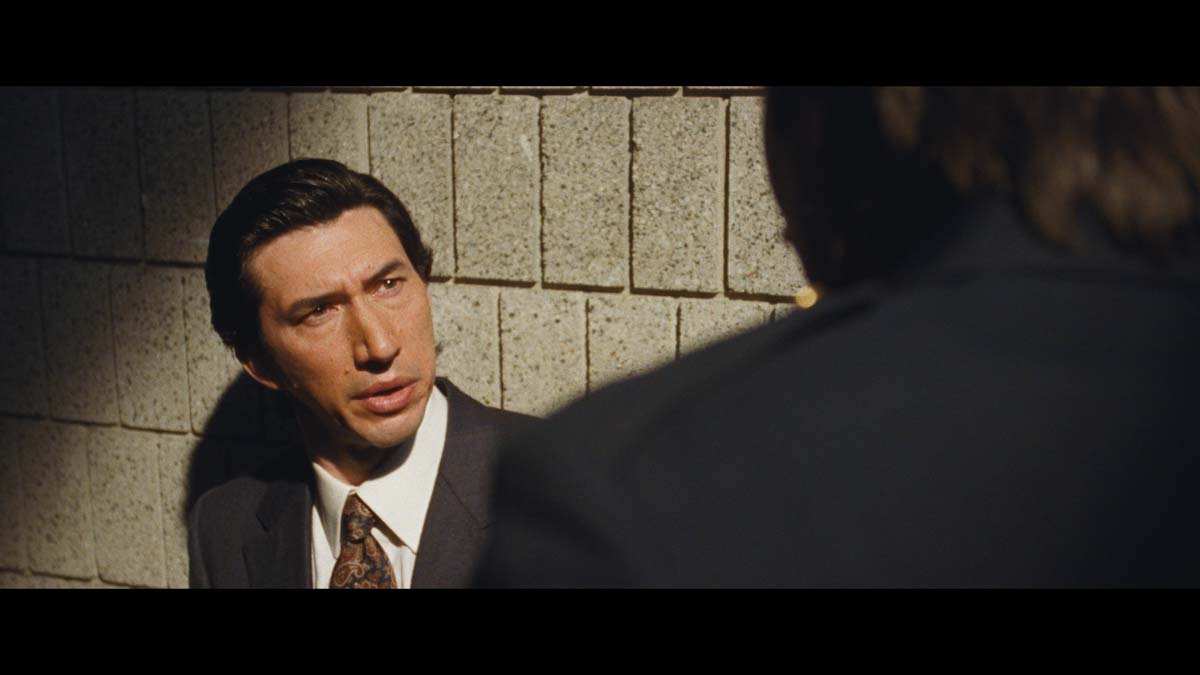
Then you up the stakes by introducing the idea that they stop and they notice him when his foot makes a sound on the on the staircase. Then they see the shadow on the wall and of the BB gun, which we set up in the previous scene, so we know he doesn’t have an actual weapon. Then we have the sound effect of their cranking of a real gun and, you know, just done with sound.
We don’t even see it. So it’s a lot of sound work along with the picture. Again, it’s theater of the mind. It’s all in the mind, which was the idea, you know, it’s you can see it all. And the shadow, which I think is much more terrifying.
It hits close to home. I think a lot of people have had some sort of a panic or scare, so they can actually relate to it in a very visceral way. It brings back that trauma. It’s all about heightening the tension. Then we save this one shot of Miles’s son Scott. He comes in at the very end, and it’s terrifying.
Look at the performance that Gavin gives. It’s just heartbreaking. It’s so intense. He sneaks around the corner at the very end, and he sees his father, in his POV, so it has this amazing mythic quality of seeing his father in this new way, holding a weapon. It’s very scary. It has layers of dimension, but it’s the highest point of tension in the scene. Things dissolve from there.
I love sequences, I love when movies don’t just have a short scene, but just keeps going and going and going and going. That sequence doesn’t end. He comes down, he finds the violation of all the furniture. He asks for their mother to come down, then the scene just keeps going.
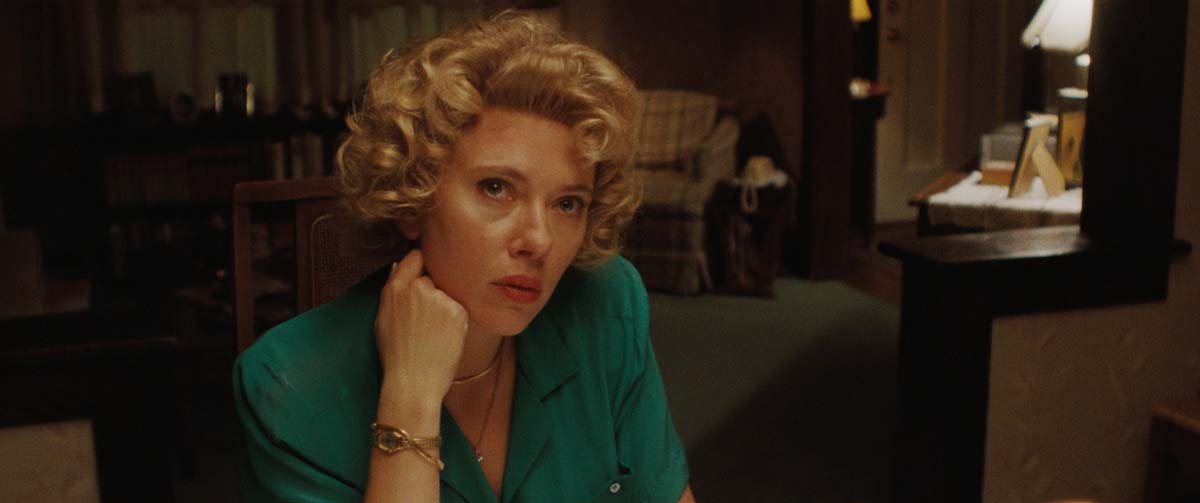
When Scarlett gets in there, what we thought was the height of the tension is actually the middle of the scene. Then when Scarlett comes down, that’s when the scene really takes off and takes you to another level. She’s incredible.
I don’t know if we’ve talked about this in our previous interviews, but describe how you are working when you’re cutting dailies. What how do you organize your bins or how do you have your assistants do it? Then how do you start viewing the dailies and cutting one scene?
I have a very, specific process. I screen the dailies with what I call the “EKG system.” I do it with markers. I screen one piece of dailies. I watch it very intensely - full screen - and I basically run my finger on the keyboard. If there’s anything that is feeling like this is something that’s useful to me - my heart’s starting to feel something - I’ll hit the key, so you’ll see these markers start to populate very quickly, then when there’s something that’s really, really special, I’ll change it to another color. If I start crying or I start laughing and it’s something where “This has got to be in the movie.
This is so special” then you’re going to see my hands fluttering like crazy. It may even hurt. The pain’s a part of it. My hand may hurt for a second, but it’s worth it.
I do this for each clip, then when I’m done, we cut it all into a string and call it a KEM roll, to respect film history. It’ll be very useful throughout the process to have that string out. Each clip’s marked up, then from there I’ll pull selects.
I’ll even pull selects of selects. If it’s a traditional dialogue scene, we’ll do it by character. Sometimes I have one for the master shot. If it’s a more complex scene or an action scene or a thriller scene that’s not a traditional dialogue scene, then I’ll break it out by something that’s almost like a documentary film - where it’s broken out by whatever makes sense to me that’s going to be useful in the process of recutting the scene or working with the director.
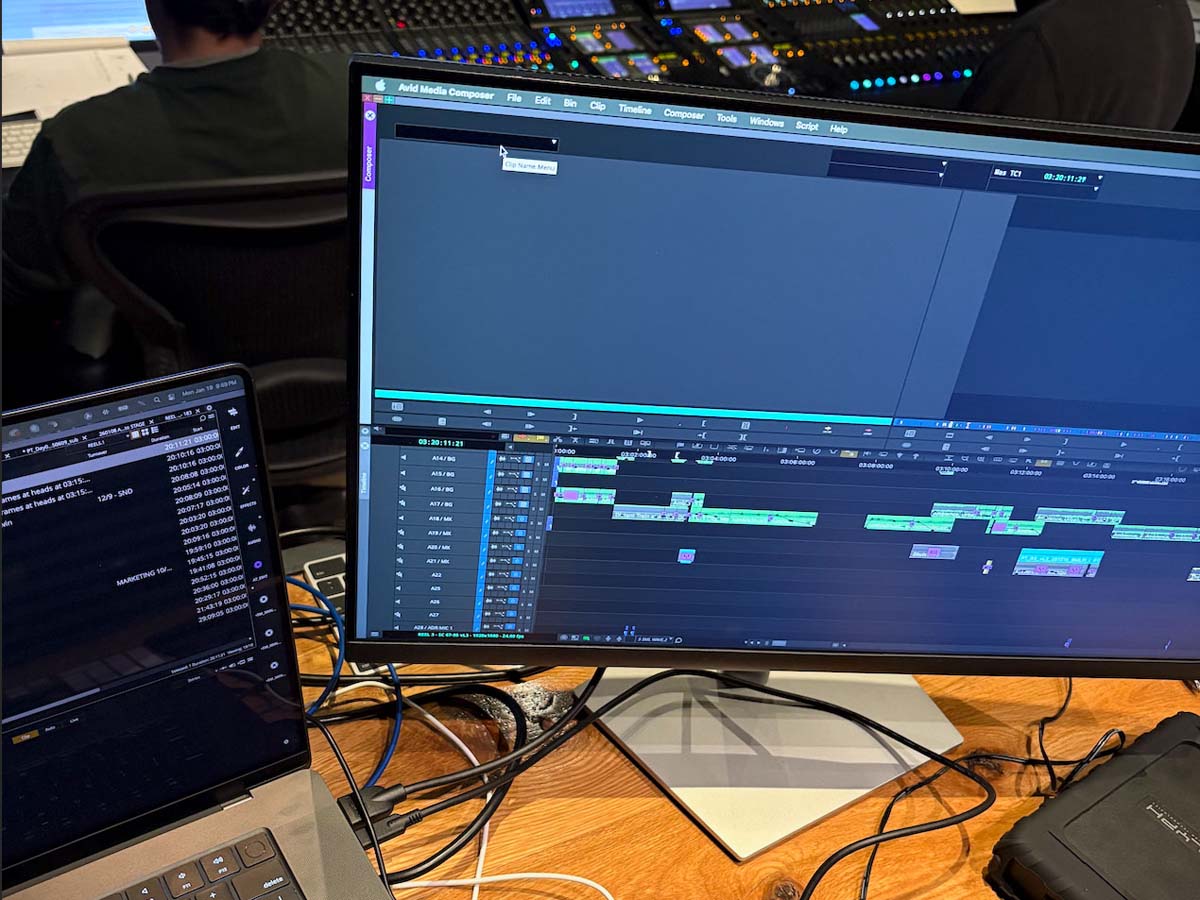
Scott’s laptop running Avid Media Composer, on the mix stage
So I’m creating these string outs, like selects sequences with tags that would be very useful. So for the home invasion scene we’re talking about, I would have a string out for everything that’s Miles POV. I might even break it down even further: “shadows arriving” or “shadows leaving.”
It’s easier for me to look at a string out that has a label than a shot number, even though in the columns you can have them labeled and everything. It’s just a long list of things. It’s easier for me to have my selects where it’s labeled.
I can quickly go to it and pull it out and then also have the KEM rolls of the full string-out of the scene, so I can always just very quickly scrub through that to find alternative things.
The Matchback Tool is one of the greatest tools ever invented. Everything’s very well organized. I like to organize in a way where I always have my initial “EKG markers,” because I only get to be an audience member really twice.
I get to read the script for the first time, that’s my one and only time to be a true audience member and experience the story for the first time so that one script reading is the most important part of the creative process for me.
I take notes, but I have to remember that one script reading for the entire time I’m working on the film, and remember what it felt like to have that story point twist or that, or what that ending meant. Obviously things change a lot as you’re working on the film.
Then the next time (I get the initial audience reaction) is when I watch the dailies. The first time I see a reaction or I react to that actor’s performance: Okay, take seven made me cry and take five, didn’t, you know?
So Take seven will always be the special movie magic take. Or this other scene made me laugh. I am very reactive and very expressive, so when I’m watching dailies, I’m laughing out loud, alone in a room, hysterically laughing out loud or I’m crying. I’m standing in a room alone, crying, really crying.
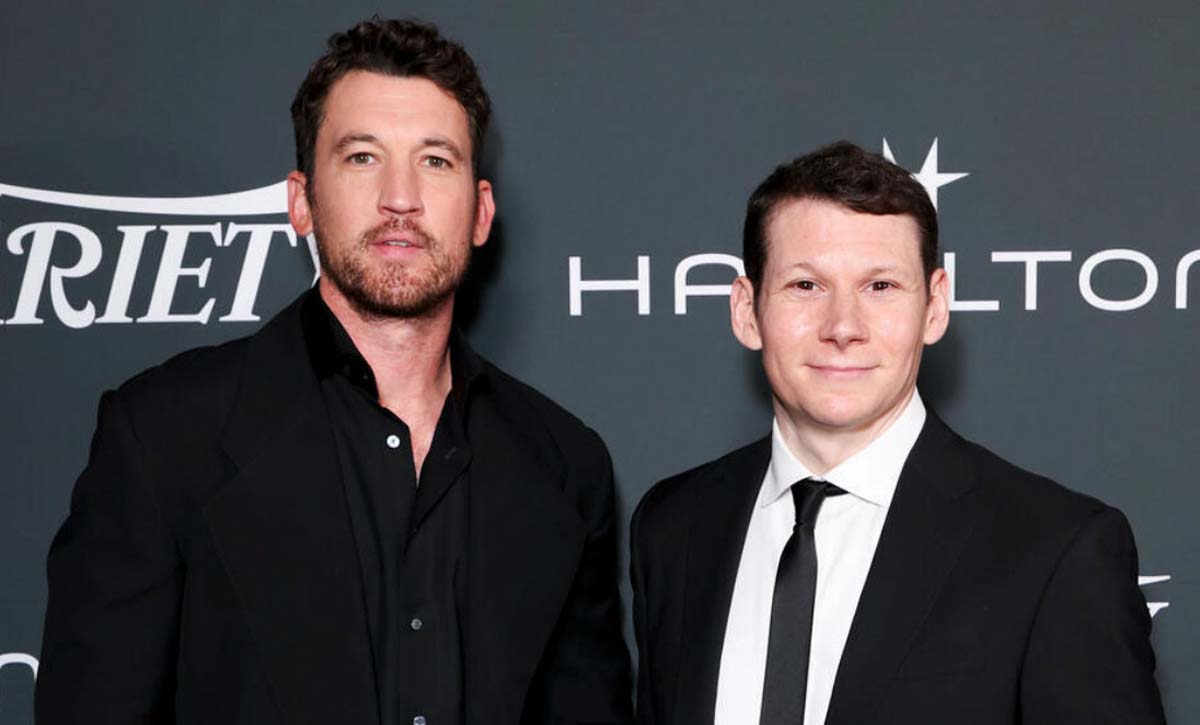
Miles Teller and Scott Morris
Sometimes depending on the scene, I actually have to take a walk. There are a few scenes in this movie where Scarlett’s meeting with her doctor, or the scene where she comes down and has a fight with Miles.
There are a few scenes where I had to take a walk for an hour because I needed to process what I had experienced emotionally. It’s very powerful, the work that we do. I’m so grateful that we get that experience.
That means so much to me, and that James brings me into that process with him. He makes such personal films that mean so much to him. And the actors come in and do this work and they’re sharing this work with the world…the truth that they’re sharing.
It’s like we’re all in unison. We’re all working on this together as a group. The sound team and every creative, every department.
We’re all in this together to share the story and get this out there so that people can have maybe a cathartic experience toward the end of the film and process, whatever it is in their lives.
That’s why I do these films. For me the making of a film is about the experience of making it. It’s about the year or however long I’m on the process. That’s why I like to hire and work with crew members who you get it, who love being there every day and want to be a part of making the film and understand the material and why we’re making this particular project and what it’s all about. They’re on for the journey of that process.
I’m very organized because when I go in to watch dailies, I don’t know what’s going to happen. I’ve read the scene, but I don’t know what these actors are going to do.
They either going to improv or they’re going to perform something and they’re going to make me laugh. They’re going to make me cry. They’re going to make me feel fear terror.
It’s very exciting going in to watch dailies. A lot of people describe it as: you’re mining for gold. And I do feel that way. That’s why I have the EKG (method), because I feel like I’ve got the shovel and I’m looking for gold. It’s emotionally vulnerable.
It’s dangerous. It’s exciting. It’s like walking on stage with a great actor and you don’t know what’s going to happen. It’s so exciting watching dailies. So I’m very organized. That way I don’t have to think about any of the organization stuff. It’s all preperatory.
It’s muscle memory. So that way when I actually do get into the screening, I just free myself to experience, then my body does all the art, my body does all the keyboard stuff, it does all the organization. That’s my body’s job and my heart and my soul and my mind can focus on the art.
What was the schedule like?
I think it was a 35 day shoot. We did the whole film fairly quickly. I would say eight months maybe from start to finish - that would be from the first day of shooting to delivering the movie, eight months, maybe nine. James is a master of his craft at this point.
The two of us are so in sync as far as our process. We’re so aligned. I know what he likes, and we know how to work with each other. I know his tastes at this point. So we can work very quickly. So we’re very efficient with our time.
We’re overhauling scenes and recutting the movie pretty quickly. And we’re doing things because of experience. Not just experience in years, but experience and time together.
We’ve been editing films and scenes together. We have a lot of hours logged together. So because of that, you can move very quickly and achieve a lot of creative hurdles very quickly.
Eight months is the entire show. I’m doing the assembly in two months or so, then the editing process is another four-ish months, maybe five. It’s almost like we’re getting double the amount of work done because of how efficient we are with our time.
Our process is so in sync at this point that we can work so quickly together, and it doesn’t feel rushed. It’s totally relaxed because there’s no getting to know each other. There’s so much trust. Because there’s so much trust, we can move so much faster.
Anything that you can think of like a learning moment from James or maybe something that you would like to teach somebody through Art of the Cut that you learned on this film?
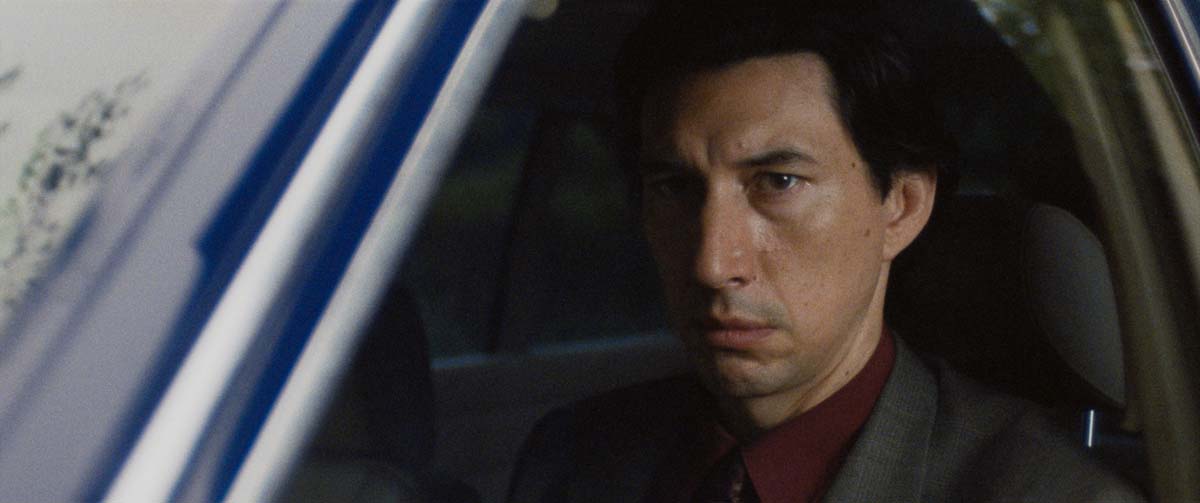
The editing process is all about balance. James does films that are about one character, usually. Sometimes there are some supporting characters, but usually there’s one lead. In this case, even though Miles is the lead, Scarlett and Adam have very big roles. We always looked at it as a “three-hander.” So, we talked about balancing the film - that being the big challenge.
The first day of photography was the Chinese restaurant scene. Usually James shoots about two hours per day…
…meaning you get about two hours of dailies a day.
Yes. On the first day of photography, he usually allows for more improv because he wants the actors to fill out the characters and get to know each other.
So in this case, the Chinese restaurant was what was scheduled, which worked out really well because we had the entire cast that day, and they were able to really improv the characters and feel them out.
So there is a lot more room for improv. We had two cameras running at all times, and we had so much improv and more takes than usual for James because he wanted the cast and the crew to really have time to get into things on the first day. So we had a lot of footage and a lot of improv.
I was looking at what was scripted, which was pretty short, efficient, and there was a couple of story points and then we’re out but we had all this material. So I needed to figture out what we are doing with the scene? I spoke with James on the phone about the scene.
He said to focus it primarily on Miles, but at the same time, we have to make sure we’re also balancing the other two and also the kids and make sure we get grandma in there.
So yes, there’s a lot to balance in that scene and I was so glad it was the first scene they shot because it was exemplary of the entire film.
This movie is going to be a balancing act of how do we balance these three characters, these great lead performers? My initial cut was sort of an attempt at doing that. It was long, but it was the bones of that idea.
Then we refined and refined and refined it. That philosophy took us through the rest of the movie. We would watch it in flow and decide, “Okay, let’s move these scenes. We’re losing Scarlett. Let’s move her up.” Or we have to recut this scene to be more from Miles’ point of view, because we’re not focusing on him as much.
Or let’s delete this scene. We had a few deleted scenes. I’m surprised how many. We had a subplot about Scott’s character going to college that we deleted completely. It was reducing the first family dinner scene set it up, and that was kind of double the length involving that plot.
Then we had a payoff scene with Scarlett visiting him at school at the end, where we took that scene out. We did another scene in the middle where Miles and Scott had a scene together where Miles was telling him that everything was going to be okay. We found it was unnecessary.
The biggest editing thing in the movie – I hadn’t even mentioned it - there was this whole subplot in the movie where Miles goes to the Italian mob and starts a mob war that I cut out of the movie. That all falls under this larger idea I’m telling you about: balance.
There was supposed to be this big montage – which, there still is a big montage - but it used to be a three-hander montage. Scarlet goes to the FBI, which is still in the movie. That’s primarily what the scene is about. Then we have a tiny piece of it right now. Adam burned some evidence, then he goes to Samuel.
But we used to have this other story point - it’s a pretty big deal - that, Miles felt he had to do something as well, so as a counterpoint to Scarlet going the FBI, he went to the Italian mob, and he gave all of the documents that he had on the Russians to the Italian mob, and he’s basically says, “You have everything you need to finish them.”
He was going that route as she was going to the FBI. So we had two different converging paths. Plus Gary was going to the Russian mob directly.
All three of them were doing what they could to save the family. But then when we got to the alleyway, it made Gary’s sacrifice a little bit vaguer. It made what Scarlett had done with the FBI less powerful, and it made the confrontation in the alleyway a little bit less clear and less dramatic.
It was more dramatic for Miles to put all of his eggs in one basket, and his brother and his brother to a failed him.
That was that was a much more dramatic idea, and that’s really what the movie was about. Then for what happens in the third act, for Adam, that was more clearly what the movie is about, so it took away from the major arc of the story of the film and the relationship with the brothers. The goodbye of the brothers when he says, “I’m going away for a long time,” that was less powerful because Miles had been such an active player.
We thought Miles needed to be a stronger, more active player, but we realized we were presenting a different form of masculinity and different type of character with Miles. And that scene - as amazing as it was for Miles to be so powerful as a driving character - it took away from the larger story.
When I talked about balancing the film - like starting with the Chinese restaurant in the micro in this one scene, then looking at the larger context when you go to the macro - him going in the Italian mob in the macro - it wasn’t just that one scene.
That was the major part of it. We had set up the Italian mob. They were referenced throughout the whole movie. We had to pull those references out. There’s one remnant of it still, but it works. When Irwin goes to the canal in the beginning of film he meets a guy that says, “What are you doing here?”
That was a more overt reference in earlier drafts of the film where that guy was working with the Italian mob, but we dialed that back for the final cut because we took the story line out.
You mentioned Scarlett’s character going to see her son in college and how you took that out. Did that mean you had to come up with a different solution for the end of the film?
The ending for Scarlett was always the same there. That scene with her son was actually folded into that montage at one point. It was shot as an isolated scene right around that area.
Again, that area of the film sort of got a little bloated, so we started trimming things down and we found that it was in there till the very end, that scene, because she was amazing in it.
Of course, she’s such a brilliant actor. Gavin was great, too. It was a great scene, but to have the scene meant we had to keep the subplot about him going to college. Then we did a version with no college, so it was just her going to school to pick him up and saying everything was going to be okay, but then it was so short of a scene, it was just too short. It couldn’t really exist on its own.
It was a shame because it’s such a great scene, but it was hard to justify keeping in the film. It was very sad that these things happen, but we have this amazing scene where she’s with her mother toward the end of the film which is one of the most powerful scenes in the film. Sometimes you have to kill your darlings.
So many people that don’t understand editing think that our job is to cut the bad stuff out, but so often our hard job is to cut the good stuff out.
It’s all in service of the overall film. You asked me about what I learned in this film. Every film you learn something new and in this case, it was about balance. With this film, it was a real challenge to balance all these characters in a three-hander because in the last film it was one character.
There was other characters around that lead, But in this case - working with the weights of these three different characters was very difficult to tell a larger family story. It’s really about a whole family.
Even though Miles is our lead and we start end with Miles. He is the lead, but it’s more complicated than that. It is these three vantage points and even get the sons and the grandmother in there too.
I was excited because it’s very difficult to do that - to do different types of stories involving different types of characters. I’m always excited to take on new challenges. For me as an editor, that’s sort of what excites me most at this stage of my career - just continuing to find new challenges editorially, technically, but also more, maybe more holistic challenges of let’s try three characters or something that’s at a grander level, more complicated.
Scott, thank you so much for joining us on Art of the Cut. I really appreciate it.
Thank you. It’s been wonderful. I always enjoy chatting with you. I love what you’re doing at the podcast.
 November 12, 2026
Wild Horse Nine
Mikkel has been on Art of the Cut for Banshees of Inisherin – for which he was nominated for an Oscar, a BAFTA and an ...
Read more November 5, 2026
Rocky’s 50th Anniversary
Today on Art of the Cut we are celebrating the 50th anniversary of the Best Picture Oscar-winning classic from 1976, Rocky. The film also won ...
Read more October 29, 2026
Spider Noir
Today on Art of the Cut, we speak with the editors of Amazon Prime’s Spider Noir. In two separate interviews we first spoke to Jennifer ...
Read more
Subscribe to our newsletter
Get all the latest news, blog posts and product updates from Boris FX, delivered directly to your inbox.
Welcome!
Thanks for opting-in to our newsletter. You'll receive an email momentarily with your confirmation.
