Lanterns
An in-depth discussion covering the dangers of remote work, developing the aesthetic of a series in the pilot, and editing multiple versions of a scene to test the right tone.


Today on Art of the Cut we speak with the editors of the HBO series, Lanterns, which recently had its season finale.
We spoke with Emily Greene, ACE, Matthew Colonna, ACE, and supervising editor, Vikash Patel.
Vikash - or Viks - has been on the show before for Black Rabbit and Ozark. He was nominated for Emmys for both those shows. He also won an Emmy for Top Chef. Viks’ other work includes The Sympathizer, The Morning Show, and Jack Ryan.
Emily was nominated for an Emmy and an ACE Eddie for American Crime Story. Her other work includes Foundation, The Blacklist, Percy Jackson and The Olympians, and Mrs. America.
Matt is an Emmy nominee for Dexter. His other work includes, It: Welcome to Derry, Narcos, and Friday Night Lights.
What considerations did you make to bring along people who maybe hadn’t watched the previous Green Lantern film? How did you deal with, or how do you think the showrunner dealt with presenting something brand new to new fans?
Patel: I’ve not seen the Ryan Reynolds film, but I’ve heard it’s made a resurgence on HBO since our show aired. Chris wanted to approach this version of Lanterns completely differently, per his conversations with HBO and DC.
So I think it was always Chris’s intention to create a grounded series. Just a different spin on it and I’m hoping that was fruitful because I think Chris and the team wanted to attract not just the comic book fans, but the non-comic book fans too.
Matt and Emily, did you watch that first film, and why or why not?
Greene: No, I did not watch the film with Ryan Reynolds, but it’s definitely having a moment. I think I saw Ryan Reynolds say, “I’m ready to do a cameo in the next reiteration.” I confess I’m not super well-read on the Green Lantern as a comic book character.
I like to think I was an ideal audience member in that respect that definitely was more intrigued by the idea when I spoke with Viks and then again with Chris, a grounded take on it and a True Detective and a Leftovers style to it which was really exciting to me.
Colonna: I have a little bit of history with this ‘cause I worked for Greg Berlanti when he signed this deal to write, and I think that potentially direct that feature. I was in the building working for him at the time, then I saw it when it eventually made it to cable or whatnot.
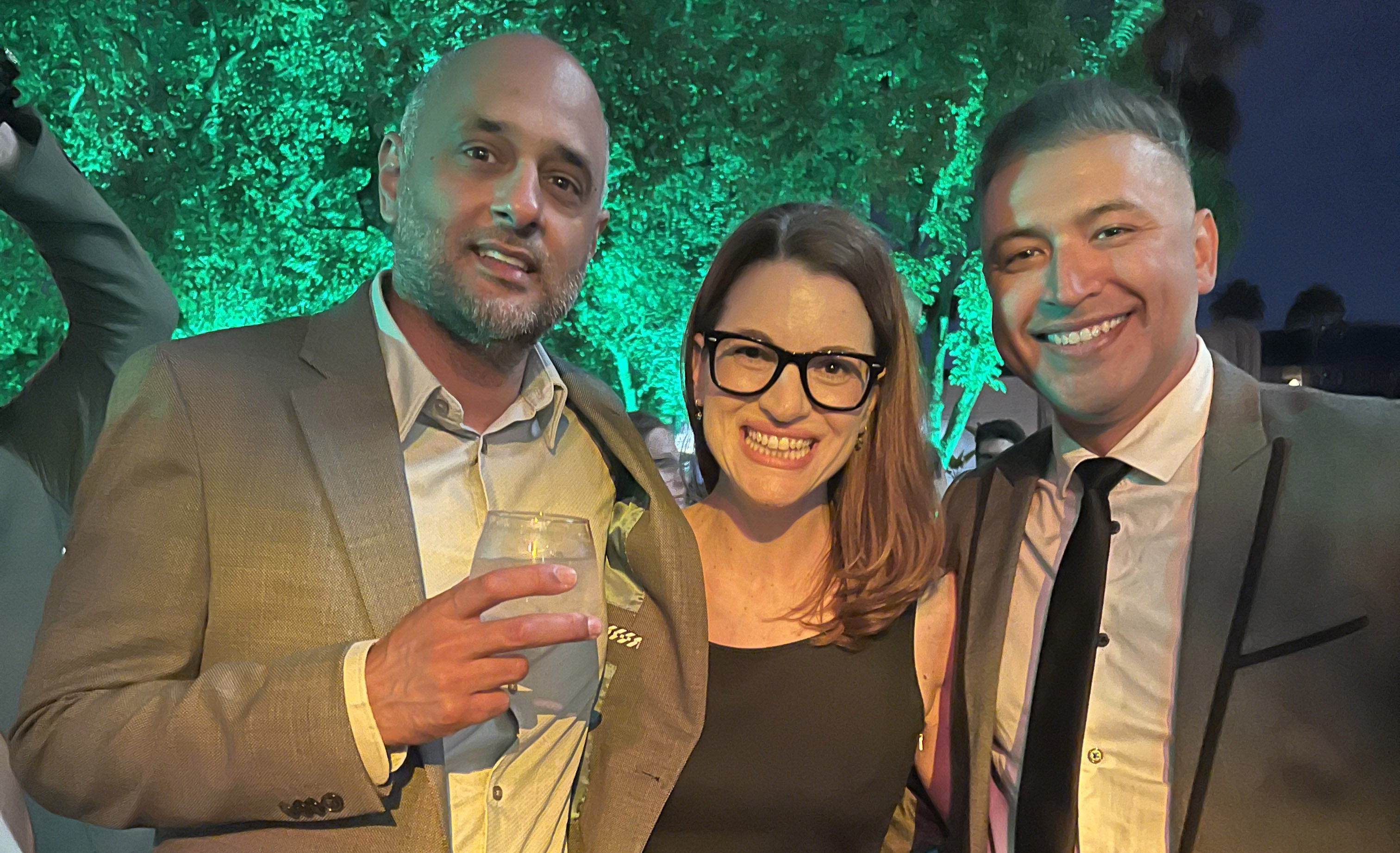
Vikash Patel, Emily Greene, Matthew Colonna at the premiere.
Our recruitment collectively was probably part of this idea of playing it as a more grounded version of the comic because, if you look at all our backgrounds, our main wheelhouse for each of us is drama, and I think having us there to bring what we all specialize in - I think to actually achieve this tone that is specific to this series, it is much different from the movie.
Patel: I don’t think you have to be a comic book fan to work or edit a comic book show. I worked on Smallville back in the day, and I’m not a comic book person per se. I think the important thing is you can relate to the story.
Why should one pigeon-hole themselves into being just a specific genre kind of filmmaker? I think as long as you can tell a story, you should be able to work on anything.
I have a relationship with Chris Mundy because we did the whole series of Ozark together, so that’s why I came on the project. I’d heard about the project in 2024, a year before we went into production, and Chris said, “Oh, we’re gonna be doing this next. Hopefully it will start the top of the following year.”
His work on Ozark definitely felt like it was more in line with show than a superhero type series.
Patel: That was always the goal. It’s a grounded drama with a wink of comic book. I think as we get through the series, you can see more and more comic book moments. There are significantly more comic book elements in episode four, and as we get through the rest of the series, it really escalates.
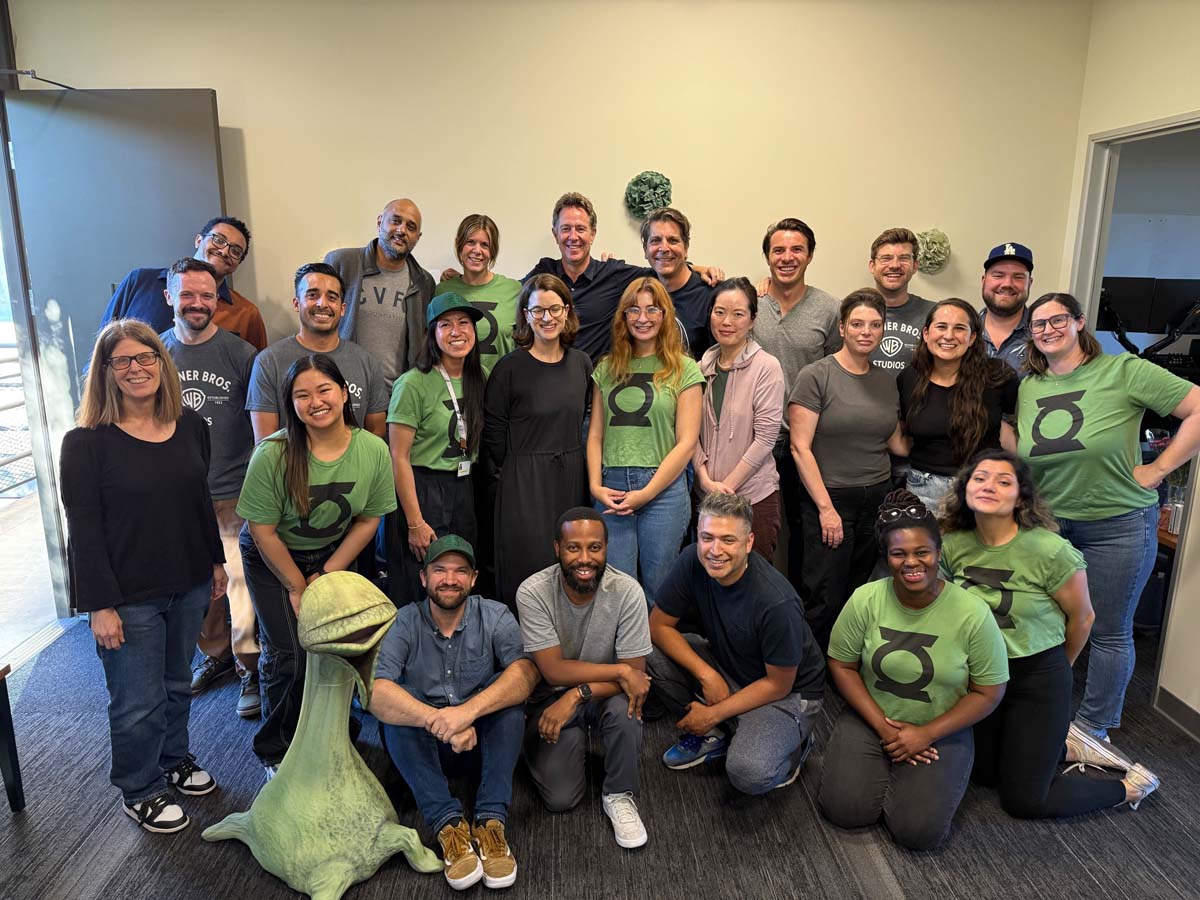
Lanterns Post Team
Let’s talk about story order a little bit and how close you maintained the scripted version of those things or whether you found - especially with things like backstory - whether some of those revelations needed to come earlier or later than they were scripted.
Colonna: No. In terms of the writing, everything was definitely well thought out and structured. We might’ve had some discussions about moving a few scenes around or one preceding another. That’s usually the case because there’s usually a decent amount of content and we’re always trying to make a certain total running time.
There might’ve been a few drops along the way, but in terms of massive restructure within episodes, no. To me, that was more of a testament of how the show was being written. It was just very mindfully plotted out and thought out.
Greene: I’m thinking about episode three, the origin story: John and the Stewart family. That was all scripted. Similarly, there were a few things that didn’t make it into the episode because it was all about what felt was carrying the episode. So it was about reduction and really having each cut earn its space.
There were some beats that were let go of - happens on every show - some shifting of voiceover of where it goes and whatnot. Again, a testament to these incredible scripts, which, when I got ahold of those I thought, “Oh my gosh, this is so exciting.”
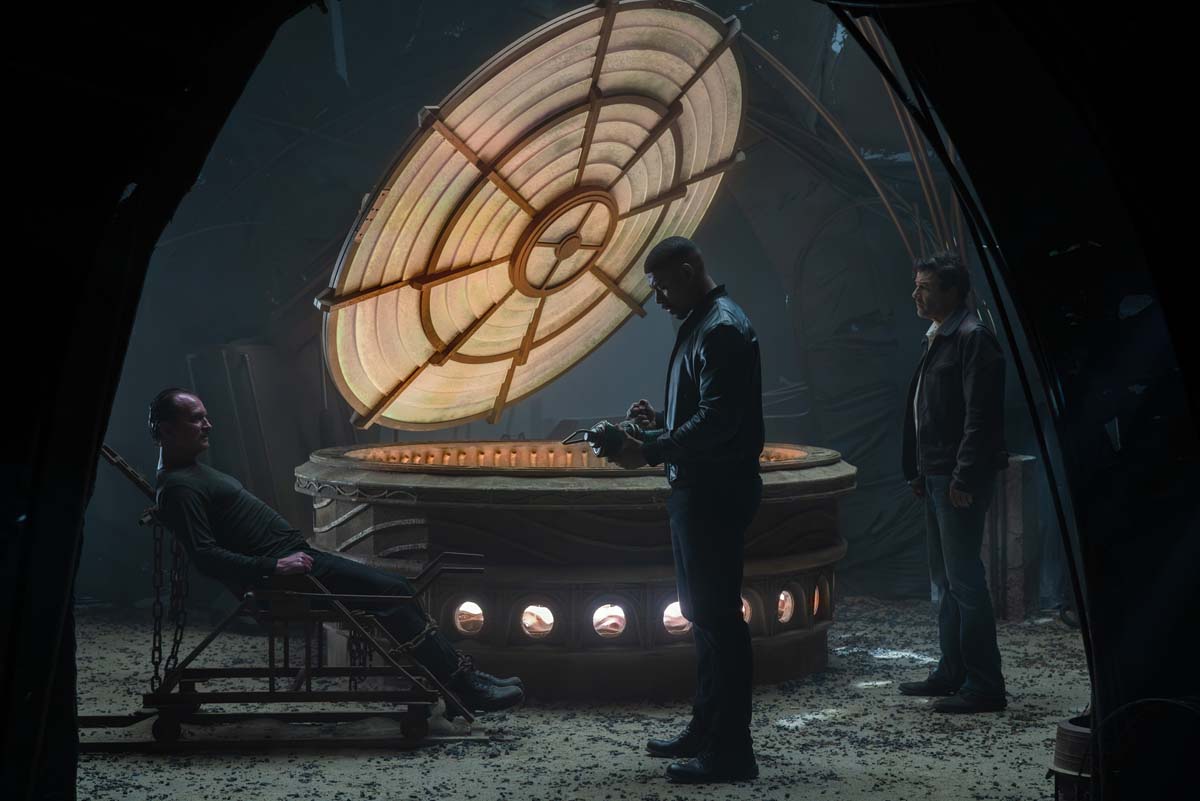
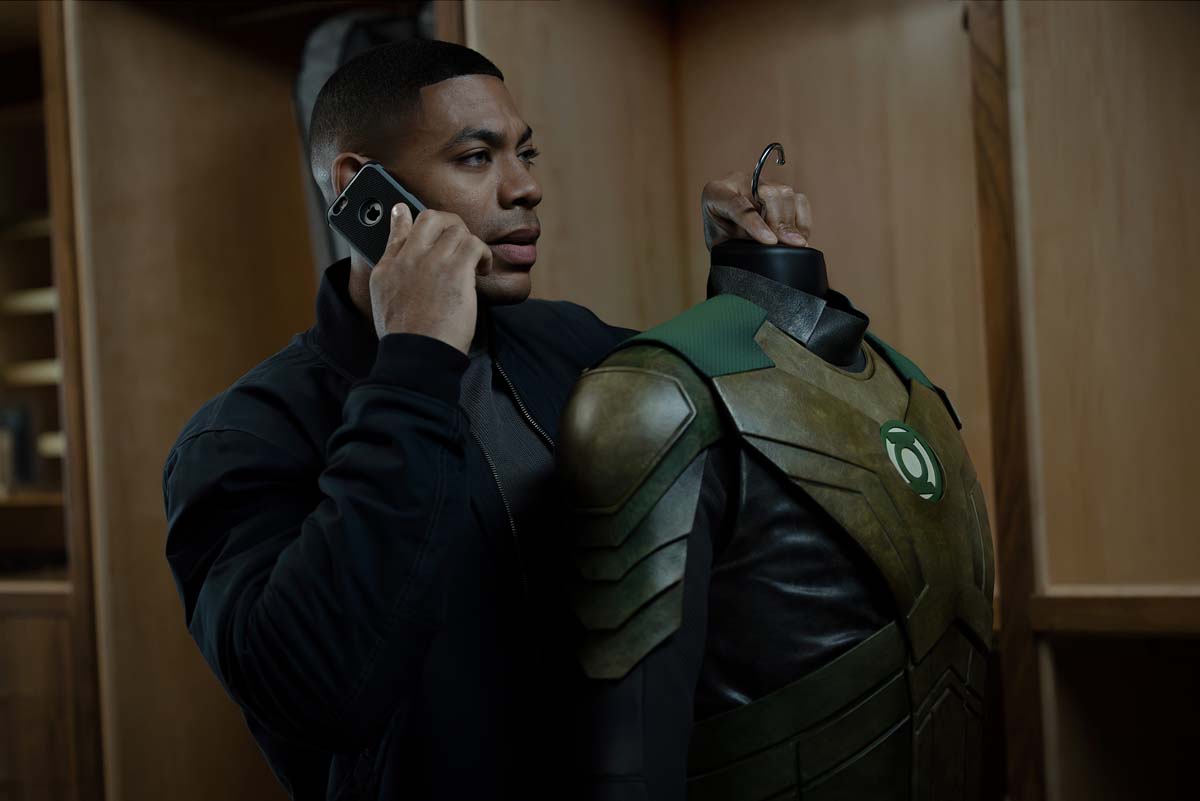
Patel: When Chris and I watched the entire series in a run, we realized that at times we needed a little bit more resetting, some linkage. Sometimes at the start of a new episode. For example, the top of episode four is really a pickup from the end of episode two, when Hal comes to visit Sinestro.
At the top of episode four, I did this reset in a non-linear way, coming into the scene from a different point of view, then we’re back having the conversation with Sinestro. So it was a way for the audience to catch up. Also, in episode six, there was a different beginning for Emily’s episode.
When Chris and I watched it in a run, it kinda gave us a little whiplash. We wondered, “Wait, what’s going on?” We retooled just the first 20 seconds of that episode to try to ground us in this new timeline, because episode six starts in the 2026 timeline, but episode five ends in the 2016 timeline.
There were a lot of little things like that when you watch it all in a run, eight episodes back to back – Just a little tinkering here and there to hold the audience’s hand through all eight episodes.
Greene: It was the special sauce that reminded us, connecting the dots. Viks adding the jump at the top of episode three, then we reconnect it, just the audio, then we hear it later, right before he jumps through.
All these little beats of the reset or the connecting of the dots was so helpful, because it’s complicated. We’re jumping all over the place and within characters. We’re definitely not dumbing it down for the audience, and I love that when a show really challenges you to question “What? Wait, did I get that? What’s going on next?” I love that in a show.
My mom told me, “I’m trying to keep up.” I told her, “Mom just keep going.” I love that because that means that every time you watch it, you see something new, and you pick up a little more, put together a few more pieces. It’s my favorite kind of television.
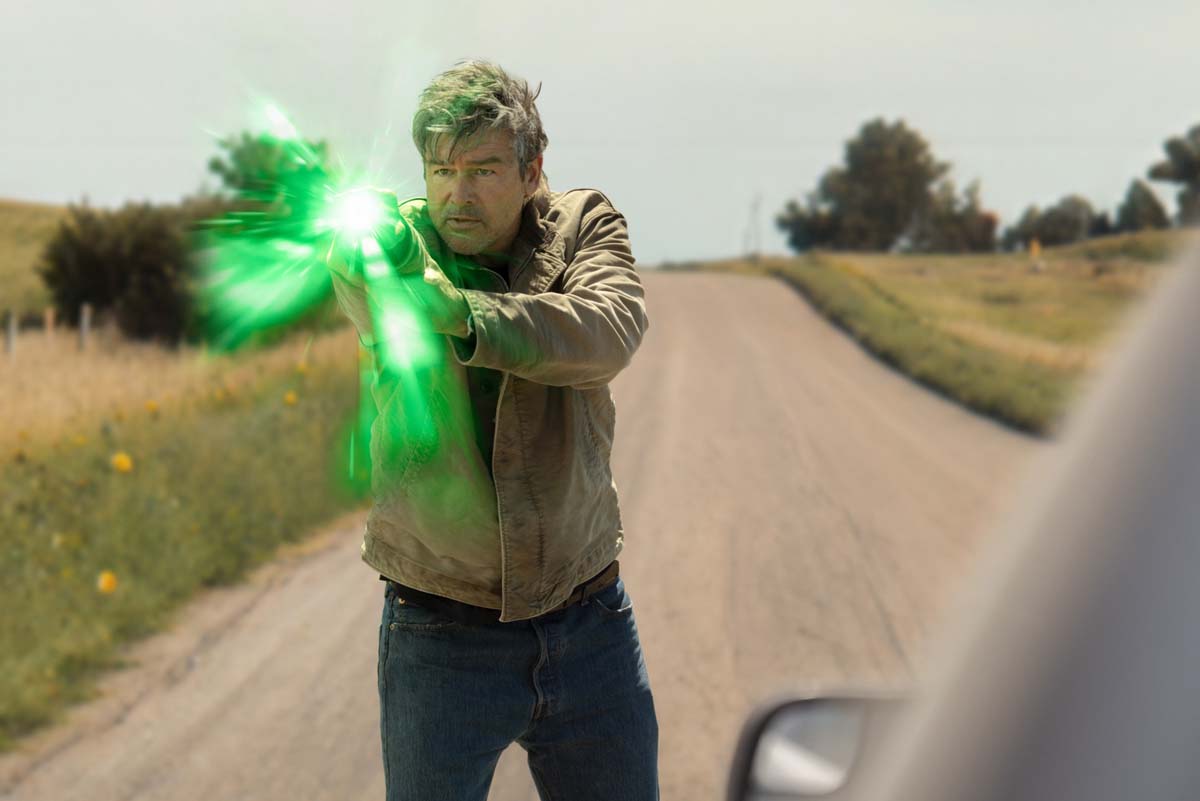
Patel: Even at the top of episode eight, it’s a nice reset and a reminder of 2016. Then we pick back up with the ‘26 timeline. It was smart for Chris to do those little things in terms of the larger storytelling and also not to make it so pedestrian by just doing a recap or a tease, it was tastefully done.
The top of episode six had just a 20 second change, but that’s enough for the audience to gather the information they need to stick with a story.
Patel: The original concept of the top of episode six was really cool. Steven Williams directed this little scene that starts in the same place, but when you watched it in a run, it completely threw you.
Greene: The bird’s-eye view on a show like this, with non-linear moments of storytelling, it’s important to step away from it and ask “How is this tracking? Let’s watch this. Let’s sweeten a little bit here, adjust here.” The tinkering is huge. Little moves are huge in this show, for sure.
Patel: I think it’s important to have some space and distance away from a series. As I watched this with Chris objectively, you realize that you need to make some subtle tweaks, “Oh, it’s beneficial to change that.” I’m sure it’s the same for Matt and Emily.
They could step back and watch my episodes, and were free to say to me, “Hey, maybe this is not working,” so it’s kinda nice to look at each other’s work, and when we had time, we did that. I know Emily and Matt watched the stuff that I’d worked on and vice versa.
Colonna: In terms of moving stuff around, I remember a specific montage in 8 after our pass, we came in the room and looked at it, and you threw out a really great idea. Sort of this team approach where you’re not just confined in your own space for six to eight months and only seeing one specific thing.
When you’re on shows where you are lobbing scenes from one episode to the next, you’re in a situation where you’re plugging holes and trying to fix things. Thankfully we didn’t have that just because the writing was so well done on the show.
I’m interested in the idea of collaboration between editors. Seeing and speaking into each others episodes. Were you all in one location?
Patel: We all had our systems at home, but we all on the Warner Brothers lot. It was great to be able to walk over to each other’s cutting room when we needed to or wanted to, even if it was just for a little five-minute chat.
Cutting the pilot, helping set the tone, the style, and sharing that with Matt and Emily was hopefully helpful. Also playing that role of overseeing it with Chris was helpful because I knew that what Chris was looking for, so I was privileged to be able to watch early cuts that Emily and Matt did.
I was able to watch their editor’s cut and - time permitting - say, “I think I can corral them in this way,” knowing Chris’s taste, knowing where the series was going. Saying, “Hey, maybe do this, and this” until Chris and I sat and watched it.
So it was just a little bit of guidance here and there, and it was great for me to have both of them objectively react to the episodes that I was working on. You kinda get lost sometimes.
It becomes tunnel vision once you are in your own episodes, and it’s hard to step back, and I think it’s so important to have a fresh perspective on it, and Emily and Matt were wonderful.
Colonna: Right from the jump, due to the constraints of the schedule and trying to move everything along in a timely manner. For my block, the episodes were shot in a different order than how they aired. At the point where I completed the director’s cut with [director Geeta Vasant Patel] that’s where I handed them off to Viks and Chris, and they started refining those episodes so that essentially I could get back to the final block for the last two.
It was very educational because I’d been talking with Viks throughout the first block and seeing what was changed - what was dropped from the the first initial episodes - then sitting in the room with him, screening the director’s cuts, hearing the vibe and the discussions that we had from the pilot, and sitting in the room with the guys to kinda understand, then being able to have that moment to recalibrate with the guys and take that information to the last block was extremely helpful.
Situations like that aren’t usually very common in series. You’re kinda given your own one or two or three episodes, and you kinda just pioneer your way through it.
But this was great because I felt like I was at least able to take our concerns and what we were all wanting to do collectively as a group into that. I feel like the penultimate and the finale felt like they were a bit further along after director’s cut than my first block.
They’re a bit more complex in terms of the execution of a lot of things. So it was crucial to keep that ball rolling, particularly for those couple episodes.
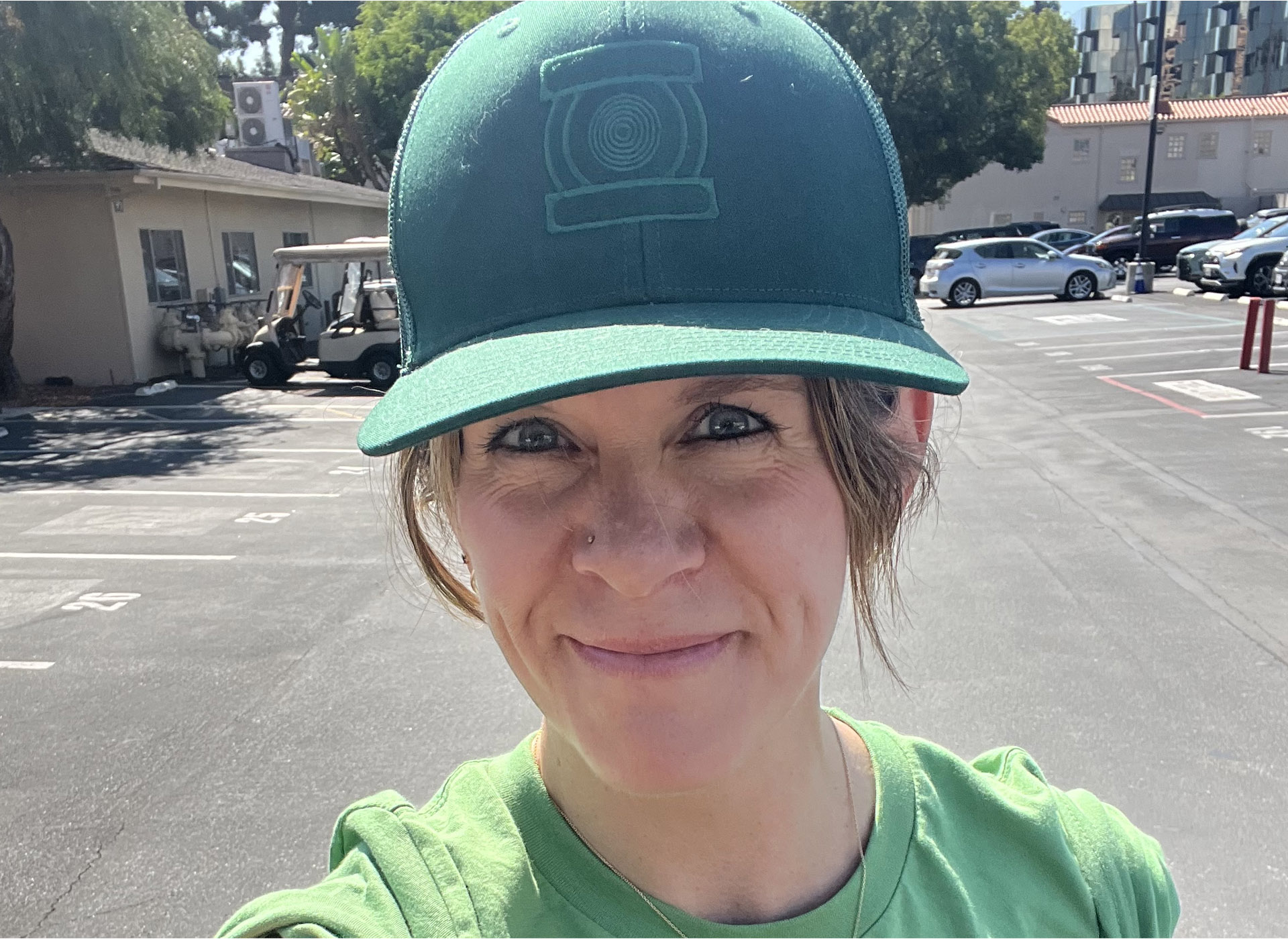
Emily Greene, ACE
Greene: The collaboration was fundamental, and the way that Viks handled the situation, there was deep respect for your fellow editors. You did have the shorthand with Chris, and you were there to make sure that tonally it was falling a certain way that Chris had imagined it to be.
I think that the way you led the situation with us and with the post team in general, was really lovely because, as supervising editors/producing editors, it can go a lot of different ways.
And the way that I think that you handled it set us up for success, at the same time there was respect and it wasn’t about, “Let me just micromanage this and adjust each frame so that I put my signature on it.” It was more, “Hey, what if… " There were open lines of communication, and it was really helpful when I was still at home cutting dailies and you would call and check in and let me know, ”So this is what happened on set.
This is what’s going on,” for an episode that maybe didn’t involve me but had characters that I would be cutting in my episode and maybe something that we realize that we want to really hone in on performance-wise. So it was helpful across the board, and it was one of the most pleasant experiences I’ve had in my life.
Patel: Thank you, Emily, for saying that. Steve, It was such a good team effort. I was extremely conscious of not stepping on their toes. Emily and Matt are super talented. It was important for me to be an asset for the whole team, given that I had worked with Chris so much.
For example, when music was working in terms of temp score, I’d share that with them. Even small stuff like “This is where we’re putting the Lanterns card. It’s gonna go at the top of the episode.” Or simple things, like the timestamps and the sound effect that goes with that. These are little things that kind of help. Just having knowledge of that in advance was worth sharing.
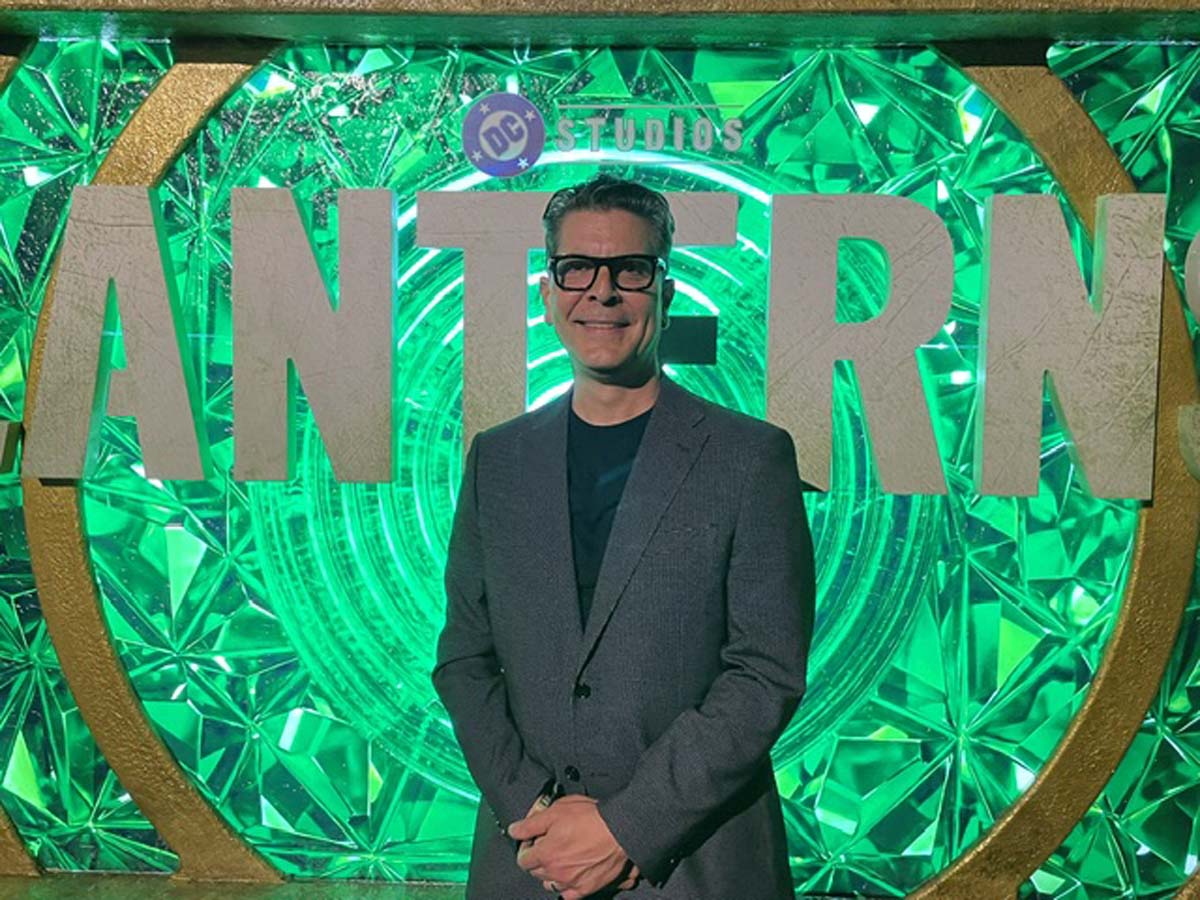
Matthew Colonna, ACE
Colonna: Ultimately it was fun. The vibe that that we had as a group, we were always enjoying each other’s company, talking about shop over lunch. Many times Chris would be there. I feel like the tone is always set from the top down. It was one of the best work experiences I’ve ever been a part of.
Patel: The challenging thing for all of us was really getting ahead in terms of the VFX pipeline. That was huge. It’s a big VFX-heavy show. There’s close to 2,700 VFX shots for the entire series, so it’s a lot. So it’s getting shots in the pipeline as fast as possible. That was the thing that we were all getting up to speed with and sharing that information between each other, but also to the VFX department.
One of the things that I think of often with TV series is the idea, especially with TV series that have gone on for a while, like Ozark - when you’re in season five or something like that - that the editors know the show better than the directors who often come on. This is a first season show, but because Viks had worked with Chris on Ozark, you knew his aesthetic.
Patel: 1000%. I think that’s exactly why Chris wanted me to be there for him in this role. It was for that reason specifically. [Director, Alik Sakharov] had worked with us on Ozark, but this show’s completely different. It’s not Ozark. It was a different style of show.
Definitely a different pace, different rhythmically in terms of editing. Each filmmaker brings their own taste and qualities to the show, but I think it still needs to feel as if it’s cut from the same cloth, all part of the same tapestry. Collectively we all did that.
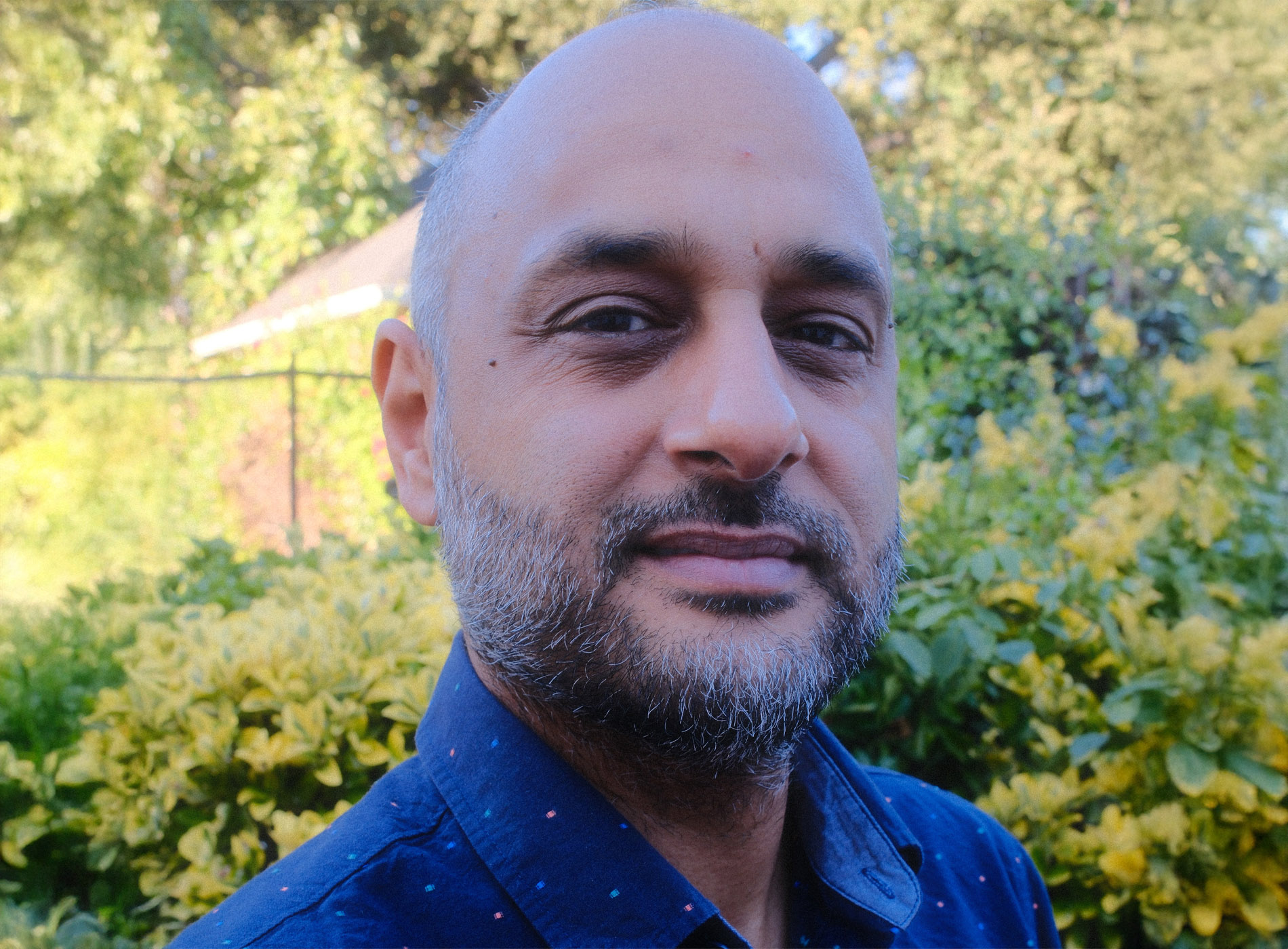
Vikash Patel
This series has a number of different timelines and different locations. How was the show shot? Did you have to manage, “I’m just gonna get a bunch of stuff from 2016 for the next two weeks, and then I’ll get stuff from 2036.”
Patel: The scripts were very well written, and I think each script identified the timeline. Other than episode 3, the first five episodes are basically the 2016 timeline. The pilot starts in 1996, but most of this episode is 2016. Then we get the brief scene at the end of 2026.
Then Emily’s episode was obviously just the entire origin story. We go through multiple timelines there. But the rest of the episodes are all the 2016 timeline until we get to episodes six through eight, which is all the 2026 timeline. I don’t think there was anything that we had to shuffle around. The scripts remained true to their timelines.
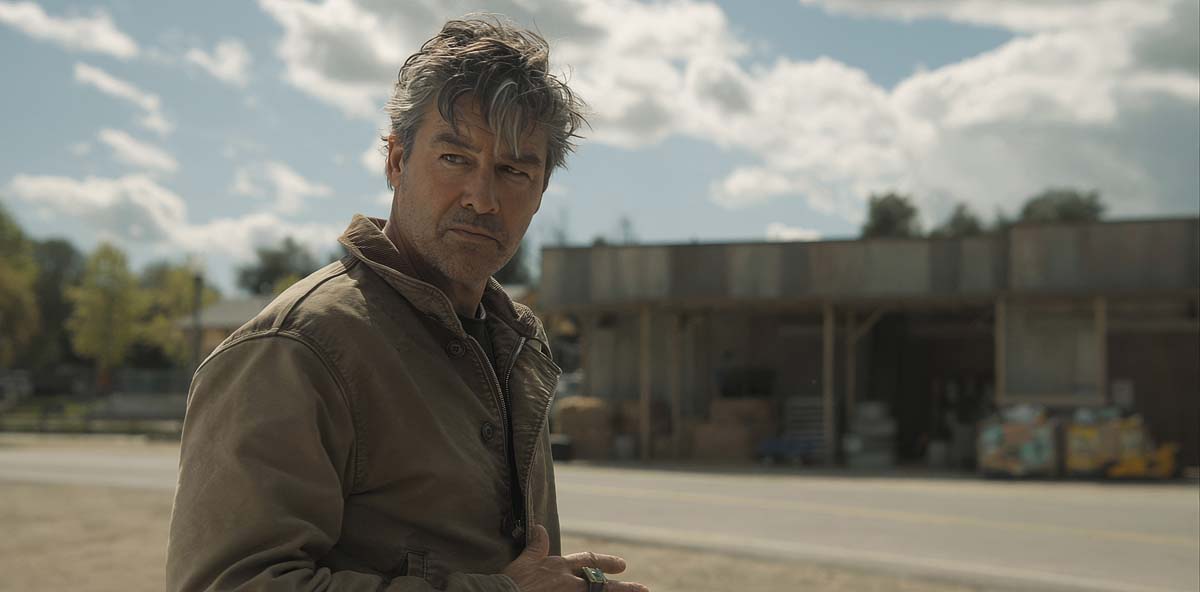
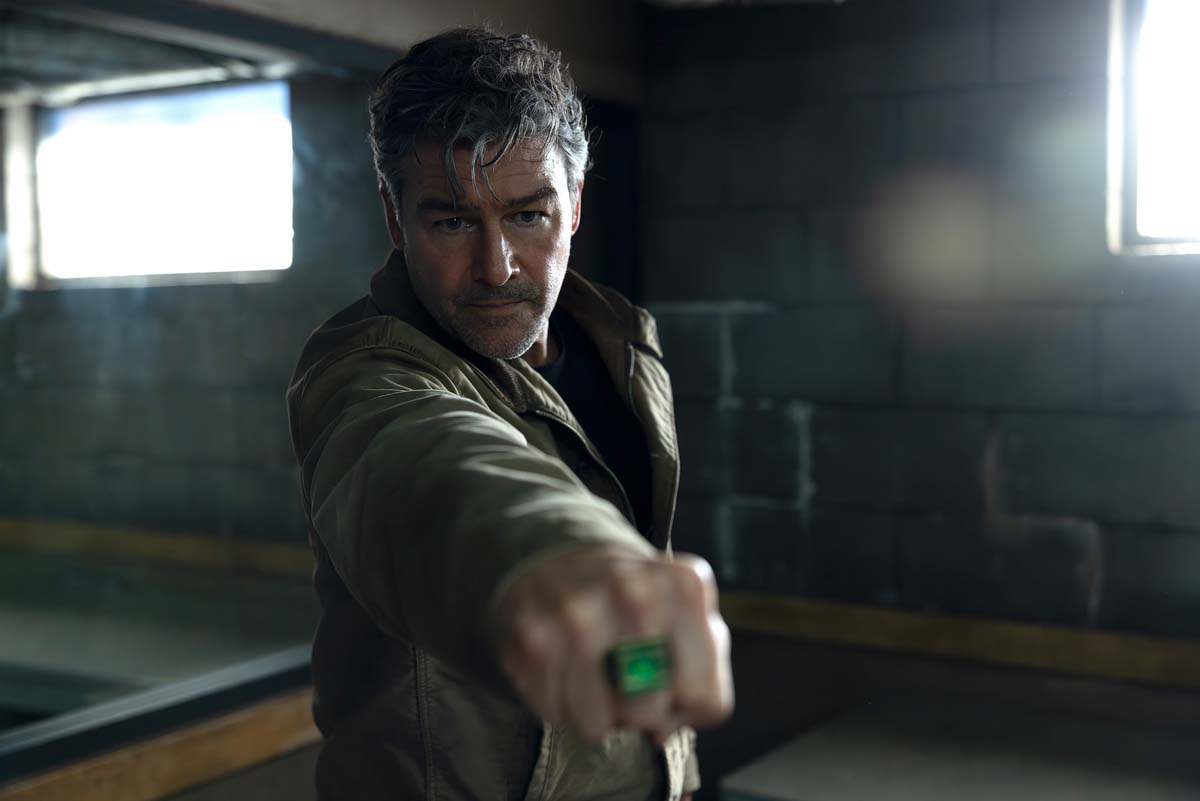
Colonna: Particularly John’s character - as he evolves - his look does change. He’s got the certain hair and the certain goatee. So I know what timeline I’m in.
Greene: It didn’t feel it was particularly challenging, at least within John’s story, ‘cause you could see a physical evolution. Then, for episode six, it mostly is all in 2026. But I do recognize that there are a lot of different timelines, and keeping track of that could potentially be a little tricky.
I was just thinking more in terms of block shooting or shooting all of a timeline at one time during production. It doesn’t sound like they did that.
Patel: We shot out of order. Episodes one and two were the first block, then episodes four and five were the second block which is all of 2016. After that, it was all the 2026 blocks.
So it started with Emily’s episodes three and six, and then seven and eight. The last four were all the 2026 timeline, except for episode three, which was multiple timelines.
Did you roll out the episodes one at a time, or were you allowed to save them and change things as you realized, “This is something in episode seven that we should probably maybe make a change in episode one because of?”
Patel: That was exactly the reason I think Chris and I did the series reviews. We did multiple watch downs of the entire series. We would sometimes augment the top of an episode or the end of an episode. It was important to hold the audience’s hand across multiple episodes. So we would definitely tweak things to make sure things were landing and the story was tracking.
Tell me a little bit about your assistant editors. I’m really interested in the idea of continuing our profession through our assistant editors and the potential damage that remote work is doing to that. Can you talk about what your feelings are about your commitment to their advancement?
Colonna: I was fortunate to have my assistant, Grant Wooldridge. He’s been working with me since 2022. As a matter of fact, his brother, who’s an assistant on The Pitt, filled in for him for about the first month and a half or so.
I know Ross from the past. He filled in a bit for his brother Grant on Welcome to Derry as well. I had this routine with both the “brothers Wooldridge.” We also had Rhian Advincula, who was an apprentice on our show. Having an apprentice on the show was a gift. It’s something that’s being incorporated a little bit more into series.
My observation in terms of assistants moving up: I feel like the process does take a little bit longer now, just given the landscape of how things are happening. But the fortunate part for me is, I get to work with Grant, I watch him evolve.
It’s gotten to the point now where we understand each other’s shorthands. I’m definitely involving him more editorially than if he were an assistant that I just had to hire to do dailies and whatnot. He’s a great sounding board. We collaborate and talk about lots of things.
I was fortunate to have an editor in my friend Rob Seidenglanz, who had me commandeer a lot creatively. And Grant is a big fan of the of the source material too as well, so it was great getting some perspective from something that I might not be so knowledgeable on hearing a point of view of a fan.
Greene: My assistant editor is Crystal Leong. She’s awesome. I’ve known her for at least 10 years. We started out on a network show together. I was actually assisting, and she was a post PA, and we kept in touch over the years. At some point, I know that she had made the jump from post PA to assistant editor to editor.
Then - between the pandemic and then the writers’ strike and all …just the big shuffle - she had reached out to me, open to assisting. By that time, I had been cutting for a while so I brought her on. We’ve been working together now for about five years.
She’s clearly very capable and very talented and has already been cutting, so we definitely have a working dynamic where I like to include her on, “Hey, what do you think of this scene?” Or, “Hey, do you wanna have a pass at this?”
In addition to the not-so-fun-stuff like ScriptSync, which she’s amazing at and all the sound work, which I think is a really great way for someone to express their creativity as an assistant editor and it’s really a way to shine and show your talents.
We went on to work on another show after Lanterns, and I was able to get her a co-editing credit. I’m a huge fan of mentoring, but also just, where the opportunity allows, if the timing is right. This particular show was a season three show, and I had already worked with the showrunner, so I felt comfortable enough to do that.
I find that on first season shows it’s a little trickier to do that because as an editor it’s just a different dynamic. I’ve done this in the past with other assistant editors on season two, season three, if there’s the opportunity to say, “I’d like you to consider the assistant editor.
You’ve seen the recaps. They’ve done sizzle reels. You’ve worked with them in the room. I’d love for you to consider them.” So I guess it just depends on the scenario, but I’ve had a great run so far with Crystal.
That’s the trick though with the remote work. They aren’t in the room. They don’t get the face time.
Greene: Yeah, that definitely makes a difference, unfortunately. On Lanterns, because we were in the room, Crystal was able to sit in. We each had our own space but Rhian and Crystal and I often got lunch. We would go down to eat lunch with the crew together and have coffee breaks together.
Being able to have that time with Rhian together and getting to know her as a person and coming over to her desk and seeing what she was doing and understanding, “Oh, she’s pretty quick.” That’s important and you don’t get that as much remote. These are additional values that you don’t really think about.
There’s the whole water cooler talk of being able to chat with your colleagues, but there are these little moments that - in remote work - they just don’t come across in a Zoom call and it’s a shame. As much as I find the convenience of remote work - being home for family dinners, the huge, wonderful benefits, work-wise - it is absolutely a game changer to be in the office.
Patel: I think the remote workflow is definitely detrimental to mentorship. My assistant is sensational: Robert Abilez. He ended up taking the lead on the entire series in terms of the assistant work. He was responsible after Matt and Emily left and we were in charge of all eight episodes. It was Robert and Rhian who shepherded that all the way through to the end.
Robert’s fantastic. It’s really important to mentor your assistants and involve them as much as possible. Robert would take scenes every day to cut without any judgment on my part. It’s a safe place for him to learn, to try things, because that’s the only way he’s gonna learn.
Sometimes I will take his entire scene and fold it in. Sometimes I’ll give him notes. Sometimes I’ll bring him into the room and we watch and we review scenes, review dailies together. You’re only able to do that when you’re in the office. It’s so tricky to do when you’re at home.
Selfishly, I do like working from home. I do love cutting dailies from home. It’s more efficient for me, and it does sacrifice some of the mentorship that Robert would be able to take on. But I involve him even with the remote workflow.
Sound is his baby. He takes pride in doing that, and he does a great job of that, but he does cut scenes. On Lanterns, we co-edited episode two together. I think we should all be conscious of trying to involve our assistants as much as possible.
I think both Matt and Emily do. I know I do because I think that’s the only way they’re gonna get to have the opportunity to get promoted. If people don’t mentor, then I don’t know how that is possible.
They also have to have facetime with the showrunner or the creator. I think that’s really important. Robert was able to have that with Chris. It was great that he took Rhian under his wing, and she learned from him, too, which was huge.
For an apprentice editor to come on, then end up being an assistant editor on series her first time is huge. She stayed in touch with us all.
Greene: And shout out to Cynthia Kanner [SVP Post Production] at HBO, who was really pushing for the apprentice editor on the show. I actually have not worked on a show with an apprentice editor, and so to have that not only as an asset to to us, but obviously to her, it was valuable on so many levels. She also just brought this energy. It was great.
Patel: I had talks with Cynthia early on, and she said we were gonna have an apprentice editor, and asked when I thought we should bring that person on. I said, “I think later in the process is better so they’re able to go through the entire process of post.” They can go through editorial then turn-overs and also be on the the dub stage to see how we do sound and how we finish a series. So Rhian was able to absorb all of that.
Colonna: I am currently working on a show where my former assistant - when I was working with Viks years ago - was assisting me, and they have brought me on. He’s the lead on that show. That’s the goal. You bring people up. You form these great relationships. I think that’s a unique part of this gig. It’s definitely different than a lot of different types of work,
Did everybody use ScriptSync?
Patel: I did not.
Colonna: I did not, no.
Greene: I guess I’m the only one then.
That’s an interesting idea. If you are going to collaborate with other people or have to hand off your episodes, how much does your organization or prepping of scenes need to pass on to the people later?
Patel: Matt, started episodes four and five. I think it was pretty similar. I think it might be a little bit tricky the other way around because I put locators on my clips - like a billion of them - so I think Matt would probably have a panic attack. He’d wonder, “What’s going on here?”
I do my own kind of ScriptSync with locators. As I’m watching dailies, I’m putting a marker for each time a character speaks, so it’s easy for me to jump to those lines in real time. That’s my version of ScriptSync. But I could imagine somebody inheriting that would lose their mind.
It is interesting, ‘cause everybody’s got their own style. Some people are like, “I like my bins organized in a certain way. I like to view dailies in a KEM roll.” Handing that off to somebody else would be difficult.
Patel: Matt uses a lot more tracks than I do. So when I inherited the two episodes that we shared credit on, I had Robert reduce the tracks on the episodes to the 12 tracks of audio that I use. So it was a bit of a juggle for him to collapse everything because I need to be able to see the entire timeline. I think Matt has about 420 tracks of audio. :-)
Colonna: Maybe a hair under that.
I want each of you to talk about a scene that either was a big challenge that you’re proud to have been able to accomplish, or a creative idea that you loved in a specific scene?
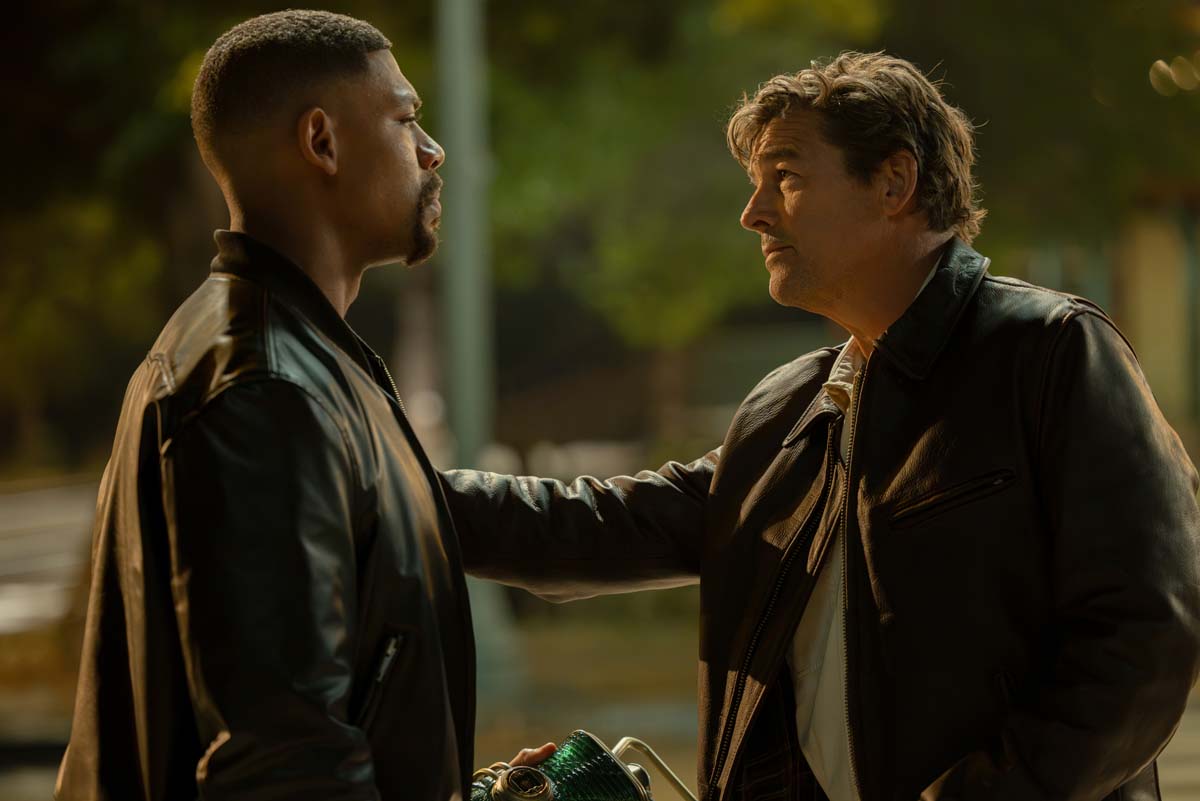
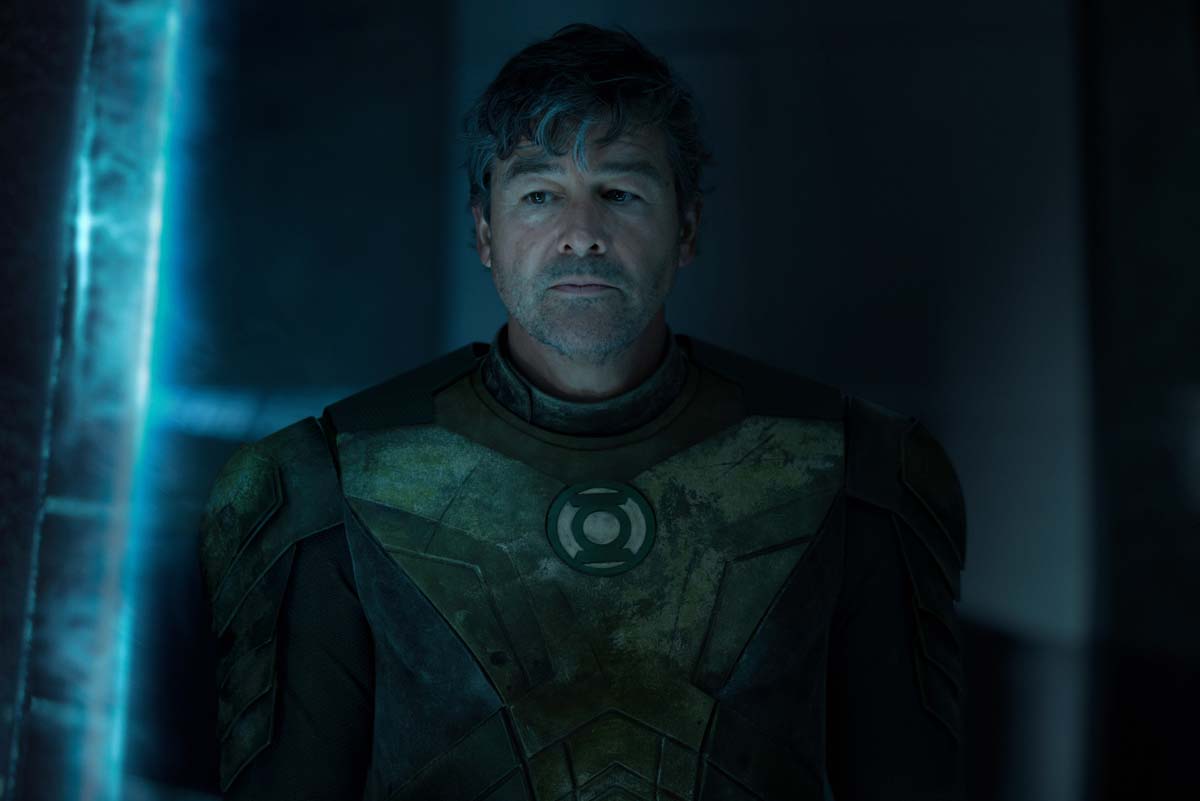
Colonna: There’s this big office scene in 104 where the guys are brought into Macon’s office and there’s this face-off where you’re getting some of the backstory of Macon’s benefactor and you have the key members sitting in one room.
I remember that being a tricky scene because there is exposition to unfold but there are all these little things happening at the same time. I did several versions of the scene because this scene’s significant because not only is it one of the more longer dialogue-driven scenes, but it was definitely the scene that was forcing me to figure out what the show was.
I cut various different versions where I was playing in wides. This scene has a pretty provocative moment when Macon comes around the desk naked and I thought, “Okay, how do we gauge this? How broad do we wanna be? How provocative is this?”
The subtext going on, too, in terms of John’s relationship with Zoe and Macon knowing about all these things and then, ultimately, Kyle’s character still trying to figure out what exactly is going on around him as he’s confronting this guy in front of him.
So it was an interesting exercise because we made a really tight comedic version of this scene, then at one point, a very languid and very stagey version of the scene. I felt like we just had to keep chipping away at it. Viks even further advanced it, and eventually brought it home.
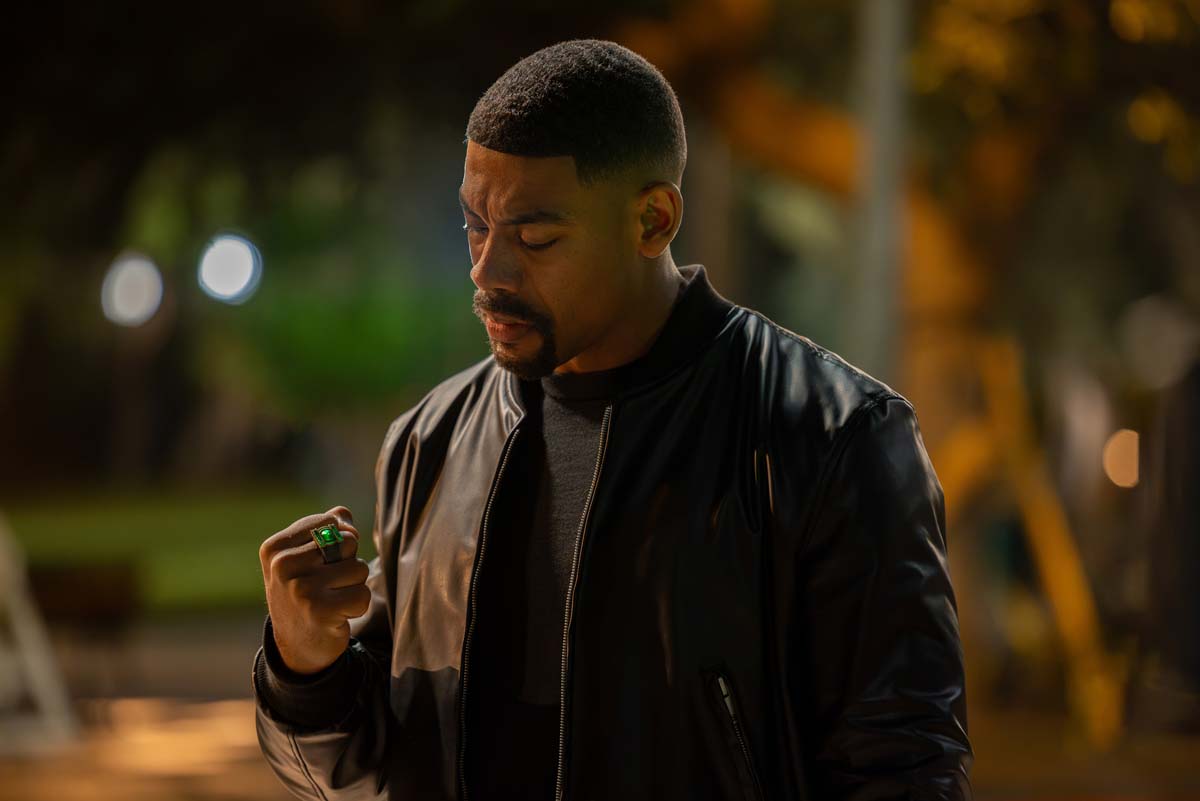
There’s so much going on in terms of the world building and the setting up the characters, and then we have this backstory for John in episode three. Then when we get back to four we’re re-acclimating with the guys in terms of what they’re doing and what the case is.
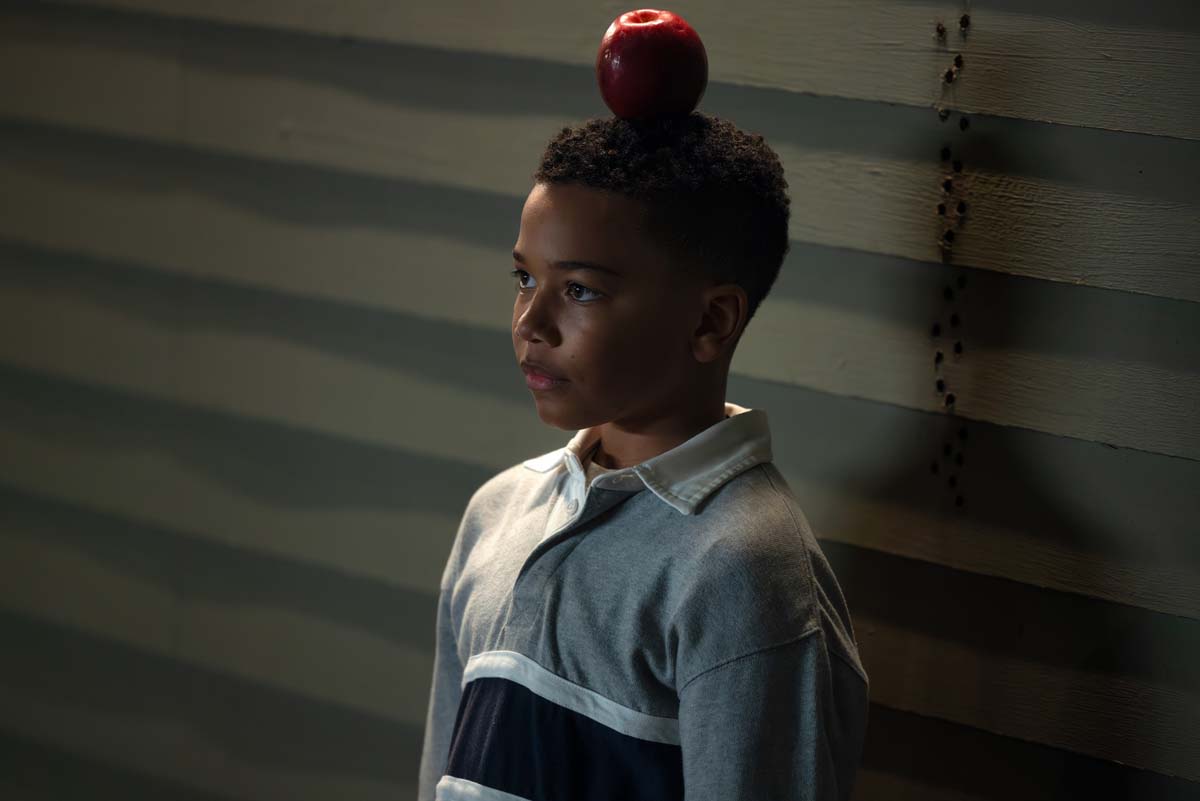
Greene: For me, it would be a scene in episode three. I found it to be particularly challenging. It’s when 10-year-old John is in the car with his brothers, and he’s singing the OutKast song, then the parents pull over and he’s told that he has to walk home on his own. I found that scene challenging on myriad levels.
These kid actors were awesome, but I know that the young John had gotten that song and they changed it last minute, so he’d gotten the lyrics the day before.
There were a lot of takes working the song, so getting the sync on that was challenging, and the cutting pattern and making it all work.
Then, once he’s thrown out of the car and forced to walk home on his own, trying to make that moment work was really challenging. There was a lot more footage. Director Stephen Williams is pretty economical in his coverage, but there was more to the scene.
Crystal had done this incredible sound work. We were trying to build a really threatening, scary environment that he’s forced to navigate on his own. “Will he make it? What’s gonna happen?” It just wasn’t feeling scary, and there was a whole second part of the scene that ended up getting lifted.
What we ended up realizing was that it is the scariest when we stay with John and the tight shots in his face, and we feel what he’s feeling. It was all about essentially reduction, restraint, and just keeping focused on the emotional aspect of John in order to get the story told in the most efficient but also the most emotional way possible.
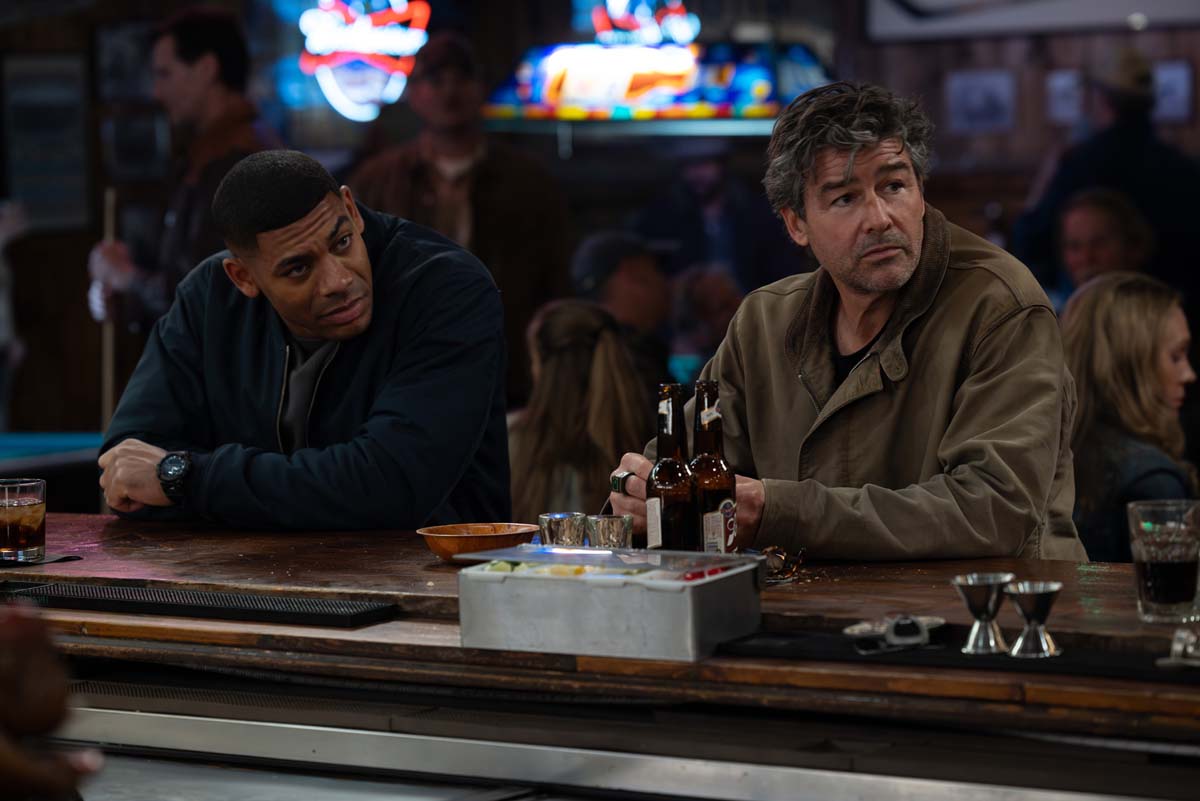
You could do that scene in a very expositional way or you could do it in a very cinematic way.
Greene: There was a lot of futzing around and trying different versions and playing around with sound, playing around with music, switching around the sequence of the shots and when we go tight and when we go wide to see, all the scariness that’s around him.
Ultimately what felt scary was being inside of his head, so we stuck with that and just a few shots and not milking it too much, but also really having it resonate in a way that’s “Oh, God, this is crazy what he’s been forced to do at this moment of his life.”
POV is so important, don’t you think, choosing where that POV is coming from and how that relates to the scene?
Greene: Absolutely. The emotion will dictate when to go wide, when to take a breath, and when to stay tight and in that person’s head. I kept going wide and it kept not working, and I realized later that it was just taking us out of the moment.
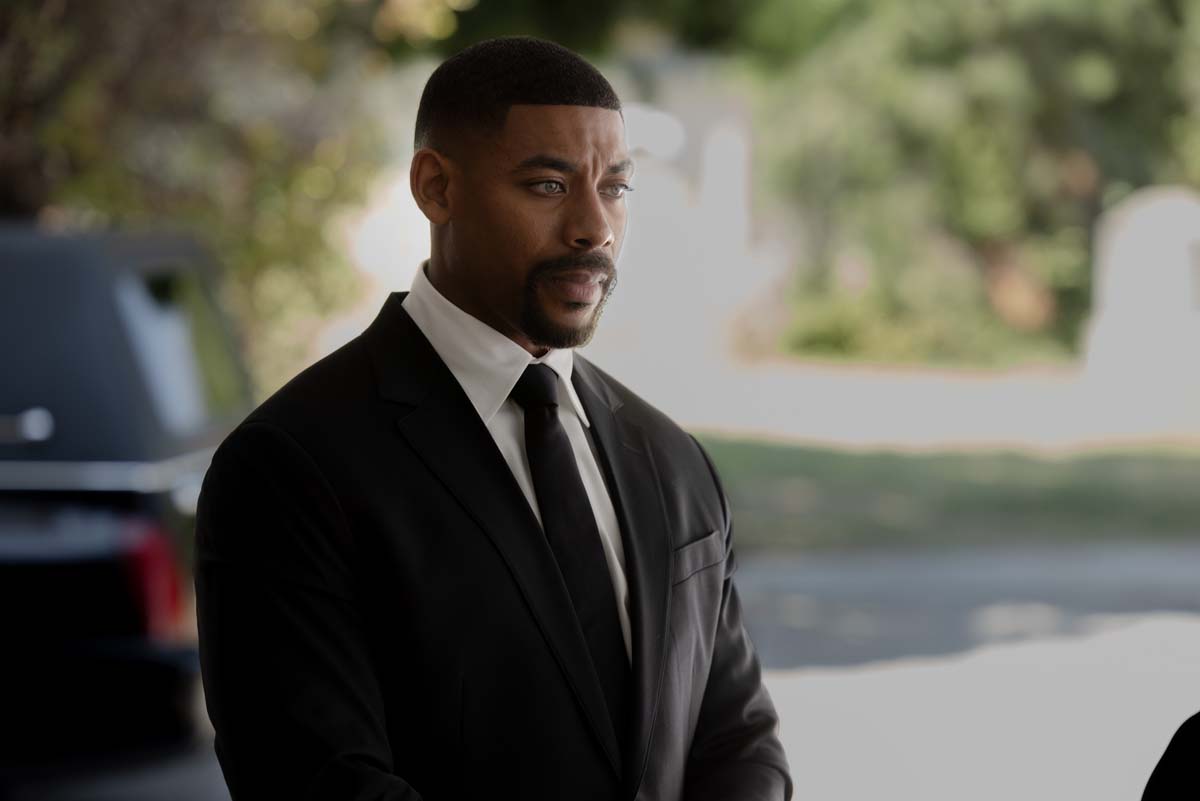
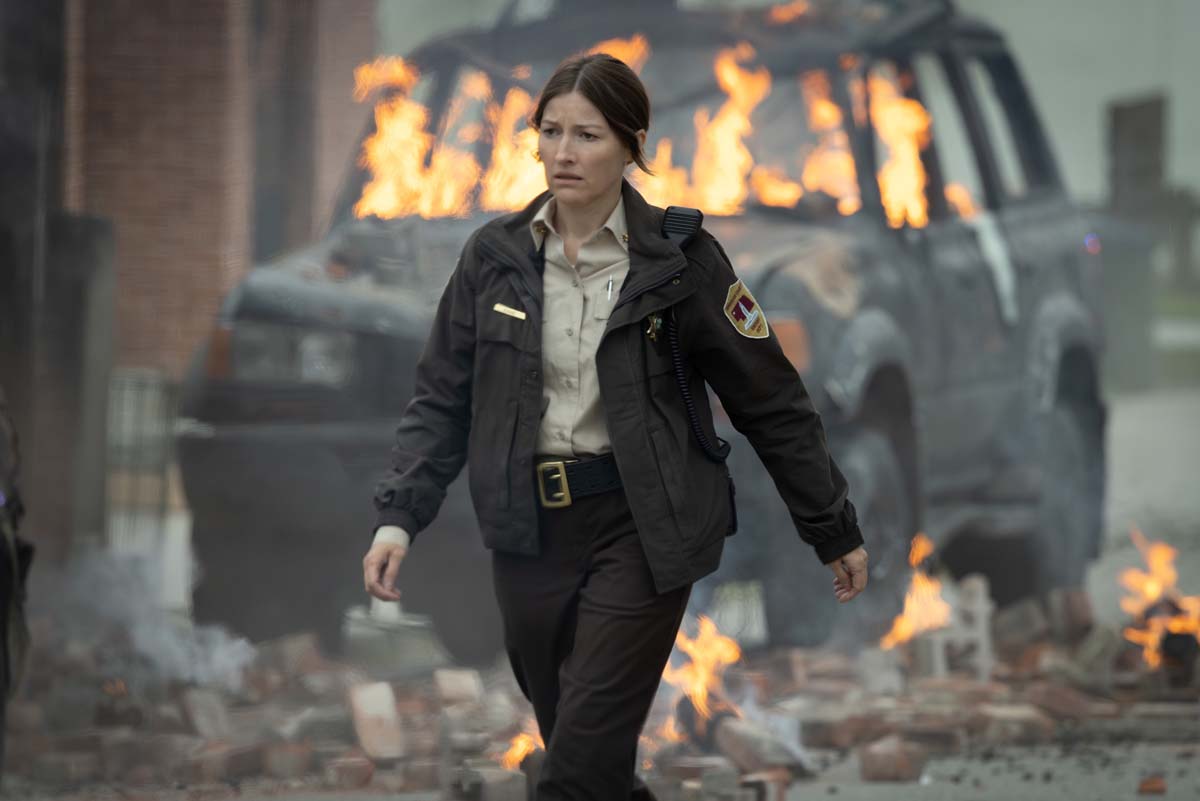
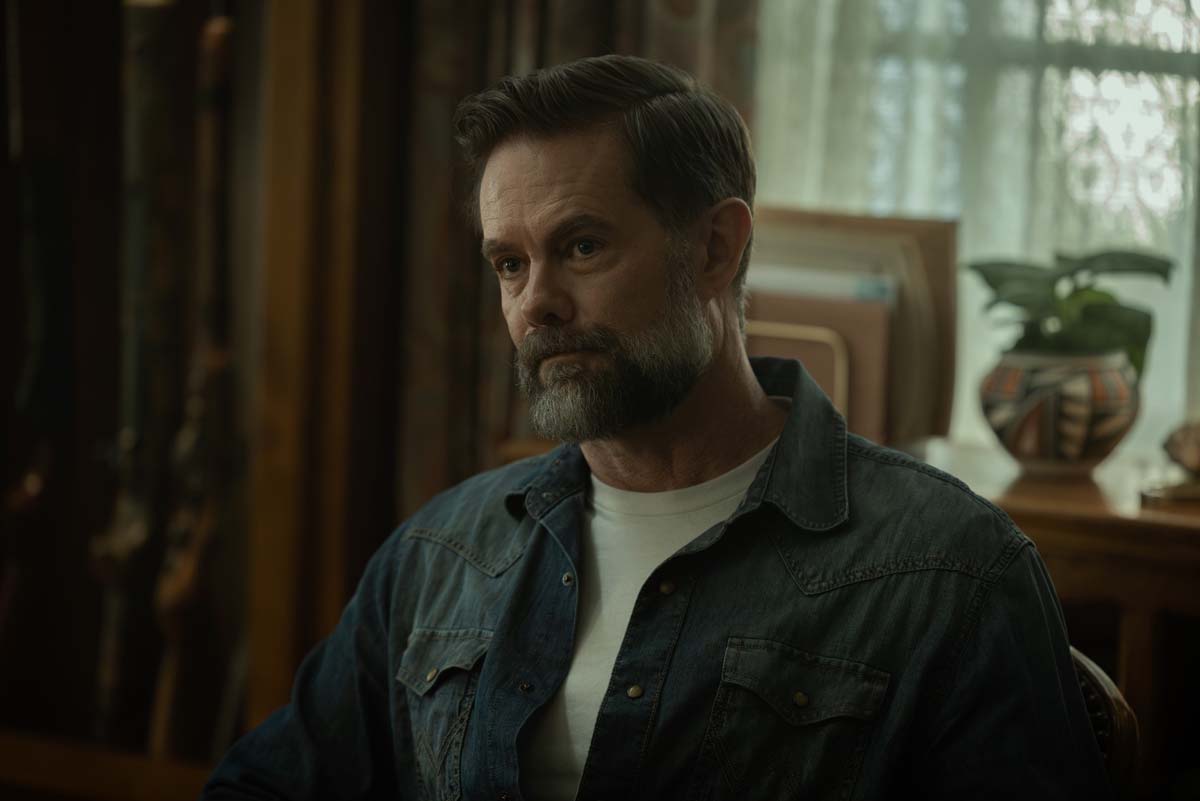
Patel: The interrogation scene from the pilot. That’s the scene that in many ways defines the aesthetic style of the series, editorially. It’s the perfect balance of being the True Detective, Ozark style meets this snappy witty comic book style of the new take on the Green Lanterns.
It’s a scene where we’re playing, “Is Waylon, the alien, telling the truth or not?” It’s a police interrogation, and it’s strong point of view cutting with John and Carrie observing from the other side of the interrogation room at times as well. It’s threading the line between suspense, tension, hints of comedy - getting the audience to lean in because they’re wondering, “Is he telling the truth? Is he not?”
Then when the bomb drops, it’s getting out as quickly as possible with so much tension as well. So it was a fun scene to put together and it’s probably that scene didn’t really change after my first pass.
It was beautifully directed. It was beautifully shot. I love the cinematography in that scene. When we’re outside the room and we’re looking in from John and Carrie’s point of view, you can see - even though we’re on the backs of John and Carrie - you can see their reflection, you can see their faces with the character that plays Waylon, and with Kyle.
It was so evocative in the way that it was all captured, which just made my job a lot of fun and I was able to notch up the tension as we progressed through that scene.
Colonna: I remember going into the Hector Hammond scene, I kept referencing that scene.
We just had the Emmy Awards shortly before this interview. How do you judge editing? It seems almost impossible to do. What are you looking for?
Patel: I think it’s subjective. We all have different tastes. We all have different views on the world and what speaks to us. So I think it’s super subjective. I think whenever I watch something, if I don’t notice the editing, and I’m moved, I’m entertained.
But sometimes I do notice the editing in a good way and I think, “That was really cool they did that because it supported that character or it heightened the tension.” But when it doesn’t work, then I can sniff that out and I think, “Did they just do that for style?
Is that just something to do because that was cool?” That’s when it doesn’t work. So for me, it’s being sensitive, it’s being delicate with the filmmaking. The character and story come first. If you can help in terms of an editing style to support that, then go for it.
Greene: I think it’s incredibly difficult to understand. We don’t know what the footage was beforehand. We don’t know what challenges they were up against. We don’t know if there were reshoots, if there were rewrites. We have no idea. When that final product comes to the screen that’s all we have to judge on.
To me, good editing is a balance of not noticing it because I’m so in the story and I’m so emotionally drawn in by what’s happening. If there’s a flow to it that feels like I’m just in the story, that to me is a great sign. But I also think that if there’s something stylized that it’s, “Oh, that was cool!
That was unexpected. Oh, I like that transition,” I love that too. So I think that both things can be true. When you’re bumped by bad cuts, that’s when you think, “Ugh, that’s not working for me.” But we also don’t know what they were up against and what solution they came up with.
So it truly is hard, but it’s the unknown art form. All the more reason why we need to have our apprentice and our assistant editors in the room with us collaborating because that’s where you see things - the challenges are faced and you find solutions - and that’s the secret sauce where it all comes together. But often we’re not privy to that when we see it on the final screen.
Colonna: I’ve grown to appreciate things that I feel are bold choices or certain statements, particularly for series. In series we carry the responsibility of defining what the vision of this scene or episode’s gonna be. I know the dynamics are different on movies.
They’re more driven by a director in terms of creative decisions. So when I’m watching series in particular, if I’m seeing something like, “Damn they’ve been in this shot for like a few minutes now… and then if it’s effective, I’m sitting there thinking, “Damn they’ve made some very interesting creative choices ‘cause you’re always trying to do things to separate a little bit and find uniqueness.
I’m mainly speaking about TV series ‘cause I’ve been doing that most of my career. I see what Emily and Viks bring to it when I’m watching their episodes or just episodes in general.
I find myself anticipating moments now, I feel like if I’m swept off my feet or if my eyes are starting to tear up I’m always giving praise to the editor more so these days. That took some time. That took some crafting.
That took some understanding and self-awareness. The flashy moments. Sometimes, you got quick transitions or interesting cuts or the way they’ve bridged things together, whether it’s through intercut or even superimposing shots or whatnot.
Also, within the context of shows that have lots of visual effects like we do, to be able to maintain the artistry of the storytelling, ‘cause to me I feel like our value is the highest when you come away from something and you’re thinking about it that night. Definitely the writing and everything, but the way we go about delivering all the good stuff.
We’re all students of “Wow, that’s a great moment. I’ve gotta put this here right now.” Then when I’m cutting the scene and I get to that moment that’s the moment that’s gonna be there, or realizing, “Wow, the moment really fell short and I have to craft together stuff through the edits to communicate what this scene’s supposed to be communicating.”
Greene: These moments where you’re surprised emotionally that whatever you just saw in whatever way it was composed made you feel something. And whether that be holding a long shot for a really long time or some cool, bold choice, that these are choices that the editor - obviously with the collaboration of the director, the showrunner, and the writer.
It is a team effort of course. But there are moments where you like to think “Oh, that was cool. That was a cool choice.” And we like to think that we could credit the editor for that.
Colonna: Then knowing the things we get confronted with. How many times have we been given pace notes over the years and stuff like that? To be on the inside and know that and watch something and then come away thinking, “Wow, that, that kicked ass,” that editor or a couple editors really nailed it.
Emily, Matt, and Viks, thank you so much for being on Art of the Cut. Congratulations on Lanterns.
Greene: Thank you.
Patel: Thank you, everybody. Thanks, Matt. Thanks, Emily. Bye-bye.
 October 5, 2026
The Whisper Man
Chris has been on Art of the Cut before for The Menu, The Many Saints of Newark, A Quiet Place, and Assassin’s Creed. He has ...
Read more September 23, 2026
Sean Combs: The Reckoning
Charles Divak has been on Art of the Cut in the past for Chimp Crazy, for which he was nominated for an Emmy and won ...
Read more September 3, 2026
The Dog Stars
There's nothing like The Dog Stars in his filmography. That's a testament to him - that he is constantly interested in different stories and different ...
Read more
Subscribe to our newsletter
Get all the latest news, blog posts and product updates from Boris FX, delivered directly to your inbox.
Welcome!
Thanks for opting-in to our newsletter. You'll receive an email momentarily with your confirmation.