













Backrooms
How indie phenomenon Backrooms was sculpted in the cutting room by structuring the time between the backrooms and the rest of the world, editing within a “Method cutting room,” and patiently basking in the mystery of a “Lovecraftian space.”


Today on Art of the Cut we speak with Greg Ng, editor of Kane Parsons’ indie sensation, Backrooms.
Greg was last on Art of the Cut for LongLegs. Greg is the nominee and winner of numerous Canadian Screen Awards, Canadian Cinema Editors Awards, and Leo Awards. His other work includes The Monkey, Keeper, and the TV series Bones of Crows.
Greg, it is so nice to have you on the show. The last time you and I spoke was for Longlegs.
Yes. It’s a pleasure to be back here again, Steve. Thanks for having me.
I was having a conversation with our mutual friend, Joe Walker, and he asked, “Steve, are you going to cover Backrooms?” I said, “Absolutely. Especially if you want me to do Backrooms.” He said, “I really do.” So, this is a command performance for you!
It’s an honor to be a part of the project and to speak a bit about the editing of it.
There are long stretches of this movie where there’s really no dialogue. What is guiding your sense of pace in these moments of exploring this space that the main character is in?
Kane’s backrooms work on YouTube is very patient - kind of a found-footage exploratory thing. A big part of what I had to keep reminding myself of is that it’s not necessarily a plot-heavy, plot-driven movie. The point is to be in the backrooms and to be immersed in it, much like when you’re watching Avatar and you’re going through the jungle.
You get to soak it in. But in this case, it’s yellow wallpaper and carpet and everything. So part of it is the journey into the unknown and basking in this Lovecraftian space where it’s kind of inexplicable. You don’t know what the answers are.
And so you are waiting expectantly, nervously for something to happen. We have to trust that the audience is going to be engaged in what’s happening here, even though it’s very bright and you can kind of see everything, but there is a mystery to the space.
So when you’re editing the thing and you watch it a million times, you wonder, “Okay, is this still as interesting as it was the first time I watched it?” I really had to lean in to remember how it was the first time I did see it.
They shot a lot of the real world stuff first, then went into the backrooms, so I was eagerly awaiting what the backrooms were going to look like. When they came in with that footage, I was very impressed with how it looked, because they really did build a lot of that set.
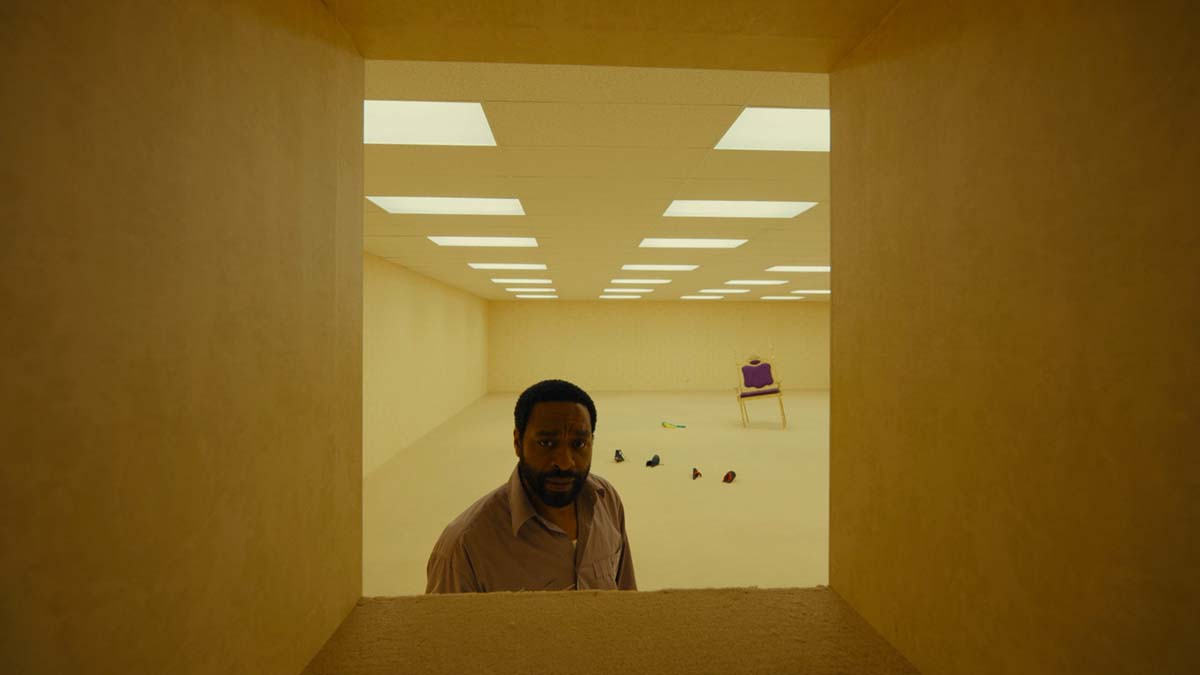
They built like 38,000ft² of it. It looks amazing. One of the long hallways reminded me of a Western, like if somebody comes in out of the desert and he turns the corner and he walks towards the camera. It probably took him two minutes or longer to travel the whole distance.
We didn’t use that amount in the cut, but I remember watching the whole thing and thinking, “This is pretty interesting. It’s such a beautiful frame.” I thought that maybe we can be quicker in between the scenes.
We can kind of pace it up, perhaps, but that was a tricky thing because I had to constantly remind myself, “Is this still interesting?” I’ve seen it so many times.
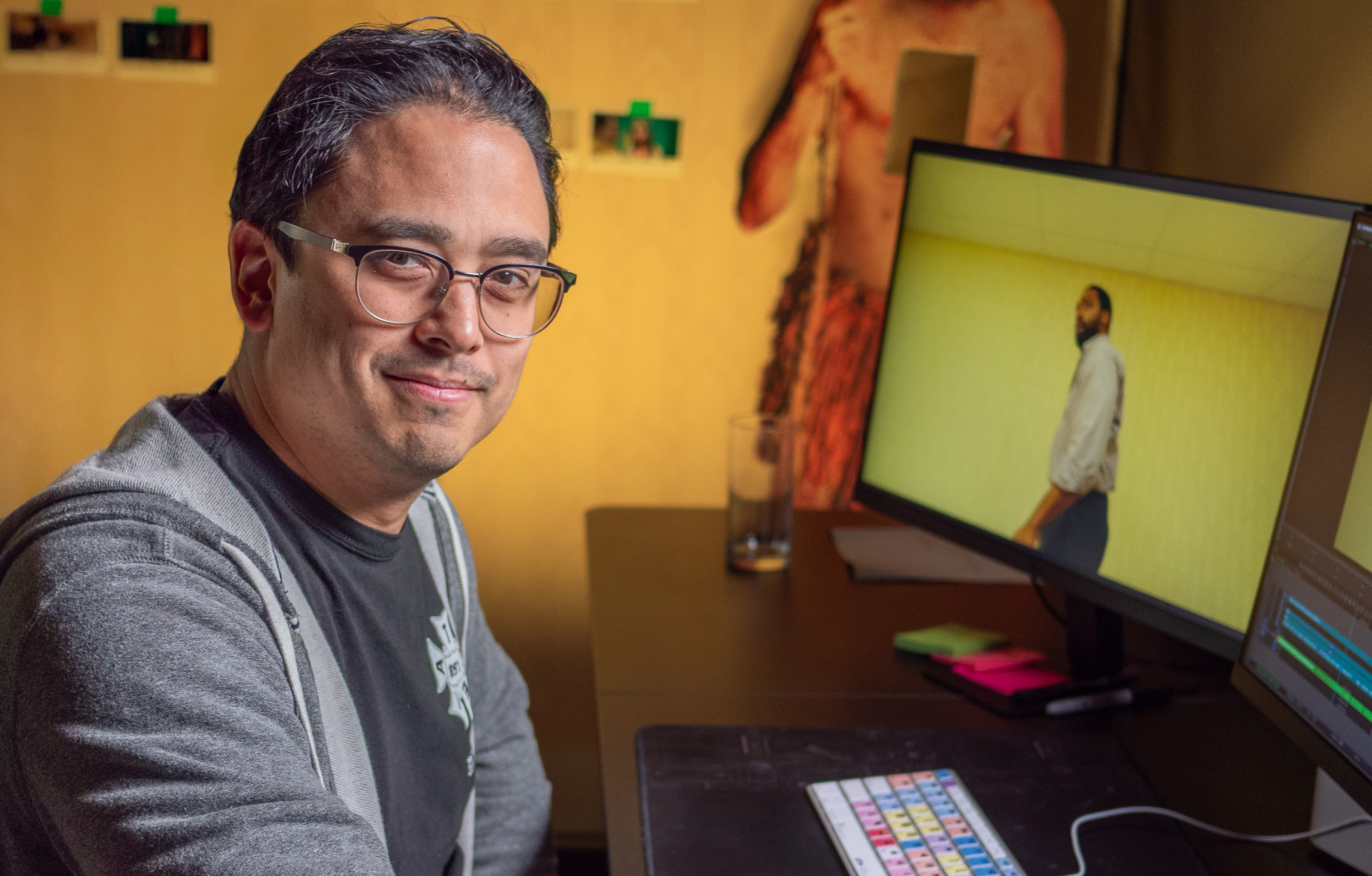
Editor Greg Ng
I bet that would be the difficult thing. You could have the patience to sit in it as you’re cutting it the first time, but then as you’re watching it for - as anybody knows that has cut a film - the 30th time, you’re probably thinking, “Oh, I could cut this in half.”
It’s a funny thing because so often you’re thinking, “Okay, we need to make it shorter, so it’s better.” But in this case, at a certain point in time, I remember reaching a threshold where I thought, “Okay, we need to start protecting the movie from getting too short because then we lose the essence of what it was, and fighting to keep the movie with the essence and the tone that it has. It’s kind of deliberate and it’s maybe not a movie for people that have short attention spans.
You’ve referenced a couple of times that this is based on [director Kane Parson]’s previous work on YouTube. I did go back and watch a couple of those, and it’s like you said: a patient piece. It’s a just an exploration more than anything that’s plot driven. How many of those did you watch?
I did watch all of them. Some of them I watched more than others. I have a few of my favorites. There was one in particular which I quite enjoyed, which was kind of like the corporate video of the backrooms. It’s kind of like they’re using it to sell storage space for everything that I found that quite funny.
But usually they’re like an urban exploration kind of video. You’re in there not knowing what’s happening. There is the editing and there’s some plot and things that are happening, but it is very patient.
And for a YouTube video, it was kind of an anomaly. For YouTube you think they’re faster. But these are very slow and kind of hypnotic.
They’re also kind of like little puzzles. Kane is a very young man. He’s very wise beyond his years. A lot of the things that he thinks about with the backrooms and the sort of details of everything, there’s a lot of intentions between the spacing between the lights or the sound of the buzz or the sort of architecture of everything.
He’s very tuned into all that kind of stuff, and it’s a puzzle for the viewers to kind of dwell in. He doesn’t tell you a lot.
There’s not a lot of exposition, but if you think about it and you dive into it, there’s hints of things that suggest a greater story. It’s kind of like alternative storytelling, where it’s not a story that’s being told to you, but you’re being engaged in the story to kind of investigate more beyond just the YouTube channel.
That’s kind of how I felt when I was watching it. One of the things that helped me get into the movie was the idea that the back rooms were a place that was almost remembered wrong. I started looking at the architecture thinking, “It’s just wrong for some reason.” It was very engaging.
Kane has spoken about it publicly as kind of an analogy for generative AI: it’s not exactly the right thing. It’s the idea of the thing without being the thing. There are a lot of ways to look at it. I think one of the strengths of the movie - like his YouTube channel - is that it’s pretty open-ended for a lot of interpretation, so when the movie ends, you have a lot of questions: Is it real? Does it work this way? Does it work that way?” You go home, you argue with your brother, your sister, and it kind of sticks with you. So there’s something interesting about that.
That was also another tricky balance of how much do we explain or not explain? Because I don’t purport to be a backrooms expert. That’s not my job. Kane is the backrooms expert. I like not knowing anything.
All I really care about is how does the story come together. Does that affect the tension or the curiosity of the movie? If someone tells you what’s about to happen or suggest something, is the company nefarious? Are they not? Then you start to project expectations into those things.
Found footage intro of the movie
There’s some found-footage stuff in the movie. Did you watch any found-footage movies like Blair Witch?
Not specifically for this movie, but I have worked on a bunch of found-footage movies, and one of the first features that I worked on was a found-footage movie, called Afflicted. It’s sort of a backpacking movie where these guys are making a video blog, then stuff happens.
I come from an independent film background and there’s a lot of great independent found-footage movies. It’s a good, friendly, independent genre where you can make a lot with a single camera and a lot of shaky sort of stuff. I have seen Blair Witch.
It’s just something that we have thought about a lot in the in terms of Backrooms. It is a good balance, I think, in the movie, obviously the real world cinematic stuff and first-person found-footage, the way that the movie opens, you don’t have to have seen all of Kane’s stuff on YouTube to understand it.
Because the movie itself gives you a little bit of an intro. It’s on VHS, it’s kind of, degraded, and it’s all single camera. That’s essentially the vibe of Kane’s YouTube channel. But then it breaks out into the real world, then eventually - as they discover, spoiler alert - when Clark discovers the backrooms, it’s revealed to you in beautiful hi-res cinematic language, with beautiful wide shots and a very clear camera and you kind of get to experience it, but a different palette.
The challenge with found footage is that, it’s hard to edit around it. When you’re limited to one camera, it’s hard to build tension.
When you have multiple angles and multiple things and perspectives, you can build a lot of suspense and create things, stretch time, play with time and expectation, but with found footage,
you’re really locked into what it is that you’re seeing.
So I guess the beauty of it is that Kane is the one who’s essentially making a lot of these things, along with the visual effects team on the movie.
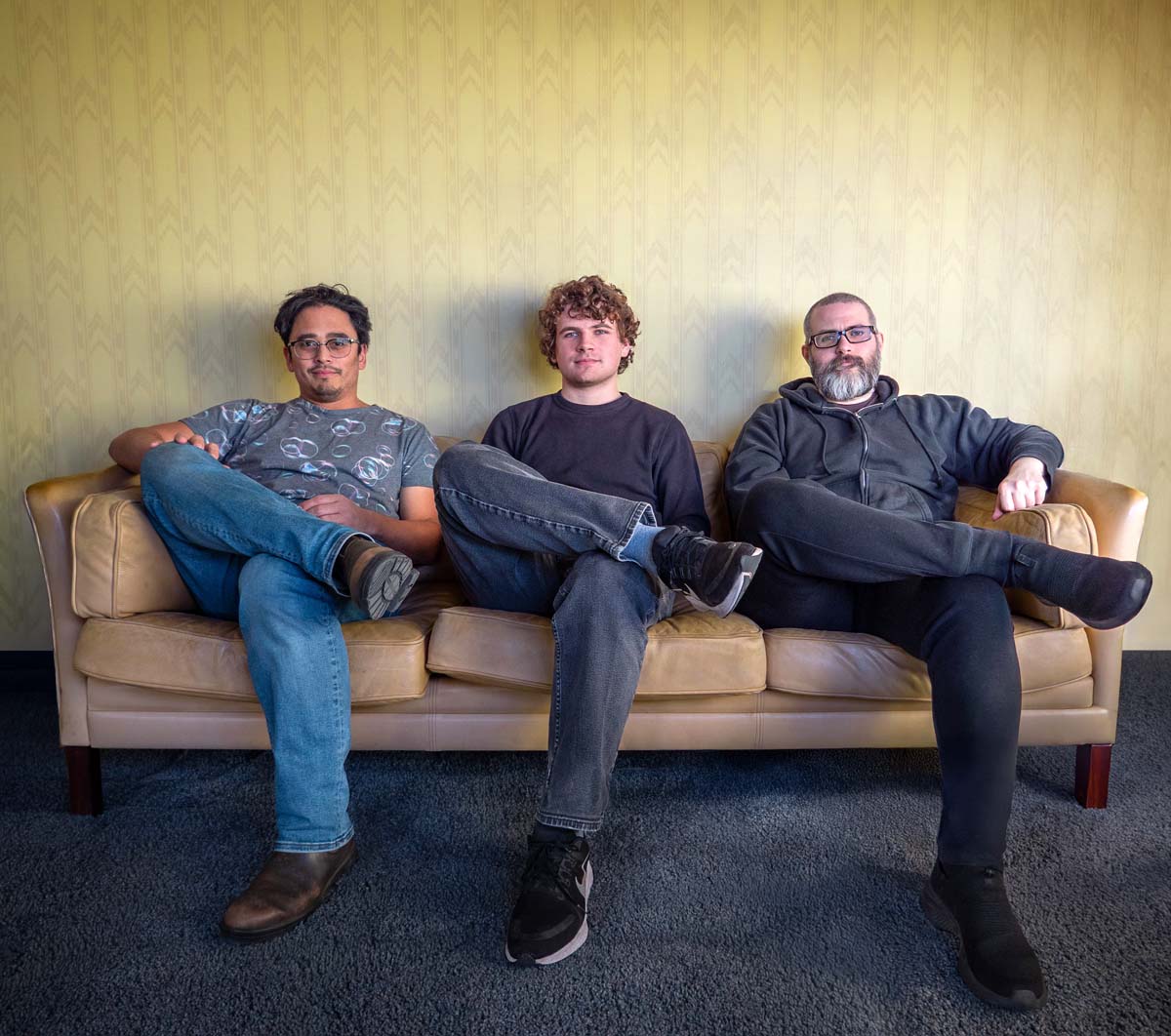
Editor Greg Ng, Director Kane Parsons, and Producer, Assistant Editor Stephen Grobe in the yellow-wallpapered “Method” cutting room.
We were sort of flexible to adjust the found footage. It’s not like they went up there, and we were locked into the found footage that was shot on a day. We could really tweak it to perfectly capturing the exact moments and the rhythm of what the camera sees and who’s holding it.
We did spend also a lot of time, being the voice behind the camera, which fills out a lot of space in storytelling. In a lot of subtle ways with found footage we may not be able to see a thing that’s happening - you don’t see the person’s face - but you can hear the person holding the camera.
We certainly spent a lot of time temping in different voices. Kane did a lot of voices for the opening sequence and some of the other sequences.
He played Bobby for a lot of the offline edits when we were working on the Kat and Bobby sequence. It’s amazing how much you can instill life into a camera by just putting the voice behind it.
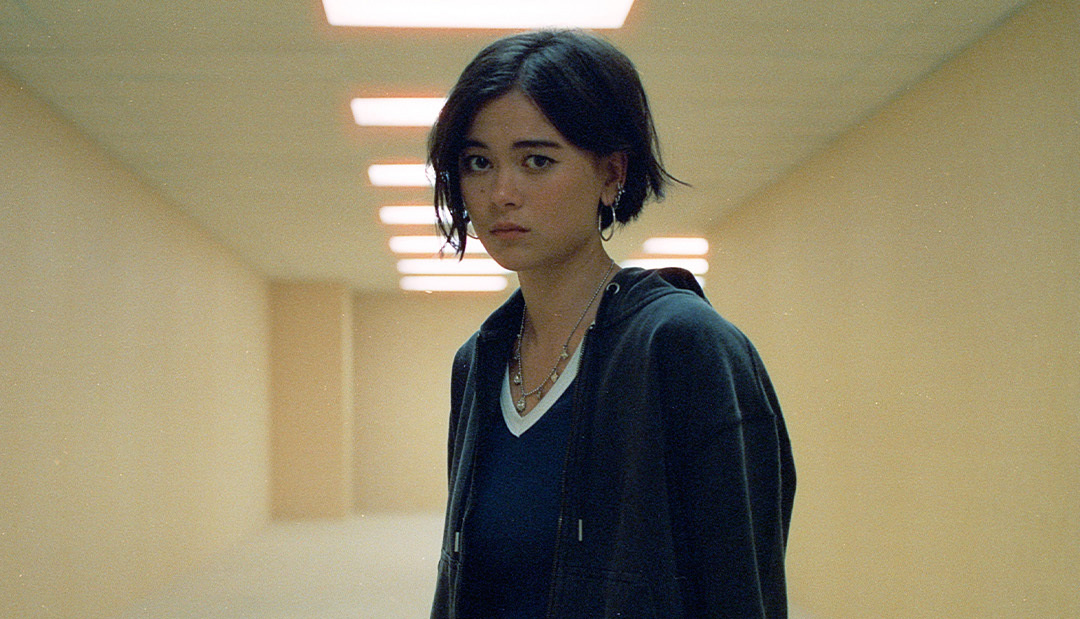
Sometimes we joked in the sound mix that I’m a little bit of a “breath Nazi.” I need to hear the breathing. The found footage format is perfect for breathing because you’re literally breathing right into the camera.
And the suits that the guys are sometimes wearing - they have these hazmat suits - that have a pretty definitive breath to them.
But by hearing the breathing, you can really ground yourself into what the character is feeling. I can’t see them, but I can certainly feel their breathing. Are they panicking? Are they not? How are they responding? Are they talking to themselves as they explore the backrooms?

VFX capture team with Kane Parsons capturing camera movement at Beyond Capture Studios in Vancouver (l-r): Ng, David Legault (VFX editor), Andy Levine (post supervisor), Stephen Grobe (AE), Ed Douglas (VFX supervisor), Kane Parsons (director), Calvin Romeyn (associate VFX supervisor), and the Beyond Capture team: Post-Production Manager, Andrea Garcia de Alba; Realtime Operator, Andres Ferrat; and Chief Executive Officer, Graham Qually
The film was shot in Vancouver - which is where you’re from. Were you on set? Near set?
I was in Vancouver but I only went to set one day. The day that [lead actress, Renate Reinsve] left, I caught wind that there were mini donuts on set. So Steve, the assistant editor, and myself, went down to set to see what it was all about.
Take some pictures and have some mini donuts. And it was a delight. It was very interesting to be there because I had seen the footage on screen. It’s beautiful and it’s really cool, but then when you’re in it, it’s a whole ‘nother level of immersion because it’s really there.
What was your editing room like?
We started editing at Picture Shop up in Vancouver, which is a nice place to be, sort of the hub of editing where there are projects being edited all over. But at some point we did move to our current office, which the art department decorated with yellow wallpaper for Kane.
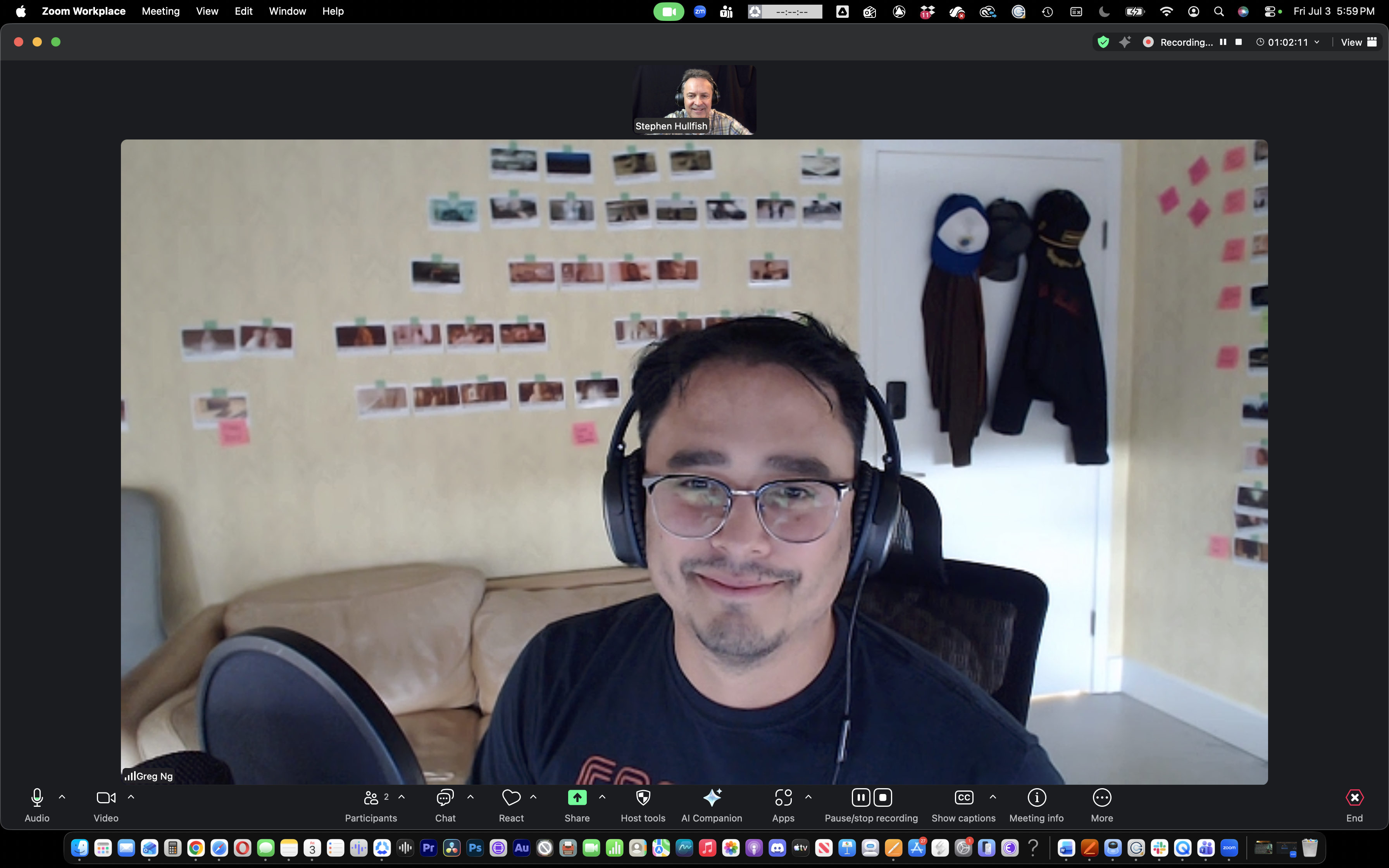
Greg Ng, screencaptured during the podcast recording, in his cutting room in Vancouver.
Wait! Is that the real wallpaper from the movie that I see behind you?
Yes. This is misprinted wallpaper. They had a bunch of extra wallpaper. When we moved into this edit suite, Kane had finished shooting on Backrooms, then joined me in a “Method editing” kind of sense where we continued the project in here. I also have some blue tape here.
You didn’t outline your door in blue tape back there?
We should have wallpapered the door and gotten rid of the hardware. We edited in this room. We edited an Avid Media Composer in stereo. We printed out the scene cards for the movie, and put them up on the wall. We spent a lot of time staring at the scene cards. I made a little storybook of it once the project wrapped.
Kane - obviously being the computer wiz that he is in Blender, making all his effects and, everything - was stationed not too far to my right, where he had his laptop set up so that he could be making music. He would be doing some temp effects.
He would be designing some of the rooms, working on some of the visual effects as we were going. There were a couple of moments where we’d think, “What if we had a shot of this?” - and we don’t have a shot of that - and Kane would just say, “Well, I could just make it…” It’s amazing the things that he could do and the speed at which he was working.
So we kind of had that set up here. Then on the other side of this other wall on the other side, that was visual effects supervisor, Ed Douglas.
So we had a very tight community, geographically speaking. We were all very centrally located. Everyone could jump in everyone’s room to talk about what’s going on.
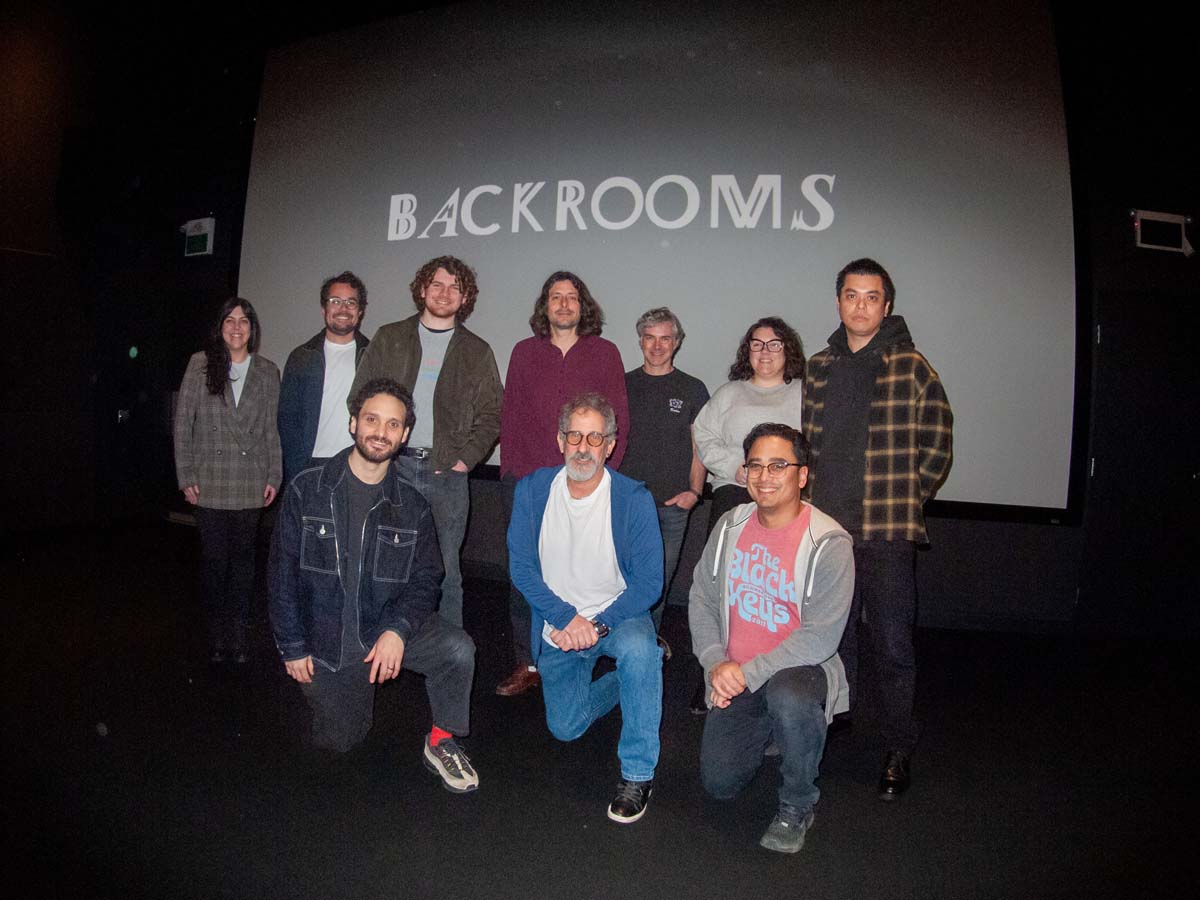
At the Sound Mix
Sound design was a few minutes away by car, at Eugenio Battaglia’s place. It was a very kind of in-person community vibe. It was a good team that we had. I just want to point that out. We had our usual suspects that I’ve been working with since Longlegs.
I’ve worked with a lot of the people at Oddfellows/Phobos, including their assistant editor, Stephen Grobe, our post supervisor, Andy Levine, and post coordinator Marena Dix. We also had a short stint with additional editor Nicholas Monsour, who edited such movies as Nope and Us.
I saw his name in the credits. I was going to ask about that.
He joined us for about a month last January. It was very helpful to have him here. It’s nice to get fresh eyes after you’ve been looking at something for so long.
Nick came on and said, “You guys have got something going on here. Let’s not mess with it too much, but there are lots of things that we could do to kind of massage it into better place.”
Another big thing we were wrestling with is: how do we take this YouTube IP and branch out and give it to a wider audience? At the same time, respecting the fact that we believe that the audience is smart and they’re going to get this to a certain degree.
We didn’t want to dumb it down, but we’re trying to make it as accessible as possible. When Nick came in, that was a very helpful thing to get, because at that point in time we had been editing for about five months. I think it was very handy.

Andy Levine, Post Production Supervisor, and Editor Greg Ng
As scripted were the backrooms sections balanced with other sections - like the therapy sections - the same way they are in the movie now? Did you find that you needed to adjust how long you were in one “world” or the other? Have we been in the backrooms too long?
Actually, our challenge was the opposite: that we maybe weren’t spending enough time in the backrooms for a movie called Backrooms. I remember at one point in time we thought, “Maybe we should call this movie Therapy?” When we were away from the backrooms, we just kept thinking, “Why don’t we go back to the cool part?” Other than the pre-title section, I think we’re about between 20 and 25 minutes before we’re back into the backrooms.
Then every time we want to kind of go back, I think our biggest struggle was, “How can we get back without feeling like we were just here?” The movie used to be a little bit more structured, where it was kind of part one and part two: part one being Clark and then part two being Mary, the therapist.
That kind of structure can work, and sometimes it does. Barbarian was a movie we talked about a lot as a sort of a chapter movie where there’s the midpoint and then there’s a shift in perspective, but in Backrooms it wasn’t quite landing.
One of the problems is that we were sort of beginning the movie with Clark, then at the end, Mary is more of our protagonist. A big job was to balance that out, so how do we make it seem like the therapist is the other central character?

In our early assemblies of the therapy sessions [Chiwetel Ejiofor]’s performances were so magnetic. We could just watch him talk. It’s an amazing performance. We don’t have to cut to the therapist because he’s emoting so profoundly and the nuance of his performance was saying so much, whereas Mary is just essentially listening and agreeing, and she’s giving some advice. At a certain point in time we realized that we had to balance it out.
The therapist’s going to come in at the end. We need to see what she’s thinking while he’s saying his part. We need to emphasize that she is equally important in the therapy sessions, even though she’s not the one with the problems, she will eventually emerge as our hero, so we did have to do some rejigging to set her up better so that there was more balance.
In the beginning there wasn’t too much montage in the movie, but we do have a section we called “The Night Drive” where Clark is driving. He’s listening to Mary’s therapy tapes. She’s saying stuff that she can actually use herself. Listen to the words that she’s saying and they’d help her own life out. We did have to construct a few things in that regard.
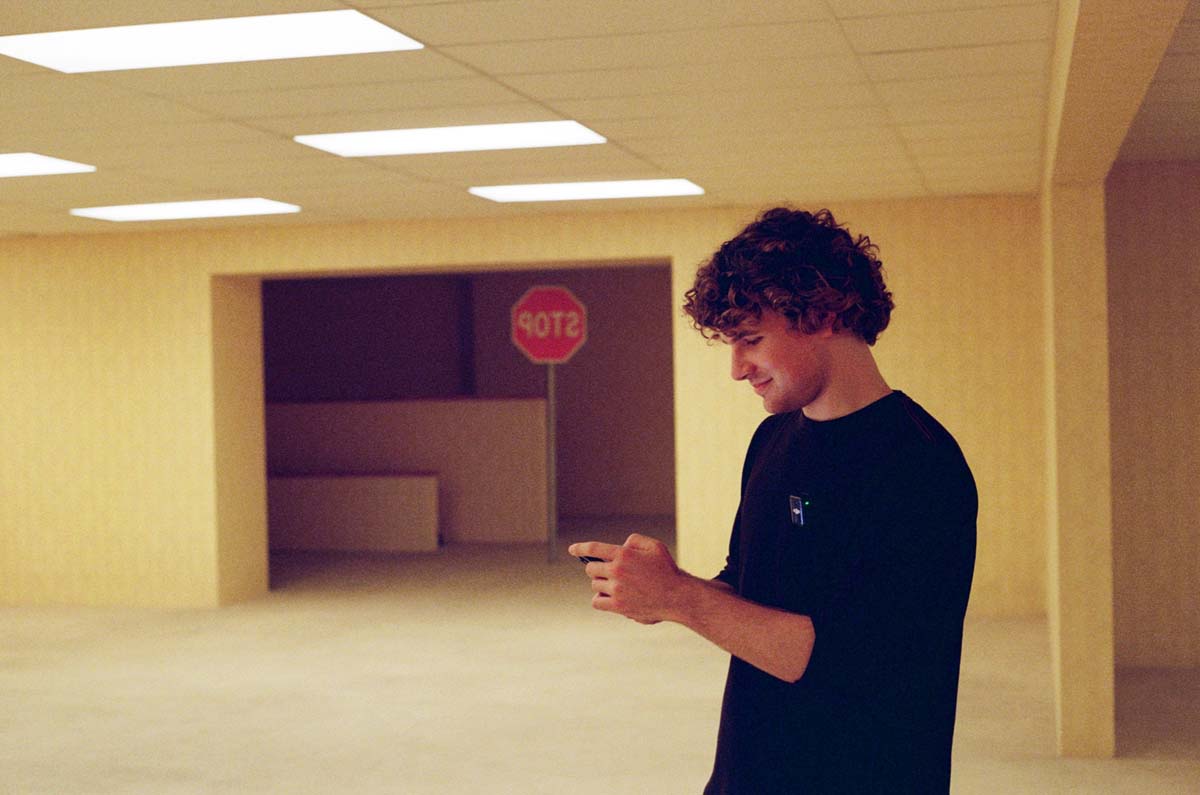
Director Kane Parsons on set
You mentioned the use of Blender. The original YouTube stuff was so much based on Kane’s Blender architectures. Were you actually doing compositing of Blender and live action, or was Blender used only when you’re only looking at rooms?
For the most part, when there are scenes in the backrooms where actors are engaging with the environment, or if they could touch the walls or whatever, that room really was there.
There are certain set extensions. Predominantly blender was used for the found-footage sections. but they also did shoot parts of the found footage practically with the actors in the scene, obviously.
They shot a large portion of those on a Sony Venice in beautiful 8K, then they did visual effects on that - stitching with Blender and everything - then we pipe that 8K image through an analog of real VHS a couple of times to get various levels of degradation, then brought that in and blew it back up to whatever the deliverable it was.

So the VHS stuff was actually piped through an analog system?
It does take on quite a strange look that’s hard to emulate. You could emulate, but I think Kane was very set on doing it for real.
They had a couple of analog video modulation boxes where you could tweak some parameters to change the tracking or different parameters.
They also were trying to figure out which looked best: VHS in LP, SP or SLP. For those that don’t know, VHS has, three different recording qualities based on tape speed. Kane - in his YouTube videos - had previously done the true analog thing, and he was very attached to the process.
For quick temp work, we did use After Effects and some plug ins to emulate VHS because we didn’t have time to run everything through a VCR all the time.

Let’s talk about the flashback to Clark’s map in the therapist office, or some of the other flashbacks, and deciding how to treat a flashback. When they come in, how long a flashback would be?
I will then give you this little Easter egg, the flashback that we had to Mary and Clark in therapy. Mary goes downstairs and she’s looking for Clark, and we flashback to a therapy where he’s really worked up and he shows the map.
We did not necessarily need - in that moment - the flashback, but it did help us cover up a little bit of a continuity issue. So that did help soften the blow of that.
But, as far as the flashbacks to Mary’s childhood, that was definitely something that we wanted to show more “Who is Mary?” If we were to put too much of the flashbacks in the very beginning, it would sort of unbalance things. But it opens with her and her mom putting handprints in the concrete.
But that was all we could really show at the beginning, then at the midpoint, we try to tie those things together.
The idea being that Mary’s mom is disturbed or has some issues herself that are reminiscent of Clark’s, so when she realizes that Clark is missing, it reminds her of her mother, which is where she kind of crosses her professional boundaries to look for him in the real world.
She’s not necessarily going to “5150” him - which is a term I did not know about, but now I use all the time.
The flashbacks are trying to help us understand: “Why would Mary go back?” We parse those out so that when you realize that Mary’s mom was in the hospital, she didn’t want Clark to go through a similar thing, so she kind of goes after him. Hopefully that that came across you.
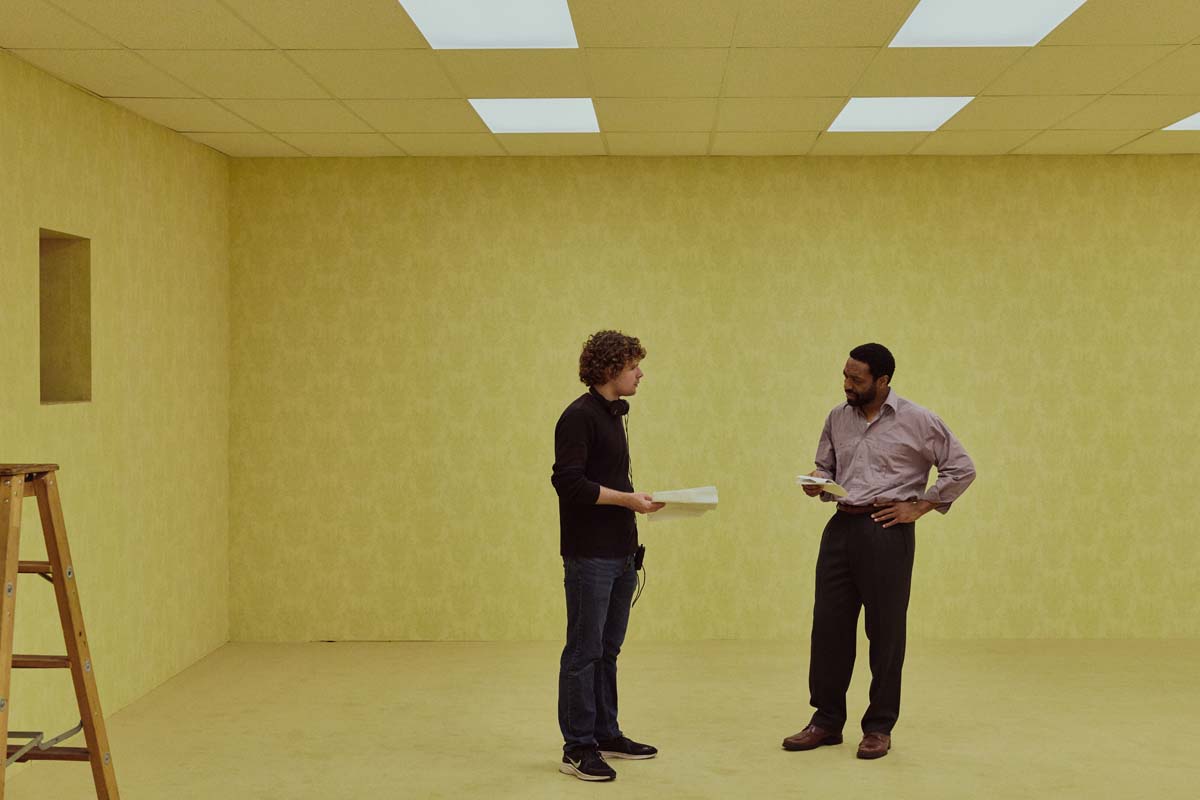
You mentioned that you were cutting in Avid. Is that a native NLE for Kane? I can’t believe he cut his previous YouTube videos in Avid. How did he feel about the Avid experience?
Kane had come from working with Blender, and he had been using Adobe After Effects and Premiere. So there were a few things that he would try out in Premiere that then we’d bring into Avid. I was doing the editing, but he was also doing some stuff on the side.
One thing that was interesting is there’s “the descent shot,” which they released as sort of a teaser to the movie where. The camera starts in a room and descends the floors and lands in the backrooms. We had a flashback in Mary’s story, and he said, “I don’t like the shape of the room here.
I wonder if we could change the shape of the room?” He just opened up this computer, started iterating: “What if the room looked more like this? What if the room echoed the room that we see later with Mark Duplass? What does that look like?
If that room earlier could look like this, how would it look?” I don’t know exactly what was going through his mind, but he copy/pasted it, put it on top, and said, “I could stack versions on top of each other, and just send a camera through them.”
So he sent the camera through that and started using some sound effects. Then he asked me, “What do you think about this?” I said, “I think this is amazing! Where can we use it?” That actually turned out to be a sort of a flashback segue out of our flashback back into the backrooms.
Kind of a beautiful thing that happened just because he was there. He was creating it in Blender, doing some sound design in Premiere. He may have been using FL Studio for some of his music stuff. I believe it used to be called Fruity Loops.
Back in the day I was playing around with some loop music things, and I remember playing with that at one point. At one point Kane said he was using FL Studio, and I asked, “What is that?” When he told me, I realized that’s the looping thing that I used to use, but of course now it’s way cooler.
Let’s talk about score for a little bit. When’s the first time you used score in the film?
When we meet Clark and Mary for the first time, there’s score, it’s very subtle. And there’s score during the night driving montage, but it’s certainly noticeable when we’re in the backrooms. It becomes almost like psychedelic, weird, jangly atmosphere. Our co-composer, Edo Van Breemen did a bang on job with the score. I think it’s pretty awesome.
Kane was a big fan of Cristobal Tapia de Veer, who is the composer on The White Lotus and Black Mirror, and I believe a show called Utopia, which Kane was a big fan of. Pretty crazy music. Sometimes it can come across as very noisy.
It’s very abrasive. It’s not necessarily subtle, but it’s full of character and kind of insane, so we did use some of that, along with a more traditional score to be functional with the things that we were trying to convey.
If we’re trying to build an atmosphere, maybe we would use some kind of crazy music and then, stitch it together with something more generic, I suppose you’d say, to provide the shape of what the rhythm and everything would be. But Kane did provide a few key pieces from his own repertoire.
I think one of them was called “The Smell of Fresh Grass Cut in the Spring.” It has a long title like that, which I love, which we used as a sort of architectural montage.
There’s a scene after Clark comes out of the backrooms. He stares at the wall and we zoom into the paint on the wall. Then we sort of have this view of some ominous buildings. The piece of music there came from something that he had composed, and it’s quite excellent.
There’s also a kind of weird alto saxophone kind of score, which he used in one of his backrooms videos when Kat and Bobby and Clark venture down into the sideways room. It’s a gentle piece of music playing with a lot of reverb and isn’t necessarily the most obviously scary, but the contrast of that relaxing, weird saxophone with the visuals that you’re seeing does create kind of a very uncomfortable feeling.

Let’s talk a little bit about the sound design. It’s definitely evident in Kane’s YouTube work and in this movie that there’s always that hum and the buzz of fluorescent lights. I noticed that there was a use of it even in the editing transitions: you make very deliberately cuts of the ambient sound at the same time you’re making a picture cut.
We didn’t do that so much during the off line, but that was definitely emphasized in the sound mix. That was very specific. I remember when I did my first cut of the movie and I had my own personal buzz from whatever library it came from, and Kane said, “No, no, no! You have to use this one.” He had this very specific buzz.
It’s a good buzz that we did use in a lot of places. Depending on what was happening - like if there was a moment that was more silence - the ambiance level would come up. You could raise the sound of the buzzing to a deafening kind of level.
The sound designer, Eugenio Battaglia, did a really great job in the found-footage sections, playing with the idea that the camera had an inbuilt compressor or limiter. So when things are quiet, the noise level really kind of rises up, and it’s quite wavy. You can really feel the compression.
It was a delightful texture to have. We did not do that so much during the edit because that would be very finicky to control.
One thing about working with Kane, he was always asking, “When can we do the music? When can we do the sound effects? When can we get all this stuff finished and polished?” I’d tell him, “We’ve got to work on the movie. The movie has to work.
The edit has to work as a story and as an experience before we can get too fixated on those details.” Those details are equally important.
All of those things, the color and the hum and everything are important, but we have to strip it away and think about the movie. Is it working?
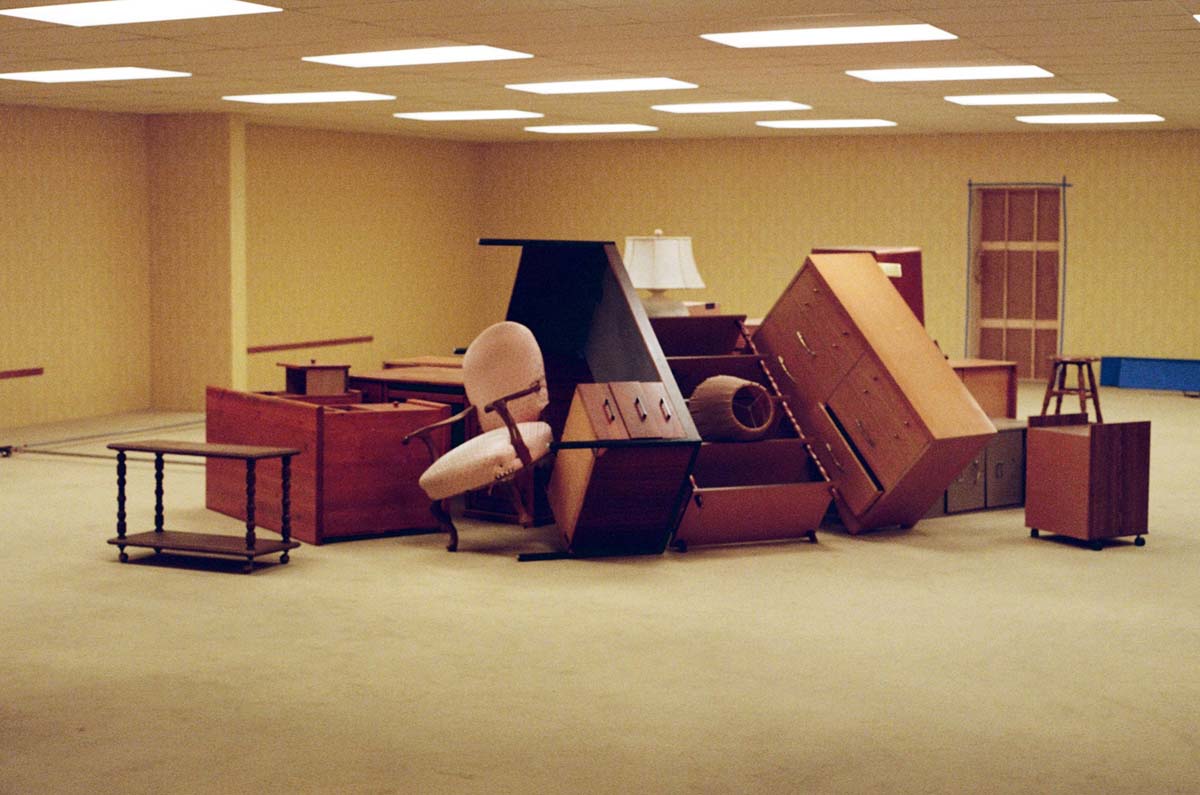
Sometimes we’d edit without the sound on - as many people do - just so that we could not be distracted by the sound that we have. I’m very proud of the sound work that we did in the edit, but it’s not a beautiful 5.1 mix.
The rumbles and the thuds and the sounds of whatever entities may be out there aren’t right, but they are functional. We would edit sometimes with the sound off to check, “Is this actually working on a comprehensive level? Can we understand what’s happening without being distracted?”
I love that advice that you gave him. Kane is obviously a great creator of content and these YouTube things that have had such great response for so long. Is there anything that he mentioned that was a rule of filmmaking that you knew that you shouldn’t break, but he wanted you to break it? But then you thought, “That’s actually a good idea! Why do we have to do it the way the movies have always done it?”
Totally. He’s very smart and he’s very young. Sometimes we talk about movies. By the nature of being almost twice his age, I’ve seen a lot more movies than him.
Not that I’m not trying to show off or anything, but in terms of when we’re talking about conventions, I’ve worked on a bunch of movies, so I know how it goes.
There are so many things that you just kind of take for granted by nature of seeing a lot of things and working on a lot of movies, like, “Well, this is how you do it.”
Then Kane would come in and some of the videos that he has on YouTube are 40 minutes of a guy wandering through some abandoned mall.
There are long takes where nothing’s happening. And he’d ask, “Well, why can’t we do that?” He’d make me question my own beliefs and intuitions on things. It’s like when a kid asks their parents, “Why does the sun shine?” And I’d have to say, “I don’t know why it has to be this way.” He’d make me think about things. Sometimes I’d explain, “We have to do this because there’s an expectation. We’re trying to create an experience.”
But I couldn’t just do a thing because that’s how it’s done. So we thought about a lot of things, like how long should we see Pirate Clark for? Should we never see him? Let’s think about it really hard.
What is the best version of how much we see? What does the audience need to see? And how does that affect everything? So obviously having a young, fresh, inquisitive person who’s very smart definitely made me think about what I’m doing more than I would normally.
I love that answer. Yeah, there’s that idea of wanting to try things. If any director tells you to try something that you don’t think is a good idea, you try it anyway, right? It’s part of the process, and sometimes it yields great results.
Kane is the expert on his interpretation of the backrooms and how things work and that I did not know before I came into this project. I did not know about the backrooms. I was kind of ignorant of the whole thing. I just didn’t know.
And when the producers brought me on to meet Kane and we had our first “date,” I thought, “I gotta watch all this stuff.”
I didn’t realize that his YouTube had hundreds of millions of views. I just thought, “Oh, this kid makes cool stuff.” I didn’t realize it was a phenomenon.
There are people out there that are fans of it. I did not realize that there were so many people that are really obsessed with the backrooms and what it means and their interpretation of it.
I think part of Kane’s approach to everything is that the decisions that he’s making are going to be judged by a lot of people.
It’s like if you’re George R.R. Martin or somebody and you’re making Game of Thrones, the fans at a certain point in time have like this…

…ownership of it.
Ownership, yes. So there’s a very high expectation of what is going to happen with this story, with the movie, with the IP. You don’t want to let those people down. That’s not something that I thought about too heavily. I tried to put that out of my mind. I don’t like to think about “millions of people are going to watch this and judge the editing.”
That’s just not how you should go about making a movie. But I do think he definitely had to think a lot about that and spent a lot of time deliberating: what is the best experience for these people?
We need to make sure that the people that are really obsessed with the backrooms walk away happy, but also that people that don’t know anything and don’t necessarily care are still going to be equally entertained and engaged.
That’s probably why he was thinking, “Well, why does it have to be this way? Why can’t we do something totally crazy?” If the fans of the backrooms really want to know the exact dimensions of the light fixtures, why can’t we just talk about that?
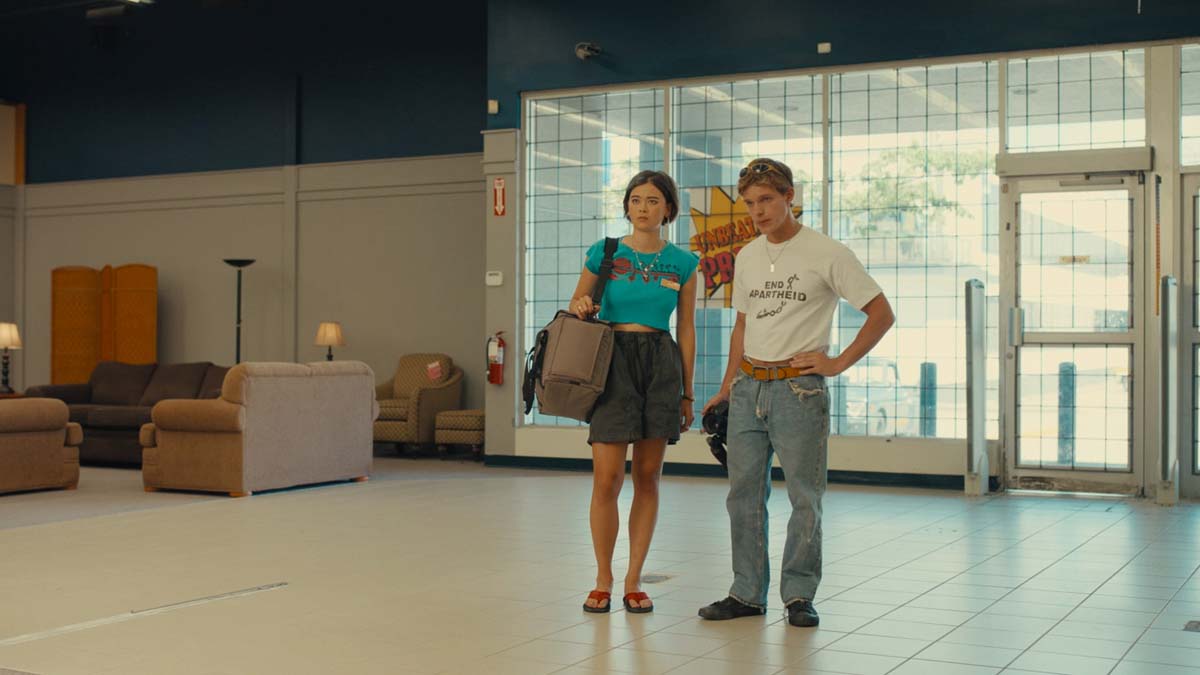
So it sounds like the best division of labor was that Kane was the expert on the world, and you’re the expert on the people who aren’t diehard fans.
Sometimes - working on other movies that I’ve worked on, for example, Longlegs - sometimes we’d be stuck on a problem and we’d say, “What do we do here? And I’d say, “What if the devil called on the phone?” or something, then we could sort of work on that.
With the Backroom world, the opportunities for that have to be very specific. Kane would say, “The backroom is not metaphysical. It’s not nefarious. It is what it is.
It’s how it affects people.” So I’d say, “OK, what if this crazy thing happened?” And Kane would say, “That wouldn’t happen scientifically. It couldn’t happen.”
So, there are a lot more restrictions in terms of what solutions I could come up with for the problems that we’re having.
Many people are talking about the Backrooms/Obsession independent film combination. I did not know that millions of people would go see them. The producers of the movie and everyone knew it was something special. It’s tapped into this international thing.
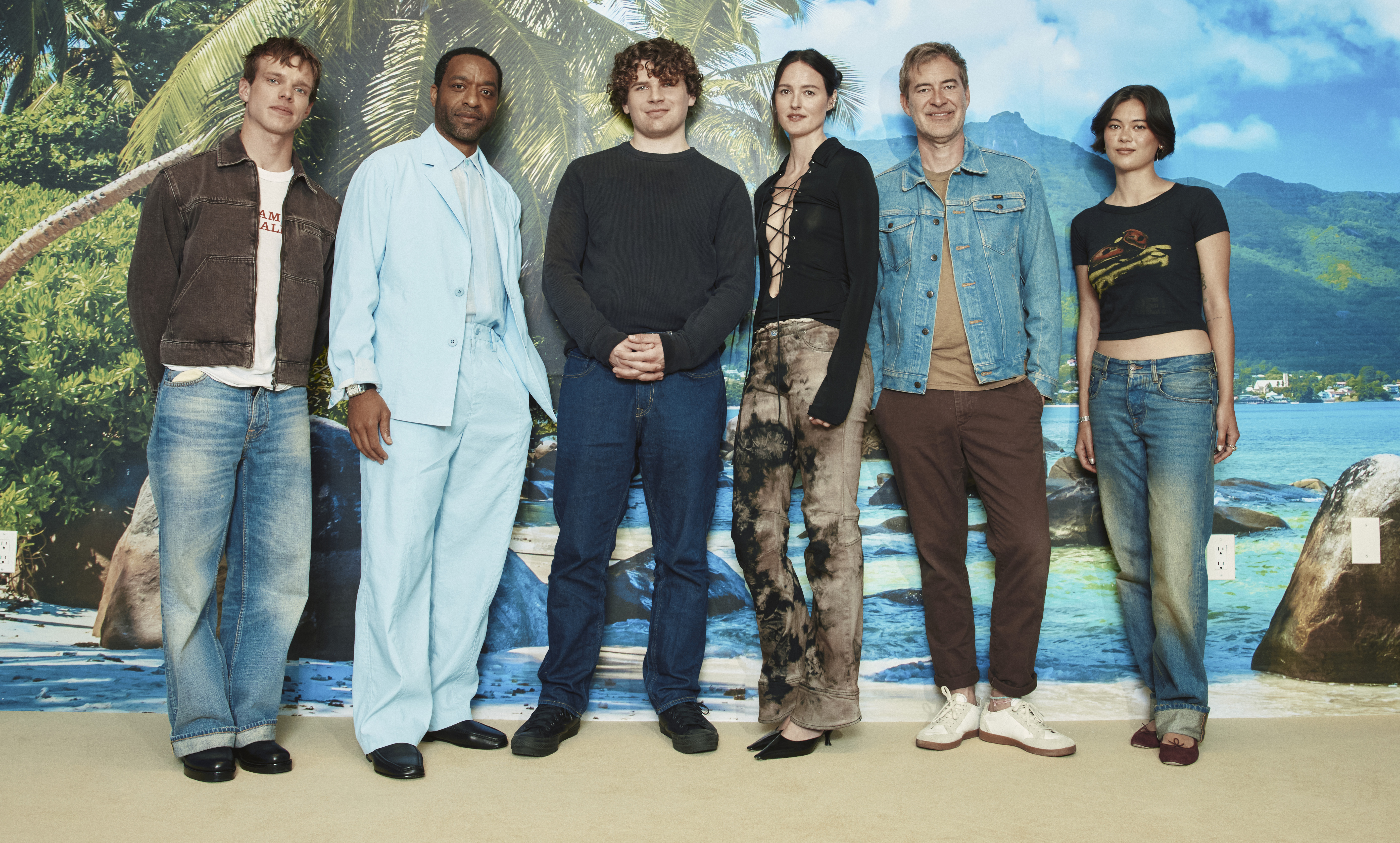
Everyone loves Backrooms internationally. The amount of people that have seen it at the box office or whatever is beyond our expectations, and the amount of young people that are going to the movie theater was very special. It felt like the timing was right. Somebody wrote that Backrooms and Obsession was like the “Barbenheimmer” for freaky people.
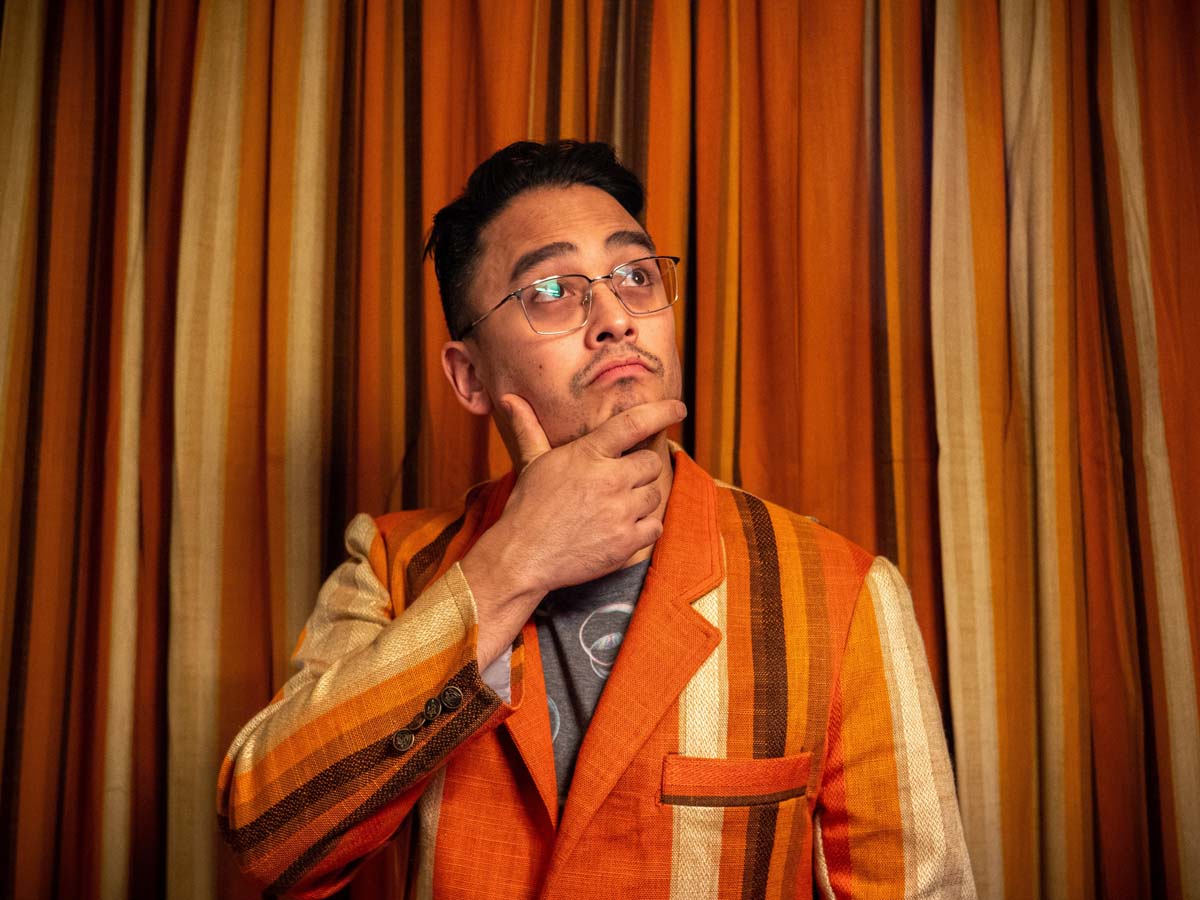
Editor Greg Ng
I was about to say the exact same thing. You think the two of them helped each other because they came out at the same time?
Yeah, I’d like to think so. That sort of cinematic energy compounded itself. I feel like this is just a good year for movies. Beyond Obsession and Backrooms there’s an energy.
People want to go to the movies. These movies maybe helps get the ball rolling or some sort of inspiration to go to the movies.
People are going to the movies having a good time. It was a good time to be a creator. It’s inspiring to see Kane - to see Curry Barker - doing their thing, and it felt like there’s a breath of fresh air. I’m very happy with the way things are going for film in general. Let’s latch on to that energy, keep that going.
I feel like we’re entering a kind of a golden time for it, independent cinema. So I hope that this is just the beginning.
That is a great place to end this conversation. Thank you so much for being on the show, Greg. Congratulations on being part of a cultural phenomenon.
Thanks so much, Steve.
 October 15, 2026
Digger
Stephen’s been on Art of the Cut before for F1 and for The Revenant, for which he was nominated for an Oscar, a BAFTA and ...
Read more October 8, 2026
Heart of the Beast
Today on Art of the Cut, we speak with Oscar-nominated editor Dody Dorn, ACE, about her work on David Ayer’s film, Heart of the Beast.
Read more October 5, 2026
The Whisper Man
Chris has been on Art of the Cut before for The Menu, The Many Saints of Newark, A Quiet Place, and Assassin’s Creed. He has ...
Read more
Subscribe to our newsletter
Get all the latest news, blog posts and product updates from Boris FX, delivered directly to your inbox.
Welcome!
Thanks for opting-in to our newsletter. You'll receive an email momentarily with your confirmation.