












 Bojan Veselinovikj |
December 6, 2025
Bojan Veselinovikj |
December 6, 2025


Radio production is the process of creating audio content for radio stations, online broadcasts, and other platforms where sound is the primary medium. It combines planning, storytelling, technical skill, and creativity to produce programs that inform, entertain, and engage listeners.
From news segments and interviews to music shows, commercials, and radio dramas, every element—from voice and sound effects to music and field recordings—plays a crucial role in shaping the audience’s experience.
Radio production involves planning and producing radio content, with a producer managing every element of a program or broadcast show.
Understanding the key stages, tools, and techniques of radio production helps both beginners and professionals deliver high-quality audio that reflects a station’s identity and connects with its target audience, which is exactly what we're aiming to help you achieve with this guide.
Without further ado, here's what you need to know.
What is Radio Production?

Radio production is the structured process of creating audio content intended for radio broadcasts, online streams, or on-demand listening. It involves the careful planning, organization, and execution of sound-based storytelling, ensuring the final result meets the expectations of the target audience and the technical standards of radio stations.
The Role of an Audio Producer
An audio producer oversees various aspects of this process, from concept development to final delivery. They guide hosts, select music, supervise recording, manage sound design, and ensure that every element supports the station’s identity.
Why Radio Production Matters
Because the medium relies entirely on audio, every decision—from microphone placement to tone, pacing, and transitions—shapes how listeners experience the content. Whether the goal is entertainment, education, or commercial messaging, production determines how clearly and effectively that message is heard.
Types of Content in Radio
Radio includes news programs, interviews, commercial messages, radio dramas, music shows, documentaries, talk shows, and field reports. Each requires different tools, preparation strategies, and storytelling techniques, but all aim to create content people want to listen to.
The Key Elements of Radio Production

Audio Elements in Radio
One of the most crucial components of radio production is the use of audio elements such as sound effects, music, ambient noise, and voice. These elements create scenes, reinforce emotions, and help guide the listener’s focus.
Voice, Talent, and Delivery
Hosts, reporters, and interview guests give the content its human dimension. Their speech, tone, and delivery determine how the audience interprets and connects with the content. Strong voices bring clarity and energy to every program.
Studio and Audio Equipment
High-quality audio equipment ensures that recordings are clean, clear, and free of distortion. Studio tools include microphones, mixing boards, monitors, interfaces, and noise-control materials that help shape the sound at the source.
Program Structure and Segments
Most programs use structured segments that divide the content into manageable parts. A news segment may include reports, interviews, and updates, while entertainment shows use conversation, games, or commentary. These segments define the rhythm and pacing of the broadcast.
Branding and Station Identity
A station’s identity is reinforced through jingles, slogans, voiceovers, and musical cues. This branding helps the station maintain a consistent image across its programming and become instantly recognizable when listeners tune in.
Main Stages of Radio Production

Stage 1: Pre-Production
Pre-production is the foundation of radio work. It involves research, scriptwriting, scheduling, guest coordination, and defining the concept of the program. Producers also plan the line of segments and evaluate the resources needed to execute the show.
Stage 2: Recording
Recording takes place either inside the studio or through field recording when capturing on-location interviews, ambient sounds, or live events. The studio environment provides the best control over noise, signals, and volume, while portable setups offer flexibility for gathering stories in real-world scenes.
Stage 3: Capturing Multiple Takes
Recording multiple takes gives producers options when selecting the cleanest, most effective performance. This is especially important for scripted material, promotional messages, or long-form programs where consistency and precision matter.
Stage 4: Editing and Assembly
During editing, producers refine the audio by selecting the best material, adjusting tone, cleaning up noise, balancing levels, and shaping the pacing. Software such as Pro Tools and Adobe Audition are standard post-production tools in the industry, offering detailed control over each layer of sound.
Stage 5: Adding Music and Sound Effects
Producers enhance programs with music beds, transitions, and sound effects to create atmosphere or emphasize important moments. These creative choices influence mood, energy, immersion, and connection.
Stage 6: Final Review and Quality Control
Before airing, the production undergoes a final review to ensure clarity, consistency, accuracy, and adherence to time requirements. Producers check volumes, transitions, and timing to confirm everything aligns with the station’s schedule.
Stage 7: Broadcast
The finished program is transmitted through air signals or digital distribution. It becomes accessible to listeners, either live or on demand. For stations that depend on advertising and business partnerships, the broadcast stage also integrates commercial placements and sponsored segments for specific services or products.
Timings for such placements are crucial. It's best to add them at the very beginning of a song, for example, to avoid interrupting the listener's experience, yet still manage to make sales happen if you're advertising or announcing something.
Stage 8: Evaluation and Feedback
After airing, producers review the results, collect feedback, examine listener reactions, and make adjustments for future programs. This evaluation helps improve efficiency and maintain long-term program quality.
Essential Tools For Radio Production
Studio Hardware
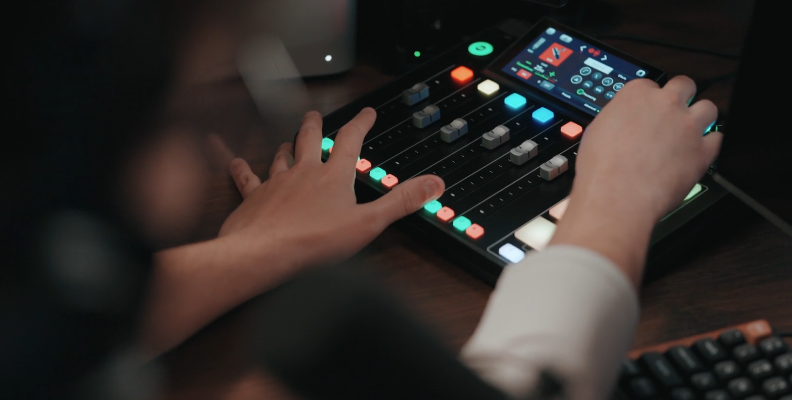
Core tools in the studio include microphones, headphones, mixers, audio interfaces, and studio monitors. These tools ensure that the sound captured and heard is accurate and controlled.
Portable and Field Tools
For capturing interviews, reports, or environmental audio outside the studio, producers use portable recorders, handheld microphones, wind protection, and durable headphones. These tools allow radio professionals to bring real-life environments into their scenes.
Editing Software
Editing software is central to modern production. Pro Tools and Adobe Audition allow producers to shape sound with precision, edit multiple takes, manage volume and signals, and create smooth transitions.
Sequoia by Boris FX is another professional option, often used in broadcast environments for live production, allowing you to record live, while editing and exporting clips. Sequoia is also used for mastering, providing producers with advanced tools and high-end audio restoration to enhance clarity, reduce noise, and achieve superior sound quality.

These programs make it possible to deliver polished, professional audio even under limited time constraints.
Creative Sound Libraries
Music libraries, sound effects collections, and archival recordings help producers build atmosphere and enhance storytelling. They provide ready-to-use audio resources that support emotional tone and provide depth.
Organizational Systems and Resources
Radio production also depends on organizational tools such as production calendars, run sheets, scripts, and communication platforms. These keep the team aligned, maintain clarity during each stage, and support efficient workflows.
Technical Maintenance Tools
Producers also rely on tools for managing files, backing up sessions, testing equipment, and troubleshooting issues. Proper maintenance prevents technical failures from disrupting the production process.
Radio Production Vs Podcast Production

Differences in Structure
Radio follows strict programming schedules, fixed durations, and structured formats, while podcasts enjoy more flexible lengths and creative freedom. Podcasts can be long or short, scripted or casual, dense or conversational, depending on the creator’s goals.
Differences in Distribution
Radio content is delivered live through frequency-based signals, reaching listeners in real time. Podcasts are distributed online, where listeners can download or stream episodes at their convenience.
Differences in Content Approach
Radio must fit into a broader programming strategy that considers station goals, advertising demands, and the general audience. Podcasts can focus on niche topics, allowing creators to serve communities genuinely interested in specific subjects.
Workflow and Production Process
Radio often works on tight deadlines—especially for news, daily shows, or live events—requiring fast editing and immediate turnaround. Podcast creators typically have more time for polishing, experimenting, and recording additional material.
Business and Advertising Models
Radio relies heavily on advertising, sponsored segments, commercial partnerships, and local business involvement. Podcasts may use ads, subscriptions, donations, merchandise, or premium content to support their work.
Shared Skills and Tools
Despite their differences, both formats require strong editing, clear speech, a good microphone setup, and creative storytelling. Both aim to create compelling audio that listeners want to engage with.
Final Words
Radio production is a dynamic blend of creativity, technical skill, and storytelling that allows producers to inform, entertain, and connect with listeners. Whether creating news updates, music programs, radio dramas, or commercials, mastering the fundamentals of planning, recording, editing, and broadcasting is crucial for delivering high-quality audio.
We hope this guide helped you understand the process, and we thank you for reading!
FAQ
How is radio production different than podcasting?
Radio production differs from podcasting mainly in structure and delivery. Radio follows a scheduled programming format, adhering to strict time slots, and often includes live broadcasts with commercials. In contrast, podcasts offer flexible formats, on-demand listening, and more creative freedom in terms of length and style.