


 Bojan Veselinovikj |
December 11, 2025
Bojan Veselinovikj |
December 11, 2025


Mixing and mastering are often mentioned together, but they’re actually two very different parts of finishing a song.
Mixing is where you shape the sound, balancing instruments, adjusting levels, and adding effects so everything fits together nicely.
Mastering comes after, giving the final version of the mix that last bit of polish and making sure it sounds great on any system, from headphones to car speakers.
Understanding how these stages work and why they matter can make a drastic difference in how professional your music sounds.
In this guide, we’ll break down what mixing and mastering really are and how they work together, so without any further ado, let's get into it!
What is Mixing?
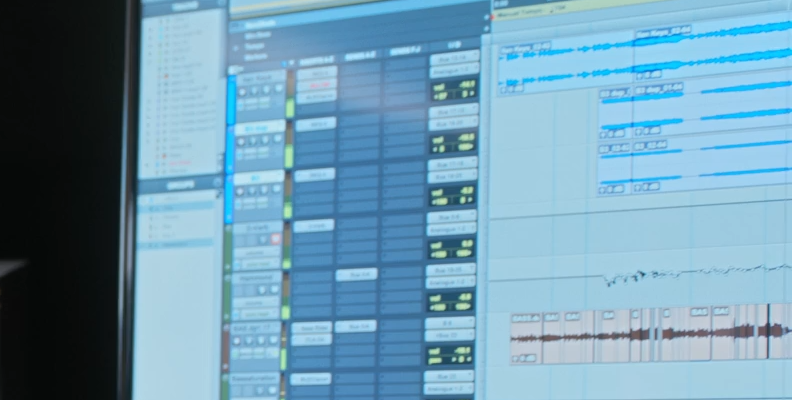
Mixing is an essential stage in music production where all the individual tracks of a composition come together to form a cohesive whole. During the mixing process, a mixing engineer works on balancing individual instruments, adjusting volume levels, shaping the frequency range, and adding effects such as reverb. These adjustments allow each track to occupy its own space and help the whole mix sound up to standards and professional across different playback systems. The goal is to make the song sound good, giving each instrument clarity while contributing to the overall sound of the whole song.
A mixing engineer focuses on multiple tracks, ensuring that every element contributes to the final mix without overpowering other instruments. Balancing individual instruments includes managing the low end, midrange, and high frequencies so that vocals, guitars, drums, and other instruments do not clash. Panning and stereo placement also help create a stereo track where each part can be heard distinctly. By carefully shaping the track sound of individual elements, a mixing engineer can transform a bad mix into a good mix that sounds great.
The mixing stage is both technical and creative. In addition to adjusting levels, engineers may apply subtle broad strokes and creative effects to enhance the song’s energy and emotion. Reverb can provide depth and space, while compression evens out dynamics. The engineer’s decisions help turn many tracks into a cohesive whole that sounds professional. Even in a home studio, careful attention to balancing individual instruments and elements can make a song sound great across all speakers.
Fresh ears are important in the mixing process. After long hours, it is easy to lose perspective. Taking breaks or asking for a second opinion allows the engineer to hear the entire mix with a fresh perspective. This helps ensure that all individual tracks contribute effectively to the overall sound and that the song translates well across various playback devices. A good mix highlights every instrument while maintaining clarity and cohesion, creating a solid foundation ready for mastering.

Mixing also involves thinking about the role of each instrument within the song. Each track should support the composition, whether by carrying the melody, adding rhythm, or filling out the space. Proper balance ensures that the entire song forms a cohesive whole while individual elements retain their identity. By shaping the frequency spectrum and adjusting volume levels, engineers can create a track that is engaging, clear, and professional. Subtle creative effects can enhance the track without overwhelming the listener.
In addition, mixing requires skill in using tools and understanding the production process. Adjustments in the frequency range, low end, panning, and reverb can all influence how the track sounds. The mixing engineer considers both the technical and artistic aspects to create a stereo track that represents the intended sound of the song. A well-executed mix ensures that the final version of the song after this process sounds great and forms a strong foundation for the mastering stage.
In short, mixing is where individual tracks become a unified, polished composition. By balancing individual instruments, applying creative effects, adjusting the frequency spectrum, and shaping the overall sound, the mixing engineer transforms multiple recordings into a song that sounds and feels professional. The mixing stage sets up the final stages of music production, ensuring that the whole mix is clear, cohesive, and ready for the mastering process. With careful attention and a fresh perspective, mixing turns a collection of raw tracks into a composition that sounds good on all playback devices and satisfies both the artist and the listener.
What is Mastering?
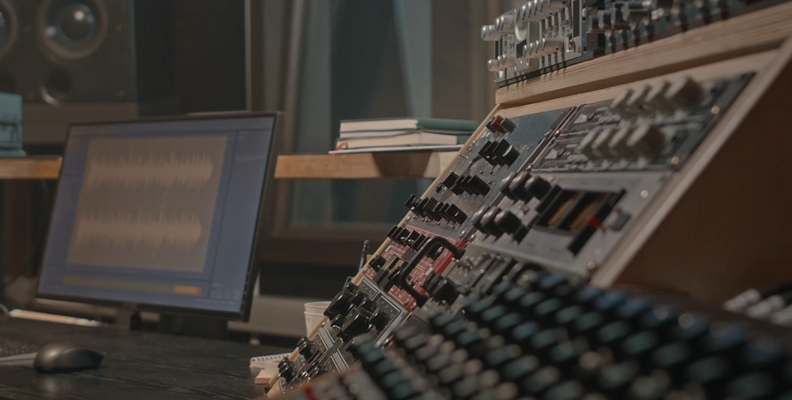
Mastering is the final stage in music production and happens after mixing. While mixing focuses on individual instruments and numerous tracks, the mastering process works with the entire mix in a stereo track to prepare it for distribution. The mastering stage ensures that the final mix sounds professional and polished across all systems for playback, whether it is headphones, car speakers, or studio monitors. Mastering ensures that the composition translates well and that the entire song feels cohesive and balanced.
A mastering engineer works primarily with the stereo file rather than individual tracks. Their role is to refine the sound overall, applying subtle broad strokes such as gentle compression, equalization, and limiting. These adjustments improve clarity, balance the frequency range, and control the low end. Even minor changes can make the final version of the mix sound great, ensuring that all elements contribute to a cohesive whole.
The difference between mixing and mastering lies in perspective and scope. Mixing addresses tracks individually and how they interact, while mastering looks at the song as a complete piece. Mastering engineers listen with fresh ears to detect issues that might not have been noticed during mixing. A second opinion or a fresh perspective can help ensure the song sounds good on different playback devices and in various listening environments.
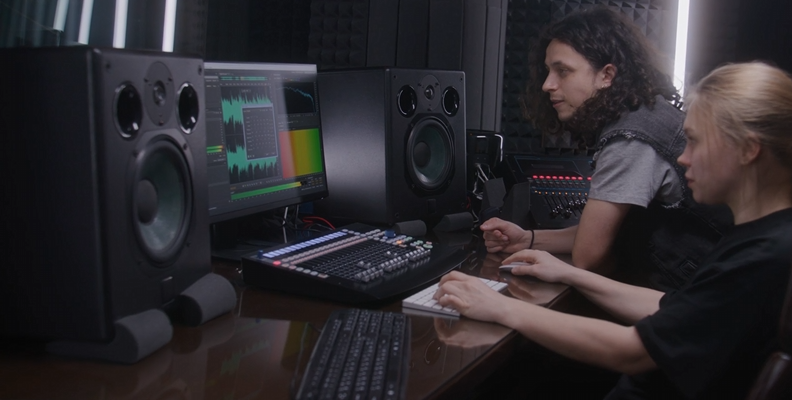
Mastering is not about fixing a bad mix. Its purpose is to enhance a good mix and apply finishing touches that make the final product sound up to the industry's standards. Adjustments in volume levels, frequency balance, and subtle creative effects refine the stereo track without changing the character of individual instruments. The mastering stage ensures that the whole mix feels polished, cohesive, and capable of sounding up to standard and professional in any context.
Part of mastering involves preparing the song for distribution. The mastering engineer ensures the file meets technical requirements for streaming platforms, CDs, or vinyl. This includes managing peak levels, maintaining dynamic range, and achieving consistent tonal balance. A well-mastered track is competitive in the world of music production and provides a high-quality listening experience, regardless of where it is played.
Even subtle adjustments during mastering can make a composition feel more cohesive. Stereo widening, slight compression, and gentle equalization enhance the overall feel and sound while allowing individual instruments and vocals to shine. Mastering ensures that the latest, most refined mix highlights every element, producing a polished track that sounds great across different playback devices.
Mastering is essential for ensuring consistency when multiple songs are part of an album or playlist. Volume levels, tonal balance, and dynamics are adjusted to maintain a similar quality and energy across all tracks. This separate process helps listeners enjoy a smooth, professional experience from one song to the next.
Even in a home studio, mastering can elevate a good mix to professional quality. While mixing focuses on balancing individual elements, mastering works with the completed stereo file to refine the track's sound. It ensures that the entire song is polished, clear, and cohesive. The mastering process is the stage and an opportunity to give a composition its finishing touches and prepare it for release to the world.
In short, mastering is the stage where a song reaches its full potential. It is a separate process that brings balance, clarity, and polish to the final mix. While mixing emphasizes individual instruments and creating a good mix, mastering ensures that the entire mix sounds professional, cohesive, and ready for distribution. Together, mixing and mastering transform recordings into compositions that sound great, consistent, and satisfying across all systems on which your track will play.
What's the Difference Between Mixing and Mastering?
Although they often get mentioned together, mixing and mastering serve very different purposes in the music-making process. Mixing focuses on shaping all the separate parts of a recording into a single, balanced piece. It’s where vocals, drums, guitars, and other instruments are blended, adjusted, and refined until everything works together as one. Mastering, on the other hand, is about taking that finished mix and preparing it for release—making sure it sounds great everywhere it’s played.
You can think of mixing as painting the picture and mastering as framing it. During mixing, the engineer adjusts volume, space, and tone to make the performance come alive. Once that stage is complete, the mastering engineer steps in to polish the overall feel and sound, making subtle tweaks that ensure consistency and clarity across all playback systems.
The two processes share the same goal: to make the music sound its best. However, they operate on different levels. Mixing deals with the details—the placement of instruments, use of effects, and balance of frequencies—while mastering looks at the whole song as a single, complete piece. Mixing happens early in the production process, and mastering comes in the final stages before the track is ready for distribution.
A good way to picture the difference is by considering how much control each stage has. Mixing allows adjustments to every instrument and vocal individually, but once mastering begins, the engineer works with a single stereo file. That means any changes must be subtle and broad, focused on the overall feel rather than specific elements.
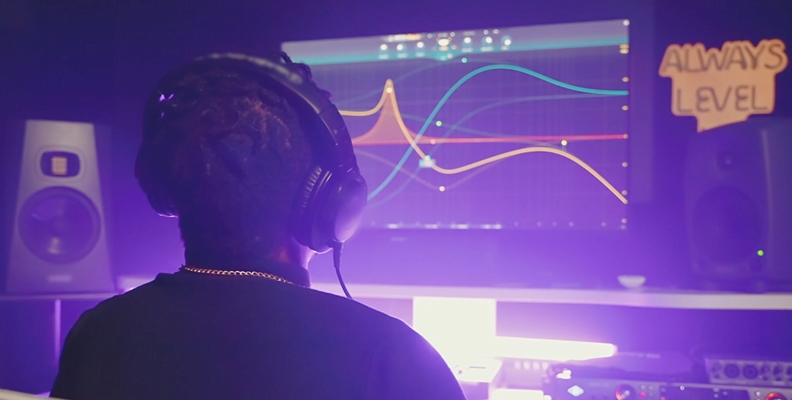
Another major difference lies in perspective. Most people often want the mixing done by someone deeply involved in the production, while mastering benefits from a second set of ears that can hear the music more objectively. This fresh perspective helps catch issues that might have gone unnoticed during mixing, ensuring the finished song sounds consistent and professional, no matter its genre or where it’s played.
In short, mixing and mastering are separate but equally important parts of music production. Mixing builds the foundation, shaping how the instruments and vocals fit together, while mastering provides the final polish, making sure that the whole song sounds cohesive and ready for the world to hear. Both stages require technical skill, a good ear, and a deep understanding of how sound works—but together, they turn recordings into music that truly connects with listeners.
Best Mixing and Mastering Tools
When it comes to getting a professional, balanced sound, the tools you use can make a huge difference.
While skill, patience, and a trained ear are the most valuable assets in any studio, the right software can streamline your workflow and help you achieve clarity and precision in both mixing and mastering.
There are dozens of digital audio workstations (DAWs) and plug-in suites available today, but a few stand out for their sound quality, flexibility, and overall reliability. Below are three excellent choices that have become trusted favorites among engineers and producers at all levels.
Samplitude

Samplitude is a powerful all-in-one solution for recording, editing, mixing, and mastering. It has long been respected for its clean sounding audio engine, precise editing tools, and efficient workflow.
Unlike many DAWs, Samplitude doesn’t just handle mixing well—it also includes a comprehensive mastering suite built directly into the program. This makes it an excellent choice for anyone who prefers to complete the entire production process within a single environment.
What makes Samplitude particularly impressive is its object-based editing system.
Instead of applying effects or processing to a full track, you can apply EQ, compression, or reverb directly to individual clips. This allows for incredible precision and saves time that might otherwise be spent automating small sections. The built-in effects are transparent and high quality, suitable for both corrective work and creative enhancement.
In addition to its mastering suite, Samplitude offers detailed metering, spectrum analysis, and loudness measurement tools that rival many standalone mastering applications.
You can monitor the dynamic range of your project, balance the stereo field, and ensure that your mix meets professional loudness standards before exporting.
For engineers who prefer an all-in-one workflow—where recording, editing, mixing, and mastering happen under one roof—Samplitude is a complete and dependable choice.
If you'd like to go even deeper into mastering, check out Sequoia for even more tools to assist in the mastering process.
Ableton Live

Ableton Live has earned its reputation for being one of the most flexible and inspiring DAWs on the market. While it’s often associated with electronic music and live performance, it’s also a capable platform for detailed studio work. The interface is streamlined and intuitive, which helps you focus on the creative side of the process without getting lost in menus or technical details.
For mixing, Ableton offers precise control over gain staging, panning, and automation. Its native EQs, compressors, and limiters are clean and easy to use, and they respond musically, which is perfect for shaping the tone of your instruments or vocals.
The Session and Arrangement views make it simple to experiment with structure or layer new sounds, while still keeping control over the technical aspects of your mix.
When it comes to mastering, Ableton may not have as many built-in tools as Samplitude, but its flexibility makes up for it. You can use a combination of its stock plug-ins and third-party tools to achieve professional results.
Features like real-time frequency analysis, mid-side processing, and parallel compression make it a versatile choice for engineers who prefer a modern, hands-on approach.
For producers who enjoy a creative workflow and like to blur the lines between sound design, mixing, and mastering, Ableton Live provides an ideal balance of structure and freedom.
Steinberg Cubase

Cubase has been a cornerstone of professional studios for decades. Known for its rock-solid stability and detailed editing capabilities, it remains one of the most refined DAWs available. The program’s design encourages efficient workflow, helping engineers stay organized while managing complex projects with many tracks and effects.
Cubase shines in the mixing stage. Its channel strip system includes EQ, compression, saturation, and limiting, all built directly into every track. This means you can do most of your processing without adding dozens of separate plug-ins, which helps maintain CPU efficiency and consistency across your session.
The automation system is also highly responsive, allowing you to make detailed adjustments that bring your mix to life.
For mastering, Cubase provides high-resolution metering, precise gain control, and support for multiple file formats, making it suitable for finalizing projects of any scale. Whether you’re mastering a single track or an entire album, you can manage loudness, dynamics, and stereo width with the accuracy expected in professional studios.
Cubase’s flexibility makes it a top choice for both musicians working in a home studio and engineers handling large-scale productions.
Final Words
That concludes our guide on mixing versus mastering, the key differences between them, and how and why they're often considered very similar yet are two very distinct processes.
Hopefully, this guide helped you learn more about these two processes, and if you are an aspiring music producer, we'd be more than happy if this helped you improve your future work.
We wish you the best of luck, and thank you for reading!