


 JG McQuarrie |
February 12, 2026
JG McQuarrie |
February 12, 2026


When you start to learn about the production process, it's important to understand what it is you're getting into. Frequently, audio production and music production are terms that get thrown around and used interchangeably, but they are not the same thing.
So, what are they? What's the difference between them?
What is Audio Production?
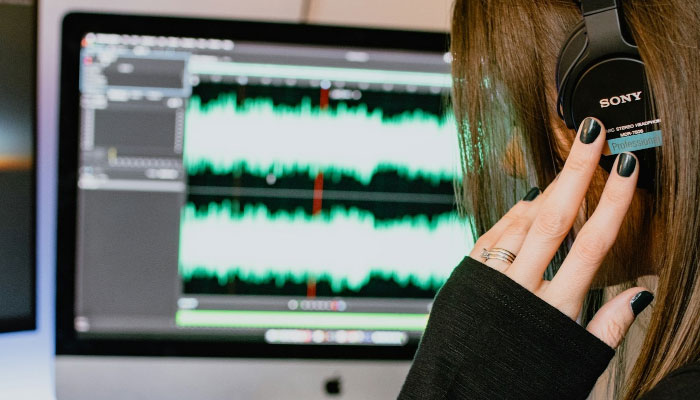
In the simplest possible terms, an audio producer is the person responsible for capturing sound. They then take that sound and work on it to produce the best possible recording. However, the important distinction here is that audio production can be any sound, not just music.
If you listen to a podcast and you think of how clear and easy to hear the voices are, that's because an audio producer has worked to get the hosts to sound as good as possible. If you watch a vlogger on YouTube and marvel at how clear they sound on a windy day, that's because audio production techniques have been applied to the sound. Sound effects, Foley, and background noise in films and TV fall into this category as well.
An audio producer will also usually be the person responsible for ensuring the right audio equipment gets used, the correct microphone is being recorded, and all the other technical aspects of the recording process. This can be highly technical in nature, both in terms of the technology used and the technical understanding of how sound works and how best to capture it.
Ultimately, music production focuses on the artistic and creative aspects of creating a song, like arranging and composing, while audio production is a broader term that encompasses all aspects of sound recording and manipulation, including post production, sound design, and live sound for TV and film.
What is Music Production?
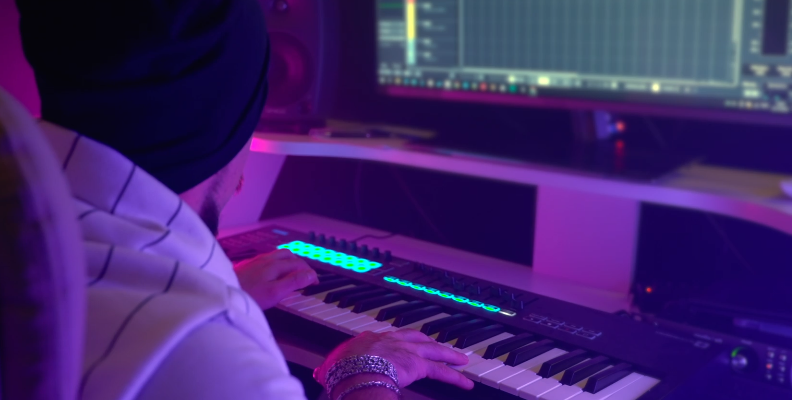
Music production is the art of taking a song or track, recording it, and getting it to sound as good as it possibly can in the way that the artists or performer wants.
This can take many aspects, from ensuring that you get the best performance possible from the band or artist, to ensuring that the arrangements and assembly of the track are correct, making sure everything sounds the way it's meant to, mixing and mastering the final track, and much more.
The creative aspects of making music are a key aspect of music production. A music producer will usually oversee the recording of the track in a recording studio or other environment and carry that process through until a final, complete track is finished.
This requires a skillset that certainly overlaps with audio production but is also distinct from it. A music producer will also have to understand recording equipment, for example, but this may be very different from the types of equipment an audio producer uses. Similarly, both will use DAWs (Digital Audio Workstations) to produce their final results, but in different ways.
Music production is focused on the goal of producing the best-sounding music possible.
Audio Production vs Music Production: Key Differences
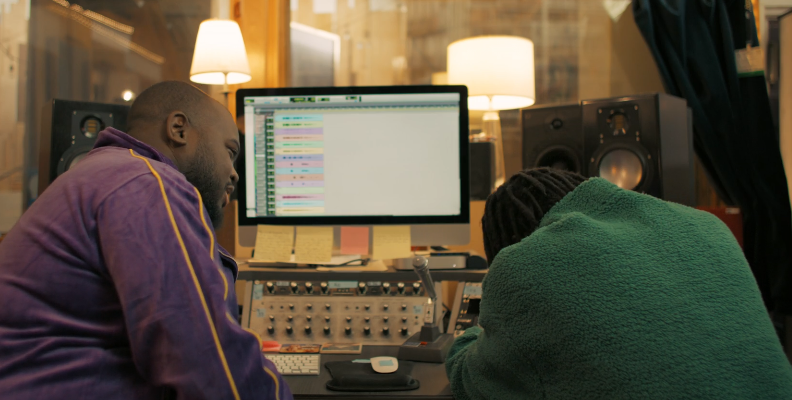
As should be clear from this, there are several key differences between audio production and music production.
Main Goals
The main goal of audio production is to capture and record any sound and make it sound as good as it possibly can. The main goal of music production is to take music, record it, and get the best final track possible.
However, the overlaps between the two are important to bear in mind. Sound mixing, for example, is a key component of both audio production and music production. In audio production, imagine you record someone speaking outside, where you can hear traffic, birdsong, or other sounds.
When it comes to mixing your recording, you want to ensure that those elements are kept to a minimum - enough to provide ambience but not drown out the person who is speaking. In music production, you want to ensure that your instruments and vocals work together to create a cohesive whole.
Both of these require sound mixing (and sound design) but work in different ways to support the main goals of each task.
Types of Project
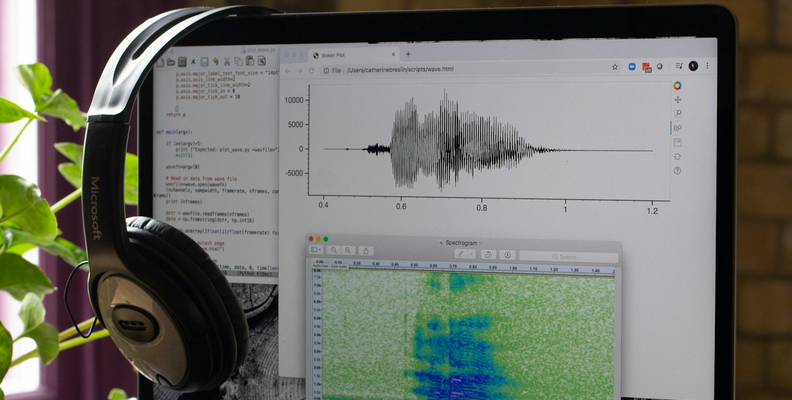
Music production is focused on one type of project only - producing music. That might seem obvious, but it still encompasses a huge range. After all, producing the latest hip hop beats is going to require very different technical knowledge and aspects from producing the latest coffeehouse classic.
The skills required for a music producer can range massively, but there is always one main component, which is the recording of actual music. That can be in a music studio, recording an act live, or the very act of writing a song itself, but it's always about the music.
The type of project that an audio producer works on can vary wildly. It could be the sound effects for a blockbuster movie, or it could be two people recording a chat show. It could be a podcaster or vlogger. You might work at a radio station, ensuring your DJ sounds perfect.
Audio engineers fall into this category as well, understanding the best recording studio environment, the best equipment to be used, and how sound itself works.
Skills Involved
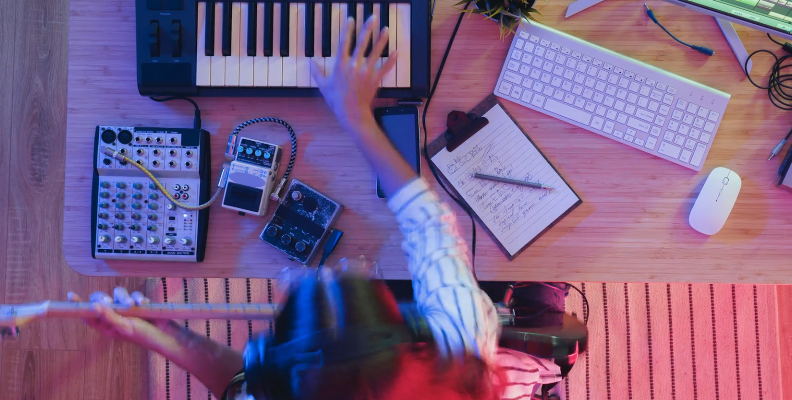
While there are clearly overlaps between audio production and music production, as well as between a music producer and audio engineers, there are some areas where specific knowledge is required.
For example, audio engineers tend to be very driven by the technical aspects of equipment, sound, and audio in general. Being tech literate is a must for audio engineers as well, and having a good eye for detail and understanding how that impacts the recording of any sound are key skills to have and hone.
A music or record producer will have some of those skills as well. A good music producer will have excellent sound editing skills, just as an audio engineer (and a recording engineer) will have, and they will also have a keen ear for detail.
However, their focus will be primarily on music making - anything from understanding musical theory to beat making to understanding song structure.
They will also work within the music industry, whereas someone working in audio production might work for a radio station, TV company, or film production company.
Tools Needed For Each Field
Any good music producer or audio producer will need a range of tools to help them deliver the best results possible.
Samplitude $25 p/m $195 permanent license OS: Windows
Whether you're recording or mixing, producing or mastering, Samplitude is a fantastic DAW to cover pretty much anything a music producer could possibly need to do, and then some.
Samplitude is an all-in-one package, covering every aspect of recording, producing, and mastering with a clear, easy-to-understand interface that can be picked up in no time at all. Automation, in particular, is made simple and precise, with fine control and detail allowing any amount of creative control over your work.
There are plenty of virtual instruments included too, so whether you need a perfect drum break, an elegant string section, or a classic synth, you'll find it here.
There's also all the mixing and mastering tools you would expect, including compressors, limiters, EQs, and so much more. Samplitude really is the entire package.
Logic Pro $12.99 p/m $ 199.99 permanent license OS: macOS / iPadOS
Logic Pro is a Mac-only DAW, but if you're looking for a piece of software that's a great all-rounder, then it's an excellent choice. That's especially true if you want audio production to be your speciality.
Logic Pro has a great range of audio production tools and puts them all at your fingertips in a way that will be easily learnable to anyone used to working on a Mac. While Logic Pro is no slouch as a software recording studio, its broad range of tools makes it ideal for audio production.
There are some really great audio restoration tools available, which are ideal for cleaning up speech and audio other than music, and they're powerful enough to make a real difference to the recorded audio, no matter how bad the original was. Logic also benefits from utilizing Mac hardware to its fullest, so you don't need to worry about system overhead when working.
For audio engineers looking for a powerful package with a fantastic range of tools, Logic Pro is a great choice.
CrumplePop $19.00 p/m $599.00 perpetual pro license
If you're really serious about being an audio producer, you're sometimes going to need the best, and when it comes to audio restoration, nothing tops CrumplePop.
CrumplePop consists of both a range of plugins that can be added to any DAW, as well as a standalone SoundApp. Both allow near-magical levels of audio restoration. No matter how badly someone has been recorded or how much noise has been captured, the CrumplePop range of plugins will have something to bring your audio back to life with clarity and precision.
Of particular note is Voice Enhance, which can immediately improve the quality, clarity, and depth of any recording. Whether you've recorded audio in a howling gale or in front of a 12-lane highway, CrumplePop will have something to make your recording sound pristine.
If you're serious about being an audio producer, there really is no better suite of tools than CrumplePop.
Pro Tools $199.00 per Year OS: Windows / Mac

If you're looking to develop your skills as a mixing engineer, look no further than Pro Tools. It's a venerable piece of software that can be found in recording studios around the world, but for mixing and mastering, it's a great option.
Its range of mixers is intuitive and simple to understand, and can work with both software and hardware mixing consoles, giving you ultimate control at all points during the recording and mixing process. Pro Tools also has powerful automation, meaning you can refine everything you want to do in an intuitive but controlled way.
While mixing is great on Pro Tools, it's also fantastic for mastering as well and has all the tools you could ever need to make your final production sound perfect, whether it's audio production you're working on or composing a chart-topping classic.
Pro Tools is a powerful, excellent piece of software and cannot be recommended enough.
Final Words
Whether you're a music producer trying to capture the perfect performance from an artist or an audio engineer trying to get the best sound possible, it's important to understand not only your own role but also how your role overlaps with others. A great music producer can still make an excellent audio engineer, and audio engineers can still make great music producers.
Understanding the differences and the similarities between these roles and what they want to achieve can help you best decide what you want to be yourself.
FAQ
Is Audio Production the Same as Music Production?
No, audio production and music production are not the same thing. Audio production is the process of recording, producing, and getting the best sound possible from any recorded sound, including speech, sound effects, and background sound.
Music production is specifically involved with the recording and production of music and can encompass anything from songwriting and music theory to finishing off the final track via mixing and mastering.
What DAW is Best for Beginners?
There are a number of excellent DAWs on the market for the beginner music producer, and choosing one can help you really come to grips with your project, whether that's audio production or music production.
Get started with composing, recording, mixing, and mastering your own songs with Music Studio, a fully featured beginner-friendly DAW. Music Studio is great starting point includes most plugins, tools, and workflows you'll need.
Ableton Live is a great starting place for any new music producer. It has a wealth of features that make both music and audio production easy to learn without compromising on quality.
Audacity is also a good DAW to consider. It's completely free but has a wide range of tools, effects, and processors for any budding audio or music producer to hone their skills on before deciding on what professional package to splash the cash on.
And if you're a Mac user, GarageBand is also a really good tool to learn your skills on. It's also free but still allows you to learn everything you need to, and is a good all-rounder, allowing both audio production and music production abilities to be developed.