


Hamnet
Editor Affonso Gonçalves discusses, co-editing with Oscar-winning director Chloe Zhao, the power of elliptical editing, and the value of cutting to black.


Today on Art of the Cut we speak with Affonso Gonçalves about editing Chloe Zhao’s Hamnet.
Affonso has been on Art of the Cut previously for Don’t Worry, Darling. Affonso has been nominated for an Emmy and won an ACE Eddie for his work on the TV series True Detective.
He was nominated for another ACE Eddie for his work on the documentary, The Velvet Underground. His other work includes the films Carol, The Lost Daughter, Beasts of the Southern Wild, and Winter’s Bone.
Affonso, thank you so much for joining me. The last time we spoke was for Olivia Wilde’s Don’t Worry, Darling.
Yes. Thank you so much for having me. That was great. That was a while back.
Did Olivia tell Chloe, “I know this great editor.”?
Actually, I know Chloe from the Sundance Lab from a few years back. We do have a lot of filmmakers, directors that I’ve worked with, that are friends with Chloe.
We both knew one another and kind of wanted to work together. Before, we couldn’t happen, but this time I was free and she sent me this script. I said, “Yeah, definitely! I want to work with you.” But we’ve been on each other’s radar for a while.
This is based on a book. Did you decide to read it before you started editing?
I bought the book when I got the job, then I read the script. Because there are a lot of things that are different between the script and the novel, I felt like I don’t want to really change my view of what was supposed to be.
I just want to focus on the script. I ended up finishing the novel afterwards, but before I did the film, I tried to focus on the script.
Have you had other films that have been based on some other IP, that you decided you would read it or wouldn’t?
Last year, actually, this film in Brazil called I’m Still Here was based on a true story. The film was based on a book, and I decided, “No, I don’t want to read it. I just want to read the script.”
Eventually I read the book, but I like to just focus on the script because that is specific to the way the story is going to be told.
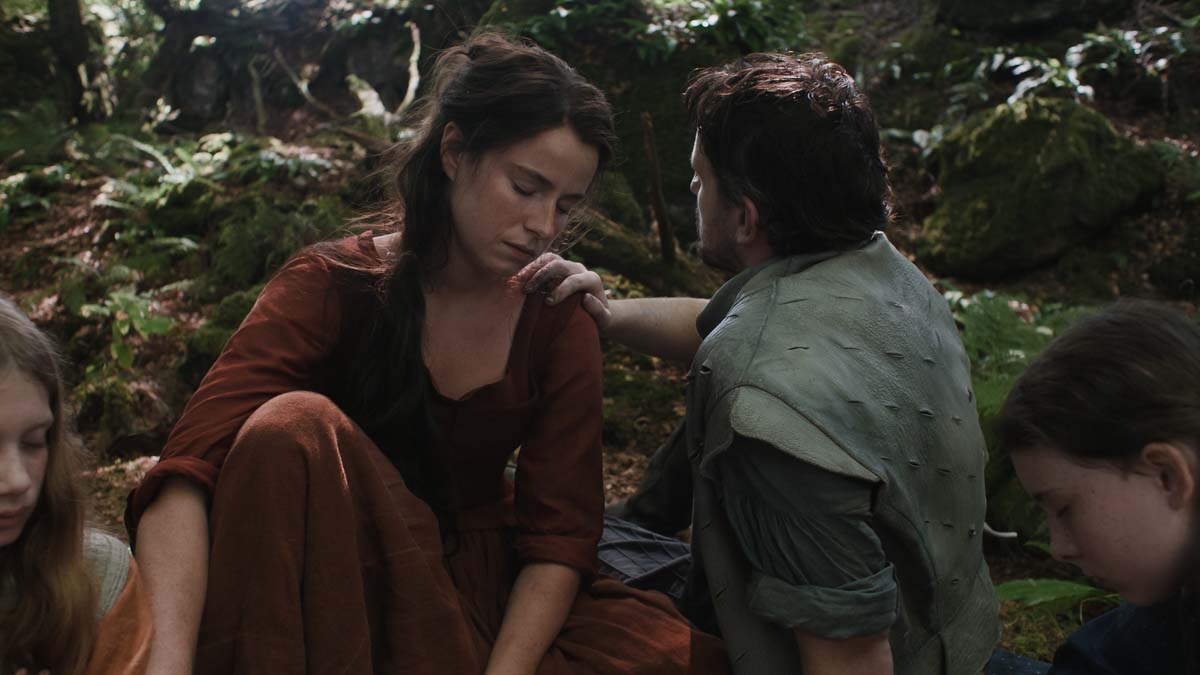
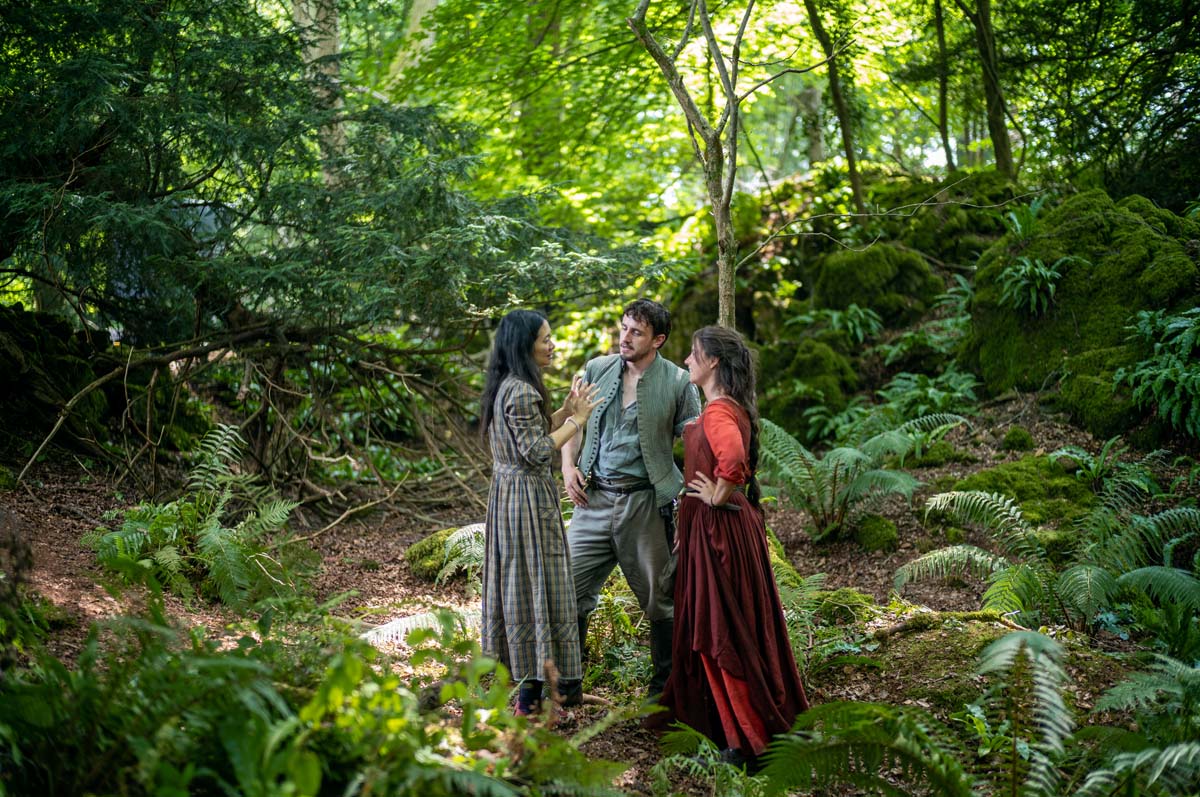
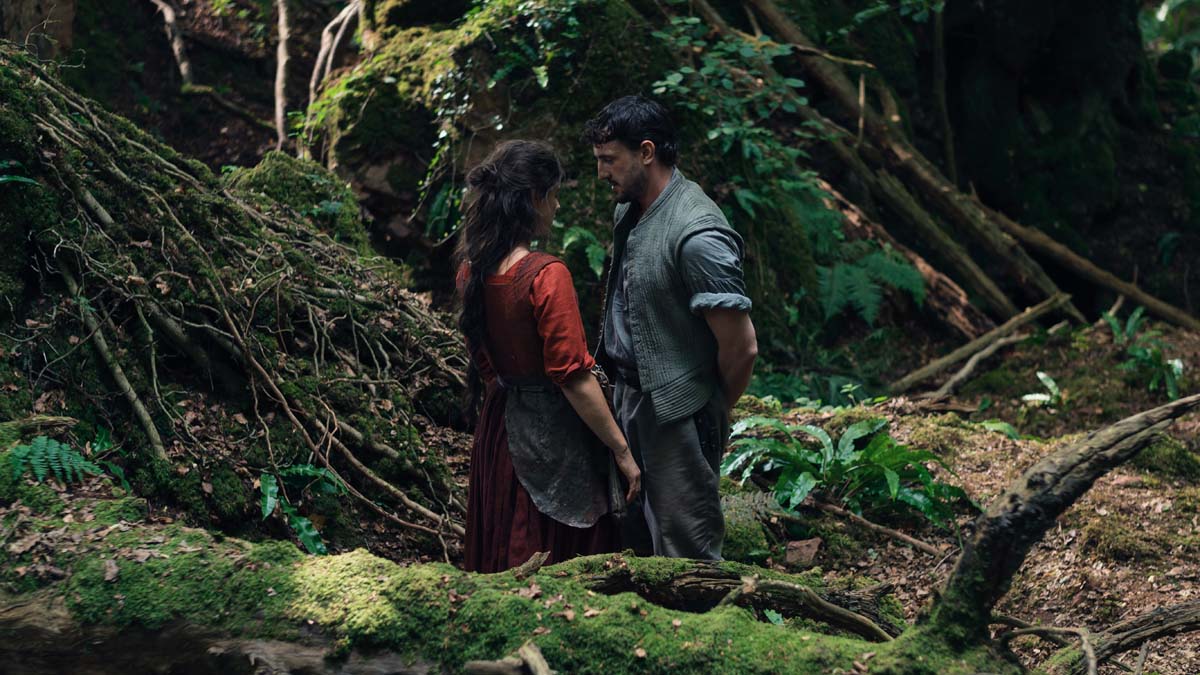
There are a bunch of jump cuts in the forest scene, after Will tells the story about trapping Eurydice in the underworld, and there’s some other non-linear edits in there. Can you tell me what the value is of those kind of edits?
With the elliptical editing in the film, I think the nature of their relationship just sprouts in such a really amazing and quick way. I think we wanted the edit to be fun… playful. They are running around telling stories.
They’re getting close together. It feels like time is being compressed because they’re just falling in love so quickly. We had this sound that is not really matching what they’re saying on screen. We had them jump from this place to another to another - that energy.
I think you need help with that courtship. You need to know how quickly they fall in love and how deeply that love is.
It’s the idea that when you’re having a good time - when you’re in love - then time goes fast. And when you’re not, time goes slowly.
Exactly. That’s it.
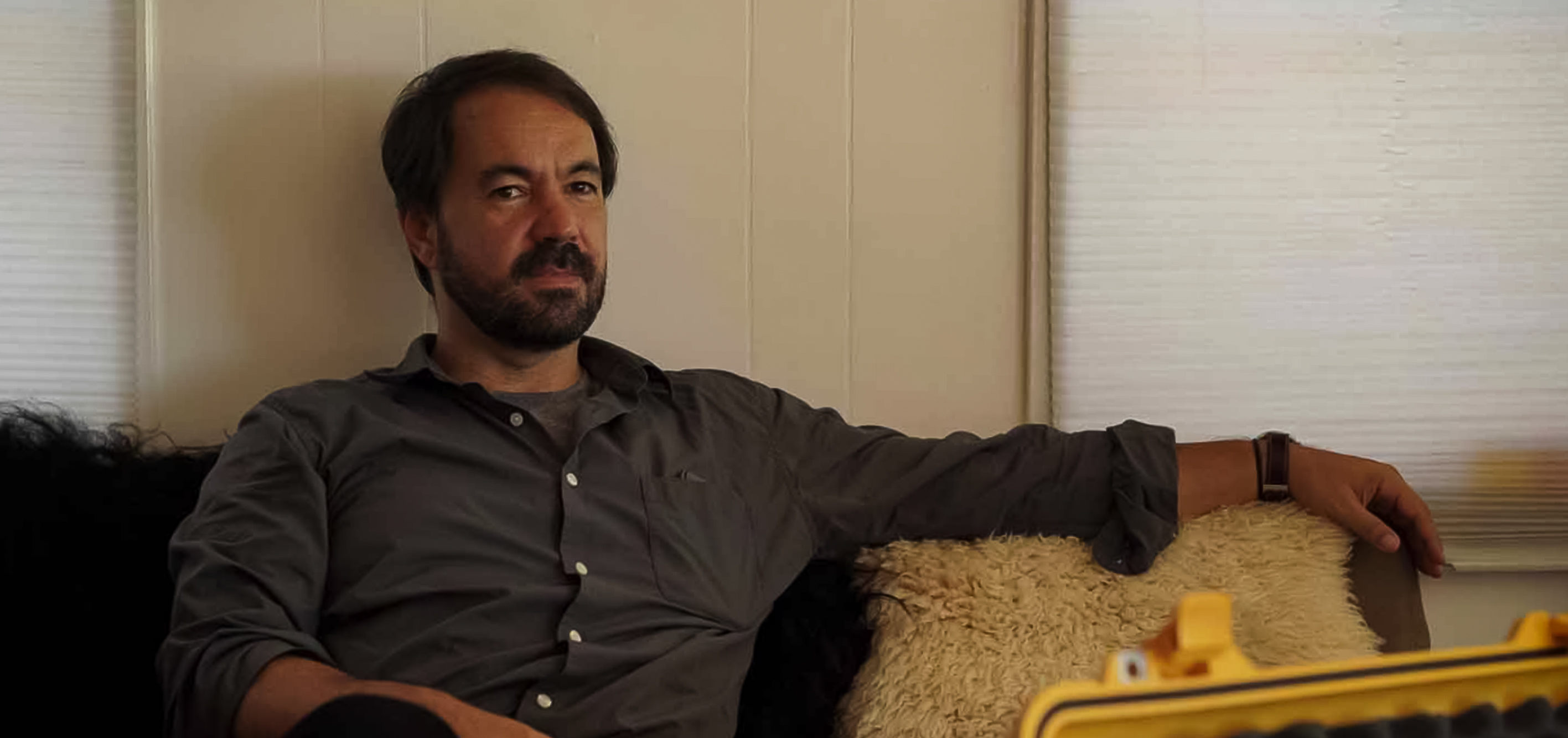
Editor Affonso Gonçalves
You mentioned that you were cutting this with, Chloe. Chloe Zhao is your co-editor on the film. Tell me how that collaboration went, since she’s the director as well.
It went really, really smoothly. Basically, before I took the job, Chloe said, “The way I like to work is that I shoot my film, then I take a little break, then I’ll edit the film, then you come in.”
I said, “Perfect.” We have a mutual friend, a director that I’ve worked with before, and that’s the way I deal with him. The exact same way. So I was familiar with that concept, so I just said, “Yeah, let’s do it this way.”
She finished the film shoot in two weeks. She cut the whole film, and she said to me, “Don’t watch any film. I want you to come in completely free. I want you to watch the film as if you’re watching the film as the first time audience.”
And that’s how I did it. I came in in January to London, and I watched the film by myself, then I watched a few more times, then we had a conversation. I had some notes and I had some ideas. She said, “Just go for it. Do your own path.” And that’s what I did.
She finally joined me. I had an editing room. Chloe had an editing room. Most of the time I worked with her in her editing room, but there were times she said, “I want to try something.” and she just did it. And sometimes I would say to her, “I want to try something.”
And I just did it. It became this back and forth to the end. It was super easy, mainly because we’re on the same page about performance and pace and the ideas of the silences, which ire super-important.
It was a fun experience because the first time you work with a director, especially when the director is the writer and editor, you never know.
But we just clicked. We had the same principles, the same ideas. The way we approach the footage, the amount of time we watch footage, over and over and over again. We knew that footage backwards and forwards.
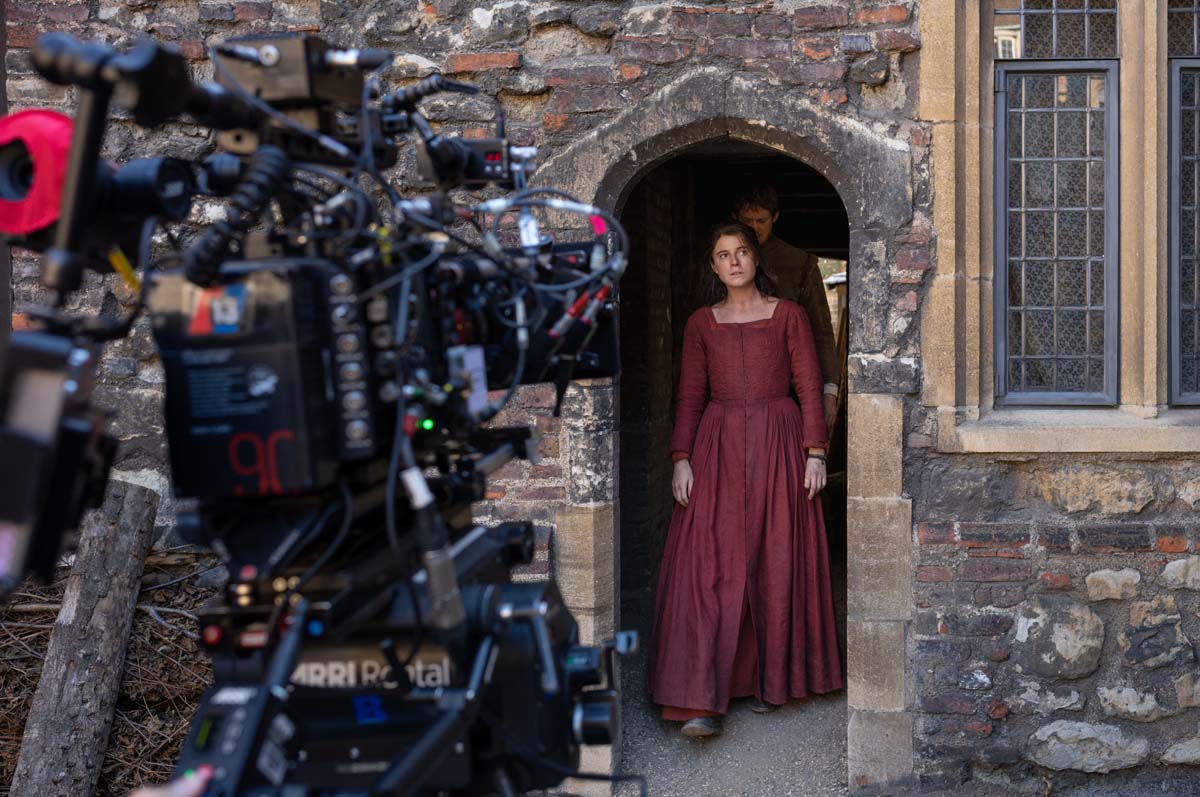
So you weren’t on as an editor during the shooting at all?
I was not. No.
How long did that take? You said January, but I wasn’t quite sure when the shooting was.
Maybe she took three weeks to a month to do her first part or the assembly. Then when I came to London, we worked on film cutting, mixing about five months.
The opposite of the elliptical non-linear editing are the scenes played as oners, or almost as oners. There’s a writing scene when the baby is crying. I believe it’s all in a wide oner. Was there coverage of that?
No. This film was built by Chloe on Paul and Jesse and their relationship. Chloe worked so much with the two of them - and their performance is so spectacular - so there are certain scenes in the film that Chloe designed to be that way: “Let’s not cover. Let’s just exist and see what happens between the two of them.”
There was a scene - it’s kind of wide shot after Hamnet had died and Will says, “I’m going to go back to London.” She says, “Go.”
Then as he gets up from the table, she tries to hit him and he flinches and he grabs her. It was very physical. Paul had no idea she was going to do that. Jesse, just did it! Those type of things for me were incredible.
But you’re talking about the scene where he’s writing and the baby’s crying and he’s drunk. There was no coverage.
There was a little bit of coverage on the back that you see when Agnes is waking up, but with a scene like that, you can hold on it because they’re so great.
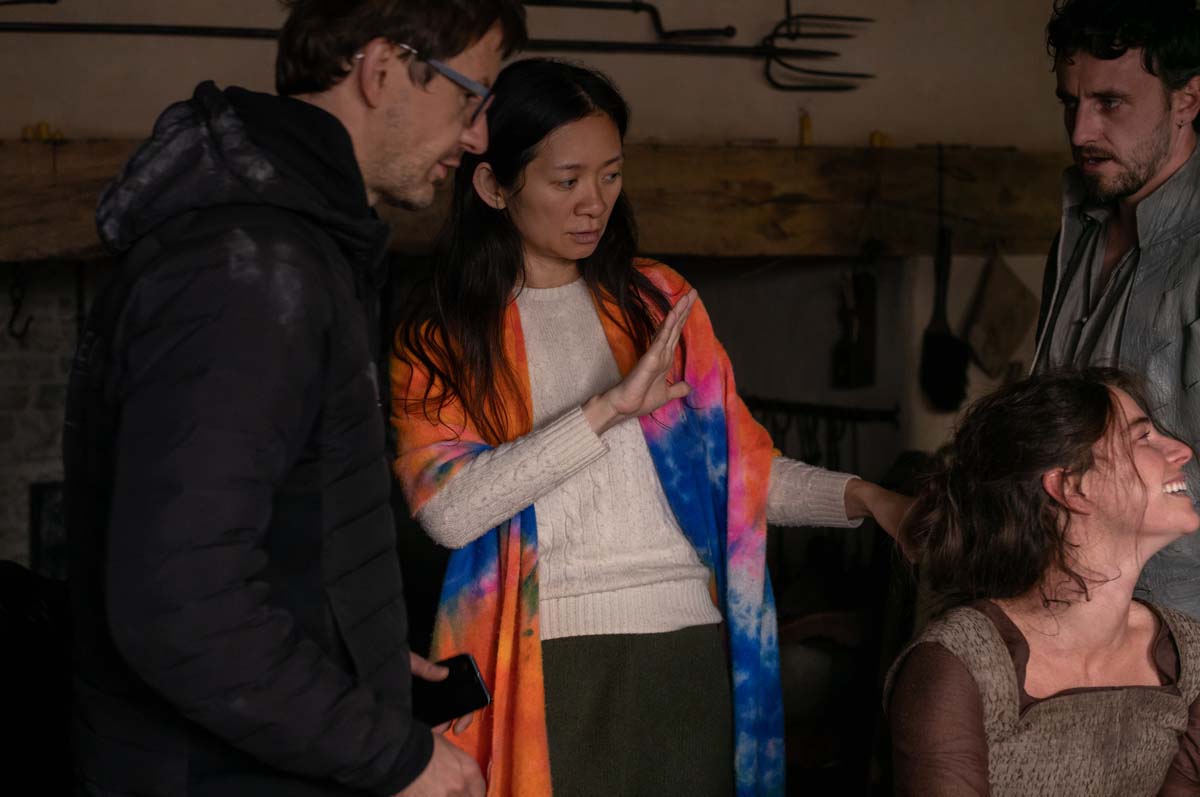
Director/editor Chloe Zhao
Do you think there’s any other value in not cutting?
When you don’t cut, it creates tension because you don’t know when and if it’s coming.
I think it’s also comes so much from Chloe - the way she directs stuff. She likes those shots that you can hold because there’s so much life happening on the frame in front of you. It’s just great to know that you can just hold and the performance is going to do all the work.
There is a cut to black after the birth of the twins. There are also a few others in the film. Can you tell me the purpose of a cut to black?
Cutting to black is almost like a chapter marker. Chloe and I would discuss the length of those black sections because those are super important. Usually it is the same length every time that happens. It’s a turning point in the movie.
Every time it happens it puts you in a position to - even for that split second - you have to think about what just happened. You give the audience a little time to breathe, you kind of recharge and start again. And you don’t know what’s coming next, so it kind of interrupts the flow.
But it creates tension because you don’t know - on the other side of the black - what is coming on the other side of the black.
We found it kind of liberating to have that as a tool - not just keep flowing, flowing. We really enjoyed that. We tried different places and most of the places that we tried it, it stuck. It just worked so well.
You mentioned earlier in the interview – tangentially - the breaths and the silences that are in this film. Can you talk about some of those places where there were silences and what the value of that is for the storytelling, for the pace, for the audience absorbing things? Why have these silences?
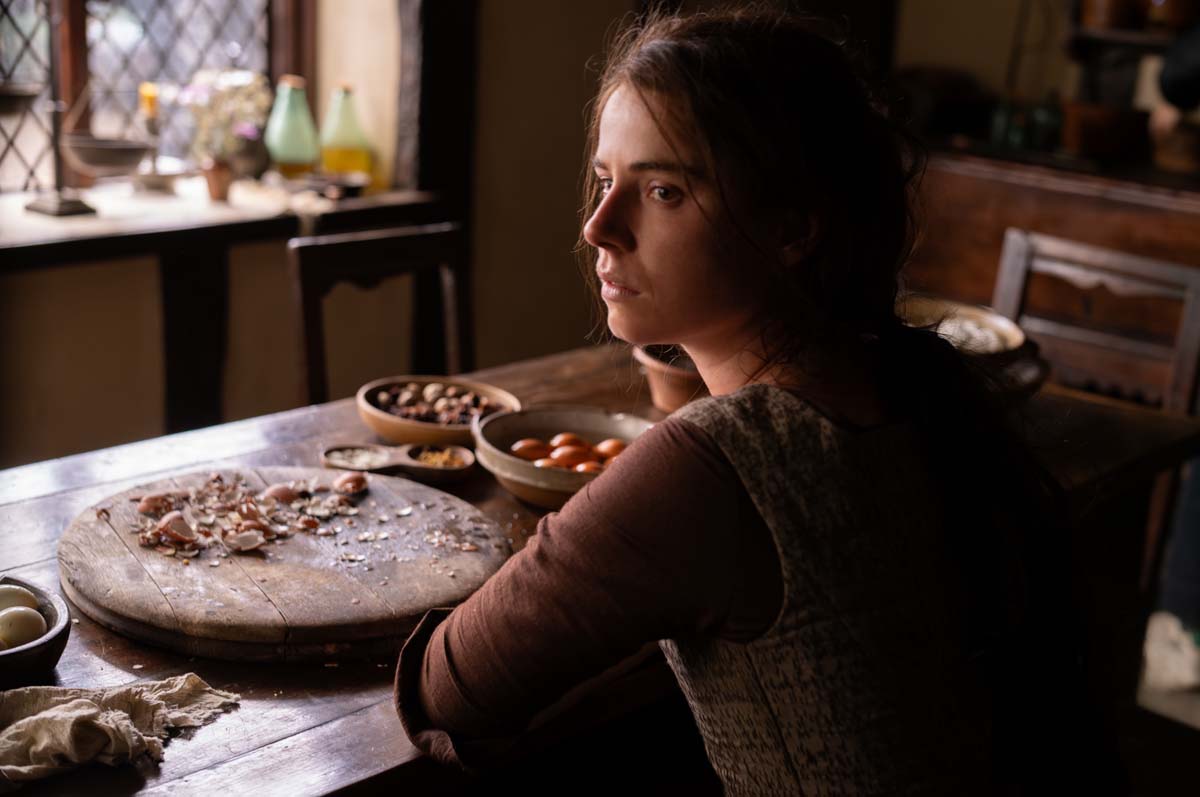
It’s so much with Agnes - just there by herself. She’s a deep thinker. She’s a person who learned so much from her mom who said, Trust your intuition. Remember your dreams.” A lot of the silence is tapping into that kind of internal monologue.
It’s so much about the feelings in some of the big events, like the amazing birth of the kids. Then one of her kids almost died at birth. Those silences just let Agnes get closer to reality - that we don’t have all the answers all the time. I think we need to have moments that we are with her, not knowing what comes next.
When she finally goes to London, she doesn’t know what to do, and her brother says, “Keep your heart open.”
The silence is the internal dialogue of Agnes, in a way. Jesse does it so beautifully. She can hold the silence because there’s so much going on on her face… so much happening. Same thing with Paul.
You can hold the camera with something like the “To be or not to be”… you can see the process. He’s in the back. It is just him by himself. He’s crying. But there’s so much happening because Paul can do so much with so little. So can Jesse.
I want to talk a little bit about structure. There’s some cutting between Hamnet living back in the country with his mom and Shakespeare in London, and it seemed like you could intercut that anywhere. Was that scripted? Or was there some structure that you found in post?
It’s so interesting that you picked up on that. That is very close to the script, but it’s not exactly like it was in the script. We did change the order of when he goes in and he experienced the plague and what’s happening back home. You see images like the bees, with the kids.
It’s very close to how it was designed, but is not exactly the way it was, because we felt that the order in which we had to tell the story needed… We needed to stick with Agnes a little longer before you went to Will.
So the creative choices you were making were because you wanted to stay with a part of the story longer than it was in the script.
Yes. The thing with editing is: as soon as you cut and you go somewhere else, your mind goes with that, so we didn’t want to break.
The audience needs to understand the stakes that were happening with Agnes when she was by herself. It was pretty clear for me and Chloe when we were watching, “We need to stick longer on this.”
We added those beautiful shots of Agnes by herself and then Will in London. We put those beautiful shots of the trees and there’s a shift of mood there. That also helped us make that decision, because it’s just the trees.
There’s a little bit of the sound and the music, and the sound of the bees. We set up at that there’s something “off”… something that we haven’t experienced before.
The shots of nature and the bees were to create a tonal bridge.
Yes, exactly.
The movie uses a lot of wide shots. Obviously, you’ve got phenomenal closeups from these two actors. What they can do with their faces is amazing. But there’s also a lot of it played in wides with full body coverage. Did you have a discussion of, “We want wides” or was that just the footage you had?
It was definitely the footage you have. If you watch Chloe’s films before that, she definitely loves that kind of coverage. Chloe, when we were cutting together, we knew when to jump into coverage. The wide just gives you the world, which is so important.
Agnes is a creature of the forest and is the creature of that world. We need to really know that world. It’s part of her personality. Also it’s so beautifully shot. You can stay in the wide as long as you want because you’re going to get something.
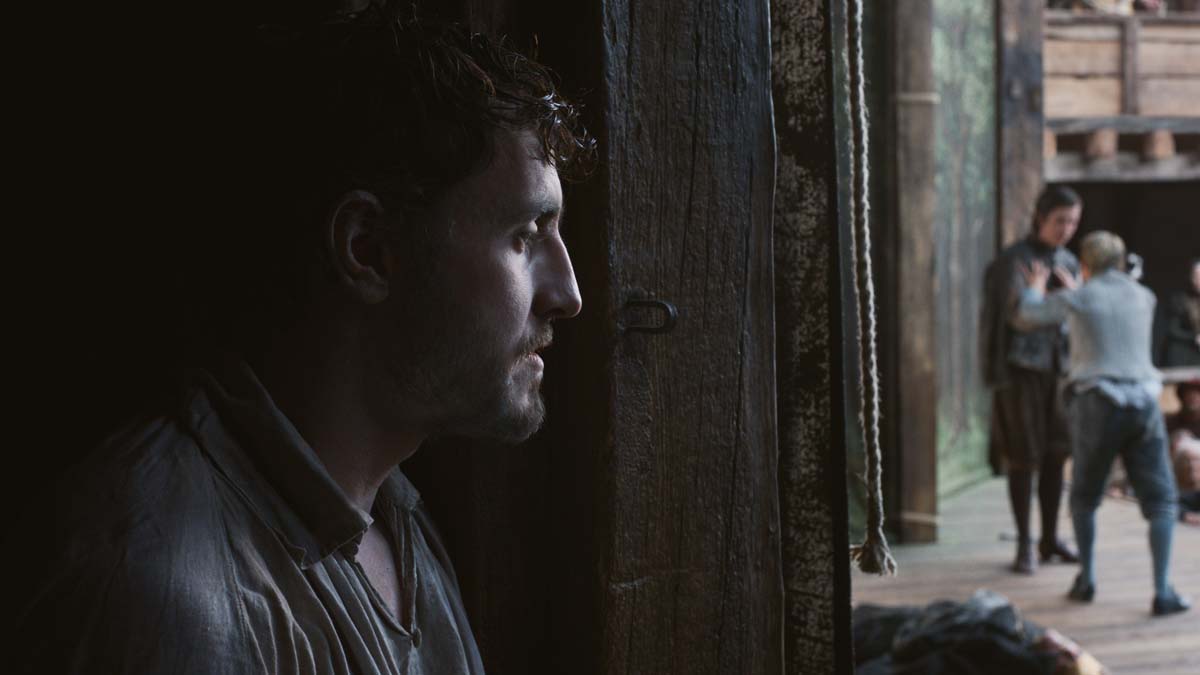
You mentioned earlier, this great moment of Will being backstage during the performance of Hamlet, and Agnes is watching from the front of the stage. Talk to me about choosing the coverage to reveal the critical moment when Shakespeare - Will - sees her in the crowd. I was anxious about: “When is he going to see her?!” That’s a very important reveal. Tell me about figuring that out.
That thing is probably the one we worked on the longest. The north star of the play, was Jessie. Wee really carefully picdk every Jesse performance and every Jesse look and the length of the shot. Then with Will: “When do they see each other?”
What part of the scene and what kind of colors are we going to use here? Jessie’s talking to Will. When do we use Will? When does he notice that she’s there? At that moment when he realizes that she’s there, from that point on, you don’t need any dialogue anymore.
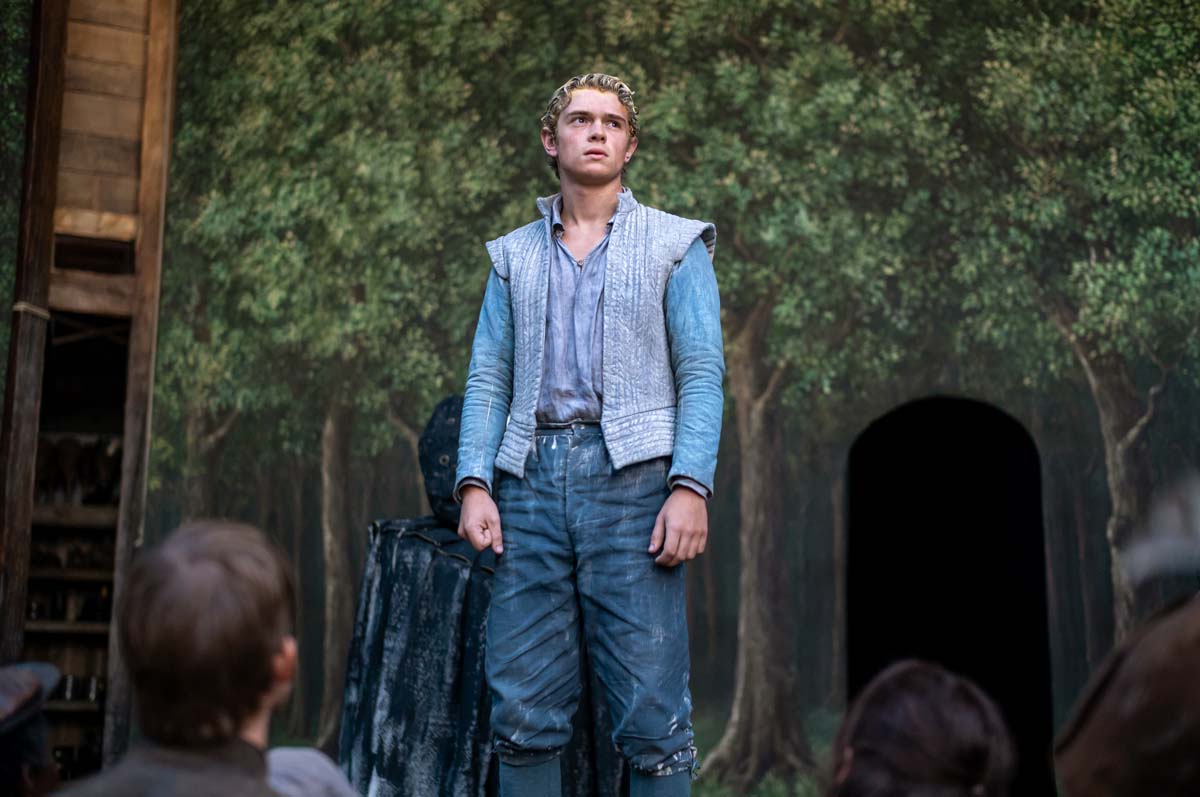
When Agnes first gets there, her reaction is, “What is this? This is not my son. Why are you using my son’s name? What’s happening?”
But then she sees the character of Hamlet, and there’s this really incredible shift in her reacting to everything and her reacting to the play. She slowly understands what this is.
For lack of a better word, we kind of reverse-engineered the critical moments of that. So the looks between the two of them - Will by himself in the back - seeing Hamlet - Agnes reacting to that - that incredible scene when Hamlet dies and she reaches out…
Let’s just carve everything around it just to make sure this moment is highlighted. So there were 4 or 5 moments in the play that once we nailed that, then you can always go back in: “Okay, now we need a little bit of the play.” That’s kind of the way we did it.
You mentioned how long that scene took for the two of you to work on. Did you sit at the controls and she’s actively giving you notes? Is she leaving you alone and mentioning things? How are you collaborating as co-editors and as director and editor?
It was very organic. It was very natural. I had my room. Chloe has her room. I would sit with her in her room and we were watched stuff. Then as soon as we watched the scene, we stopped and we discussed, “Let’s do this.” I would be at the controls. I’d be sitting at the Avid because I’m a little faster than Chloe on the Avid. So we just did it that way.
But there were times where Chloe said, “I have an idea. Let me just try it by myself.” And she did it. And there were times I had an idea, so I’d say, “Let me try this, I’ll show it to you.” But it was very back and forth. Most of the time we’re just the two of us in the cutting room. Watching footage again and again and again.
Even at the mix we were still having ideas and trying things and they just pulled the plug from the Avid: “You guys, get out of here. You can’t keep cutting this film!” We just really like to explore the footage. “Is this the best look? Let’s take another look.” Very granular.
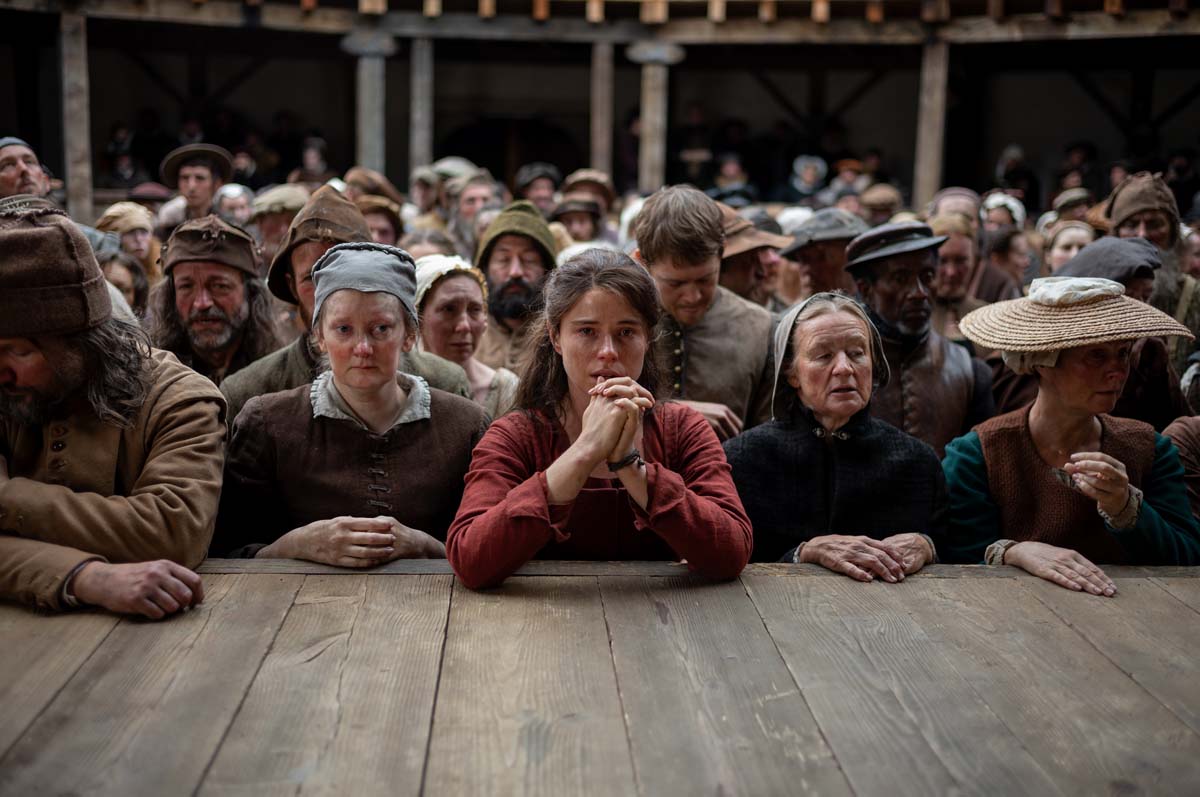
That performance during Hamlet was so moving and spectacular, where she realizes the character of Hamlet is her son… How does Jessie work? Did you get different tones or different colors of performance, and you had to choose between one and another? Or was she locked into one tone or one temperature?
Precisely what you hoped for, you had it. There was some different color, some different tone. It was very easy to find. She became this person. From an editors point of view - to have that kind of performance - I was just hoping that I wouldn’t mess that up.
I hope I don’t get anything wrong here! It’s hard to get it wrong when so much is right. Same with Paul. They were really, really dialed in. It’s so much because of the way Chloe developed the characters with them. Then with the two of them together, how much work they did prior to shooting.
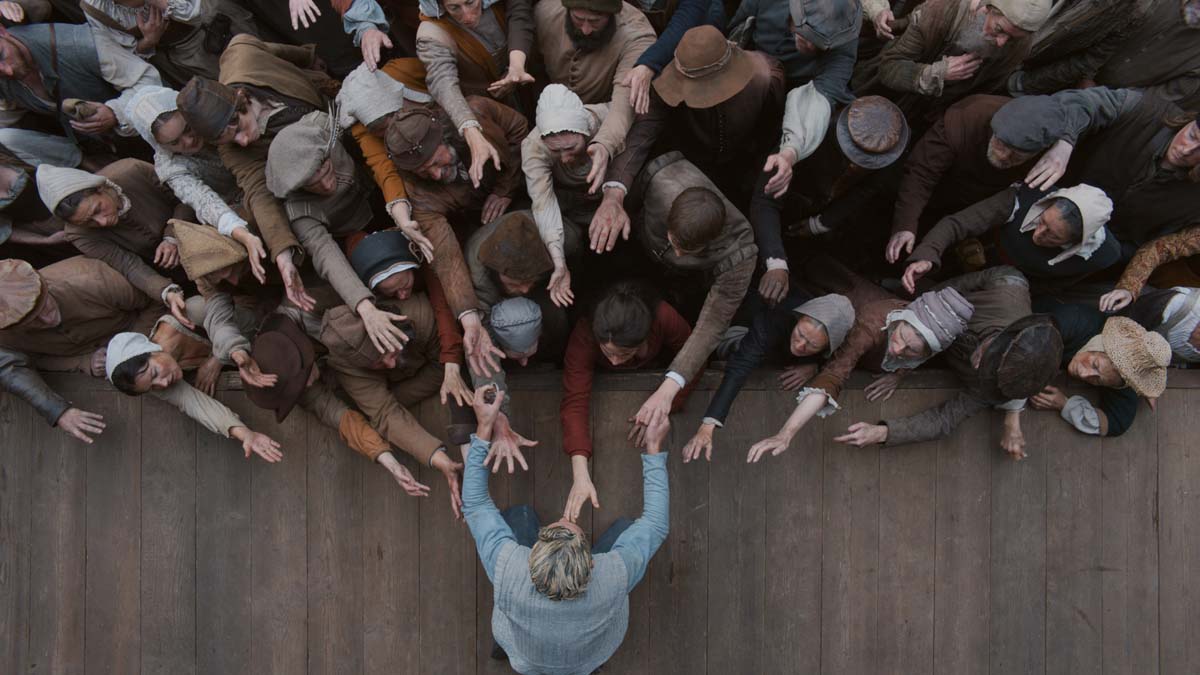
Did you have to kill any darlings? You mentioned how important it was for certain parts of that Hamlet scene to land properly. Did you have to lose some things in order to focus the story?
There was a lot of stuff. Like after Hamnet dies and Agnes is home by herself, there are some really beautiful scenes after he died and they prepared the body to get buried.
There are some scenes with Will and the daughters. There was just really, really nice stuff, but it just didn’t belong in the film.
Even the play, Hamlet: the play was like 45 minutes long. We wanted to get to the play. We want to get to that cathartic moment because it’s a hard movie - because of everything that happens and the grief is so heavy - but when you get to Hamlet, there’s going to be change. So it was super important for us to get there.
We screened the film. We got great feedback from the producers, and we decided - even though those scenes are so beautiful, very powerful - it was slowing the film down in a way that was completely unnecessary. It wasn’t like, “This doesn’t work. Let’s cut it out.”
It was actually really hard because they work and they work really well and you get something out of it, but it slows down the movement of: we need to get there. We need Will to be in the theater, and you need Agnes to be watching Hamlet.
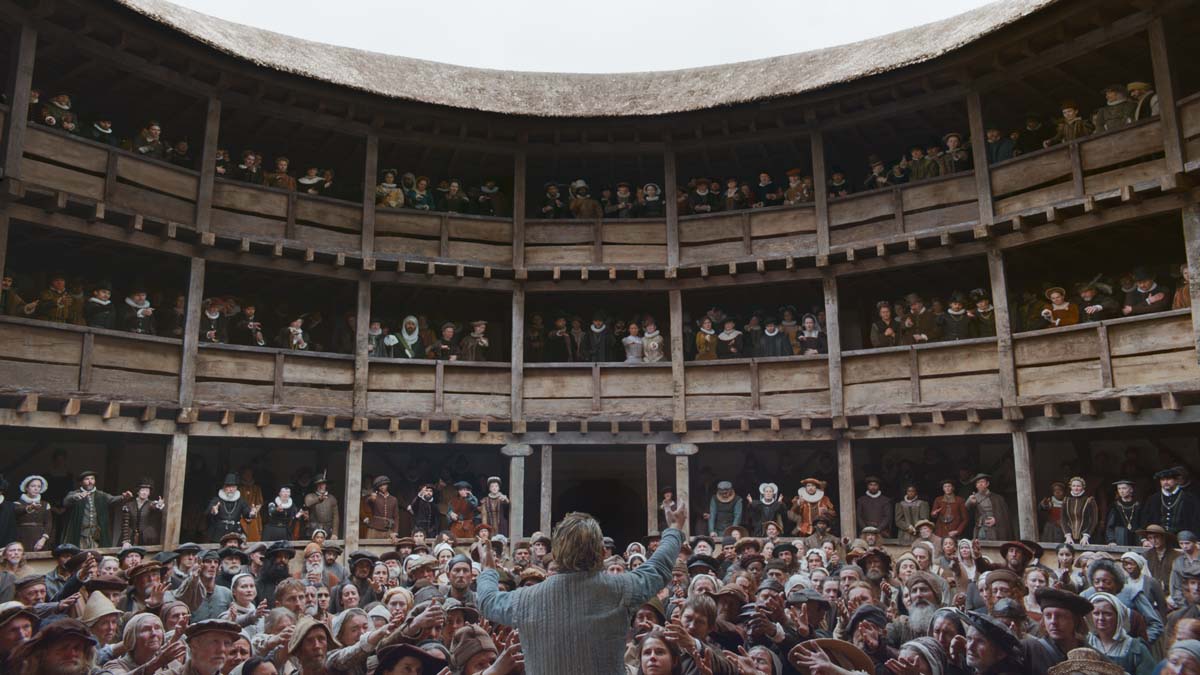
I talked to Ken Burns about editing, and he said there’s this misunderstanding that all the bad stuff ends up on the floor in the editing. He said, “The sad thing is: it’s a lot of gold that ends up on the floor.”
It’s so true. Oftentimes, it’s the stuff that is incredible that’s cut out. It’s correctly cut out. You don’t need it to tell the story. It doesn’t diminish the fact that there really exists incredible stuff, because if you put even one more thing in there, you feel the difference.
You feel like, “Wait a second. Why am I still here? How come I’m not there? How come I’m not getting to the place I want it to go?”
It’s definitely part of the job of an editor. Chloe and I were really diligent about getting rid of stuff that is impeding you from getting to where you want to be.
Did stuff go out, then come back in?
Yes. I mean, oftentimes that happens. Oftentimes, you take something out, then you watch it and feel, “I think we missed that.” Then, because it was out again, sometimes the film itself just says, “No, this doesn’t belong here anymore.” There were things I loved and there were scenes that Chloe really loved, and we both agreed that we can’t have it.
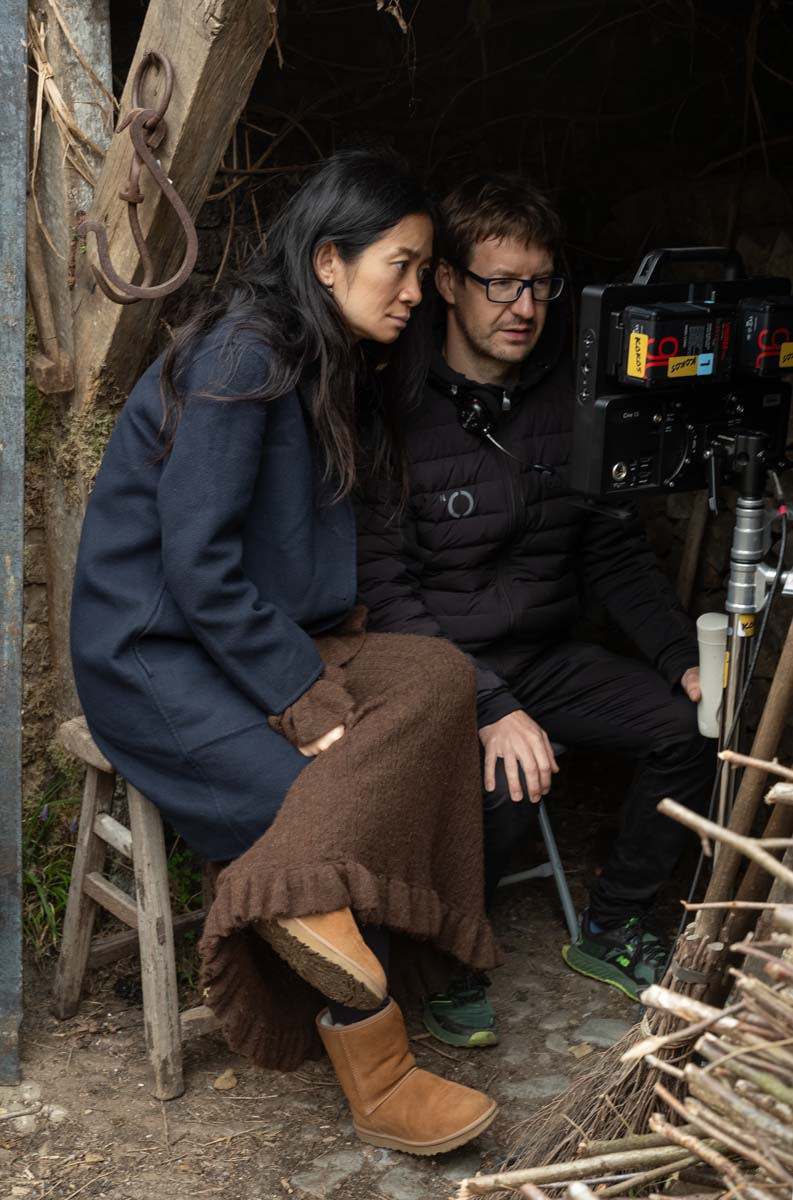
Director/editor Chloe Zhao on the set of Hamnet with DP Lukasz Zal
That’s a difficult thing, especially for Chloe. I would think - as a writer and as a director - you become really attached to those things that you’ve created and envisioned
The interesting thing is that when Chloe is in the cutting room, she just completely changed her hat. In that sense, we were really similar because we have the editing in mind. She cut all of her films. She’s a great editor too, so she could shift.
Is there anything – a scene or something that you’d like to talk about that was either very challenging for you or that you were very proud of?
Hamlet, the play was definitely the most challenging because it’s the one that we spent the longest time with because the play itself, and what we had there, was so beautiful. There was so much great stuff, but it just didn’t belong. So we kept really squeezing and squeezing.
What’s necessary? We still need to have a little bit of the play so that you sense it. How can you be elliptical and have you sense that you’re there? But there’s something else going on. That was definitely something that was a challenge.
One of my favorite scenes in the film was one of the first ones I cut when I came in, which is when Will - before they got together – and Agnes is in the forest by herself. He says, “I brought you a glove.”
And Agnes says, “I already have a glove…” You have that kind of awkward conversation. Then she says, “Tell me a story.” He says, “What kind of story?” She says, “Something that moves you.”
And he tells that incredibly beautiful story of Euridice. I just love that scene so much because of that performance, and because it was so much about looks and silences and waiting.
And the way he’s such a great storyteller. Paul/Will, really draws her in. That’s the moment that she truly falls in love with him, and understands who he is. That’s definitely my favorite scene to cut, and one of my favorites in the film.
Can you remember specifics of choosing reaction shots or when not to be on Will as he’s telling the story? In general, what are your rules if you’re thinking about that scene as a hypothetical? What are you doing with reactions?
I constructed the performance from Paul from mainly one take. I built that first because I wanted to tell the story. I wanted to lay down this story first with Paul, then I went back and considered: How much do I want her in? Listen to this story and how much do you want to see the story being told? And in that scene - particularly with the way she reacts - she holds back the smile.
The story’s dark, but in the end, she smiles. She reacts at the end of the story when will says, “Then she gets stuck in hell forever.” Then she smiles because there’s something to the story. I knew I had the performance from Paul.
So then: what are the precise moments and what kind of reactions do I want from Jessie? Then you just build that. There’s this amazing wide shot there, and you can see the space between the two of them. He approaches on a wide, because then you know how close he is from her.
And that’s sort of how you build that scene. You could have that scene on just the wide and it’d still be beautiful. It would still work - just work in a different way.
This has been such an interesting conversation! Thank you so much for talking with me about this film.
Thank you so much. I always enjoy talking to you.
 March 18, 2026
KPop Demon Hunters
Today on Art of the Cut we speak with editor Nathan Schauf about his ACE Eddie and Annie award-winning work on the Oscar-winning Best Animated ...
Read more March 12, 2026
Hoppers
Axel and I previously talked about Toy Story 4 for which he won an ACE Eddie. He also has Annie nominations for Best Editing for ...
Read more February 26, 2026
Marty Supreme
Today on Art of the Cut we speak with director/editor Josh Safdie and his co-editor and co-writer, Ronald Bronstein. Safdie and Bronstein are nominated this ...
Read more