


Blue Moon
Oscar-nominated editor, Sandra Adair, ACE, discusses the secrets to editing overlapping dialogue, the importance of eye-lines, and the value of having a long history editing an actor.


Today on Art of the Cut we speak with Oscar-nominated editor, Sandra Adair, ACE, about the Richard Linklater film, Blue Moon.
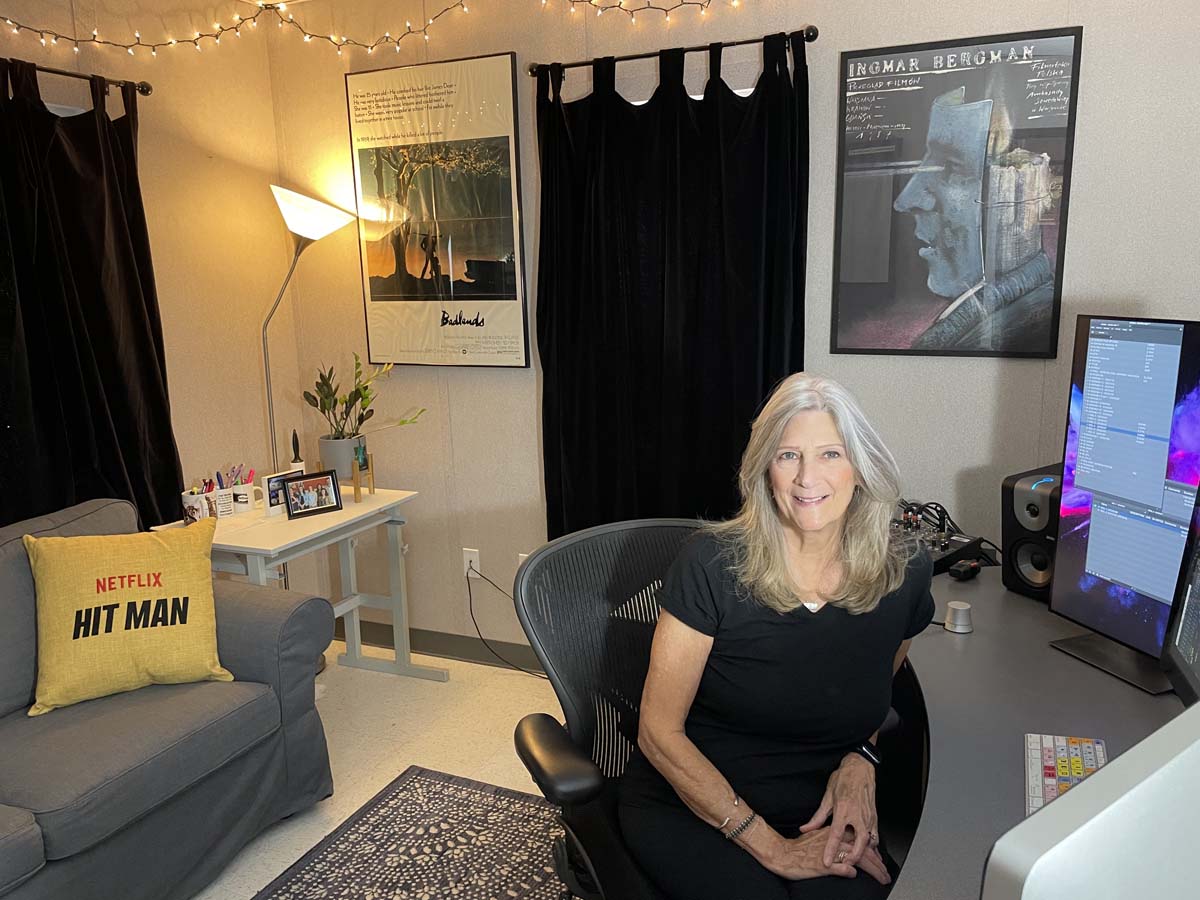
Sandra was last on Art of the Cut for her last collaboration with Linklater, Hit Man. Before that we spoke about her film Where’d you Go, Bernadette.
She was nominated for an ACE Eddie for her work on School of Rock. And she was nominated for an Oscar and won an ACE Eddie for her work on Boyhood. Her other work includes Dazed and Confused, A Scanner Darkly, and Bernie.
Sandra, it’s so nice to talk to you again. Congratulations on Blue Moon, a great movie. I saw it yesterday, and, it must have been a lovely project to work on.
It was indeed a lovely project. But to tell you the truth, while I was cutting it, it made me feel so sad. There was a period of time when I kind of recognized that this is having an emotional effect on me, and I’m feeling kind of blue. Other than that, it was a pretty fun project to work on.
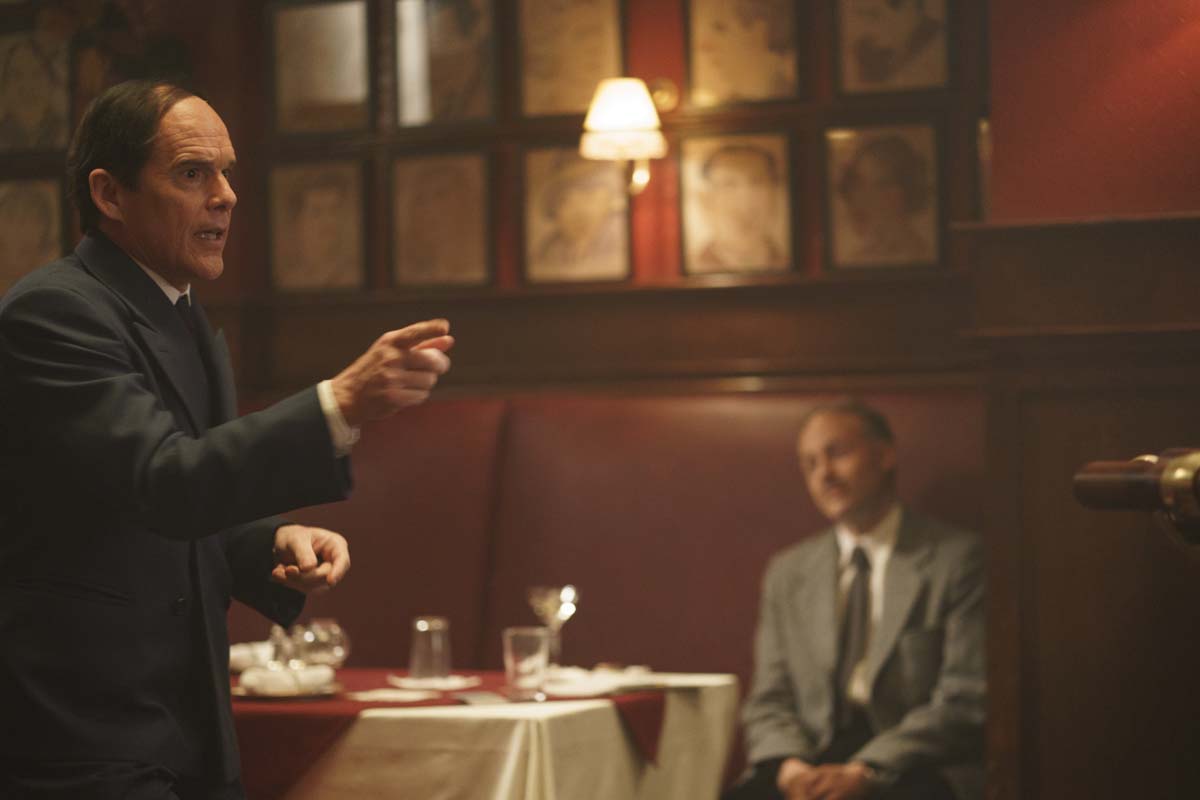
They shot it in Ireland. We stayed in Austin. They built that entire set to look like Sardi’s bar. That is an actual bar in New York, the real place, I think, where that afterparty took place.
Let’s start with your sadness, because I think that’s very interesting. I’ve talked to a lot of editors who’ve worked on some pretty dark material, or disturbing, and I always think to ask them “How did this affect you?” How did you protect yourself?” I didn’t think about it for this movie, but it is a sad movie. What did you do to stay buoyant or not have it affect you outside of work?
I always separate work and home life in my reality outside of the editing room is always very different from what’s going on with me in the editing room, and I try not to bring work home with me.
I think there was a recognition of what a sad, sad story, a breakup story it is. In fact, I think at one point I even said to my assistant, Karissa, I hope I’m never in the shoes of Lorenz Hart with Richard Linklater. I’ve done so many films with him.
Could I imagine a time when he would just move on from me and start working with another editor? How heartbreaking and soul cracking something that like that would be.
So I could kind of put myself in Lorenz Hart’s shoes. I trust that that will never happen with Rick. I’m still his go-to person, thank God. But in that respect, because of the long working relationship that Lorenz Hart had with Richard Rodgers, it just seemed like a natural progression of thought for me.
To balance that sadness is the incredible humor that’s in the moment, in the dialogue, so there was always something to laugh about.
And that’s how I think we crafted the film: that there’s this underlying heartbreak and almost life-ending moment in this man’s life, and yet he’s trying to skirt through it and not really recognizing outloud the heartbreak. But you can see it in his desperation.
Like when he gets Richard Rodgers alone and he’s just desperately trying to convince him that he can do another show with him, and it’s going to be better and great and funny and all the things.
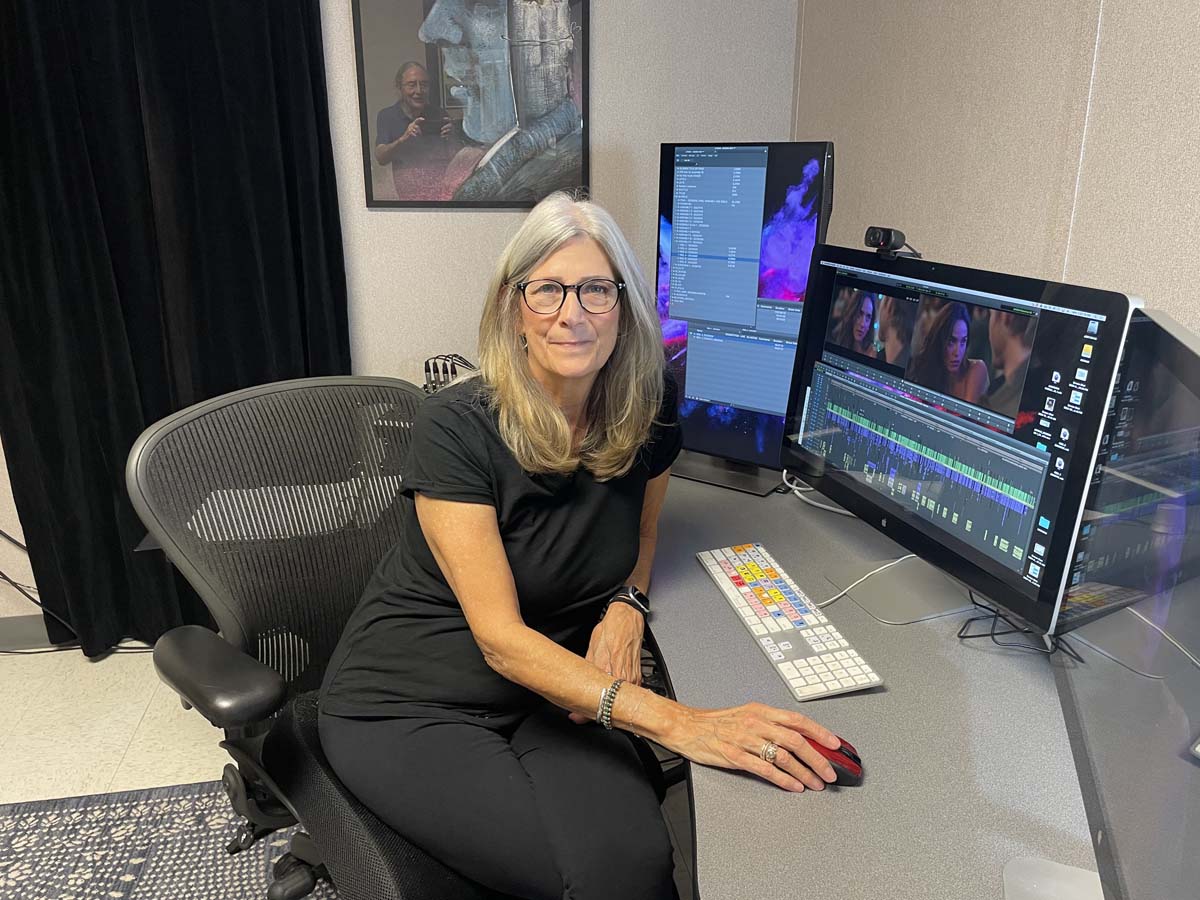
Editor Sandra Adair, ACE
For those that might not know the story or haven’t seen the movie, the reason why you’re pointing out about Richard Linklater going and working with another editor is because the crux of this movie is Rodgers and Hart have worked together for decades, and the movie is about the first night of the opening of the Rodgers and Hammerstein musical Oklahoma! Rodgers has moved to working with a new lyricist. So, pretty heartbreaking. And I think any of us can empathize.
We all go through periods, especially as a freelance editor, when you hop from one project to another and when you finish a project and then it’s hard to find another job, you start to think, “Am I ever going to work again?”
Is there ever going to be another time when I can create a film with a filmmaker? That’s the challenge of working freelance, I think, is being able to maintain your confidence in between films, especially if you know that you’re passed up on a project and they went with another editor. Those are career challenges, when you’re a freelancer.
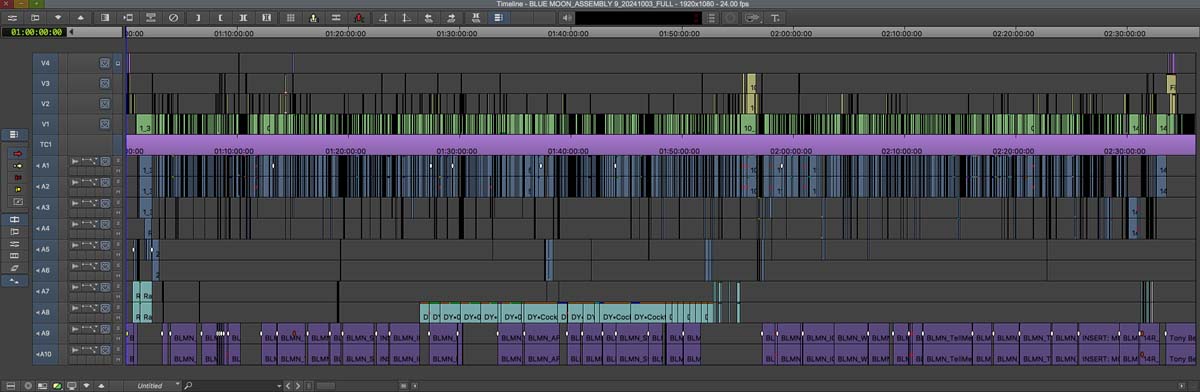
Avid timeline screenshot for Blue Moon
Let’s talk about the script. The movie starts with two conflicting onscreen quotes. Is that the way the script was? And then it’s also starts with the end of Lorenz’s life instead of Sardi’s.
Yes, I’m pretty sure those quotes were at the beginning of the script. They revised the script to have him falling down in the alley in the rain and shot it for the opening.
As a storyteller - as an editor - what do you think the value was of having the movie start at the end of Lorenz’s life? How does that play into where we go from there in the movie?
I think it’s important. I think it really does let you know what a final chapter that night is for him. He didn’t die on-screen, really. We clarified that at the end in the text, but I think it allows the audience to open their hearts to know this is the final chapter for this man’s life.
So it kind of couches you in some kind of reality. Also, the voice over there tells the audience that he dies. It also explains all of the songs that are credited to that genius lyricist.
If you don’t know who he is, that voiceover allows the audience to know what a list of songs they wrote together. It gives you the history of that songwriting team right off the bat.
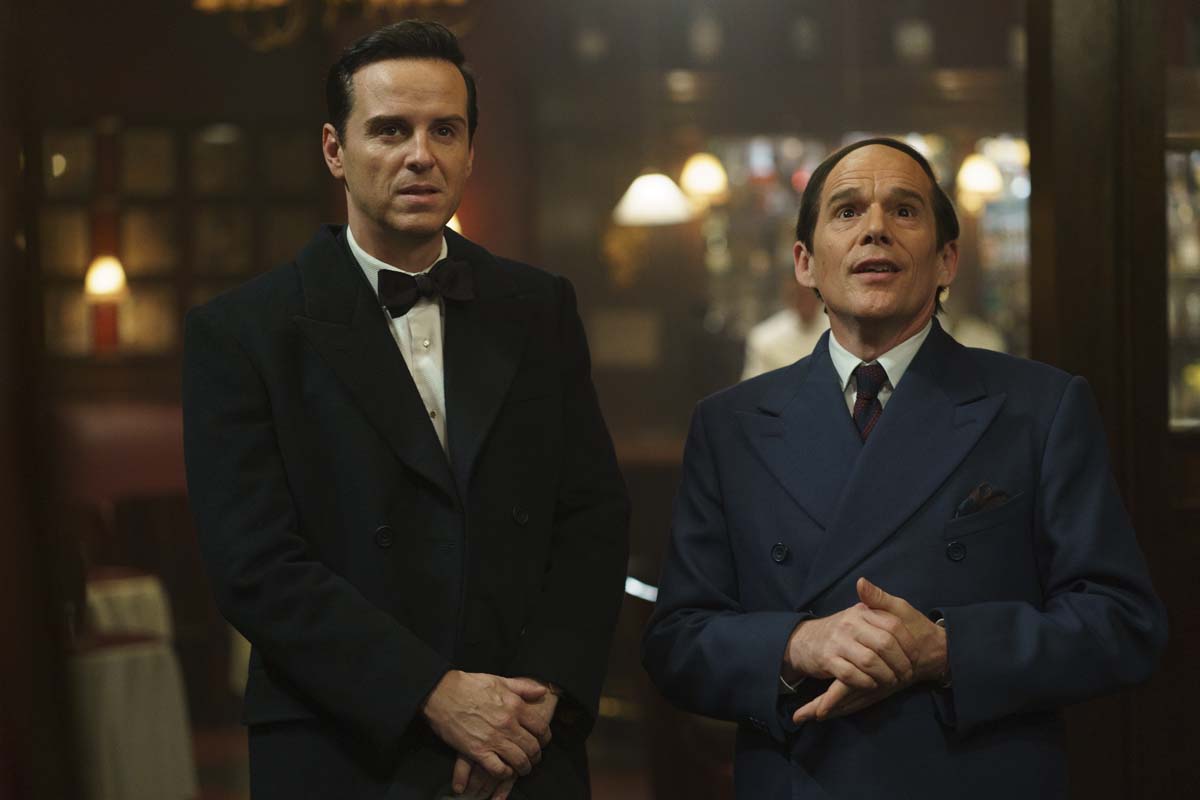
It also gives weight to him being in this bar and not wanting to drink. You realize the importance that he shouldn’t be drinking, and he tries desperately at the beginning to not be drinking.
But as the evening unfolds and the heartbreak becomes more present, you can tell he’s just got one thing he can do to ease his pain, and that’s drink.
Let’s talk about the difficulty of this movie of being very rooted in one single person talking - one single person’s point of view. What challenges did that present to you as an editor?
It seems like that’s what the movie is… And many people have said to me, “Wow, so many long takes!” And I think, “Really? Did you not see all the cuts that are in that movie?” There are a lot of cuts.
And the comic relief that happens with Bobby Cannavale as the bartender, was so important. I really wanted to make each and every one of those moments really work, because without them, you’re just kind of listening to this monologue on and on.
Even the cuts to Bobby that don’t have dialogue, his facial expression is funny. He’s reacting in a way that makes the moment sing. So each of those was very intentional. Bobby’s a fantastic actor. He did a lot of heavy lifting and really took his role as the bartender seriously.
He was always making sure the bottle was filled to the proper height, and he managed his space completely. He got all those moments right. I just had to find them.
And I think that’s the job of an editor. You gotta find the exact right piece to make those moments work. Out of a whole bunch of good pieces. But not every piece is worthy of that slot when you have a dialogue scene.
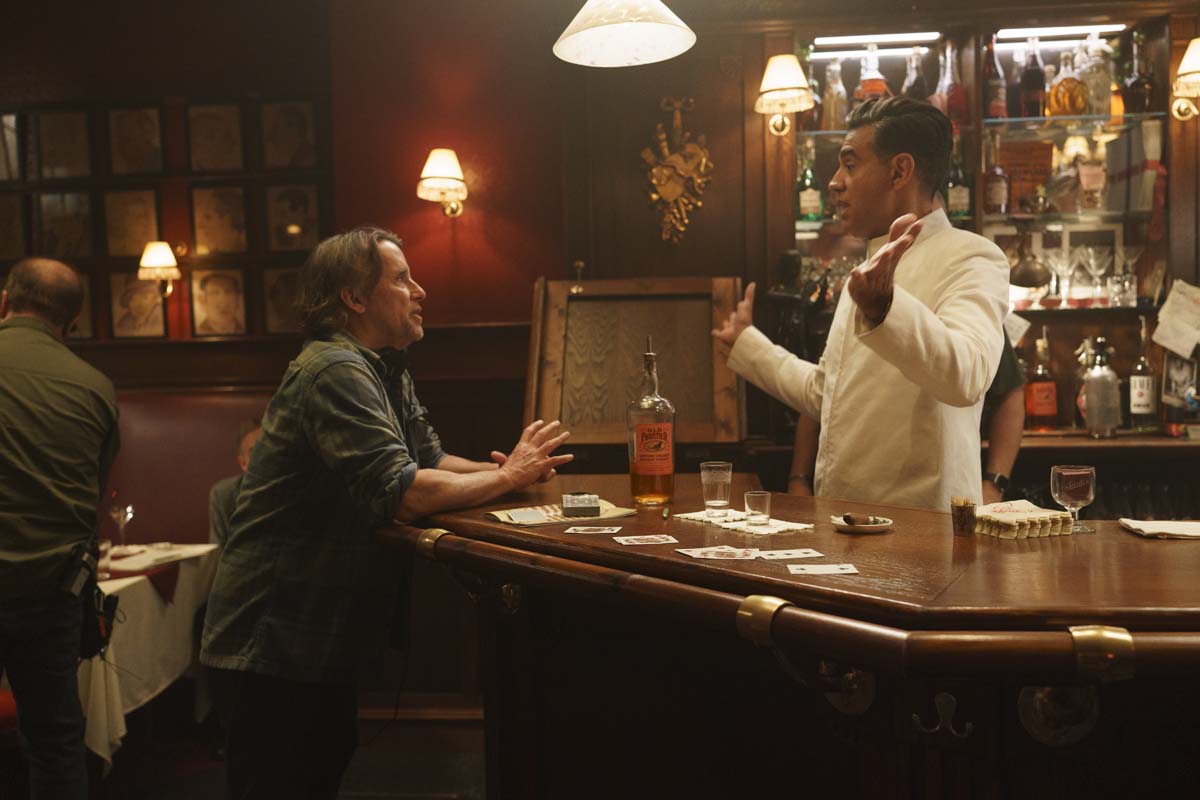
There’s always a question of when to go to a reaction. When am I not on the person speaking? So often the person speaking was Lorenz, so when do you show Bobby? When do you show the actor playing E.B. White? Or the pianist. And the pianist, Knuckles? Or Elizabeth?
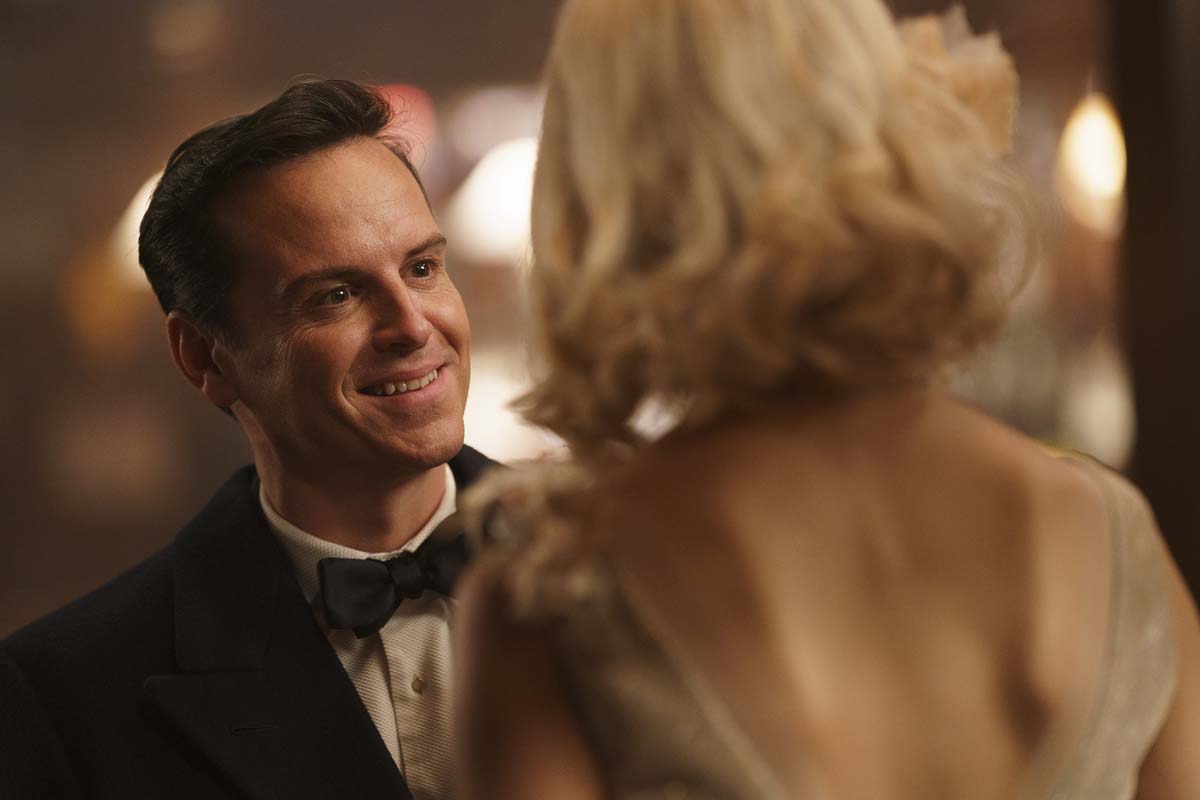
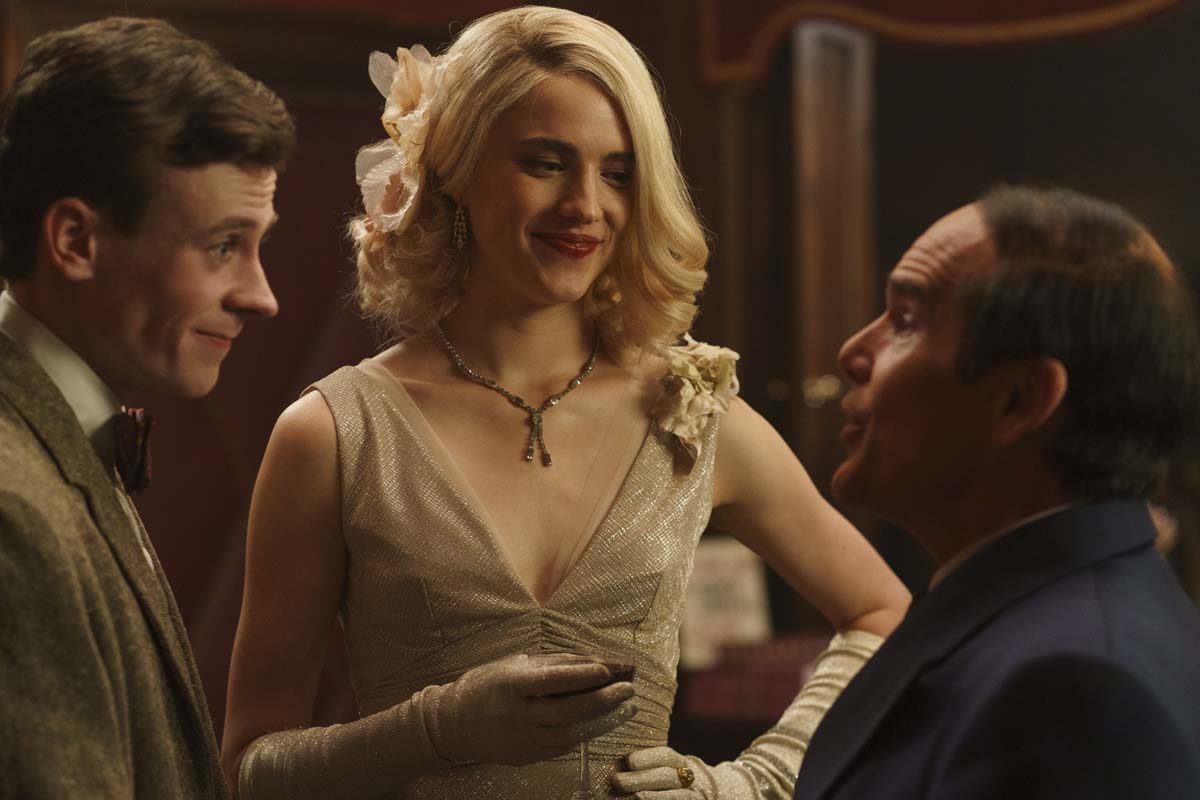
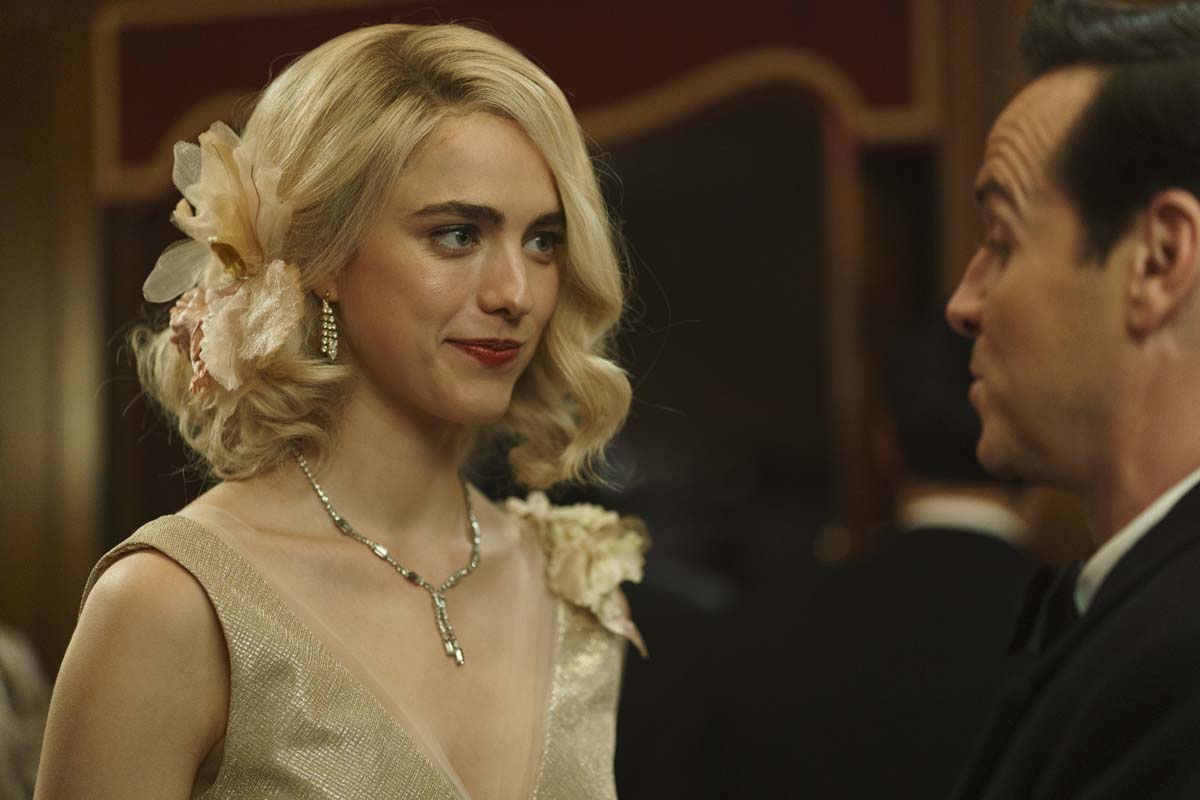
Well, the scenes with Elizabeth are a whole different animal. Those were to be treated differently. Her reaction shots, when they’re in the closet and he’s basically coming unwound because the movie really centers on the breakup of Rodgers and Hart, but also this fantasy that he has about this young 20 year old poet that he’s imagining. This is going to be the night when they actually have sex, and that she loves him the way he loves her.
In the closet toward the end of the film, it’s one heartbreak on top of the other career-smashing heartbreak. For her reactions: she’s gorgeous. Absolutely heart-stopping gorgeous.
She is very full of herself. At the end of the movie, Hart talks about how she never asks him about how he’s doing. She never asks a question about what what’s going on with him.
So she’s very self-involved. But toward the end of their moment in the closet, he asks her, “How do you really feel about me?” And you can see on her face and in her eyes that she’s thinking, “Oh shit! I have to answer this in a way that’s not going to break his heart.”
And she does try to let him down lightly, but her reaction shots there are priceless because you can see her eyes are starting to glisten a little bit. She handled all of that beautifully.
What about coverage? Because a lot of a dialogue scene is obviously on a medium shot, on a close up of the person speaking, and then you’ve got these beautiful, wide shots and also the reactions, the medium shots and the close ups of the other people. When do you choose to expand out to show the surroundings, or when do you get out of the closeup, and what’s guiding you in that choice?
I think at the beginning of the movie, there were two things that I wanted to establish. I wanted to establish the space that we’re going to be spending most of the movie in.
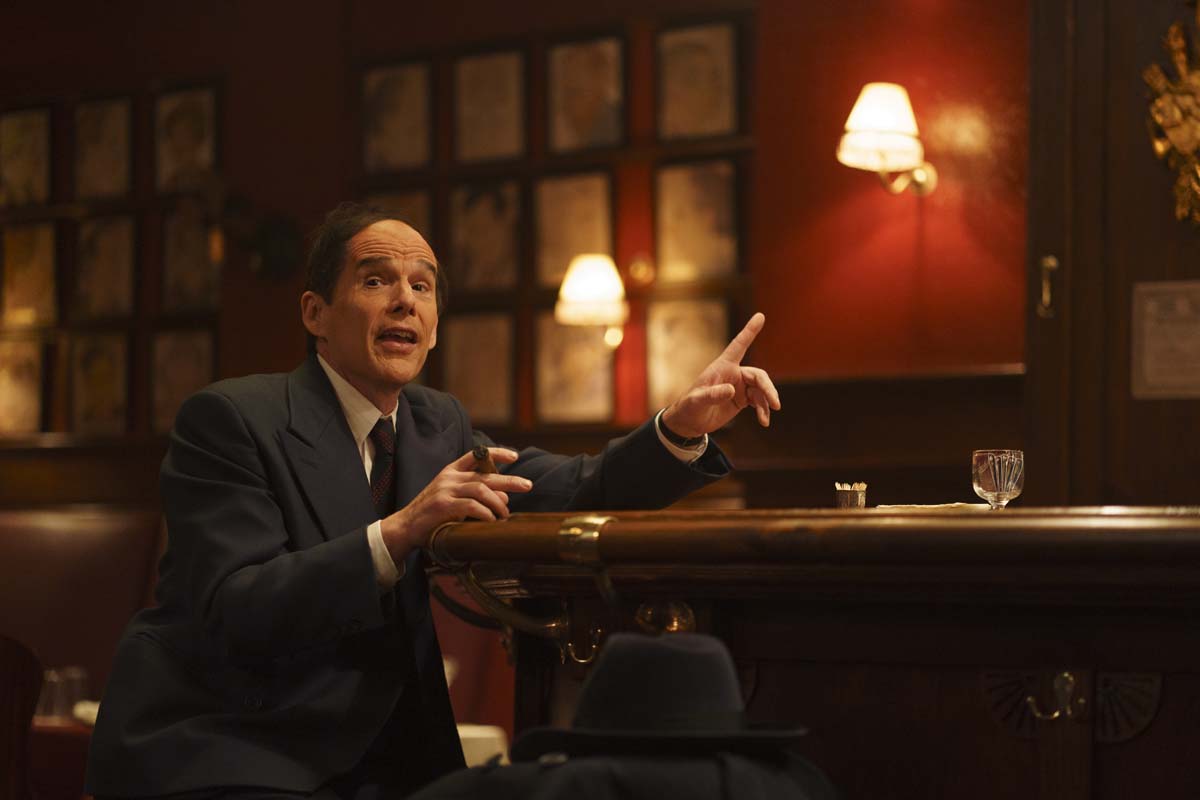
So there was that and just the kind of the geography of how things are laid out. Your typical establishing shot, really. And also at the very beginning, there’s a shot of Hart lighting his cigar.
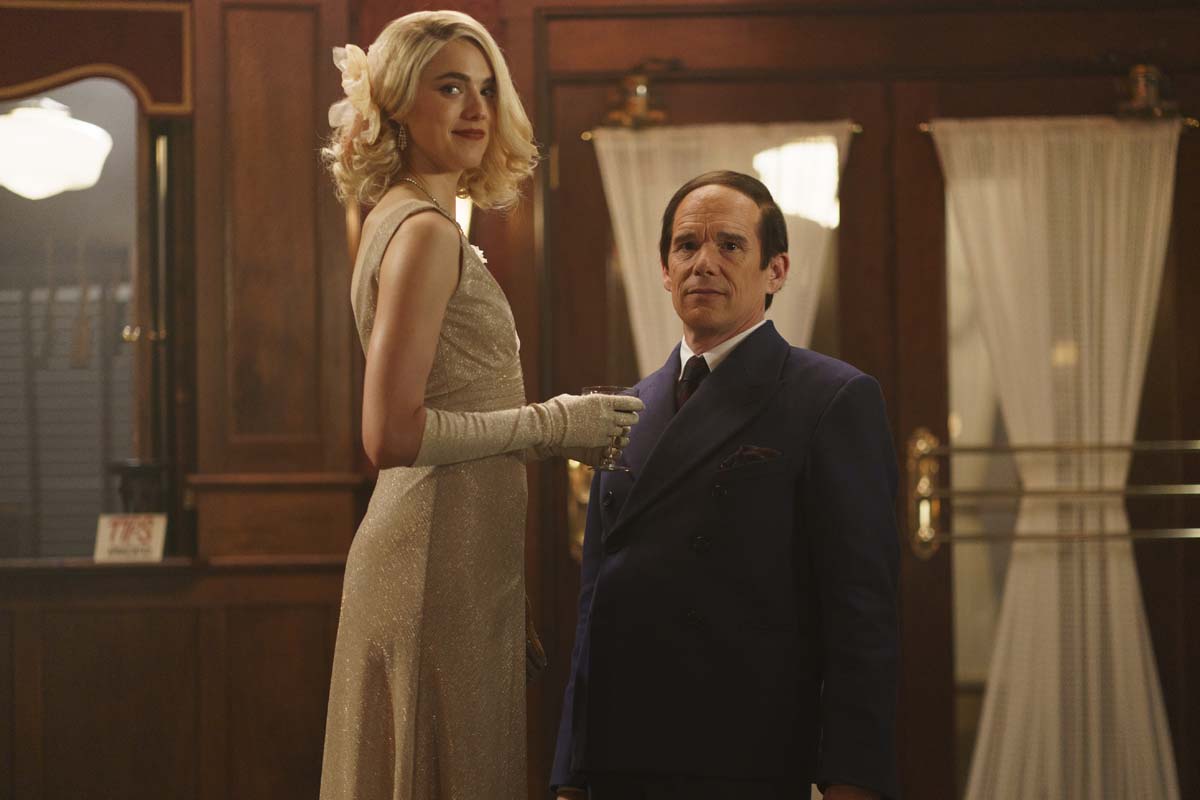
It’s a full shot and there are not very many full shots of him, but it’s where we can actually kind of see his height. And that was very deliberate. They shot it to be that. I think it’s very telling.
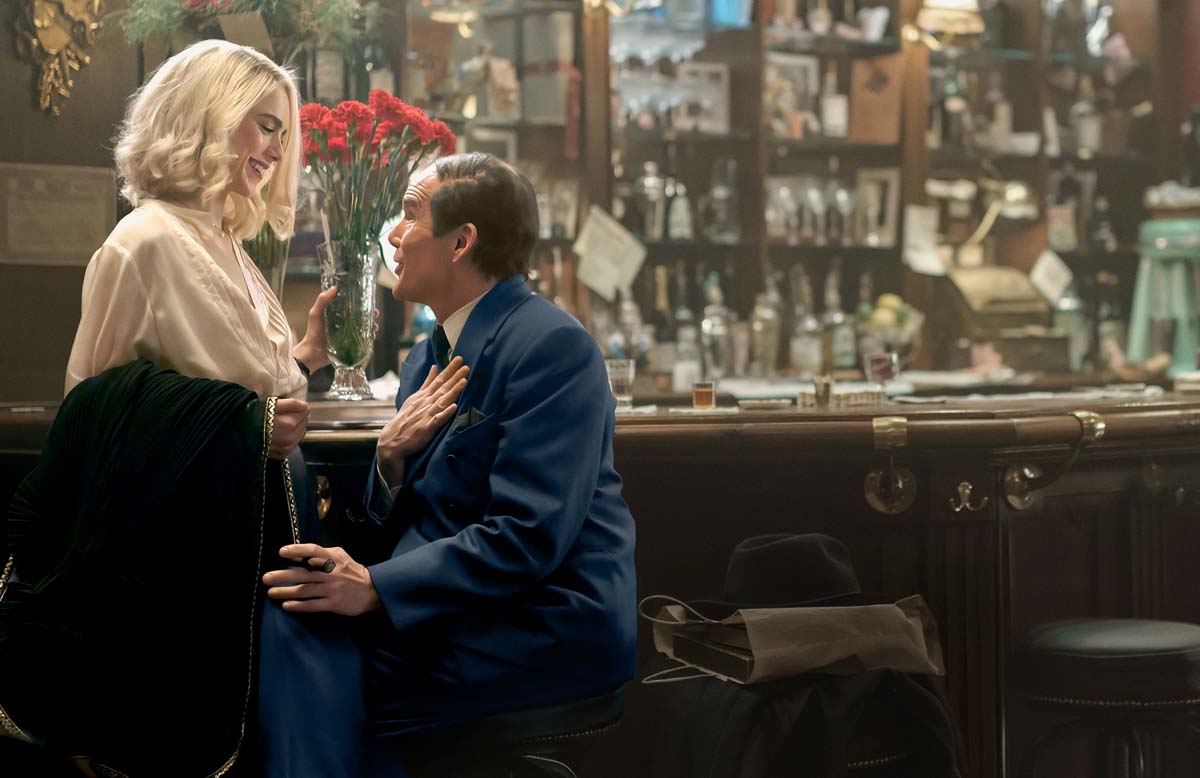
There are two moments in the beginning of the film where you really subconsciously understand how short he is: it’s that one full shot of him at the beginning of the bar scene, and then once again, when he sits down at the bar and he puts his hat in his coat and pictures and bag and everything down, and then he slides onto the stool and kind of leans on the bar.
He’s so short. That was really important for Ethan [Hawke, who played Lorenz] and [director] Rick [Linklater] to get that right, because everybody, understood that about Hart - that he was very, very small: 4’ 11”, I think.
Under five feet for sure. It affected who he was. It was a part of his persona. So I think it was important for Rick and Ethan to build that into the movie.
In terms of coverage, a lot of what was on Ethan was shot with two cameras. It’s really hard to intellectualize and speak cognitively about the editing process, because a lot of it is intuitive.
And I’m sure every editor that you interview says the same thing, and it’s true. I was going for performance. That’s all I had, really.
I have to have the most excellent pieces of Ethan: the funniest, the most kinetic, and kind of busy - and clarity on the words.
One of the directions that Rick gave Ethan and me was, “We’re going for no Ethan.” I know Ethan very well. I’ve cut nine movies with him, and I know his mannerisms and his voice, his laugh and all that, so Rick told me very early on, “Just get them all out.”
So I had to pick around and craft little fixes to some of his vocalizations that were very “Ethan” to me. And if I could recognize them, I’m sure other people could.
So that was part of it. Also, I just wanted to keep things going. I understood from the very beginning how important the pacing of the film was going to be, and to keep things moving and keep the humor a part of it, as much a part of it as anything else.
So there were a couple of moments where it called for a wide shot, like when the guy comes out with the Oklahoma cake. It starts out as a wide shot, then the cake comes toward camera. There are other places where he turns and speaks to the piano player where I thought, “Okay, this is a chance did to get a little bit wider so we can see the piano player is that far away.”
The tricky part was the eyeline when he was looking at the piano player. Sometimes it was over here, sometimes the eyeline was over there. So I was trying to be as precise as I could on performance continuity, which was a fucking nightmare with that cigar.
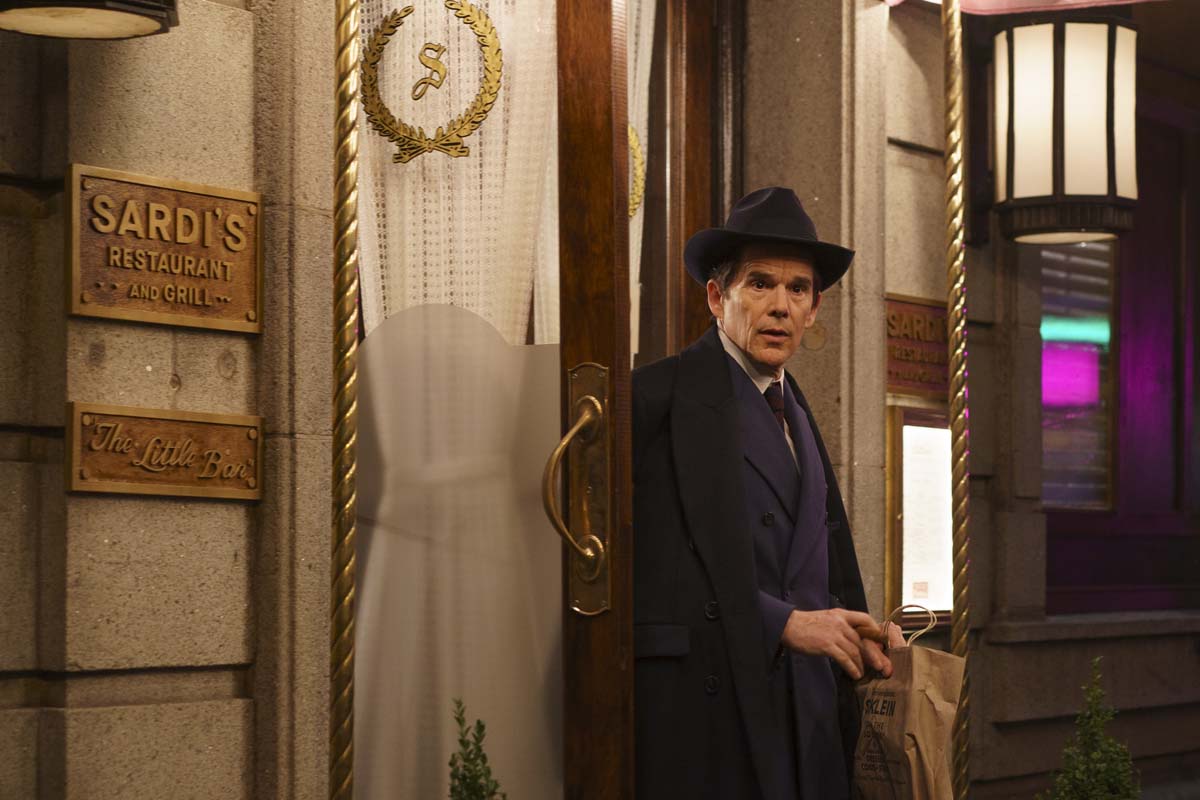
I thought about that at a couple of points!
Yeah. People don’t understand how much an editor does. It’s a lot of heavy lifting that is invisible to most people… and sometimes directors! But it’s important to get all those little things right for it to feel truthful.
When he looks at the piano player the audience needs to understand, “He’s looking at the piano player” and not past him into the other room, which is right behind the piano player.
The cigar made me so crazy! Honestly, I would never tell Ethan that. I know he was doing his best, but sometimes the cigar was in this hand, and sometimes it was in this hand, and sometimes it was in his mouth.
Sometimes there was smoke. Sometimes there wasn’t smoke. Sometimes he’s exhaling, sometimes he’s not.
Some people came to visit the editing room and we were talking about their time here in the editing room, and she said it sounded like a ship full of sailors in there!
Sandra, I’m shocked! 😊
Some actors like to give you a lot of variety. Some actors have nailed down a performance that they give you over and over again, consistently. How is Ethan’s performance and how did that affect your editing?
Ethan’s pretty consistent. And - let’s be real - they shot that film in 15 days. Do you realize how many pages of dialogue he had to know every single day? I was floored when I saw the dailies come in! “Oh my God! How does he remember all of this new material the very next day?”
He’s a theater actor, so he’s used to memorizing entire plays. He’s very gifted at that. The performance was pretty consistent, but there were certain takes where he did this funny voice - like if he was talking about something someone else said.
He would use kind of this funny New York voice, and Rick didn’t want that. He wanted to steer clear of that. So there were certain takes that I couldn’t use when he did that, but overall, I would say he hit the humor differently from take to take. There were certain things that he hit differently, even though it’s pretty consistent.
The level of pain, that came out were definitely those takes. Definitely made an impression on me.
Like when he’s on the staircase with Richard Rodgers and they have that back and forth, and you realize they made each other’s careers and that Richard Rodgers really respects him and and has a lot of reverence for the work that they’ve done together.
And this utter annoyance with Lorenz Hart’s drinking problem. But there were certain takes in that, that it was undeniable that those were the most deeply felt performances, and those were the ones that I was trying to go for.
How did you organize this project? It seemed like there were so few scenes…
There weren’t very many scenes, but they were just organized like Scene 4-A, B, C, D. My assistant deals with that and she does a fabulous job. She knows exactly what I need, so I can kind of just go page by page by page by page and however it’s numbered is however it’s numbered.
I open up a bin and it’s like five yards long. I know, “Okay. This is going to require some work.” A lot of takes, a lot of angles, a lot of different things going on. I really depend on my assistant to organize bins in a way that I like them. I like very, very simple, very simple descriptions.
I don’t use the thumbnails. They make me crazy. I can’t look at that. I have to have text. I guess that’s because I was trained in film - with trim tabs, with writing - so I’m used to text.
I have a column where I can make my own notes. I put locators on takes for the moments that I feel like I’m going to come back to - that otherwise I’ll never find it again if I don’t put a locator.
I use different colors of locators: green for me, blue for Rick, yellow for my assistant to do something about. There’s a lot of organizational tools that I use and that my assistant uses and that we use together on the takes themselves.
I have my assistant put a black marker where there’s absolutely nothing’s usable. I’ll see on my timeline, so I’ll know everything before the black is probably unusable. Then I’ll see a dark blue locator. That means that’s where it actually starts - the performance starts, or the action is - then a red marker for where it ends.
Rick shoots a lot of series.
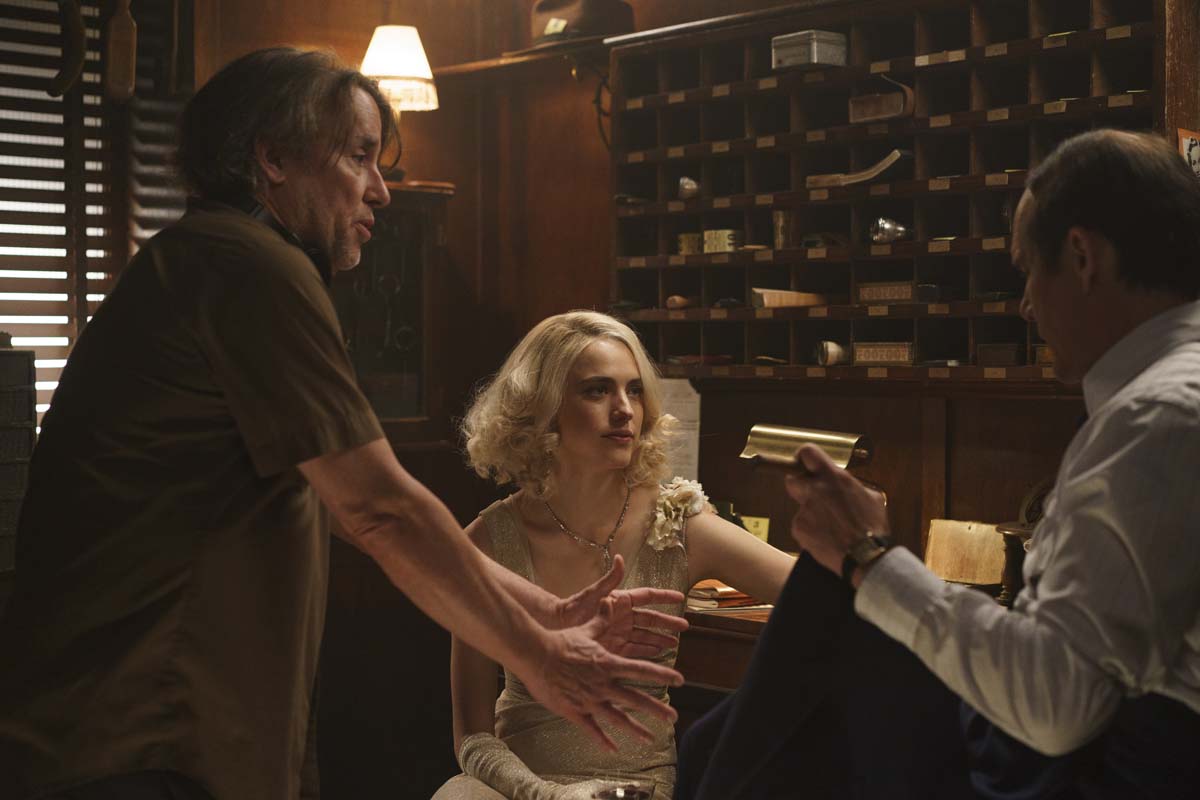
Richard Linklater directing
Really!
Oh God, yes!
I would think that he would not.
I’m so used to it. Sometimes I open a take and I think, “Are you serious? There’s like black, blue, red, blue, red, yellow, blue, red blue, red black. Are you kidding me?” But my assistant is very good about using those locators, the blue locators, to tell me what the first line is of that part of this series.
Sometimes it’ll be all the dialogue in the scene, and sometimes it will just be one line that he’ll have a redo or a little section, so it does take quite a bit of organizational thinking to understand that: “Okay, in that one take, there’s three different sections in the scene that I have to take into regard when I’m cutting.”
So it gets to be a little confusing, but I’m very, very used to it. I’m conditioned now to that.
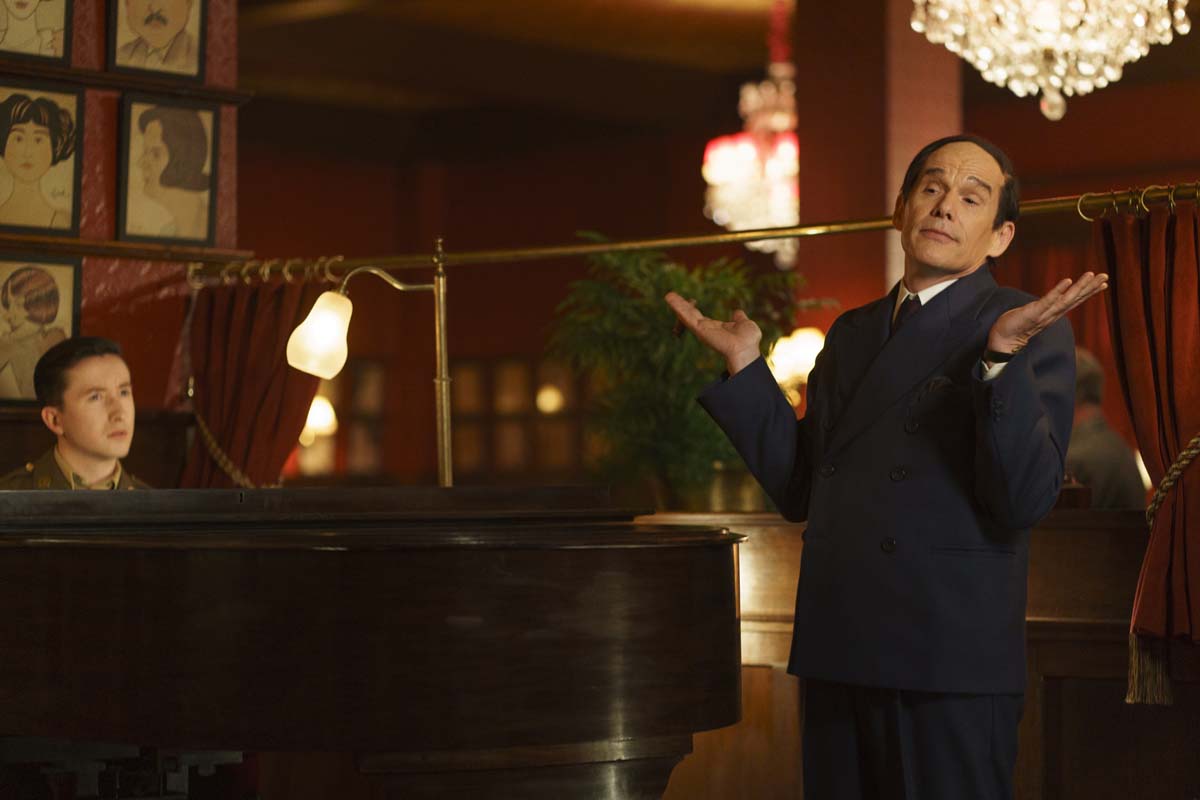
To me, it didn’t sound like there was score - other than what the piano player was playing.
Correct. So the actor Jonah - that played the piano, and played the part of the pianist at the bar - recorded only a few things that are on camera. Like at the end he plays “Blue Moon.”
When the flower delivery guy is there and they sing it together, he plays a little bit of Gershwin and I think he’s playing just a few little things. Rick was certain - and so right - that the soundtrack to the film would be the songs of the era - the great American songs of that time.
We had a list of like 100 songs. He gave like 80 titles to our composer here in Austin: Graham Reynolds, who is an incredibly gifted pianist. Rick said, “Get the sheet music. Rehearse them, then just lay them all down.” And that’s what Graham did. So those were the songs that I used to play with throughout the movie.
Then Graham replaced all of the playing that Jonah did on set, so that the piano would sound the same. Graham could watch Jonah’s hands on the keys and understand his style of playing, rerecorded that, then tried to play the rest of the songs in that style.
Graham actually released a soundtrack of some of the songs in the movie, and when you listen to it, it’s like, “Oh my God! What a beautiful pianist!” What an incredible job he did!
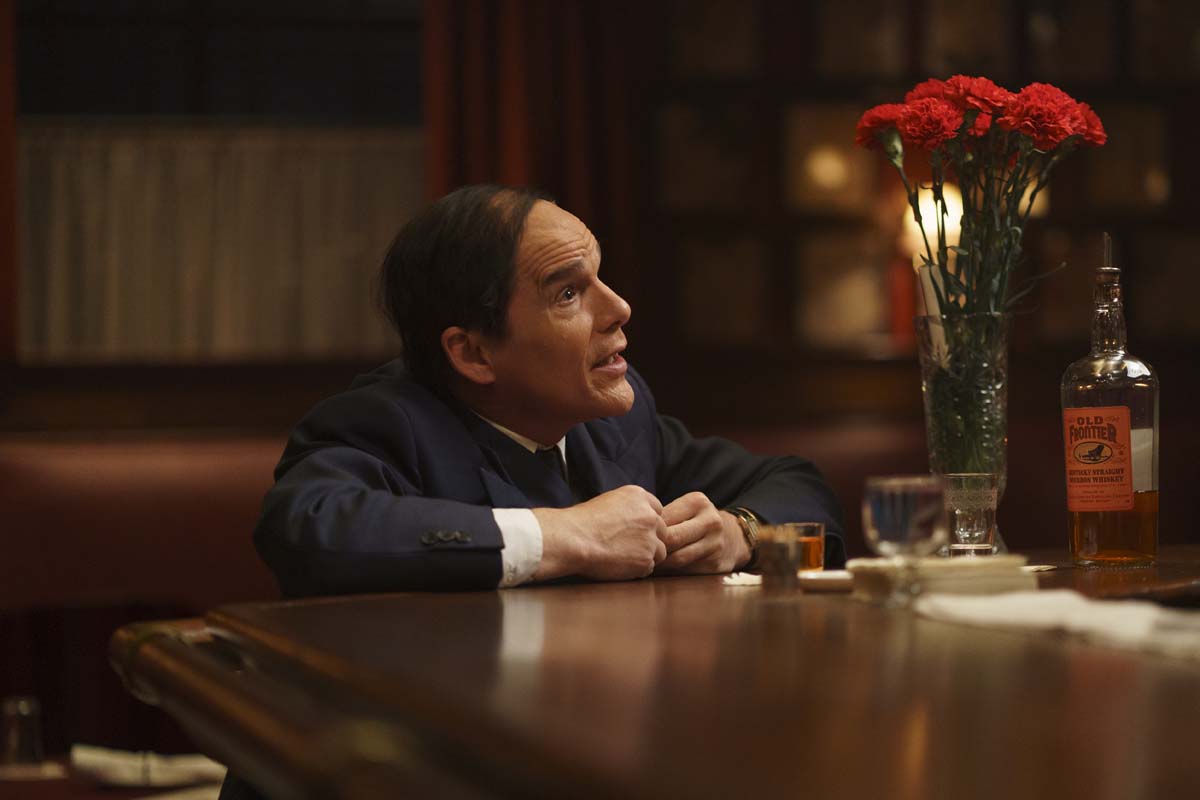
My job with all those songs – was that I wanted to place the songs that are on camera in the bar with the same kind of vibe of what was happening in the scene, and also the right length.
I already had cut where the piano player was going to be. If the piano player was smoking a cigarette or taking a drink or just sitting there, I couldn’t have a song going, so I was looking for the right length to put a complete song that would have the same vibe as what’s kind of going on - like when the party starts and all that.
My dad used to play the piano when I was growing up, and I knew some of those songs. I’d hear them and think, “Oh my God! My dad used to play that.” So those were the songs I put in first - the ones that were so recognizable to me.
I think the music adds a whole element of what it’s like to be in a piano bar, and the reality of that. Then it also kind of underscores the emotion of what’s happening in the scenes.
One of the questions I had planned to ask was whether the songs were scripted. That’s how connected they felt to me - that they had actually been written into the script.
No, the only things that I think were in the script were the ones Jonah played where we actually see his hands playing and the ones that they sing to.
Like at one point the flower delivery guy comes in, Hart’s trying to get him to recognize some songs that he wrote, and the piano player plays a couple of bars, and the flower guy says, “No, I don’t know that one.” Until they get to “Blue Moon.” Then he starts singing along because everybody knows that song.
When the big party comes in - the after party for Oklahoma - and there are a lot of guests and a photographer and everybody and a lot of hubbub, that’s when I use the really peppy party songs.
Every song found its place. I forget how many ended up in there. A lot! Like maybe 60. I have a wild, wild music spreadsheet because it was a lot of musical chairs: trying this, trying that because the music is all the American songbook.
Did you have those pieces of music to use without temping from the beginning?
No, I downloaded some songs that were on the list. Graham had to find the sheet music, he had to rehearse them, he had to record them, and they had to send them. Sometimes I would ask for revisions, so it took a long time to get the final songs from Graham.
So in the meantime, I was temping in some of the titles with songs that I just downloaded from the internet. Then I could understand what the pace should be.
So if Graham sent me a version, sometimes I would ask, “Can you step it up a little bit? Can you increase the pace of the song just a little bit?” So he would re-record it and send it to me, revised.
So much of the pacing - I would think - is based on the performances of the dialogue. How much did you find that you either needed to mold that pace, or that you were trying to respect that pace that the dialogue was performed in?
There was a lot of both, actually. Respect for the pace that was just preset, yes, obviously, but there were times when I had to speed things up, like the bathroom scene.
There were certain things that required a little bit of nuanced pacing: in the closet, the dialogue with Margaret had some edits where we lifted out some lines. That’s just part of editing a movie. There weren’t a lot of lifts, though. There were a couple.
…and no lifts of whole conversations or of a scene…?
No, I don’t think so.
Is there a trick to editing overlapping dialogue - when two people are basically talking over each other?
Yes. It always happens. Every movie I cut, there are overlaps. I think, “WHY!!??” Hopefully people are mic’d well. If there’s really awesome sound lav dialogue, that can be very helpful. Sometimes you choose one side or the other and try to fit it into one of the actors’ mouths.
Like the lines that are overlapped, maybe you use the previous line before the overlap and go through the overlap, and then somehow end it to get back to the single mic. It can go both ways. Before the cut or after the cut.
That’s one thing that I try to do. It really depends on if the performances match. Sometimes it’s just replacing a word where the overlap is so that you can go right up to the overlap, and then replace the man’s and the woman’s words that are overlapped and get back in.
Whatever it takes! I mean, it’s really like wrestling something to the ground sometimes.
One of the analogies that I’ve used a lot of times, is that when you’re deep into the editing process and you have a lot of things rushing around in your head about all the things you’re trying to do, and remember, and remember that you have done, and that you need to do, all the things… it feels like those cartoons - Tom and Jerry cartoons or whatever - where there’s just a big fluff ball of dust and that’s what it feels like in your head while you’re trying to wrestle something to the ground. Then you come out and you think, “Okay, I survived!”
I was thinking with overlapping dialogue, it’s also a lot of the stuff with Richard Rodgers, because they’re in conversations in this party and they keep getting interrupted and Lorenz is trying to talk to Richard while other people are trying to talk to him, so there’s a lot of overlapping dialogue in there.
Definitely. We also have wonderful dialogue editors who help fix what I can’t do. And there’s always ADR, although I don’t think we did much ADR. Most of the ADR we did was crowd.
Loop group stuff?
Yeah.
I saw in the credits that the script was inspired by the letters between Elizabeth and Lorenz. Did you read those?
No, I did not have access to those.
Did you find that there were tentpole moments you were trying to get to?
They’re pretty much as scripted. The transitions from room to room were not tricky. Rick’s a master. He shoots what I need, and then it’s a matter of making choices.
There were a couple of times where the issue of Hart’s height came into question - when he’d come around from the bar and then up a couple of steps, then around to that little landing above the dining room. It didn’t look like Hart went up the stairs, then he kind of sunk back down.
There were a couple of things to do with that that required some movie magic.
There’s one moment when Hart comes out of the bathroom after he’s trying to tell the story to the piano player, and the piano player leaves right in mid story, and you can tell that Hart has already heard some of the reviews, and it’s sinking in that Oklahoma’s going to be as big a hit as what he feared it would be.
He comes out of the bathroom and you can hear the reviews happening in the other room. And he kind of places his hand on his heart and kind of rubs his face, and his eyes. It’s a poignant moment.
I had originally selected a different take that I thought worked better for the emotion of Ethan/Hart, and there was one thing that Ethan did that Rick didn’t like, and he asked me to change the take, which I did, and that’s the take that’s in the movie, but I swear to God, the other take was better. But it’s still a very poignant moment.
What do you think was the difference between the take that he liked? Thinking about it from his perspective, why was he right?
I think it had something to do with how he adjusted his jacket, or he did something physical that I liked, and Rick thought he was touching himself too much, his heart and all that.
But I did feel like the expression on Ethan’s face was more pained and I think maybe a little more weepy. Maybe Rick reacted to not wanting Ethan to show any physical signs of teariness?
I am interested in the fact that you did not go to Ireland.
I think it was an entirely monetary decision. They were on a very limited budget and a very limited time schedule. They were working so hard for those 15 days to make all their days.
We wouldn’t have been able to spend any time together, I’m sure. The film took advantage of some Irish tax incentives, and I think the more Americans you have, the less money you get, so it made sense to just not do that.
A company in Dublin created all the dailies for us. I’m not sure they’re in existence anymore: Windmill. They did a fabulous job and they sent us the dailies and then we just downloaded them and prepared everything. I spoke to Rick on the phone one time during production.
The producer checked in with me frequently. Mike Blizzard checked in with me a couple of times. Rick knows by now that if I need something - if something’s not working, if we have a problem, if I have questions - that I will definitely reach out to him.
Rick’s assistant was in Ireland with him, and she’s always extremely responsive to anything that I require or need. We’ve done a number of movies like that. I didn’t even go to New Orleans for Hitman.
Did you do screenings of the film? What do you think of that process?
You really don’t know how well or not a film is playing until you screen it for an audience. In my mind, it’s incredibly important to have a test screening or friends-and-family screening, or any kind of screening with other people that aren’t associated with the film, because there’s so much to be learned.
Even for a director like Rick, who is of a certain caliber… he makes his own, very unique films. For him and for me, it’s so important to know that the humor is landing, that the pacing is working, that people aren’t bored, they’re not yawning.
If there are moments where people are restless in their seats or yawning or not laughing at something that’s clearly meant to be funny, then you know you have more work to do.
We’re actually on the Austin Film Society, Austin Studios, and there’s a little screening room next door, so we went over there and invited 30 people to come watch the movie. Just having other people in the room makes a huge difference.
I work on a lot of small regional films in Texas when I’m not working with Rick. Those little films with inexperienced filmmakers do not understand the value of screenings.
From the very beginning, I start talking telling them, “We’ve got to have an audience screening. It doesn’t have to be a big deal, but we have to get it in front of an audience.” If they can’t understand the dialogue, you’re in trouble.
You and Richard have worked together for quite a long time. How do you collaborate?
I had the first cut ready for him a few days after he came back. He likes to have a minute to decompress. We screened the film together in the cutting room. Then we have a conversation, then we give him a cut that he watches it again from home, then he just starts giving me notes and we kind of go chunk by chunk.
There are the overall notes, then there are the very specific notes that are broken down scene by scene by scene. I implement the notes without him in the room, then he comes back and we watch a new version of the cut, then we do it all over again. We send it to his home. He sends me notes. I understand his notes well. I understand his intent.
If I have a question, I’ll just grill him on: “What do you mean? What do you mean? What do you mean?” He’s very articulate. He’s a very, very, very thoughtful person. If he doesn’t have the answer, he will think for a minute.
Sometimes he’ll start to talk, and by that time I’m already interrupting him because he’s a little slow to articulate, but once he starts talking, it’s very, very articulate.
He is not winging it when he’s on set. He knows what he’s going for and he makes it happen.
It intrigued me that you talked about how well you know Ethan’s performances. I’ve talked to other editors who edited the same actor actress multiple times, and they know that little expression that the actor does all the time. The editor will say, “I can only let that happen once in a movie.” But you knew from working with Ethan before: what was Ethan and what was the character?
Yeah.
So that’s a lovely thought that allowed you to shape that performance maybe better than another editor would, because you knew the actor so well.
Yeah, I think so. I think it was to my advantage for sure that I knew Ethan so well.
When we were on the mixing stage, I said out loud - and I probably I embarrassed myself because I said out loud, “I don’t remember Ethan’s eyes ever being that beady brown color.” Rick said, “You, of all people, should know he has blue eyes.” I was so engrossed in the character that I didn’t think about it. Those eyes are just intense!
Congratulations on a fascinating movie. A lovely movie, beautiful and heartbreaking. And thank you for a lovely interview, Sandra.
Thank you. Steven, it’s always a pleasure to talk with you.
 February 12, 2026
The Pitt
Today on Art of the Cut we speak with editor Mark Strand, ACE, who is nominated for an ACE Eddie for Best Edited Drama Series ...
Read more February 3, 2026
The Perfect Neighbor
Today on Art of the Cut we’re talking with editor Viridiana Lieberman about the Oscar-nominated and BAFTA-nominated Best Documentary, The Perfect Neighbor. The film was ...
Read more January 28, 2026
Train Dreams
Parker was the 2025 Winner of the Jonathan Oppenheim Editing for the documentary André Is an Idiot. He has also been nominated for 2 Emmys ...
Read more