


A Winter’s Song
ACE Eddie-winning editor Yvette M. Amirian, ACE, discusses her approach to montages, the value of intercutting scenes, and the use of transition shots for maximum effect.


Today on Art of the Cut, we speak with Yvette M. Amirian, ACE, who just won the ACE Eddie Award for Best Edited Feature Film (non-theatrical) with her work on A Winter’s Song.
Yvette (and her editorial team) received an ACE Eddie nomination for Best Edited Reality Series for Whale Wars. She was also an editor on John Singleton’s L.A. Burning: The Riots 25 Years Later, which was nominated for an Emmy for Outstanding Documentary Special. She also edited the film The Integrity of Joseph Chambers and the reality TV series, Dating Around, among many other projects.
Yvette, congratulations on your ACE Eddie. The awards were just a couple days ago.
Thank you. I’m still kind of in shock and trying to process the whole thing, but it’s been a really wonderful experience, so thank you.
Tell me about setting up a movie. It’s a balance, right? How much setup do you do? Because it’s not the most exciting thing, but it’s necessary. So how do you judge how long to be in that setup stage?
Amirian: I remember when I got the footage and started putting it together there were two scenes early on that are no longer in there that were part of that setup that felt excessive, unnecessary, didn’t really drive the story forward.
I remember saying to my director and my producer, “I think by the time we get to minute x, we have to be in Armenia.” Once I got the film to that point, it felt like “this is about the right amount of time.”
There was one scene where she makes the decision to go to Armenia - where she has a phone conversation with her cousin and uncle. That was a reshoot that didn’t used to be there.
There was an alternate version of it, but it really felt like that was the thing that was going to propel us forward. Part of it was timing - knowing that I can’t drag this on too long.
The audience knows she’s eventually going to go to this foreign country. We want to get her there as soon as possible. We want to get her journey started. A lot of that comes from my background in documentary storytelling.
I also worked in reality shows for a while, so I would often get the note: “By this time, we have to be at this story point.” I think I have a lot of that training in me. So as a producer and as an editor, I instinctively felt that as I was watching it.
Do you think those are two separate muscles: editing documentaries and editing narrative? Does one feed into the other?
I think they totally feed into each other. It makes me sad that there’s so much separation, or at least when I was coming up, it felt like there was. I think it’s less so now. I think a lot of people are crossing over, band I think it’s wonderful. I love seeing that.
But early on in my career, it felt like there was a lot of separation. Like, you can’t do scripted because you’ve done documentary, you can’t be a drama editor because you’ve been a comedy editor. It felt like there was a lot more division. I feel that much less now. And I think we’re better for it.
I feel like I’m a better scripted editor and storyteller because of my documentary background. There’re some things that I had to do, especially on this movie, like restructuring the whole thing.
If I hadn’t known how to do that as a doc editor and as a doc producer… it’s served me so well going into this one.
So I think they all kind of feed into each other. I do think they’re kind of different muscles. Even though it’s different muscles, there’s still something about the way you’re cutting music and pacing it out that is very similar.
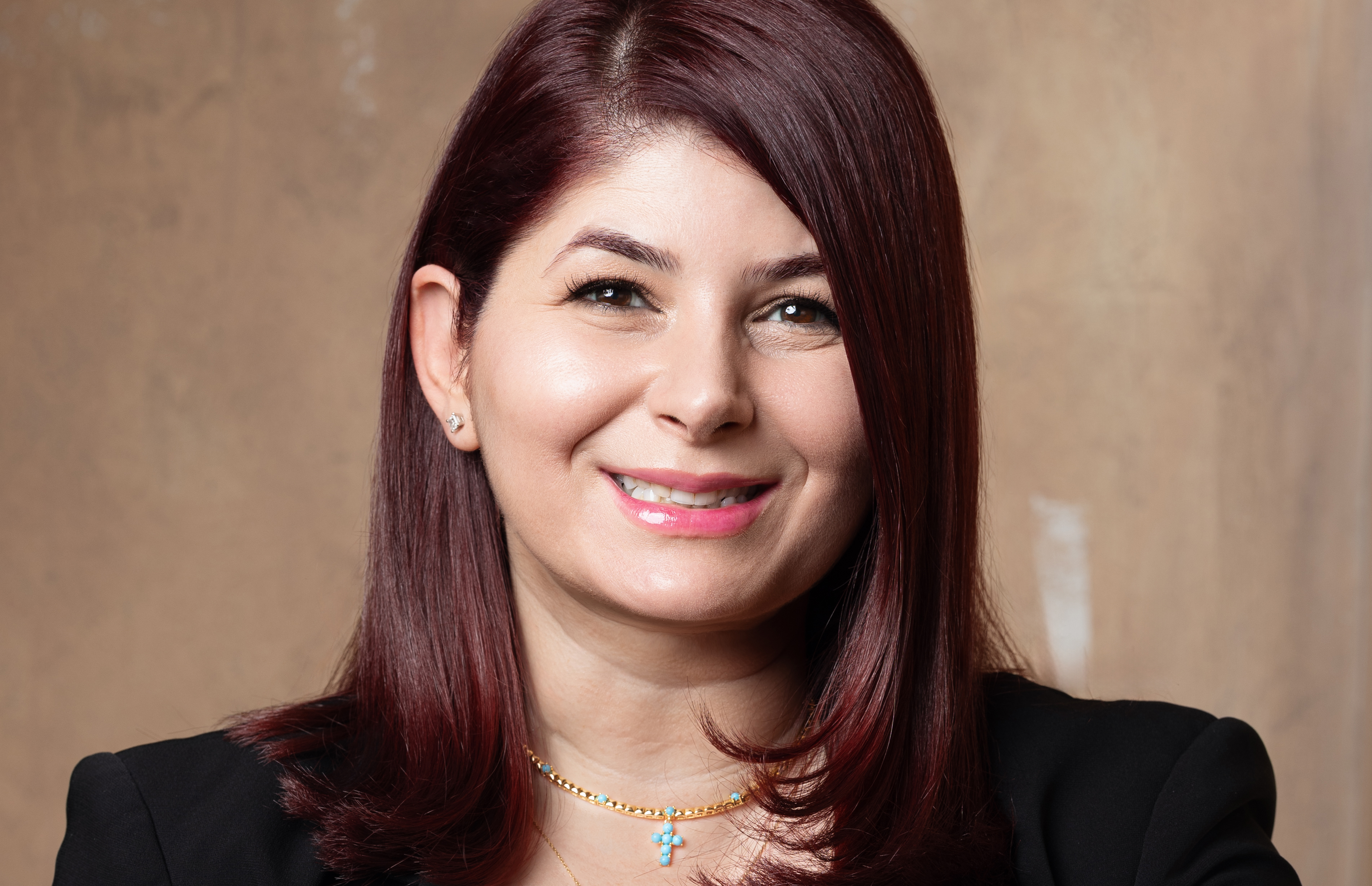
Yvette M. Amirian, ACE
There are quite a number of montages that are very fun. What’s your approach to those? Do you cut them with music when you start cutting them, or do you add music later?
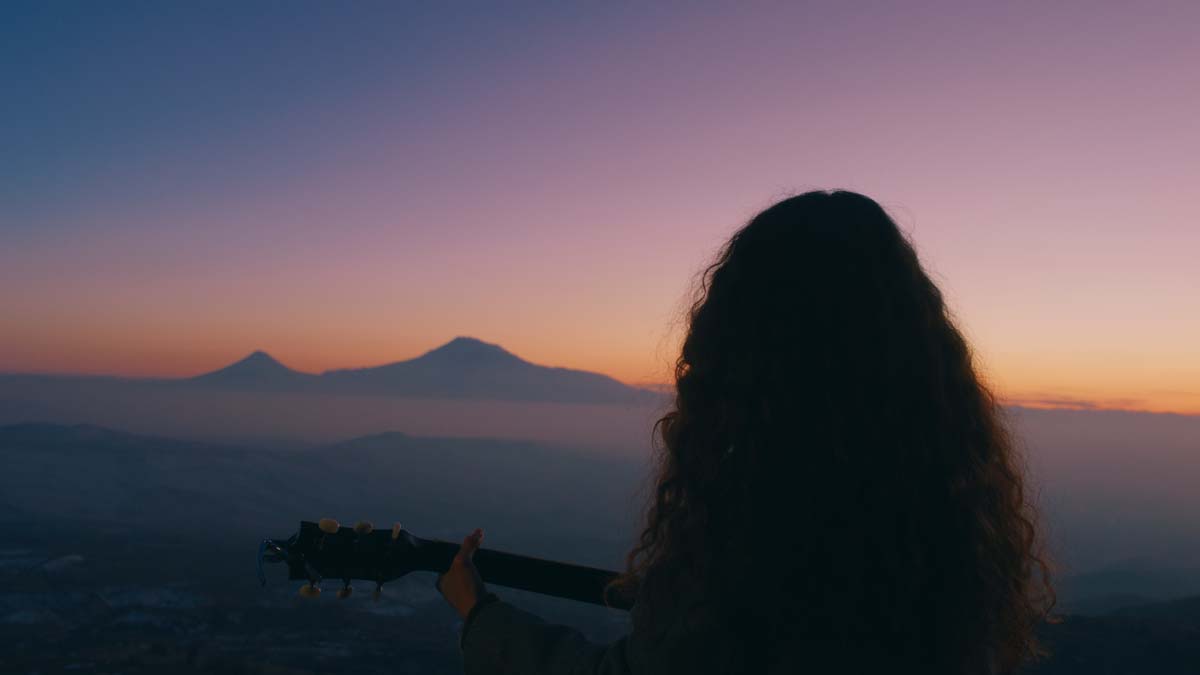
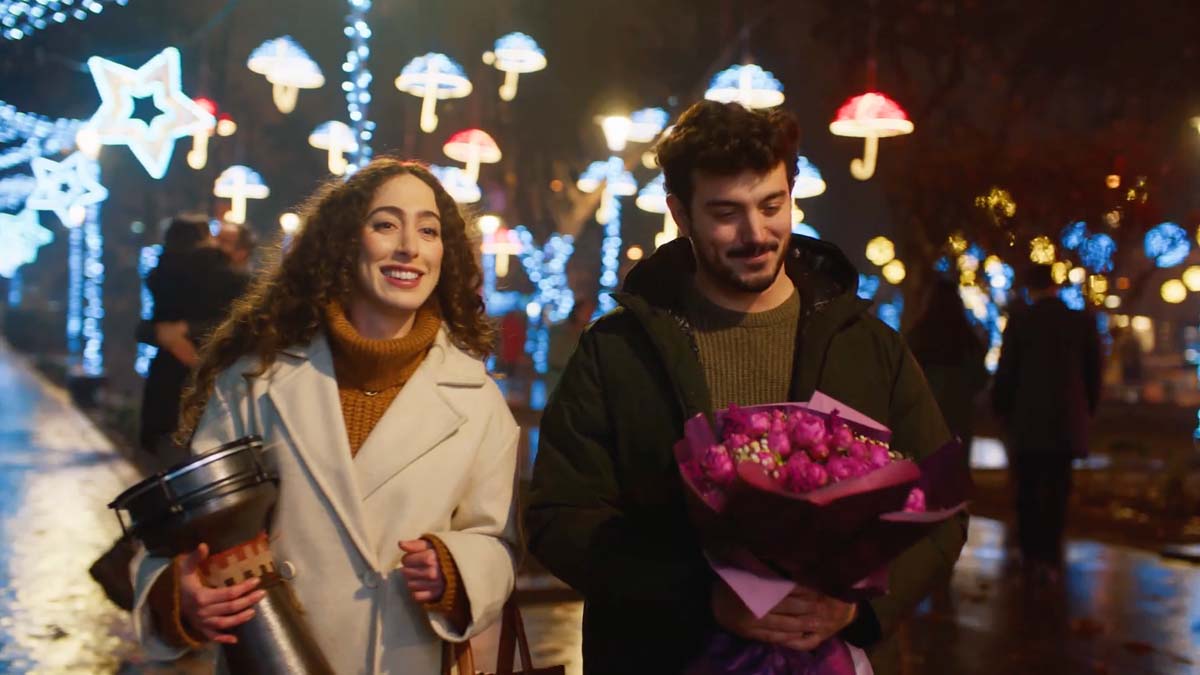
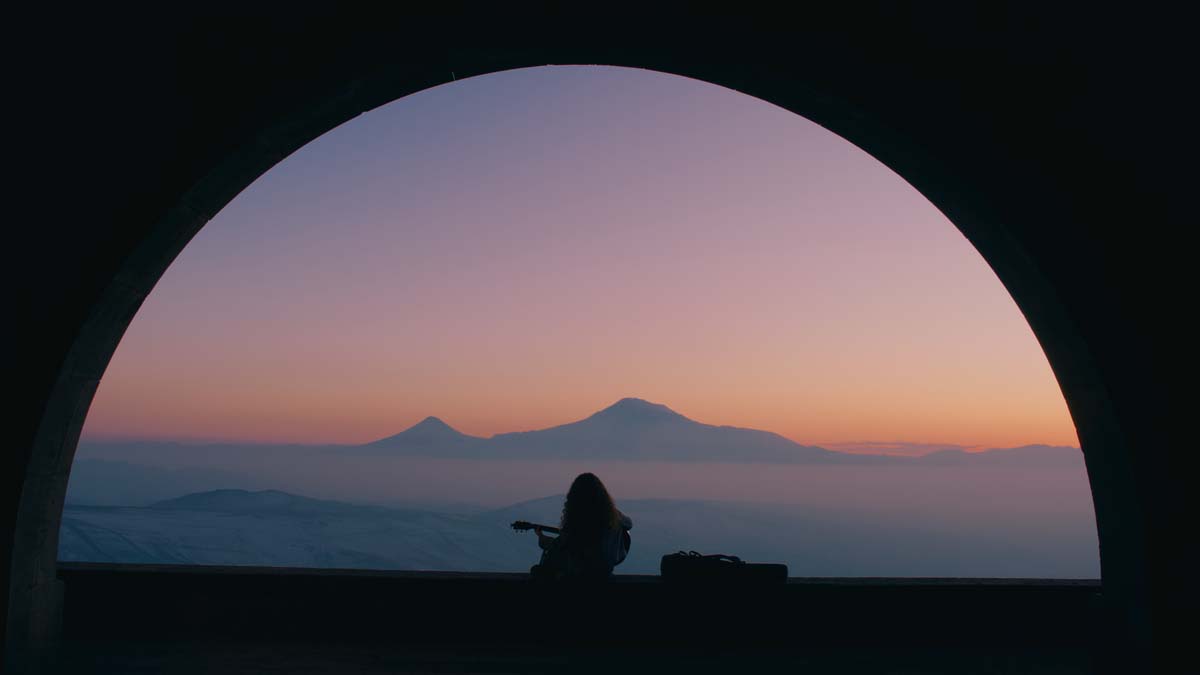
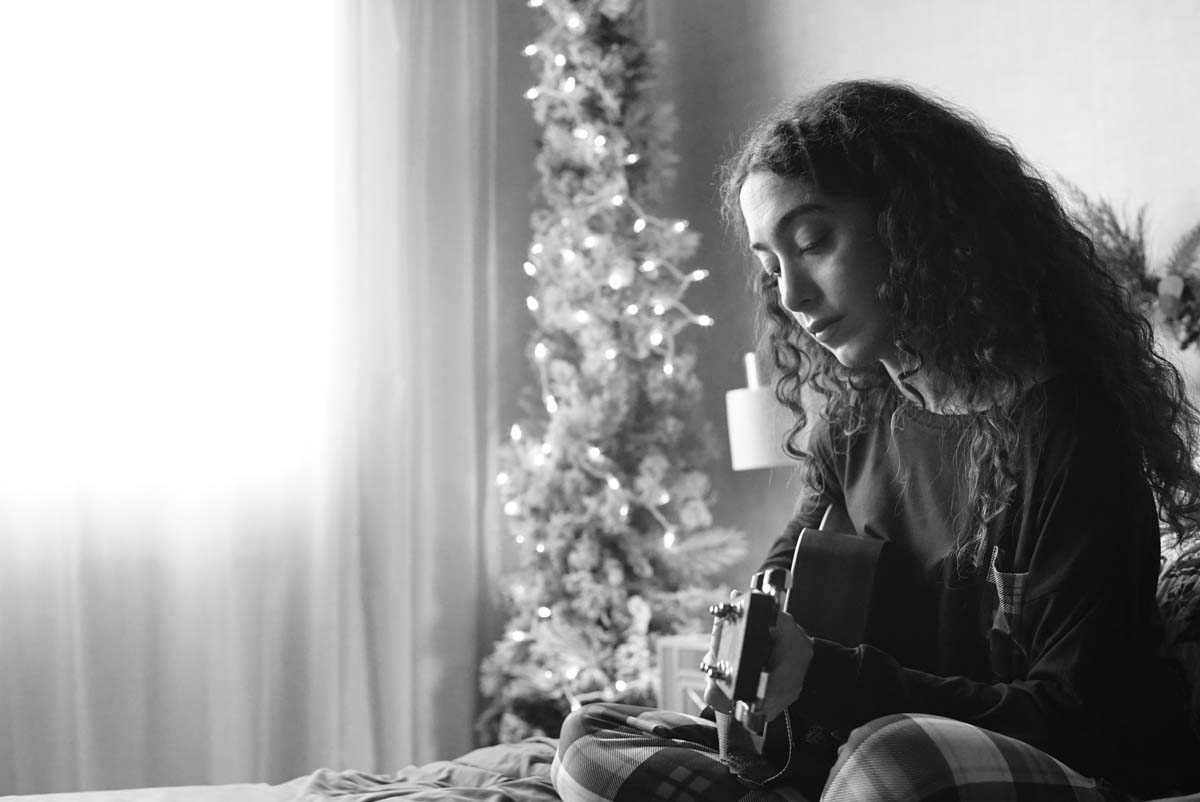
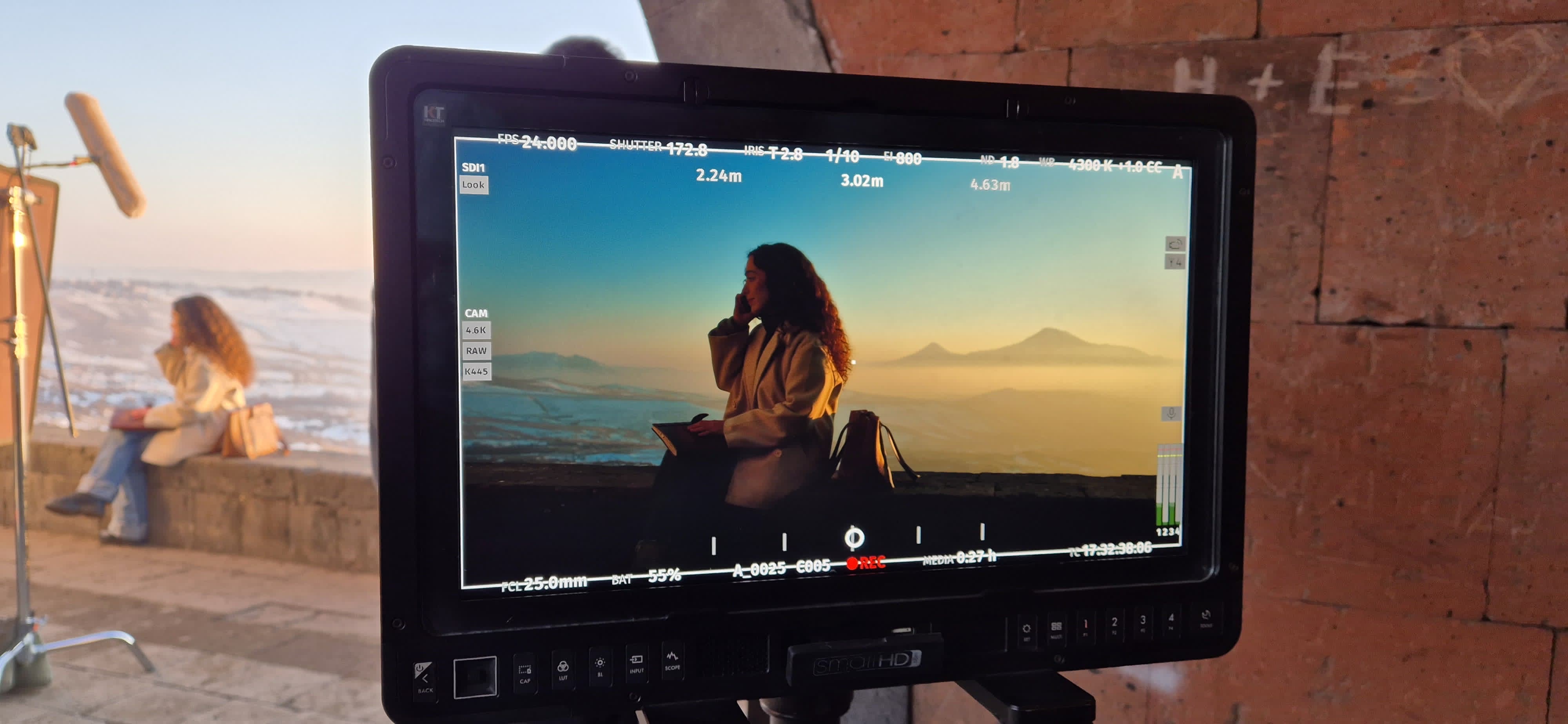
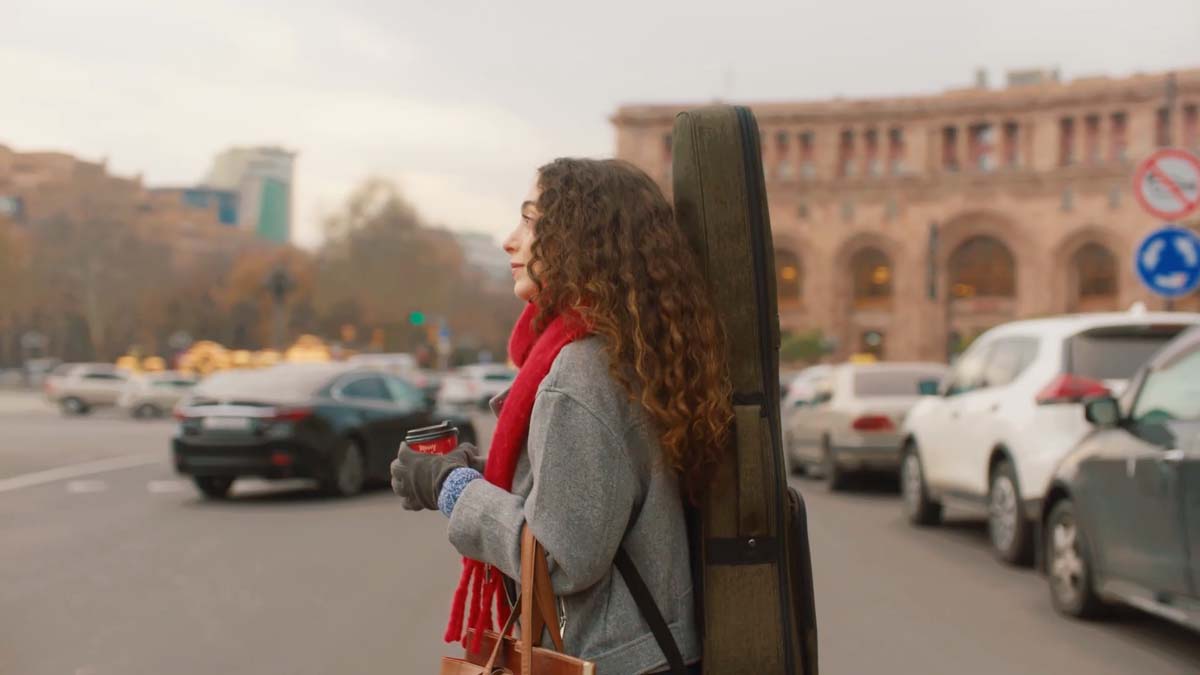
Some of the montages were kind of written into the script. For some of them, they were shooting things for the sake of shooting them, to see where they would land. For example, the shots of her walking down the city center, or her playing the guitar in front of the mountains, those didn’t really have a home.
They just were these beautiful shots that they knew they wanted to get. I think in putting the story together, I recognized where we needed to push things forward, and that’s where the montages came in and served us really well.
There was one montage that we used to have really early on in the movie. It’s the one that much later plays out, kind of pushing a forward into her big performance.
That used to come a lot earlier, and we had it like that for a little while. We did a few test screenings. Upon getting some of that feedback and really looking through it, we recognized that it was too early.
It wasn’t serving the story well. It wasn’t serving the character development well, especially the love story, so that was another reshoot that came into play there.
We made the decision that we were going to do a reshoot that was going to take the place of what that montage of it was supposed to be, and that gave us permission to move it later.
From a structure standpoint, it was really looking at those pieces and seeing what needed to live in that moment.
As far as the music, some of the tracks had been written into the script because that was always something that she had envisioned as being part of the movie. Between all of us - myself, a director and a couple of the other producers - we have a lot of contacts within the Armenian community that happen to be musicians.
There were a lot of artists that we had in the back of our minds that we could potentially use. I kind of had gone through all of those albums, all of those artists, and made a list of the things that I wanted to include.
I had these tracks in my arsenal that I was playing around with to see what would fit. Then, once the right song landed in that montage, that helped me kind of flesh it out and really be able to bring it together.
I want to follow up on this montage that got moved. Was it that the love story hadn’t gotten far enough and it felt like it was too soon? Was it that it needed a different dynamic at that point in the story?
I think one of the things that we kept talking about was that while this is technically a romantic comedy, we didn’t want their love story to be the center of it. We didn’t want him and their relationship to be her driving reason. We wanted it to be her desire for self-discovery, her having to deal with her grief.
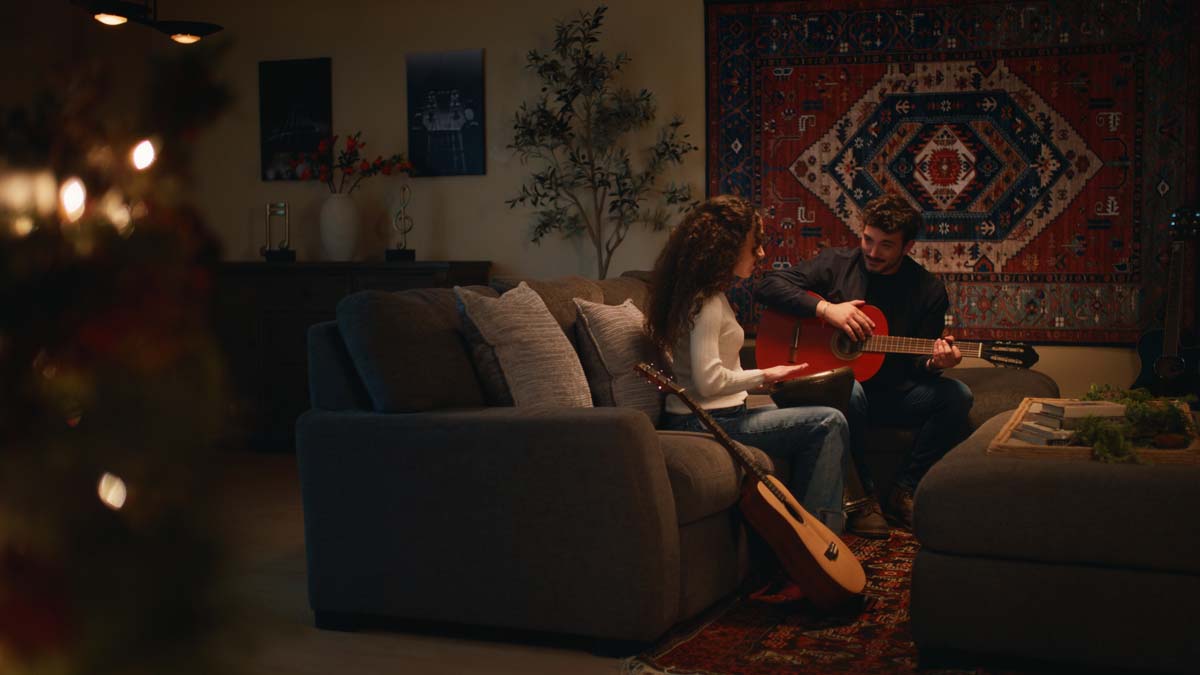
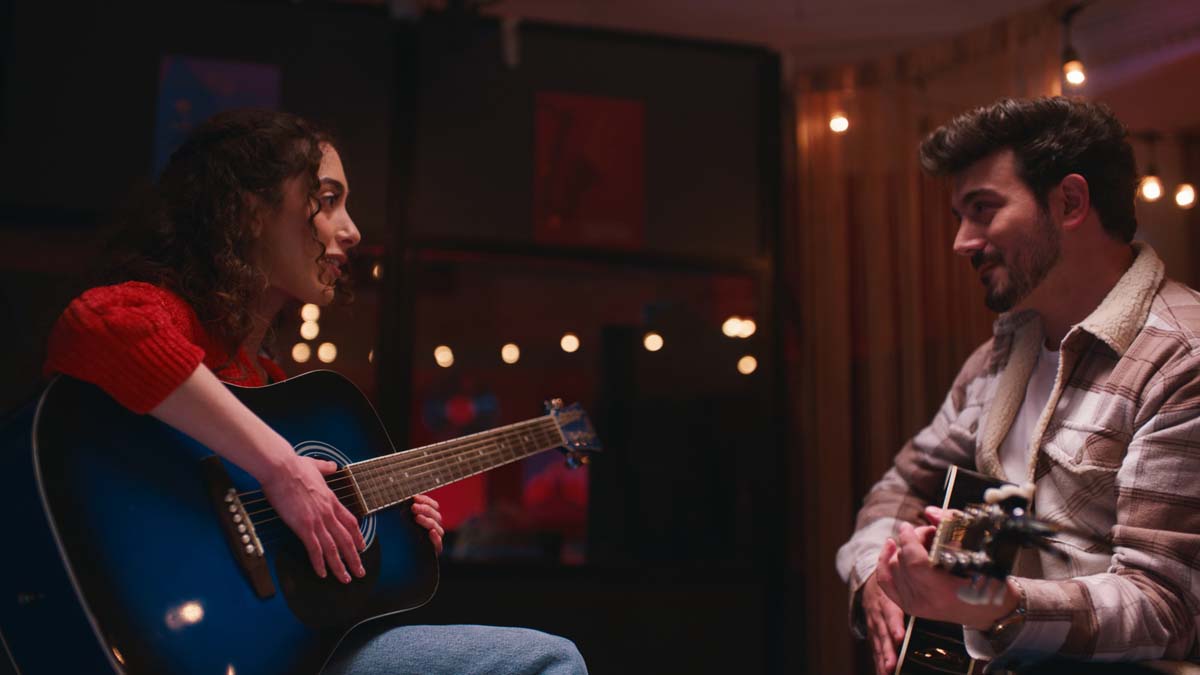
That montage that I’m referring to, essentially, there’s this moment where she meets another, female singer that she’s really drawn to, really loves her music, and they end up having a little practice session together.
That where she’s playing with the accordion in the music studio. That song actually was not originally cleared. It was meant to be part of a montage.
So we had this montage that we put together like it was essentially supposed to be like, she goes to this concert, gets really inspired, asks him to help her work on her music, and they start working on their music together.
That montage lived there for a long time, and it was a combination of her walking through the city, working with this woman, working with him. You’re seeing them kind of starting to fall for each other, then he would take her on this journey to meet his grandparents. It felt like that was not in the right place.
Then much later, you had a moment where they had a fight, they had a little bit of a falling out, and when they came back together immediately after them coming back together, she had to leave to go back home. Something about that didn’t feel right and we weren’t quite sure what the reason was.
I loved that scene with them working in the music studio together, and I said, “Let’s look into whether or not we can clear the song.
Something tickled the back of my brain and I remembered that I knew someone who owned the record company. We were able to clear it, which then gave us permission to play that as a whole scene where that montage used to be.
That was a hard scene to cut because it wasn’t shot to be a full scene. It was basically two wide shots. So it was a lot of 3D warps and zooming things in and creating close ups that didn’t exist and essentially creating a scene that didn’t exist.
Again, that’s where my documentary background played into it. Her voice sounded so beautiful in that scene. It’s a really beautiful Armenian song.
We all really loved it. So I’m very grateful that that worked out. So then it ended up living as a standalone scene, which then gave us permission to move the rest of those pieces to a montage later where we really needed it.
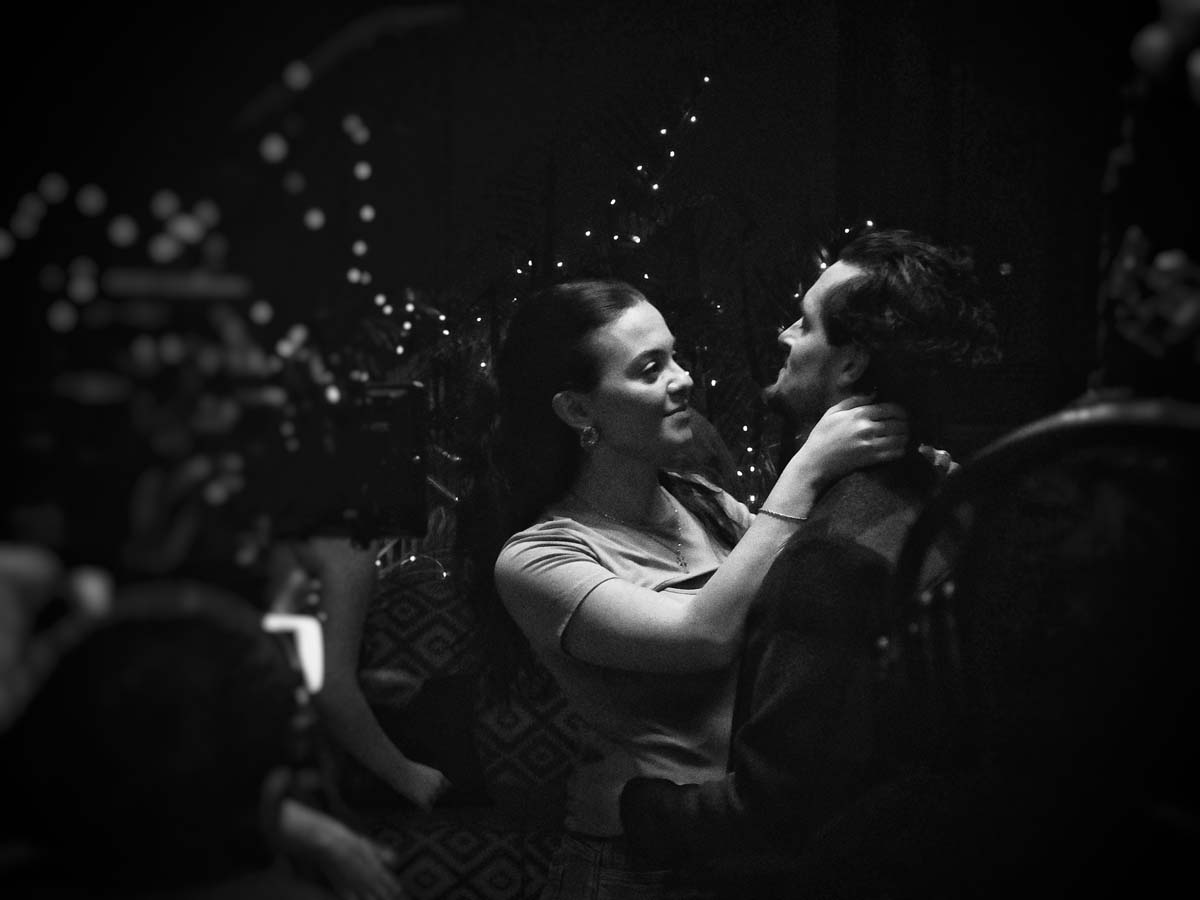
We really needed that montage later, because once they sort of kiss and make up, so to speak, you need a moment to build toward her big performance, show their connection, in order for it to pay off, that she has to then take off and leave him. So that was really the key to unlocking that.
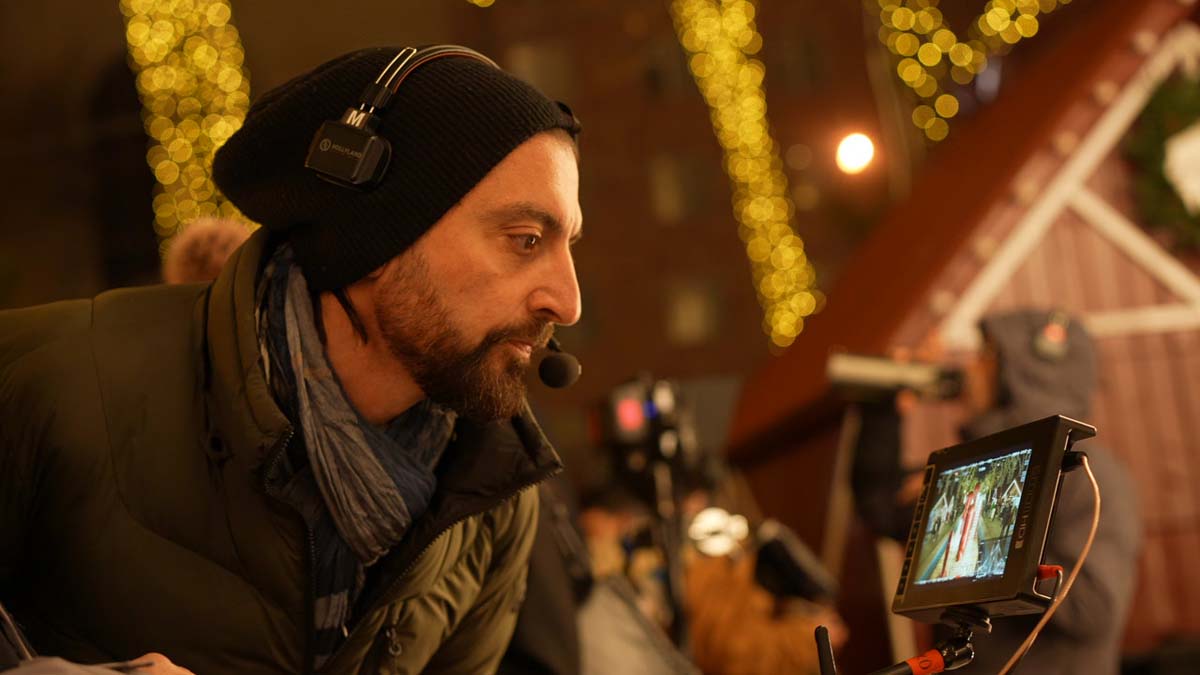
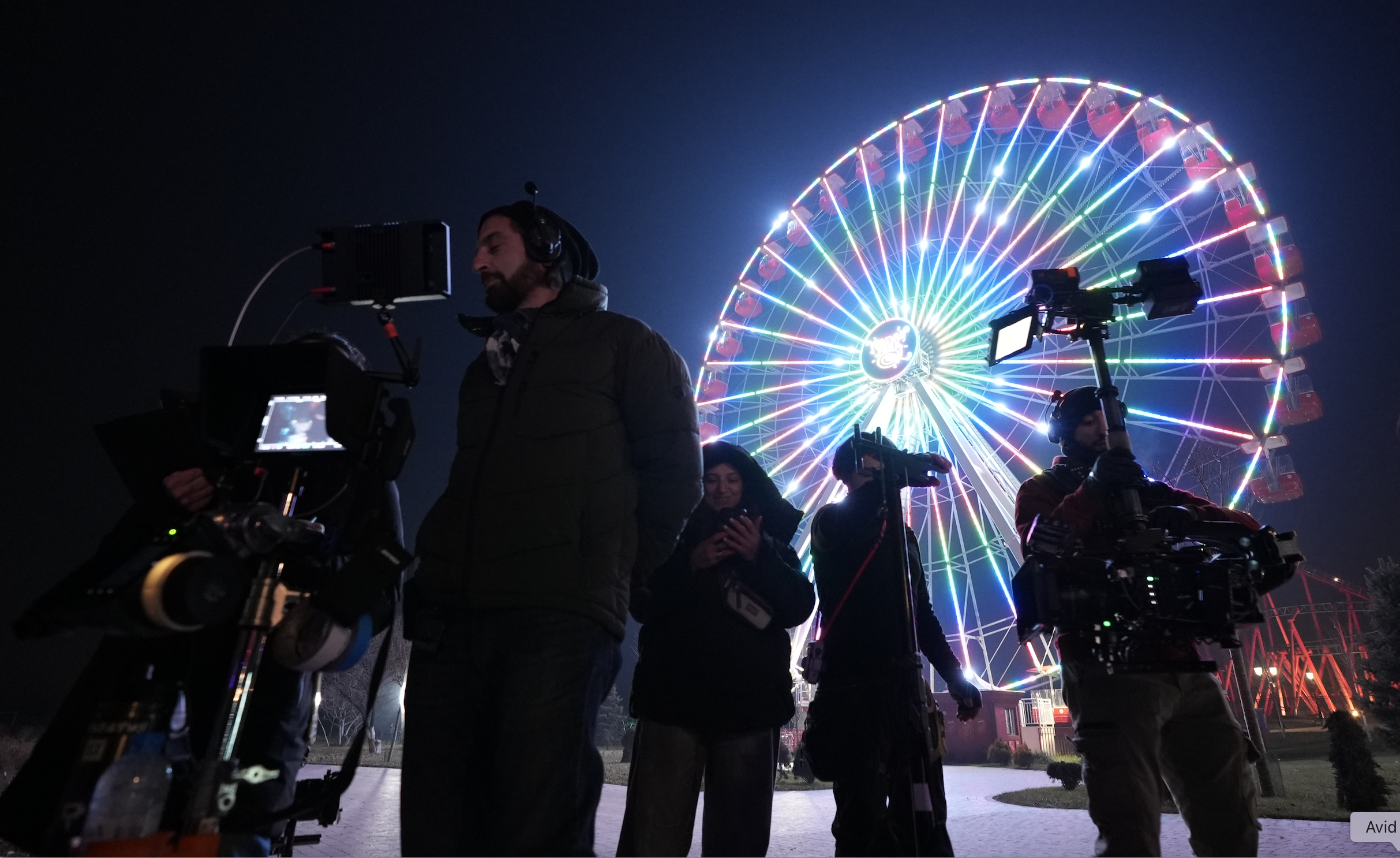
DP Mko Malkhasyan Miko
I loved the subtitles of the song. The lyrics are great.
You have no idea how hard I worked on that. There were a lot of translations. I speak Armenian fluently, but there were some words that were difficult. Is this what this really means? Is that the proper translation of that? We consulted with a lot of linguistic professionals to make sure that we got it right.
I was really proud of how that came together - that montage that I’m referring to - when I found that song, one thing that inspired that montage was there were these beautiful drone shots that our cinematographer, Mko Malkhasyan Miko, was able to capture of the city.
That mountain range that we keep showing in the film was once Western Armenia and is now eastern Turkey, but it’s a symbol for us of our culture and our heritage. He had gotten that mountain range during the daytime and at night time. I loved it because it shows Yerevan, the capital city.
The city is a circle. I thought it was a really cool way to showcase that without really telling it. That was a big thing that we kept thinking about as we were cutting: there are a lot of things we want to tell the audience, but we don’t want to tell them. We want to show them so that they’re intrigued by the country and the culture, hopefully.
Blending them together through a dissolve then finding that music track… the lyrics were something like, if I remember correctly, “I found you when I was lost in the darkness.” And she’s really going through this journey of grief and it’s not just about finding him, it’s also about finding her place in her late father’s homeland and also being able to reconnect with her family and her roots.
So there was a kind of double meaning there, that when we found that track and put it against these images, it felt like we were off to the races at that point.
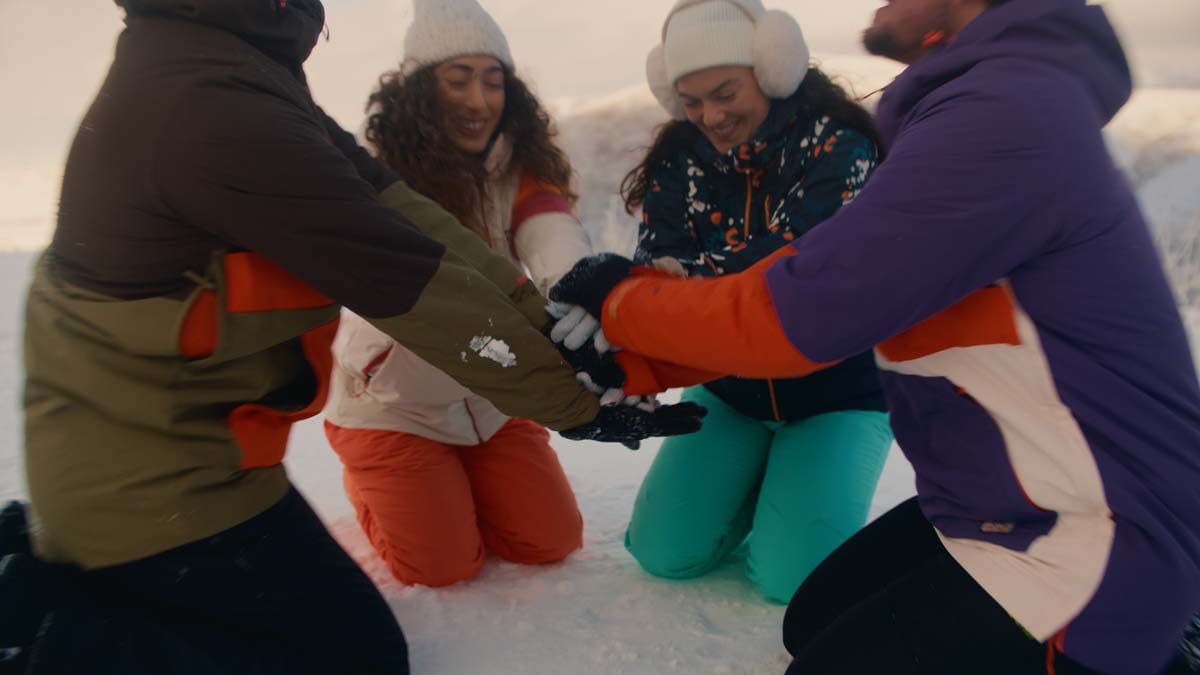
In the skiing trip/snowball fight montage, you didn’t feel the need to keep time continuity. They’re playing, then they’re drinking from a shotski, then they’re back to playing again. Talk to me about choosing what moments are going to follow what moments in a montage.
That was one of the few that was actually written as a montage or shot knowing that it was going to be a montage. Like the other pieces, we knew that they would come together in some form, but we weren’t sure in what order or how it would be included.
This one we knew what it was going to be. We’d leave the scene with the parents, go to this montage, then land in the little chalet for lunch. That used to be a different track. That’s actually now playing in the background of the ski chalet.
We ended up repurposing it and it worked really well, but it was an American song. It was one of Krista’s tracks, actually, and it was really fun, very EDM, kind of electronic dance music.
I knew I wanted to start on that drone shot, and I wanted to end with backing it up. That felt like a nice bookend to me.
Then one of our executive producers said, “Have you thought about this song?” It was an Armenian-American artist named, Tony Marino. I listened to the song and thought this could be cool because he speaks in both Armenian and English.
And the lyrics, even though we chose not to translate this one the lyrics talk about “you are my heart, you are my homeland.” It’s talking about a girl, but it’s one of those double meaning things.
We put that up against the cut and that ended up restructuring it from what it originally was. It worked so much better. There was a lot of collaboration there between our team where everyone was able to introduce new ideas. That music really helped shape that one.
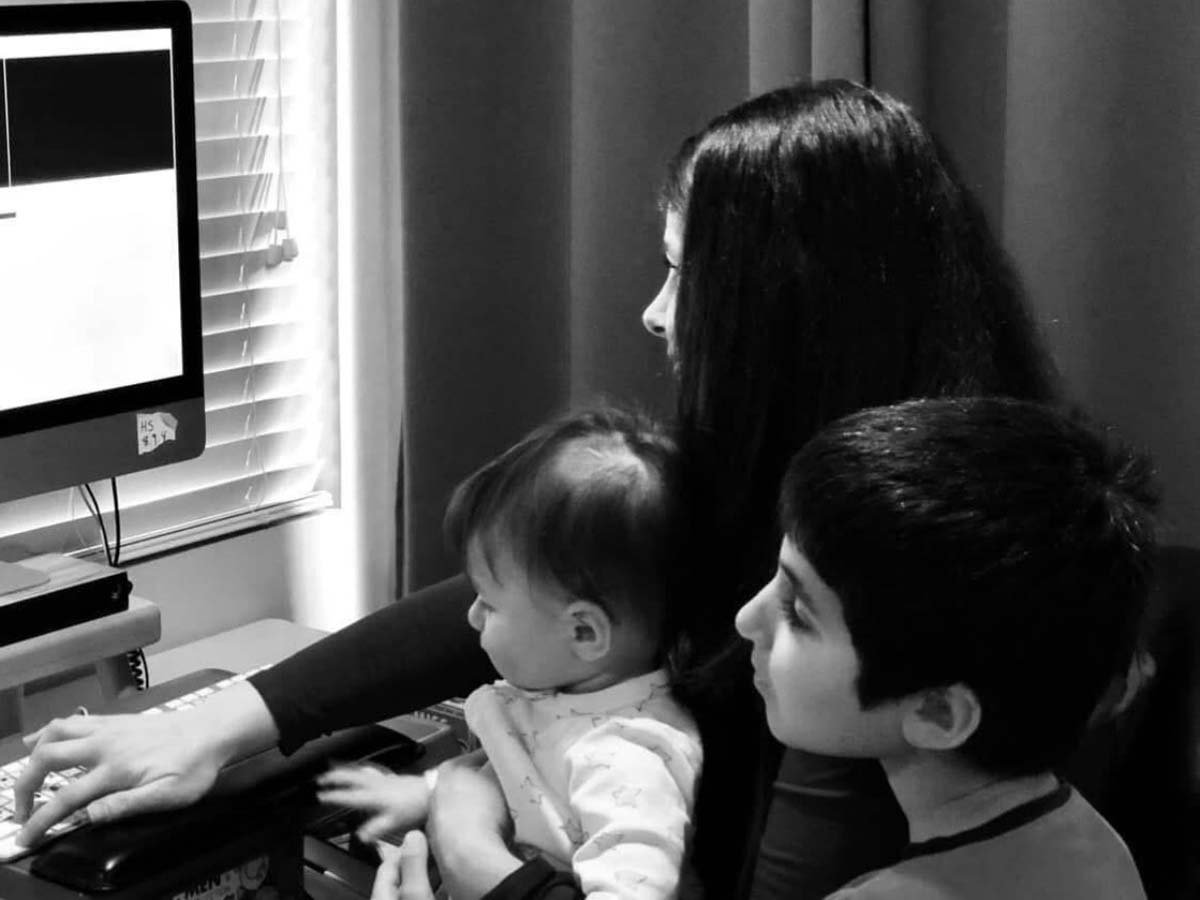
Yvette and her kids. Mom/editor
One of the things I really wanted to do in that montage was show a more fun and lighthearted side of her, and also show them starting to make the connection so that when they make that decision to tour around the country together, that doesn’t come as so much of a surprise.
You need to be able to see them being drawn to each other, so that montage allowed us to do that. Then, of course, the shared connection of them watching the cousins kiss all worked really well leading up to that.
There are transition shots between a few different scenes that get you from one place to another. They’re used beautifully to show the beauty of the country. Talk to me about using those transition shots between scenes, how long to spend on them, and how to determine which scenes would have transitions between them.
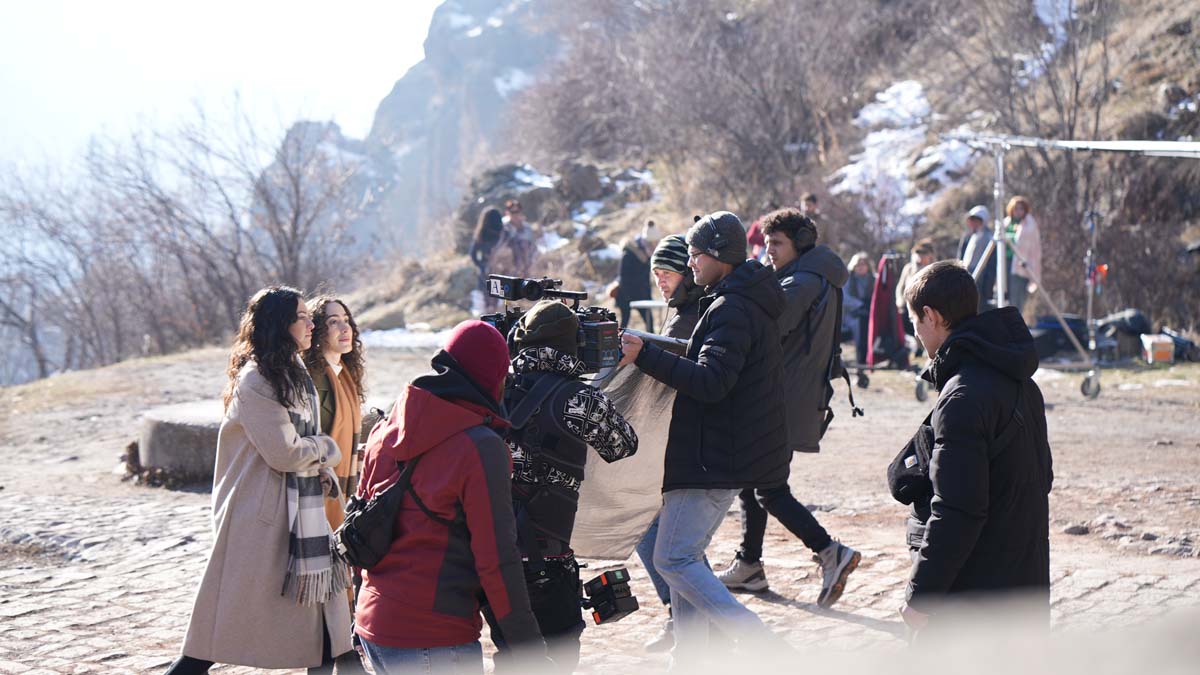
Most of those were not shot with any real purpose. They just went out and did a few days of shooting. And we acquired some of that footage because sometimes the fog is very heavy, so it’s hard to shoot those drone shots. So there were a few things that we ended up having to acquire.
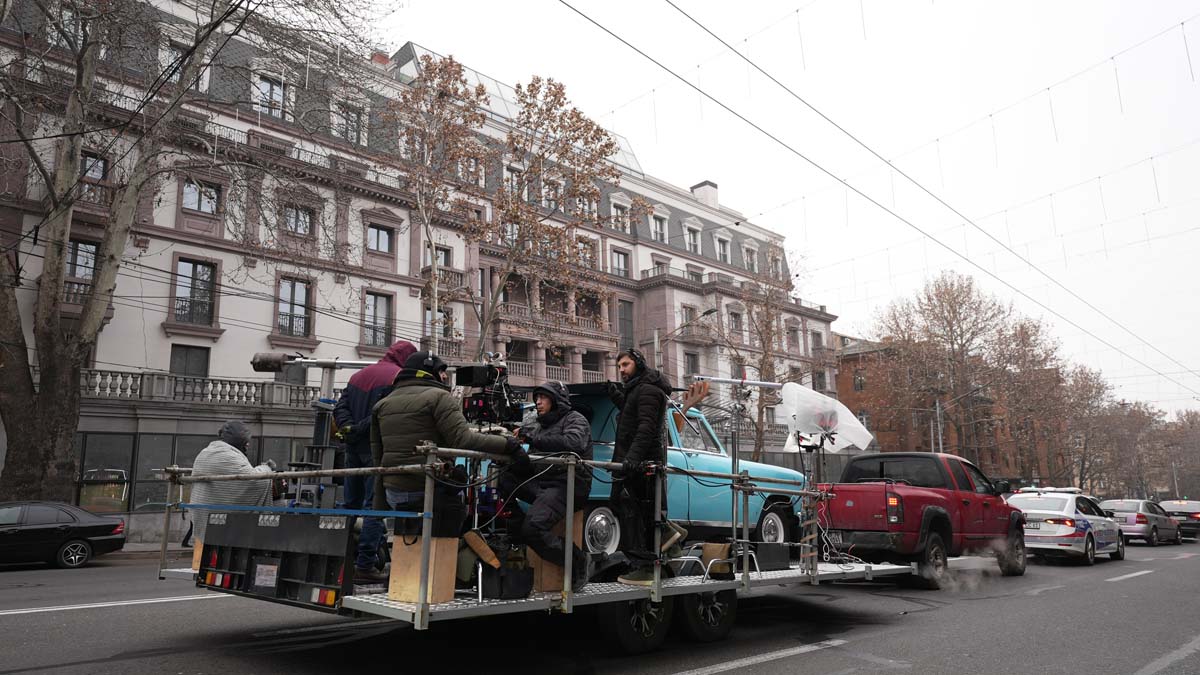
One of the most time-consuming things was organizing that because I made a system for myself to find my favorite pieces: These are the ones of the mountain.
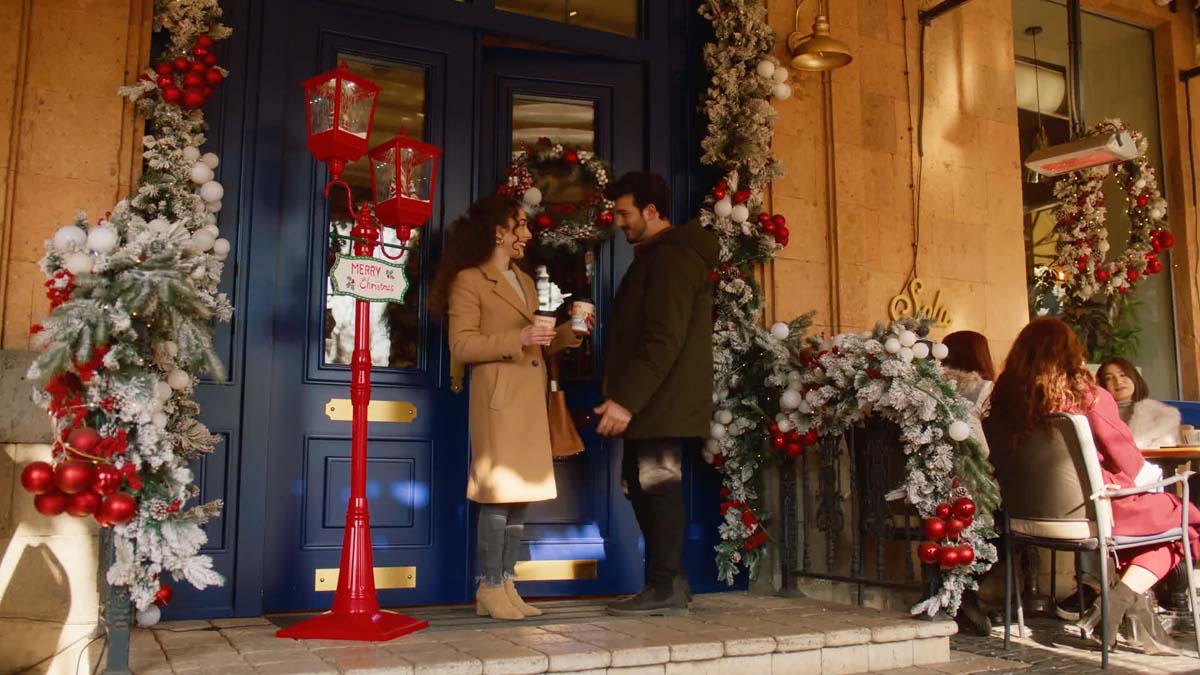
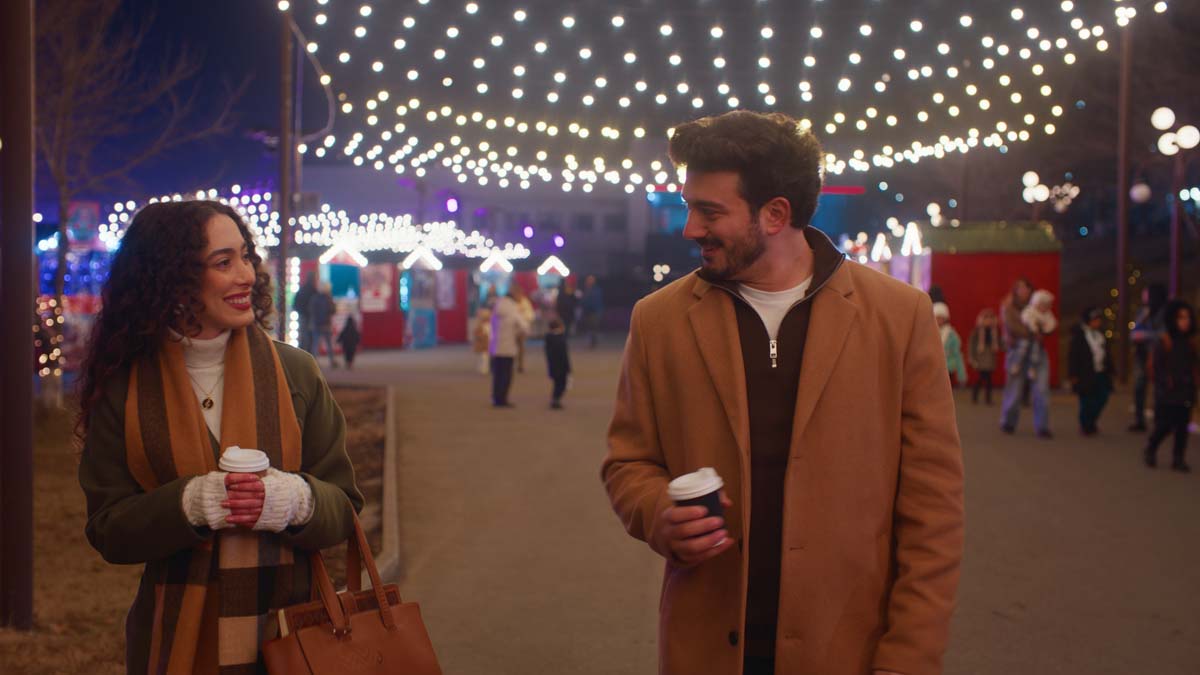
These are the ones of the city. These are the ones of the Christmas ornaments. There were so many holiday ornaments and holiday decorations. They shot during the daytime.
They shot during the nighttime. They had drones. I had to spend some time really organizing and separating that out to even wrap my brain around it. That was one of the better uses of time that I spent going through all that.
Then once I had that organized in my head, I was able to go through once I had the scenes kind of in the right order and say, “Okay, what do I need a transition for and where do I not.”
In my very early cut I think I had far too many transitions and drone shots. That was one of the first pieces of feedback that I got back from showing it to people. I knew that going into it, but I needed some sort of connective tissue because I knew there were going to be reshoots.
I wasn’t sure where they were going to go, so in that first iteration of it, I just used my favorite pieces to see how it would feel, then in trying to hone it in, I said, “Okay, where are these transitions really important? Where do I actually have to show these big images of the country, of the city?
And where can I stay a little bit more low to the ground? So in the scenes where I was going more from like local place to local place, I tried to keep it a little bit more grounded, showing, let’s say, the kids walking around or people just coming in and out of shops, and I saved the bigger transitions for larger passages of time or going from one place to another. So that’s sort of how I structured it.
Even until the last minute I was going through some of that stuff and thinking, “There might be a better thing here.” And swapping some of those out. So I spent a lot of time on those transitions. That’s why it’s important to take a step back from it and just watch it with fresh eyes.
I think at one point I was way too close to it, and it helped to have that separation and get that feedback. Like, I don’t need all these or what would happen if I just didn’t have a transition, period? What if I had an L cut? What if I threw you from one place to another?
But I will say, the transitions kind of became part of the visual language of the film and our composer, Arman Aloyan, helped bridge that together because in some cases I wasn’t sure if there was going to be music or not, so working with him, we were able to establish where those would work best as well.
Those transitions helped give you a feeling for the city, for sure.
That’s part of what we what we wanted. We always talked about the fact that we wanted the city to feel a little bit like a character. We wanted that to always be present. When you visit Armenia it is a very powerful thing to be able to see those structures.
It means something to our community and our culture to see the Mother Armenia statue, for example, or to see that specific church with the mountains overhead.
Dealing with transitions and connections when you have to cut scenes is always a trick when there was supposed to be something in between. When you lose a scene for story reasons or pace reasons, now you’re joining two scenes that were never meant to go together. So now what do I do? Did that happen to you?
The early scenes that I mentioned that we cut out, the tricky thing with those was it wasn’t so much that the scenes going away caused an issue. It was that there was fallout from the content of those scenes.
So a person that was mentioned - who doesn’t exist in any of the rest of the movie anymore - was mentioned multiple times, so I had to cut around that. That was the challenging thing: how do you make that feel seamless?
It was seamless, because I didn’t notice.
Okay, good! The biggest mention of it was when they’re in the karaoke bar. That was a whole Skype conversation between her and the cousin before the guys come over.
So there’s actually a very imperceptible thing that I had to do. That was actually very, very tricky. I’m scared to mention it because if anybody goes back, maybe they’ll pay attention to it.
But that was actually two separate scenes. The guys are actually on the other side of where they’re supposed to be, so I did a split screen, and I cheated it to make it two scenes in one. That was a very tricky thing, but that was the key in cutting all that out.
It was also too much back and forth. They say hi, then they go up and sing, then they come back and they have a whole other conversation, but no! At the moment where they lock eyes, that’s your out! You want to be out of that.
But because there’s important pieces of that conversation where they tell her that he’s a music producer, that he happens to live in Armenia… all that stuff is really important, key stuff to the story. You’re not going to get that anywhere else, so I had to figure out a way to weave that together.
This is a very musical story. There’s a lot of music in it. Talk to me about finding the moments not to have music.
It was a very music heavy film, and that was part of the fun of it. We really enjoyed that. For me it was the quiet moments between her and her cousin, the really emotional moments. Those were important to kind of lean into and just have it be their world.
I think anything with the family where we had the opportunities to kind of focus on her relationship with the family, the scene with her and him, where they’re like playing at his studio and she’s playing her song and she’s kind of telling him: “This was something that I came up with with my dad.”
We had a little piece of score in there that we ended up pulling out in the mix, because it felt like it was getting in the way of what that moment was, and you were going to have something take you out of it in a moment anyway, so it didn’t feel necessary.
So there was a little bit of back and forth on that. But we did have a few pieces that we pulled out in the mix just to help it be a little bit more quiet. I like playing things quiet when I can because of the language of the film.
I feel like this is one of those movies where you do have to have a lot of music in between transitions. I think that’s something people expect in a romantic comedy.
It would feel dry otherwise, but any opportunity that I can, I like playing things really dry. I worked on another movie where we had no score. Everything was entirely sound design. So I’ve done both.
You can’t have every single song play out in its entirety, even if you shoot it that way, you can’t edit it that way. Talk to me about getting in and out of music or shortening it, or what you have to do to condense it… what the tricks are.
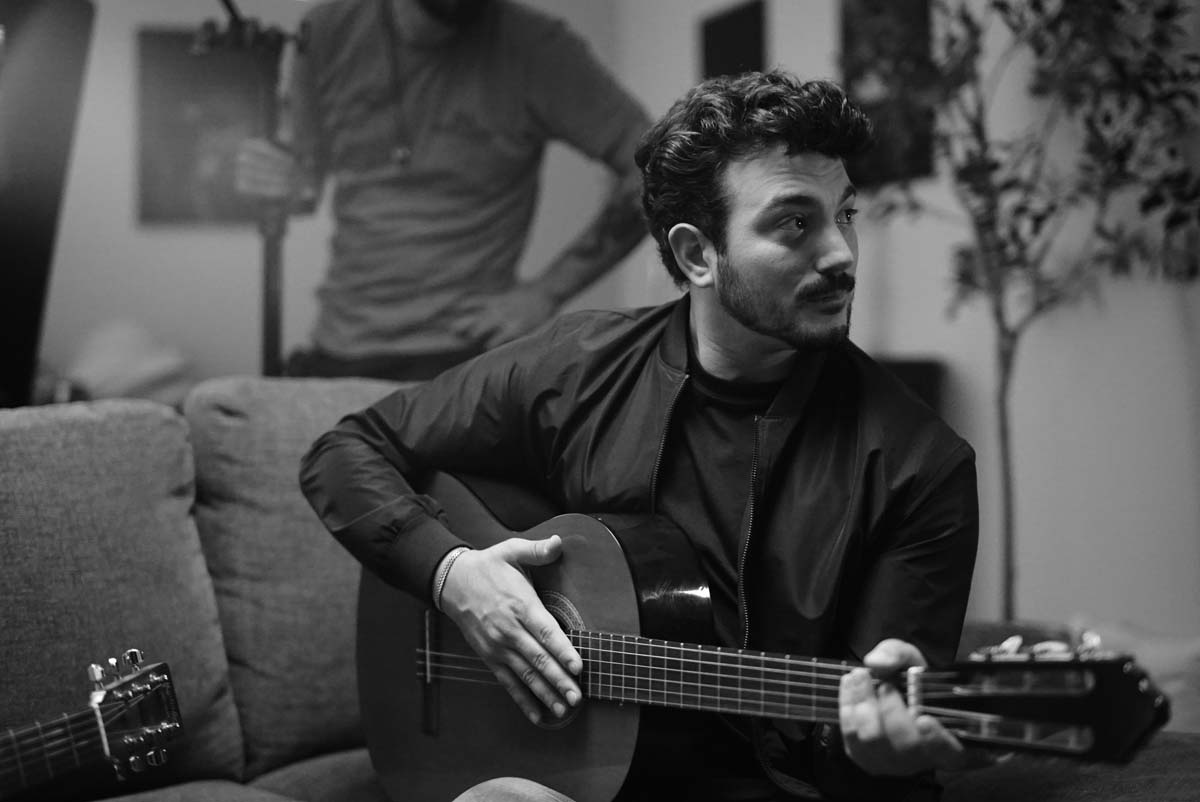
I was actually the music editor on the project, not in terms of the composer’s music, but anything that had to do with our licensed tracks was on me. I really, really love music, so for me, it’s not a problem. Given the fact that this had to be so precise, it just made a lot of sense for me to be the one doing it.
Probably the most challenging thing was the performance scenes. For example, when they’re in that club in the basement, they have the music playing in the background. They also have her singing live, so I had them give me the stems, and I was able to cut it in such a way where I was able to take it down in the background to make that dip for when she walks over and talks to the Liana character, then ramp it up when she goes back. We worked on that a lot with our music mixer and our sound mixer to really get that to land in the right place.
The montage that you mentioned at the ski resort, that was really heavily music edited, probably that was the most challenging thing that I’ve music edited ever, actually.
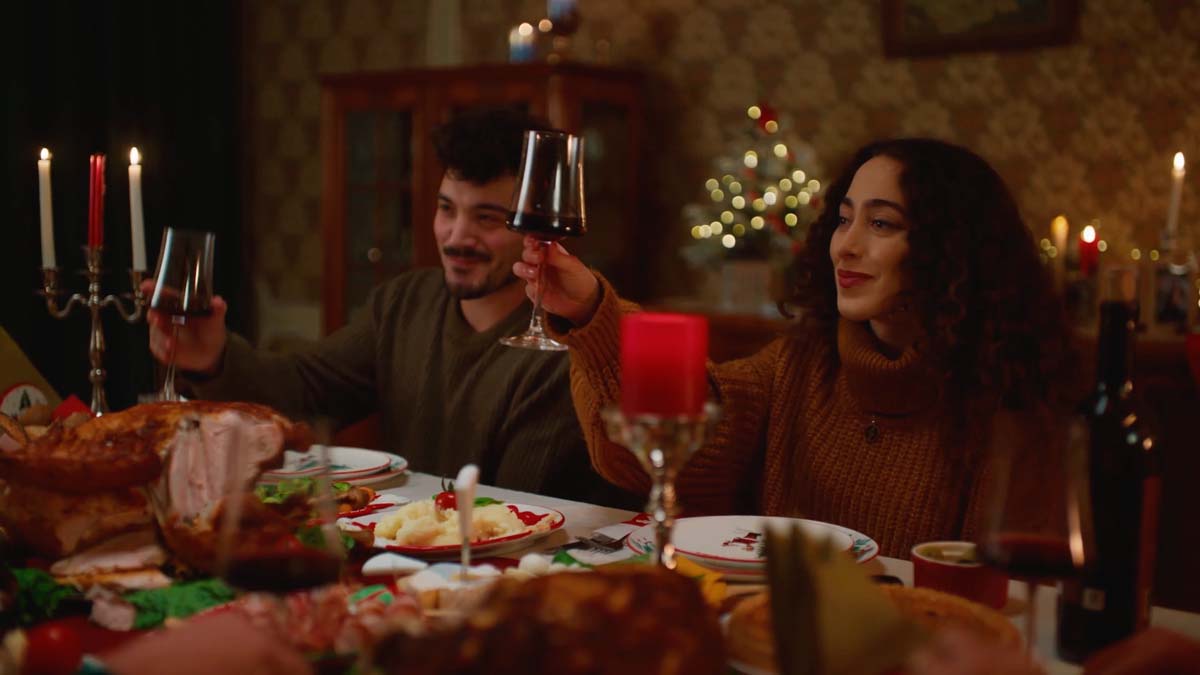
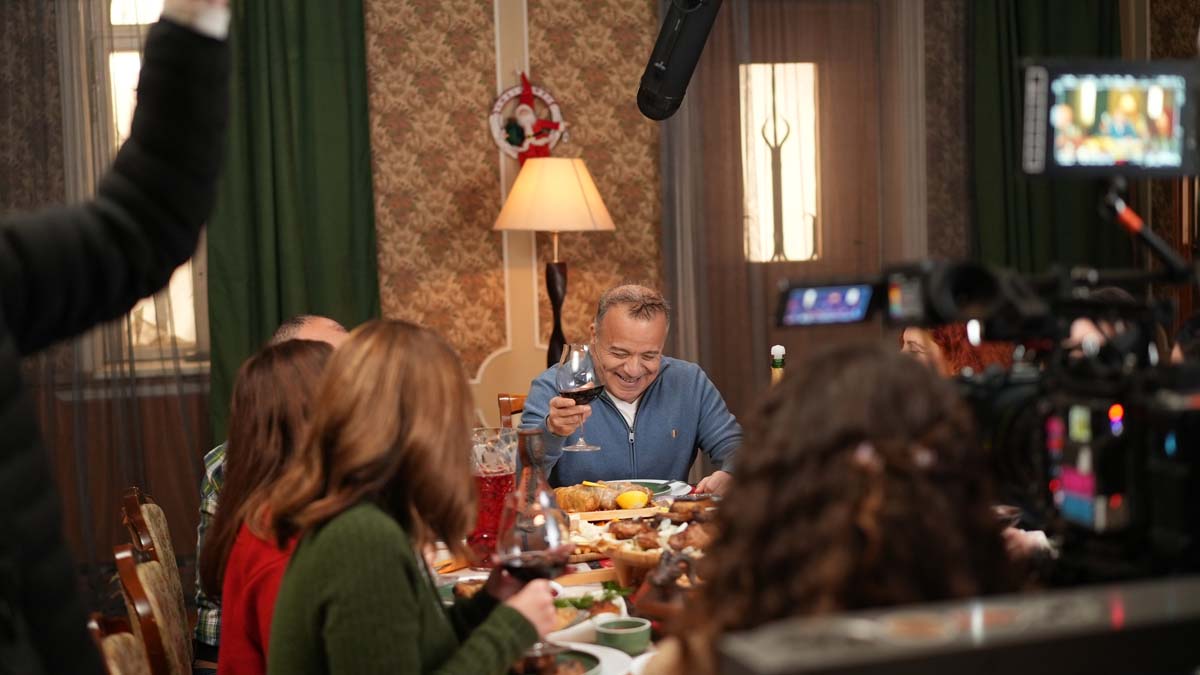
There’s this scene when they leave the restaurant with the grandparents and they have a Christmas dinner with the cousins. The audio in that scene was not recorded properly. It kept going in and out. There was some sort of malfunction with the mics.
My initial instinct was, “Can we use it if we can’t hear what they’re saying?” The whole purpose of that scene was supposed to be that her cousin and the boyfriend are catching on to the fact that there’s something going on between the two of them. So I thought, “Well, if I can’t capture that, what purpose does it serve?”
One of the artists that we had used really heavily - a woman named Rosaline - who’s an Armenian artist, we found one of her tracks that we really loved, that we felt spoke to what was going on in that moment.
It was very much about her trying to overcome grief, because the scene that we’re coming out of with the grandparents is his grandfather passing along this heirloom of her father’s. So how do you take that grief and turn it into something a little bit more positive and happy?
So this song happened to kind of echo that in a way. But the problem was that it took a really long time to get to that big hit that you needed.
I did a heavy amount of music editing to get that to land in the right place, so that by the time you got to the family dinner scene, it was full bloom exploding in the right way that it needed to for it to land properly.
That was really fun to music edit, but it took a lot of work. That was a very heavy lift for sure. The way that that scene came together, I think if I had had that audio, it wouldn’t have been the same.
There was something about that music cue almost telling you that story in a way, to work together really beautifully, then part of it had to be used while they were walking and talking together.
Balancing that out in our mix was also really tricky and something that we worked on a lot.
Let’s talk about intercutting. There are two sets of friends or cousins and they’re discussing this budding romance. The two girls are together saying, “I’m seeing something!” And the two boys are together saying, “I’m seeing something.” Was that scripted as intercut?
It was not scripted as intercut. That was discovered in the edit. That was part of the fallout of not having that audio that I mentioned, because had it not been for those scenes where they say, “I think I see something between you,” had it not been for that scene, maybe we didn’t need to keep that dinner scene, the one without the audio, right?
But because I knew I had to build toward that, that had to be the reason for him starting to percolate: “Okay, maybe he’s right. Maybe I should say something like, maybe I can’t keep this as professional as I thought I would be able to” because I had to build to that.
Once I built to that, it felt kind of flat. Just her telling the cousin that I feel like there’s something and her ignoring him. And I saw that there was a natural back-and-forth between the two, so it was fun. I just took the pieces and experimented with it.
Like: “What happens if she says this? What if he says that?” Of course, I ended up cutting pieces from the original scenes out to condense it and get it to feel a little bit more organic, but a few people have told me that they thought it was scripted that way, which makes me feel better because I love intercutting.
When I see those opportunities, I think it’s really fun and that lends itself to that really organically, so that was really cool to pull together. The directors who I’ve worked with - who give me that creative freedom to try and make it even better than what they thought it could possibly be - those are just the best relationships. I feel like that trust goes a long way because ultimately it’s better for the film.
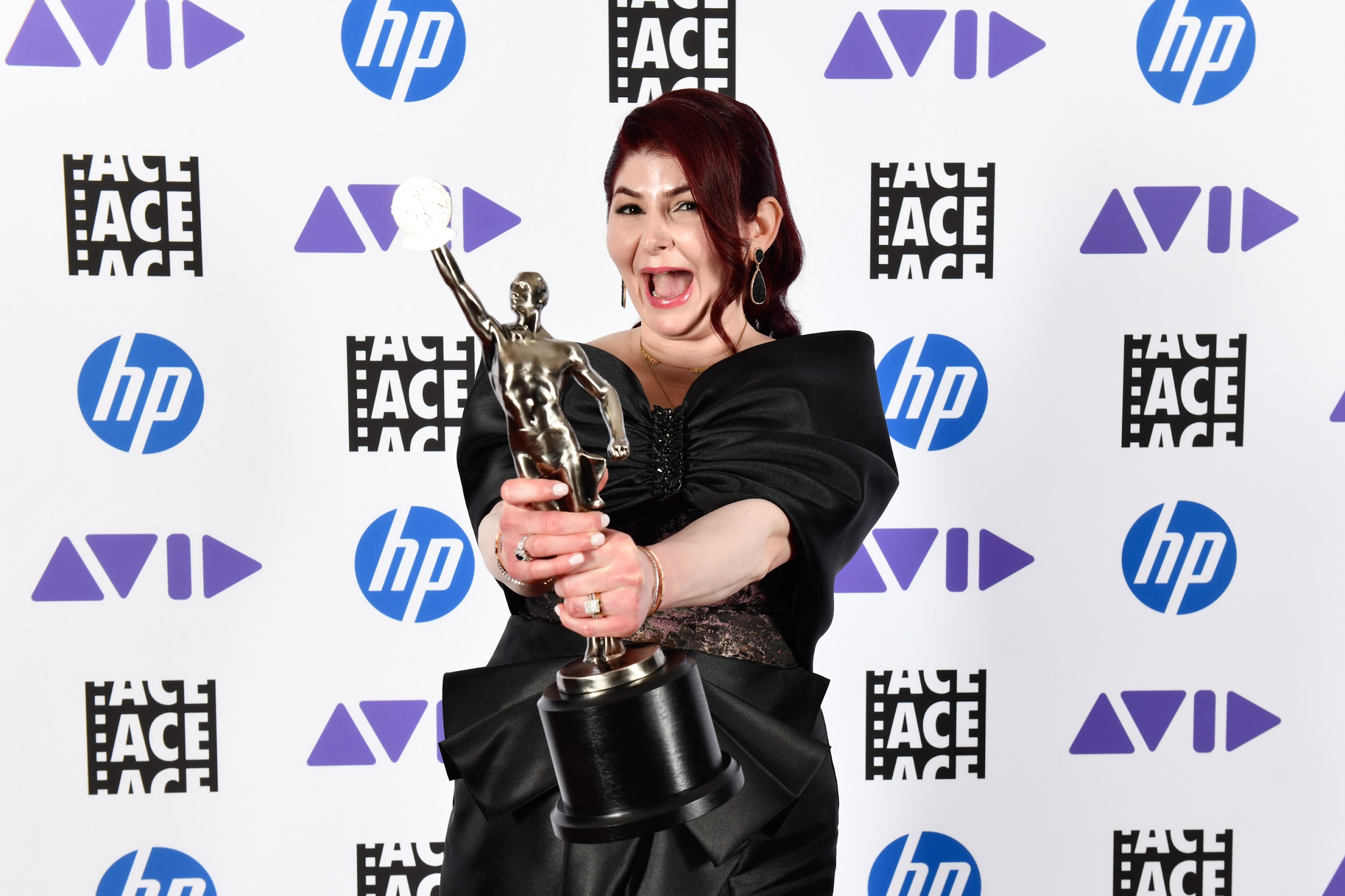
Yvette at the 2026 ACE Eddies with her award
You won an ACE Eddie and I’m assuming you vote for the Eddies or the Emmys. So what leads you to vote for a TV show or a film for Best Editing?
You and I were talking earlier about the fact that I teach at USC. I’ve been teaching there for a little over 11 years now, and one of the biggest questions that the students will ask is, “How do I know if the edit is good? How do I know what makes a good edit?” That’s a really hard question to answer. Obviously, story is a huge part of it.
The clarity of the story, does it keep propelling forward? Does it keep you engaged? I think that’s a huge part of it. Obviously, pacing is a big thing for me. Making sure that it’s not dragging or if it is, that it’s intentional, it’s with purpose.
If something is deliberately slow, what is the reason for that? Or if it’s conversely really quickly paced, what is the reason for that? I always like to tell them to think about why they’re making the edit. What purpose does the edit serve?
Of course, in a lot of cases, you don’t need to make the edit. Sometimes you just hold on the shot because the emotion is good, the performance is good, the moment is good, and learning how and when to recognize that, I think that’s one of the things I see early on with the students is that there’s this desire of being everything, everywhere, all at once, right? Like, “I have to cut to everything.
I have to use every single shot!” So showing that restraint. Obviously, one of the things we all talk about is when I don’t notice the edit, if I’m drawn into the story and I’m not noticing the editing, I feel like the editor’s done their job really well.
Did you cut this on Avid and do you have any other experience with other NLEs?
I’ve worked with Premiere, I’ve worked with Resolve, but Avid is primarily what I use. It’s also what I teach at USC. I cut this on Avid and it was a very seamless experience.
I also, was a sound designer on the project, so between the sound design and the music editing and having to shuffle things back and forth between our mixers with ProTools, it was really seamless and very easy to do.
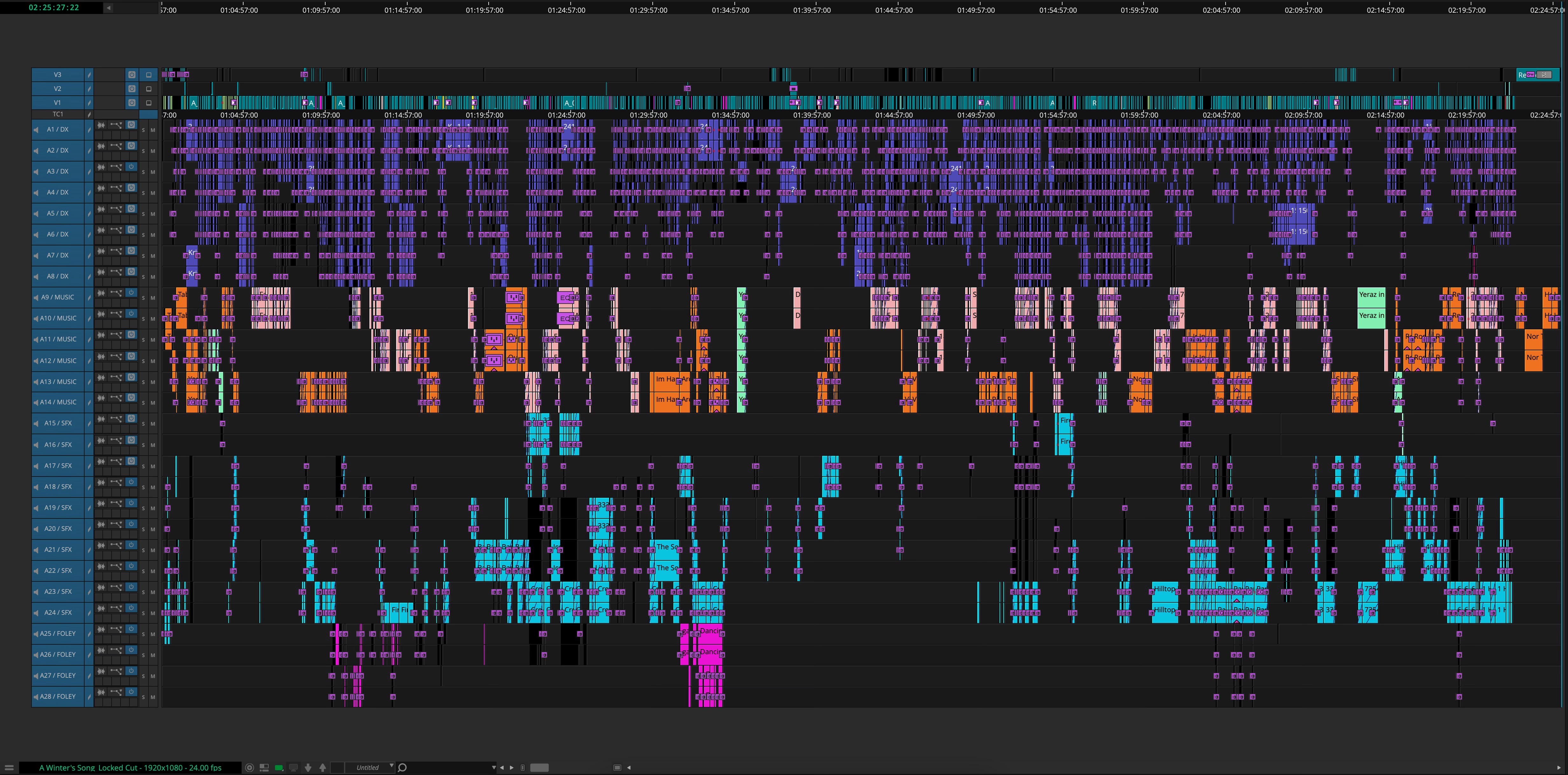
Avid timeline screenshot for A Winter’s Song.
The film shot in Armenia and in LA. Did you go to Armenia?
I did not, sadly, no. I broke my foot last year, so the whole time I was cutting this, I had a broken foot. I did not get to go, but thankfully I was able to live vicariously through the incredible footage.
My older son - who went to an Armenian school, the same school that I went to - their eighth grade class trip is a trip to Armenia. I didn’t get to go.
My husband got to go with him, but I have been. I went when I was 20 years old and my husband hadn’t been there before, so he got to go and experience it, which was really special.
That was one of the reasons why I chose to do the project is I wanted to show the beauty and preserve the heritage for my kids. I think he was more excited to go, having seen the footage and the movie, than he would have been had he not had that experience.
You’ve mentioned that the film is a pretty small indie film. Talk to me a little bit about the size of the production or the schedule of the production, and kind of some of the constraints you were under.
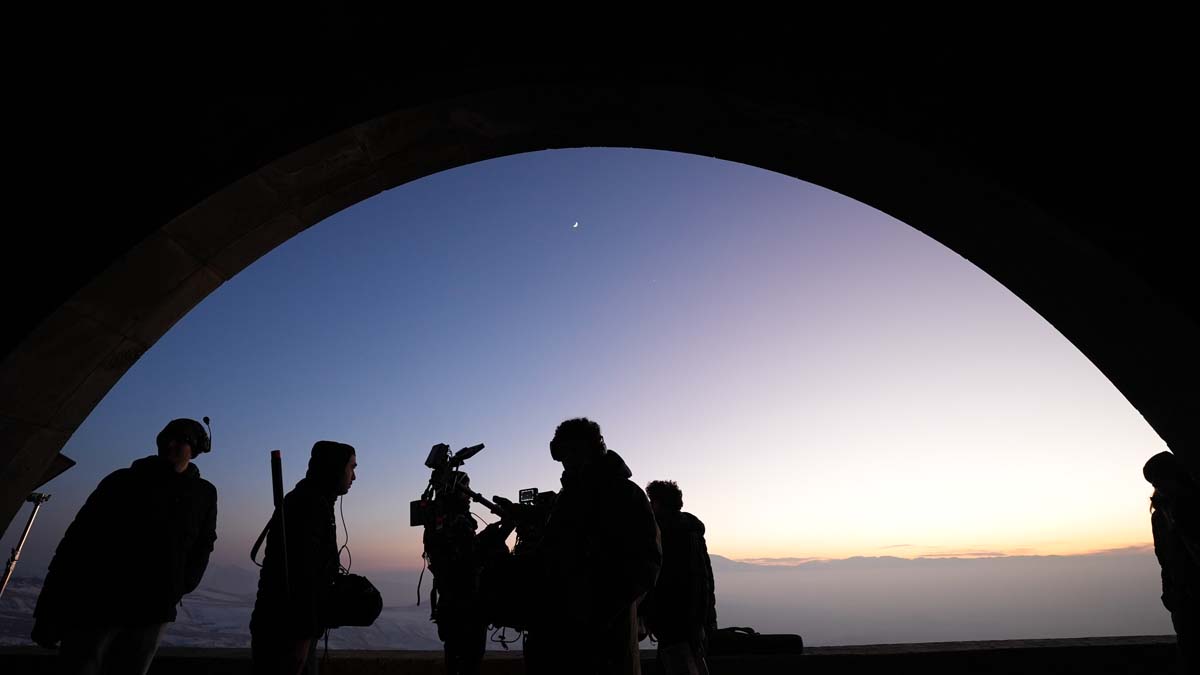
They filmed over the course of 20 days, if I’m not mistaken, then I got the footage after because there was no way to pass it back and forth. We didn’t have a distributor. We didn’t have a network, or a studio to report back to, so it was essentially, “Here’s the footage. Let’s make it the best version of itself that it can be.”
So once I got my hands on it and assessed what it was going to look like, I just started cutting. It took about four months to cut it together from start to finish because at one point we locked and then we opened it, then we locked it again.
The mix took a while because there was a lot of heavy music mixing that had to happen. And then we had a little like screening, then we went back in and mixed it again. There was some back-and-forth, about that, between cutting it, then finishing the mix.
Eight months, start to finish. The actual cutting was closer to three. Once it was acquired, they had some feedback, so that was part of the back-and-forth and getting things to the right place, which we expected was going to happen. They were wonderful partners. They were very supportive of the film.
Last week I interviewed Josh Safdie and Ron Bronstein about Marty Supreme, and I was quite surprised to learn that they edited the film in sequence. Since you said you got the footage after they finished shooting, did you edit starting with scene one?
I did cut it in sequence up to a point. I wanted to figure out how do I get us to Armenia? That was my big goal. How do I keep this interesting until we get there? Once we got there, everything was fine.
That scene where they’re all having the big family dinner and it’s really chaotic, I cut that pretty early on. The little mini-montage getting you from the airport, that was one of the first things that I pulled together, because that song, which is an older Armenian song, was written into the script, and there was actually a little side story about how she would step off the plane, and there was a guy waving a flag and singing the song.
It didn’t quite work. You kind of see him at the end. If anybody caught him, but thankfully, because they were mic’d properly, we were able to pull that out and get it to work really well.
That was one of the first things that I did is I took that song and I put it up against all the airport stuff and had a lot of fun pulling that together, because what I thought was one of the most important parts of the film was establishing seeing it through her eyes, because we wanted this to be a film - and this was the big thing - we didn’t want it to be a film just for Armenians.
We knew that we would have an Armenian audience. We knew that we would have people who would be interested in seeing the film. She’s from the diaspora. She’s not from here. She’s never been here.
She has a father who is from here, but she’s never actually visited the country, and presumably, most of the people who are going to be watching this - presumably those people are not going to know anything about Armenia. So how do you showcase that through her eyes?
One of the brilliant things about using that song is the lyrics, which are all about “when you come to this country, you feel accepted, you feel taken in” and that’s why it was really important to translate that and pull those pieces together.
So that was the first thing that I cut. In addition to those early scenes, there were a few of the early scenes that I left them in initially to show them, but I think everyone was really quick to say, “You’re right. We don’t need it. That can go away.”
It’s interesting, though, that you have the opportunity to cut the movie in sequence and you don’t completely cut it in sequence because you’re inspired by other scenes.
That’s part of my focus issues. I tend to get caught up - especially in the music-driven scenes - and that was one of them. I did try to go in order. I have a tendency - if something feels too big or too insurmountable of a scene, especially anything that’s really heavy action or too many people all at once - I’ll put it aside and say, I’ll come back to it eventually.
Part of it is that I have to be in the right mental state. I have to feel that inspiration, like with that driving sequence. So I focus on that. But I’ll have the same thing with really quiet scenes.
I’ll start working on it and think, “I’m not really feeling this right now. I’ll come back to it. Let me move on to something else.” So there is a beauty in that flexibility and not having that “keeping up to camera” pressure that you would normally have.
Sometimes I don’t feel like cutting at all. But you have to keep progressing, so I think, “I’m just going to do some mindless organizational task that at least me gets me down the road.”
For sure. I will do that a lot.
Then you feel inspired later.
When I have the time - like I did on this project - I like being able to just watch and absorb first, and if I feel inspired, I’ll start cutting something for sure. But I like being able to absorb the information.
I like being able to watch and say, “Okay, this take is totally not working. Let me mark down why I didn’t like it.” or “Gosh! This is fantastic. I want to earmark this to make sure I don’t forget about it.”
Then I’ll go back and watch it again as I’m cutting it, but I don’t always have the time to do that, especially when we’re trying to keep up to camera. But in this case it was very different, and I feel very fortunate that I had that experience on this one.
Do you ever screen dailies for a scene and then not cut the scene immediately? Go home?
I’ll usually do a little something. It’s that feeling of wanting to make progress. If I feel like I’ve done a little bit, it makes me feel better about skipping over it or moving forward to something else.
I like check marks. I like being able to say, “Okay, scene one is done. Scene two is done. Now I can move on to the next thing.” Of course you’re always coming back and refining it, but I do enjoy that process of making progress so I can move forward.
And when you come in the next morning, you feel like you’re not starting from scratch.
Yeah, I do that to myself. I’m a bit of a night owl, so I’ll keep going until I feel like it’s in a good place and I can leave it, because if it’s not, then there’s that feeling of leaving something unfinished that’s very unnerving for me. I don’t do well with it.
Did you edit from home?
I did, which was a huge blessing considering I had a broken foot. I don’t know that I would have been able to roll myself into an office, so it was really nice. It was very helpful, very flexible, and I’m very grateful to the team for that - for giving me the space to do that.
Well, I’m very grateful for this interview! It was lovely chatting with you about this film. Congratulations on your ACE Eddie Award.
Thank you. I really appreciate it.
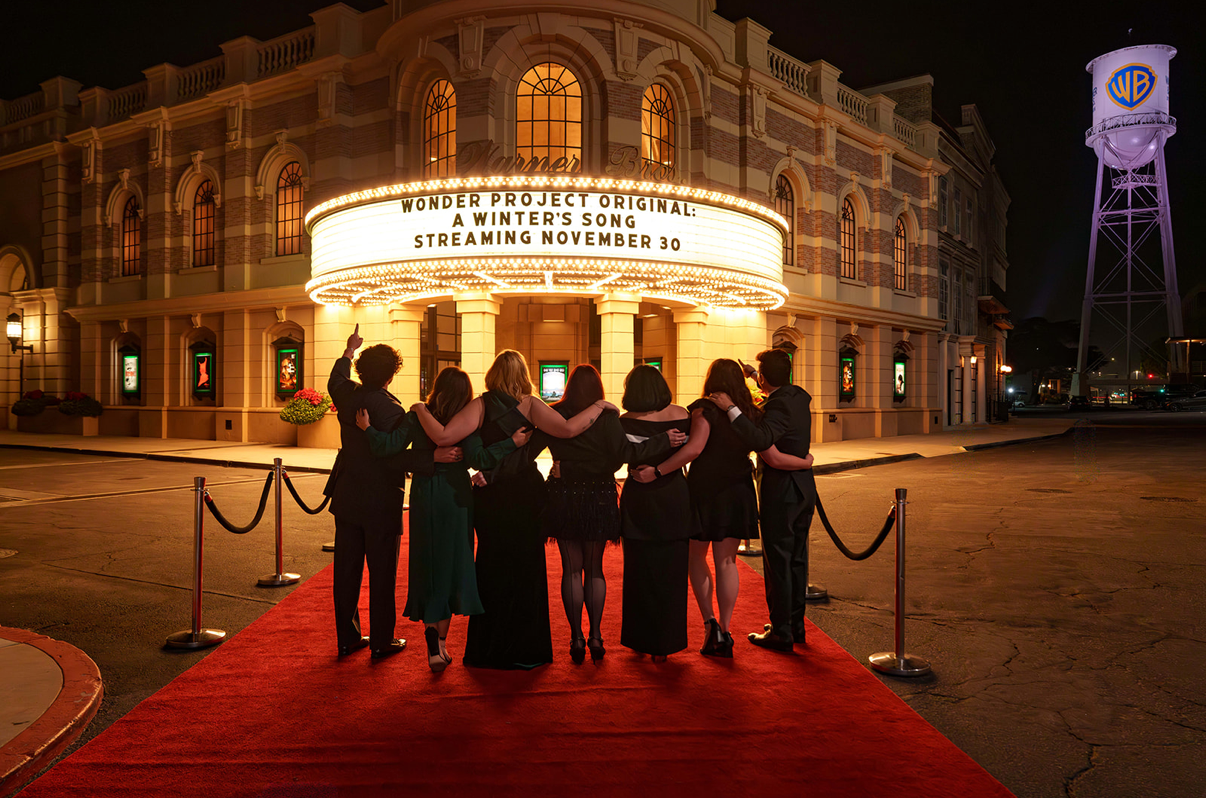
A Winter’s Song Premiere
 March 26, 2026
Young Sherlock
Today on Art of the Cut, we speak with four of the editors on the buzzy new Amazon Prime series, Young Sherlock. With us are ...
Read more March 18, 2026
KPop Demon Hunters
Today on Art of the Cut we speak with editor Nathan Schauf about his ACE Eddie and Annie award-winning work on the Oscar-winning Best Animated ...
Read more March 12, 2026
Hoppers
Axel and I previously talked about Toy Story 4 for which he won an ACE Eddie. He also has Annie nominations for Best Editing for ...
Read more